

Introduction to the Isolation Protocol
Since the genesis of Western civilization, residential architecture has never been a mere lattice of brick, concrete, or wood; it has functioned as the symbolic pillar upon which we erect our fragile sanity. The house represents the individual’s ultimate sanctuary: a private, delimited, and sacred space where the hostile laws of the outside world are suspended at the doormat, where the chaos of the urban jungle is contained by four walls, and where personal security, intimacy, and private property are guaranteed by a handshake with civilization.
However, one of the most disturbing, lucid, and ruthless veins of contemporary psychological thriller and horror cinema is dedicated to demolishing this axiom with the precision of a wrecking ball. We are speaking of what we can formally define as the Isolation Protocol. In this narrative of confinement, the residential space does not suffer a simple external threat; it undergoes a traumatic metamorphosis where the protective fortress progressively—or through a dry, irreversible impact—transforms into a deadly trap, a laboratory of sociological torture, a steel prison, or a claustrophobic moral condemnation.
Contemporary Cinema and the Subversion of Domesticity
Contemporary cinema has found in the subversion of domesticity an inexhaustible breeding ground to dismantle our greatest 21st-century neuroses. We no longer need medieval castles or 19th-century haunted houses to be scared; today, the nightmare is cooked in gentrified vacation rentals, apocalyptic paranoia bunkers, hypertech fortresses controlled by invisible home automation, or vulgar urban apartments, stuffed with dirty dishes and absurd furniture.
By sealing off access points and locking their protagonists between four walls, filmmakers like Caye Casas, Alexandre Bustillo, Julien Maury, Michael Haneke, or Fede Álvarez do not merely seek the spatial suffocation of the viewer. They use architecture as a distorting mirror to examine agoraphobia, class paranoia, the breakdown of trust, graphic violence without anesthesia, and that devastating guilt that arises when you discover that the true threat was not the monster on the other side of the wall, but the air you breathe inside your own living room.
Socio-Architectural Foundations of the Isolation Protocol
To understand why the residential space is the perfect stage for psychological and visceral butchery, it is necessary to dissect the conceptual axes upon which the architecture of comfort is subverted until it becomes a nightmare:
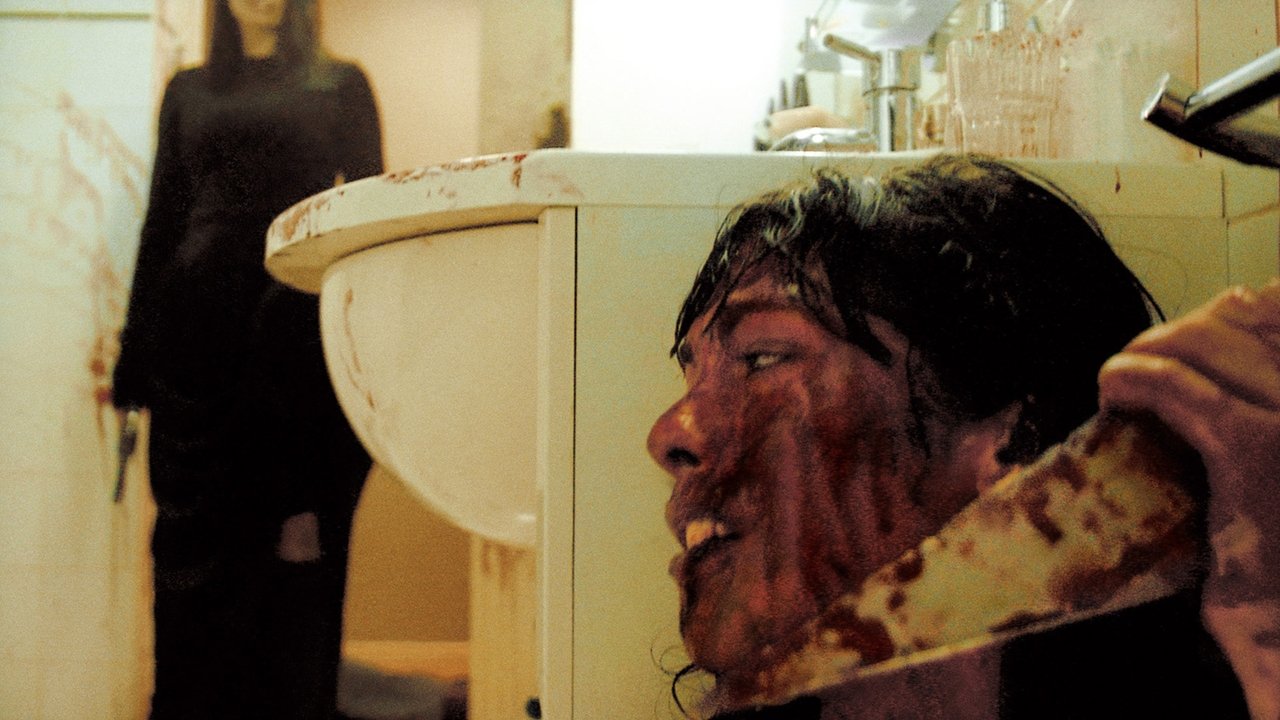
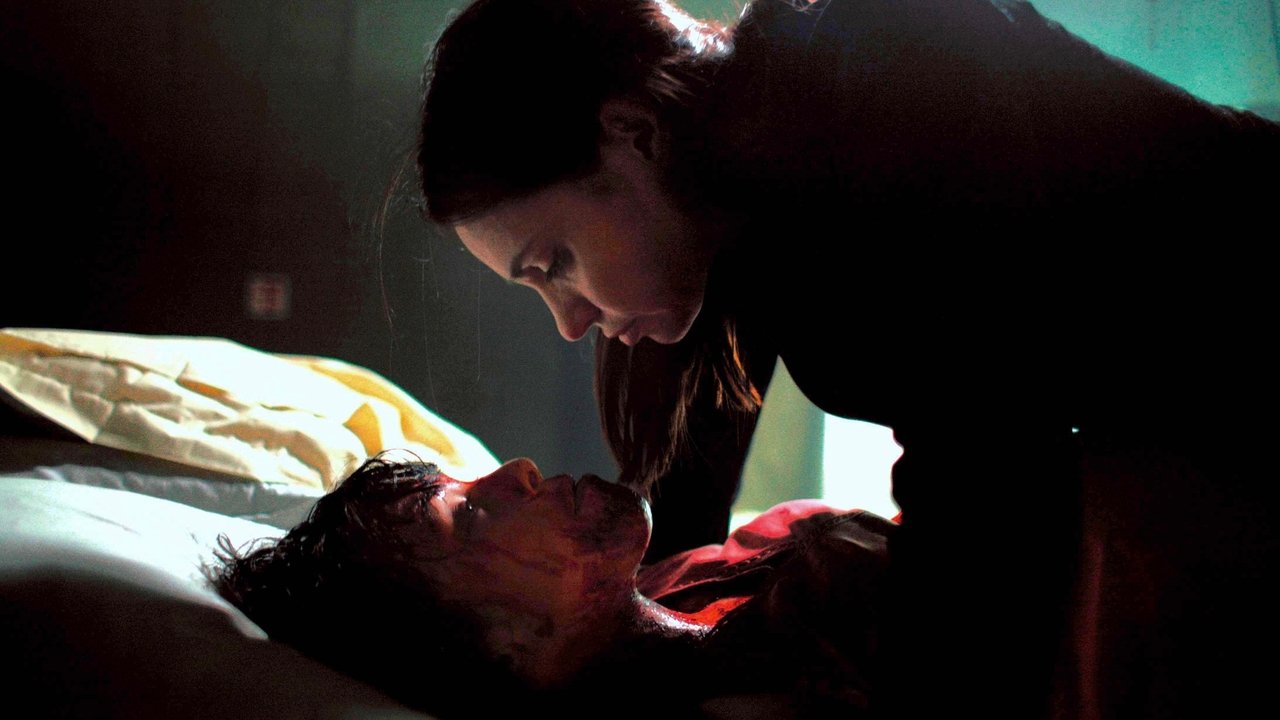
- Invasion of Private Space (Home Invasion) and Visceral Gore: The violent, intrusive, and ruthless violation of the domestic threshold by external agents who impose their own rules of the game within the victim's property. The absolute reference for this extremism is Inside (À l'intérieur, Julien Maury & Alexandre Bustillo, 2007), where a house in the middle of the night becomes a claustrophobic slaughterhouse, a pair of sewing scissors replaces the conventional bladed weapon, and motherhood is assaulted in a closed bathroom where the white walls are stained crimson.
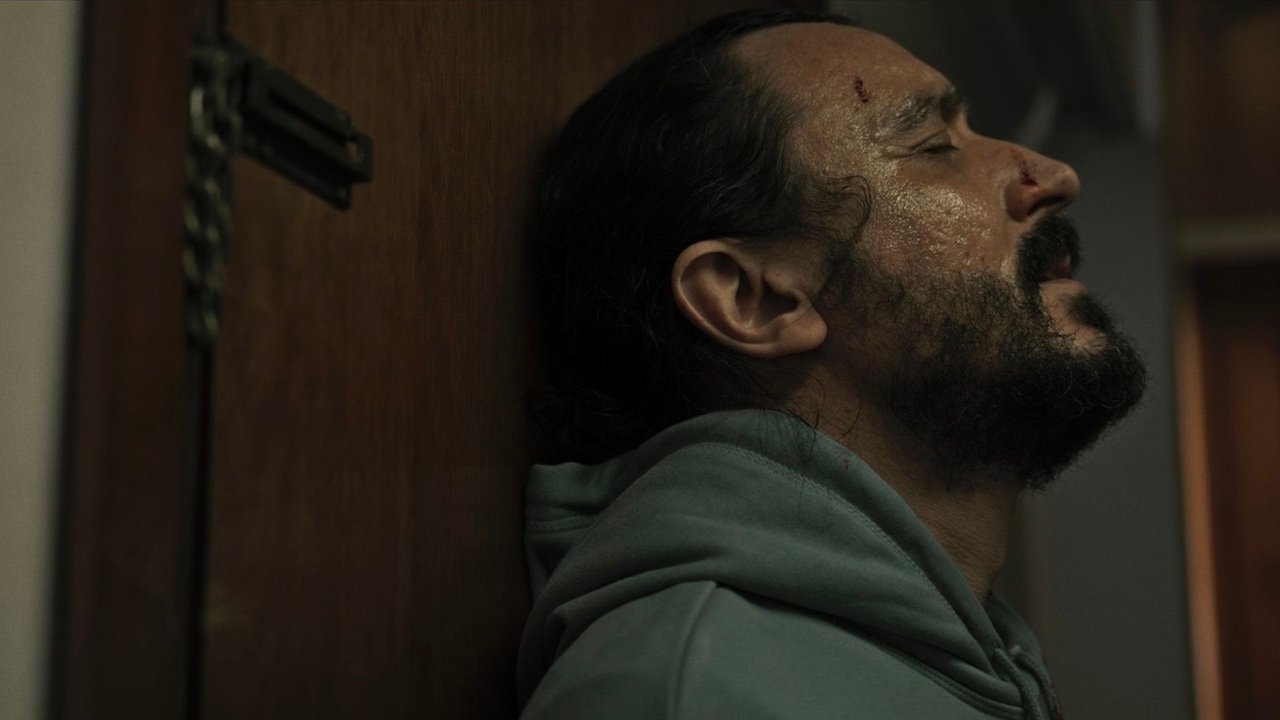
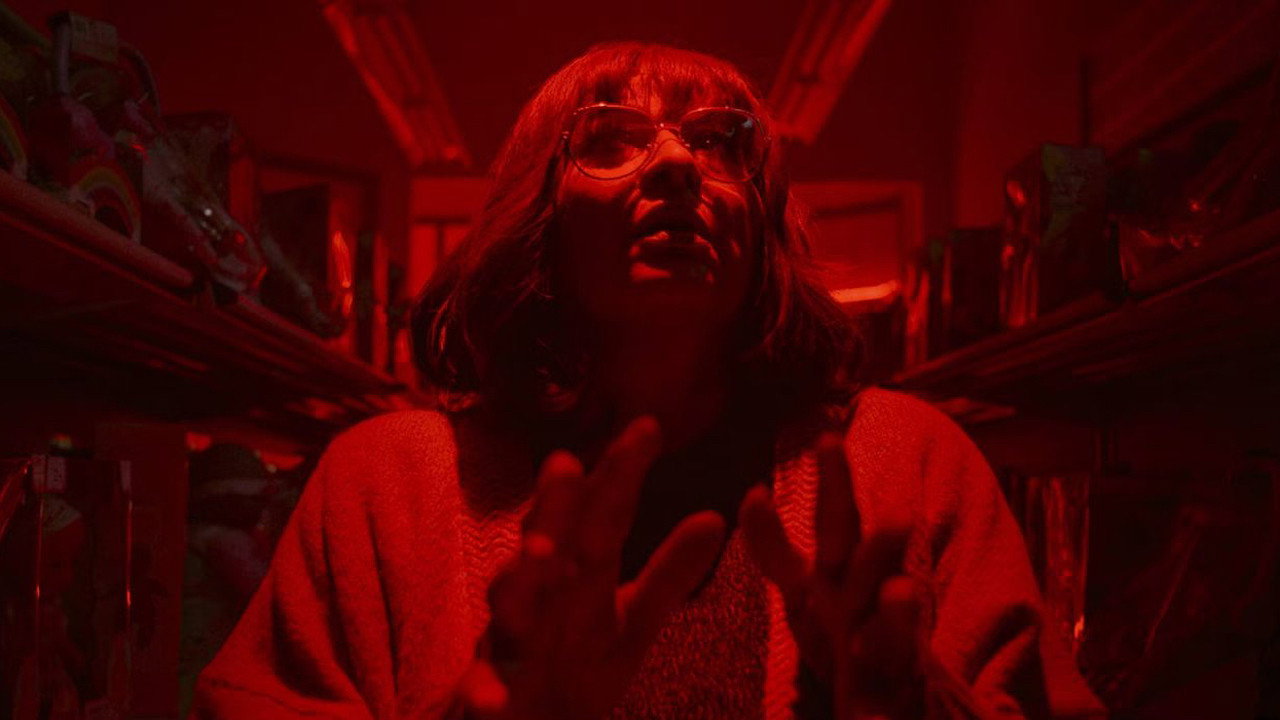
- The Furniture Trap and Everyday Suffocation: Terror taken to its most atrocious and uncomfortable expression, where the space dispenses entirely with armed invaders or supernatural events. In this axis, the threat arises from the vulnerability of everyday life itself and the geometry of ordinary objects. This is the undeniable realm of La mesita del comedor (Caye Casas, 2022), where an atemporal urban apartment transforms into a chamber of psychological torture not through locks or bars, but through paralyzing guilt, shame, and the unbearable weight of a secret that destroys a family from the inside in the presence of a mundane object.
- Role Reversal and Psychological Sadism: The deconstruction of the roles of victim and victimizer within the home. While Funny Games (Michael Haneke, 1997/2007) dismantles bourgeois courtesy by turning a summer chalet into an arena of implacable sadism that breaks the fourth wall, films like Don't Breathe (Fede Álvarez, 2016) and You're Next (Adam Wingard, 2011) turn the tables: the home of a blind veteran transforms into a dark labyrinth where hearing replaces sight, or a home attacked by masked killers becomes a deadly minefield designed by the victim herself.
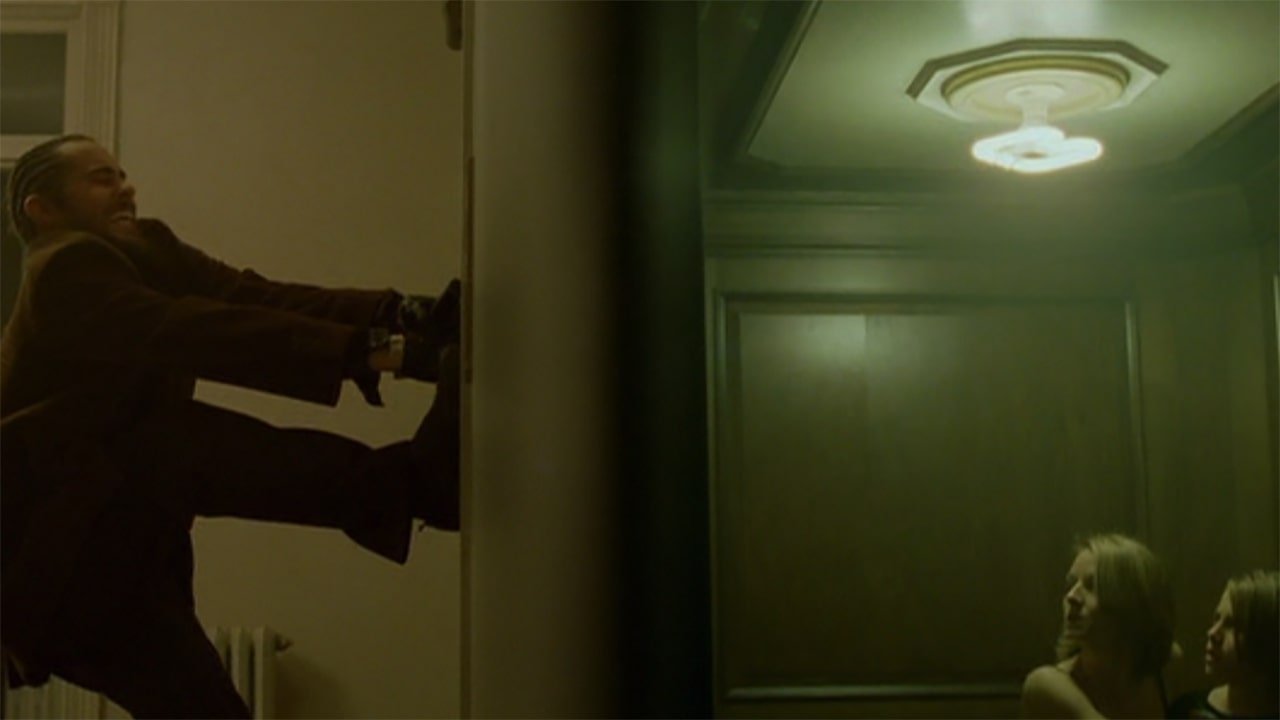
- Sensory Isolation, Paranoia, and Useless Fortresses: Spaces formally designed to seal off external danger that end up devouring the sanity of their inhabitants. From the anguishing blindness in the classic thriller Wait Until Dark (Espera hasta oscurecer, Terence Young, 1967) or the acoustic isolation of the deaf protagonist in Hush (Silencio, Mike Flanagan, 2016), to the architectural paradox of Panic Room (David Fincher, 2002), where the armored room is both an impenetrable refuge and a claustrophobic cell.
Critical Anatomy of Representative Works
- La mesita del comedor (Caye Casas, 2022): Shot in guerrilla style in just ten days and in the real location of a residence, Caye Casas signs one of the cruelest, most disturbing, and most original exercises of psychological Isolation Protocol in contemporary cinema. What starts as a domestic drama with shades of black humor about the purchase of an innocuous piece of furniture abruptly mutates into a prison of guilt and suffocating tension.
- Inside (À l'intérieur, Julien Maury & Alexandre Bustillo, 2007): Perched at the summit of French New Extremism, Inside is the isolation protocol taken to the paroxysm of visceral horror. The entire action is compressed into the eve of Christmas within the apartment of Sarah, a young pregnant widow stalked by an obsessive intruder (a heartbreaking and terrifying Béatrice Dalle) determined to snatch the baby she carries in her womb.
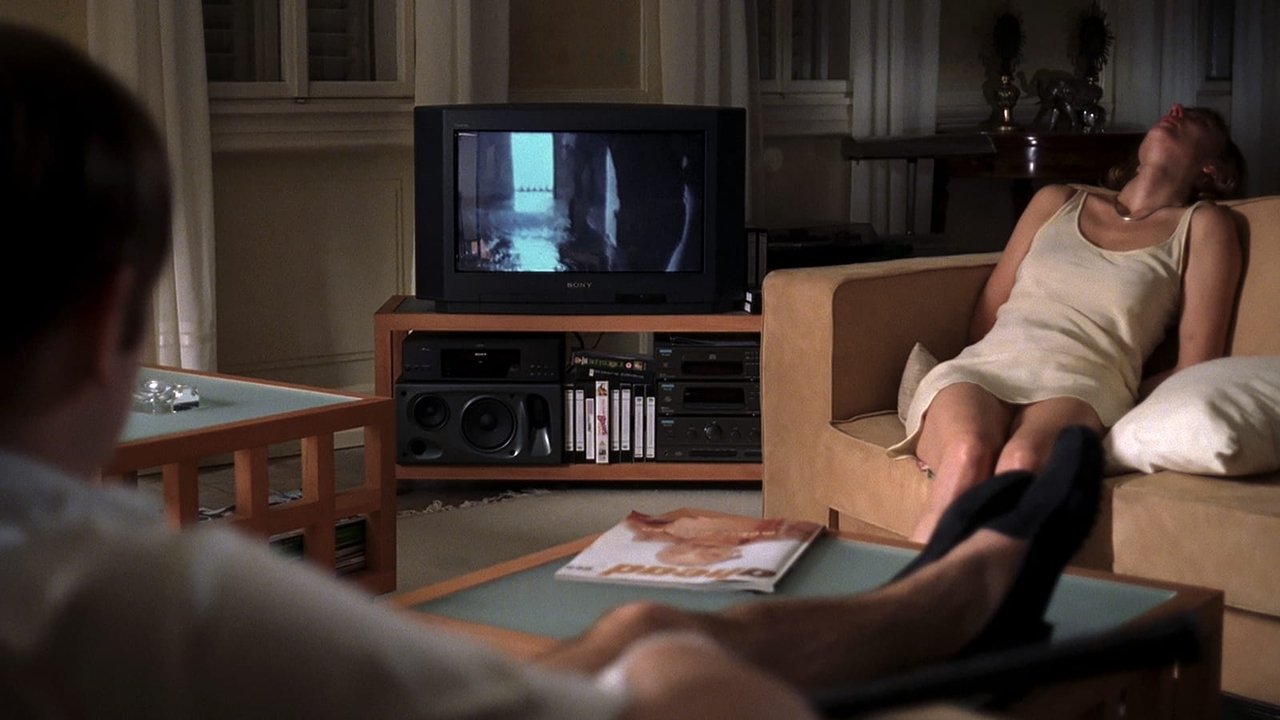
- Funny Games (Michael Haneke, 1997 / 2007): Michael Haneke executes an implacable deconstruction of the Home Invasion. Two young people dressed in white enter the vacation home of a wealthy family under polite pretexts to subject them to a sadomasochistic game with a brutal wager: whether they will still be alive by the next morning.
- Don't Breathe (Fede Álvarez, 2016): A trio of young thieves assaults the fortified home of a blind war veteran in a desolate neighborhood of Detroit, expecting an easy score. What they do not foresee is that the domestic space has been molded to the sensory deprivation of its owner.
- Panic Room (David Fincher, 2002): David Fincher explores the paranoia of urban security. A mother (Jodie Foster) and her diabetic daughter move into a huge Victorian mansion in Manhattan equipped with an armored room impervious to intruders.
Complementary Catalog of Domestic Isolation
Other essential productions to delve deeper into the cinematic breakdown of houses turned into prisons or deadly traps:
- The Strangers (Los extraños, Bryan Bertino, 2008): A modern classic of home invasion where the absence of an explicit motive ("because you were home") underscores the absolute fragility of the domestic refuge.
- You're Next (Adam Wingard, 2011): A brutal subversion where the family home attacked by animal-masked killers transforms into a battlefield full of deadly traps installed by the victim herself.
- Hush (Silencio, Mike Flanagan, 2016): A claustrophobic duel between a masked killer and a deaf writer isolated in her forest home, where the windows are both a window to terror and her only defense.
- Them (Ils, David Moreau & Xavier Palud, 2006): A couple cornered in their remote country house by invisible presences that turn the hallways and the darkness of the home into a labyrinth of suffocating pursuit.
- The Collector (El coleccionista, Marcus Dunstan, 2009): A thief breaks into a mansion only to discover that a masked sadist has previously transformed it into a complex deadly trap stuffed with bloody artifacts.
- Kidnapped (Secuestrados, Miguel Ángel Vivas, 2010): Made through brutal long takes and without cuts, it narrates the hyper-realistic assault on a luxury housing development where violence breaks out without giving the entrenched family any respite.
- Wait Until Dark (Espera hasta oscurecer, Terence Young, 1967): The quintessential classic of domestic suspense, where Audrey Hepburn portrays a blind woman who must tip the scales by equalizing the conditions of her darkened apartment against three criminals.
- Breaking In (James McTeigue, 2018): A mother fights to break from the outside the armored security systems of a smart home to save her children trapped inside with several kidnappers.
Conclusion: The Emptiness of the Refuge and the Domestic Condemnation
In the end, the cinema of the Isolation Protocol spits in our faces a truth as uncomfortable as it is irrefutable: the illusion of the home as an inviolable sanctuary is just that, a class-based mirage designed to sell home insurance, smart locks, and designer furniture. We have spent decades building fortresses, installing panoptic home automation, and barring doors with the stupid conviction that evil is always an external force, something that dwells in the shadows of a distant forest or in the mind of a latex-masked intruder.
But this cinema of confinement and suffocation strips us of that last moral anesthetic. It demonstrates that true horror does not need to cross the front door; the horror was already inside, waiting to be unpacked.
It matters little if your prison is a country house stalked by masked killers, an apartment stained with blood with sewing scissors in hand, an armored room in Manhattan, or a vulgar three-room apartment shot on a shoestring budget with suicidal audacity. When architecture becomes a trap, the walls do not protect you: they devour you. And when filmmakers like Caye Casas or the Maury-Bustillo duo take this premise to its final and cruelest consequences, isolation ceases to be a mere script resource or a formal trick of limited space; it transforms into an existential and definitive condemnation.
There lies the most perverse victory of this subgenre. It no longer takes a psychopath with an axe or an interdimensional monster to knock down your door. It is enough with the darkest whim of fate, a stupid decision, a bad afternoon at a furniture store, or the dull crack of a glass table fracturing in the living room. The greatest threat to the contemporary individual does not wait outside. It is sitting with you at the table, eating from your same plate, breathing your same stale air, and reminding you that once the domestic threshold becomes hell, there is no evacuation protocol or lock in the world that can save you from yourself. 💀