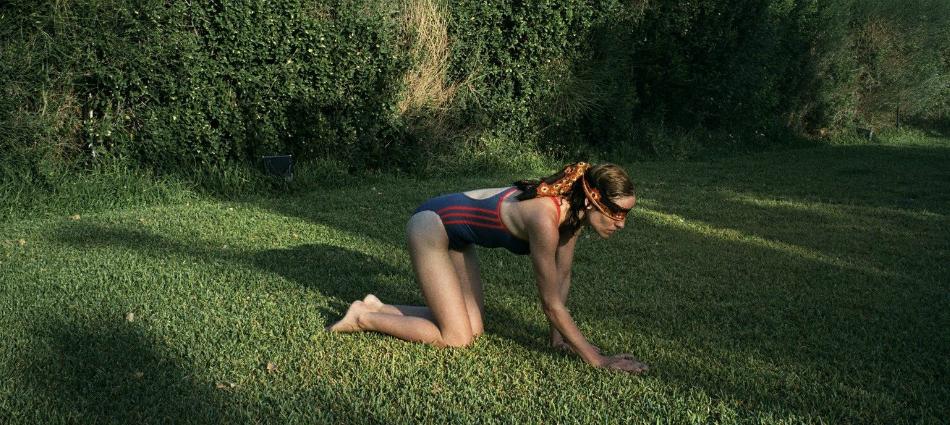
The educational system is nothing more than a training ground to produce obedient citizens, docile consumers and submissive workers. And cinema, that deformed yet accurate mirror, knows it better than anyone. From British boarding schools where children learn to hate in style to reformatories that promise “re‑education” with electrodes and humiliation, the seventh art has dissected with relish the hypocrisy of an institution that sells freedom while chaining minds. Ready for the most uncomfortable class of your life? Turn off your phones, take out your notebook and stay put. Professor Lagbert is watching you.
Education as State Religion: When the Classroom Smells of Incense and Rot
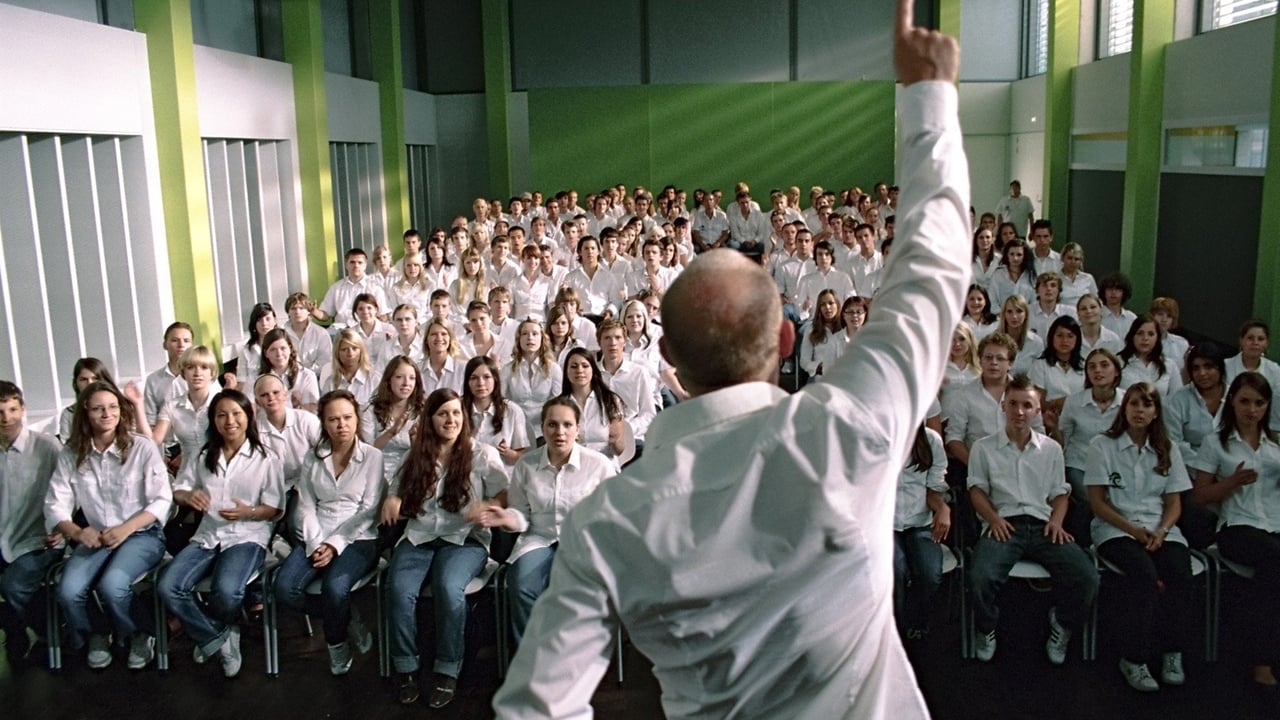
Michel Foucault would roll in his grave if he saw how cinema has turned his theories into a horror reality show. Schools are not temples of knowledge, but panopticons with blackboards. And teachers, those clerics with thick glasses, act as high priests of a cult that demands human sacrifices: creativity, dissent and, above all, a sense of humor. Does anyone laugh in The Wave when Professor Wenger turns his class into a fascist experiment? No, of course not. Because fascism, like traditional education, is based on fear, repetition and blind obedience.
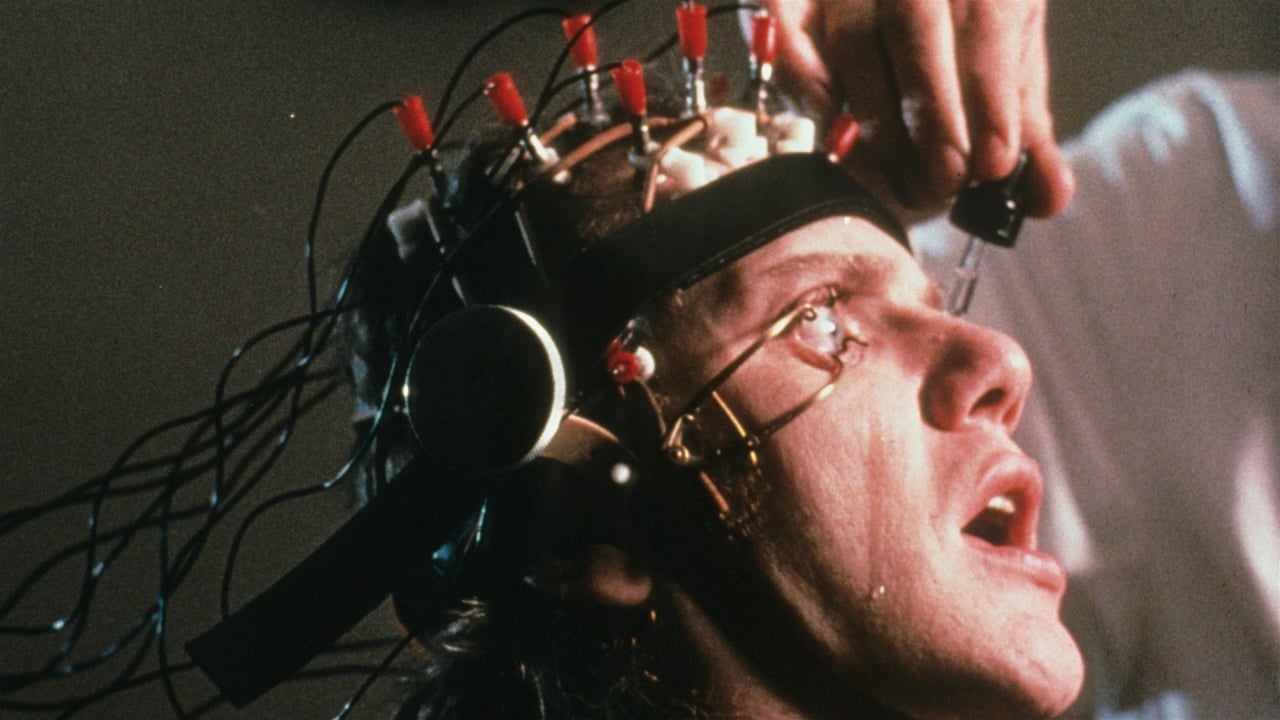
Stanley Kubrick already warned us in A Clockwork Orange: the State prefers a citizen conditioned to vomit at violence rather than one capable of choosing evil. The Ludovico Technique is not science fiction, it is the future of pedagogy. Imagine a classroom where, instead of exams, they inject you with substances that make you cry every time you think about breaking the rules. Sounds like dystopia, but it’s just Monday morning in any public high school. The difference is that, instead of syringes, they use grades, punishments and the disappointed stare of the homeroom teacher.
And then there is Dogtooth, Yorgos Lanthimos’s masterpiece, where family education becomes a survival reality show. Parents who rewrite the dictionary so their children live in a bubble of lies, where “sea” is a chair and “zombie” a flower. Does that sound familiar? It’s the same manual governments use to sell you that austerity is “responsibility” and war is “peace”. Symbolic violence does not need blood; it suffices to distort language until reality becomes unrecognizable. Welcome to 21st‑century education, where critical thinking is a virus and obedience, the only vaccine.

Good Boy, Whiplash and the Myth of “Re‑education”: When the System Prefers to Break You Than to Fix You
Jan Komasa is not a director, he is a surgeon who operates on an open heart without anesthesia. In Good Boy, his latest pedagogical nightmare, he plunges us into a “re‑education” center for troubled youths where the motto seems to be: “If you can’t beat them, dehumanize them.” There is no therapy, no dialogue, only behavior‑modification techniques that would make B.F. Skinner blush. The goal? To turn wolves into lambs, even if it means pulling out their fangs with pliers.

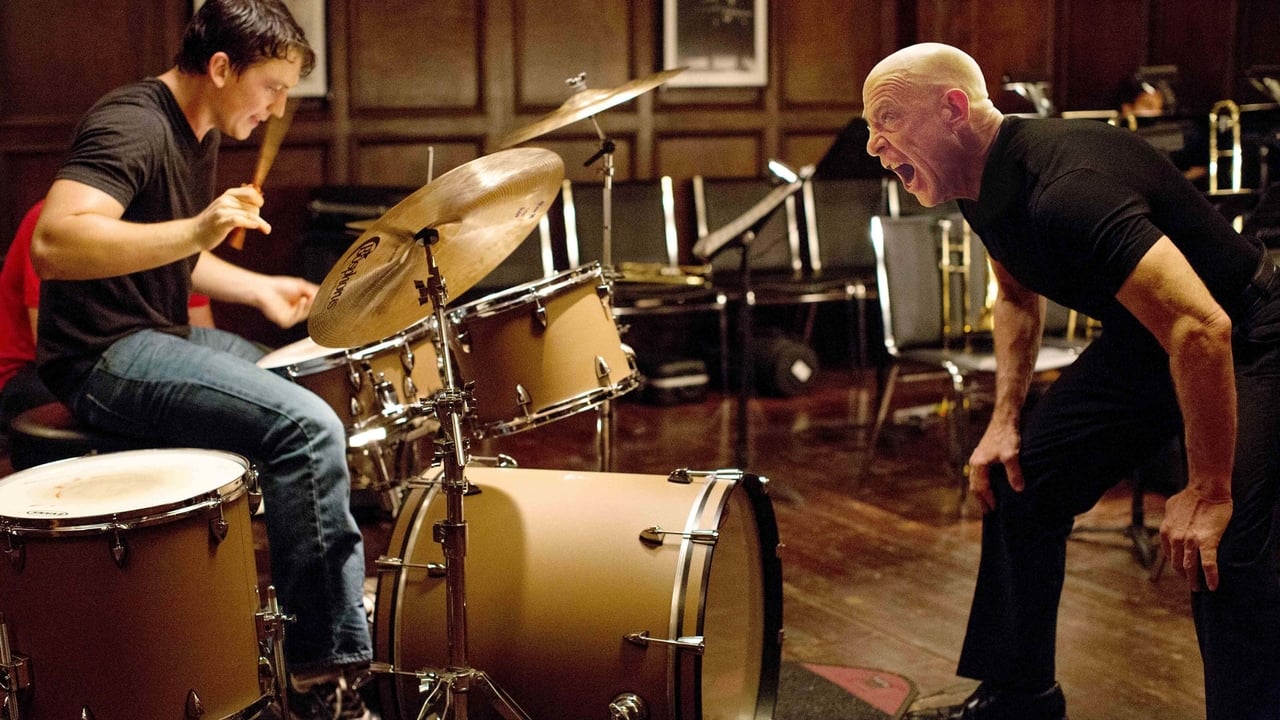
But Komasa is not alone in his crusade against horror pedagogy. Whiplash, by Damien Chazelle, takes educational sadism to its extreme: a music teacher who believes genius is achieved only through humiliation, shouting and blood on the cymbals. “There are no two words more damaging than ‘good job’”, snaps teacher Fletcher, as if excellence were a contact sport and the student a punching bag. Does that sound familiar? It’s the same rhetoric used by elite coaches, toxic bosses and, of course, politicians when they talk about “merit” and “effort”. As if talent were nothing more than the result of beating you until your self‑esteem shatters.
The problem is not that these methods work. The problem is that, sometimes, they work too well. Alex DeLarge leaves the clinic turned into an automaton unable to choose evil, but also unable to feel pleasure. Andrew Neiman, the drummer in Whiplash, achieves technical perfection, but at the cost of his mental health. Is it worth it? The system says yes, because it prefers efficient robots to free human beings. And so, generation after generation, we swallow the story that suffering is necessary for growth. As if education were a Rocky movie and not a concentration camp with a morning schedule.
The Impossible Rebellion: When Cinema Reminds Us That We Always Lose
Cinema, in its infinite cruelty, also shows us that resistance is futile. The rebellious students in If… end up massacred, the children in Zero en Conducta are crushed by the system, and the protagonists of La Clase resign themselves to survive in a classroom where the teacher is just another inmate. Education is not reformed, it is endured. And those who try to change it end up like Professor Keating in Dead Poets Society: fired, forgotten and replaced by another suited bureaucrat.
But there is something even more terrifying than defeat: complicity. In The Wave, the students are not victims, they are executioners. They go along with Professor Wenger’s game because, deep down, they enjoy the power. Discipline, the uniform, the “us versus them”… It’s addictive. And that is what makes the film so uncomfortable: it is not a warning about fascism, but a mirror. We all carry a little dictator inside, waiting for someone to give us permission to step out.
Cinema reminds us that education is not a right, it is a privilege. And like any privilege, it is paid for with submission. Whether in an elite boarding school, a reformatory or a neighborhood public school, the message is the same: obey, repeat, don’t ask. And if you complain, there will always be a teacher, a parent or a State ready to remind you that, after all, you are just a student. A number. A future taxpayer.
The Verdict from Claqueta Ácida
Cinema does not lie: education is the opium of the people, but with less glamour and more homework. From British boarding schools that teach you to hate freedom to reformatories that promise to “re‑integrate” you with electrodes, the system does not want critical citizens, but degree‑holding sheep. Kubrick, Lanthimos, Komasa and company have given us the most brutal X‑rays of this farce, yet we keep swallowing. Because, in the end, we all prefer to believe that the classroom is a safe place, even if it smells of rot and chalk. The next time a teacher tells you that education will set you free, remember: the last person who promised you freedom ended up nailed to a cross. 💀