The Whistler — Autopsy of a Pulse-Free Genre
Diego Velasco delivers in The Whistler an exercise where resource scarcity lays bare the seams of the modern thriller.
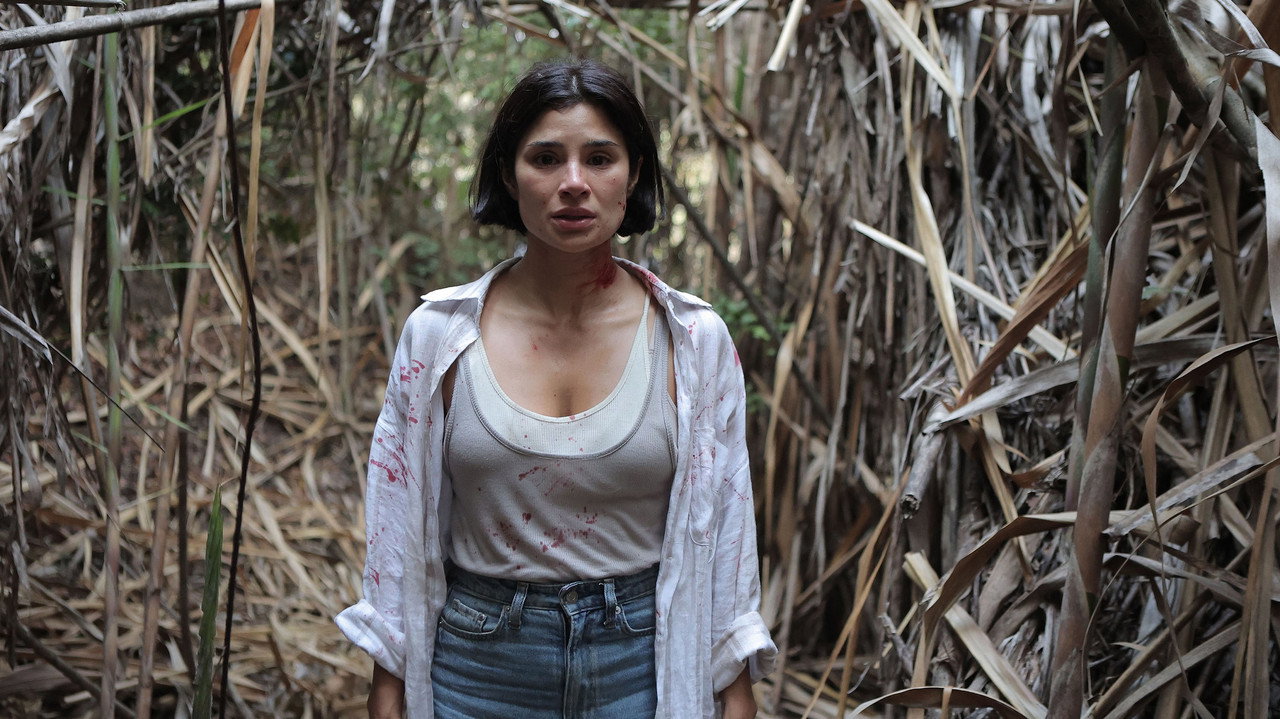
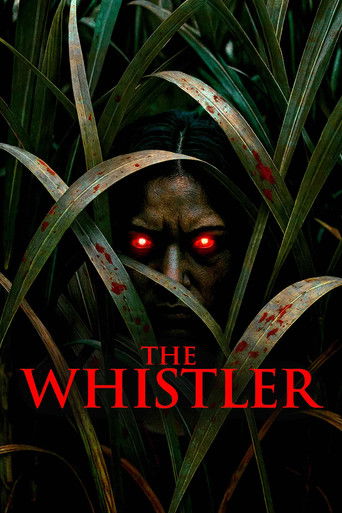
The Whistler: full review
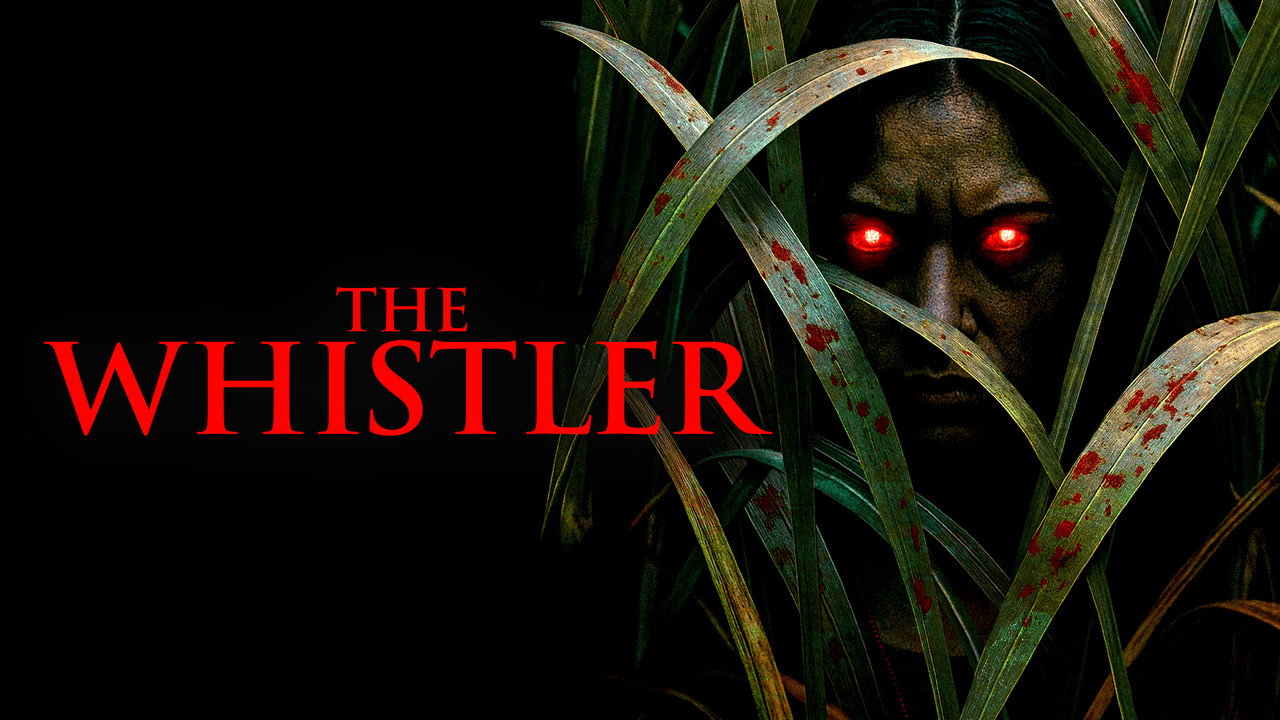
There is something profoundly fascinating about witnessing how a cinematic work struggles against its own physical and budgetary limits. In a landscape saturated with digital artifice and millionaire marketing machinery, approaching a production like The Whistler forces us to rethink what we exactly mean by narrative tension at the margins of the industry. Diego Velasco assumes a remarkable risk here, navigating waters where the precariousness of means does not seek to be disguised with carnival tricks, but rather exhibited as a statement of principles regarding contemporary creative drought. This is not a film that invites you to recline in your seat; it is one that demands you to stay awake, alert, almost in a state of feverish vigil, because it knows that every second of screen time is a luxury it cannot afford to waste.
Recent trajectory within independent circuits has accustomed us to premature autopsies of genres that are born already shrouded. What this film proposes is not so much to reinvent the rules of the classic thriller as to dismantle its machinery from within, exposing the rusty gears of a structure that stopped beating with authenticity long ago. By dispensing with the usual pageantry, the direction is forced to blindly trust the atmosphere and the geography of its settings, turning material restrictions into a sort of aesthetics of lack that permeates every single shot. This is cinema that smells of humidity, wet asphalt, and decisions made against the clock, where the lack of resources transforms into a tactile texture that the spectator feels on their skin before understanding it with their mind.
However, the danger of embracing formal desolation lies in the evident risk of falling into self-conscious tedium. The work of the production company and the initial backing of the Sundance Institute suggested a prestige ambition that directly clashes with the elusive and harsh nature of the tale. We are not facing a fast-consumed product designed to please the algorithm, but rather a strange object that perpetually oscillates between formal rigor and argumental inoperativeness, demanding a patience from the spectator that they are not always willing to grant. There are moments when the camera stays still for too long, not out of artistic choice, but because there is nothing else to show, and that stillness, far from being contemplative, becomes uncomfortable, almost aggressive in its insistence.
The result is a fragile piece of goldsmithing, an artifact that precariously balances on the tightrope of genre cinema without completely plunging to its doom, yet without taking definitive flight either. The spectator who comes to the theater looking for a conventional roller coaster will leave profoundly disappointed, while the one willing to contemplate the seams of a system in crisis will find sufficient reasons for debate. In the end, what remains on the retina is the uncomfortable testimony of cinema trying to breathe underwater, slowly drowning without letting go of the air, keeping its head above the surface just enough so that the spectator does not drown along with it.
Direction and Staging
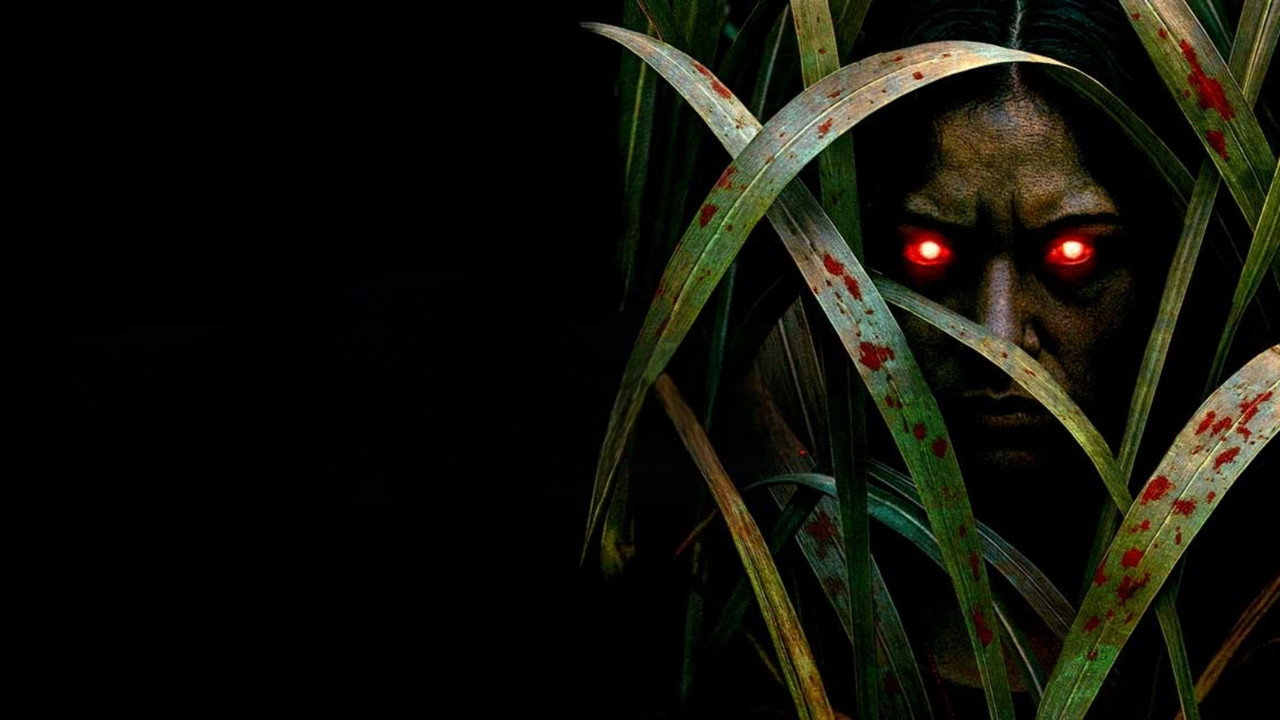
Diego Velasco demonstrates commendable lucidity in understanding that when the budget is a declared enemy, space must become the absolute protagonist. Camilo Monsalve's camera seeks no unnecessary flourishes; it delves into the corners with an almost surgical sobriety, recording faces and sets with a raw quality that betrays the absence of post-production artifices. This visual containment prevents the whole from sliding into involuntary ridicule, endowing the feature with a patina of authenticity that more than compensates for the obvious limitations of scale. There are no grand choreographic displays or impossible chases here, but rather a sustained tension based on prolonged silences and gazes that weigh like tombstones. The lighting, often natural or low-intensity, creates shadows that are not merely decorative, but psychological, concealing both the character and the spectator from the complete truth. Velasco knows that fear does not lie in what is seen, but in what the darkness suggests, and he exploits that ambiguity with a precision bordering on the obsessive.
The Script Labyrinth and Performances
Esteban Orozco's screenplay walks a dangerously thin line between conceptual minimalism and absolute emptiness of content. The terse dialogues function as tools of attrition rather than dramatic motors, forcing the cast to perform an exercise of extreme containment so as not to shipwreck in the attempt. Juan Pablo Raba assumes the burden of embodying his character's moral drift with a mix of fatigue and bewilderment that is strangely convincing in its inefficiency. His performance is a study in paralysis, where every minimal gesture communicates a history of accumulated defeats. Meanwhile, Diane Guerrero brings a magnetic presence that manages to rescue specific moments where the text threatens to crumble under the weight of its own solemnity, turning her appearances into the authentic motors of interest of the footage. Guerrero does not act so much as she interprets; she is the tension, a contained volcano beneath a layer of ice threatening to shatter at any moment. The chemistry between the two is electric, even if the script sometimes fails to give them enough space for that spark to turn into a conflagration.
Technical Section: The Music of Silence
The soundtrack, if we can even call it that, is almost nonexistent, and that is its greatest virtue. Sound design takes absolute center stage, amplifying the creak of doors, the echo of footsteps, and the electric hum of fluorescent lights. There are no melodies telling you what to feel, but rather sound textures that make you uncomfortable, making you check your real-world surroundings while you sit in the theater. This bold decision transforms silence into another character, one that opines, judges, and sometimes screams louder than any dialogue. The cinematography, on the other hand, opts for a desaturated, almost monochromatic color palette that reinforces the sensation of an exhausted world, of a reality that has lost its shine. It is an aesthetic that seeks not to be beautiful, but truthful, and that truth is what makes the film so hard to forget.
The best
- Visual honesty: The courageous use of scarcity as a narrative tool instead of masking it with cheap digital filters.
- Diane Guerrero: Her ability to endow psychological density to a character trapped in an excessively schematic script.
- The atmosphere: The creation of a climate of constant asphyxiation that lingers long past the final credits.
The worst
- Irregular pacing: Narrative tempos that occasionally mistake sobriety for the most despairing lethargy.
- The final stretch: The conflict's resolution rushes forward abruptly, leaving a frustrating sense of incompleteness.
- Script rigidity: Certain situations lack the emotional flesh necessary for the danger to feel real.
The Verdict of Claqueta Ácida
The Whistler is an uncomfortable reminder that today's independent cinema prefers to break its teeth trying to say something honest rather than walk the paved road of commercial mediocrity. We are not facing an indisputable masterpiece, but rather an experiment in formal survival that limps on both sides yet maintains unquestionable dignity. Diego Velasco delivers an exercise as flawed as it is stimulating, a deferred autopsy of a genre that needed someone to remind it of the weight of its own limitations. It is a film that will not give you all the answers, but it will leave you with questions you won't be able to shake out of your head for days. 💀
🎬 Tráiler Oficial
Abrir en YouTube
The Whistler: frequently asked questions
- What is the rating of "The Whistler" on Claqueta Ácida?
- "The Whistler" scored 5.8/10 on Claqueta Ácida in the review by Valeria Von Doom.
- Is "The Whistler" worth watching?
- With reservations. We gave it 5.8/10 (Citric Acid), our rating for uneven films with something worth saving.
- Who directed "The Whistler"?
- "The Whistler" was directed by Diego Velasco.
Theater Collateral Damage Report
Psychophysical impact certificate issued by Valeria Von Doom
Un ejercicio de resistencia intelectual que alterna momentos de fascinación geométrica con el letargo más absoluto.
Provoca miradas furtivas al cronógrafo justo cuando el argumento decide dar vueltas sobre su propio eje.
Un espresso cargado y sin azúcar para soportar los tempos muertos sin sucumbir al sopor.
"Aquella secuencia donde la coartada argumental se desploma bajo el peso de su propia pretensión solemne."
The rebuttal from Dante Sangre (Blockbuster Scalpel)
In stark disagreement with the review given by Valeria Von Doom.
“The Whistler: ruido sin sustancia Yo miro la fotografía. Luz plana, sombras ausentes. Color deslavado, nada vibra. Parece un set de plástico. El sonido chilla, eco vacío. Diálogos grabados en estudio. No hay textura auditiva. Cada golpe suena falso. El ritmo se arrastra. Cortes bruscos, sin razón. Tensión se muere temprano. La trama se vuelve estafa. Actores entregan lobotomía emocional. Miradas vacías, gestos forzados. No hay química real. Todo parece un cadáver corporativo. El guion recicla clichés. No innova, solo imita. Busca lavado de cara. Engendro de hype barato. En los ochenta se hacía mejor. Con fondos, se lograba atmósfera. Hoy es basura industrial. Yo le doy tres punto tres.
💬 Community Verdict
What did you think of the film? Rate it from 0 to 10 to compare it with the editorial review.
You haven't voted yet
📢 ¿Te ha gustado el ácido?
Comparte esta crítica con tus amigos cinéfilos o desata la polémica en redes.
⚡ THE CINEMATIC VENOM YOUR INBOX CRAVES
No sugarcoated ratings, no corporate fluff. Subscribe for our uncensored weekly analysis or join the private Telegram for press previews, poll clashes, and instant alerts.
Alertas de estrenos en 1 segundo, encuestas en caliente y audios al salir de pases de prensa.
Recibe la dosis semanal en tu mail + regalo inmediato del PDF con 50 joyas ocultas de culto.
Related Reviews
Recommended autopsies for demanding film buffs.
 ⚠️ Ácido Sulfúrico 3.2
 On the Run: A Senseless Sprint
⚡ Afinidad temática directa en atmósfera, estilo y fijaciones visuales.
A marathon of clichés and marketing sweat that leaves the audience feeling like they've run in circles. 💀
 ⚡ Ácido Cítrico 6.8
 Azrael: Samara Weaving and the Hell of Silence
⚡ Afinidad temática directa en atmósfera, estilo y fijaciones visuales.
E.L. Katz and Simon Barrett deliver a brutal, relentless mute survival horror film where Samara Weaving once again proves why she is the modern scream queen.
 ⚡ Ácido Cítrico 6.9
 Beetlejuice Beetlejuice: Tim Burton Shits the Bed Again—With Style
⚡ Afinidad temática directa en atmósfera, estilo y fijaciones visuales.
Tim Burton resurrects his most iconic creature, but the script is a Frankenstein’s monster of stale jokes and half-digested nostalgia. Keaton still rules, but this reeks of easy money.
Editorial Ecosystem
Cinephile connections, archive interviews and related analyses.
💬 Debate Cinéfilo & Autopsia de Lectores
0 veredictos¿Discrepas con nuestra nota? ¿Es una obra maestra o veneno puro? Deja tu veredicto abajo sin necesidad de registro.


Aún nadie ha dejado su veredicto para esta película.
Sé el primero en clavarle el colmillo rellenando el formulario de arriba.