
The Liturgy of Cinema: When Genius Collides with Reality
For over a century, we've been sold the myth that stepping into a cinema is a near-mystical act of communion, a liturgy of surrender where the lights dim and we blindly trust the first visionary who managed to secure funding to sign a clapboard.
We're fascinated by the idea of the "author", that demi-god infallible whom we forgive ego, height phobia, and diva tantrums in exchange for two hours of escape in the dark. But the party ends as soon as reality, that insufferable meddler, bursts through the door of the screening room and reminds us that behind the camera lens is not a god, but a human being. And with alarming frequency, a human being of questionable character.
The Hypocrisy of the Audience: Art vs. Artist
As soon as the dirt on the latest cinematic genius is exposed, the automatic spring of the carpet-bag critic and the wine-glass cinephile kicks in: "We must separate the artist from their person." A convenient cliché that serves the same purpose for a villain as it does for a lesser villain.
We love repeating it as if it were an Aristotelian axiom, a balm that absolves us of guilt while we buy our tickets. Because of course, how are we supposed to abandon the shot we just saw just because the guy who directed it is a moral monster or a man we wouldn't take out for coffee?
The hypocrisy of the average moviegoer is a monument of granite, and the film industry, which knows our weakness for alien talent, has been charging admission for every ton of cynicism we digest in the dark.
Directors with Records and Audiences with Amnesia
To understand how much cinema asks us to swallow whole, we need to strip away the filters of nostalgia and stupid reverence. Because one thing is that a director is an insufferable pain in the neck in interviews, and another is that their criminal record or statements leave you feeling like you've stepped in a puddle of mud.
The case of Roman Polanski is, by far, the most grotesque circus in the history of modern cinema. Creator of masterpieces like Chinatown and The Devil's Milk, we've spent half a century watching academics, A-list festivals, and cinephiles in wool scarves nodding in agreement with the fact that he's been a fugitive from the U.S. justice system since 1978, after pleading guilty to sexually assaulting a 13-year-old girl.
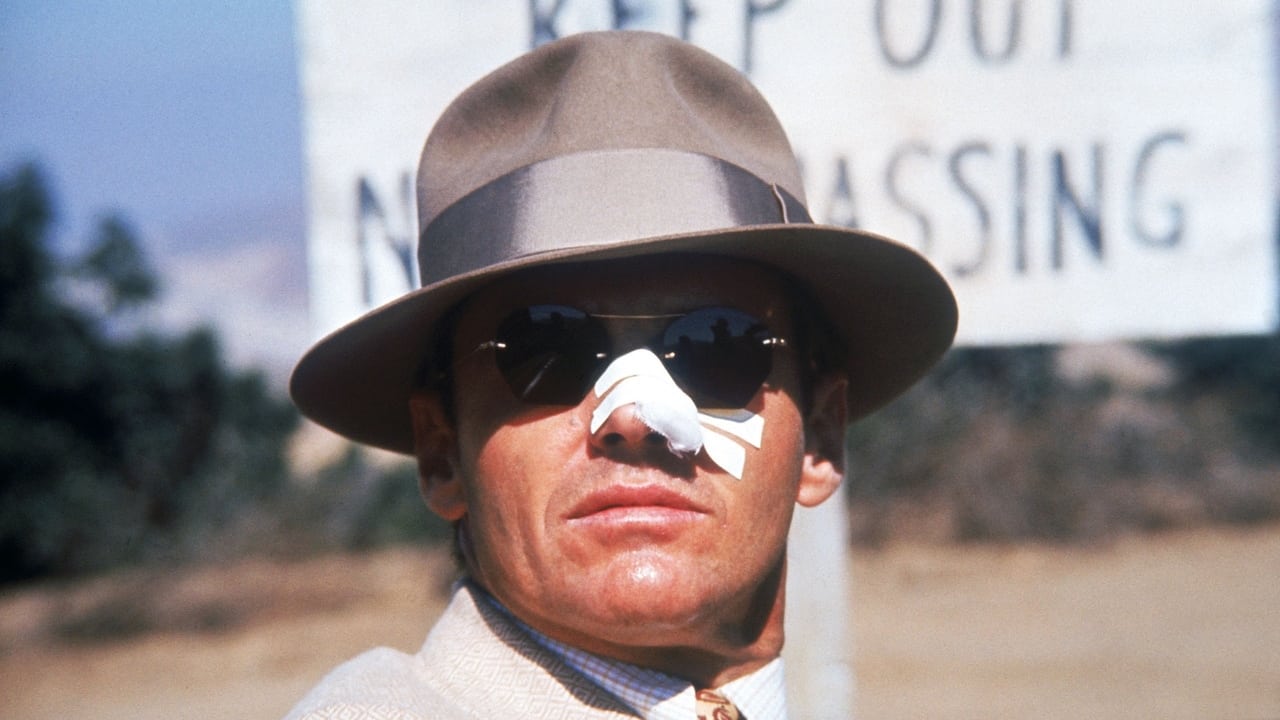
When Polanski wins a César or lifts a Palme d'Or, the audience breaks into applause in a prodigious display of mental gymnastics: they're not applauding the fugitive, they're applauding the "elegance of the mise-en-scène". As if the movements of the crane or the tone of the cut had the magical power to wash away a criminal record.
The question no one wants to ask out loud while settling into their seat is uncomfortable enough to make you want to vomit: How many Oscars do we give a man before we remember that the law should be the same for a plumber as it is for a man with a Grand Jury Prize?
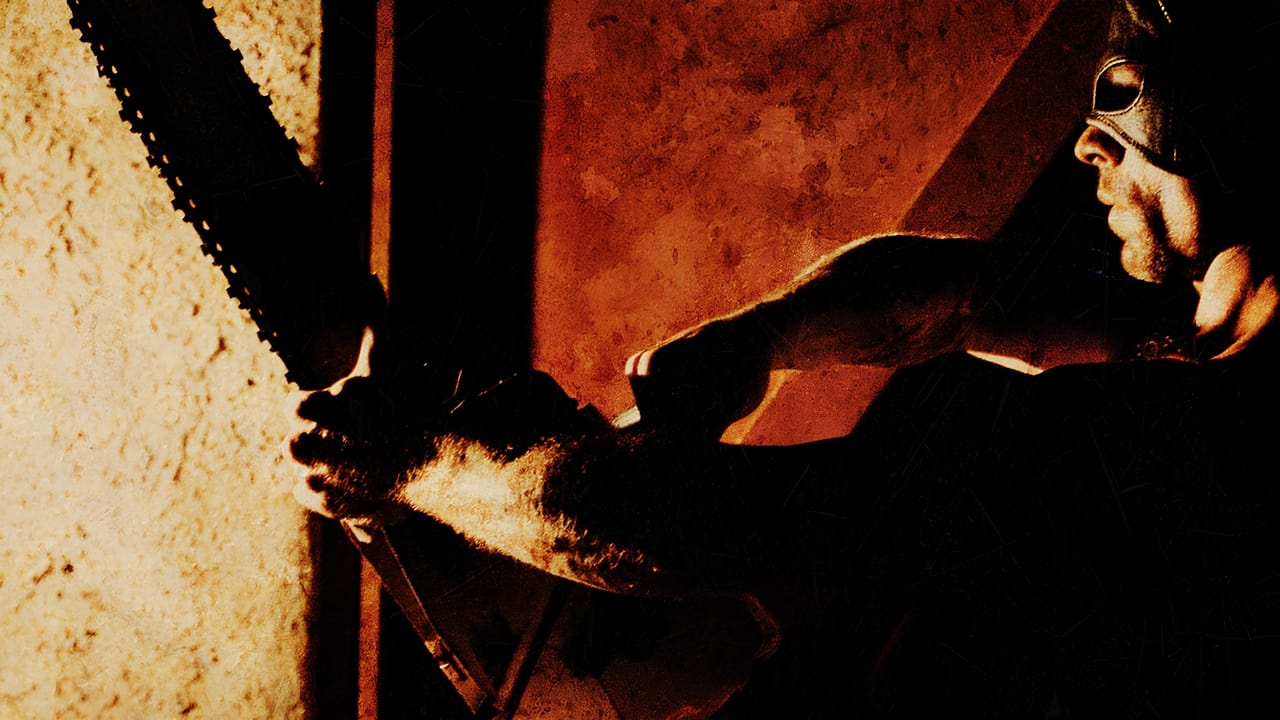
If Polanski's case is a case of institutionalized cynicism, Victor Salva's is a case of involuntary black comedy for the market. The architect of the Jeepers Creepers horror franchise was tried and convicted of prison for sexually abusing the minor actor who starred in his film Clownhouse.
He got out of prison, the industry put a camera back in his hands, and the fans of the genre opened their wallets to pay for the sequels of the creature in the hat. Here, the debate isn't theoretical or floating in the clouds of aesthetics: every ticket sold for his films has helped finance the career of a man with a conviction for pedophilia. But hey, the creature of the demon looked pretty cool when it spread its wings.
The Myth of the Tormented Genius and the Ideological Stench
For decades, Hollywood and European art cinema have been selling a toxic lie wrapped in romance: the idea that to create a masterpiece, you have to be a tyrant, a madman, or a ploughman of the set. The "genius" excused the whip.
The paradox of the clapboard: It seems that if you direct a Western with natural light or invent a revolutionary editing technique, the label of "artist" automatically grants you a papal bull to behave like a despot with the crew or a miserable in your private life.
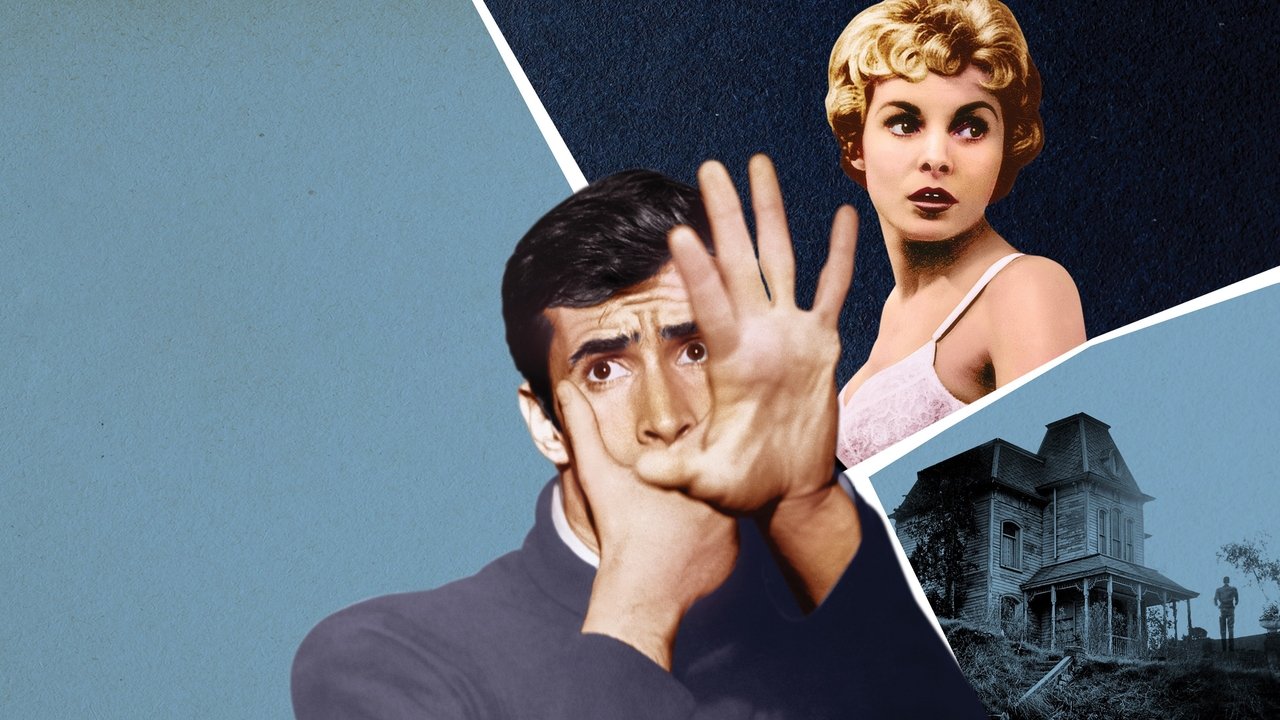
There's the sacred figure of Alfred Hitchcock. The supposed "Master of Suspense" who theorized about montage like no one else left behind a trail of testimonies, with Tippi Hedren leading the way, depicting a man obsessed, manipulative, and capable of turning a shoot like The Birds into a hell of psychological abuse and harassment.
But of course, we love Psycho too much to let reality ruin the shot. We accept the myth of the capricious genius because it's more comfortable to admire the result than to question the muck from which the process is made.
And if we leave aside the courts and the sets to get into the muck of public discourse, things get even more sour. Creators like Eli Roth, the reference of gore splatter and the hostel movie, remind the audience that the creator also has a mouth outside the script.
When a director uses their media voice to defend extreme geopolitical positions without flaws, to manifest an explicit fanaticism, or to align with state violence discourse in open conflicts, the experience of seeing their guts on screen changes color. The filmmaker is no longer that anonymous figure who hides behind the special effects; he's a man with an opinion, with a voice, and with an agenda that chokes the popcorn in the throats of more than one.
Can you enjoy the gore of Hostel knowing that the man who signs it cheers on real barbarism in everyday life? Each one will know where their stomach is.
The Lie of the "Independent Work"
The theorists of cinema—those guys who write dense, boring books that no one reads in full—have been citing Roland Barthes and his famous "death of the author" for decades. They tell us that the film, once projected, no longer belongs to the director and passes to the public.
It's a beautiful theory to discuss in a café in the Latin Quarter of Paris while you smoke a cigarette, but in the real world, it has a multi-organ failure: cinema is a financial industry, not a poetic abstraction.
When you sit in a theater to watch the latest film by a questionable director, or when you press the play button on your streaming platform, you're not making a purely intellectual act of aesthetic contemplation. You're feeding money into a machine.
Each viewing adds:
- Generates royalty payments, feeds the percentage of royalties, and swells the performance metrics.
- Maintains status: It shows the producers that the character is still profitable, regardless of the corpses or scandals left in his wake.
- Funds the next one: It guarantees that the man will have a million-dollar budget to keep doing exactly the same thing.
Saying that "you separate the artist from their work" while paying their mortgage through the box office is the cheapest self-deception of the 21st century. You're consciously deciding that your Friday night entertainment weighs more on the scale than the moral worth of the individual you're paying the salary to.
The Tragic Digestion of the Cinephile: The Forced Separation
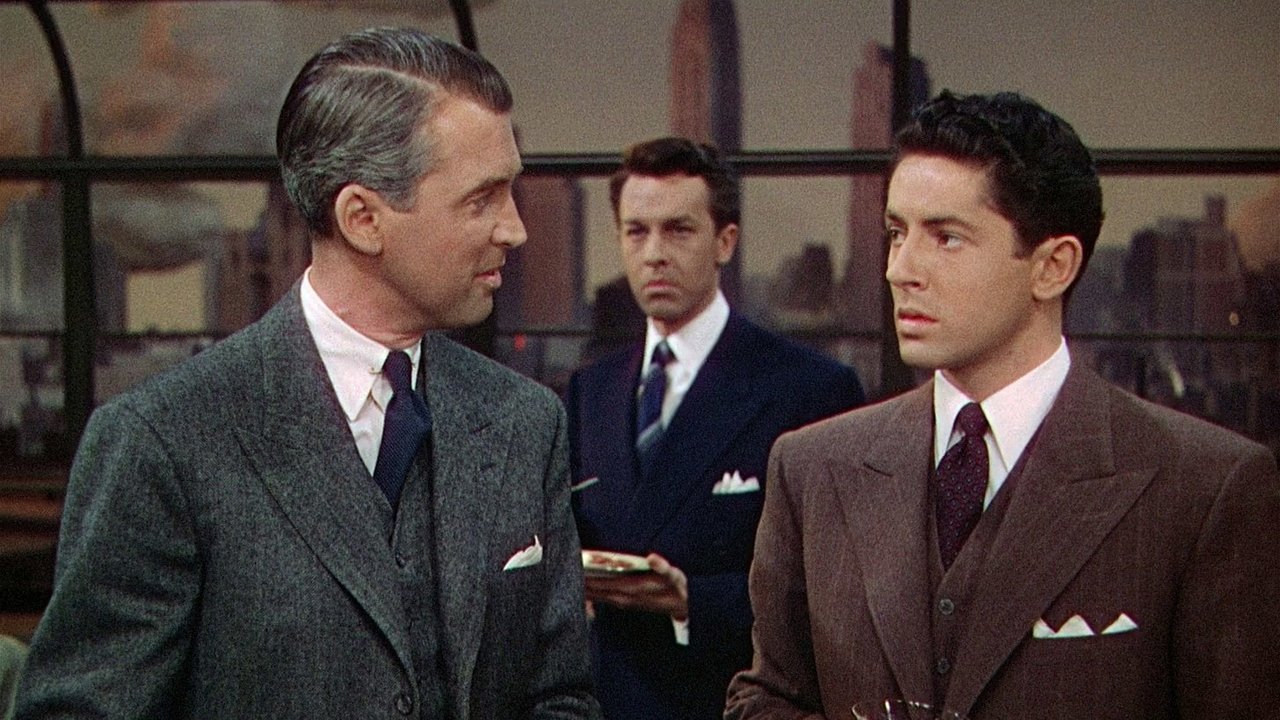
So, what do we have left? Burn the film archives? Build a funeral pyre with the masters of Chinatown, Manhattan, and Rope to prove we're model citizens? No need to fall into the stupid puritanism of book burning either.
If we had to demand impeccable behavior, a clean record, and an untainted ideology from every human being who has signed a frame since 1895, the history of cinema would fit in a three-page pamphlet and we'd be left with 90% of the great masterpieces of visual narrative.
Here is where the only realistic and pragmatic position possible for not going crazy enters: we must separate the person from the artist.
Not to do the director a favor, but for pure cultural survival. Talent is not a civil merit medal or a certificate of good conduct; it's a biological coincidence that can just as easily fall to a saint as to a wretch.
A perfect shot, a masterfully placed light, or a brilliant dialogue in a script works and transmits emotion on its own. It doesn't change its technical properties or its formal beauty because the man who said "Cut!" is a despicable character. The film, once projected, belongs to the language of cinema and the gaze of the spectator, not the criminal record of the man who held the megaphone.
Demanding morality to validate the quality of a shot is leaving film criticism to start distributing catechism cards.
You can analyze the surgical precision of Hitchcock, the narrative brilliance of a classic script, or the atmosphere of a cult film while maintaining a conscious critical distance. Enjoying a masterpiece knowing exactly who signed it doesn't make you an accomplice: it simply makes you a lucid spectator who knows how to distinguish between the value of a work of art and the wretchedness of the human being who made it.
💀

