The Dog Stars — The Faded Twilight of Late Ridley Scott
Ridley Scott adapts Peter Heller's post-apocalyptic elegy with formidable visual muscle, but systematically strips the narrative of any authentic human grief. 💀
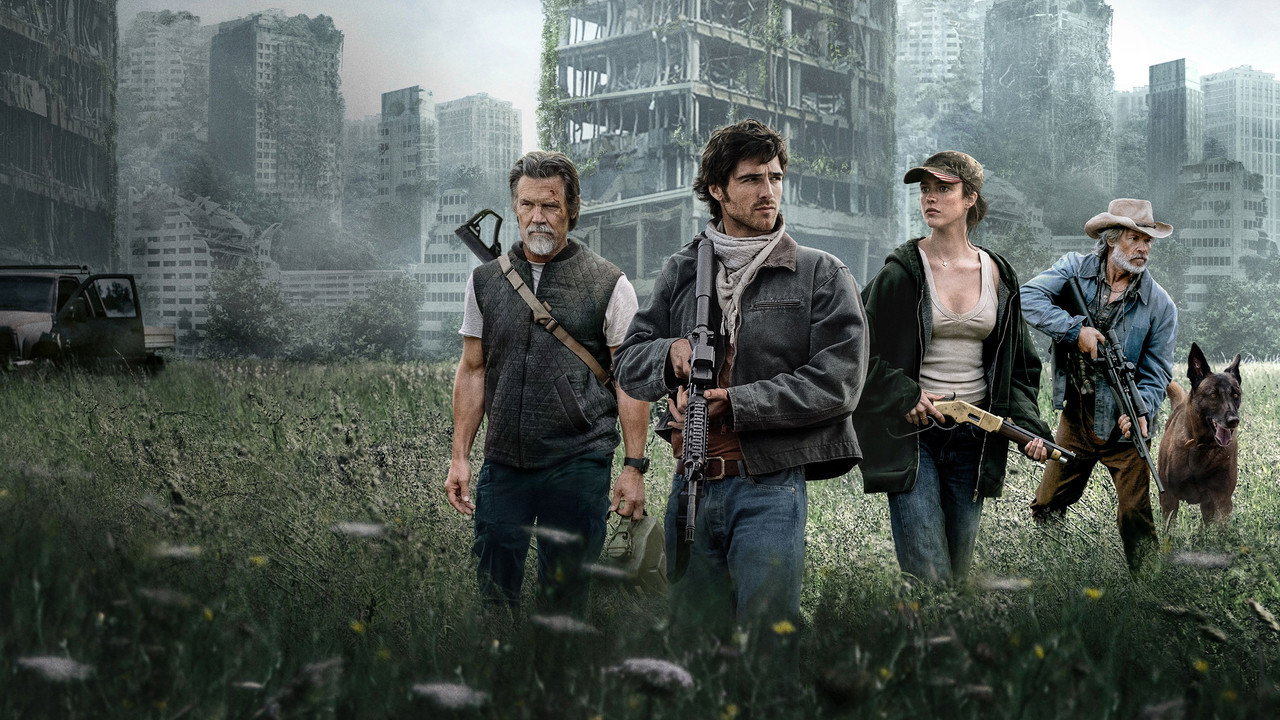
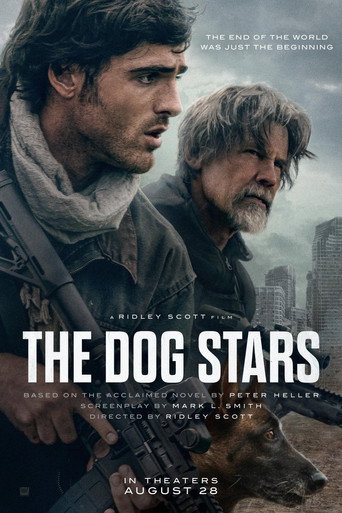
The Dog Stars: full review
At an age where most living legends of cinema are content to curate their career retrospectives, Sir Ridley Scott continues to operate with the feverish, hyper-efficient output of a Renaissance atelier. Between monumental Roman arenas, Napoleonic battlefields, and medieval judicial duels, the octogenarian titan shoots big-budget cinema faster, with more cameras running simultaneously, and with less administrative friction than directors half his age. That staggering logistical prowess, however, masks a creeping, terminal ailment in his late career: a total, clinical emotional detachment from the human beings caught inside his visual tapestries.
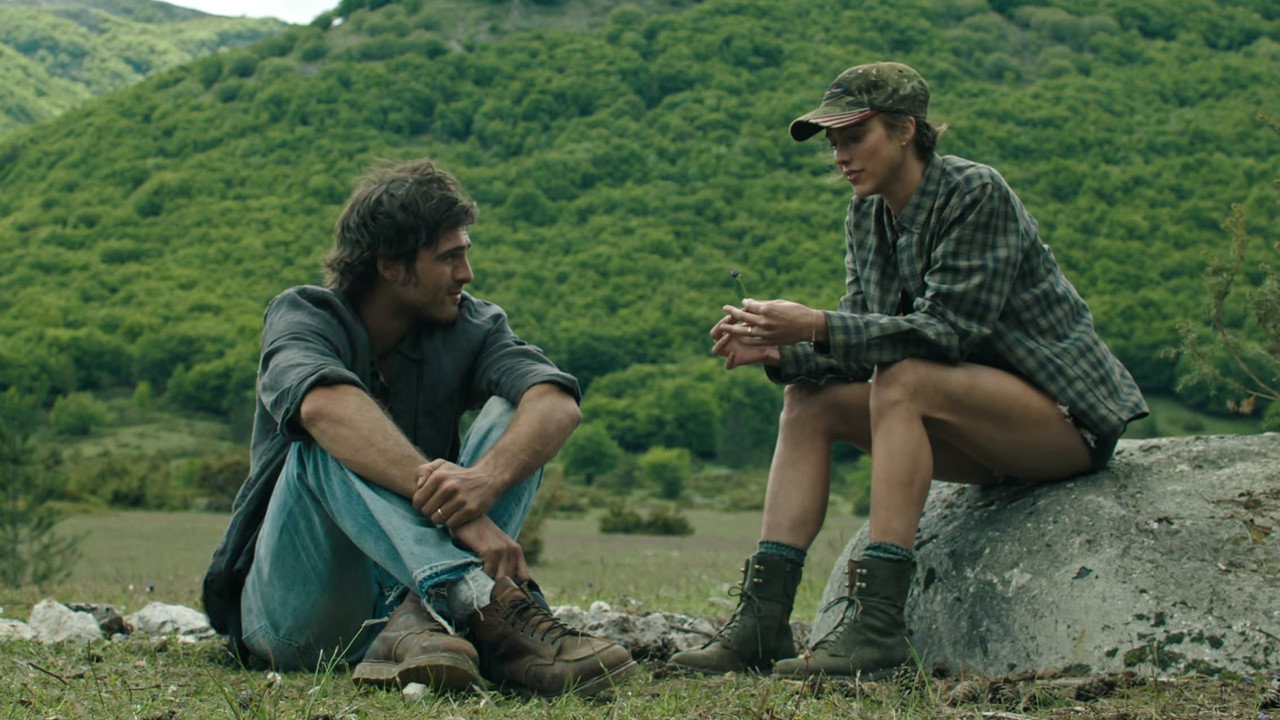
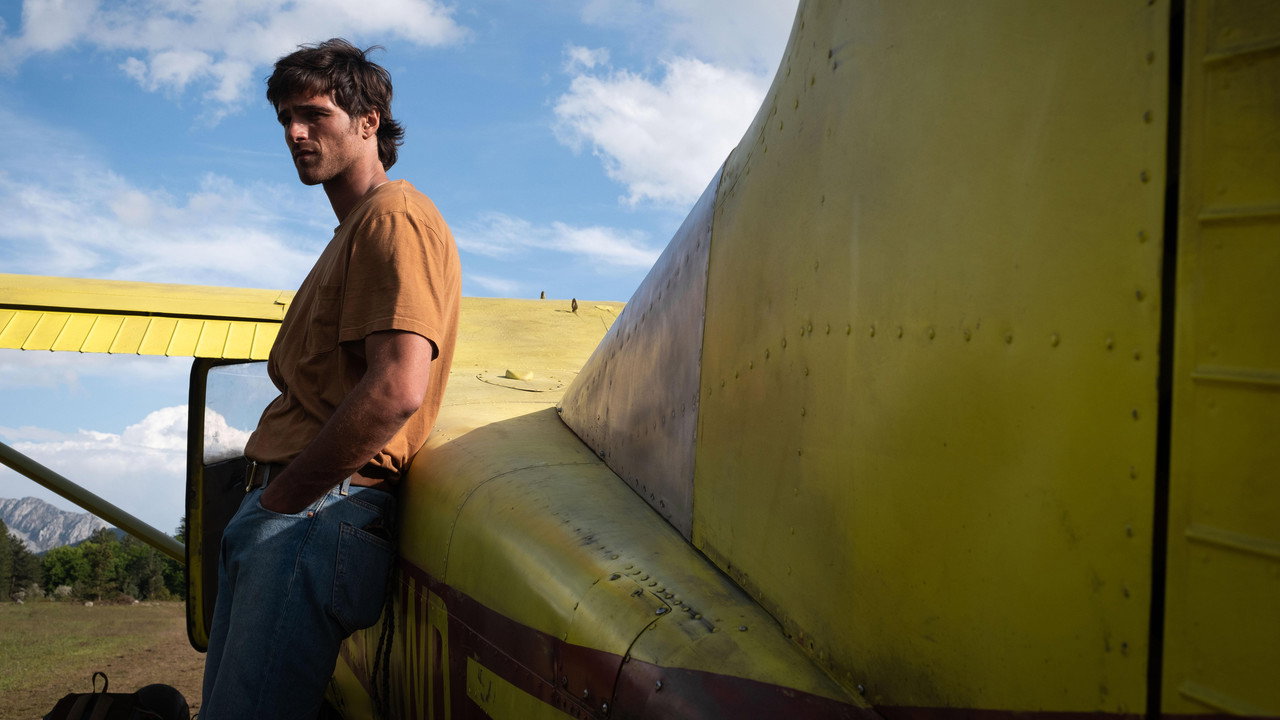
La constelación del perro (The Dog Stars), adapted by Mark L. Smith (The Revenant, The Midnight Sky) from Peter Heller's deeply lyrical 2012 novel, was precisely the kind of material that demanded the fragile, poetic breath of an auteur willing to linger in quiet despair. The premise follows Hig (Jacob Elordi), a pilot surviving in an abandoned Colorado airstrip a decade after a virulent super-flu annihilated most of global civilization. Alongside his dying dog Jasper and Bangley (Josh Brolin), a misanthropic, heavily armed survivalist with whom he maintains an uneasy mutual defense pact, Hig spends his days patrolling the desolate skies in a vintage 1956 Cessna.
When a mysterious, static-choked voice crackles over his airplane's radio receiver from a distant mountain range, Hig embarks on a solitary, perhaps suicidal aerial voyage across the wasteland to discover whether genuine human connection still survives. What in Heller's prose was a devastating meditation on grief, fishing, literary memory, and the painful beauty of enduring after everyone you love has turned to ash is transformed by Scott Free Productions into a cold, streamlined survival procedural.
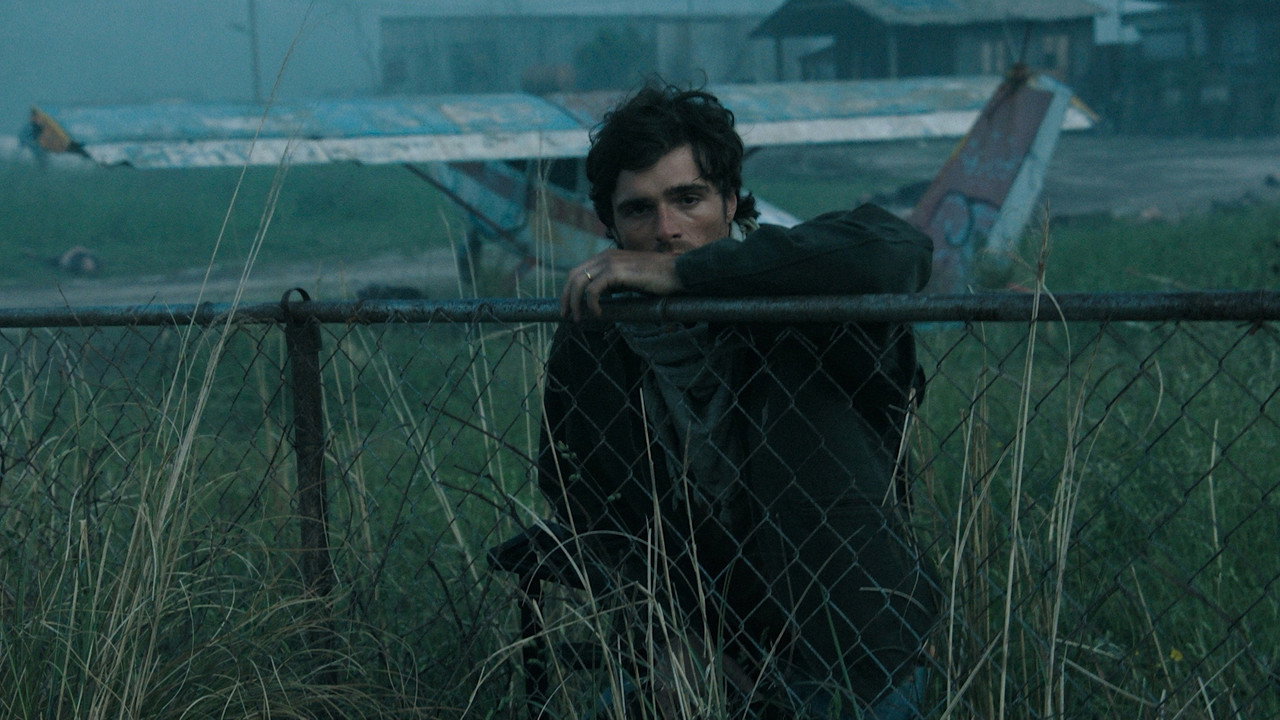
Direction and Pacing: The Scott Machine vs. The Poetry of Ruin
Ridley Scott is physically incapable of delivering an ugly frame, and his collaboration with director of photography Erik Messerschmidt (Mank, The Killer) yields several breathtaking visual moments. The high-altitude vistas of the Rocky Mountains, bathed in the icy, unforgiving dawn light of digital cinema, possess a crystalline clarity that captures the terrifying indifference of nature.
Yet Scott's relentless narrative forward-drive actively strangles the contemplative soul of the story. Scott does not trust silence; he does not trust Hig's solitude. Whenever the film threatens to settle into genuine melancholy—allowing the audience to absorb the immensity of the silence left by nine billion corpses—the direction hastily interjects an armed skirmish, a digital aircraft scare, or an aggressively edited confrontation with wandering scavengers.
The resulting rhythm is curiously breathless for a film about the end of the world. Rather than experiencing the terrifying stagnation of post-civilization existence, the viewer feels shuttled through a checklist of narrative checkpoints: resource scouting, perimeter defense, radio revelation, takeoff, combat, and resolution. The world is dead, but Scott's production schedule must run on time.
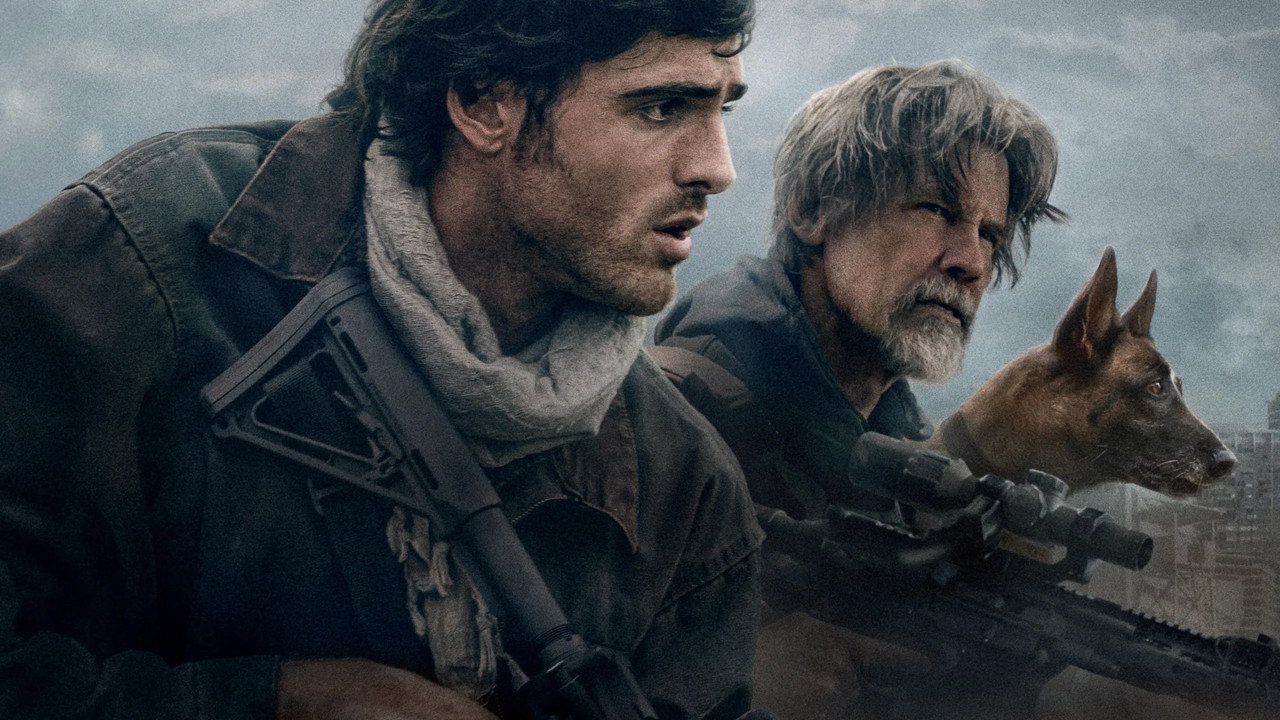
Performances and Script: Brolin and Elordi in the Bunker of Detachment
Jacob Elordi continues to prove that his magnetic presence is far more than teen-idol packaging. He brings an aching, raw physicality to Hig, carrying his tall frame with the rounded shoulders of a man perpetually braced for bad news. In the moments where the script permits him to simply commune with his dog or whisper half-remembered poetry into the airplane headset, Elordi touches upon something profoundly touching: the existential bewilderment of a survivor who realizes that staying alive is not the same thing as living.
Opposite him, Josh Brolin does what he does best: channeling grizzled, lethal pragmatism. As Bangley, Brolin brings a dry, sandpaper wit that cuts through the post-apocalyptic gloom, functioning as Hig's cynical anchor to physical reality. The contrast between Elordi's yearning poet and Brolin's pitiless sniper provides the film's only genuine dramatic spark.
Regrettably, when Margaret Qualley enters the narrative in the final act as Cima, Mark L. Smith's screenplay completely runs out of poetic imagination. The delicate, tentative rebirth of hope that should have defined their union is rushed through with the perfunctory mechanics of a studio romance. Guy Pearce, Benedict Wong, and Allison Janney flit through the fringes of the narrative like ghosts, granted barely enough screen time to register before the third-act firefight consumes them.
Craft and Texture: Clinical Digital Landscapes That Choke Emotion
Messerschmidt's cinematography, while undeniably pristine, exemplifies the double-edged sword of modern ultra-high-resolution digital capture. The wasteland feels too sharp, too clean, too sterile. The grime on Hig's flight jacket and the rust on the hangar corrugated tin look meticulously applied by an art department that just finished its shift, lacking the organic, lived-in rot that defined Scott's legendary early masterpieces like Alien or Blade Runner.
Harry Gregson-Williams's score relies on ambient electronic drones and mournful cello passages that effectively communicate emptiness, but lacks a memorable thematic signature to anchor the emotional stakes. When the violence inevitably arrives, the gunshots are mixed with thunderous, deafening realism, but because the emotional stakes have not been cultivated with sufficient patience, the gunfire feels like mere auditory punctuation rather than tragic survival.
The best
- Jacob Elordi's vulnerable commitment: Infuses Hig with genuine soul, proving his emotional range beyond conventional leading-man archetypes.
- Erik Messerschmidt's aerial photography: Breathtaking, crystalline wide-angle compositions of the Colorado Rockies from the vintage cockpit.
- The dynamic between Elordi and Josh Brolin: A masterclass in grizzled, unspoken camaraderie that grounds the film's first half.
The worst
- Emotional sterility: Ridley Scott's relentless pace and industrial efficiency refuse to let the story's poetic melancholy breathe.
- Rushed romantic resolution: The third-act emergence of Margaret Qualley's character feels like an unearned narrative shortcut.
- Conventional action intrusions: Shoehorned skirmishes with generic marauders that cheapen the philosophical weight of the novel.
- Over-polished visual texture: An immaculate digital sheen that robs the post-apocalyptic world of tactile decay.
The Verdict of Claqueta Ácida
La constelación del perro is a majestic, hollow monument to late-period Ridley Scott: technically immaculate, impeccably organized, and emotionally frostbitten. Where Peter Heller's novel mourned the loss of civilization with the fragile, trembling beauty of a poem whispered into the dark, Scott's adaptation treats the apocalypse as a luxury aerial travelogue with occasional sniper fire. Jacob Elordi and Josh Brolin fight valiantly to give the wasteland a beating heart, but their efforts are ultimately overwhelmed by the director's clinical detachment. A visually imposing expedition across the ruins of humanity that admires the landscape from ten thousand feet, but refuses to ever touch the soil where the bodies are buried. 💀
🎬 Tráiler Oficial
Abrir en YouTube
The Dog Stars: frequently asked questions
- What is the rating of "The Dog Stars" on Claqueta Ácida?
- "The Dog Stars" scored 5.8/10 on Claqueta Ácida in the review by Lúa Ácida.
- Is "The Dog Stars" worth watching?
- With reservations. We gave it 5.8/10 (Citric Acid), our rating for uneven films with something worth saving.
- Who directed "The Dog Stars"?
- "The Dog Stars" was directed by Ridley Scott.
Theater Collateral Damage Report
Psychophysical impact certificate issued by Lúa Ácida
3 bostezos continuados durante los extensos vuelos en avioneta sin diálogo del segundo acto.
Alguna consulta furtiva al móvil en el segundo acto. Nada que no se perdone.
Café de termo oxidado, bebido a la intemperie mientras se espera que pase la tormenta.
"El tiroteo forzado contra los merodeadores para que el público de multicine no exija la devolución de la entrada."

The rebuttal from Odin Lagbert (Senior Cynicism Academic)
In stark disagreement with the review given by Lúa Ácida.
“Lúa le reprocha a Scott su pulso de orfebre; pocos cineastas con casi noventa años son capaces de filmar el vuelo sobre un mundo extinto con semejante economía formal y majestuosidad plástica.
💬 Community Verdict
What did you think of the film? Rate it from 0 to 10 to compare it with the editorial review.
You haven't voted yet
📢 ¿Te ha gustado el ácido?
Comparte esta crítica con tus amigos cinéfilos o desata la polémica en redes.
⚡ THE CINEMATIC VENOM YOUR INBOX CRAVES
No sugarcoated ratings, no corporate fluff. Subscribe for our uncensored weekly analysis or join the private Telegram for press previews, poll clashes, and instant alerts.
Alertas de estrenos en 1 segundo, encuestas en caliente y audios al salir de pases de prensa.
Recibe la dosis semanal en tu mail + regalo inmediato del PDF con 50 joyas ocultas de culto.
Related Reviews
Recommended autopsies for demanding film buffs.
 ⚡ Ácido Cítrico 6.5
 *Gladiator II: Ridley Scott’s Roman Circus—Where Digital Sharks and Testosterone Overdoses Rule the Arena*
⚡ Del mismo director (Ridley Scott): analiza la evolución o degradación de su estilo.
A review of Ridley Scott’s long-awaited sequel—a colossal spectacle that dazzles in its naval battles but lacks the dramatic nobility and mystique of the original classic.
 ⚠️ Ácido Sulfúrico 4.2
 Napoleon: Ridley Scott vs. Ridicule (And He Gets Crushed)
⚡ Del mismo director (Ridley Scott): analiza la evolución o degradación de su estilo.
Ridley Scott turns Napoleon’s life into a cardboard spectacle with Joaquin Phoenix playing a carnival sideshow attraction. History for dummies.
 ⚠️ Ácido Sulfúrico 3.2
 On the Run: A Senseless Sprint
⚡ Afinidad temática directa en atmósfera, estilo y fijaciones visuales.
A marathon of clichés and marketing sweat that leaves the audience feeling like they've run in circles. 💀
Editorial Ecosystem
Cinephile connections, archive interviews and related analyses.
🎞️ In Claqueta Cinematheque 2

💬 Debate Cinéfilo & Autopsia de Lectores
0 veredictos¿Discrepas con nuestra nota? ¿Es una obra maestra o veneno puro? Deja tu veredicto abajo sin necesidad de registro.


Aún nadie ha dejado su veredicto para esta película.
Sé el primero en clavarle el colmillo rellenando el formulario de arriba.