Red Lights — The Blindness of the Thriller
A caustic critique that dismantles the illusion of 'Red Lights', revealing its structure as a shattered mirror of perception.
Red Lights: full review


Since Rodrigo Cortés made a name for himself with the unsettling ambiguity of The Others, the anticipation for his next project was charged with static electricity. Here, with “Red Lights”, the director once again mixes science and esotericism, but the blend ends up more diluted than a lukewarm water cocktail served at a corporate party. The co‑production between Attitude Pinículas, Millennium Media and the endless list of Spanish channels suggests an international gamble, yet the signal that reaches the screen is clouded by a production that seems more interested in selling licenses than in telling a coherent story. It’s the kind of film that smells of mid‑budget and unbridled ambition, an explosive cocktail that, instead of soaring, simply snuffs out with a wet snap.
Upon entering the theater, the air was heavy with a perfume of dampness and broken promises. The surround sound hammered my ears like a frantic heartbeat, and the opening séance scene felt like an invitation to cross a dangerous threshold. The atmosphere, however, never manages to sustain tension: Xavi Giménez’s camera glides with an almost lazy elegance, but the pacing becomes a carousel that spins aimlessly, taking us nowhere. It’s a visual choreography that takes itself far too seriously, forgetting that terror lives in uncertainty, not in neon lighting.
My first impression was of a film that pretended to be a shattered mirror of perception, as the synopsis suggests: the brain distorts reality. But the mirror is fogged by a narrative that insists on deceiving the viewer with clues that never converge. Every attempt to unmask Simon Silver (De Niro) feels like a tasteless joke, an unintentional parody of the very blindness it denounces. The script plays cat‑and‑mouse, but the mouse wears boxing gloves and the cat suffers from amnesia.
The thesis that haunts me is that the problem isn’t that the thriller is mediocre, but that its structure becomes a logical trap. The premise that the mind shows us a distorted image turns literal when the script offers a final revelation so arbitrary it seems lifted from a pre‑dawn horoscope. The audience, like the characters, is dragged by a genre logic that collapses without warning, leaving a feeling of having been duped by the film itself. It’s not that I don’t understand the movie; it’s that the movie doesn’t understand itself.
Direction and staging
Cortés tries to recreate the tension of skeptics confronting the supernatural, but the staging stays on the surface. The surveillance sequences are choreographed with surgical precision, yet they lack the visceral urgency the story demands. The camera often freezes on static shots that aim to be contemplative; however, they end up as mere windows with no exit, museum frames where nothing moves. The set design of the theater where Simon Silver performs is well executed, with a darkness that embraces, but the lack of visual contrast between the sterile clarity of science and the warm gloom of mysticism weakens the central dichotomy. It feels like two worlds sharing the same cardboard‑stone set.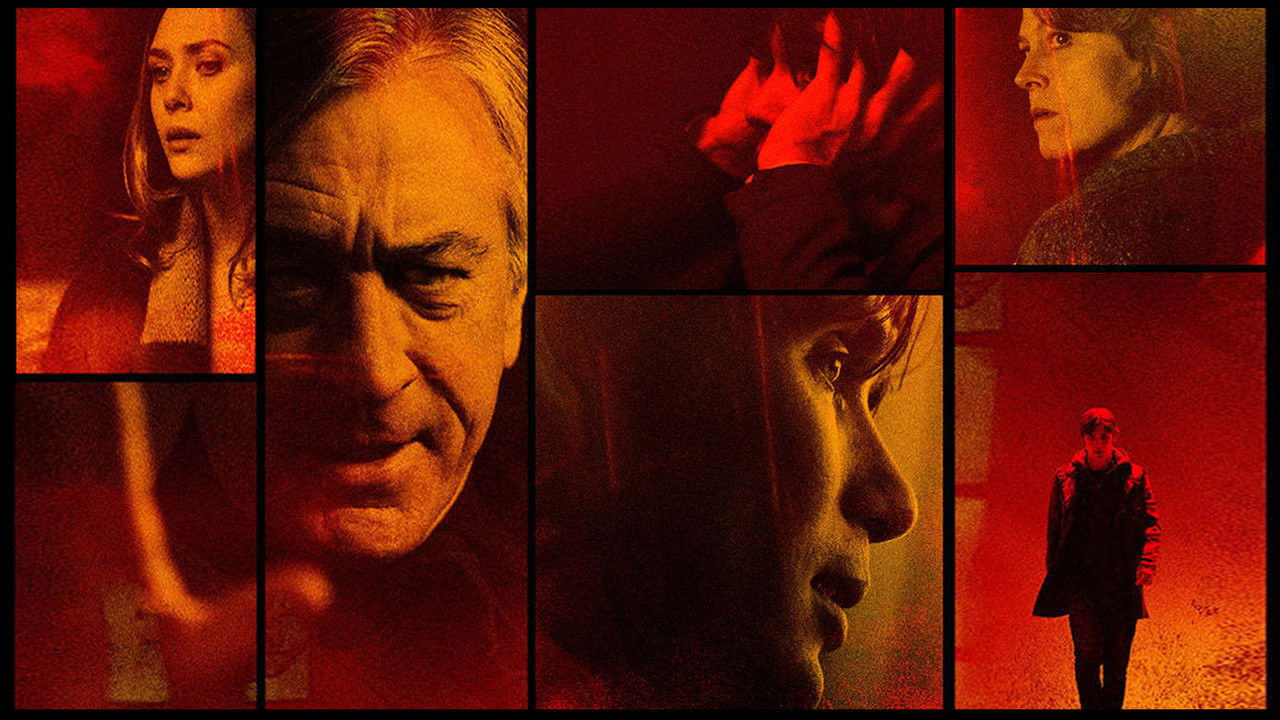
Performances
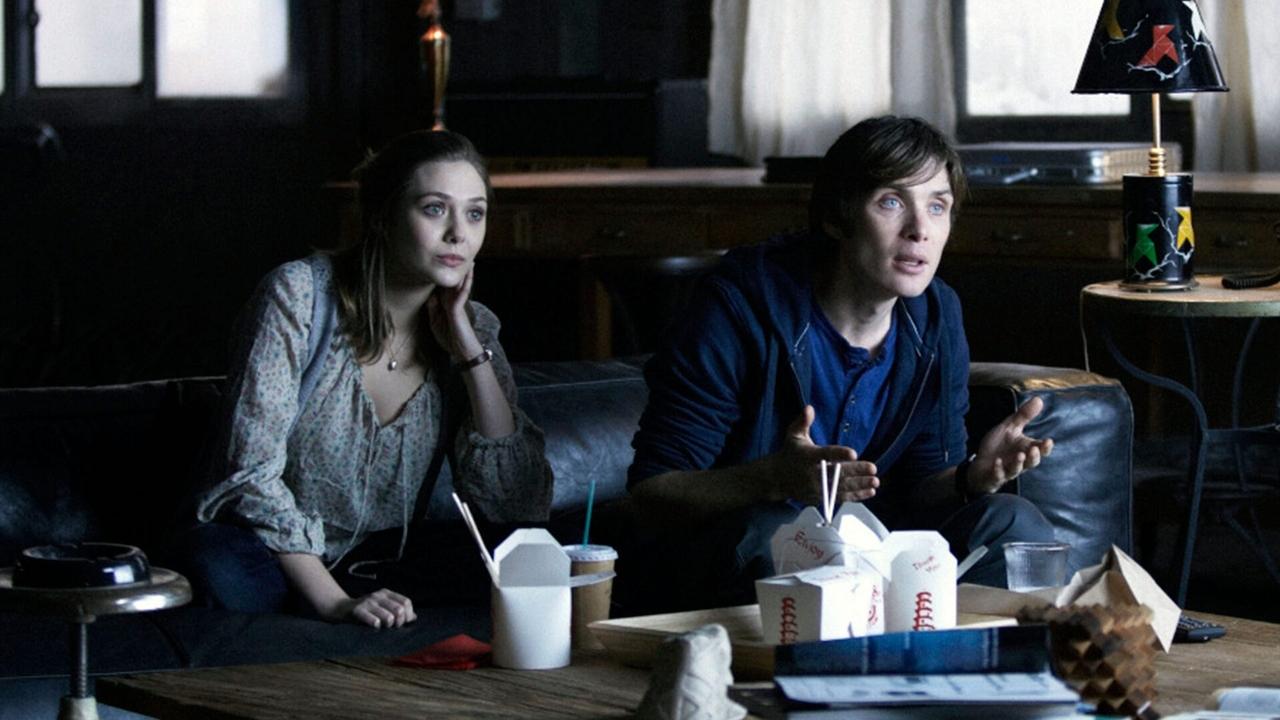
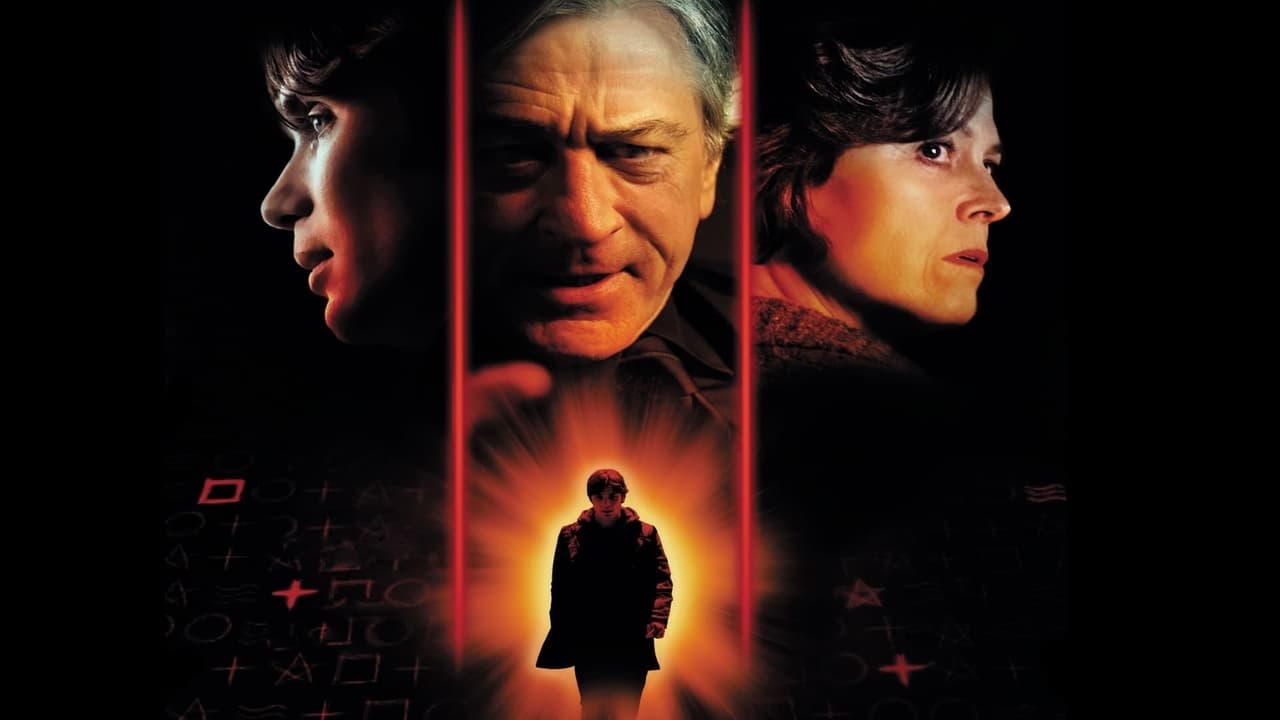
Cillian Murphy embodies Tom Buckley with his usual calculated coldness; his gaze is a scalpel that slices the pretension of paranormal phenomena, yet the script doesn’t give him enough material to cut beyond the skin. He is an actor trapped in a cage of expository dialogue. Sigourney Weaver, as Margaret Matheson, brings a dignity that seems out of place in a wobbling plot, like a marble statue in the middle of a sandstorm. Robert De Niro, with his imposing presence, tries to lend weight to the blind character, but his performance dissolves into dialogue that sounds like monologues from a university scepticism handbook. Elizabeth Olsen injects youthful energy, but her character remains in the shadow of the male leads, another ghost in this haunted house of narrative.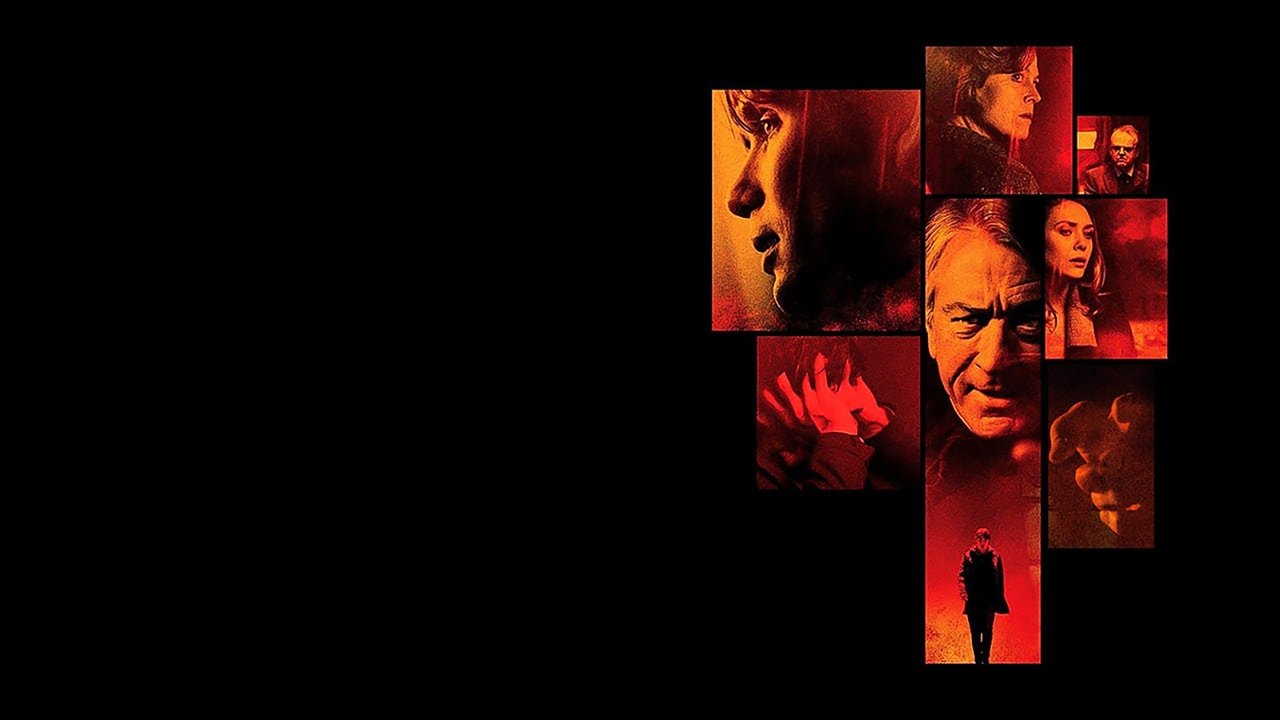
Script and technical aspects
The script, also by Cortés, leans on the idea that perception is always biased. However, the execution is a succession of clues that never connect logically, like puzzle pieces that are completely missing. The scene where Buckley’s team exposes the “healer” with an earpiece is the only moment of clarity; after that, the narrative turns into a mapless labyrinth. Víctor Reyes’s music tries to create an unsettling atmosphere, but gets lost amid dialogue and sound effects that aim to be chilling yet end up generic. The editing fails to craft a cadence that sustains tension; instead, cuts are abrupt and often interrupt immersion, breaking the spell before it can be woven.The best
- Cillian Murphy: delivers a restrained performance that, although limited by the script, maintains the necessary scientific coldness.
- Production design: the theater and laboratories are well set, creating visual contrasts between the skeptical and the mystical.
- Technical revelation moments: the earpiece scene is a good example of how the film can play with the logic of deception.
- Cinematography: Xavi Giménez captures the stage’s gloom with a light that brushes the poetic.
The worst
- Incoherent script: internal logic crumbles, forcing passive acceptance from the viewer.
- Irregular pacing: the film swings between bursts of tension and long pauses that dilute rhythm.
- Wasted supporting performances: Toby Jones and Joely Richardson appear without adding depth.
- Arbitrary ending: the revelation lacks prior support, becoming an unearned coup de grâce.
The Verdict of Claqueta Ácida
“Red Lights” promises to unmask the blindness of paranormal fraud, but ends up blinding the audience with its own lack of structural vision. The film works as a genre experiment that never gets past the testing phase; it has flashes of talent, but the whole feels like a broken mirror reflecting nothing but its own confusion. In short, an experience that leaves more questions than answers and, despite its strong cast, remains in the shadows of what could have been. 💀🎬 Tráiler Oficial
Abrir en YouTube
Red Lights: frequently asked questions
- What is the rating of "Red Lights" on Claqueta Ácida?
- "Red Lights" scored 5.5/10 on Claqueta Ácida in the review by Lúa Ácida.
- Is "Red Lights" worth watching?
- With reservations. We gave it 5.5/10 (Citric Acid), our rating for uneven films with something worth saving.
- Who directed "Red Lights"?
- "Red Lights" was directed by Rodrigo Cortés.
Theater Collateral Damage Report
Psychophysical impact certificate issued by Lúa Ácida
Esta película es el equivalente cinematográfico a una siesta en medio de una tormenta.
Durante la proyección, mi mirada se volvió una brújula que buscaba desesperadamente la salida del laberinto narrativo.
Una taza de espresso doble basta para mantenerte despierto mientras la trama se deshace en humo.
"El punto donde el guion se vuelve una parodia de su propia ceguera es cuando el equipo de vigilancia se descompone sin explicación."

The rebuttal from Odin Lagbert (Senior Cynicism Academic)
In stark disagreement with the review given by Lúa Ácida.
“En la primera escena, la cámara de Xavi Giménez, lejos de ser lenta, se desliza con una elegancia que, al ser analizada bajo la óptica de la mise‑en‑scène, revela una intención deliberada de subvertir la expectativa del espectador, pues la luz roja, lejos de ser un mero decorado, funciona como un leitmotiv que anticipa la disolución de la realidad. La edición, con cortes que se asemejan a un pulso irregular, no es un circuito sin rumbo, sino un ritmo que, al compás de la sinfonía de sonido envolvente, crea un suspenso que se mantiene, aunque sutil, a lo largo de la narrativa. El uso del color, la profundidad de campo y la composición de cada plano, demuestran que el director no se deja llevar por la vacuidad del onanismo autoral, sino que construye un universo coherente y claustrofóbico. No coincido con la valoración de Lúa Ácida. La película es un triunfo. No es un fracaso.
💬 Community Verdict
What did you think of the film? Rate it from 0 to 10 to compare it with the editorial review.
You haven't voted yet
📢 ¿Te ha gustado el ácido?
Comparte esta crítica con tus amigos cinéfilos o desata la polémica en redes.
⚡ THE CINEMATIC VENOM YOUR INBOX CRAVES
No sugarcoated ratings, no corporate fluff. Subscribe for our uncensored weekly analysis or join the private Telegram for press previews, poll clashes, and instant alerts.
Alertas de estrenos en 1 segundo, encuestas en caliente y audios al salir de pases de prensa.
Recibe la dosis semanal en tu mail + regalo inmediato del PDF con 50 joyas ocultas de culto.
Related Reviews
Recommended autopsies for demanding film buffs.
 ⚡ Ácido Cítrico 5.0
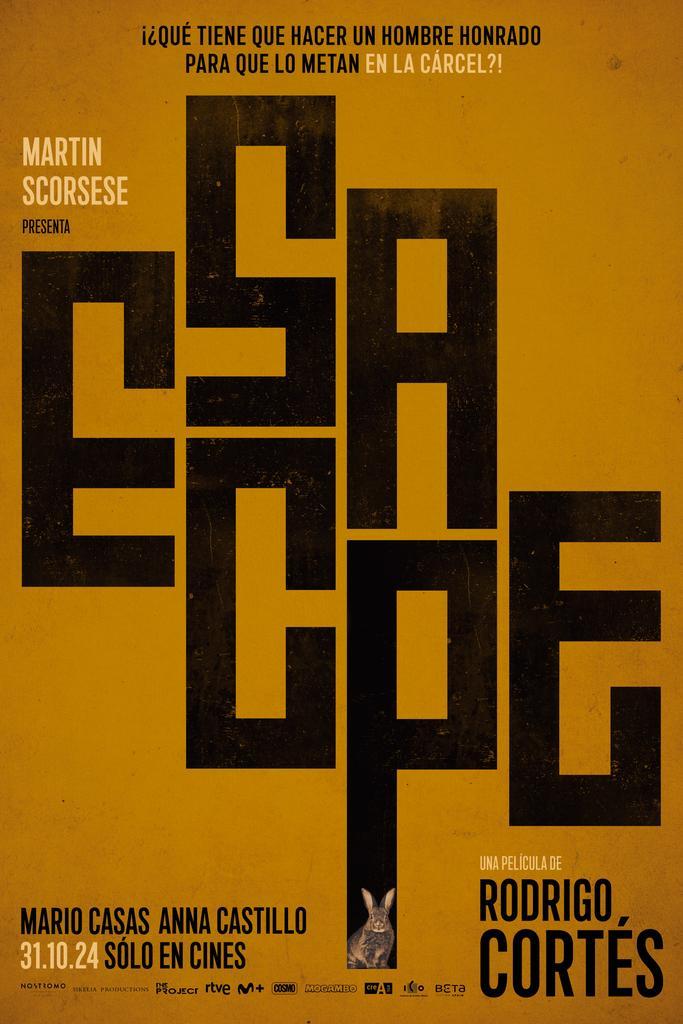
 "Escape: Rodrigo Cortés and the Wet Dream of Prison as a Luxury Resort"
⚡ Del mismo director (Rodrigo Cortés): analiza la evolución o degradación de su estilo.
Rodrigo Cortés delivers a prison thriller that reeks of mothballs and a screenwriting workshop script. Mario Casas shines, but not even he can save this self-help pamphlet with handcuffs.
 🔥 Fusión Nuclear 8.5
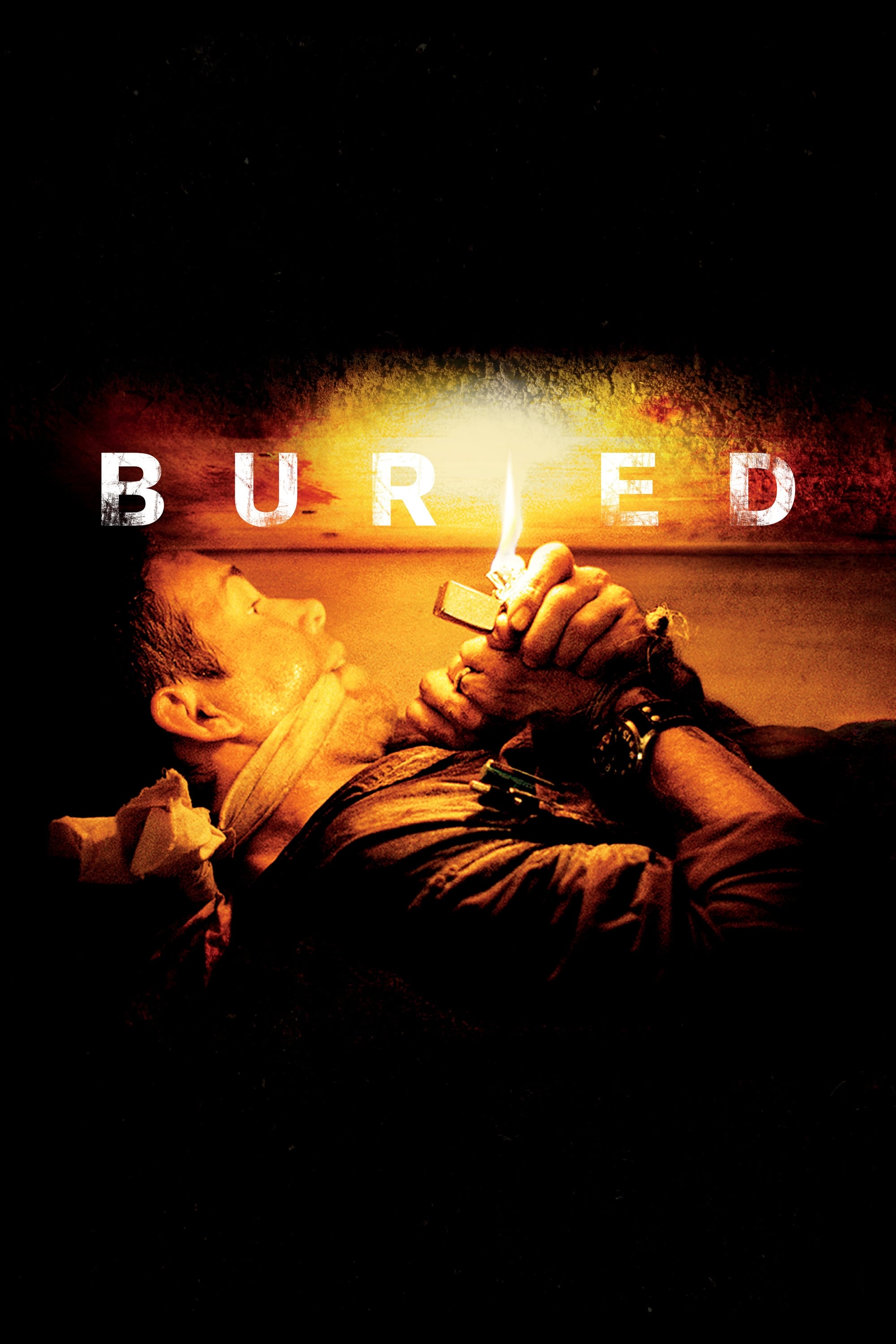
 Buried: 90 Minutes of Methodical Anguish, Where the Coffin is the Best Stage
⚡ Del mismo director (Rodrigo Cortés): analiza la evolución o degradación de su estilo.
Ryan Reynolds buried alive in a pine box: 90 minutes of cinematic claustrophobia that redefines minimalist terror. Art or refined exploitation? Both, but with style.
 ⚠️ Ácido Sulfúrico 3.2
 On the Run: A Senseless Sprint
⚡ Comparten trinchera editorial en la sección de Estrenos.
A marathon of clichés and marketing sweat that leaves the audience feeling like they've run in circles. 💀
Editorial Ecosystem
Cinephile connections, archive interviews and related analyses.
🎞️ In Claqueta Cinematheque 2
💬 Debate Cinéfilo & Autopsia de Lectores
0 veredictos¿Discrepas con nuestra nota? ¿Es una obra maestra o veneno puro? Deja tu veredicto abajo sin necesidad de registro.


Aún nadie ha dejado su veredicto para esta película.
Sé el primero en clavarle el colmillo rellenando el formulario de arriba.