PUFA 2026 – Day 7 — A Night of Terror and Madness (Or: How I Learned to Stop Worrying and Love the Trainwreck)
A recap of the festival’s second day, featuring Horror and Love, Quantum Rave, Pinocchio Unstrung, and Frankie, Maniac Woman—a night packed with terror, madness, and enough emotional whiplash to make a rollercoaster jealous.

This classic review is currently only available in Spanish. Our editorial AI is translating it shortly! 💀
body_en: |-
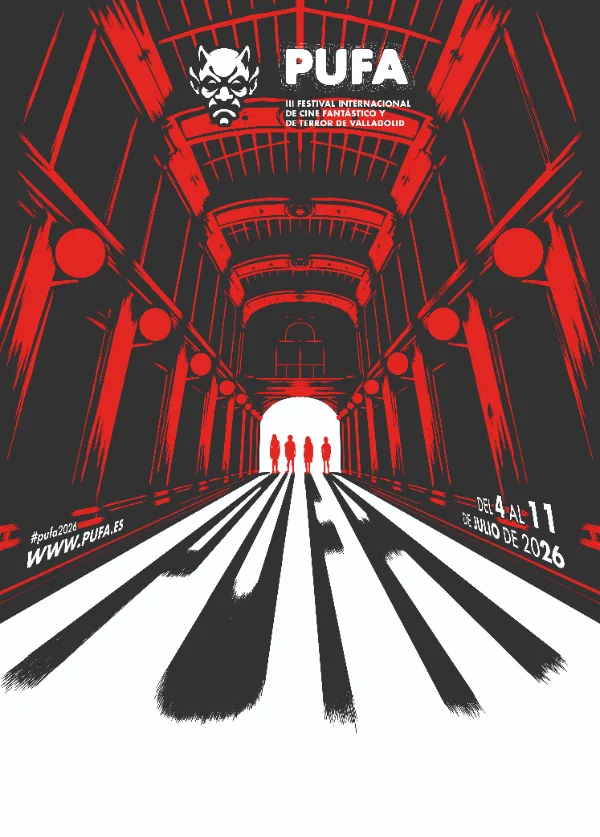
- /uploads/inline_pufa-2026-dia-7-noche-de-terror-y-locura_1783760635387.webp
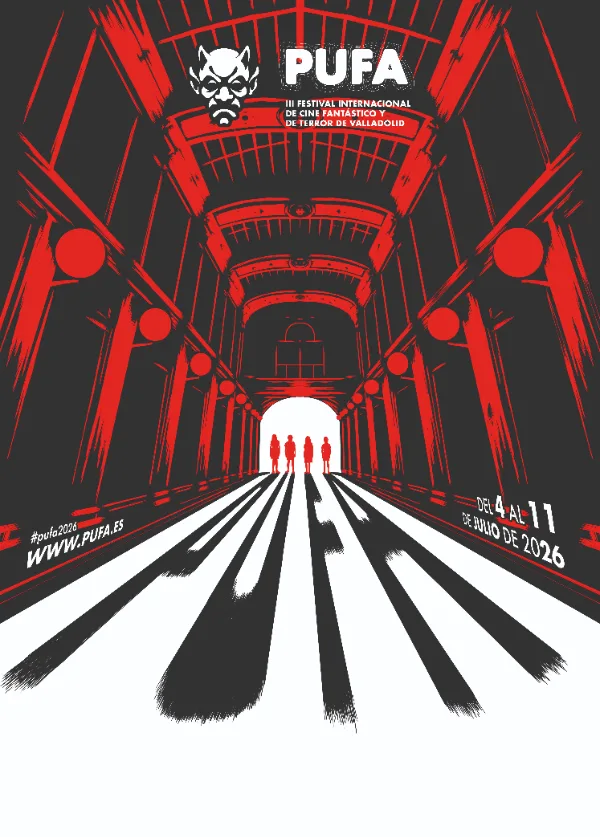
- /uploads/inline_pufa-2026-dia-7-noche-de-terror-y-locura_1783760637454.webp
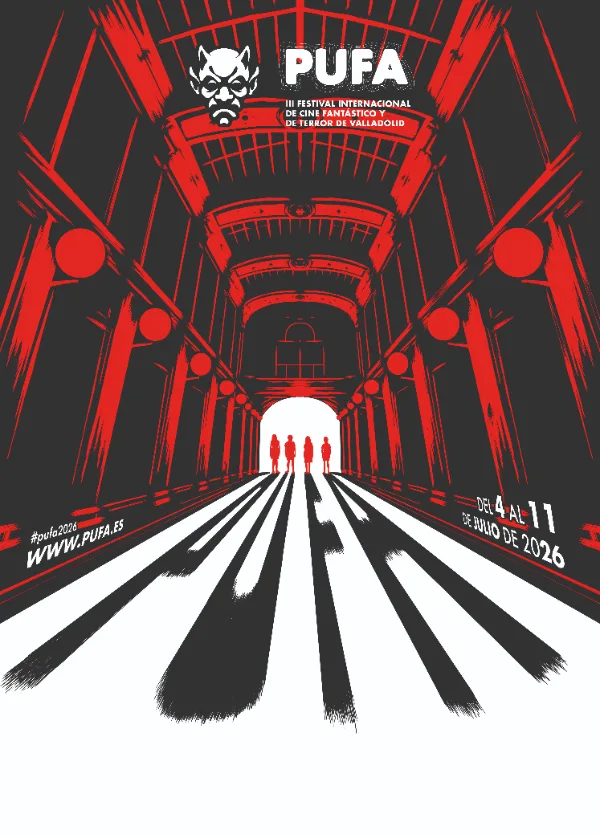
- /uploads/inline_pufa-2026-dia-7-noche-de-terror-y-locura_1783760638814.webp
- /uploads/inline_pufa-2026-dia-7-noche-de-terror-y-locura_1783760679319.webp
🎬 16:15 – The Opening Salvo: Horror and Love
Venue: FUNDOS | Rating: 6.8 💛The festival kicked off with the subtlety of a sledgehammer to the skull, courtesy of Joaquín Oristrell, a director who seems to have mistaken horror for a lunchtime thriller from Spain’s Antena 3. Horror and Love is the kind of film that meets the bare minimum to avoid being booted from the festival: a couple of well-placed jump scares (the kind that work just as well in a theater as they do in a YouTube video titled "10 Most Terrifying TikTok Moments"), cinematography that doesn’t assault the retinas (thank you, DP, for not burning our eyes with an Instagram filter from 2016), and a cast that, while not exactly dazzling, at least doesn’t seem actively embarrassed to be there.
The plot—if you can call it that—follows a couple who decide to spend a romantic weekend in a cabin in the woods. Yes, you read that right: a cabin in the woods. The most worn-out cliché in the genre since the first screenwriter in history scribbled "dark forest = danger" on a bar napkin. But Oristrell, in a stroke of brilliance, decides the real horror isn’t lurking in the trees—it’s the protagonist’s traumatic past, which, shockingly, involves an abusive ex-boyfriend. Because nothing screams "fresh terror" like recycling The Shining with a dash of Take My Eyes.
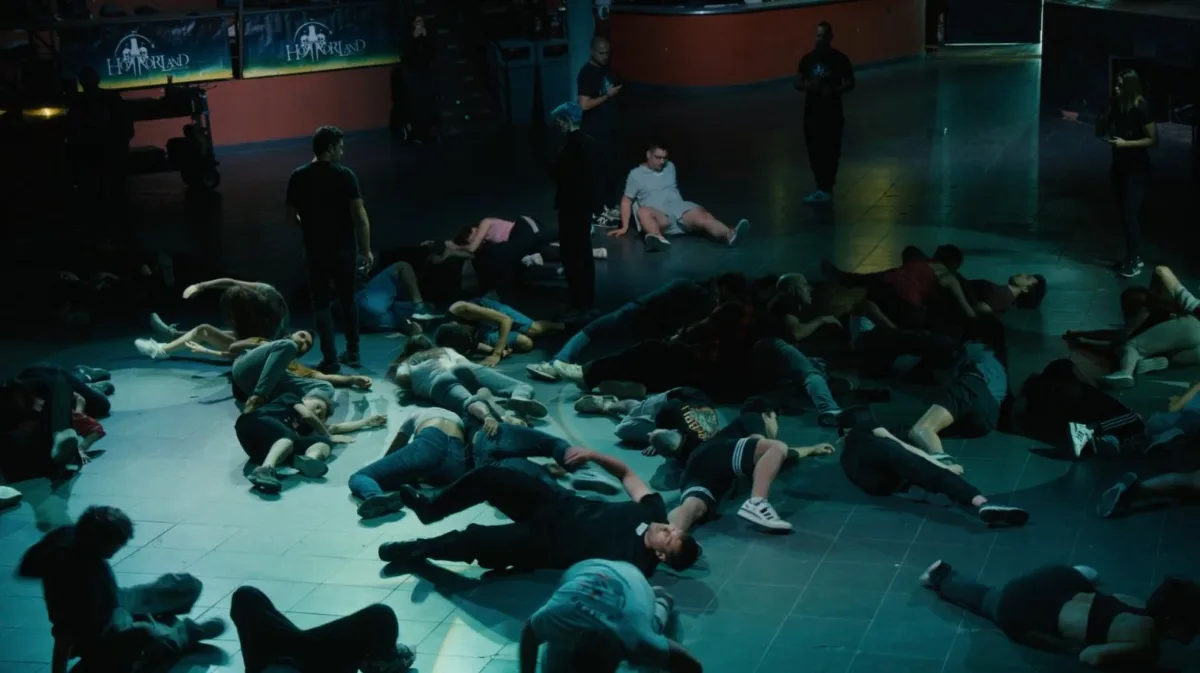
The problem isn’t that the film is predictable (it is, to the point where you could guess the ending in the first five minutes), but that its greatest strength—its atmosphere—collapses like a house of cards the second the characters open their mouths. The dialogue is so forced it sounds like it was lifted from a beginner’s creative writing workshop, where the teacher’s advice was: "If you don’t know what to say, just throw in a flashback or a monologue about love and fear." And so, between unnecessary flashbacks and slow-motion intense stares, the film drags itself to its climax, which, of course, is as anticlimactic as a joke told by a Roomba.
That said, Oristrell does know how to stage a tense sequence. There’s a moment where the protagonist walks down a dark hallway while the camera slowly zooms in on her sweaty, unhinged face. It’s the kind of shot that works so well you forget that, five minutes earlier, the same actress was reciting a poem about the moon like a teenager in a talent show. But alas, the magic doesn’t last. The second the villain (because of course there’s a villain) shows up, the film devolves into a low-budget slasher where the killer seems more interested in philosophizing about love than actually, you know, killing people.
In short, Horror and Love is like a roadside diner’s daily special: you won’t starve, but you won’t remember what you ate the next day either. It serves its purpose as a "warm-up act," but don’t expect it to leave you with "the perfect body and the festival-ready mindset" like a shot of pure adrenaline. Instead, it’ll leave you feeling like you just watched an extended episode of Cuéntame cómo pasó—but with more fake blood and less nostalgia.
finalExplicado: "En el clímax de Quantum Rave, los científicos/influencers colapsan completamente la realidad al activar la fórmula cuántica definitiva: el tiempo se fragmenta, los cuerpos se funden en una orgía psicodélica y el espacio se convierte en un loop infinito de neon y carne distorsionada. La secuencia culmina con un big bang sensorial donde todos los personajes se disuelven literalmente en luz y ruido, dejando solo un plano final de una pantalla en negro que parpadea con estática. Simbólicamente, el desenlace significa la autodestrucción inevitable del ser humano ante su propia arrogancia tecnológica y hedonista: la búsqueda de trascendencia a través de lo cuántico solo consigue aniquilar toda coherencia, identidad y narrativa, dejando claro que la locura rave no libera, solo borra. El vacío final es la única verdad posible."
🟠 18:00 – Diving Into Madness: Quantum Rave
Venue: FUNDOS | Rating: 5.2 🟠If Horror and Love was the lukewarm appetizer, Quantum Rave is the cheap tequila shot you down to forget the appetizer left you indifferent. Directed by Paco Campano, a filmmaker who seems to have confused cinema with a rave in an abandoned Berlin warehouse, this film is the audiovisual equivalent of sticking your head in a washing machine during the spin cycle: you’re not entirely sure what’s happening, but you’re certain it’s not good for your mental health.
The premise is so unhinged it’s hard to summarize without sounding like a psychiatric patient describing their latest hallucination: a group of scientists (or maybe they’re artists, or maybe they’re deep web influencers) discovers a quantum formula that lets them enter an altered state of consciousness where time, space, and narrative coherence dissolve like sugar in water. What follows is 90 minutes of psychedelic imagery, bodies writhing in slow motion, neon lights ripped from a The Weeknd music video, and a soundtrack that oscillates between industrial techno and elevator music in a luxury hotel.
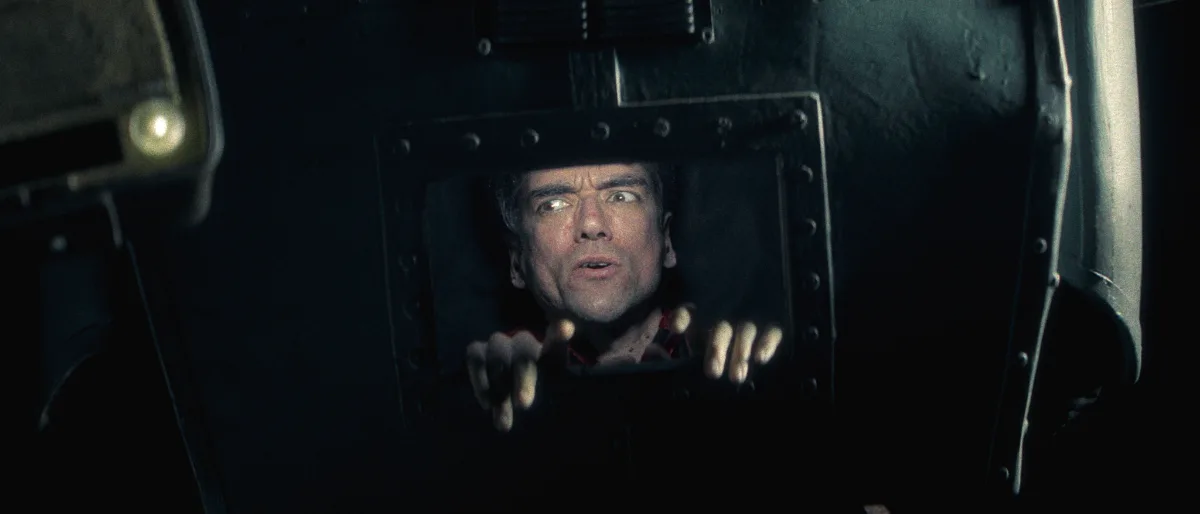
Visually, the film is a spectacle. There’s no doubt Campano knows how to handle a camera and play with light and color to create hypnotic images. Entire sequences look like Zdzisław Beksiński paintings brought to life by a team of caffeine-fueled graphic designers. The problem? Beyond the aesthetics, there’s nothing holding the film together. There’s no plot (or if there is, it’s buried under so many layers of cheap symbolism that not even the sharpest viewer could excavate it), no characters (just vague archetypes ranging from "the mad scientist" to "the girl who dances like she’s possessed by the rave demon"), and no coherence (a scene can jump from a philosophical dialogue about the nature of the universe to a close-up of a blood-tear-streaked eye without warning).
This is the kind of film that only makes sense in the context of a festival like this, where the audience is willing to swallow anything as long as it feels underground. Outside that bubble, Quantum Rave is like an abstract painting hung in a public restroom: some might find it profound, but most will just see a meaningless smear.
That said, the 5.2 audience rating is, if anything, generous. The film scrapes by with a passing grade because, at the very least, it doesn’t bore you. It confuses you, irritates you, gives you a headache—but it doesn’t bore you. And in the world of festival cinema, that’s something.
🍿 22:00 – Midnight Marathon at Broadway Cinemas (Screen 5): Where Dreams Become Nightmares (And Vice Versa)
The moment of truth arrived. After a strategic break (and a couple of strong coffees to keep our eyelids from staging a mutiny), the festival treated us to a double feature that promised to "forge legends." Spoiler: only one film lived up to that hype. The other was a painful reminder that hell is paved with good intentions (and tight budgets).
#### The Letdown: Pinocchio Unstrung
Rating: 3.8 🔴
Oh, Pinocchio! The wooden puppet who’s inspired everything from animated masterpieces to adaptations so infamous they make Attack of the Killer Tomatoes look like The Godfather. And now, in a display of boundless originality, director Rhys Frake-Waterfield (a name that sounds more like a James Bond villain than a filmmaker) delivers Pinocchio Unstrung, a film seemingly conceived during a drunken night where someone yelled, "What if Pinocchio was a serial killer?!"
The premise, in theory, has potential. Imagine the classic Collodi character, but instead of wanting to be a real boy, his deepest desire is to become a fairy-tale slasher. Sounds fun, right? Wrong. Because what could’ve been a macabre satire or a black comedy instead becomes a cheap, poorly acted, and even more poorly executed slasher where Pinocchio (played by an actor who seems to be competing in a "Who can keep the straightest face while stabbing someone?" contest) goes on a killing spree with the grace of a Primark mannequin.
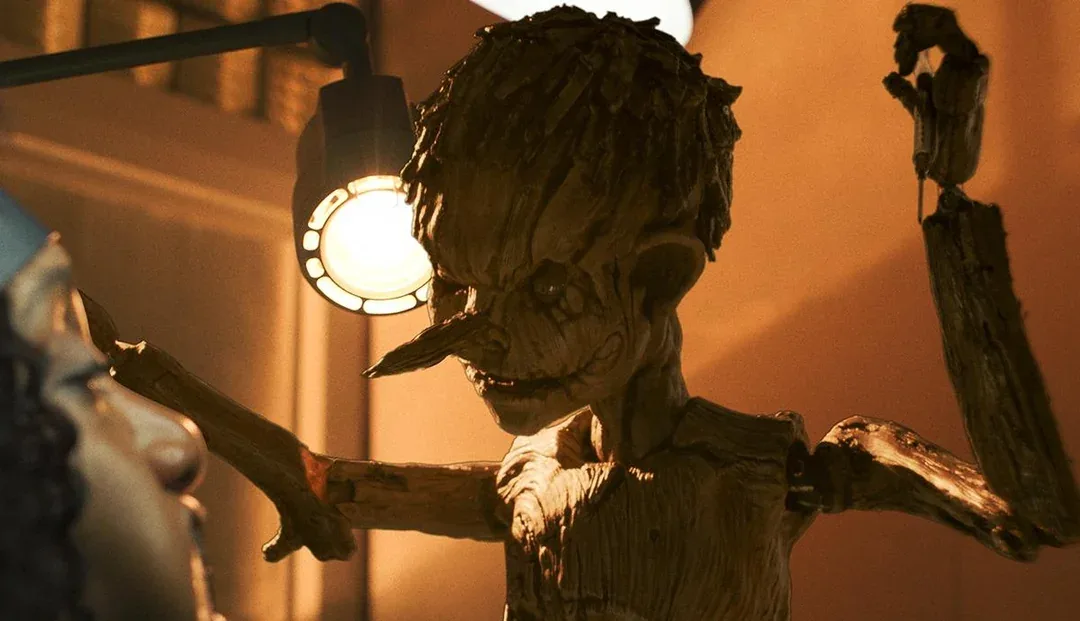
The biggest problem with Pinocchio Unstrung isn’t its lack of budget (though it’s painfully obvious), nor even its script, which reads like it was written by someone who’s only seen Saw once—and in passing. The real sin here is its total lack of personality. It’s not gory enough to satisfy extreme horror fans, not smart enough to work as satire, and not funny enough to be a comedy. It’s like a plate of food with no salt, no seasoning, and no love: you can force it down, but you won’t enjoy it.
And then there are the special effects. Oh, the special effects. In a film where the protagonist is a living wooden puppet, you’d expect the practical effects to at least be competent. But no. Here, Pinocchio looks less like a living being and more like a Halloween decoration, his movements so stiff you’ll wonder if the actor fell asleep mid-scene. The kills, meanwhile, are so uninspired they seem lifted from a "How to Make Fake Blood at Home" YouTube tutorial. There’s a moment where Pinocchio stabs a victim in the eye with scissors, and the blood looks like watered-down ketchup. It’s so pathetic it hurts.
But the worst part is the wasted opportunity. Because, again, the premise had potential. What if, instead of a generic slasher, we got a dark meditation on identity, humanity, and the dangers of wanting to be something you’re not? Or a black comedy about fairy tales and their sinister underbelly? In the hands of a more ambitious director (and a screenwriter who knows what a plot twist is), Pinocchio Unstrung could’ve been something. Instead, we’re left with a film that feels like it was made by someone who just wanted to see a wooden puppet stab people—and couldn’t be bothered to give it depth or style.
The 3.8 audience rating is, without a doubt, an act of charity. Or maybe it’s the result of viewers being so shell-shocked they couldn’t think straight afterward. Either way, Pinocchio Unstrung is definitive proof that not every "great idea scribbled on a bar napkin" deserves a spot on the big screen.
#### The High: Frankie, Maniac Woman
Rating: 8.5 🟢
And then, as if the cinematic universe had decided to make amends for the previous ordeal, Frankie, Maniac Woman arrived—a film that didn’t just save the night but reminded us why we keep coming back to film festivals: to discover gems that leave us breathless, wide-eyed, and dizzy, like we’ve just stepped off a rollercoaster with no seatbelt.
Directed by Pierre Tsigaridis, a filmmaker who seems to have been born with a camera in one hand and a storyboard in the other, Frankie, Maniac Woman is a masterclass in psychotic gore—a whirlwind of stylized violence, surrealism, and pitch-black humor that leaves you exhausted, euphoric, and craving more. It’s as if David Lynch and Quentin Tarantino had a lovechild with Dario Argento, and that child grew up obsessed with 70s exploitation films and Cronenbergian body horror.
The plot—if you can call it that—follows Frankie (played by an actress whose name deserves to be carved in marble), a woman who wakes up in a psychiatric hospital with no memory of how she got there. What follows is a hallucinatory descent into her fractured mind, where reality and fantasy blur so seamlessly that you’ll repeatedly ask yourself: Is this a dream? A hallucination? Or just the result of one too many hits of LSD? There are scenes where Frankie interacts with distorted versions of herself, others where the hospital transforms into an endless maze of dark hallways, and moments where violence erupts so suddenly and brutally it leaves you gasping.
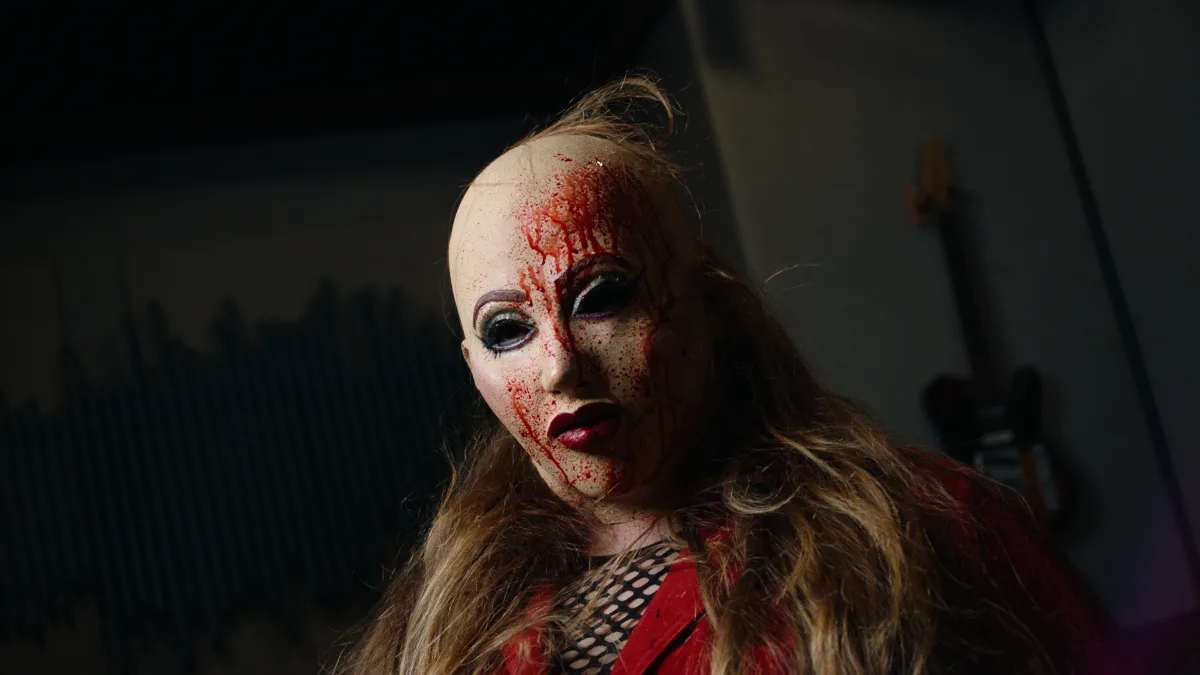
But what truly makes Frankie, Maniac Woman great isn’t its plot (which, at its core, is fairly simple), but its execution. Tsigaridis demonstrates absolute mastery of cinematic language: every shot is meticulously composed, every camera movement calculated to generate tension or unease, and every transition between scenes flows so smoothly it feels like magic. The cinematography, handled by a team that clearly knows what they’re doing, plays with chiaroscuro and saturated colors to create an atmosphere that oscillates between the dreamlike and the claustrophobic. The soundtrack—a mix of dark synthwave and industrial sounds—perfectly complements the film’s tone, adding an extra layer of madness to everything unfolding on screen.
And then there are the performances. Oh, the performances. Frankie is played by an actress (whose name, I repeat, deserves to be remembered) who conveys an incredible range of emotions with just a glance. There are moments when her face is a canvas of pain, confusion, and rage, and others where she seems to be enjoying the madness like it’s a party. The supporting cast doesn’t lag behind: from the sinister doctor who looks like he crawled out of a nightmare to the hospital’s patients, every character is so well-defined that, despite the film’s lack of a traditional narrative, you never feel lost.
But what truly elevates Frankie, Maniac Woman above other films in the genre is its ability to balance horror with humor. There are scenes so absurd and over-the-top that you can’t help but laugh—like when Frankie battles a giant version of herself armed with a kitchen knife, or when a patient starts reciting poetry while having his eyes gouged out. It’s the kind of dark humor that only works if the film takes itself seriously, and Tsigaridis nails it.
In short, Frankie, Maniac Woman is one of those films that leaves you feeling like you’ve lived through a singular experience. It’s not perfect (there are moments where the narrative gets a bit muddled, and some gags might be too extreme for certain viewers), but it’s so bold, so original, and so well-executed that those minor flaws are easily forgiven. It’s the kind of film that makes enduring long lines, sleepless nights, and unwatchable garbage like Pinocchio Unstrung worth it. It’s cinema in its purest form: chaotic, visceral, beautiful, and terrifying.
The Best
- Frankie, Maniac Woman: A masterpiece of psychotic gore that leaves you feeling like you’ve survived a rollercoaster ride without a seatbelt. Tsigaridis proves that horror cinema can still be innovative, shocking, and deeply personal.
The Worst
Pinocchio Unstrung: A film so devoid of charm, wit, or budget that it makes The Room look like Citizen Kane*. The only thing more wooden than its protagonist is its script.🎬 16:15 – El pistoletazo de salida: Horror and Love
Lugar: FUNDOS | Nota: 6.8 💛El festival arrancó con la sutileza de un martillazo en la sien, cortesía de Joaquín Oristrell, un director que parece haber confundido el terror con un thriller de sobremesa de Antena 3. Horror and Love es esa clase de película que cumple con el expediente mínimo para no ser expulsada del certamen: tiene un par de sustos bien colocados (como esos jump scares que funcionan igual de bien en el cine que en un vídeo de YouTube de "10 momentos más aterradores de TikTok"), una fotografía que no ofende a la vista (gracias, director de fotografía, por no quemar los ojos con un etalonaje estilo Instagram filter de 2016) y un reparto que, aunque no brilla, al menos no se avergüenza de sí mismo.
La trama, por llamarla de alguna manera, sigue a una pareja que decide pasar un fin de semana romántico en una cabaña en el bosque. Sí, habéis leído bien: cabaña en el bosque. El cliché más manoseado del género desde que el primer guionista de la historia escribió "bosque oscuro = peligro" en una servilleta de bar. Pero Oristrell, en un alarde de originalidad, decide que el verdadero horror no está en los árboles, sino en el pasado traumático de la protagonista, que, oh sorpresa, tiene que ver con un novio maltratador. Porque nada dice "terror fresco" como reciclar el argumento de El resplandor con un toque de Te doy mis ojos.
El problema no es que la película sea predecible (que lo es, hasta el punto de que podrías adivinar el final en los primeros cinco minutos), sino que su mayor virtud —la atmósfera— se desmorona como un castillo de naipes en cuanto los personajes abren la boca. Los diálogos son tan forzados que parecen sacados de un taller de escritura creativa para principiantes, donde el profesor les dijo: "Si no sabéis qué decir, poned un flashback o un monólogo sobre el amor y el miedo". Y así, entre flashbacks innecesarios y miradas intensas a cámara lenta, la película se arrastra hasta su clímax, que, como no podía ser de otra manera, es tan anticlimático como un chiste contado por un robot.
Eso sí, hay que reconocerle a Oristrell que sabe cómo montar una secuencia de tensión. Hay un momento en el que la protagonista camina por un pasillo oscuro mientras la cámara se acerca lentamente a su rostro, sudoroso y desencajado. Es el tipo de plano que funciona tan bien que hasta te olvidas de que, cinco minutos antes, la misma actriz estaba recitando un poema sobre la luna como si fuera una adolescente en un concurso de talentos. Pero, ay, la magia dura poco. En cuanto el villano (porque, por supuesto, hay un villano) aparece en escena, la película se convierte en un slasher de bajo presupuesto donde el asesino parece más interesado en filosofar sobre el amor que en cortar cabezas.
En definitiva, Horror and Love es como un menú del día en un restaurante de carretera: no te vas a morir de hambre, pero tampoco vas a recordar qué comiste al día siguiente. Cumple su función de "calentar motores", pero no esperéis que os deje con el cuerpo "perfecto y el chip festivalero activado" como si fuera una dosis de adrenalina pura. Más bien os dejará con la sensación de haber visto un episodio alargado de Cuéntame cómo pasó, pero con más sangre falsa y menos nostalgia.
🟠 18:00 – Sumersión en la locura: Cuántica Rave
Lugar: FUNDOS | Nota: 5.2 🟠Si Horror and Love fue el aperitivo tibio, Cuántica Rave es el chupito de tequila barato que te tomas para olvidar que el aperitivo te dejó indiferente. Dirigida por Paco Campano, un cineasta que parece haber confundido el cine con un rave en un almacén abandonado de Berlín, esta película es el equivalente audiovisual a meter la cabeza en una lavadora en pleno ciclo de centrifugado: no sabes muy bien qué está pasando, pero estás seguro de que no es bueno para tu salud mental.
La premisa es tan delirante que cuesta resumirla sin sonar como un paciente de un psiquiátrico describiendo su última alucinación: un grupo de científicos (o quizá son artistas, o quizá son influencers de la deep web) descubre una fórmula cuántica que les permite entrar en un estado de conciencia alterada donde el tiempo, el espacio y la coherencia narrativa se desvanecen como azúcar en agua. Lo que sigue es una hora y media de imágenes psicodélicas, cuerpos retorciéndose en slow motion, luces de neón que parecen sacadas de un videoclip de The Weeknd y una banda sonora que oscila entre el techno industrial y el ambient de un ascensor en un hotel de lujo.
Visualmente, la película es un espectáculo. No hay duda de que Campano sabe cómo manejar una cámara y cómo jugar con la luz y el color para crear imágenes hipnóticas. Hay secuencias enteras que parecen pinturas de Zdzisław Beksiński animadas por un equipo de diseñadores gráficos con sobredosis de café. El problema es que, más allá de lo estético, no hay absolutamente nada que sostenga la película. No hay trama (o, si la hay, está tan enterrada bajo capas de simbolismo barato que ni el más avispado de los espectadores podría desenterrarla), no hay personajes (solo arquetipos vagos que van de "el científico loco" a "la chica que baila como si estuviera poseída por el demonio de la rave"), y no hay coherencia (una escena puede pasar de un diálogo filosófico sobre la naturaleza del universo a un close-up de un ojo llorando sangre sin previo aviso).
Es el tipo de película que solo tiene sentido en el contexto de un festival como este, donde el público está dispuesto a tragarse cualquier cosa con tal de sentir que está viviendo una experiencia underground. Pero fuera de ese entorno, Cuántica Rave es como un cuadro abstracto colgado en la pared de un baño público: puede que alguien lo encuentre profundo, pero la mayoría solo verá un manchón sin sentido.
Dicho esto, hay que reconocer que el 5.2 que le otorga el público es, si acaso, generoso. Es una película que se queda en el aprobado raspado porque, al menos, no te aburre. Te confunde, te irrita, te deja con dolor de cabeza, pero no te aburre. Y en el mundo del cine de festival, eso ya es algo.
🍿 22:00 – Maratón Nocturna en los Cines Broadway (Sala 5): Donde los sueños se convierten en pesadillas (y viceversa)
Llegó la hora de la verdad. Después de un descanso estratégico (y de un par de cafés cargados para mantener los párpados abiertos), el festival nos obsequió con una doble sesión que prometía "forjar leyendas". Spoiler: solo una de las dos películas cumplió con esa promesa. La otra fue un recordatorio doloroso de que el infierno está pavimentado con buenas intenciones (y con budgets ajustados).
#### La Decepción: Pinocho está desquiciado (Pinocchio Unstrung)
Nota: 3.8 🔴
¡Ay, Pinocho! El muñeco de madera que ha inspirado desde obras maestras del cine de animación hasta adaptaciones tan infames que hacen que El ataque de los tomates asesinos parezca El padrino. Y ahora, en un alarde de originalidad sin límites, el director Rhys Frake-Waterfield (un nombre que suena más a villano de James Bond que a cineasta) nos trae Pinocchio Unstrung, una película que parece concebida durante una noche de borrachera en la que alguien gritó: "¡Y si Pinocho fuera un asesino en serie!".
La premisa, en teoría, tiene potencial. Imaginaos al clásico personaje de Collodi, pero en lugar de querer ser un niño de verdad, su mayor deseo es convertirse en un serial killer de cuento de hadas. Suena divertido, ¿verdad? Pues no. Porque lo que podría haber sido una sátira macabra o una comedia negra se queda en un slasher cutre, mal actuado y peor ejecutado, donde Pinocho (interpretado por un actor que parece estar compitiendo en un concurso de "¿Quién puede mantener la cara más seria mientras apuñala a alguien?") se dedica a matar a diestro y siniestro con una sonrisa de oreja a oreja y la gracia de un maniquí de Primark.
El mayor problema de Pinocchio Unstrung no es su falta de presupuesto (aunque se nota, y mucho), ni siquiera su guion, que parece escrito por alguien que solo ha visto Saw una vez y de refilón. El verdadero pecado de esta película es su absoluta falta de personalidad. No es lo suficientemente gore como para satisfacer a los fans del terror extremo, ni lo suficientemente inteligente como para funcionar como sátira, ni lo suficientemente divertida como para ser una comedia. Es como un plato de comida sin sal, sin especias y sin amor: puedes tragártelo, pero no vas a disfrutarlo.
Y luego está el tema de los efectos especiales. Oh, los efectos especiales. En una película donde el protagonista es un muñeco de madera que cobra vida, uno esperaría que al menos los practical effects estuvieran a la altura. Pero no. Aquí, Pinocho parece más un maniquí de Halloween que un ser vivo, y sus movimientos son tan rígidos que en más de una ocasión te preguntarás si el actor no se habrá quedado dormido en medio de una escena. Los asesinatos, por su parte, son tan poco creativos que parecen sacados de un tutorial de YouTube de "Cómo hacer efectos de sangre caseros". Hay un momento en el que Pinocho clava unas tijeras en el ojo de una víctima, y la sangre que sale parece kétchup diluido en agua. Es tan patético que duele.
Pero lo peor de todo es la sensación de oportunidad perdida. Porque, repito, la premisa tenía potencial. ¿Qué tal si, en lugar de un slasher genérico, hubiéramos tenido una reflexión oscura sobre la identidad, la humanidad y los peligros de desear ser algo que no eres? ¿O una comedia negra sobre los cuentos de hadas y su lado más siniestro? En manos de un director con un poco más de ambición (y un guionista que supiera lo que es un plot twist), Pinocchio Unstrung podría haber sido algo memorable. En cambio, nos quedamos con una película que parece hecha por alguien que solo quería ver a un muñeco de madera apuñalando gente, y que no se molestó en darle ningún tipo de profundidad o estilo.
El 3.8 que le otorga el público es, sin duda, un acto de caridad. O quizá sea el resultado de que, después de ver esta película, los espectadores estaban tan aturdidos que no eran capaces de pensar con claridad. En cualquier caso, Pinocchio Unstrung es la prueba definitiva de que no todo lo que parece una buena idea en una servilleta de bar merece ser llevado al cine.
#### El Subidón: Frankie, Maniac Woman
Nota: 8.5 🟢
Y entonces, como si el universo cinematográfico hubiera decidido compensarnos por el suplicio anterior, llegó Frankie, Maniac Woman, la película que no solo salvó la noche, sino que nos recordó por qué seguimos yendo a festivales de cine: para descubrir joyas que nos dejen sin aliento, con los ojos como platos y la mente dando vueltas como una peonza.
Dirigida por Pierre Tsigaridis, un cineasta que parece haber nacido con una cámara en la mano y un storyboard en la cabeza, Frankie, Maniac Woman es una obra maestra del gore psicótico, una montaña rusa de violencia estilizada, surrealismo y humor negro que te deja exhausto, eufórico y con ganas de más. Es como si David Lynch y Quentin Tarantino hubieran tenido un hijo bastardo con Dario Argento, y ese hijo hubiera crecido obsesionado con los exploitation films de los 70 y los body horror de Cronenberg.
La trama, por llamarla de alguna manera, sigue a Frankie (interpretada por una actriz cuyo nombre deberíamos tallar en mármol), una mujer que despierta en un hospital psiquiátrico sin recordar cómo llegó allí. Lo que sigue es un viaje alucinante a través de su mente fracturada, donde la realidad y la fantasía se mezclan de manera tan orgánica que en más de una ocasión te preguntarás si lo que estás viendo es un sueño, una alucinación o simplemente el resultado de haber tomado demasiado LSD. Hay escenas en las que Frankie interactúa con versiones distorsionadas de sí misma, otras en las que el hospital se convierte en un laberinto infinito de pasillos oscuros, y momentos en los que la violencia estalla de manera tan repentina y brutal que te deja sin aliento.
Pero lo que realmente hace grande a Frankie, Maniac Woman no es su trama (que, en el fondo, es bastante simple), sino su ejecución. Tsigaridis demuestra un dominio absoluto del lenguaje cinematográfico: cada plano está cuidadosamente compuesto, cada movimiento de cámara está calculado para generar tensión o incomodidad, y cada transición entre escenas es tan fluida que parece magia. La fotografía, a cargo de un equipo que claramente sabe lo que hace, juega con los claroscuros y los colores saturados para crear una atmósfera que oscila entre lo onírico y lo claustrofóbico. Y la banda sonora, una mezcla de synthwave oscuro y sonidos industriales, acompaña a la perfección el tono de la película, añadiendo una capa extra de locura a todo lo que ocurre en pantalla.
Y luego están las actuaciones. Oh, las actuaciones. Frankie es interpretada por una actriz (cuyo nombre, insisto, merece ser recordado) que logra transmitir una gama increíble de emociones con solo una mirada. Hay momentos en los que su rostro es un lienzo de dolor, confusión y rabia, y otros en los que parece estar disfrutando de la locura como si fuera una fiesta. Los actores secundarios tampoco se quedan atrás: desde el médico siniestro que parece sacado de una pesadilla hasta los pacientes del hospital, cada personaje está tan bien definido que, aunque la película no tenga un argumento tradicional, nunca te sientes perdido.
Pero si hay algo que eleva Frankie, Maniac Woman por encima de otras películas del género es su capacidad para equilibrar el horror con el humor. Hay escenas tan absurdas y exageradas que no puedes evitar reírte, como cuando Frankie se enfrenta a una versión gigante de sí misma armada con un cuchillo de cocina, o cuando un paciente del hospital empieza a recitar poesía mientras le arrancan los ojos. Es el tipo de humor negro que solo funciona si la película se lo toma en serio, y Tsigaridis lo hace a la perfección.
En definitiva, Frankie, Maniac Woman es una de esas películas que te dejan con la sensación de haber vivido una experiencia única. No es perfecta (hay momentos en los que la narrativa se vuelve un poco confusa, y algunos gags pueden resultar demasiado extremos para ciertos espectadores), pero es tan audaz, tan original y tan bien ejecutada que esas pequeñas fallas se perdonan sin problema. Es el tipo de película que hace que valga la pena aguantar horas de cola, noches de insomnio y películas infumables como Pinocchio Unstrung. Es cine en estado puro: caótico, visceral, hermoso y aterrador.
Lo mejor
Frankie, Maniac Woman: Una obra maestra del gore* psicótico que te deja con la sensación de haber sobrevivido a un viaje en montaña rusa sin cinturón de seguridad. Tsigaridis demuestra que el cine de terror aún puede ser innovador, impactante y profundamente personal. La resistencia del público: Que nadie se queje de la maratón nocturna después de ver Pinocchio Unstrung* y seguir en pie. Eso sí que es espíritu festivalero.Lo peor
*Pinocchio UnstrEnding Explained: PUFA 2026 – Day 7
💬 El Veredicto de la Comunidad
¿Qué te ha parecido la película? Deja tu nota de 0 a 10 para contrastarla con el análisis de la redacción.
Aún no has votado
📢 ¿Te ha gustado el ácido?
Comparte esta crítica con tus amigos cinéfilos o desata la polémica en redes.
⚡ THE CINEMATIC VENOM YOUR INBOX CRAVES
No sugarcoated ratings, no corporate fluff. Subscribe for our uncensored weekly analysis or join the private Telegram for press previews, poll clashes, and instant alerts.
Alertas de estrenos en 1 segundo, encuestas en caliente y audios al salir de pases de prensa.
Recibe la dosis semanal en tu mail + regalo inmediato del PDF con 50 joyas ocultas de culto.
Related Reviews
Recommended autopsies for demanding film buffs.
 ⚠️ Ácido Sulfúrico0.0
**"PUFA 2026: Day 1 – Between Ketchup Blood, Mythology, and the Ghost of Chicho"**
⚡Hermana de saga: otro capítulo diseccionado con rigor forense.
The kickoff of the third edition of **PUFA** (*Pucela Fantástica*) at **Broadway Cinemas** proved that horror isn’t just on the screen. From the initial chaos in the lobby to the revelations and ironies of the speeches, the opening day was a rollercoaster of emotions, bottled guts, and pure Spanish fantasy cinema history.
 ⚠️ Ácido Sulfúrico0.0
**PUFA 2026: Day 2 – Nostalgia and "Outstanding" Discoveries (Or How Cinema Reminds Us Hell Is Paved with Good Intentions)**
⚡Hermana de saga: otro capítulo diseccionado con rigor forense.
The second day of PUFA 2026, Valladolid’s genre film festival, brought together unsettling classics like *Who Can Kill a Child?* and exciting newcomers like *Went Up the Hill*—though "exciting" might be a stretch.
 ⚠️ Ácido Sulfúrico0.0
**PUFA 2026: Day 3 – Analog Delirium and Mind Paranoia (or How Modern Cinema Insists on Reminding Us That Hell Is Other People—Especially If They’re Algorithms)**
⚡Hermana de saga: otro capítulo diseccionado con rigor forense.
The third day of the **Valladolid Fantastic Gateway (PUFA 2026)** was less a film marathon and more a *social experiment*—a rollercoaster where the festival, like a hoarder Frankenstein, stitched together scraps of marginal genius, digital autopsies, and Freudian nightmares to serve up a four-course tasting menu that, as a whole, tasted like *cheap whiskey and expired Xanax*. From the **FUNDOS Auditorium**—a cinema temple reeking of spilled beer and screenwriters’ shattered dreams—to the **Broadway Cinemas**, where the Official Selection tried (and failed) to convince us that psychological horror is still a noble genre, July 6th was a masterclass in how contemporary cinema can be *simultaneously mesmerizing and nauseating*. And no, that’s not a compliment.
Editorial Ecosystem
Cinephile connections, archive interviews and related analyses.
✍️ Essays & Articles1

🎞️ In Claqueta Cinematheque3
💬 Debate Cinéfilo & Autopsia de Lectores
0 veredictos¿Discrepas con nuestra nota? ¿Es una obra maestra o veneno puro? Deja tu veredicto abajo sin necesidad de registro.

Aún nadie ha dejado su veredicto para esta película.
Sé el primero en clavarle el colmillo rellenando el formulario de arriba.