PUFA 2026 — Day 2 – Nostalgia and "Outstanding" Discoveries (Or How Cinema Reminds Us Hell Is Paved with Good Intentions)
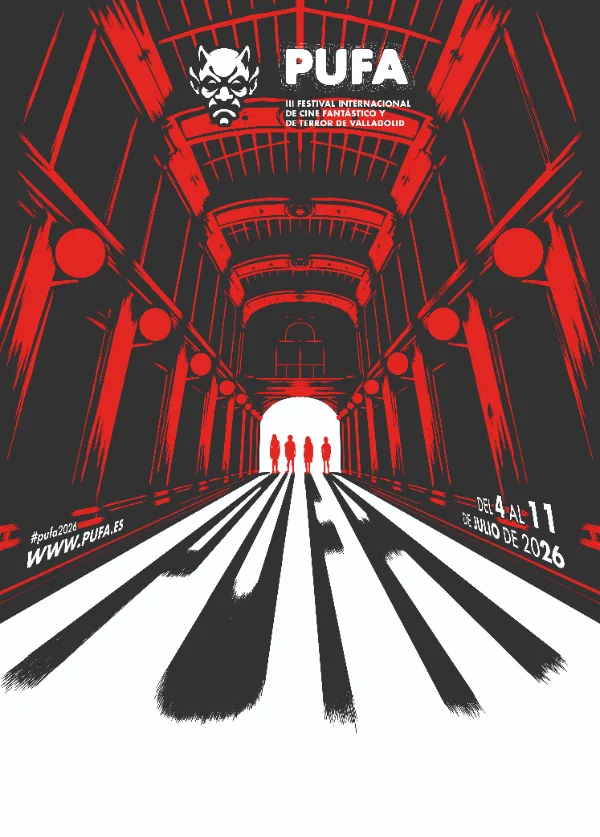
The second day of PUFA 2026, Valladolid’s genre film festival, brought together unsettling classics like Who Can Kill a Child? and exciting newcomers like Went Up the Hill—though "exciting" might be a stretch.

This classic review is currently only available in Spanish. Our editorial AI is translating it shortly! 💀
body_en: |-
- /uploads/inline_pufa-2026-dia-2-nostalgia-y-descubrimientos-sobresalientes_1783281005608.webp
- /uploads/inline_pufa-2026-dia-2-nostalgia-y-descubrimientos-sobresalientes_1783281023706.webp
- /uploads/inline_pufa-2026-dia-2-nostalgia-y-descubrimientos-sobresalientes_1783281108855.webp
- /uploads/inline_pufa-2026-dia-2-nostalgia-y-descubrimientos-sobresalientes_1783281114939.webp
- /uploads/inline_pufa-2026-dia-2-nostalgia-y-descubrimientos-sobresalientes_1783281121513.webp
- /uploads/inline_pufa-2026-dia-2-nostalgia-y-descubrimientos-sobresalientes_1783281128032.webp
- /uploads/inline_pufa-2026-dia-2-nostalgia-y-descubrimientos-sobresalientes_1783281135531.webp
- /uploads/inline_pufa-2026-dia-2-nostalgia-y-descubrimientos-sobresalientes_1783281144111.webp
- /uploads/inline_pufa-2026-dia-2-nostalgia-y-descubrimientos-sobresalientes_1783281151293.webp
- /uploads/inline_pufa-2026-dia-2-nostalgia-y-descubrimientos-sobresalientes_1783323935400.webp
- /uploads/inline_pufa-2026-dia-2-nostalgia-y-descubrimientos-sobresalientes_1783323951945.webp
- /uploads/inline_pufa-2026-dia-2-nostalgia-y-descubrimientos-sobresalientes_1783323987648.webp
- /uploads/inline_pufa-2026-dia-2-nostalgia-y-descubrimientos-sobresalientes_1783324002305.webp
RECAP: PUFA 2026»" data-acid-interlink="pufa-2026-dia-3-delirios-analogicos-y-paranoias-de-la-mente">PUFA 2026»" data-acid-interlink="pufa-2026-fin-bad-haircut-gana-el-festival">PUFA 2026 – DAY 2: BETWEEN HAUNTING CLASSICS AND SOUL-CRUSHING WOUNDS (OR HOW CINEMA PROVES HELL IS PAVED WITH GOOD INTENTIONS)
The second day of the third edition of Pucela Fantástica (PUFA) confirmed what we already suspected: this festival isn’t just a showcase for monsters and practical effects—it’s a cinematic operating room, where humanity’s worst nightmares are dissected with a celluloid scalpel. In Valladolid, a city that smells of wine and Castilian folklore, genre cinema has become the only valid exorcism against mediocrity. And boy, did they deliver: between a classic that still bleeds through its seams and a new film that feels like a failed experiment in emotional autopsy, PUFA 2026 proved that when it comes to horror, Spain remains the country where even children know more about cruelty than adults.
finalExplicado: "En el clímax de ¿Quién puede matar a un niño?, el protagonista Tom, tras ver cómo los niños han exterminado a todos los adultos de la isla, es finalmente asesinado a golpes por un grupo de ellos mientras su esposa embarazada agoniza. La película cierra con un plano fijo del mar vacío y el sonido de una radio que informa de que los niños han llegado a la península, extendiendo la matanza. Simbólicamente, el desenlace significa que la culpa adulta es irreversible: la generación que permitió la barbarie (guerra, dictadura, indiferencia) ha criado a sus verdugos. Los niños no son monstruos gratuitos, sino el espejo vengador de una sociedad que ya estaba moralmente muerta. El sol abrasador del final no ilumina esperanza, solo calcina la conciencia."
🕰️ 16:30 – Who Can Kill a Child?: The Sun That Scorches the Conscience
It’s no exaggeration to say that Who Can Kill a Child? (1976) is one of those films that should come with a trauma warning, like cigarette packs. Directed by Narciso Ibáñez Serrador, a man who understood terror as a contagious virus, this masterpiece of Spanish social horror remains as uncomfortable today as it was upon its release—back when Franco’s censorship still reeked of mothballs, and Catholic morality tried to veil what cinema already exposed without shame.
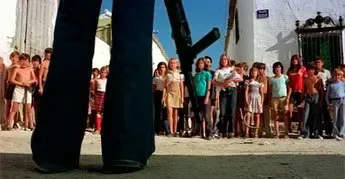
The screening at PUFA was an act of cinephilic devotion, but also a reminder that terror doesn’t age—it rots, like a corpse in the sun. The presence of Alejandro Ibáñez Nauta, the director’s son, added a touch of necrophilic melancholy to the event. Hearing anecdotes about how his father shot scenes with real children (yes, the same ones who would later massacre adults on screen) while the audience nervously laughed was like witnessing a collective expiation ritual. Because let’s be honest: Who Can Kill a Child? isn’t just a film about murderous children—it’s about adult guilt, about a generation that allowed the world to become a place where the innocent turn into executioners.
#### Direction: The Master of Discomfort
Ibáñez Serrador didn’t direct films—he incubated them. His style, heir to Hitchcockian suspense but with a dash of Iberian sleaze, turns every frame into a trap. The island of Altea, bathed in a sun that feels like acid spilled on the film, is the perfect setting for a horror that doesn’t need monsters—just the empty stare of a child holding a knife. The opening sequence, with archival footage of wars and famines, isn’t just a prologue—it’s a summary judgment against humanity. And the verdict is clear: we are the monsters.
#### Cinematography: The Sun as Executioner
The cinematography by José Luis Alcaine (yes, the same one who later lit Pan’s Labyrinth) is visual torture. The contrast between the blinding Mediterranean light and the elongated shadows of the characters creates an atmosphere of daytime nightmare, where even the air feels laden with threat. The wide shots of the island, with those children playing like little demons in a schoolyard, are as beautiful as they are terrifying. Ibáñez Serrador and Alcaine understood something modern cinema has forgotten: horror doesn’t need darkness to exist.
#### Score: The Silence That Screams
Waldo de los Ríos’ music is minimalist, almost absent, but when it appears, it strikes like a whip crack. The main theme, with its distorted childlike melody, is the sonic equivalent of a spoon scraping a porcelain plate. And then there’s the silence. Oh, the silence. In Who Can Kill a Child?, silence isn’t the absence of sound—it’s the sound of guilt. When the adults scream, no one hears them. When the children laugh, the world stops. That’s the film’s true score: the echo of our own cowardice.
#### Performances: Children Who Know Too Much
The child actors in the film don’t act—they exist. There’s nothing more terrifying than a child staring into the camera with a smile that never reaches their eyes. Lewis Fiander and Prunella Ransome, as the trapped tourist couple, embody the adult panic in the face of the incomprehensible perfectly. Their acting is clumsy, almost amateurish, but that’s precisely what makes it so effective: they’re victims, not heroes, and their desperation is so real it hurts.
🌃 21:30 – Went Up the Hill: The Ghost No One Invited (And We All Deserved)
If Who Can Kill a Child? is a classic that hurts for what it shows, Went Up the Hill is a film that hurts for what it doesn’t show. Directed by Samuel Van Grinsven, a name that until yesterday sounded like a pronunciation error at an Australian short film festival, this movie was billed as the big revelation of PUFA 2026’s Official Selection. Spoiler: it isn’t. What it is, though, is a pretentious self-indulgent exercise masquerading as psychological horror.
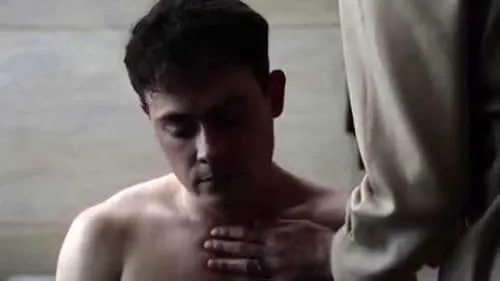
The plot—if you can call it that—follows a man (played by Dacre Montgomery, the same guy who played Billy in Stranger Things and who here seems to be auditioning for the role of "man with trauma" in an acting workshop) returning to his hometown to confront the ghosts of his past. Literally. Because, of course, in Went Up the Hill, ghosts aren’t metaphors—they’re clingy entities with poor circulation that whisper unintelligible things and appear in mirrors when the protagonist is brushing his teeth. How original.
#### Direction: Minimalism as an Excuse
Van Grinsven seems obsessed with the idea that less is more, but in his case, less is simply less. The film moves at a pace that would make 2001: A Space Odyssey look like a TikTok clip, with static shots of rural landscapes lasting long enough for the viewer to start wondering if they’ve fallen asleep. The director abuses fake suspense, that cheap trick of showing something off-screen before cutting to a close-up of the protagonist looking like he’s smelled something rotten.
There’s a sequence where Montgomery walks through a forest while the camera follows him in an endless long take. The problem? Nothing happens. Absolutely nothing. It’s as if Van Grinsven confused tension with boredom and decided the audience should suffer as much as the character. Spoiler: it doesn’t work.
#### Cinematography: Grays, More Grays, and the Occasional Brown
Marty Scope’s cinematography is so bland it looks like it was lifted from an IKEA catalog. Everything is earth tones, dim lighting, and shadows that hide nothing because, apparently, there’s nothing to hide. The production design is just as inspired: rural houses with solid wood furniture, fireplaces that never light, and a town that looks abandoned by both God and the art department. If the goal was to create an oppressive atmosphere, the result is more depressing, like a Sunday afternoon in a village with no cell service.
#### Score: The Sound of Nothing
Jed Palmer’s music is so understated you might forget it exists. When it does appear, it’s in the form of single piano notes that sound like someone learning to compose horror music from a "For Dummies" book. The sound design, meanwhile, is pretentious to the point of nausea: unintelligible whispers, footsteps that lead nowhere, and a silence so thick it feels like rotten cotton candy.
#### Performances: Trauma, Trauma, and More Trauma
Dacre Montgomery does what he can with a character seemingly written by someone who just discovered psychoanalysis. His performance swings between catatonic muteness and desperate screaming, as if someone told him trauma is expressed this way and he decided to follow the manual to the letter. Vicky Krieps, who in other films has proven to be a formidable actress, here seems lost in a script that gives her nothing to do. Her character, a mysterious woman with an even more mysterious past, is so one-dimensional she might as well be a hologram.
Conclusion: A Day of Contrasts (Or How Cinema Can Be Sublime or Unbearable in 24 Hours)
The second day of PUFA 2026 was a reminder that genre cinema is like a buffet: there are dishes that take your breath away and others that make you wonder who the hell cooked them. Who Can Kill a Child? remains an uncomfortable masterpiece, a mirror that reflects our own cruelty disguised as innocence. Went Up the Hill, on the other hand, is a pretentious failure, a film that mistakes silence for depth and boredom for tension.
But in the end, that’s what makes a festival like PUFA great: the ability to spark debate, even when the debate is about why a film is so bad it hurts. Because let’s be honest—in a world where commercial cinema sells us canned emotions and happy endings wrapped in cellophane, even a bad movie can be more honest than a thousand blockbusters.
### The best
- Ibáñez Serrador’s legacy: Someone tell Hollywood that horror doesn’t need jump scares to be terrifying.
### The worst
- Van Grinsven’s direction: Less is more, but nothing is nothing.
### The Verdict of Claqueta Ácida (0/10)
Went Up the Hill is the kind of film that makes you wonder if the director mistook the film festival for a group therapy session. With a script seemingly written by an indie horror trope algorithm, performances that oscillate between soporific and ridiculous, and a direction that confuses boredom with depth, this movie is the cinematic equivalent of watching paint dry in a windowless room. If PUFA wanted to prove that genre cinema is still alive, Went Up the Hill is proof that sometimes, all that’s resurrected is the corpse of our expectations. 0/10, and that zero is generous.CRÓNICA: PUFA 2026 – Día 2: Entre clásicos perturbadores y heridas del alma (o cómo el cine nos recuerda que el infierno está pavimentado con buenas intenciones)
El segundo día de la tercera edición de Pucela Fantástica (PUFA) ha confirmado lo que ya sospechábamos: este festival no es un simple escaparate de monstruos y efectos prácticos, sino un quirófano cinematográfico donde se diseccionan las peores pesadillas de la humanidad con bisturí de celuloide. En Valladolid, ciudad que huele a vino y a folclore castellano, el cine de género se ha convertido en el único exorcismo válido contra la mediocridad. Y vaya si lo han logrado: entre un clásico que sigue sangrando por las costuras y una nueva película que parece un experimento fallido de autopsia emocional, el PUFA 2026 ha demostrado que, cuando se trata de terror, España sigue siendo el país donde hasta los niños saben más de crueldad que los adultos.
🕰️ 16:30 h – ¿Quién puede matar a un niño?: El sol que quema la conciencia
No es exagerado decir que ¿Quién puede matar a un niño? (1976) es una de esas películas que deberían proyectarse con aviso de contenido traumático, como los paquetes de tabaco. Dirigida por Narciso Ibáñez Serrador, un hombre que entendía el terror como un virus contagioso, esta obra maestra del horror social español sigue siendo tan incómoda hoy como lo fue en su estreno, cuando la censura franquista aún olía a naftalina y la moral católica intentaba tapar con un velo de hipocresía lo que el cine ya mostraba sin pudor.
La proyección en el PUFA fue un acto de devoción cinéfila, pero también un recordatorio de que el terror no envejece: se pudre, como un cadáver al sol. La presencia de Alejandro Ibáñez Nauta, hijo del director, añadió un toque de melancolía necrófila al evento. Escuchar anécdotas sobre cómo su padre rodó escenas con niños reales (sí, esos mismos que luego masacrarían a los adultos en pantalla) mientras el público reía nervioso fue como asistir a un ritual de expiación colectiva. Porque, seamos honestos: ¿Quién puede matar a un niño? no es solo una película sobre niños asesinos, sino sobre la culpa de los adultos, sobre esa generación que permitió que el mundo se convirtiera en un lugar donde los inocentes se transforman en verdugos.
#### Dirección: El maestro de la incomodidad
Ibáñez Serrador no dirigía películas; las incubaba. Su estilo, heredero del suspense hitchcockiano pero con un toque de sordidez ibérica, convierte cada plano en una trampa. La isla de Altea, bañada por un sol que parece ácido derramado sobre la película, es el escenario perfecto para un horror que no necesita monstruos: le basta con la mirada vacía de un niño que sostiene un cuchillo. La secuencia inicial, con imágenes de archivo de guerras y hambrunas, no es un simple prólogo: es un juicio sumarísimo contra la humanidad. Y el veredicto es claro: nosotros somos los monstruos.
#### Fotografía: El sol como verdugo
La fotografía de José Luis Alcaine (sí, el mismo que luego iluminaría El laberinto del fauno) es una tortura visual. El contraste entre la luz cegadora del Mediterráneo y las sombras alargadas de los personajes crea una atmósfera de pesadilla diurna, donde hasta el aire parece cargado de amenaza. Los planos generales de la isla, con esos niños jugando como si fueran pequeños demonios en un patio de recreo, son tan hermosos como aterradores. Ibáñez Serrador y Alcaine entendieron algo que el cine moderno ha olvidado: el horror no necesita oscuridad para existir.
#### Banda sonora: El silencio que grita
La música de Waldo de los Ríos es minimalista, casi ausente, pero cuando aparece, lo hace como un latigazo. El tema principal, con su melodía infantil distorsionada, es el equivalente sonoro a una cuchara raspando un plato de porcelana. Y luego está el silencio. Oh, el silencio. En ¿Quién puede matar a un niño?, el silencio no es la ausencia de sonido, sino el sonido de la culpa. Cuando los adultos gritan, nadie los escucha. Cuando los niños ríen, el mundo se detiene. Esa es la verdadera banda sonora de la película: el eco de nuestra propia cobardía.
#### Actuaciones: Niños que saben demasiado
Los actores infantiles de la película no actúan: existen. No hay nada más aterrador que un niño que mira fijamente a la cámara con una sonrisa que no llega a los ojos. Lewis Fiander y Prunella Ransome, como la pareja de turistas atrapados en la isla, encarnan a la perfección el pánico de los adultos ante lo incomprensible. Su actuación es torpe, casi amateur, pero eso es precisamente lo que la hace tan efectiva: son víctimas, no héroes, y su desesperación es tan real que duele.
🌃 21:30 h – Went Up the Hill: El fantasma que nadie invitó (y todos merecíamos)
Si ¿Quién puede matar a un niño? es un clásico que duele por lo que muestra, Went Up the Hill es una película que duele por lo que no muestra. Dirigida por Samuel Van Grinsven, un nombre que hasta ayer sonaba a error de pronunciación en un festival de cortos australianos, esta cinta se presentó como la gran revelación de la Sección Oficial del PUFA 2026. Spoiler: no lo es. Lo que sí es, en cambio, es un ejercicio de autocomplacencia pretenciosa disfrazado de terror psicológico.
La trama, por llamarla de alguna manera, sigue a un hombre (interpretado por Dacre Montgomery, el mismo que hizo de Billy en Stranger Things y que aquí parece estar audicionando para el papel de "hombre con trauma" en un taller de actores) que regresa a su pueblo natal para enfrentarse a los fantasmas del pasado. Literalmente. Porque, claro, en Went Up the Hill los fantasmas no son metáforas: son entes pegajosos con mala circulación que susurran cosas ininteligibles y aparecen en los espejos cuando el protagonista se está lavando los dientes. Qué original.
#### Dirección: El minimalismo como excusa
Van Grinsven parece obsesionado con la idea de que menos es más, pero en su caso, menos es simplemente menos. La película avanza a un ritmo que haría parecer a 2001: Una odisea del espacio un videoclip de TikTok, con planos estáticos de paisajes rurales que duran lo suficiente como para que el espectador empiece a preguntarse si se ha quedado dormido. El director abusa del falso suspense, ese recurso barato que consiste en mostrar algo fuera de plano y luego cortar a un primer plano del protagonista con cara de haber olido algo podrido.
Hay una secuencia en la que Montgomery camina por un bosque mientras la cámara lo sigue en un plano secuencia interminable. ¿El problema? Que no pasa nada. Absolutamente nada. Es como si Van Grinsven hubiera confundido tensión con aburrimiento, y hubiera decidido que el espectador debía sufrir tanto como el personaje. Spoiler: no funciona.
#### Fotografía: Grises, más grises y algún que otro marrón
La fotografía de Marty Scope es tan anodina que parece sacada de un catálogo de IKEA. Todo son tonos terrosos, luces mortecinas y sombras que no ocultan nada porque, al parecer, nada hay que ocultar. El diseño de producción es igual de inspirado: casas rurales con muebles de madera maciza, chimeneas que nunca se encienden y un pueblo que parece abandonado por Dios y por el departamento de arte. Si el objetivo era crear una atmósfera opresiva, el resultado es más bien deprimente, como un domingo por la tarde en un pueblo sin cobertura.
#### Banda sonora: El sonido de la nada
La música de Jed Palmer es tan discreta que podrías olvidar que existe. Cuando aparece, lo hace en forma de notas sueltas de piano que suenan como si alguien estuviera aprendiendo a tocar con un manual de "Cómo componer música de terror para dummies". El diseño de sonido, por su parte, es pretencioso hasta la náusea: susurros ininteligibles, pasos que no llevan a ninguna parte y un silencio tan denso que parece hecho de algodón de azúcar podrido.
#### Actuaciones: Trauma, trauma y más trauma
Dacre Montgomery hace lo que puede con un personaje que parece escrito por alguien que acaba de descubrir qué es el psicoanálisis. Su interpretación oscila entre el mutismo catatónico y el grito desesperado, como si alguien le hubiera dicho que el trauma se expresa así y él hubiera decidido seguir el manual al pie de la letra. Vicky Krieps, que en otras películas ha demostrado ser una actriz formidable, aquí parece perdida en un guión que no le da nada que hacer. Su personaje, una mujer misteriosa con un pasado aún más misterioso, es tan unidimensional que bien podría ser un holograma.
Conclusión: Un día de contrastes (o cómo el cine puede ser sublime o insoportable en 24 horas)
El segundo día del PUFA 2026 ha sido un recordatorio de que el cine de género es como un bufé libre: hay platos que te dejan sin aliento y otros que te hacen preguntarte quién demonios los ha cocinado. ¿Quién puede matar a un niño? sigue siendo una obra maestra incómoda, un espejo que nos devuelve nuestra propia crueldad disfrazada de inocencia. Went Up the Hill, en cambio, es un fracaso pretencioso, una película que confunde el silencio con la profundidad y el aburrimiento con la tensión.
Pero, al fin y al cabo, eso es lo que hace grande a un festival como el PUFA: la capacidad de generar debate, incluso cuando el debate es sobre por qué una película es tan mala que duele. Porque, seamos honestos, en un mundo donde el cine comercial nos vende emociones enlatadas y finales felices con envoltorio de celofán, hasta una película mala puede ser más honesta que mil blockbusters.
Lo mejor
- El legado de Ibáñez Serrador: Que alguien le diga a Hollywood que el terror no necesita jump scares para ser aterrador.
Lo peor
- La dirección de Van Grinsven: Menos es más, pero nada es nada.
El Veredicto de Claqueta Ácida (0/10)
Went Up the Hill es la clase de película que te hace preguntarte si el director confundió el festival de cine con una sesión de terapia grupal. Con un guión que parece escrito por un algoritmo de tropes de terror indie, actuaciones que oscilan entre lo soporífero y lo ridículo, y una dirección que confunde el aburrimiento con la profundidad, esta cinta es el equivalente cinematográfico a mirar pintura secarse en una habitación sin ventanas. Si el PUFA quería demostrar que el cine de género sigue vivo, Went Up the Hill es la prueba de que, a veces, lo único que resucita es el cadáver de nuestras expectativas. 0/10, y eso que el cero es generoso.Ending Explained: PUFA 2026
💬 El Veredicto de la Comunidad
¿Qué te ha parecido la película? Deja tu nota de 0 a 10 para contrastarla con el análisis de la redacción.
Aún no has votado
📢 ¿Te ha gustado el ácido?
Comparte esta crítica con tus amigos cinéfilos o desata la polémica en redes.
⚡ THE CINEMATIC VENOM YOUR INBOX CRAVES
No sugarcoated ratings, no corporate fluff. Subscribe for our uncensored weekly analysis or join the private Telegram for press previews, poll clashes, and instant alerts.
Alertas de estrenos en 1 segundo, encuestas en caliente y audios al salir de pases de prensa.
Recibe la dosis semanal en tu mail + regalo inmediato del PDF con 50 joyas ocultas de culto.
Related Reviews
Recommended autopsies for demanding film buffs.
 ⚠️ Ácido Sulfúrico0.0
**"PUFA 2026: Day 1 – Between Ketchup Blood, Mythology, and the Ghost of Chicho"**
⚡Hermana de saga: otro capítulo diseccionado con rigor forense.
The kickoff of the third edition of **PUFA** (*Pucela Fantástica*) at **Broadway Cinemas** proved that horror isn’t just on the screen. From the initial chaos in the lobby to the revelations and ironies of the speeches, the opening day was a rollercoaster of emotions, bottled guts, and pure Spanish fantasy cinema history.
 ⚠️ Ácido Sulfúrico0.0
**PUFA 2026: Day 3 – Analog Delirium and Mind Paranoia (or How Modern Cinema Insists on Reminding Us That Hell Is Other People—Especially If They’re Algorithms)**
⚡Hermana de saga: otro capítulo diseccionado con rigor forense.
The third day of the **Valladolid Fantastic Gateway (PUFA 2026)** was less a film marathon and more a *social experiment*—a rollercoaster where the festival, like a hoarder Frankenstein, stitched together scraps of marginal genius, digital autopsies, and Freudian nightmares to serve up a four-course tasting menu that, as a whole, tasted like *cheap whiskey and expired Xanax*. From the **FUNDOS Auditorium**—a cinema temple reeking of spilled beer and screenwriters’ shattered dreams—to the **Broadway Cinemas**, where the Official Selection tried (and failed) to convince us that psychological horror is still a noble genre, July 6th was a masterclass in how contemporary cinema can be *simultaneously mesmerizing and nauseating*. And no, that’s not a compliment.
 ⚠️ Ácido Sulfúrico0.0
**PUFA 2026 – Day 4: Greed, Isolation, and a Feast of Mediocrity Served on a Silver Platter**
⚡Hermana de saga: otro capítulo diseccionado con rigor forense.
The fourth day of PUFA 2026 delivered an intense mix of horror, suspense, and mysticism with films like *Grand Ciel*, *El llanto del perro*, *Cruel Hands*, and *Samakdo*. Each brought a unique—if uniquely painful—experience for festivalgoers.
Editorial Ecosystem
Cinephile connections, archive interviews and related analyses.
✍️ Essays & Articles1

🎞️ In Claqueta Cinematheque3
💬 Debate Cinéfilo & Autopsia de Lectores
0 veredictos¿Discrepas con nuestra nota? ¿Es una obra maestra o veneno puro? Deja tu veredicto abajo sin necesidad de registro.


Aún nadie ha dejado su veredicto para esta película.
Sé el primero en clavarle el colmillo rellenando el formulario de arriba.