American Horror Story — Anthology of Fame and Panic
A series that uses terror as a mirror of the entertainment industry, revealing the emptiness of fame with style and sarcasm.
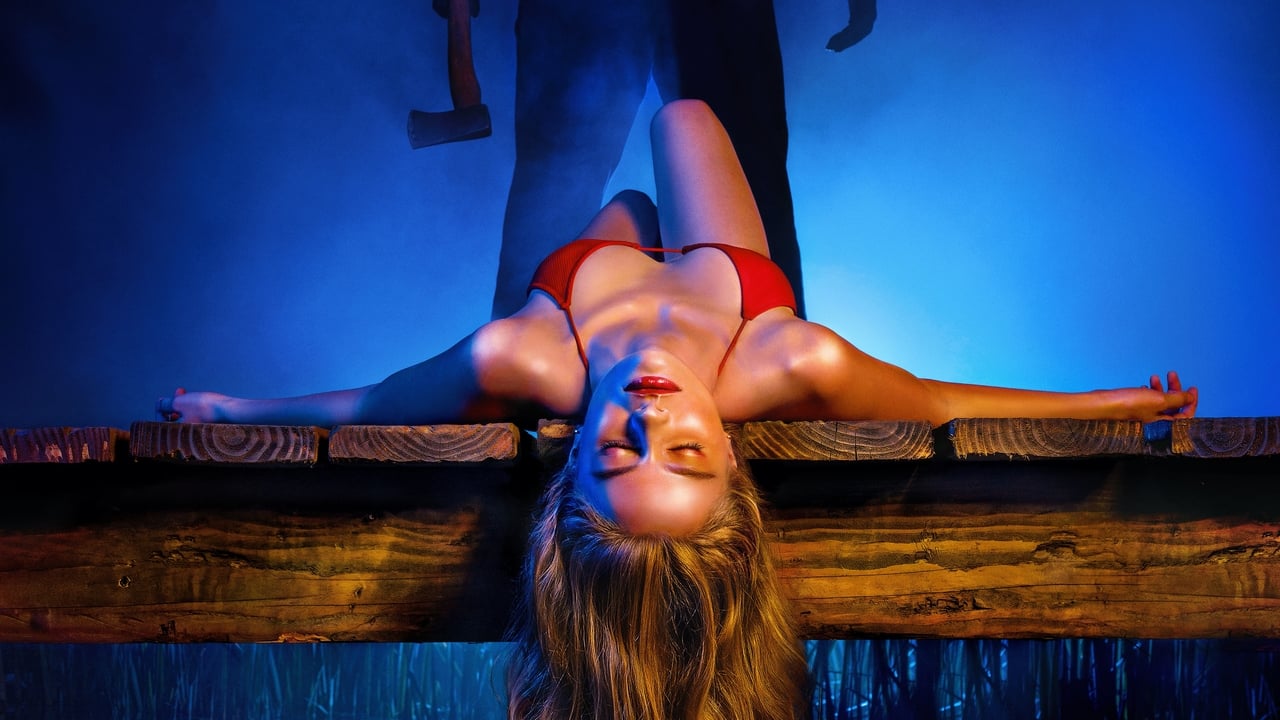
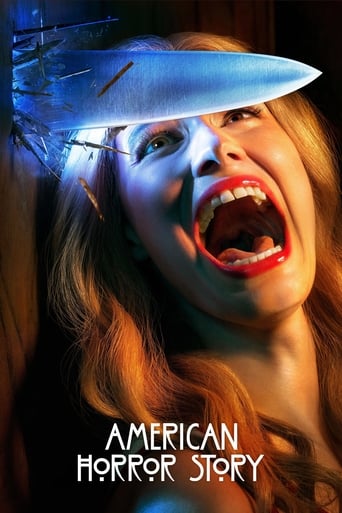
American Horror Story: full review

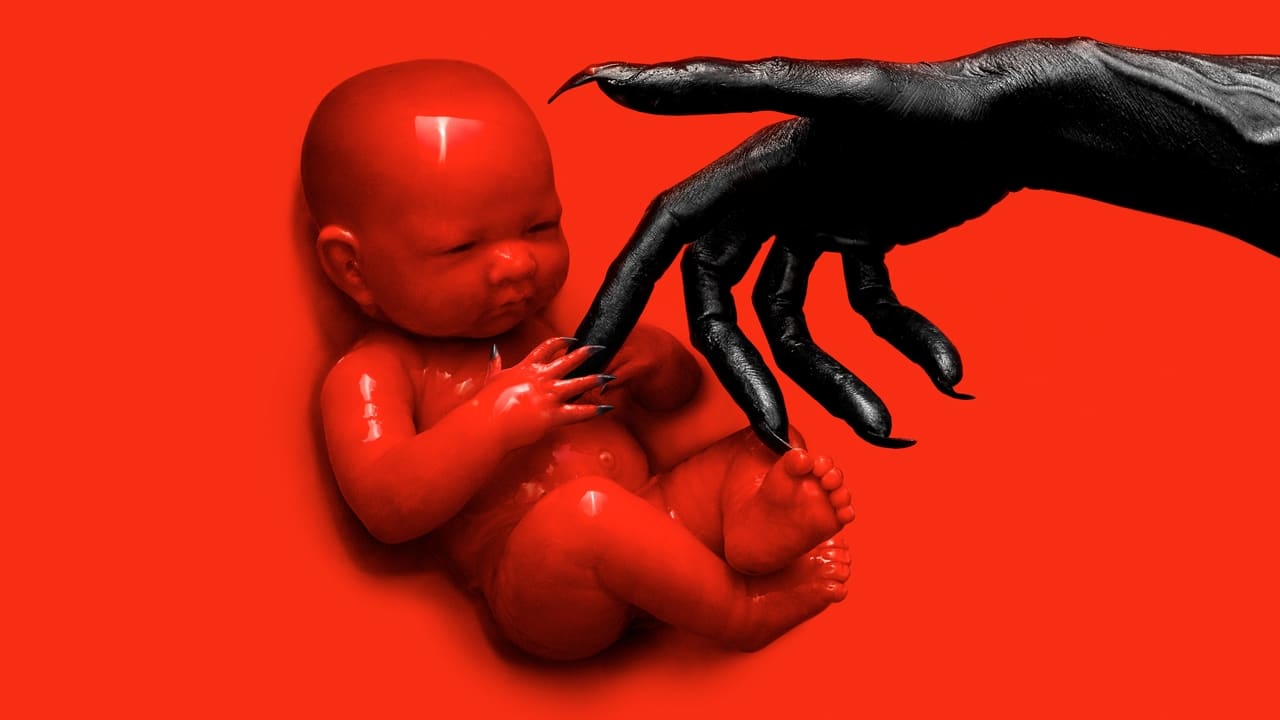
The arrival of American Horror Story in 2011 marked the debut of a series that, beneath the façade of episodic horror, stands as a biting critique of the entertainment industry itself. Ryan Murphy and Brad Falchuk, already known for their forays into television scandalization, bet on a antología de horror that promised to renew the genre each season, as if changing costumes before every runway. I, who watch television with the eye of a cinema surgeon, instantly felt that the project was not merely a succession of scares, but a dissection of Hollywood vanity.
The antological format is, in itself, a statement of intent: each season refreshes its premise, its setting and its characters, as if the production wanted to prove that identity is as disposable as a B‑list script. The series thus becomes an allegory of the commodification of fame; actors, by swapping roles, embody the mutability of personal branding in a world that only values novelty. That fluidity, far from being a mere stylistic trick, reveals the vaciedad of the spectacle sold as art.
In the first installment, the Harmon family moves into a mansion that already houses the echoes of the Langdons: neighbour Constance, a Jessica Lange of faded glamour, and her daughter Addie. The house, with its labyrinthine corridors and lingering shadows, functions as a metaphor for studio hallways, where memories of past scandals persist like specters haunting new residents. Evan Peters, as the unsettling Tate, and Sarah Paulson, as the tormented Audrey, add a layer of vulnerability that contrasts with the Langdons' pomposity, underscoring the duality between public façade and internal demons.

After binge‑watching the first season in a single night, I sensed a strange blend of fascination and ennui. The series manages to trap the viewer with its measured rhythm and gradual revelations, yet it also reminds us that, in the end, each horror is packaged for mass consumption. The feeling is akin to observing a contemporary art exhibition where the audience applauds provocation without questioning the curator's intent.
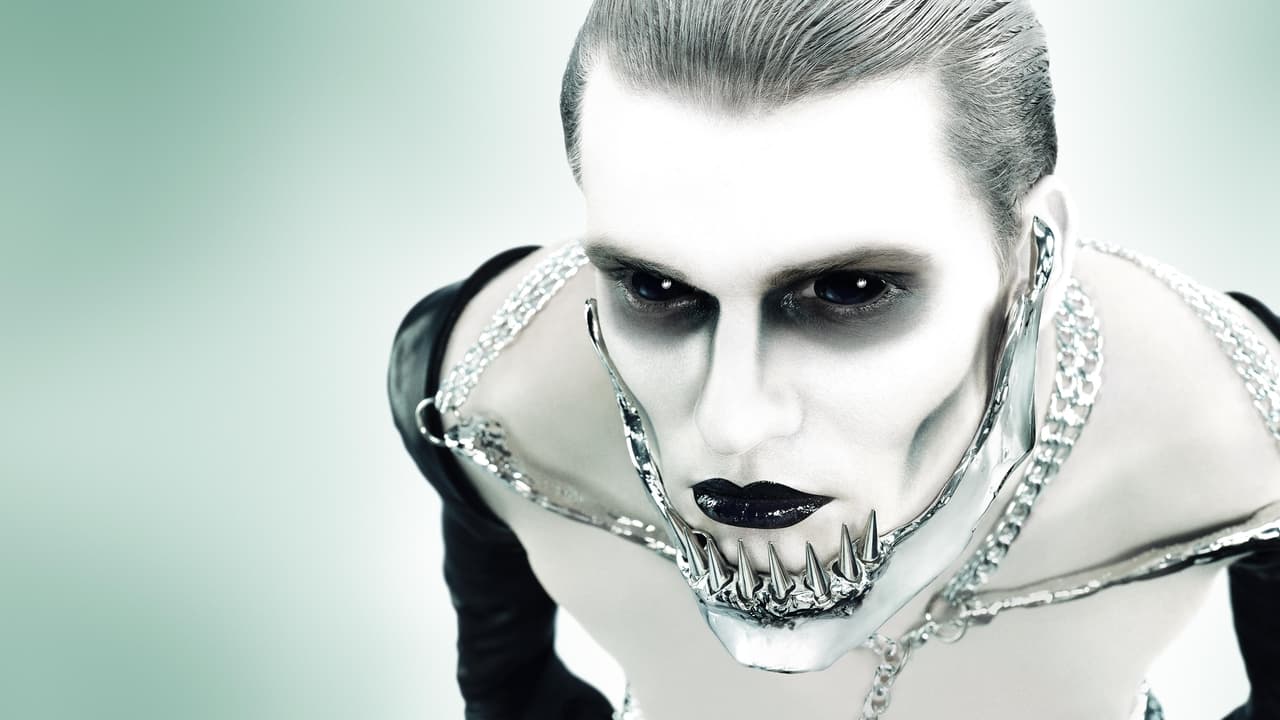
Direction and staging
Murphy and Falchuk handle the narrative with surgical precision, alternating the intimacy of family drama with bursts of supernatural violence. Each season presents itself as a piece of macabre theatre, with sets that blend decadent glamour and the grime of studio corridors. The mise‑en‑scène of the Los Angeles mansion, with its dust‑covered tapestries and lights that seem to filter through a perpetual fog, reinforces the idea that horror is simply the shadow of fame projected onto the screen.
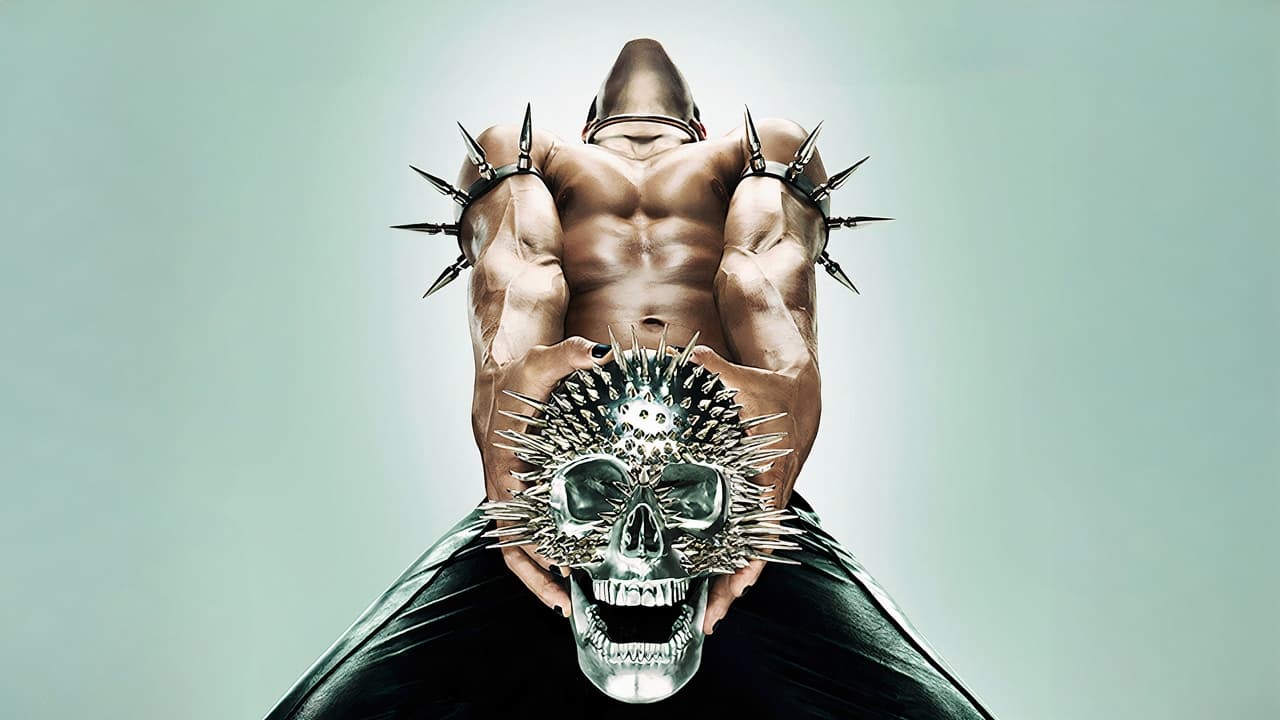
Performances
Jessica Lange, always an imposing presence, embodies corrupt aristocracy with a dignity that borders on the ridiculous, reminding us that grandeur is often a porcelain mask. Sarah Paulson, for her part, navigates between Audrey's vulnerability and the brutality of her own decisions, delivering a performance that oscillates between empathy and calculated coldness.
Evan Peters shines as the season’s scapegoat; his vacant stare and twisted smile turn Tate into a mirror of the industry itself: forever ready to be molded and discarded. Denis O'Hare adds subtle comedy as the disfigured Larry Harvey, while Kathy Bates, in her role as Miriam Mead, provides an energy that blends madness with the shrewdness of a veteran of the business. Emma Roberts and Leslie Grossman round out the cast with performances that, though sometimes lost in extravagance, add layers to the series’ critique of performativity.
Technical aspects
Mac Quayle’s soundtrack becomes a constant whisper that accompanies the tension, like an underground current that never ceases. The production design, overseen by the lead production company, recreates in detail the decadent opulence of the 1970s, yet also inserts modern elements that remind the viewer that horror is never truly anchored in the past. The lack of a credited director of photography does not diminish the visual composition; the series employs static shots and slow movements to create an atmosphere that seems to observe the viewer with a clinical gaze.
The best
- Narrativa antológica: the ability to reinvent itself each season keeps it fresh and reinforces the critique of the industry.
- Actuaciones de Jessica Lange: a presence that dominates every scene, turning decay into art.
- Diseño de producción: the mansion and its details are a mirror of Hollywood palaces.
- Banda sonora de Mac Quayle: a whisper that envelops the plot without overwhelming it.
- Metafórica puesta en escena: each set serves as an allegory of fame.
The worst
- Inconsistencias narrativas: some plot threads fade away without clear resolution.
- Repetición de temáticas: the series sometimes falls back on the same type of visual shock.
- Exceso de personajes secundarios: the multitude of figures dilutes the focus of the critique.
- Ritmo desigual: certain episodes drag the story without adding new layers.
The Verdict of Claqueta Ácida
American Horror Story manages, with its antological structure and chameleon‑like cast, to expose the farce of an industry that sells itself as art while recycling the same fears under new guises. The series is a crítica feroz that, although sometimes drowns in its own spectacle, keeps a sharp eye on the emptiness of fame. In short, a proposition that deserves to be seen and re‑seen, always with a cup of coffee in hand to digest the irony. 💀
🎬 Tráiler Oficial
Abrir en YouTube
American Horror Story: frequently asked questions
- What is the rating of "American Horror Story" on Claqueta Ácida?
- "American Horror Story" scored 7.6/10 on Claqueta Ácida in the review by Odin Lagbert.
- Is "American Horror Story" worth watching?
- Yes. We gave it 7.6/10 (Nuclear Fusion), our rating for must-see films.
- Who directed "American Horror Story"?
- "American Horror Story" was directed by Ryan Murphy, Brad Falchuk.
Theater Collateral Damage Report
Psychophysical impact certificate issued by Odin Lagbert
El ritmo de la serie logra que el espectador parpadee más que los fantasmas de la casa.
A lo largo de la maratón, el reloj parece conspirar para recordarte que el tiempo también es una ilusión de producción.
Una taza de espresso doble basta para acompañar los gritos silenciosos de la fama.
"El giro donde la casa revela sus propios residentes fantasmales marca la caída de la pretensión narrativa."
The rebuttal from Dante Sangre (Blockbuster Scalpel)
In stark disagreement with the review given by Odin Lagbert.
“Basura industrial. Siete puntos y medio. Ridículo. Odin habla de alegoría. Mentira. Es plástico. Murphy no disecciona. Vende. Cada temporada es un lavado de cara. El horror es pretexto. El escándalo, producto. Jessica Lange actúa. El resto, decorado. La mansión no es metáfora. Es set. Paredes falsas. Luces artificiales. No hay crítica mordaz. Hay marketing. El formato antológico no revela vaciedad. Es la vaciedad misma. Cambian nombres. Mismas caras. Mismos clichés. En los noventa, *Twin Peaks* rompía reglas. Aquí, solo se rompen presupuestos. Es un cadáver corporativo. Lobotomía serializada. No hay susto. Hay spot. Odin ve arte. Yo veo estafa. El bisturí no corta. Solo raspa pintura. Nota: 2.6.
💬 Community Verdict
What did you think of the film? Rate it from 0 to 10 to compare it with the editorial review.
You haven't voted yet
📢 ¿Te ha gustado el ácido?
Comparte esta crítica con tus amigos cinéfilos o desata la polémica en redes.
⚡ THE CINEMATIC VENOM YOUR INBOX CRAVES
No sugarcoated ratings, no corporate fluff. Subscribe for our uncensored weekly analysis or join the private Telegram for press previews, poll clashes, and instant alerts.
Alertas de estrenos en 1 segundo, encuestas en caliente y audios al salir de pases de prensa.
Recibe la dosis semanal en tu mail + regalo inmediato del PDF con 50 joyas ocultas de culto.
Related Reviews
Recommended autopsies for demanding film buffs.
 🔥 Fusión Nuclear 8.5
 *American History X: Claqueta Ácida’s Veredict – A Descent into the Heart of Hate*
⚡ Hermana de saga: otro capítulo diseccionado con rigor forense.
*A Journey into the Abyss of Hate. A devastating critique of the film that drags us into the depths of racism and violence in a fractured California.*
 🔥 Fusión Nuclear 8.7
 American Psycho: The Cracked Mirror of Wall Street (And Ours)
⚡ Hermana de saga: otro capítulo diseccionado con rigor forense.
Christian Bale disembowels capitalism with an axe and an Armani suit. Mary Harron films it like a cologne commercial. Masterpiece or style guide for yuppies?
 🔥 Fusión Nuclear 9.0
 *Six Feet Under: When Family Drama Smells Like a Decadent Corpse*
⚡ Afinidad temática directa en atmósfera, estilo y fijaciones visuales.
HBO served us a feast of family dysfunction, pitch-black sarcasm, and metaphorical corpses. Alan Ball dug a grave so deep we still haven’t climbed out.
Editorial Ecosystem
Cinephile connections, archive interviews and related analyses.
💬 Debate Cinéfilo & Autopsia de Lectores
0 veredictos¿Discrepas con nuestra nota? ¿Es una obra maestra o veneno puro? Deja tu veredicto abajo sin necesidad de registro.


Aún nadie ha dejado su veredicto para esta película.
Sé el primero en clavarle el colmillo rellenando el formulario de arriba.