

Ichi the Killer — Sadism as Pop Architecture in the Sewers of Tokyo
Takashi Miike dynamites Japanese crime cinema with a feast of blood, trauma, and masochism that Letterboxd rates with a solid 3.62.
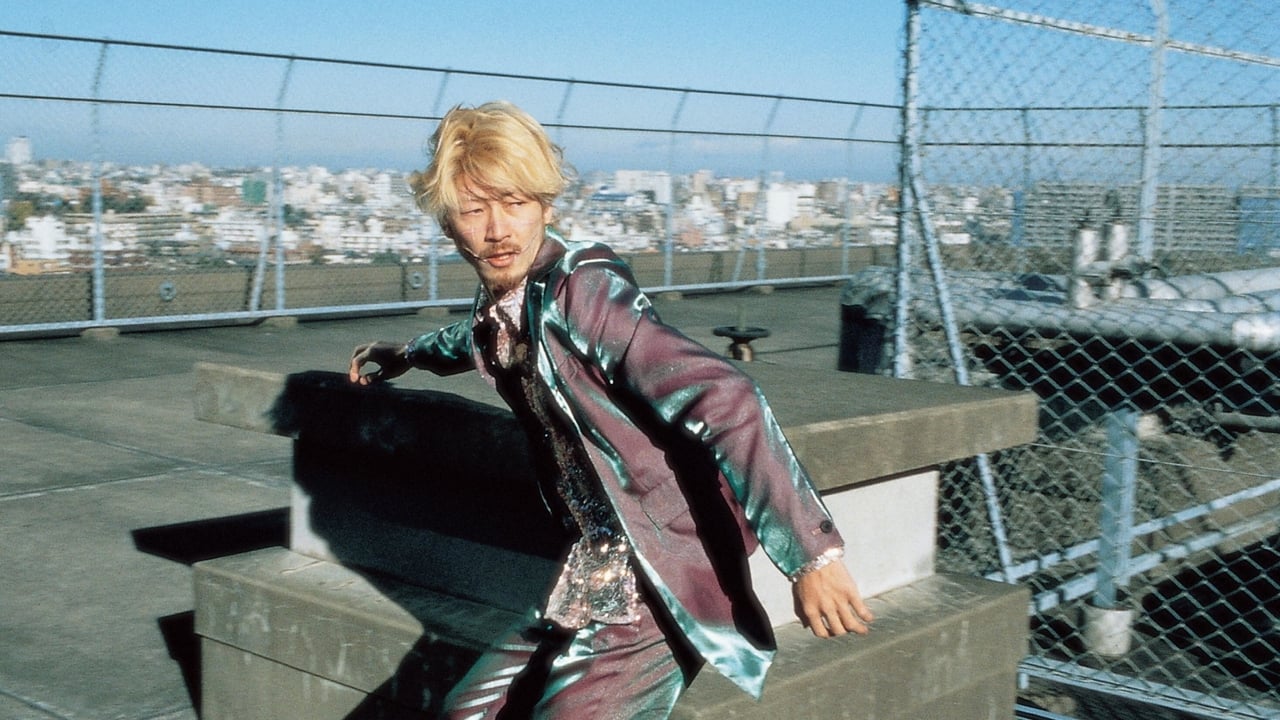
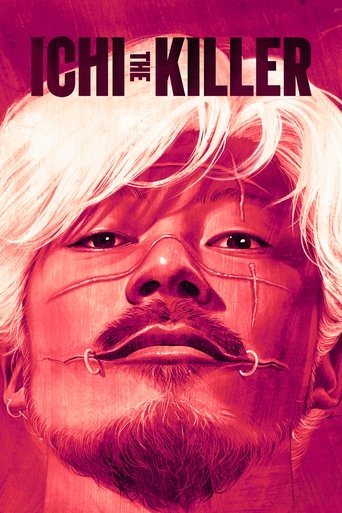
Ichi the Killer: full review

As an Amazon Associate, Claqueta Ácida earns from qualifying purchases.
The turn-of-the-millennium Japanese filmography desperately needed an injection of morphine and rat poison to shake off the institutional lethargy plaguing its industry. While European festivals applauded minimalist dramas about silent families staring at bowls of rice, Takashi Miike decided to bypass all bourgeois conventions to unleash an artifact as untamable as Ichi the Killer onto the screen. Far from the respectability demanded by international selection committees, this adaptation of the homonymous manga operates as an anthology of criminal anthropology where violence is not a narrative device, but the only possible language in an underworld on the brink of implosion. The reception on platforms like Letterboxd, where it settles with a respectable 3.62 out of five, proves that contemporary audiences still relish it when a filmmaker decides to burn the ships and laugh at their own excesses. It is certainly not cinema for everyone, but it is cinema that demands to be watched with eyes wide open and stomachs completely empty.
The opening of the feature establishes the rules of the game with a disarming frankness that makes even the most clueless viewer squirm in their seat. We witness an individual consumed by paranoia and repressed masturbation jerking off on a balcony while watching the assault on a prostitute, a prologue that anticipates the psychological catastrophe yet to come. When the powerful mafia boss Anjo vanishes alongside a suitcase brimming with shady funds, the clan's machinery kicks into gear under the direction of a lieutenant who understands pain as a superior form of art. The disappearance ceases to be a classical police mystery and morphs into a perfect excuse to unleash a spiral of tortures, grotesque interrogations, and physical humiliations that challenge the constitution of the most seasoned viewer. Takashi Miike does not seek cheap shock value merely for the whim of gore, but instead constructs a distorted mirror of toxic masculinity and corporate greed, where every punch is a metaphor for social impotence.

The architecture of pain and disfigured faces
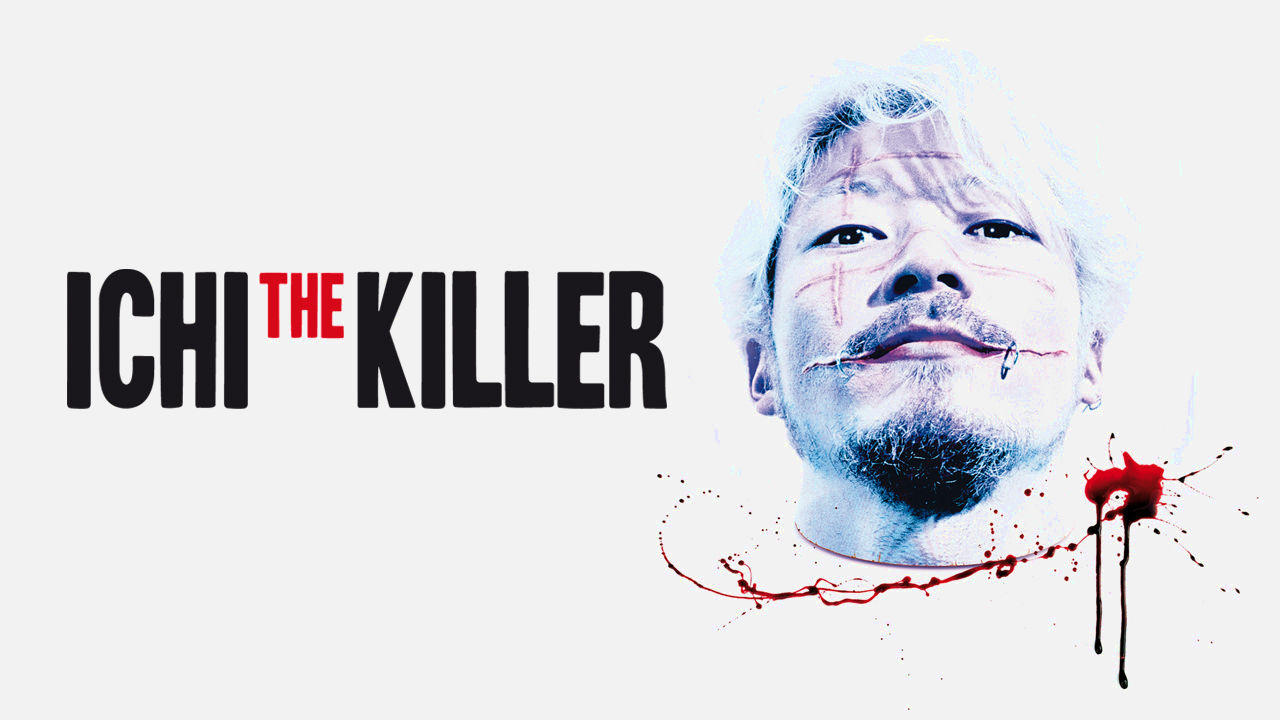
Residing inevitably at the gravitational center of the feature is the physical and mental composition deployed by Tadanobu Asano in the role of Kakihara. With his cheeks pierced by metal rings and an impeccable leather suit that contrasts brutally with the cruelty of his methods, this masochistic gangster desperately seeks an adversary capable of inflicting suffering that lives up to his existential void. Asano endows the character with a restrained theatricality, a diseased dandyism that turns every torture session into an operatic performance where executioner and victim swap roles with staggering naturalism. His screen presence is magnetic, almost hypnotic, ensuring that the audience feels a cocktail of revulsion and fascination that very few villains have ever managed in the history of cinema. He does not act out the pain; he inhabits it, breathes it, and celebrates it like a devout acolyte before his most sacred altar.
Positioned opposite him is the complementary counterpart, an assassin plagued by childhood terrors who weeps uncontrollably before slicing his rivals into millimeter-sized chunks. Shinya Tsukamoto, who also directs and stars, embodies Ichi with a vulnerability that violently clashes with his destructive output. He is a character utterly baffled as to why he is forced to do what he does, a giant child trapped inside the carcass of a monster. The dynamic between both poles configures a duel of broken archetypes where sanity is the ultimate luxury that absolutely no one can afford on the streets of Tokyo. The chemistry between Asano and Tsukamoto serves as the true engine of the film; without that latent sexual and psychological tension, the rest would merely be a collection of disconnected torture scenes. Here, conversely, every single interaction acts as a spark igniting the narrative gunpowder.
Direction as an exercise in systematic demolition
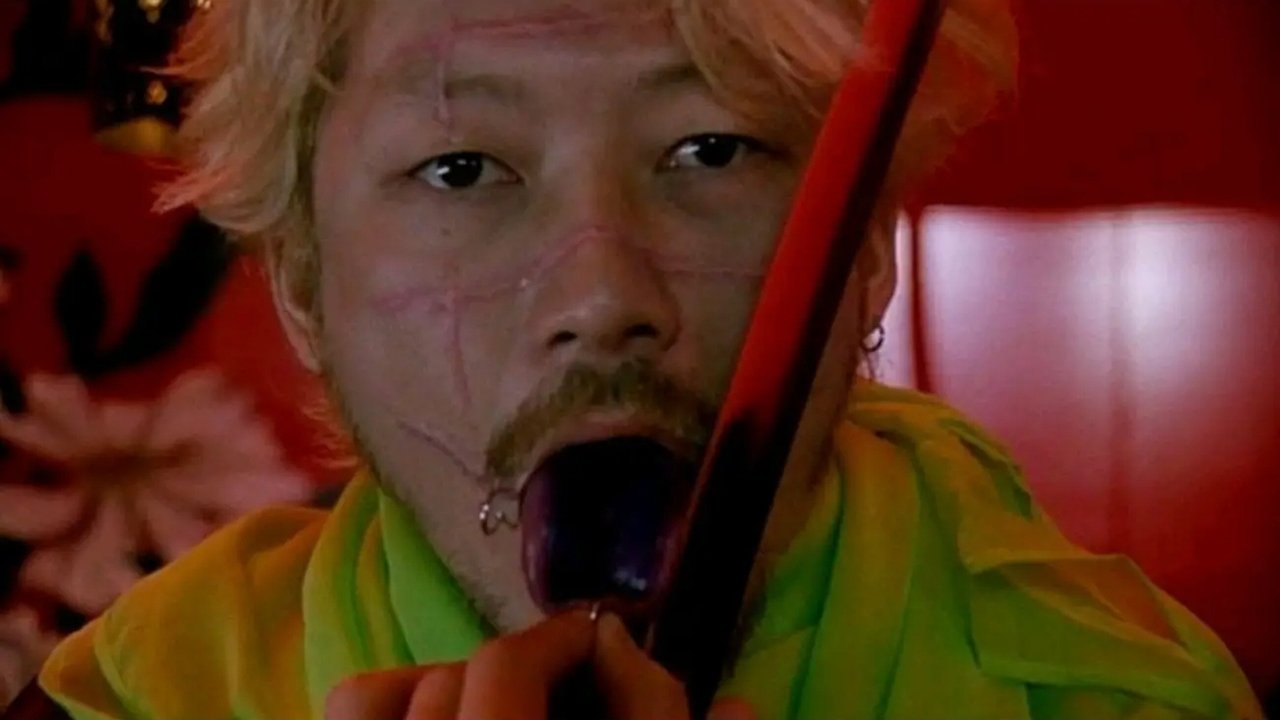
Takashi Miike's staging deliberately flees from any hint of television naturalism to embrace a feverish stylization that oscillates between the darkest black comedy and contemporary Grand Guignol. Every single shot breathes a feverish urgency, leaning on editing that slices through spaces with the precision of a rusted scalpel and a musical score that underscores the grotesque without ever slipping into cheap solemnity. The pace is frantic, practically chaotic, yet it never loses its compass. Miike knows precisely when to hit the brakes to let the image speak for itself and when to slam the accelerator to drown the viewer in an avalanche of stimuli. It is direction that asks for no permission, offers no apologies, and seeks no validation from the critic on duty. It is pure, raw, unfiltered cinema, an experience that leaves lasting scars on both the retina and the memory.
Penned by Sakichi Sato, the screenplay fully comprehends the episodic nature of the source material and converts it into a cumulative narrative where each scene outdoes the sheer dementia of the preceding one. There are no subplots evaporating into thin air, but rather a relentless escalation of madness keeping the viewer teetering on the edge of their seat. Hideo Yamamoto's cinematography toys with strident tones and the filthy shadows of the alleyways, ensuring that technical artifice reinforces the prevailing sensation that we are witnessing the complete mental collapse of an entire society. Colors are saturated, almost toxic, and the lighting is harsh, devoid of mercy, laying bare every single wrinkle and drop of sweat. There is no edifying moral nor any possible redemption for any of these wandering souls. The ending offers zero comfort, serving instead as a bitter confirmation that hell is a terribly crowded place and that the exit door is permanently bolted shut.
The best
- Tadanobu Asano: His portrayal of Kakihara as a devout dandy of physical pain redefines the outer limits of villainous charisma in crime cinema. It is a performance etched permanently into memory due to its raw intensity and originality.
- Takashi Miike's direction: His uncanny ability to balance grotesque farce with graphic horror without ever dropping the narrative pulse for over two hours. An absolute command of chaos that showcases his sheer mastery as a filmmaker.
- The production design: The atmosphere of Tokyo's underbelly transformed into a three-ring circus where blood doubles as confetti. Every single corner is meticulously designed to maximize visual impact and total immersion.
The worst
- Auteurial excess: Certain stretches of the runtime surrender to visual masturbatory self-indulgence, dragging out scenes that had already communicated their central premise. At times, the film seems to enjoy itself far more than it enjoys the audience.
- Tonal unevenness: The pendulum swing between Ichi's tragic patheticism and the yakuza's dark comedy occasionally leaves the casual viewer bewildered. Not all shifts in register operate with equal fluidity.
The Verdict of Claqueta Ácida
Takashi Miike stamped this pop delirium into existence, a work that withstands the erosive test of time courtesy of its flat-out refusal to apologize for its own ugliness. It is neither a piece for delicate stomachs nor for minds comfortably nestled in the luxury of streaming platforms, but rather a savage reminder that genre cinema can be just as intelligent as it is visceral when placed at the service of an unapologetic auteur. Anyone hunting for uplifting morals will flee in terror; those who understand cinema as a cataclysmic, unbridled experience will celebrate every single drop of this indestructible farce 💀.
🎬 Tráiler Oficial
Abrir en YouTube
Ending Explained: Ichi the Killer
Ichi the Killer: frequently asked questions
- What is the rating of "Ichi the Killer" on Claqueta Ácida?
- "Ichi the Killer" scored 7.6/10 on Claqueta Ácida in the review by Odin Lagbert.
- Is "Ichi the Killer" worth watching?
- Yes. We gave it 7.6/10 (Nuclear Fusion), our rating for must-see films.
- Who directed "Ichi the Killer"?
- "Ichi the Killer" was directed by Takashi Miike.
- How does "Ichi the Killer" end?
- Spoilers in Ichi the Killer ending explained .
Theater Collateral Damage Report
Psychophysical impact certificate issued by Odin Lagbert
Imposible parpadear cuando la pantalla se convierte en un catálogo ambulante de mutilaciones creativas.
El segundero del reloj se disuelve en una papilla sanguinolenta antes de que uno pueda plantearse mirar la hora.
How much second-hand embarrassment the film causes (10 = maximum). It is not the review score.
Una taza de café cargada de cianuro estético para digerir la orgía cromática de fluidos.
"La revelación de que el temible verdugo lloriquea como un niño ante su propia sombra narrativa."
Another critic from the newsroom scores the same film. The main score is still the one at the top of the review.

The rebuttal from Lúa Ácida (Queen of the Box Office)
In stark disagreement with the review given by Odin Lagbert.
Me quedé sin aliento, la piel se me erizó como una epidermis expuesta a ácido. Cada golpe en la pantalla fue una autopsia de mi paciencia, un latido que se desgarra. La cámara se arrastra como una serpiente sin cabeza, sin ritmo, y el sonido chirría como feromona tóxica que no invita nada. Los cuerpos se desintegran en una mutilación lírica que no busca significado, solo sacudir la sangre que ya no corre. La trama se deshilacha en fragmentos incoherentes; los personajes son sombras sin sombra, sus gritos son ecos vacíos. El ritmo se vuelve una pulsión de muerte que arrastra al espectador a un vacío sin salida. No hay arte, solo un grotesco sagrado de exceso sin propósito. 2.2/10.
💬 Community Verdict
What did you think of the film? Rate it from 0 to 10 to compare it with the editorial review.
You haven't voted yet
📢 ¿Te ha gustado el ácido?
Comparte esta crítica con tus amigos cinéfilos o desata la polémica en redes.
⚡ THE CINEMATIC VENOM YOUR INBOX CRAVES
No sugarcoated ratings, no corporate fluff. Subscribe for our uncensored weekly analysis or join the private Telegram for press previews, poll clashes, and instant alerts.
Alertas de estrenos en 1 segundo, encuestas en caliente y audios al salir de pases de prensa.
Recibe la dosis semanal en tu mail + regalo inmediato del PDF con 50 joyas ocultas de culto.
By subscribing you agree that we use your email only to send you the newsletter. Unsubscribe at any time. Privacy policy
Related Reviews
Recommended autopsies for demanding film buffs.
 🔥 Fusión Nuclear 7.6
Audition: The Anatomy of Patriarchal Masochism According to Takashi Miike
⚡ Del mismo director (Takashi Miike): analiza la evolución o degradación de su estilo.
Odin Lagbert dissects Takashi Miike's Audition: a surgical treatise where horror doesn't reside in the needle, but in male complicity.
 🔥 Fusión Nuclear 7.6
Inside: The Surgical Exorcism of Pain Under the Gallic Scalpel
⚡ Afinidad temática directa en atmósfera, estilo y fijaciones visuales.
An analytical dissection of À l'intérieur, the pinnacle of French extremity directed by Julien Maury and Alexandre Bustillo in 2007.
 🔥 Fusión Nuclear 8.5
*High Tension (Haute Tension): The Brutal Birth of the New French Extremism – Or How to Turn Flesh into Poetry with a Machete*
⚡ Afinidad temática directa en atmósfera, estilo y fijaciones visuales.
Alexandre Aja shocked global screens with a relentless rural bloodbath, redefined by breakneck pacing and a divisive twist that splits serious cinephiles right down the middle.
Editorial Ecosystem
Cinephile connections, archive interviews and related analyses.
🎞️ In Claqueta Cinematheque 1

💬 Debate Cinéfilo & Autopsia de Lectores
¿Discrepas con nuestra nota? ¿Es una obra maestra o veneno puro? Deja tu veredicto abajo sin necesidad de registro.
📏 Normas: se critica la película, no a las personas. Los insultos y los ataques personales se pueden borrar.


