"The Grandmother" — Paco Plaza’s Chilling, Daring Dive into the Horror of Decay
Paco Plaza teams up with Carlos Vermut to deliver his most restrained and stylized film yet. A disturbing yet breathtaking intergenerational duel between Almudena Amor and Vera Valdez, swapping cheap scares for the real horror of time’s passage. We break down why this pivot to "elevated horror" deserves high marks under our microscope. 💀

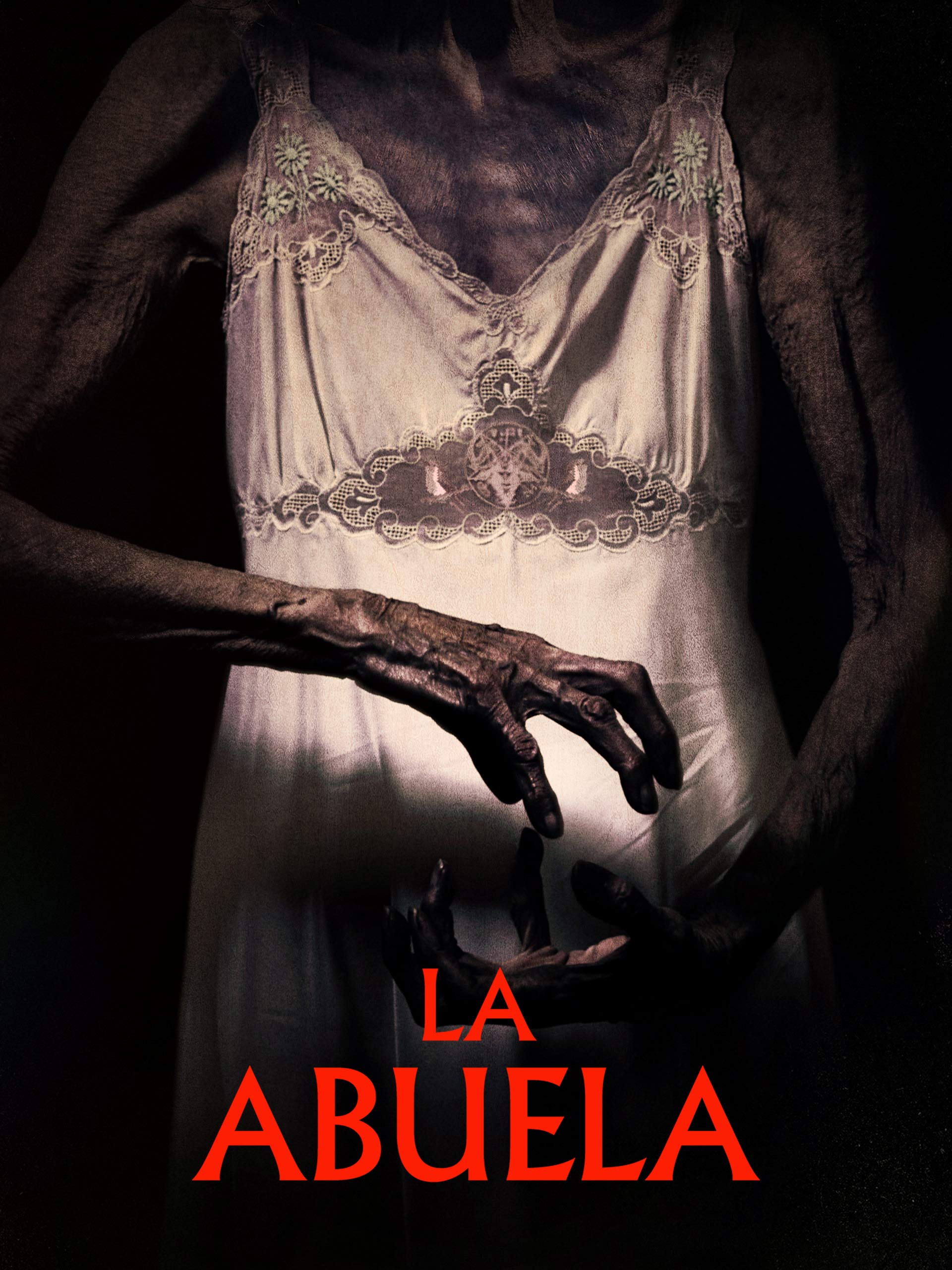

The Grandmother: Paco Plaza Ventures into Psychological Horror with a Cold Compress Over Celluloid
The film unspools like a sterile but icy bandage in Claqueta Ácida’s screening room. Paco Plaza, the man who gifted us the adrenaline rush of [REC] (2007) and its sequel—a feast of rotting flesh and screams trapped in a Barcelona elevator—decided in 2021 it was time for a radical change of pace. Goodbye to frenetic first-person action, hello to slow-burn psychological horror. The leap isn’t flawless, but it’s a kamikaze act of bravery that demands analysis. The Grandmother (2022) is his latest creation, an attempt to channel the dense atmospheres of Ari Aster or Robert Eggers, draping Spanish realism in the trappings of witchcraft, aging, and physical decay.
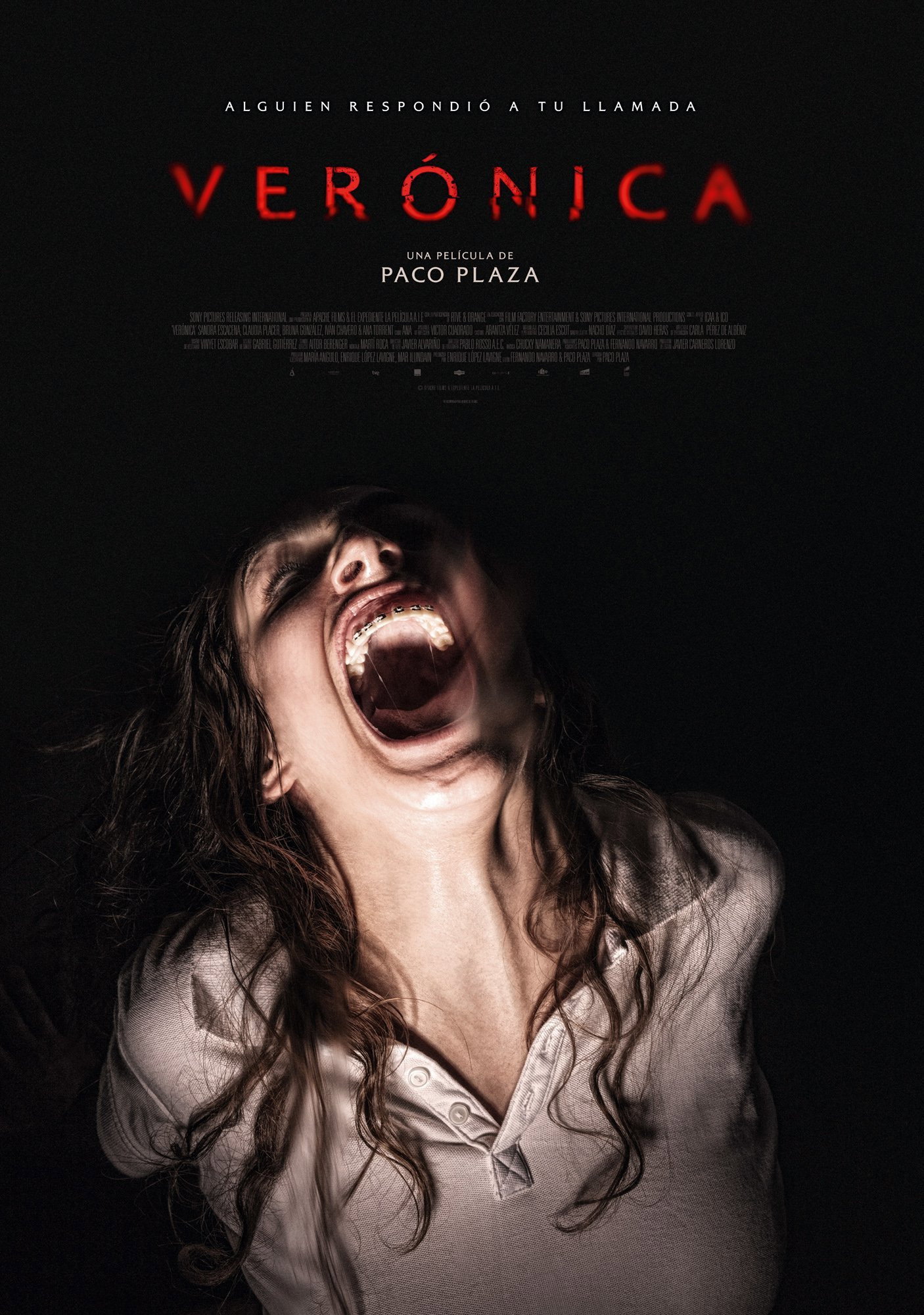
We’re in the era of "elevated horror," where the genre has become a banquet of social metaphors. Plaza isn’t new to this—his film Verónica (2017) already explored domestic drama with mastery—but here, he pushes the narrative tempo to its breaking point. Shot under the strict, suffocating protocols of the pandemic, the film translates that same disconnection and isolation onto the screen. The script comes courtesy of Carlos Vermut, the Spanish cinema’s enfant terrible (Magical Girl). The result of this collaboration is a magnetic yet occasionally self-indulgent screenplay: Susana (Almudena Amor), a model in Paris, returns to Madrid to care for her grandmother Pilar (Vera Valdez), who has just suffered a stroke. What begins as a palliative care drama reminiscent of Haneke’s Amour (2012) slowly warps into an unsettling ritual of mirrors and glances that freeze the blood.
finalExplicado: "La abuela culmina con Susana (Almudena Amor) descubriendo que su abuela (Vera Valdez) no está poseída ni enferma: simplemente ha transferido su conciencia a su cuerpo joven, ocupándolo por completo mientras el cuerpo anciano se marchita. La anciana, ahora en la piel de Susana, se mira al espejo con una sonrisa triunfal y cruel, mientras la verdadera Susana queda atrapada en el cascarón decrépito. Simbólicamente, el desenlace es una alegoría brutal y sin consuelo sobre el paso del tiempo: la vejez no es un estado, sino una depredadora que devora y suplanta a la juventud. El horror real no es sobrenatural, sino biológico e inevitable: la vida se alimenta de la siguiente generación hasta extinguirla. Un final gélido, nihilista y perfectamente coherente con su terror de autor."
Direction: Plaza in Pursuit of Formal Restraint
If there’s one thing Paco Plaza knows how to do, it’s trapping us with fear. But if [REC]’s claustrophobia was loud, The Grandmother’s is icy and silent. His direction here operates with surgical precision, prioritizing stylized visual design over cheap scares. The framing is sober, elegant, and painterly: slow tracking shots through dimly lit hallways and a tenebrist lighting scheme in a bourgeois Madrid apartment that finds beauty in decay.
The pacing is, without a doubt, the most divisive element of the film. Plaza abandons commercial rhythm for a narrative simmered at the slowest possible heat. Some shots linger, forcing the audience to confront the discomfort of bodily decay, shattering the expectations of those seeking a jump-scare fest. This isn’t a movie about startling its audience; it’s a piece of suffocating atmosphere where the sound—minimalist and abstract, designed by Fatima Al Qadiri—blurs into the unsettling silence of the theater.
Acting: A Colossal Intergenerational Showdown
If the film sustains its subterranean tension, it’s thanks to the titanic work of its two leads. Almudena Amor, who already dazzled in The Good Boss (2021), carries the dramatic weight, conveying a vulnerability and frustration that’s utterly contagious. Beside her, legendary model and muse Vera Valdez is a visual whirlwind. Valdez needs no digital tricks; her imposing physique, aristocratic gaze, and physical presence convey the raw, unflinching horror of aging in a way that’s more chilling than any conventional monster.
Vermut’s script opts for a mathematical coldness that sometimes strips the relationship of warmth, turning their scenes together-la-cueva-de-los-espejos-rotos" class="text-amber-400 font-black hover:text-amber-300 transition underline decoration-amber-500/40 hover:decoration-amber-300" title="[6.5/10 ⚡ Ácido Cítrico] Lee nuestra autopsia de «Together»" data-acid-interlink="together-la-cueva-de-los-espejos-rotos">together into a frigid formal exercise. Yet this detachment reinforces the film’s thesis: the total isolation of two women trapped in an apartment frozen in time.
Technical Aspects: Frosty Aesthetic Perfection
The production design is impeccable, though paradoxical. We’re in a stately apartment with high ceilings, decorated with old-world taste but so meticulously pristine it feels like an art gallery. The cinematography by Daniel Fernández Abelló is a visual delight: it plays with reflections, duplicated mirrors, and a color palette that shifts between the loneliness of the Parisian runway and the deathly gloom of the Madrid home.
The editing stretches the mundane care scenes to exhaustion, making us complicit in Susana’s ordeal, though it abruptly accelerates in a final act that embraces the genre’s most classic tropes. It’s in this stretch where the psychological subtlety built up collides with the need for an esoteric resolution, a toll that slightly fractures the film but doesn’t derail the journey.
The best
- A monumental acting duel: The chemistry and physical contrast between Almudena Amor and a magnetic Vera Valdez.
- Paco Plaza’s boldness: The risk of stepping out of his comfort zone to deliver his most restrained, mature, and stylized film yet.
- Fernández Abelló’s cinematography: A flawless visual showcase that turns the apartment into a frigid, living character.
The worst
- A conventional final act: A resolution that resorts to more traditional solutions, breaking the prior psychological subtlety.
- Excessively slow pacing: Its obsession with atmosphere may alienate those seeking a more visceral brand of horror.
The Verdict of Claqueta Ácida
The Grandmother isn’t the kind of horror Paco Plaza usually serves up, and that’s both its greatest virtue and its biggest hurdle. It’s a stylized, stunningly beautiful, and deeply unsettling work that uses horror’s tropes to confront a real monster: the terror of aging and being forgotten in a society obsessed with youth. While Carlos Vermut’s script occasionally veers into coldness and its final act gambles on predictable solutions, the oppressive atmosphere and the powerhouse performances of Almudena Amor and Vera Valdez elevate the experience. A bold, high-scoring exercise in auteur horror that leaves your heart in your throat. 💀
🎬 Tráiler Oficial
Abrir en YouTube
Ending Explained: "The Grandmother"
Ficha de Daños Colaterales en Sala
Certificado de impacto psicofísico emitido por Odin Lagbert
3 amagos en el tramo intermedio; pestañeo pesado en las transiciones más innecesarias.
Minuto 42 y minuto 89 (comprobando cuánto quedaba de suplicio).
1 espresso para no dejarse vencer por la mediocridad cómoda.
"A mitad del segundo acto cuando la subtrama secundaria empezó a pesar más de lo que aportaba."
💬 El Veredicto de la Comunidad
¿Qué te ha parecido la película? Deja tu nota de 0 a 10 para contrastarla con el análisis de la redacción.
Aún no has votado
📢 ¿Te ha gustado el ácido?
Comparte esta crítica con tus amigos cinéfilos o desata la polémica en redes.
⚡ THE CINEMATIC VENOM YOUR INBOX CRAVES
No sugarcoated ratings, no corporate fluff. Subscribe for our uncensored weekly analysis or join the private Telegram for press previews, poll clashes, and instant alerts.
Alertas de estrenos en 1 segundo, encuestas en caliente y audios al salir de pases de prensa.
Recibe la dosis semanal en tu mail + regalo inmediato del PDF con 50 joyas ocultas de culto.
Related Reviews
Recommended autopsies for demanding film buffs.
 🔥 Fusión Nuclear8.5
*Bring Him Back to Me*: Danny Philippou’s Ritual That’ll Steal Your Breath (and Your Sleep)
⚡Hermana de saga: otro capítulo diseccionado con rigor forense.
Danny Philippou delivers an Australian horror film with long takes that reek of scorched celluloid and a Sally Hawkins who devours souls. Claqueta Ácida dissects his nightmare.
 ⚡ Ácido Cítrico6.0
The Last Breath: Oxygen-Deprived Immersion
⚡Hermana de saga: otro capítulo diseccionado con rigor forense.
A submarine dive that drowns more than it breathes: Claqueta Ácida's critique of a thriller running out of air.
 ⚡ Ácido Cítrico7.2
Acid in the Veins: Fede Álvarez Revives the Tactile Panic of Alien
⚡Hermana de saga: otro capítulo diseccionado con rigor forense.
Industrial claustrophobia and pure physical terror. A merciless critique of Ian Holm's CGI and the cheap nostalgia that stains the franchise's return.
Editorial Ecosystem
Cinephile connections, archive interviews and related analyses.
🎞️ In Claqueta Cinematheque2

💬 Debate Cinéfilo & Autopsia de Lectores
0 veredictos¿Discrepas con nuestra nota? ¿Es una obra maestra o veneno puro? Deja tu veredicto abajo sin necesidad de registro.


Aún nadie ha dejado su veredicto para esta película.
Sé el primero en clavarle el colmillo rellenando el formulario de arriba.