

The Last Breath — Oxygen-Deprived Immersion
A submarine dive that drowns more than it breathes: Claqueta Ácida's critique of a thriller running out of air.
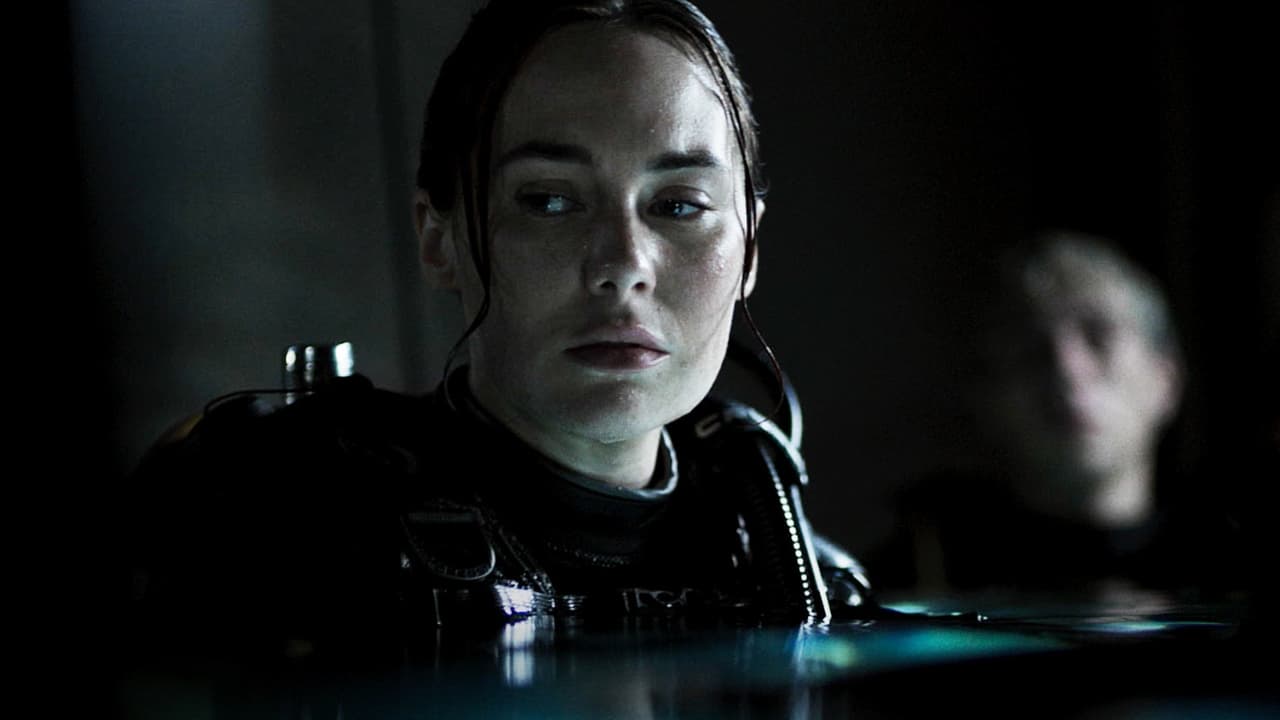
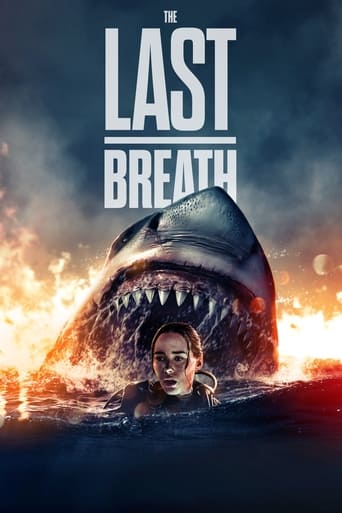
The Last Breath: full review

As an Amazon Associate, Claqueta Ácida earns from qualifying purchases.
The Last Breath arrives in cinemas as a promise of claustrophobic horror, but its breath cuts off before reaching the climax. Joachim Hedén, the Swedish director who made a name for himself in the festival circuit with horror short films, returns to the big screen with an ambitious bet: mixing the aesthetics of diving with the anxiety of a steel labyrinth. His trajectory, although discreet, shows an obsession with confined spaces and the silence that inhabits them, something that is perceived in every underwater shot.
The co-production between Sweden and the UK, backed by Anamorphic Films, Filmgate Films, Picaro Films and Freebie Films, gave the project enough budget to film in the Caribbean, but not enough to avoid the shark CGI tricks that sometimes look like they were taken from a nineties video game. Filming took place in the waters off the coast of Belize, where the crew had to deal with unpredictable currents and marine life that, according to screenwriter Nick Saltrese, “wanted to steal the spotlight from the actors.” The production reported that Eric Börjeson’s camera was submerged more than 30 times, which caused several minor moisture incidents in the sound equipment.
The official synopsis promises an expedition of university friends exploring the remains of a World War II battleship, only to get trapped in its rusted labyrinth surrounded by white sharks. The premise sounds like a cocktail of “The Abyss” and “Jaws,” but the execution stays on the surface. Saltrese’s script, although it tries to delve into collective guilt and the passage of time, becomes predictable when the characters repeat “Do you remember when…?” dialogues while the water becomes increasingly dense.
Leaving the theater, the smell of chlorine and the sensation of having been under pressure accompany me. The film manages to create moments of genuine suffocation, such as the scene where Sam (Kim Spearman) runs out of air inside a flooded chamber and the sound reduces to a heartbeat that thuds in the chest. However, those flashes of tension quickly dilute into long waiting sequences that seem more like a meditation than a thriller. In short, “The Last Breath” works as a shallow breath: enough not to drown, but not enough to inspire.
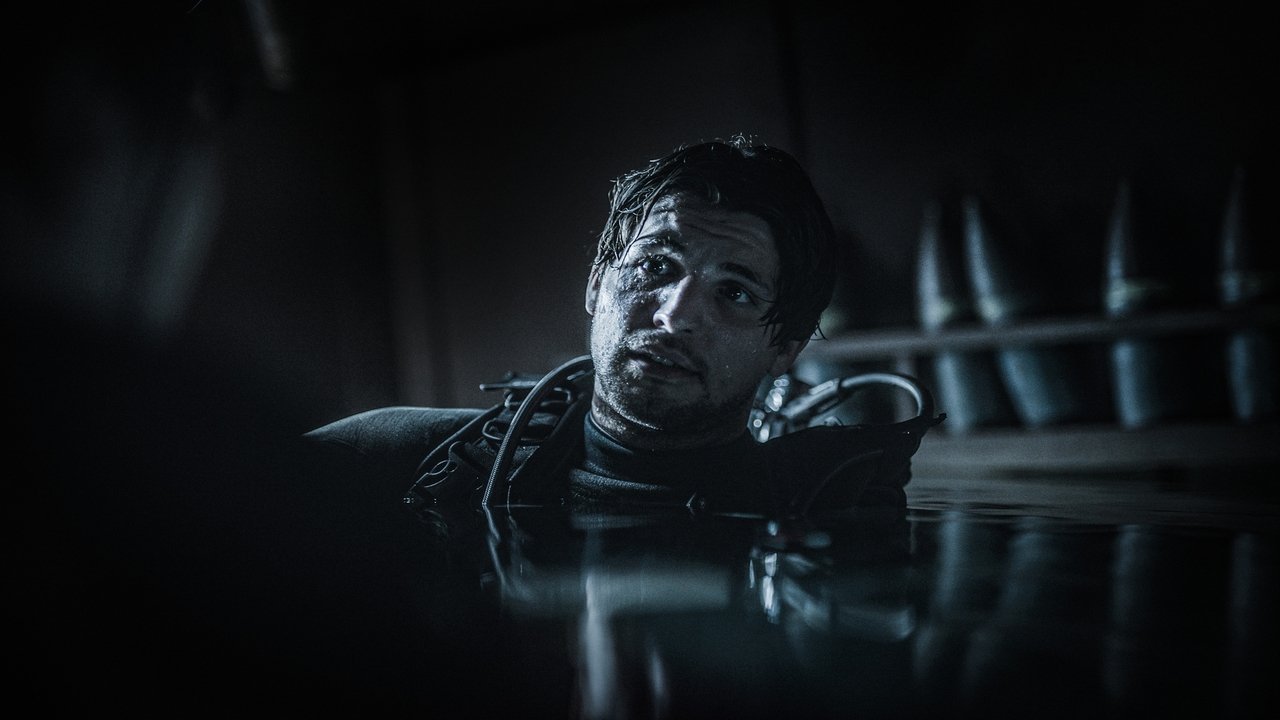
Direction and Staging
Hedén opts for a bluish light aesthetic that envelops every shot, as if the ocean were a permanent fog. Börjeson’s camera clings to the actors' bodies, creating a sense of immersion that sometimes borders on the voyeuristic. The moment the group enters the battleship's hull, the framing becomes angular, highlighting the corroded architecture and corridors that look like beast mouths. The scene of the first encounter with the white shark, where the animal's silhouette is projected against a broken window, best captures the latent threat; the sound of the ship's engine mixes with a pulsating bass from Patrick Kirst, generating a sonic claustrophobia.
However, the direction suffers from repetition. Every time the camera stops in a corridor, the pace slows down and the tension dissipates. Hedén seems more interested in showing the texture of the rust than in developing the urgency of the danger. The lack of variation in camera angles turns the labyrinth into a series of identical hallways, which weakens the sense of disorientation that the script intended.
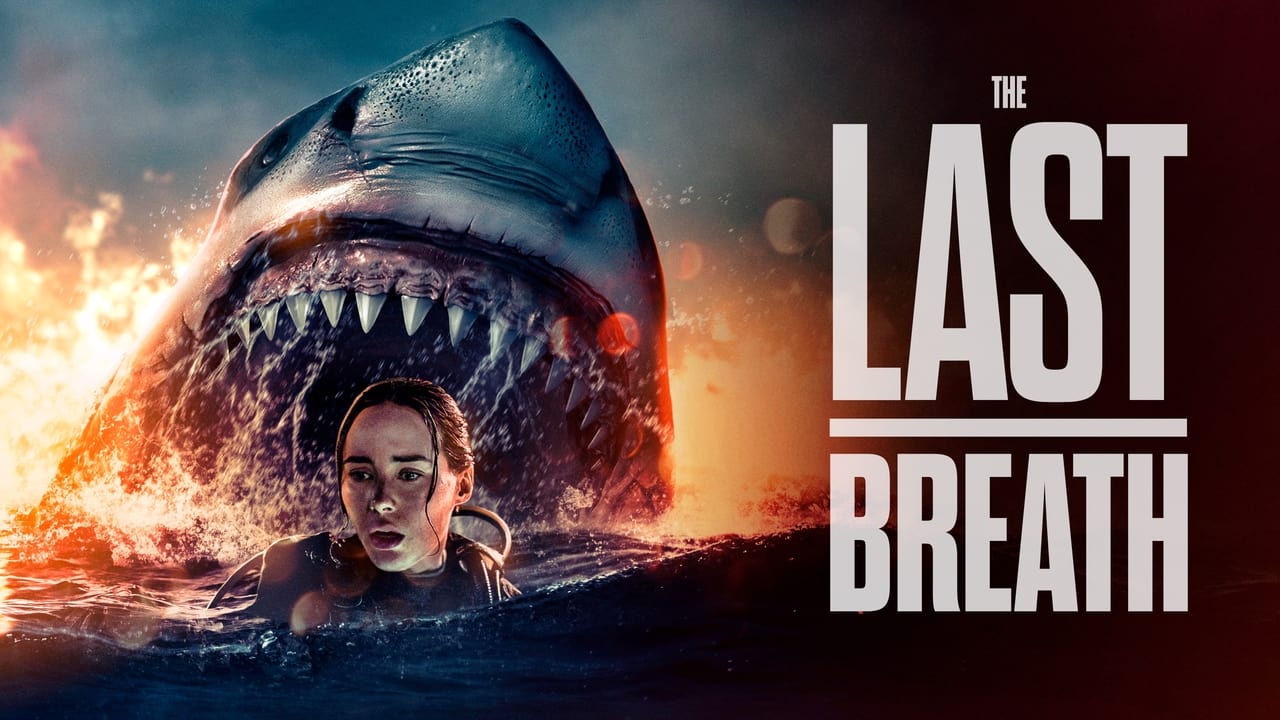
Performances and Script
Kim Spearman leads the cast with a performance that combines vulnerability and determination. Her Sam is the emotional anchor of the group, and her tired gaze conveys the guilt that has been pursuing them since university. Jack Parr (Noah) brings a youthful energy that contrasts with the gravity of the situation, although his character is often reduced to “brave boy” clichés. Alexander Arnold (Brett) and Erin Mullen (Riley) offer moments of dark humor that, although brief, relieve the pressure of the environment.
Saltrese’s script, however, stays on the surface. The dialogues are laden with references to friendship and the past, but rarely advance the plot. The scene where the group argues about who should sacrifice the diving equipment feels forced, as if the writer wanted to insert a “moral decision” without having planted the seed of conflict. Furthermore, the final resolution, where the group manages to escape thanks to an improvised explosion, is too convenient and detracts from the narrative's credibility.
Production Design and Sound
The sets recreate the interior of the battleship in detail: rusted pipes, corroded panels, and an atmosphere of abandonment that is visually appealing. The use of submerged LED lights creates beams that pierce the water, highlighting the texture of the metal and the blood that seeps in some shots. Patrick Kirst’s soundtrack, composed of deep drones and rhythmic pulses, accompanies the action without overloading it, but in critical moments the sound becomes monotonous, missing the opportunity to intensify the anguish.
The editing, handled by an editor not mentioned in the credits, alternates between quick cuts during shark attacks and long static shots in the corridors. This dichotomy generates a sense of irregular rhythm that, although intentional, ends up confusing the viewer more than keeping them on the edge of their seat.
The best
- Eric Börjeson’s Photography: Creates a bluish immersion that envelops the viewer in the pressure of the water.
- Kim Spearman’s Performance: Carries the emotional weight of the group with a gaze that speaks more than words.
- Production Design: Detailed and credible, the interior of the battleship feels authentic and oppressive.
- Patrick Kirst’s Soundtrack: Drones and pulses that accompany the tension without overloading it.
The worst
- Predictable Script: Recycled dialogues and convenient narrative decisions that dilute the threat.
- Uneven Pacing: Long waits that break the tension and make the movie feel stretched.
- Shark Effects: CGI that reminds one of the nineties, detracting from the danger's credibility.
- Inconsistent Editing: Abrupt alternation between quick cuts and static shots that confuses more than it excites.
The Verdict of Claqueta Ácida
“The Last Breath” manages to immerse us in a visually appealing environment, but its story runs out of oxygen before reaching the climax. The performances and photography are the only life preservers that prevent the movie from sinking completely. Ultimately, it is an experience that works well enough not to drown, but fails to inspire a deep breath. An attempt that stays on the surface, leaving the audience with the sensation of having exhaled too soon. 💀
🎬 Tráiler Oficial
Abrir en YouTube
The Last Breath: frequently asked questions
- What is the rating of "The Last Breath" on Claqueta Ácida?
- "The Last Breath" scored 6/10 on Claqueta Ácida in the review by Bastian Noir.
- Is "The Last Breath" worth watching?
- With reservations. We gave it 6/10 (Citric Acid), our rating for uneven films with something worth saving.
- Who directed "The Last Breath"?
- "The Last Breath" was directed by Joachim Hedén.
Theater Collateral Damage Report
Psychophysical impact certificate issued by Bastian Noir
1 amago en el tramo intermedio; pestañeo pesado en las transiciones más innecesarias.
Un par de miradas al reloj en el tramo intermedio, comprobando cuánto quedaba de suplicio.
1 espressos para no dejarse vencer por la mediocridad cómoda.
"A mitad del segundo acto cuando la subtrama secundaria empezó a pesar más de lo que aportaba."
💬 Community Verdict
What did you think of the film? Rate it from 0 to 10 to compare it with the editorial review.
You haven't voted yet
📢 ¿Te ha gustado el ácido?
Comparte esta crítica con tus amigos cinéfilos o desata la polémica en redes.
⚡ THE CINEMATIC VENOM YOUR INBOX CRAVES
No sugarcoated ratings, no corporate fluff. Subscribe for our uncensored weekly analysis or join the private Telegram for press previews, poll clashes, and instant alerts.
Alertas de estrenos en 1 segundo, encuestas en caliente y audios al salir de pases de prensa.
Recibe la dosis semanal en tu mail + regalo inmediato del PDF con 50 joyas ocultas de culto.
Related Reviews
Recommended autopsies for demanding film buffs.
 🔥 Fusión Nuclear 8.5
*Bring Him Back to Me*: Danny Philippou’s Ritual That’ll Steal Your Breath (and Your Sleep)
⚡ Hermana de saga: otro capítulo diseccionado con rigor forense.
Danny Philippou delivers an Australian horror film with long takes that reek of scorched celluloid and a Sally Hawkins who devours souls. Claqueta Ácida dissects his nightmare.
 ⚡ Ácido Cítrico 7.0
"The Grandmother": Paco Plaza’s Chilling, Daring Dive into the Horror of Decay
⚡ Hermana de saga: otro capítulo diseccionado con rigor forense.
Paco Plaza teams up with Carlos Vermut to deliver his most restrained and stylized film yet. A disturbing yet breathtaking intergenerational duel between Almudena Amor and Vera Valdez, swapping cheap scares for the real horror of time’s passage. We break down why this pivot to "elevated horror" deserves high marks under our microscope. 💀
 ⚡ Ácido Cítrico 7.2
Acid in the Veins: Fede Álvarez Revives the Tactile Panic of Alien
⚡ Hermana de saga: otro capítulo diseccionado con rigor forense.
Industrial claustrophobia and pure physical terror. A merciless critique of Ian Holm's CGI and the cheap nostalgia that stains the franchise's return.
Editorial Ecosystem
Cinephile connections, archive interviews and related analyses.
💬 Debate Cinéfilo & Autopsia de Lectores
0 veredictos¿Discrepas con nuestra nota? ¿Es una obra maestra o veneno puro? Deja tu veredicto abajo sin necesidad de registro.



Aún nadie ha dejado su veredicto para esta película.
Sé el primero en clavarle el colmillo rellenando el formulario de arriba.