

The Signal of the Apocalypse — A B-Movie with an Auteur’s Head
Andrea Tivadar and some punchy combat carry an hour of military thriller with cosmic nightmares, before the film gets lost in its own philosophical labyrinth.

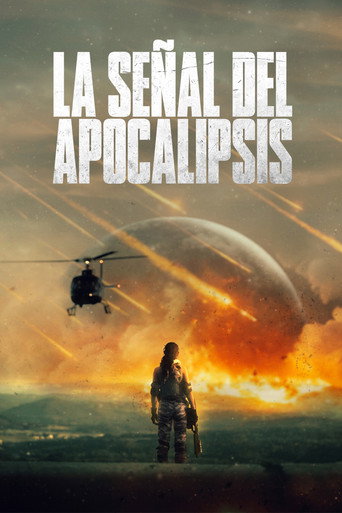
The Signal of the Apocalypse: full review

As an Amazon Associate, Claqueta Ácida earns from qualifying purchases.
Eastern European fantasy cinema has an illustrious lineage: Andrei Tarkovsky’s metaphysical meditations, Piotr Szulkin’s allegorical dystopias, Stanisław Lem’s indestructible legacy. The Signal of the Apocalypse (Rage of Stars), written by Łukasz Róg and Krzysztof Klader and directed and edited by Róg himself for Polish outfit Lukra Films, wants a seat at that table, but it arrives with the manners of an action B-movie. And the curious thing is that, for a good while, the mix works better than you’d expect from an independent production shot on a shoestring.
Jemma (Andrea Tivadar) is a captain in an international special forces unit. She suffers involuntary visions of a cosmic collapse that her superiors dismiss as post-traumatic stress, until those premonitions let her pull her squad out of an ambush. As children start disappearing around the world, Jemma discovers that her visions follow a pattern linked to an ancient apocalyptic prophecy, and her team — with veteran Luk (Jord Knotter) and tech expert Kriss (Jack McEvoy) — ends up as a band of fugitives trying to decipher, and perhaps alter, an end of the world that seems written in advance.
Direction and mise-en-scène: two films in one
The first half is, without question, the best part of the show. Róg shoots combat with a very European tactical dryness: close-quarters fighting in tight spaces, little show-off choreography and a real sense of weight and impact. Wojciech Pawłowski’s cinematography, with a cold, grainy palette, makes a modest budget look considerably roomier than it is, and Jemma’s visions — stars going out, skies tearing open — have a cosmic-horror strangeness that lingers.
The problem comes when the film decides to stop being a military thriller and become a meditation on fate. The change of tone isn’t gradual, it’s a swerve: the group of soldiers turns into a philosophy seminar on the run, the action scenes disappear and the digital effects of the final stretch don’t live up to the ambition of the images. Róg, who also edits, has no one to tell him to cut, and it shows.
Performances: Tivadar against the world
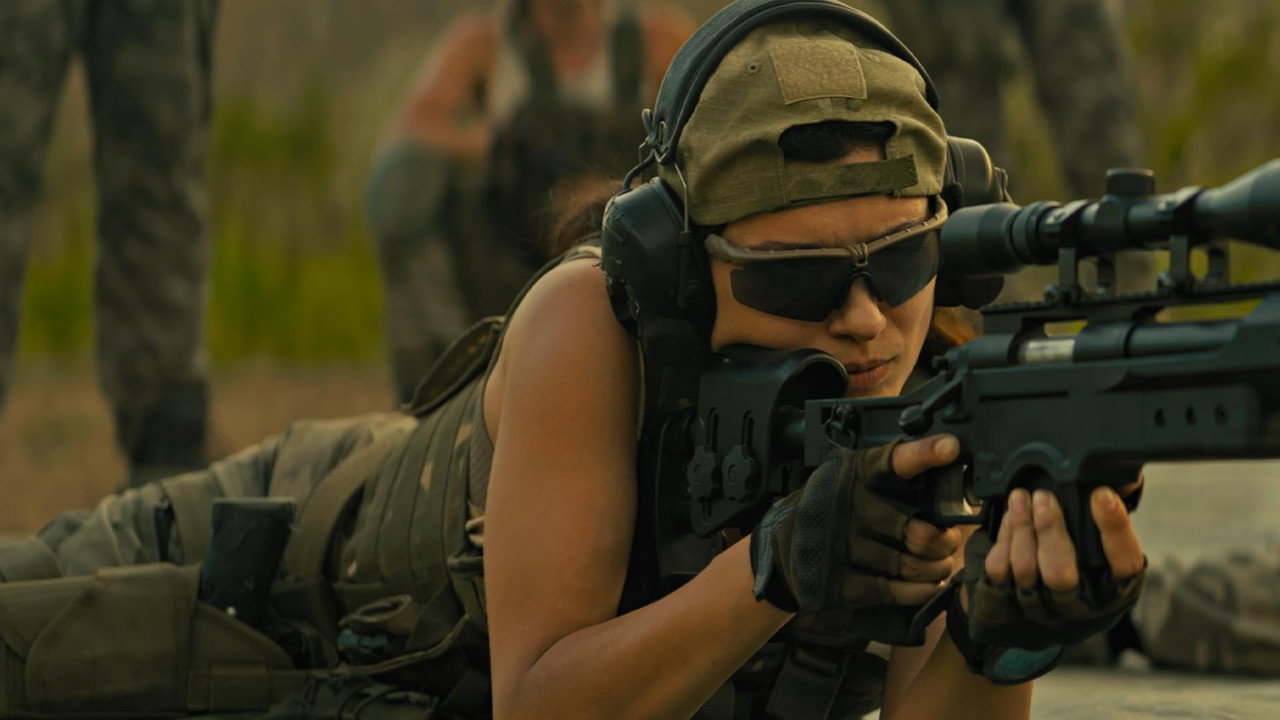
Andrea Tivadar is the film’s anchor. Her Jemma is an exhausted soldier who starts doubting her own mind, and Tivadar plays that mix of discipline and panic with convincing physicality both in the fights and in the trance moments. She’s the kind of lead who makes the incredible believable, and without her the second half would collapse entirely.
The rest of the cast isn’t so lucky. Luk and Kriss, her main companions, are written with a handful of traits — the hardened veteran, the tech whiz — and the script uses them more as sounding boards for ideas than as characters with lives of their own. When the film starts debating whether the future is a locked cage or a river that can change course, the dialogue turns solemn and expository, and the dramatic pulse fades.
Script: too many ideas, too little cooking
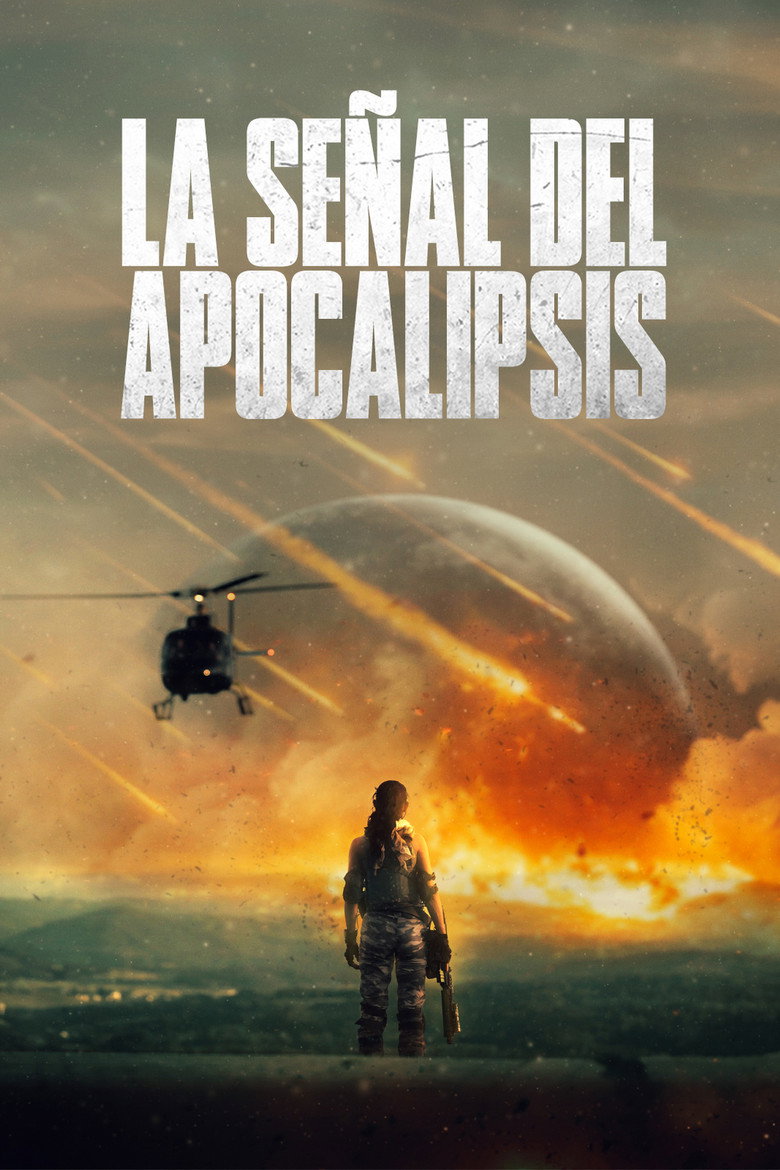
The Signal of the Apocalypse has more ideas than many blockbusters: ancient prophecies, missing children, determinism, soldiers turned heretics against their own chain of command. The problem is that it never quite decides which film it wants to be. As a military thriller, it abandons the action just when it was working best; as cosmic horror, it stays on the surface of its images; as a philosophical fable, it repeats its central question without developing it. The ambiguous, very un-Hollywood ending has the merit of not spoon-feeding answers, but it comes after a second half in which the internal logic has already frayed.
The best
- Andrea Tivadar: A physical, believable lead who holds the film up even when the script abandons her.
- The first-half combat: Dry, tactical action with real weight, well above what low-budget cinema usually offers.
- Wojciech Pawłowski’s cinematography: Cold, grainy and able to give the cosmic visions a genuine strangeness.
- The ambition: Few small films dare to mix war movie, prophecy and metaphysics.
The worst
- The tonal swerve: From military thriller to philosophical abstraction with no transition.
- The final-stretch effects: Far below what the ideas they try to show demand.
- Cardboard supporting characters: Squadmates who exist to feed lines.
- Solemn dialogue: The second half explains more than it moves.
The Claqueta Ácida Verdict (4.5/10)
The Signal of the Apocalypse is an interesting failure: a Polish B-movie with an auteur’s head that works for an hour as a military thriller with cosmic nightmares and then gets lost in its own philosophical labyrinth. Andrea Tivadar and the fights are worth the trip; the second half, much less so. It has ambition to spare; what it lacks is someone in the editing room to tell it no. 💀
🎬 Tráiler Oficial
Abrir en YouTube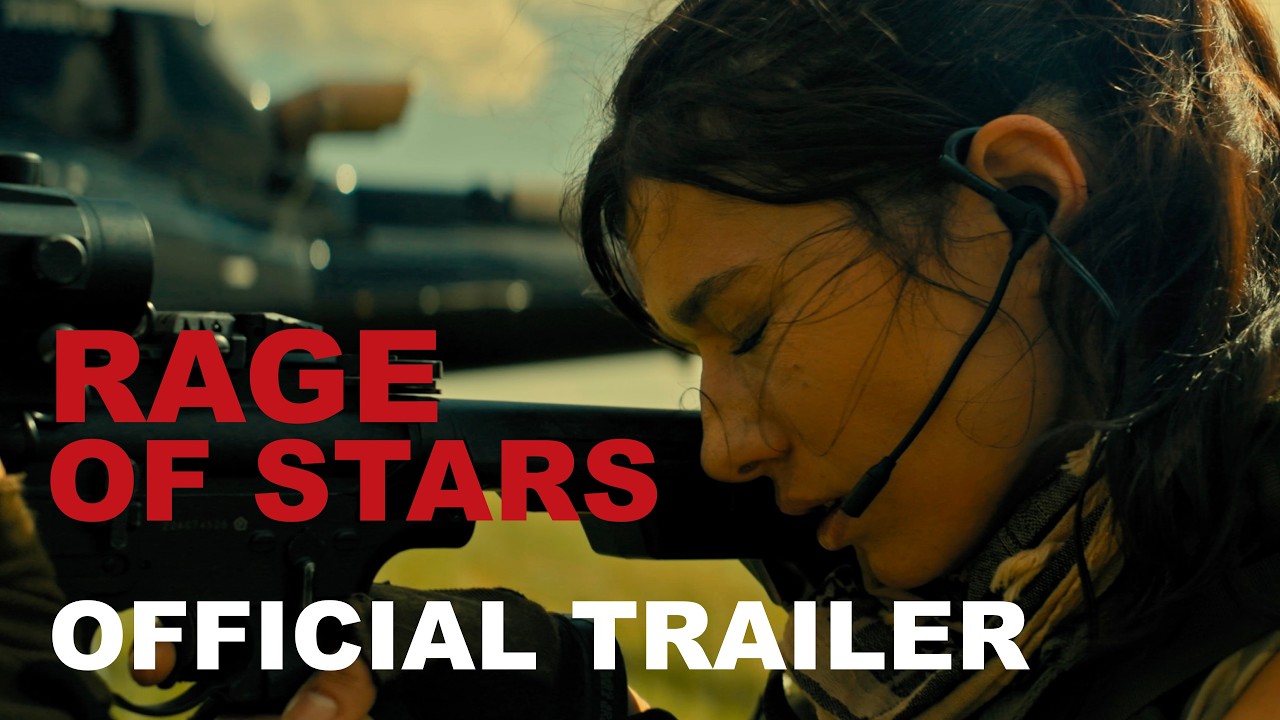
The Signal of the Apocalypse: frequently asked questions
- What is the rating of "The Signal of the Apocalypse" on Claqueta Ácida?
- "The Signal of the Apocalypse" scored 4.5/10 on Claqueta Ácida in the review by Bastian Noir.
- Is "The Signal of the Apocalypse" worth watching?
- No. We gave it 4.5/10 (Sulfuric Acid), our rating for films we don't recommend.
- Who directed "The Signal of the Apocalypse"?
- "The Signal of the Apocalypse" was directed by Łukasz Róg.
Theater Collateral Damage Report
Psychophysical impact certificate issued by Bastian Noir
5
La cuenta atrás hacia los créditos fue el único suspense real.
How much second-hand embarrassment the film causes (10 = maximum). It is not the review score.
Dos espressos triples o renunciar a la sesión antes del colapso del segundo acto.
"El volantazo de la segunda mitad, cuando el thriller militar se convierte en un seminario de filosofía a la fuga con efectos digitales por debajo de su ambición"
Another critic from the newsroom scores the same film. The main score is still the one at the top of the review.
The rebuttal from Camilo K.O. (Adrenaline Demolisher)
In stark disagreement with the review given by Bastian Noir.
Łukasz Róg intenta emular el misterio austero del cine polaco de los ochenta, pero sin la densidad dramática de Kieślowski. La puesta en escena parece un videoclip industrial alargado hasta la parálisis.
💬 Community Verdict
What did you think of the film? Rate it from 0 to 10 to compare it with the editorial review.
You haven't voted yet
📢 ¿Te ha gustado el ácido?
Comparte esta crítica con tus amigos cinéfilos o desata la polémica en redes.
⚡ THE CINEMATIC VENOM YOUR INBOX CRAVES
No sugarcoated ratings, no corporate fluff. Subscribe for our uncensored weekly analysis or join the private Telegram for press previews, poll clashes, and instant alerts.
Alertas de estrenos en 1 segundo, encuestas en caliente y audios al salir de pases de prensa.
Recibe la dosis semanal en tu mail + regalo inmediato del PDF con 50 joyas ocultas de culto.
By subscribing you agree that we use your email only to send you the newsletter. Unsubscribe at any time. Privacy policy
Related Reviews
Recommended autopsies for demanding film buffs.
 ⚠️ Ácido Sulfúrico 3.0
Babybacks: The Low-Budget Knockout Nobody Asked For (And We All Deserved)
⚡ Afinidad temática directa en atmósfera, estilo y fijaciones visuales.
Geno Marx serves up a platter of rotten ribs in 'Babybacks,' a gore-laden disaster with more fat than script. Art? Not even in your wildest nightmares. Fun? Only if you enjoy pain.
 ⚠️ Ácido Sulfúrico 4.2
Our House: The Home That Was Never Yours (And the Script That Was Never Any Good)
⚡ Afinidad temática directa en atmósfera, estilo y fijaciones visuales.
A British mystery series that promises chills but delivers yawns. Simon Ashdown crafts a domestic thriller with more holes than Swiss cheese.
 ⚠️ Ácido Sulfúrico 4.0
Pinocchio’s Gone Off the Rails: The Wooden Abomination Disney Would Gladly Burn at the Stake
⚡ Afinidad temática directa en atmósfera, estilo y fijaciones visuales.
Rhys Frake-Waterfield turns the childhood classic into a gore-soaked nightmare starring Robert Englund and a Pinocchio that’d make Chucky weep. Art? No. Fun? Even less.
Editorial Ecosystem
Cinephile connections, archive interviews and related analyses.
💬 Debate Cinéfilo & Autopsia de Lectores
¿Discrepas con nuestra nota? ¿Es una obra maestra o veneno puro? Deja tu veredicto abajo sin necesidad de registro.
📏 Normas: se critica la película, no a las personas. Los insultos y los ataques personales se pueden borrar.


