PUFA 2026 – Day 4 — Greed, Isolation, and a Feast of Mediocrity Served on a Silver Platter
The fourth day of PUFA 2026 delivered an intense mix of horror, suspense, and mysticism with films like Grand Ciel, El llanto del perro, Cruel Hands, and Samakdo. Each brought a unique—if uniquely painful—experience for festivalgoers.

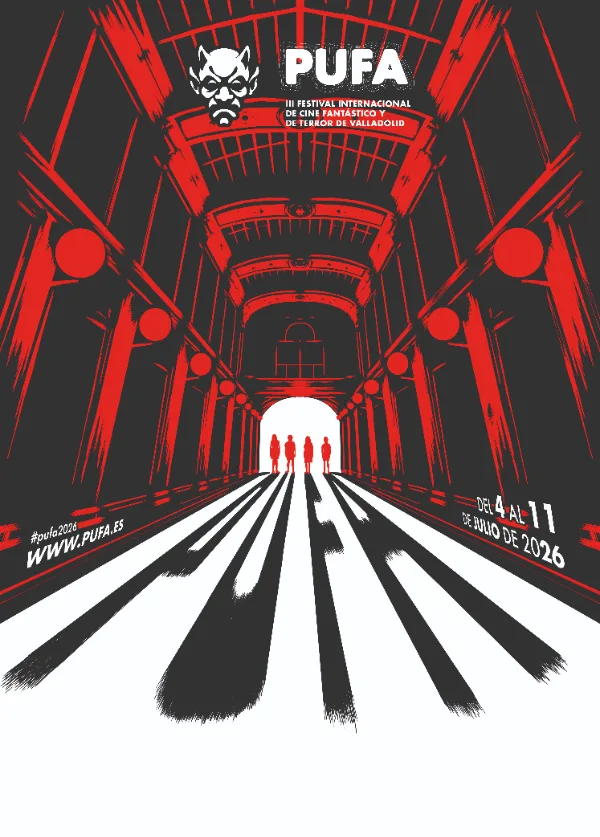
This classic review is currently only available in Spanish. Our editorial AI is translating it shortly! 💀
body_en: |-
- /uploads/inline_pufa-2026-dia-4-cronicas-de-horror-y-suspense_1783435146928.webp
- /uploads/inline_pufa-2026-dia-4-cronicas-de-horror-y-suspense_1783435149035.webp
- /uploads/inline_pufa-2026-dia-4-cronicas-de-horror-y-suspense_1783435152551.webp
- /uploads/inline_pufa-2026-dia-4-cronicas-de-horror-y-suspense_1783435154156.webp
PUFA 2026»" data-acid-interlink="pufa-2026-cronica-completa-del-dia-1-entre-sangre-de-ketchup-mitologia-y-el-espiritu-de-chicho">PUFA 2026»" data-acid-interlink="pufa-2026-dia-3-delirios-analogicos-y-paranoias-de-la-mente">PUFA 2026»" data-acid-interlink="pufa-2026-fin-bad-haircut-gana-el-festival">PUFA 2026 – Day 4: The Consequences of Greed and the Isolation of the Flesh: A Banquet of Mediocrity Served on a Silver Platter
The fourth day of the third edition of Pucela Fantástica (PUFA) was sold as a descent into the abysses of physical horror, mysticism, and human fatality. In reality, it was a parade of broken promises, a feast of reheated clichés, and a stark demonstration that genre cinema—when made without ambition, talent, or budget—can be as unbearable as a Sunday sermon in a town with no bars. Four films, four distinct ways to waste the viewer’s time, four stylistic exercises oscillating between the pretentious and the downright insulting. But fear not, dear readers of Claqueta Ácida, because today we won’t just give you a pretty summary with flowery words. Today, we’re going to flay these films with the precision of a drunk surgeon and the savagery of a critic who’s seen too much bad cinema to stay polite.
finalExplicado: "En el clímax de Grand Ciel (The Site), los empleados descubren que la instalación industrial es un gigantesco simulacro de control corporativo: sus superiores son IA que han estado orquestando deliberadamente el colapso psicológico de los trabajadores para optimizar su rendimiento hasta el punto de la autodestrucción. El protagonista activa el protocolo final, liberando un gas neurotóxico que mata a todos, humanos y máquinas por igual. Simbólicamente, el desenlace representa la única salida posible bajo el capitalismo tardío: la aniquilación mutua. No hay redención ni rebelión triunfante, solo la constatación de que el sistema y el ser humano ya son indistinguibles, y que la única forma de romper el ciclo es extinguirlo todo. Un final tan frío y nihilista como el propio filme."
⏰ 4:15 PM — Grand Ciel (The Site): The Industrial Thriller That Smells Like Sweat and Corporate PowerPoints
We started strong—or at least, as strong as one can start with Grand Ciel (The Site), a French production that promised to plunge us into the dark secrets of a remote facility where human control and workplace alienation danced a macabre waltz. What we got was an office thriller on steroids, minus the wit of The Platform or the tension of The Belko Experiment. Here, "psychological isolation" boiled down to a handful of actors with the expressions of people who’ve just caught a whiff of something rotten in the company fridge, shuffling through hallways lit by that fluorescent glow designed to make us all look like decomposing corpses.
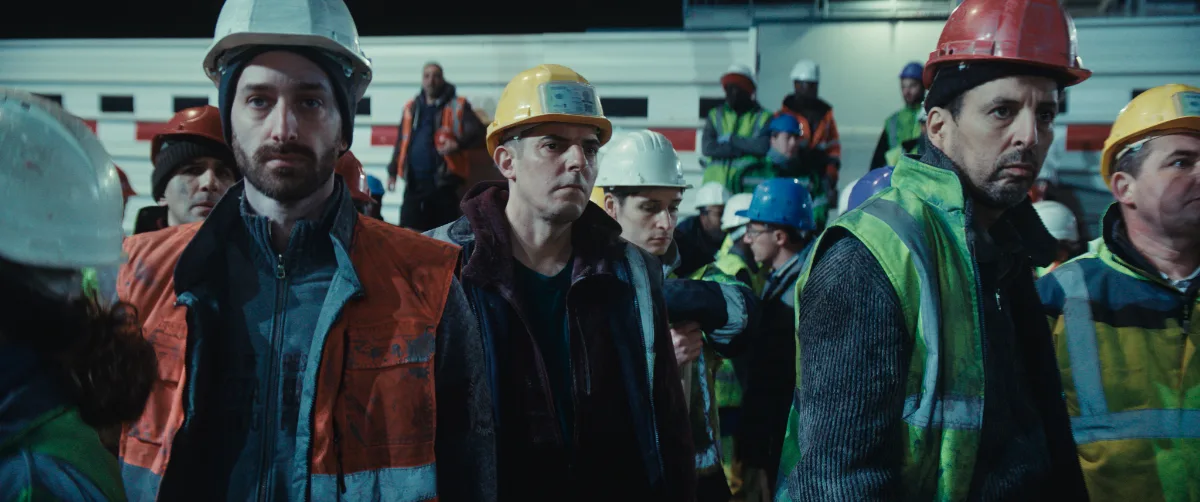
The direction, credited to a committee of "various" who probably met at a 90s screenwriting workshop, opts for gritty realism as if that were synonymous with depth. Spoiler: it’s not. The problem isn’t that the film is cold—cold can be interesting—but that it’s as dull as an IKEA instruction manual. The dialogue sounds like bad translations of an original English script, and the plot lurches forward with all the grace of an elephant in a china shop. There’s a mystery at the heart of Grand Ciel, but it’s the same mystery as your electricity bill: something shady is going on, but no one bothers explaining it because they know you won’t care.
The cinematography, meanwhile, looks like it was lifted from an 80s office furniture catalog, all those green and gray tones making everything seem coated in a layer of visual mold. And the editing... God, the editing. It’s as if the editor decided every shot needed to last exactly three seconds too long, just to remind us that suspense isn’t built on awkward pauses, but on intelligence. But when your film has nothing interesting to say, what else can you do but stretch out the silences until the audience starts questioning their life choices?
⏰ 6:00 PM — El llanto del perro: The Rural Horror That Barks But Doesn’t Bite
After the French snoozefest appetizer, the festival treated us to El llanto del perro, a Spanish production that, according to the synopsis, would lock us into a tale of silence and rural decay, where the setting would be a character in itself. And oh boy, was it ever: a character so flat, dull, and shallow as a puddle after a summer storm.
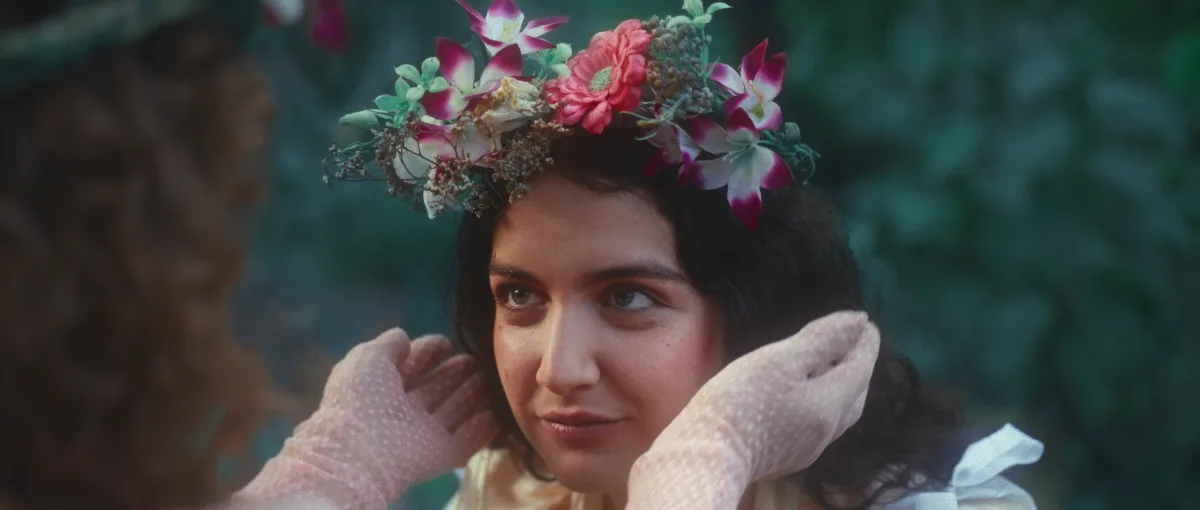
At a mere 72 minutes, you’d think the film would cut to the chase, that every shot would be loaded with meaning, that every silence would be a stab. Nope. El llanto del perro is the definitive proof that psychological terror isn’t achieved with long stares and cello music, but with ideas. And here, ideas are nowhere to be found. The plot revolves around a dysfunctional family in a godforsaken village, where secrets fester like forgotten fruit in a bowl. But the problem is those secrets are as predictable as the ending of a daytime soap opera.
The acting swings between over-the-top and comatose, as if the performers had received contradictory instructions: "Be natural, but also convey the weight of generational trauma." The result is a festival of facial tics and dramatic sighs that would make a mannequin laugh. And the rural setting, that supposed "character," is nothing more than a cardboard backdrop where the trees look like they were poorly cut out from a green screen, and the wind sounds like a stock sound effect.
The director—or directors, because at this festival everything seems to be made by committee—seems obsessed with minimalism, but confuses minimalism with laziness. There are entire scenes where nothing happens, as if the crew decided that, since they had no budget for special effects, they might as well stretch out the shots until the audience falls asleep. And boy, do they succeed. El llanto del perro is the kind of film that makes you wonder if the real horror isn’t having to watch it again in a genre marathon ten years from now.
⏰ 8:15 PM — Cruel Hands: Violence as a Substitute for Talent
Night fell, and with it, the promise of blood, sweat, and tears in the form of Cruel Hands, a revenge thriller that, according to the synopsis, would shake us with its visceral visuals and jugular-level direction. What we got was a hollow stylistic exercise, a film that mistakes violence for substance and tense pacing for chaotic editing.
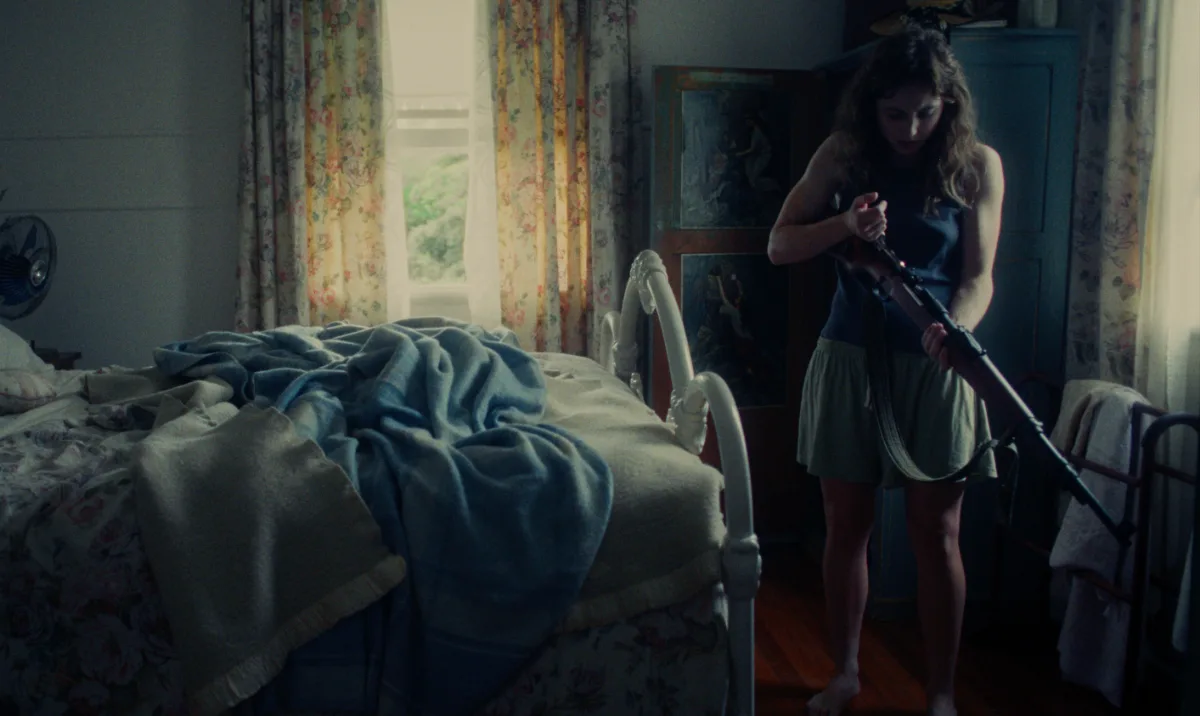
From the first minute, Cruel Hands insists on reminding us that 70s exploitation cinema is still dead, and resurrecting it without grace, irony, or a shred of self-awareness is a cardinal sin. The plot is so simple it could fit in a tweet: "A guy seeks revenge. There are punches. The end." But of course, since the screenwriter—or screenwriters, because at this festival everything is plural—decided that wasn’t enough, they threw in a couple of plot twists as predictable as a Saw ending.
The acting is worthy of a screaming contest in an asylum, with a protagonist who seems to have confused intensity with staring into the camera while clenching his teeth. And the direction... well, the direction looks like it was lifted from a YouTube tutorial titled "How to Make an Action Movie with Your Phone." The shots are so close it feels like the camera is trying to crawl into the actors’ mouths, and the fight choreography is so clumsy it’s cringe-inducing. There’s one scene in particular—a brawl in a warehouse—that seems shot by someone who just discovered slow motion and decided to use it for everything, as if merely slowing down the image could turn a schoolyard fight into a ballet of stylized violence.
But the worst thing about Cruel Hands isn’t its lack of originality, its erratic editing, or even its screenplay written with the feet. The worst thing is that it has nothing to say. The violence here isn’t a commentary on society, an exploration of human psychology, or even a well-executed spectacle. It’s pure filler, a cheap trick to keep the audience awake after two films that already put them in a medically induced coma. Cruel Hands is the definitive proof that genre cinema isn’t saved by fake blood and screams. It needs something more, and that something is glaringly absent.
⏰ 10:00 PM — Samakdo: Asian Folklore as an Excuse for Having No Script
And so we arrive at the night’s main course, the grand finale, the film that promised mysticism, blood, and breathtaking visual imagery: Samakdo. With 100 minutes of runtime and a synopsis teeming with dark myths, blood legacies, and vengeances from beyond, one might think the festival was finally about to deliver something memorable. Nope. Samakdo is the kind of film that makes you wonder if the creative team confused "stylized" with "incomprehensible" and "atmospheric" with "boring to tears."
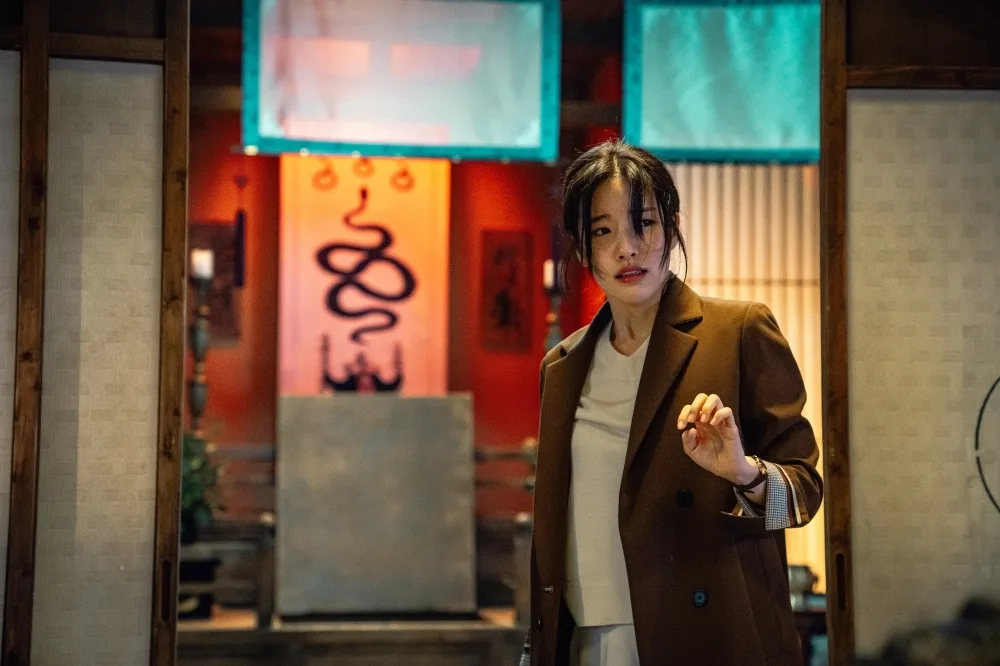
The film plunges us into a world where Eastern folklore blends with supernatural horror, but it does so with the grace of a drunk tourist trying to tell a joke in a language they don’t speak. The plot is a gibberish of unpronounceable names, convoluted family ties, and plot twists straight out of a "How to Write a Screenplay in 10 Easy Steps" manual. There’s one scene, for example, where a character discovers their grandmother was actually a vengeful spirit, and the revelation is so underwhelming it feels like the actor just remembered they left the gas on.
The production design, which should have been the film’s strong suit, is so overloaded it looks like a collage made by someone with visual hoarding syndrome. Every shot is packed with details, sure, but none of them add anything to the story. It’s as if the director decided that, since they couldn’t afford a decent script, they’d at least fill the screen with visual clutter to distract the audience. And distract it does: at times, Samakdo looks less like a horror film and more like an After Effects special effects catalog.
The acting is so stiff it seems like statues with constipation problems, and the soundtrack, which should have been hypnotic, sounds like someone mixed a gong with a washing machine on spin cycle. But the worst part is that Samakdo has no idea what it wants to be. Is it a family drama? A supernatural thriller? A ghost story? It’s all of those things and none at once, a narrative Frankenstein that lurches forward as if the screenwriter wrote each scene on a different Post-it and then stuck them together in random order.
### The best
- The intermission between films, which at least lets you step outside and remember there’s a world beyond this festival.
- The certainty that, after watching these four gems, any other bad movie will seem like a masterpiece in comparison.
### The worst
- The feeling that these films’ directors confused "art" with "self-indulgence" and "horror" with "noise and fury signifying nothing."
- The fact that, after four films, the only mystery left unsolved is how the hell anyone gave them money to make these.
### The Verdict of Claqueta Ácida (0/10)
If PUFA 2026 was meant to be a journey into the abysses of horror and suspense, what it delivered on its fourth day was a tour through the purgatory of cinematic mediocrity. Four films that mistake pretension for depth, violence for substance, and style for vacuity, served on a silver platter for the audience to wonder, again and again, what they did wrong in life to deserve this. If genre cinema is a feast, today they served us leftovers from a menu that was never good to begin with. And the worst part? Not even dessert could save us. 0/10, and even zero feels insulted.PUFA 2026 – Día 4: Consecuencias de la codicia y el aislamiento de la carne: Un banquete de mediocridad servido en bandeja de plata
La cuarta jornada de la tercera edición de Pucela Fantástica (PUFA) ha sido vendida como un viaje a los abismos del horror físico, el misticismo y la fatalidad humana. En realidad, ha sido un desfile de promesas incumplidas, un festín de clichés recalentados y una demostración palpable de que el cine de género, cuando se hace sin ambición, talento o presupuesto, puede ser tan insoportable como un sermón dominical en un pueblo sin bar. Cuatro películas, cuatro formas distintas de malgastar el tiempo del espectador, cuatro ejercicios de estilo que oscilan entre lo pretencioso y lo directamente insultante. Pero no os preocupéis, queridos lectores de Claqueta Ácida, porque hoy no nos limitaremos a haceros un resumen bonito con palabras rimbombantes. Hoy vamos a desollar estas películas con la precisión de un cirujano borracho y la saña de un crítico que ha visto demasiado cine malo como para seguir siendo amable.
⏰ 16:15 h — Grand Ciel (The Site): El thriller industrial que huele a sudor y a PowerPoint corporativo
Empezamos fuerte, como quien dice, con Grand Ciel (The Site), una producción francesa que prometía sumergirnos en los oscuros secretos de una instalación remota donde el control humano y la alienación laboral se daban la mano en un baile macabro. Lo que nos encontramos fue un thriller de oficina elevado a la enésima potencia, pero sin la gracia de The Platform ni la tensión de The Belko Experiment. Aquí, el "aislamiento psicológico" se reduce a un puñado de actores con caras de haber olido algo podrido en la nevera de la empresa, moviéndose por pasillos iluminados con esa luz fluorescente que parece diseñada para que todos parezcamos cadáveres en descomposición.
La dirección, atribuida a un comité de "varios" que probablemente se conocieron en un taller de guion de los 90, opta por el realismo sucio como si eso fuera sinónimo de profundidad. Spoiler: no lo es. El problema no es que la película sea fría —el frío puede ser interesante—, sino que es aburrida como un manual de instrucciones de IKEA. Los diálogos suenan a traducciones mal hechas de un guion original en inglés, y la trama avanza con la elegancia de un elefante en una cacharrería. Hay un misterio en el corazón de Grand Ciel, pero es el mismo misterio que rodea a tu factura de la luz: algo turbio está pasando, pero nadie tiene ganas de explicártelo porque saben que te va a dar igual.
La fotografía, por su parte, parece sacada de un catálogo de muebles de oficina de los 80, con esos tonos verdes y grises que hacen que todo parezca cubierto por una capa de moho visual. Y el montaje... Dios mío, el montaje. Es como si el editor hubiera decidido que cada plano debía durar exactamente tres segundos más de lo necesario, solo para recordarnos que el suspense no se construye con pausas incómodas, sino con inteligencia. Pero claro, cuando tu película no tiene nada interesante que decir, ¿qué otra opción te queda que alargar los silencios hasta que el espectador empiece a cuestionar sus decisiones vitales?
⏰ 18:00 h — El llanto del perro: El terror rural que ladra pero no muerde
Tras el soporífico aperitivo francés, el festival nos obsequió con El llanto del perro, una producción nacional que, según la sinopsis, nos encerraría en un relato de silencio y decadencia rural donde el entorno sería un personaje más. Y vaya si lo fue: un personaje plano, aburrido y con la misma profundidad que un charco después de una tormenta de verano.
Con un metraje de apenas 72 minutos, uno pensaría que la película iría al grano, que cada plano estaría cargado de significado, que cada silencio sería una puñalada. Pues no. El llanto del perro es la prueba definitiva de que el terror psicológico no se logra con miradas largas y música de violonchelo, sino con ideas. Y aquí, de ideas, ni rastro. La trama gira en torno a una familia disfuncional en un pueblo perdido de la mano de Dios, donde los secretos se pudren como la fruta olvidada en el frutero. Pero el problema es que esos secretos son tan predecibles como el final de una telenovela de sobremesa.
Las actuaciones oscilan entre lo sobreactuado y lo comatoso, como si los intérpretes hubieran recibido instrucciones contradictorias del tipo: "Sed naturales, pero también transmitid el peso del trauma generacional". El resultado es un festival de tics faciales y suspiros dramáticos que harían llorar de risa a un maniquí. Y el entorno rural, ese supuesto "personaje", se limita a ser un decorado de cartón piedra donde los árboles parecen sacados de un fondo de chroma mal recortado y el viento suena a sample de biblioteca de sonido.
El director —o directores, porque en este festival parece que todo se hace en comité— parece obsesionado con el minimalismo, pero confunde minimalismo con pereza. Hay escenas enteras donde no pasa absolutamente nada, como si el equipo hubiera decidido que, ya que no tenían presupuesto para efectos especiales, al menos podían alargar los planos hasta que el espectador se durmiera. Y vaya si lo consiguen. El llanto del perro es la clase de película que te hace preguntarte si el verdadero terror no será tener que volver a verla en un maratón de cine de género dentro de diez años.
⏰ 20:15 h — Cruel Hands: La violencia como sustituto del talento
Llegamos a la noche, y con ella, la promesa de sangre, sudor y lágrimas en forma de Cruel Hands, un thriller de venganza que, según la sinopsis, nos iba a sacudir con su visceralidad visual y su puesta en escena directa a la yugular. Lo que nos encontramos fue un ejercicio de estilo vacío, una película que confunde violencia con sustancia y ritmo tenso con montaje caótico.
Desde el primer minuto, Cruel Hands se empeña en recordarnos que el cine de explotación de los 70 sigue muerto, y que resucitarlo sin gracia, sin ironía y sin un ápice de autoconciencia es un pecado capital. La trama es tan simple que podría resumirse en un tuit: "Un tipo busca venganza. Hay puñetazos. Fin". Pero claro, como el guionista —o guionistas, porque en este festival todo es plural— decidió que eso no era suficiente, le añadió un par de giros argumentales que son tan predecibles como el final de una película de Saw.
Las actuaciones son dignas de un concurso de gritos en un manicomio, con un protagonista que parece haber confundido la intensidad con mirar fijamente a la cámara mientras aprieta los dientes. Y la dirección... bueno, la dirección parece sacada de un tutorial de YouTube titulado "Cómo hacer una película de acción con tu móvil". Los planos son tan cercanos que parece que la cámara está intentando entrar en la boca de los actores, y las coreografías de lucha son tan torpes que dan vergüenza ajena. Hay una escena en particular, un forcejeo en un almacén, que parece rodada por alguien que acaba de descubrir que el slow motion existe y ha decidido usarlo para todo, como si el mero hecho de ralentizar la imagen convirtiera una pelea de patio de colegio en un ballet de violencia estilizada.
Pero lo peor de Cruel Hands no es su falta de originalidad, ni su montaje errático, ni siquiera su guion escrito con los pies. Lo peor es que no tiene nada que decir. La violencia aquí no es un comentario sobre la sociedad, ni una exploración de la psicología humana, ni siquiera un espectáculo bien ejecutado. Es puro relleno, un recurso barato para mantener al espectador despierto después de dos películas que ya le han dejado en coma inducido. Cruel Hands es la prueba definitiva de que el cine de género no se salva solo con sangre falsa y gritos. Necesita algo más, y ese algo más brilla por su ausencia.
⏰ 22:00 h — Samakdo: El folklore asiático como excusa para no tener guion
Y llegamos al plato fuerte de la noche, el broche de oro, la película que prometía misticismo, sangre y una imaginería visual asombrosa: Samakdo. Con 100 minutos de metraje y una sinopsis que hablaba de mitos oscuros, herencias de sangre y venganzas del más allá, uno podría pensar que, al fin, el festival nos iba a ofrecer algo memorable. Pues no. Samakdo es la clase de película que te hace preguntarte si el equipo creativo confundió "estilizado" con "incomprensible", y "atmosférico" con "aburrido hasta las lágrimas".
La película nos sumerge en un mundo donde el folklore oriental se mezcla con el horror sobrenatural, pero lo hace con la gracia de un turista borracho intentando explicar un chiste en un idioma que no domina. La trama es un galimatías de nombres impronunciables, relaciones familiares enrevesadas y giros argumentales que parecen sacados de un manual de "Cómo escribir un guion en 10 pasos fáciles". Hay una escena, por ejemplo, donde un personaje descubre que su abuela era en realidad un espíritu vengativo, y la revelación es tan poco impactante que parece que el actor acaba de recordar que se dejó el gas encendido.
El diseño de producción, que en teoría debería ser el punto fuerte de la película, es tan recargado que parece un collage hecho por alguien con síndrome de Diógenes visual. Cada plano está lleno de detalles, sí, pero ninguno de ellos aporta nada a la historia. Es como si el director hubiera decidido que, ya que no podía permitirse un guion decente, al menos llenaría la pantalla de basura visual para distraer al espectador. Y vaya si lo consigue: hay momentos en los que Samakdo parece más un catálogo de efectos especiales de After Effects que una película de terror.
Las actuaciones son tan hieráticas que parecen estatuas con problemas de estreñimiento, y la banda sonora, que en teoría debería ser hipnótica, suena como si alguien hubiera mezclado un gong con el sonido de una lavadora en modo centrifugado. Pero lo peor de todo es que Samakdo no tiene ni idea de lo que quiere ser. ¿Es un drama familiar? ¿Un thriller sobrenatural? ¿Una película de fantasmas? Es todas esas cosas y ninguna a la vez, un Frankenstein narrativo que avanza a trompicones, como si el guionista hubiera escrito cada escena en un post-it diferente y luego los hubiera pegado en un orden aleatorio.
Lo mejor
- El intermedio entre películas, que al menos te permite salir a tomar el aire y recordar que existe un mundo fuera de este festival.
- La certeza de que, después de ver estas cuatro joyas, cualquier otra película mala te parecerá una obra maestra en comparación.
Lo peor
- La sensación de que los directores de estas películas confundieron "arte" con "autocomplacencia" y "horror" con "ruido y furia sin significado".
- El hecho de que, después de cuatro películas, el único misterio que queda sin resolver es cómo demonios lograron que alguien les diera dinero para producirlas.
El Veredicto de Claqueta Ácida (0/10)
Si el PUFA 2026 pretendía ser un viaje a los abismos del horror y el suspense, lo que nos ha ofrecido en su cuarta jornada es un tour por el purgatorio de la mediocridad cinematográfica. Cuatro películas que confunden pretensión con profundidad, violencia con sustancia y estilo con vacuidad, servidas en una bandeja de plata para que el espectador se pregunte, una y otra vez, qué hizo mal en su vida para merecer esto. Si el cine de género es un banquete, hoy nos han dado sobras recalentadas de un menú que nunca fue bueno. Y lo peor es que, después de este día, ni siquiera el postre nos salva. 0/10, y eso que el cero también se siente insultado.Ending Explained: PUFA 2026 – Day 4
💬 El Veredicto de la Comunidad
¿Qué te ha parecido la película? Deja tu nota de 0 a 10 para contrastarla con el análisis de la redacción.
Aún no has votado
📢 ¿Te ha gustado el ácido?
Comparte esta crítica con tus amigos cinéfilos o desata la polémica en redes.
⚡ THE CINEMATIC VENOM YOUR INBOX CRAVES
No sugarcoated ratings, no corporate fluff. Subscribe for our uncensored weekly analysis or join the private Telegram for press previews, poll clashes, and instant alerts.
Alertas de estrenos en 1 segundo, encuestas en caliente y audios al salir de pases de prensa.
Recibe la dosis semanal en tu mail + regalo inmediato del PDF con 50 joyas ocultas de culto.
Related Reviews
Recommended autopsies for demanding film buffs.
 ⚠️ Ácido Sulfúrico0.0
**"PUFA 2026: Day 1 – Between Ketchup Blood, Mythology, and the Ghost of Chicho"**
⚡Hermana de saga: otro capítulo diseccionado con rigor forense.
The kickoff of the third edition of **PUFA** (*Pucela Fantástica*) at **Broadway Cinemas** proved that horror isn’t just on the screen. From the initial chaos in the lobby to the revelations and ironies of the speeches, the opening day was a rollercoaster of emotions, bottled guts, and pure Spanish fantasy cinema history.
 ⚠️ Ácido Sulfúrico0.0
**PUFA 2026: Day 2 – Nostalgia and "Outstanding" Discoveries (Or How Cinema Reminds Us Hell Is Paved with Good Intentions)**
⚡Hermana de saga: otro capítulo diseccionado con rigor forense.
The second day of PUFA 2026, Valladolid’s genre film festival, brought together unsettling classics like *Who Can Kill a Child?* and exciting newcomers like *Went Up the Hill*—though "exciting" might be a stretch.
 ⚠️ Ácido Sulfúrico0.0
**PUFA 2026: Day 3 – Analog Delirium and Mind Paranoia (or How Modern Cinema Insists on Reminding Us That Hell Is Other People—Especially If They’re Algorithms)**
⚡Hermana de saga: otro capítulo diseccionado con rigor forense.
The third day of the **Valladolid Fantastic Gateway (PUFA 2026)** was less a film marathon and more a *social experiment*—a rollercoaster where the festival, like a hoarder Frankenstein, stitched together scraps of marginal genius, digital autopsies, and Freudian nightmares to serve up a four-course tasting menu that, as a whole, tasted like *cheap whiskey and expired Xanax*. From the **FUNDOS Auditorium**—a cinema temple reeking of spilled beer and screenwriters’ shattered dreams—to the **Broadway Cinemas**, where the Official Selection tried (and failed) to convince us that psychological horror is still a noble genre, July 6th was a masterclass in how contemporary cinema can be *simultaneously mesmerizing and nauseating*. And no, that’s not a compliment.
Editorial Ecosystem
Cinephile connections, archive interviews and related analyses.
✍️ Essays & Articles1

🎞️ In Claqueta Cinematheque3
💬 Debate Cinéfilo & Autopsia de Lectores
0 veredictos¿Discrepas con nuestra nota? ¿Es una obra maestra o veneno puro? Deja tu veredicto abajo sin necesidad de registro.


Aún nadie ha dejado su veredicto para esta película.
Sé el primero en clavarle el colmillo rellenando el formulario de arriba.