Terrifier — The Short That Was Born Dead (But Rose as a Low-Budget Nightmare)
Damien Leone spews his love for '80s gore in 19 minutes of psychopathic clownery. Genius or puke? Claqueta Ácida dissects the embryo of Art the Clown.


Terrifier: full review
Low-budget horror cinema has an unwritten rule: you’re either The Blair Witch Project (and you change the game) or you’re a home video no one will remember. Terrifier (2011) is the latter, but with a macabre twist: Damien Leone didn’t just fail to change the game—he puked all over it in 19 minutes of psychopathic clown, fake blood, and a budget that wouldn’t even cover the makeup for It. And yet, here we are, talking about a short no one asked for but that somehow became the embryo of a cult franchise. Genius or lucky accident? Spoiler: a bit of both, but mostly a reminder that the most effective terror doesn’t need millions—just spite and an actor willing to sit still while they paint his face white for hours on end.
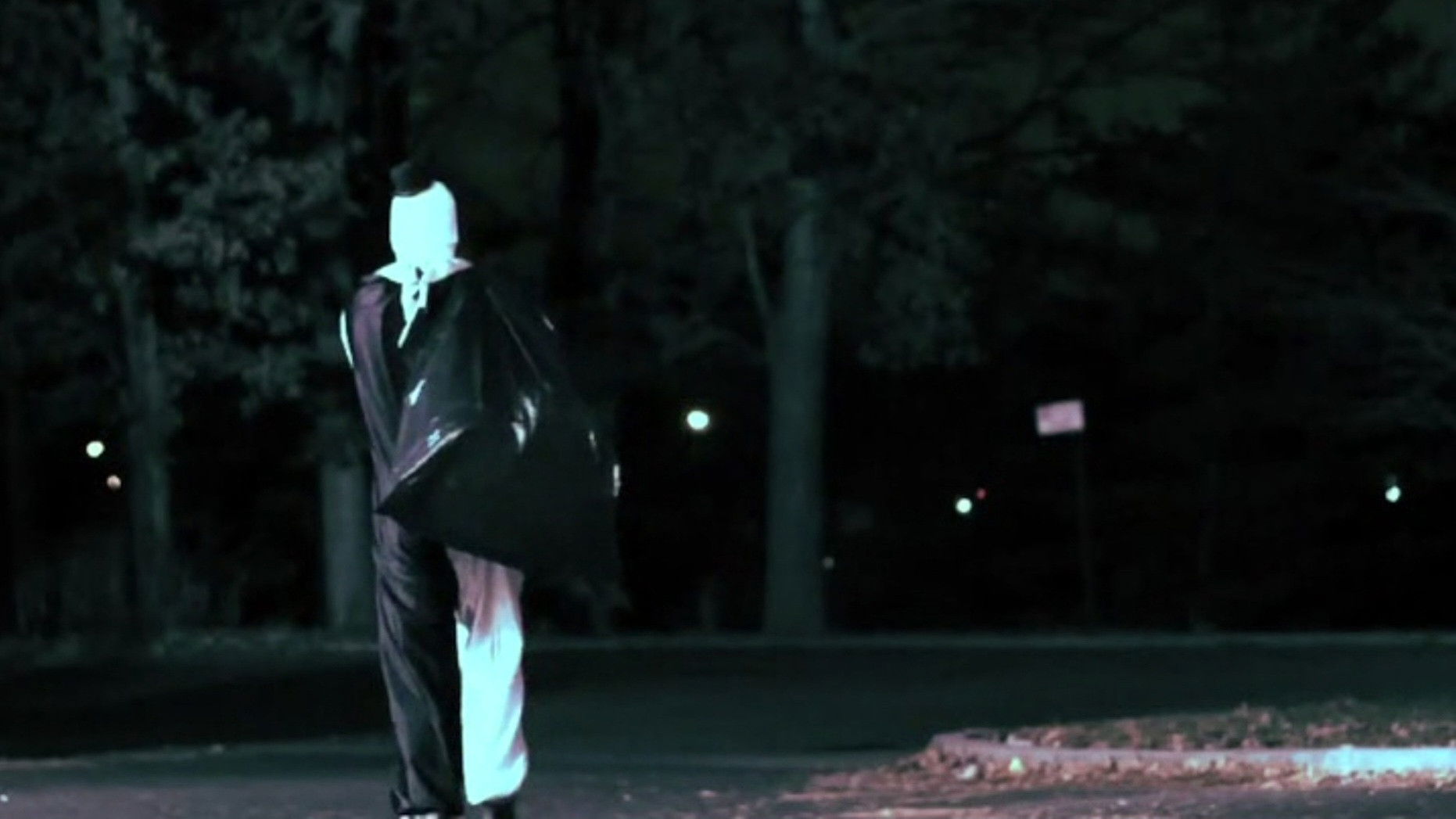
Mike Giannelli is Art the Clown, and in these 19 minutes, he doesn’t utter a single word. He doesn’t need to. His presence is so unsettling that every shot he’s in feels like a editing mistake, as if someone accidentally left a frame from a John Carpenter film in the middle of a student short. Leone, who also writes and produces, proves he knows what he’s doing: Art’s silence isn’t a cheap gimmick—it’s a statement of intent. This clown doesn’t need dialogue because his mere existence is already a threat. The problem is, in 2011, no one knew this guy would become the new icon of modern slashers. Back then, Art was just an experiment, a proof of concept shot with friends and a couple of borrowed cameras. But what a proof.
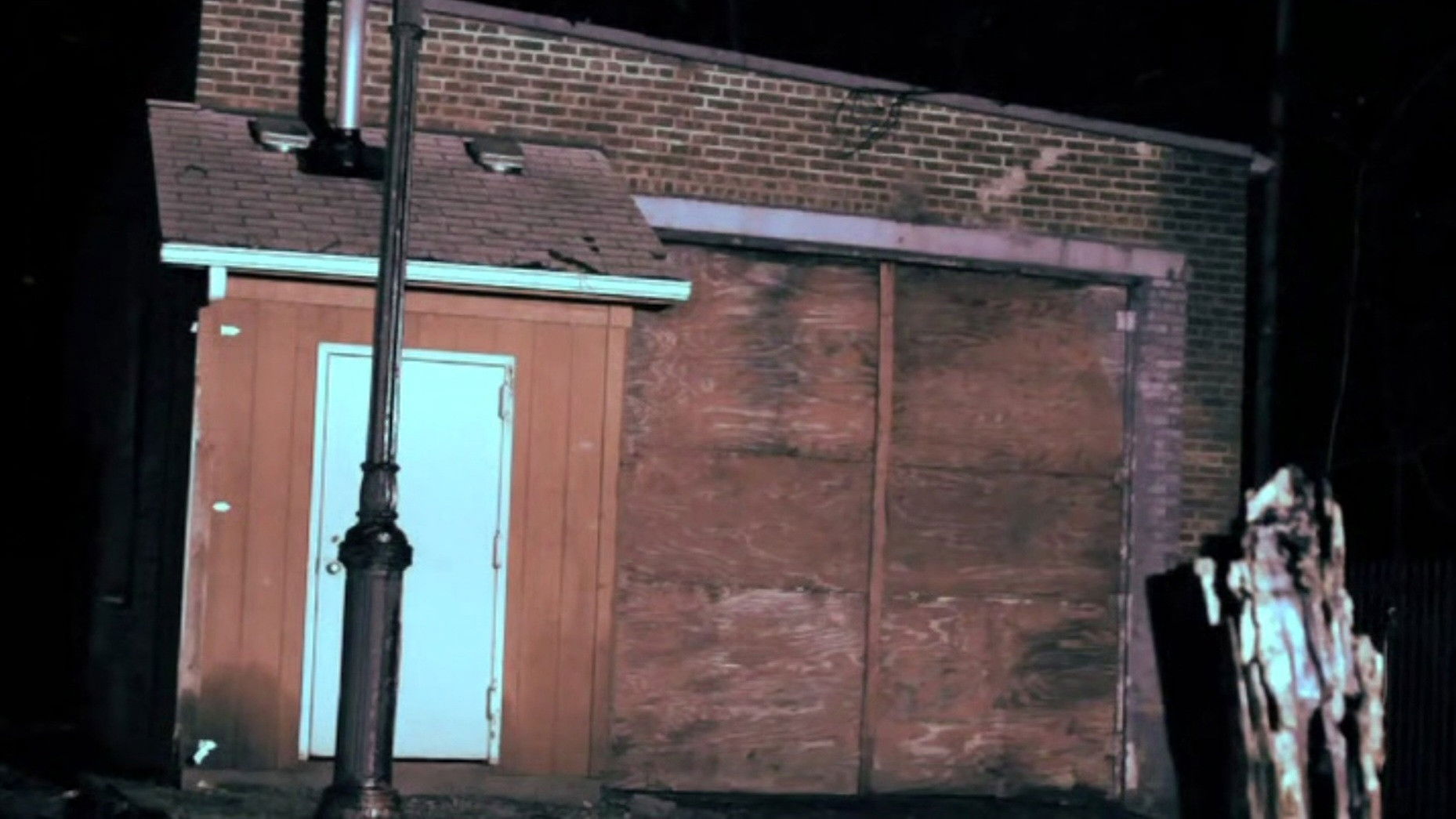
The short follows a woman (Marie Maser) who, after a night out, crosses paths with Art at an abandoned gas station. What starts as an awkward encounter turns into a nightmare of blood, guts, and practical effects that look like they were ripped from a 2005 YouTube tutorial. Leone isn’t afraid to show it all: dismemberments, mutilations, a clown who seems to savor every second of his sadism. Christopher Cafaro’s cinematography is functional, but no less effective for it: tight close-ups, neon lights that hark back to ‘80s slashers, and a color palette that oscillates between blood red and bile green. It’s not pretty, but it gets the job done. The editing, however, is where the short stumbles: there are clunky transitions, cuts that feel accidental, and a pace that sometimes feels more like a rough draft than a finished work. But here’s the thing—in the context of Terrifier, that almost works in its favor. It’s as if Leone decided imperfection was part of the charm.
What’s most fascinating about Terrifier isn’t what it achieves, but what it promises. This short is the cinematic equivalent of a garage band demo: it doesn’t sound polished, but it’s got something, that je ne sais quoi that makes you want to hear more. Leone doesn’t invent anything new—the killer clown is a subgenre as old as horror cinema—but he does it with a conviction bordering on obsession. Art the Clown isn’t a character; he’s a declaration of war on good taste. And in 2011, that was enough. The problem is, eight years later, Leone released Terrifier 2 (2022), a film that expands Art’s mythos but also exposes the limits of its own concept. Was this short a flash of genius or just a lucky accident? The answer, like almost everything in horror, depends on how much you’re willing to forgive.
Direction and Mise-en-scène: The Art of the Cheap
Damien Leone directs Terrifier as if he’s competing in a $50 horror film contest. And yet, there’s something admirable about his approach. He’s not afraid to show the strings: the practical effects are crude, the makeup looks like it was applied with a spatula, and there are moments when you’d swear Art the Clown is about to crack up because the latex on his face is peeling off. But instead of detracting, it adds. Leone doesn’t try to hide the seams; he flaunts them like they’re part of the design. It’s as if he decided that if he couldn’t afford subtlety, he’d at least be honest.
The problem is, in 19 minutes, there’s no room to develop anything. The short is a succession of graphic violence scenes with barely any context, as if Leone decided the best way to introduce his villain was to just let him do what he does best: kill. And boy, does he kill. There’s a moment where Art dismembers a woman with a chainsaw while circus music plays in the background that’s as ridiculous as it is effective. Leone knows horror works best when you don’t take it too seriously, and Terrifier is a reminder that sometimes the scariest thing isn’t what you see, but what you sense is coming next. The issue is, in such a short format, there’s no time to build tension. It’s all payoff, no setup.
The mise-en-scène is functional, but no less interesting for it. Leone plays with tight close-ups to hide the cheapest effects and uses lighting to create an atmosphere that oscillates between the oneiric and the downright nauseating. There’s a shot where Art appears from behind, bathed in neon green light, that looks like it was ripped from a fever dream. It’s the most cinematic moment in the short, and also the most revealing: Leone isn’t a bad director, just a director with limited resources. But you know what? Sometimes, that’s enough.
Performances: Silence as a Weapon
Mike Giannelli is Art the Clown, and his performance boils down to two things: standing still and staring. He doesn’t speak, he doesn’t smile (well, he does, but it’s a grin carved into his face with a kitchen knife), and yet, he manages to convey a threat that many villains with elaborate monologues can’t. Giannelli understands his job isn’t to act—it’s to exist. Art isn’t a character; he’s a presence, a reminder that evil doesn’t need explanations. And in that, Giannelli is brilliant. Every time he appears on screen, you feel something bad is about to happen, even if you don’t know what. It’s as if Leone decided the best way to introduce his villain was to just let him take up space.
The rest of the cast doesn’t have much to do. Marie Maser is the prototypical victim, the girl who crosses paths with the clown and pays the price. Her performance is functional, but forgettable. The same goes for the other actors: they’re cannon fodder, characters designed to die in the most spectacular way possible. And yet, there’s something honest about their work. They’re not here to win awards; they’re here so Art can do what he does best: kill. And in that sense, they serve their purpose.
The real protagonist of Terrifier isn’t Art, nor even the girl who dies horribly. It’s silence. Leone understands that in horror, what isn’t said is often scarier than what is. Art doesn’t need dialogue because his mere presence is a threat. And in a genre that often drowns in unnecessary explanations, that’s refreshing. The problem is, in a 19-minute short, silence can become monotonous. There are moments when you wish someone—anyone—would say something, just to break the tension. But Leone doesn’t budge. And deep down, that’s what makes Terrifier work: it’s a film that refuses to give you what you want, even when what you want is something as simple as a line of dialogue.
The best
- Mike Giannelli as Art the Clown: He doesn’t speak, doesn’t smile (or does, but it doesn’t matter), and yet, he conveys a threat that many villains with epic monologues can’t. Giannelli turns 19 minutes of silence into a modern horror icon.
The practical effects: They’re crude, rough, and sometimes outright ridiculous, but they have a retro* charm that makes them more effective than many modern digital effects. Leone doesn’t try to hide the seams, and that, instead of detracting, adds.
The atmosphere: Leone knows how to create a sense of impending danger with limited resources. The neon lighting, tight close-ups, and use of silence make Terrifier* feel bigger than it is.
- The music: Though no composer is credited, the soundtrack—or what’s left of it—is effective. The distorted circus music accompanying the violence is as ridiculous as it is terrifying.
The worst
- The lack of development: 19 minutes isn’t enough to develop anything. The short is a succession of violent scenes without context, as if Leone decided the best way to introduce his villain was to just let him kill.
The pacing: There are moments when Terrifier* feels more like a rough draft than a finished work. The cuts are clunky, the transitions abrupt, and some scenes seem included just to fill time.
- The victimization of the woman: Marie Maser is the typical girl who crosses paths with the clown and pays the price. There’s nothing new here, just the same old trope: woman as victim, man as monster.
- The lack of originality: Art the Clown isn’t the first killer clown in cinema history, nor will he be the last. Leone doesn’t invent anything new; he just recycles old tropes with a little more blood.
The Verdict of Claqueta Ácida
Terrifier is the cinematic equivalent of a garage band demo: it doesn’t sound polished, but it’s got something, that something that makes you want to hear more. Damien Leone doesn’t invent anything new, but he does it with a conviction bordering on obsession. Art the Clown is a memorable villain, though not for the reasons Leone probably intended. He’s not terrifying—he’s unsettling. He’s not original—he’s honest. And in a genre that often drowns in its own pretension, that’s enough. But don’t kid yourself: this short isn’t a masterpiece—it’s an experiment. An experiment that, for better or worse, became a franchise. And that, my friends, is the scariest thing of all. 💀
🎬 Tráiler Oficial
Abrir en YouTube
Terrifier: frequently asked questions
- What is the rating of "Terrifier" on Claqueta Ácida?
- "Terrifier" scored 5.8/10 on Claqueta Ácida in the review by Héctor Veneno.
- Is "Terrifier" worth watching?
- With reservations. We gave it 5.8/10 (Citric Acid), our rating for uneven films with something worth saving.
- Who directed "Terrifier"?
- "Terrifier" was directed by Damien Leone.
Theater Collateral Damage Report
Psychophysical impact certificate issued by Héctor Veneno
3 amagos en el tramo intermedio; pestañeo pesado en las transiciones más innecesarias.
Un par de miradas al reloj en el tramo intermedio, comprobando cuánto quedaba de suplicio.
2 espresso para no dejarse vencer por la mediocridad cómoda.
"A mitad del segundo acto cuando la subtrama secundaria empezó a pesar más de lo que aportaba."
💬 Community Verdict
What did you think of the film? Rate it from 0 to 10 to compare it with the editorial review.
You haven't voted yet
📢 ¿Te ha gustado el ácido?
Comparte esta crítica con tus amigos cinéfilos o desata la polémica en redes.
⚡ THE CINEMATIC VENOM YOUR INBOX CRAVES
No sugarcoated ratings, no corporate fluff. Subscribe for our uncensored weekly analysis or join the private Telegram for press previews, poll clashes, and instant alerts.
Alertas de estrenos en 1 segundo, encuestas en caliente y audios al salir de pases de prensa.
Recibe la dosis semanal en tu mail + regalo inmediato del PDF con 50 joyas ocultas de culto.
Related Reviews
Recommended autopsies for demanding film buffs.
 ⚡ Ácido Cítrico 5.8
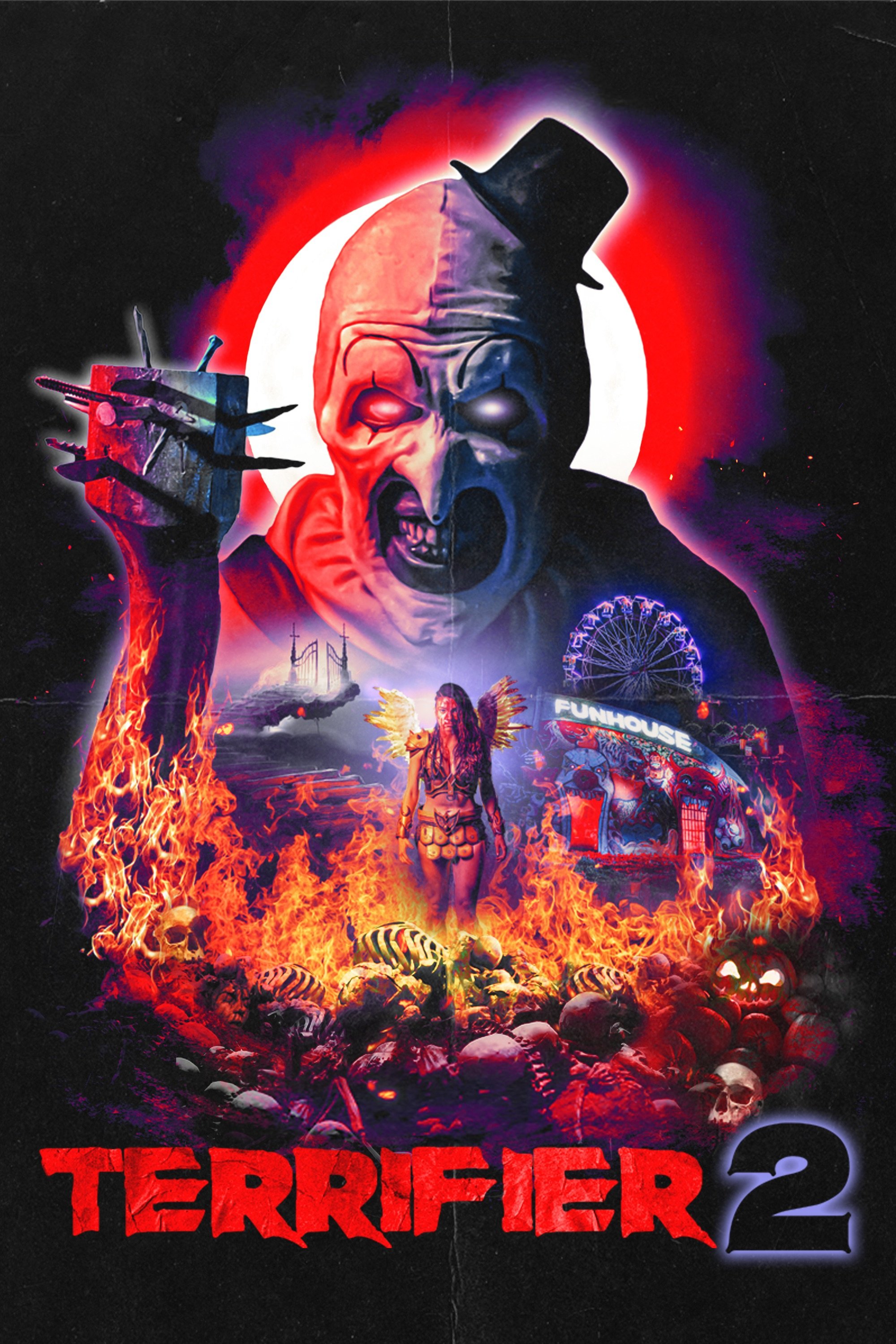
 Terrifier 2: The Clown Who Rose from the Dead (And Should’ve Stayed Six Feet Under)
⚡ Del mismo director (Damien Leone): analiza la evolución o degradación de su estilo.
Damien Leone resurrects Art the Clown with more blood, fewer ideas, and a budget that reeks of gas-station pizza. Cult classic or celluloid vomit?
 ⚡ Ácido Cítrico 7.1
 28 Years Later: The Bone Temple: when cult cinema trips over its own shadow
⚡ Afinidad temática directa en atmósfera, estilo y fijaciones visuales.
A sequel that smells rotten from the very first frame. Garland and DaCosta try to revive the genre, but the result is a technical knockout dressed up as a masterpiece.
 ⚡ Ácido Cítrico 5.8
 A Serbian Film: The Snuff That Thought It Was Art (and Ended Up a High-School Nightmare)
⚡ Afinidad temática directa en atmósfera, estilo y fijaciones visuales.
Srđan Spasojević serves up a depravity feast swinging between gratuitous shock and social commentary. Genius or pretentious trash? Claqueta Ácida dissects it with surgical precision.
Editorial Ecosystem
Cinephile connections, archive interviews and related analyses.
🎞️ In Claqueta Cinematheque 1
💬 Debate Cinéfilo & Autopsia de Lectores
0 veredictos¿Discrepas con nuestra nota? ¿Es una obra maestra o veneno puro? Deja tu veredicto abajo sin necesidad de registro.


Aún nadie ha dejado su veredicto para esta película.
Sé el primero en clavarle el colmillo rellenando el formulario de arriba.