The Wolf of Wall Street — Scorsese Drowns in His Own Champagne
Scorsese films a three-hour orgy where capitalism celebrates itself. DiCaprio shines, but the script reeks of self-satisfaction. Critique or apology?


The Wolf of Wall Street: full review

The stench of fake money and cheap cocaine floods the theater from the very first frame. The Wolf of Wall Street isn’t a movie—it’s a three-hour afterparty where Martin Scorsese, the same guy who gave us Taxi Driver and Goodfellas, seems to have confused excess with depth. A critique of capitalism? Please. This is Wall Street porn shot with the GDP of a small nation, where the director wallows in every misogynistic line, every pile of cash tossed in the air, and every pill swallowed like they’re artistic achievements. Scorsese, who once made us feel his characters’ guilt, now seems to revel in their impunity. Where’s the moralist who showed us the consequences of crime? Here, there’s only champagne, yachts, and a Leonardo DiCaprio who looks like he’s billing by the minute, not by the performance.
The problem isn’t the subject—it’s the execution. Terence Winter, Boardwalk Empire’s scribe, adapts Jordan Belfort’s memoirs with the subtlety of a jackhammer. Every scene is a contest to see who can yell the loudest, snort the most, or deliver the most obscene line. There’s no nuance, no development—just Belfort going from nobody to nobody with a Lamborghini. The script mistakes pace for noise, and Scorsese, instead of pruning, joins the chaos with endless tracking shots designed to remind us how cool the director is. The result? A film that feels like a mashup of the worst ‘80s excesses: long, repetitive, and with a moral hangover.
But let’s talk hard numbers, because this movie is a case study in how cinema can be both brilliant and deeply irritating. With a $100 million budget (yes, one hundred million dollars to film guys screaming in offices), The Wolf of Wall Street grossed $392 million at the box office, making it a commercial hit. The general public loved the spectacle, but cinephiles left the theater feeling scammed. Scorsese, who proved in The Irishman that he can still craft profound cinema, here seems more interested in impressing his Hollywood buddies than telling a story with weight. And that stings.
The shoot, by the way, was just as chaotic as the film. DiCaprio, in full method mode, refused to use a stunt double for the drug scenes and consumed real quaaludes (yes, real) to nail Belfort’s infamous crawl to the car. Instead of stopping him, Scorsese egged him on. The result is a sequence that veers between hilarious and pathetic, but perfectly encapsulates the film’s tone: too much. There was also controversy with the production company, Red Granite Pictures, funded by embezzled money from Malaysia’s sovereign wealth fund (yes, the 1MDB scandal). Scorsese and DiCaprio returned the money after the fact, but the damage was done: The Wolf of Wall Street was born tainted by corruption, just like its protagonist.
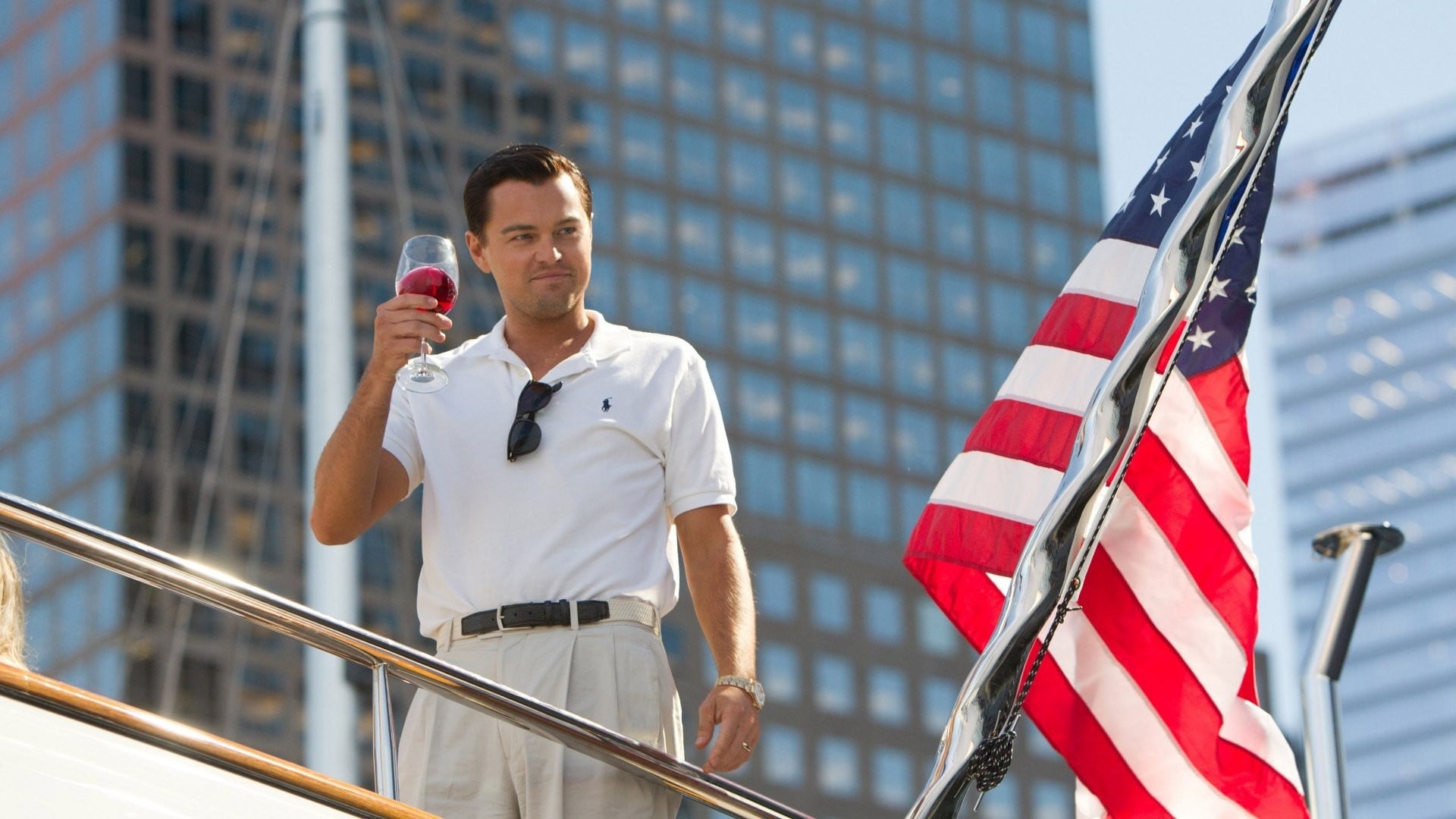
Direction: Scorsese on Autopilot
Scorsese directs this film like he’s on cruise control, recycling formulas that worked in Goodfellas and Casino but without the same intensity. The tracking shots, freeze frames, and voice-overs are all there, but they feel more like a love letter to himself than an evolution. There are brilliant moments—the quaalude sequence, Belfort’s yacht speech—where the director proves he still knows how to build visual tension. But they’re flashes in a sea of self-indulgence. Scorsese seems more interested in filming DiCaprio screaming than exploring the consequences of his actions. Where’s the Scorsese who made us feel Travis Bickle’s guilt or Henry Hill’s paranoia? Here, there’s only noise.
The editing, handled by Thelma Schoonmaker (Scorsese’s longtime collaborator), is technically flawless but falls into the same trap: confusing speed with rhythm. Some scenes drag on too long, like the endless yacht party, while others fly by, like the rushed final trial, which feels like a hasty epilogue. Schoonmaker knows how to keep things engaging, but even she can’t save a script that repeats the same beats ad nauseam. The film feels like a three-hour loop of Belfort making money, snorting coke, insulting someone, and repeating.

Performances: DiCaprio Devours the Screen (and the Budget)
Leonardo DiCaprio delivers one of his most physical and committed performances. Belfort is a repulsive character, but DiCaprio plays him with such charisma that it’s impossible not to be drawn in. He yells, cries, crawls on the floor, and even smashes his head against a door in a scene that looks like it was lifted from Jackass. It’s a showman performance, designed to impress, and it succeeds. But it also reeks of Oscar bait: DiCaprio knows the Academy loves troubled characters, and here he gives them the full package—drugs, alcohol, misogyny, and an ambiguous ending. Is this a critique or just an acting tour de force? Hard to say.
Jonah Hill, in his first serious role post-Superbad, surprises with a grotesque take on Donnie Azoff. Hill embodies a guy who looks like he was plucked from a drunk traders reality show, blending humor and pathos in a way that saves some scenes from ridicule. Margot Robbie, in her first major Hollywood role, proves why she became a star: Naomi Lapaglia is the only sane person in this film, and Robbie plays her with a mix of ferocity and vulnerability that makes every scene she’s in shine. The rest of the cast, including a surreal cameo from Matthew McConaughey, delivers without standing out.
Technical Aspects: Empty Luxury
Rodrigo Prieto’s cinematography is impeccable, with a saturated color palette that evokes ‘80s thrillers. The shots of Wall Street—neon lights, expensive suits—are visually striking, but they also reinforce the feeling that we’re watching a commercial for the high life. Prieto knows how to film excess, but not how to give it depth. The soundtrack, a mix of classic rock and ‘80s pop, is catchy but generic: songs like Marvin Gaye’s Mercy, Mercy Me sound more like a cliché than an artistic choice.
The production design, handled by Bob Shaw, is one of the film’s strengths. The Stratton Oakmont offices are packed with details that capture the bro culture of the ‘80s: Playboy posters, empty champagne bottles, and tables littered with cash. But even here, there’s a problem: everything looks too clean, too stylized. There’s no real grime, no consequences. It’s as if Scorsese wanted to film The Wolf of Wall Street on a Disneyland set.
The best
- Leonardo DiCaprio’s performance: Belfort is a repulsive character, but DiCaprio plays him with such intensity that it’s impossible to look away. He yells, cries, crawls, and even smashes his head against a door—it’s a physical, committed performance that borders on the grotesque.
- Margot Robbie as Naomi Lapaglia: Robbie steals every scene with a mix of ferocity and vulnerability. Naomi is the only sane person in this film, and Robbie plays her with a depth that contrasts with the rest of the cast.
The quaalude* sequence: One of the few scenes where Scorsese proves he still knows how to build visual tension. DiCaprio, crawling to his car like a zombie, is both hilarious and pathetic.
The production design: The Stratton Oakmont offices are packed with details that capture the bro* culture of the ‘80s. Bob Shaw creates a world that, while stylized, feels believable.
The worst
- Terence Winter’s script: Confuses excess with depth. Every scene is a contest to see who can yell the loudest or snort the most drugs. There’s no nuance, no development—just Belfort repeating the same mistakes over and over.
- The runtime: Three hours is too long for a film that has nothing new to say. Scorsese seems more interested in filming excess than exploring its consequences.
The lack of consequences: Belfort ends up as a motivational speaker*, never truly paying for his crimes. Scorsese seems more interested in celebrating his lifestyle than critiquing it.
The self-indulgent tone: Scorsese films this like a love letter to himself, recycling Goodfellas formulas without the same intensity. The result is a film that reeks of cheap nostalgia*.
The Verdict of Claqueta Ácida
The Wolf of Wall Street is a film that oscillates between brilliance and insufferability. Scorsese and DiCaprio deliver moments of genius, but Winter’s script and the lack of self-criticism turn this into an empty spectacle. It’s like a luxury buffet: so much to choose from, but in the end, you’re left hungry. Scorsese, who once made us feel his characters’ guilt, here seems more interested in impressing his Hollywood friends than telling a story with weight. A critique of capitalism? No. Three hours of coked-up yuppies filmed with style? Yes. And that, in the end, is the saddest part of all. 💀
🎬 Tráiler Oficial
Abrir en YouTube
The Wolf of Wall Street: frequently asked questions
- What is the rating of "The Wolf of Wall Street" on Claqueta Ácida?
- "The Wolf of Wall Street" scored 7.2/10 on Claqueta Ácida in the review by Maximiliano Z..
- Is "The Wolf of Wall Street" worth watching?
- With reservations. We gave it 7.2/10 (Citric Acid), our rating for uneven films with something worth saving.
- Who directed "The Wolf of Wall Street"?
- "The Wolf of Wall Street" was directed by Martin Scorsese.
Theater Collateral Damage Report
Psychophysical impact certificate issued by Maximiliano Z.
1 amago en el tramo intermedio; pestañeo pesado en las transiciones más innecesarias.
Un par de miradas al reloj en el tramo intermedio, comprobando cuánto quedaba de suplicio.
1 espressos para no dejarse vencer por la mediocridad cómoda.
"A mitad del segundo acto cuando la subtrama secundaria empezó a pesar más de lo que aportaba."
💬 Community Verdict
What did you think of the film? Rate it from 0 to 10 to compare it with the editorial review.
You haven't voted yet
📢 ¿Te ha gustado el ácido?
Comparte esta crítica con tus amigos cinéfilos o desata la polémica en redes.
⚡ THE CINEMATIC VENOM YOUR INBOX CRAVES
No sugarcoated ratings, no corporate fluff. Subscribe for our uncensored weekly analysis or join the private Telegram for press previews, poll clashes, and instant alerts.
Alertas de estrenos en 1 segundo, encuestas en caliente y audios al salir de pases de prensa.
Recibe la dosis semanal en tu mail + regalo inmediato del PDF con 50 joyas ocultas de culto.
Related Reviews
Recommended autopsies for demanding film buffs.
 ⚡ Ácido Cítrico 7.3
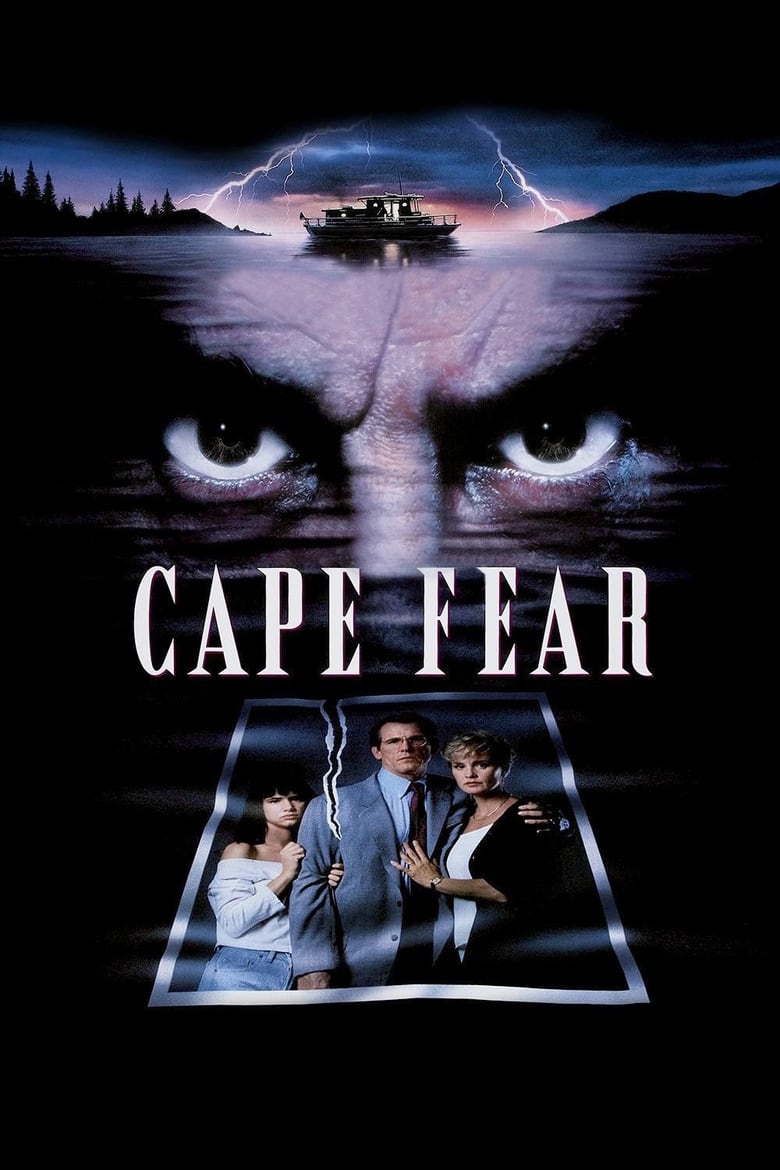
 Cape Fear: Scorsese Pumps Pure Terror Into Your Veins (and Soul)
⚡ Del mismo director (Martin Scorsese): analiza la evolución o degradación de su estilo.
De Niro as a textbook psychopath, Scorsese at his dirtiest, and a script that leaves you gasping for air. Psychological terror in its rawest form.
 🔥 Fusión Nuclear 9.2
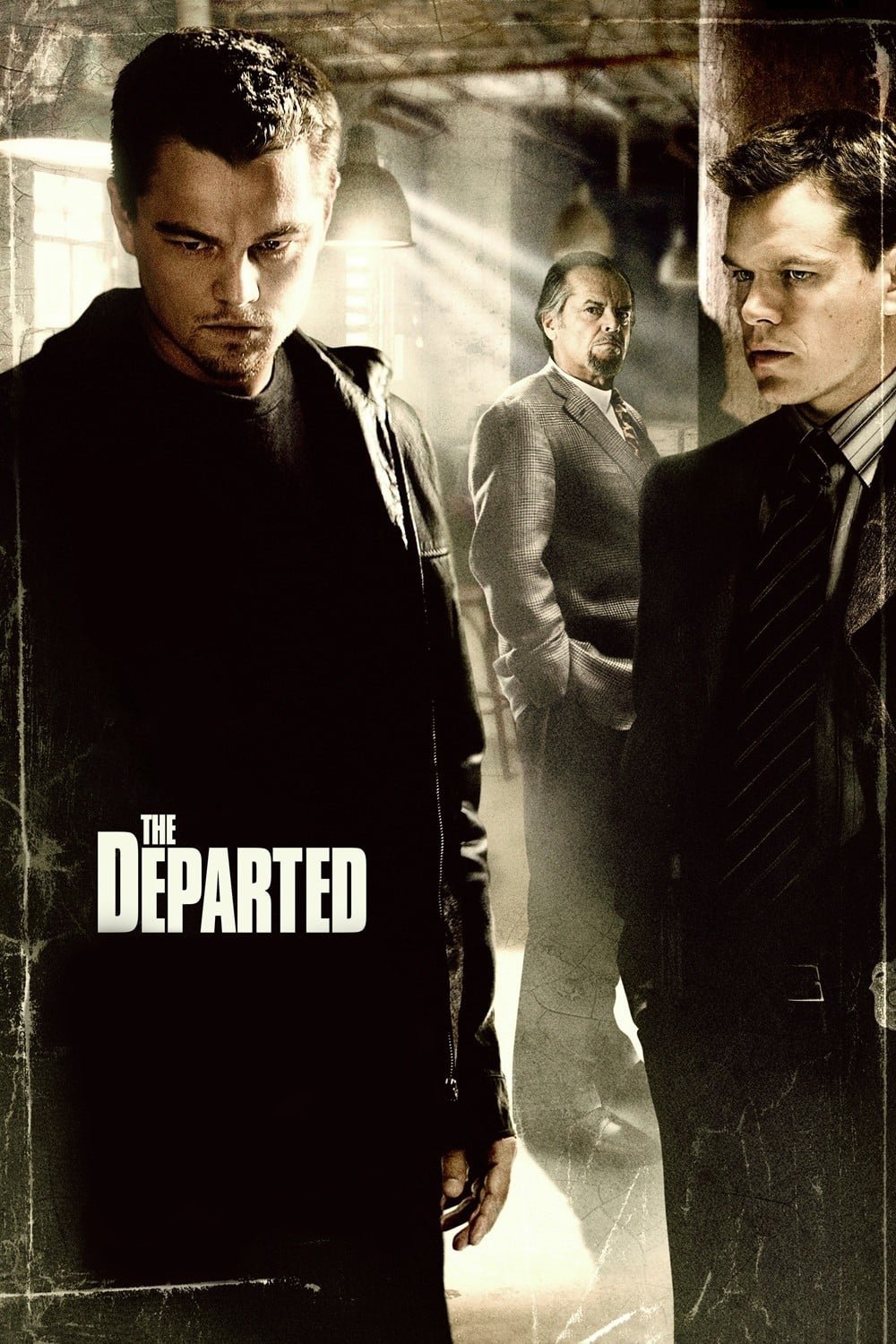
 The Departed: Scorsese Plays Chess with Rats and We All Lose
⚡ Del mismo director (Martin Scorsese): analiza la evolución o degradación de su estilo.
Scorsese delivers a rat-infested thriller where Boston reeks of cheap whiskey and betrayal. Nicholson steals the show, DiCaprio sweats ink, and Damon grins like a psychopath. A masterpiece with an expiration date: never.
 ⚡ Ácido Cítrico 7.2
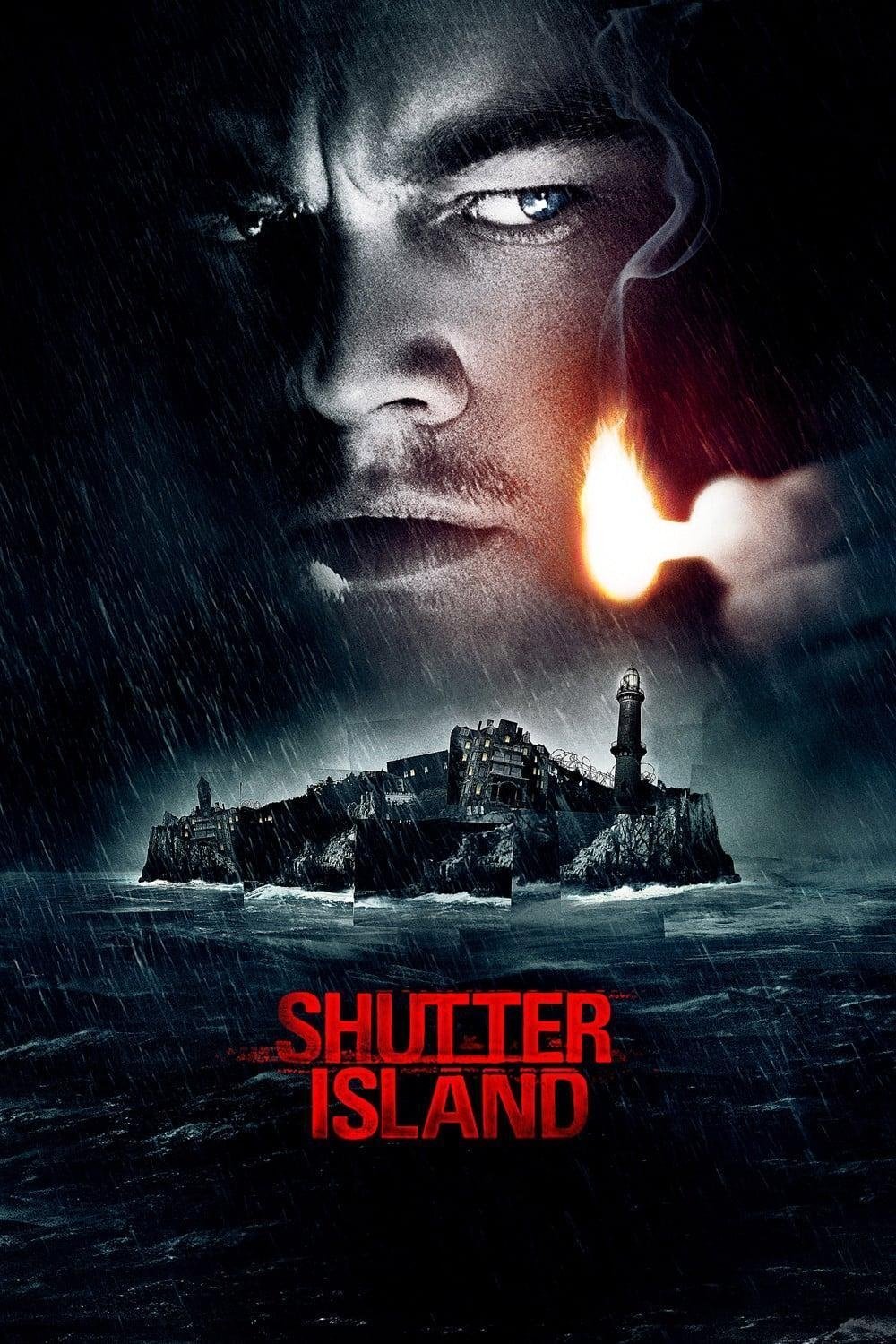
 Shutter Island: The Island That Never Was (And the Script That Wasn’t Either)
⚡ Del mismo director (Martin Scorsese): analiza la evolución o degradación de su estilo.
Scorsese and DiCaprio play Hitchcock dress-up, but end up in an asylum of clichés and mothball-scented twists. Masterpiece or pretentious style exercise?
Editorial Ecosystem
Cinephile connections, archive interviews and related analyses.
🎞️ In Claqueta Cinematheque 3
💬 Debate Cinéfilo & Autopsia de Lectores
0 veredictos¿Discrepas con nuestra nota? ¿Es una obra maestra o veneno puro? Deja tu veredicto abajo sin necesidad de registro.


Aún nadie ha dejado su veredicto para esta película.
Sé el primero en clavarle el colmillo rellenando el formulario de arriba.