The Priest — Thanksgiving Massacre – When the Turkey’s a Cannibal and the Sermon Smells Like Blood
Steve Lawson serves up a low-budget terror feast with more salt than scares. Folk horror for microwave fans: fast, cheap, and leaves the same aftertaste.


The Priest: Thanksgiving Massacre: full review
The stench of burnt turkey and fake blood hung thick in the screening room as the lights dimmed. The Priest: Thanksgiving Massacre isn’t a movie—it’s a grim reminder that low-budget folk horror is still kicking, albeit as a shambling corpse. Steve Lawson, that name echoing through British horror circles like a synonym for “productions that fit on a USB stick,” delivers his latest opus: a tale of cannibalism, dysfunctional families, and a priest who clearly missed the memo on “forgiveness.” The synopsis promises a terror feast, but what’s served is more like a reheated microwave dinner from the indie film bargain bin.
Lawson isn’t exactly a stranger. The man’s been splashing around in the direct-to-video horror puddle for years, churning out titles like Evil at the Door and The Haunting of Margam Castle—honestly, they sound more like film school assignments than actual movies. But there’s something almost admirable about his stubbornness, clinging to a genre that doesn’t even cover the cost of renting equipment. The Priest is his umpteenth attempt to hop on the folk horror bandwagon, a subgenre that, in the hands of Robert Eggers or Ari Aster, becomes visual poetry, but in his? A Midsomer Murders episode directed by an intern on a deadline. The problem isn’t the lack of ambition—it’s the execution. Lawson mistakes “atmosphere” for “dark shots and off-key violin music,” and “terror” for “characters screaming while running in circles.”
The film kicks off with a prologue that tries to be ominous: a shot of a cabin in the woods, fog that looks like it was sprayed from a can of hairspray, and a voiceover whispering something about “sins of the past.” The issue? In 2025, this kind of schtick doesn’t even scare kids who mainline Five Nights at Freddy’s on TikTok. Lawson seems to think folk horror is just regurgitating ‘70s clichés—rural cults, cursed families, bloody rituals—without realizing that what worked back then was the novelty, not the formula. Here, novelty is MIA. The cabin where the action unfolds looks like it was rented on Airbnb for a satanic glamping weekend, and the characters—a family gathering for Thanksgiving—are so generic they blur together. Dad? Some guy with a beard. Mom? A woman in an apron. The rebellious teen? A kid in a hoodie. Lawson doesn’t bother giving them depth because, apparently, their sole purpose is to serve as cannon fodder for the cannibal priest.
And then there’s the priest. Oh, the priest. A man in a cassock who materializes out of thin air, as if Lawson remembered halfway through filming that his movie needed a villain. Reverend Fuller, played by Mark Topping, is your standard rural horror baddie: silent, sinister, and obsessed with kitchen knives. The problem? Topping acts like he’s in a community theater rehearsal, with exaggerated gestures and a voice that wavers between a whisper and a shout, as if he’s not sure which tone to commit to. It doesn’t help that his motivation—something about “purifying sinners”—sounds like a lazy screenwriter’s excuse rather than a compelling reason. Folk horror thrives on the idea that evil is rooted in the land, in tradition, in the unsaid. Here, evil feels more like a glitch in the script, something Lawson tossed in because “it looked good on the poster.”
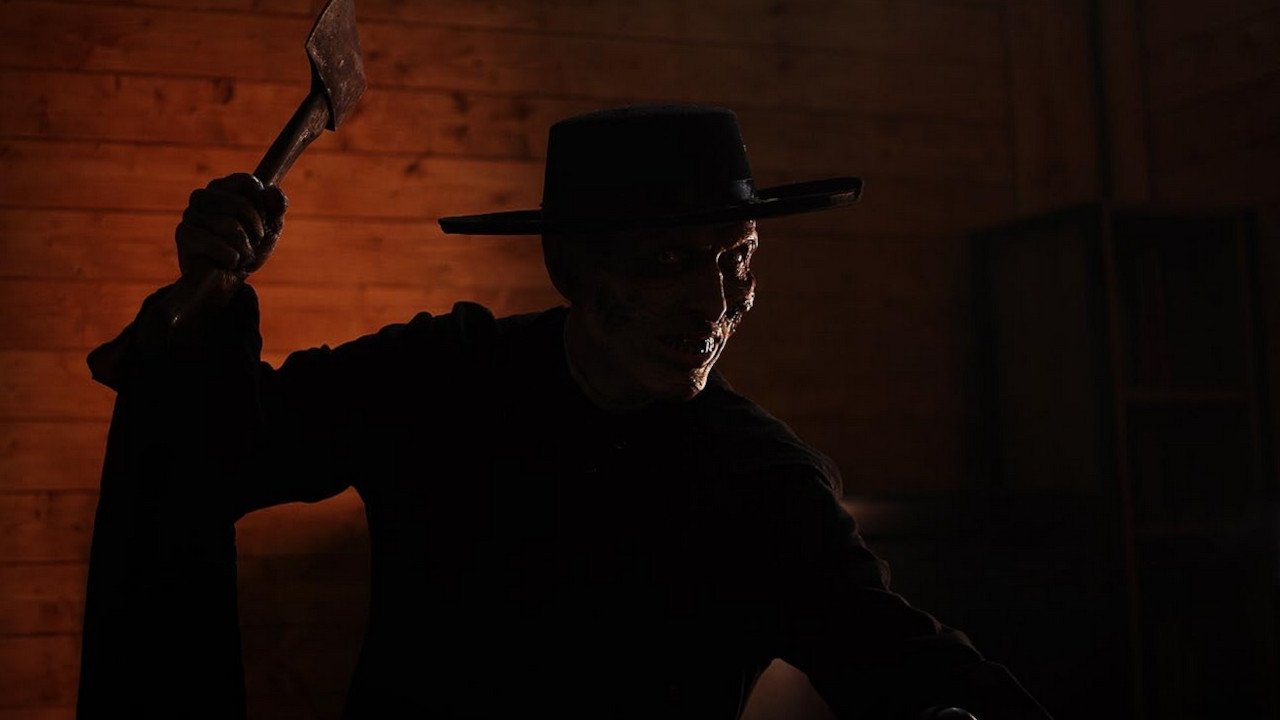
Direction and Mise-en-scène: The Art of Doing a Lot with (Almost) Nothing
Steve Lawson directs like he’s racing against the clock before the budget runs out. The shots are functional, but that’s about it: static frames that look lifted from a YouTube tutorial, camera movements that wobble between clumsy and nonexistent, and lighting more concerned with hiding set flaws than creating atmosphere. There’s a moment during the family dinner where the lights flicker suspiciously. At first, you think, “Nice touch!” Then you realize it’s probably just a dying fluorescent bulb on set. Lawson tries to compensate for the lack of resources with cheap jump scares—a cat leaping out of a cupboard, a door slamming shut—that, instead of terrifying, provoke nervous laughter. It’s like he watched Hereditary and The Witch and decided the key was copying the scares, not the tone.
The script, also penned by Lawson, is a festival of clichés and dialogue that sounds like it was run through Google Translate. The characters speak like they’re reading from a “How to Write a Horror Movie in 10 Steps” manual: “What’s going on here?”, “It’s not safe!”, “We need to get out of here NOW!” There’s a scene where the family discovers a basement full of bones, and instead of reacting with horror, they just stand there, as if waiting for the priest to deliver a sermon. The pacing is erratic: the first half crawls like a zombie with arthritis, while the second half speeds up chaotically, as if Lawson suddenly remembered the movie was only 83 minutes long, not 120. The editing is just as sloppy, with jarring cuts that feel like mistakes rather than artistic choices. There’s a moment where a character opens a door, and in the next shot, they’re in a different room with no explanation. Continuity? What’s that?
Jon O’Neill’s cinematography is probably the only thing saving this film from total disaster. O’Neill, who’s worked on more ambitious projects like The Last Kingdom, manages to craft a few striking shots, especially in the night scenes, where the darkness and cool tones lend an air of mystery the script doesn’t deserve. There’s a tracking shot following Liz Soutar (Cyndy) as she walks through the woods, and for a few seconds, the movie feels like something else—something atmospheric, suggestive. Then Cyndy trips over a root, and the spell shatters. It’s like O’Neill is trying to elevate the material, but Lawson won’t let him. The score, meanwhile, is nonexistent. No original music, just some generic sound effects—wind, crickets, screams—that sound like they were downloaded from a free library. The sound design is so poor that, at one point, you can clearly hear a mic rubbing against an actor’s clothes. Lawson seems to think terror is built on scares, not sound, and that’s a colossal mistake.
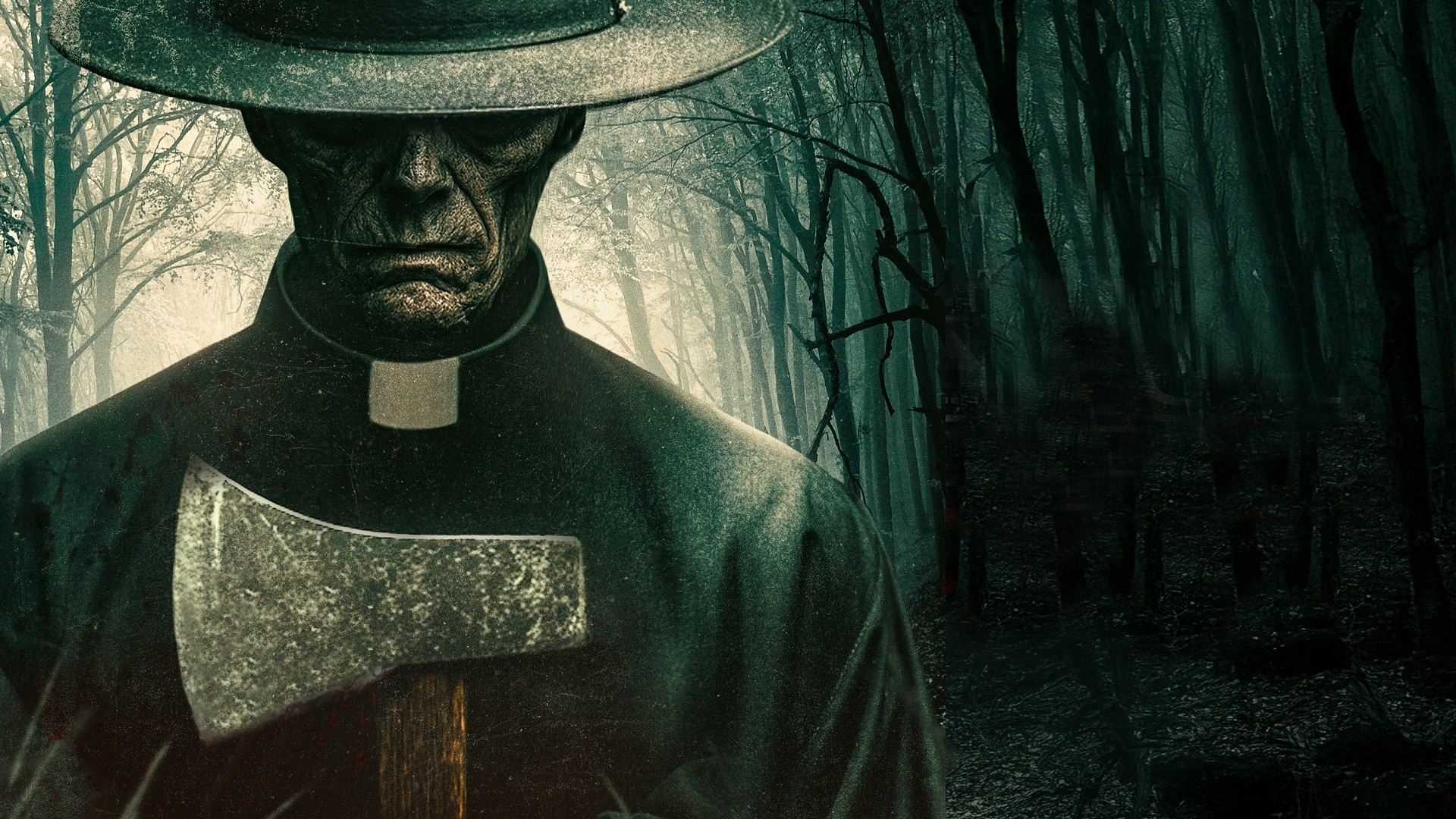
Performances: When the Cast Looks Lost in the Woods (And Not by Design)
The cast of The Priest: Thanksgiving Massacre is a perfect example of how a shoestring budget can ruin even the most committed actors. Jo Krayer (Tom) and Holly Higbee (Andi) are hit the hardest: their characters are so flat they might as well be cardboard cutouts, and their performances don’t help. Krayer, who’s appeared in films like The Haunting of Margam Castle, seems to be on autopilot, repeating gestures and lines like he’s stuck in a loop. Higbee has moments where she tries to breathe life into her character, but the script won’t let her. Her most memorable scene is when she screams “NOOO!” as the priest chases her—a moment that’s more unintentionally funny than terrifying.
Liz Soutar (Cyndy) is the exception. Soutar, who’s worked on shows like Doctors and films like The Last Boy, conveys a mix of fear and determination that makes her character the most believable in the cast. There’s a scene where Cyndy finds the priest’s journal and reads it aloud, and for a few seconds, Soutar makes the terror feel real. It’s not award-worthy, but at least it proves someone in the cast is taking this seriously. Brooklyn Ross (Noah) and Dani Thompson (Sara) have such minor roles it’s hard to judge them. Ross spends most of the movie staring at his phone, like he’s waiting for an important text, while Thompson has a scene where she sobs uncontrollably... but it’s unclear why. Mark Topping (Reverend Fuller) is the designated villain, but his performance is so over-the-top it borders on parody. Topping seems to think horror is all about screaming and making faces, resulting in a character that feels plucked from an ‘80s movie, minus the camp charm of that era.
Melody Smith (Abigail Fuller) is probably the most interesting character in the bunch. Abigail is the priest’s daughter, a young woman torn between loyalty to her father and her desire to escape. Smith manages to convey that duality with a restrained performance, but the script squanders her potential. There’s a moment where Abigail whispers to Cyndy, “He’s not my father, he’s the devil,” and for a second, the movie feels promising. Then the priest materializes out of nowhere, and the moment vanishes. It’s a shame, because Smith shows there’s talent in the cast, but Lawson doesn’t know how to use it.
The best
- Jon O’Neill’s cinematography: Some night shots manage to create an eerie atmosphere, especially in the forest scenes. O’Neill proves that even with a tight budget, you can do interesting things.
- Liz Soutar: The only actress who conveys something resembling genuine terror. Her portrayal of Cyndy is the closest thing to a professional performance in the film.
- The concept: The idea of blending Thanksgiving with cannibalism and folk horror is original, even if the execution falls flat. With a tighter script and a more ambitious director, it could’ve been something memorable.
The worst
Steve Lawson’s script: A festival of clichés, ridiculous dialogue, and characters that feel like they were pulled from a “How Not* to Write a Horror Movie” manual.
- The pacing: The first half is slow and boring, while the second half speeds up chaotically, like Lawson suddenly remembered the movie was only 83 minutes long.
- The performances: Aside from Liz Soutar, the rest of the cast seems lost, like they’re not sure what they’re doing there. Mark Topping, in particular, hams up his villain role so much it veers into parody.
The cheap jump scares*: Lawson confuses “terror” with “easy scares,” resulting in a movie that provokes more laughter than fear.
- The lack of a score: The absence of original music makes the film feel hollow, like it’s missing a crucial layer of atmosphere.
The Verdict of Claqueta Ácida
The Priest: Thanksgiving Massacre is what happens when folk horror is made in a rush, with no budget and a script scribbled on a bar napkin. Steve Lawson proves you can make a movie with three quid and an iPhone, but that doesn’t mean you should. There are glimmers of something interesting—Jon O’Neill’s cinematography, Liz Soutar’s performance—but they’re drowned in a sea of clichés, mediocre acting, and jump scares that feel like they were lifted from a Scooby-Doo episode. It’s not the worst horror movie I’ve ever seen, but it’s one of the most disappointing, because it had the potential to be more. In the end, you’re left with the feeling that Lawson mistook “rural terror” for “dysfunctional family in a crappy cabin,” and that’s a sin even the cannibal priest couldn’t absolve. 💀
🎬 Tráiler Oficial
Abrir en YouTube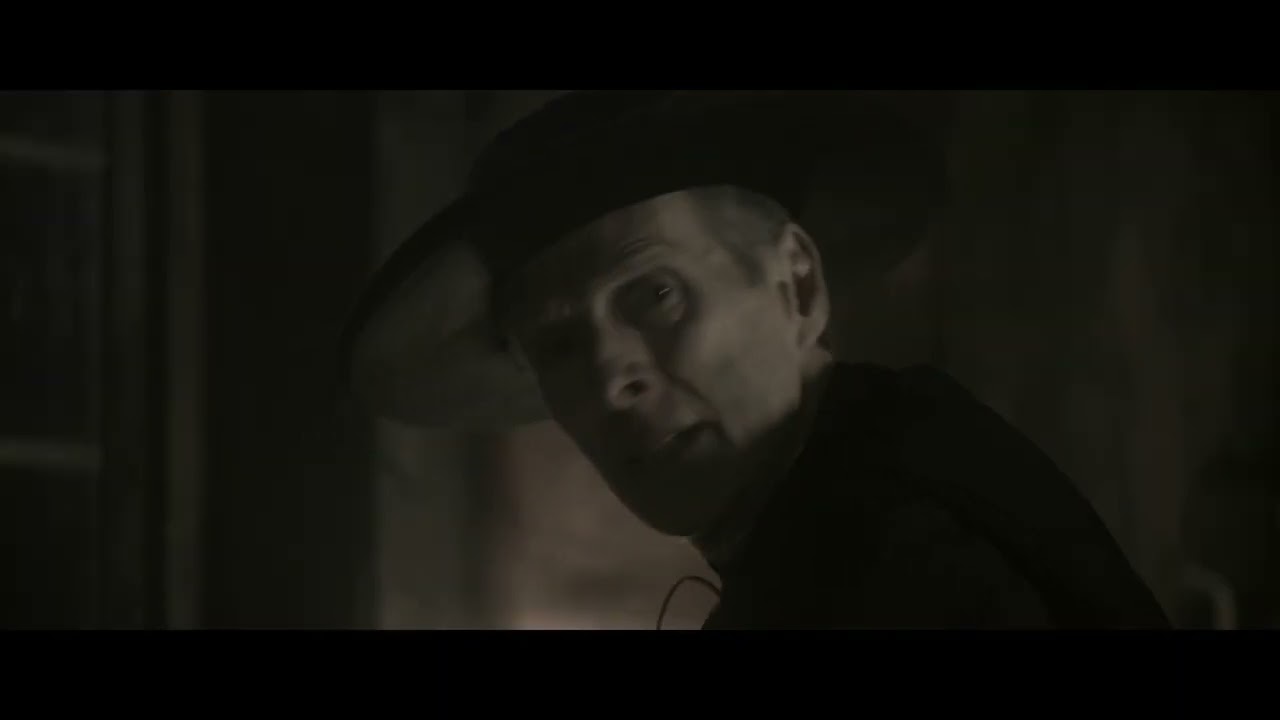
The Priest: Thanksgiving Massacre: frequently asked questions
- What is the rating of "The Priest: Thanksgiving Massacre" on Claqueta Ácida?
- "The Priest: Thanksgiving Massacre" scored 4.2/10 on Claqueta Ácida in the review by Lúa Ácida.
- Is "The Priest: Thanksgiving Massacre" worth watching?
- No. We gave it 4.2/10 (Sulfuric Acid), our rating for films we don't recommend.
- Who directed "The Priest: Thanksgiving Massacre"?
- "The Priest: Thanksgiving Massacre" was directed by Steve Lawson.
Theater Collateral Damage Report
Psychophysical impact certificate issued by Lúa Ácida
4 bostezos, 3 con quejido audible distribuidos con inquietante regularidad.
El reloj se convirtió en el único personaje con un arco dramático claro.
2 espressos triples o aceptar la derrota con dignidad.
"Desde el primer acto, cuando quedó claro que nadie en la sala de montaje había visto la película completa."
💬 Community Verdict
What did you think of the film? Rate it from 0 to 10 to compare it with the editorial review.
You haven't voted yet
📢 ¿Te ha gustado el ácido?
Comparte esta crítica con tus amigos cinéfilos o desata la polémica en redes.
⚡ THE CINEMATIC VENOM YOUR INBOX CRAVES
No sugarcoated ratings, no corporate fluff. Subscribe for our uncensored weekly analysis or join the private Telegram for press previews, poll clashes, and instant alerts.
Alertas de estrenos en 1 segundo, encuestas en caliente y audios al salir de pases de prensa.
Recibe la dosis semanal en tu mail + regalo inmediato del PDF con 50 joyas ocultas de culto.
Related Reviews
Recommended autopsies for demanding film buffs.
 ⚠️ Ácido Sulfúrico 4.2
 Good Boy: The Dog That Saved No One (Not Even Itself)
⚡ Afinidad temática directa en atmósfera, estilo y fijaciones visuales.
A supernatural canine stars in a film that barks up the wrong tree. *Claqueta Ácida* dissects this rural dud with the precision of a scalpel in a slaughterhouse.
 ⚠️ Ácido Sulfúrico 4.0
 *Humane*: The Family Euthanasia That Leaves Us Deader Than the Weather
⚡ Afinidad temática directa en atmósfera, estilo y fijaciones visuales.
Caitlin Cronenberg serves up this nightmare dinner where emotional cannibalism outdoes the ecological kind. Euthanasia or scam? Claqueta Ácida dissects the corpse.
 ⚠️ Ácido Sulfúrico 4.2
 Animal Instinct: The Revenge Flick That Didn’t Know It Was a Low-Budget Snuff Film
⚡ Afinidad temática directa en atmósfera, estilo y fijaciones visuales.
Martijn Smits turns animal activism into a Dutch slasher so clumsy even the pigs are embarrassed. Blood, bad conscience, and worse dialogue—welcome to the abattoir of cinema.
Editorial Ecosystem
Cinephile connections, archive interviews and related analyses.
💬 Debate Cinéfilo & Autopsia de Lectores
0 veredictos¿Discrepas con nuestra nota? ¿Es una obra maestra o veneno puro? Deja tu veredicto abajo sin necesidad de registro.


Aún nadie ha dejado su veredicto para esta película.
Sé el primero en clavarle el colmillo rellenando el formulario de arriba.