
Ending Explained: The Man Who Defied the King
The Elegy of Political Impotence According to Paul Greengrass
💡 What does the ending really mean?
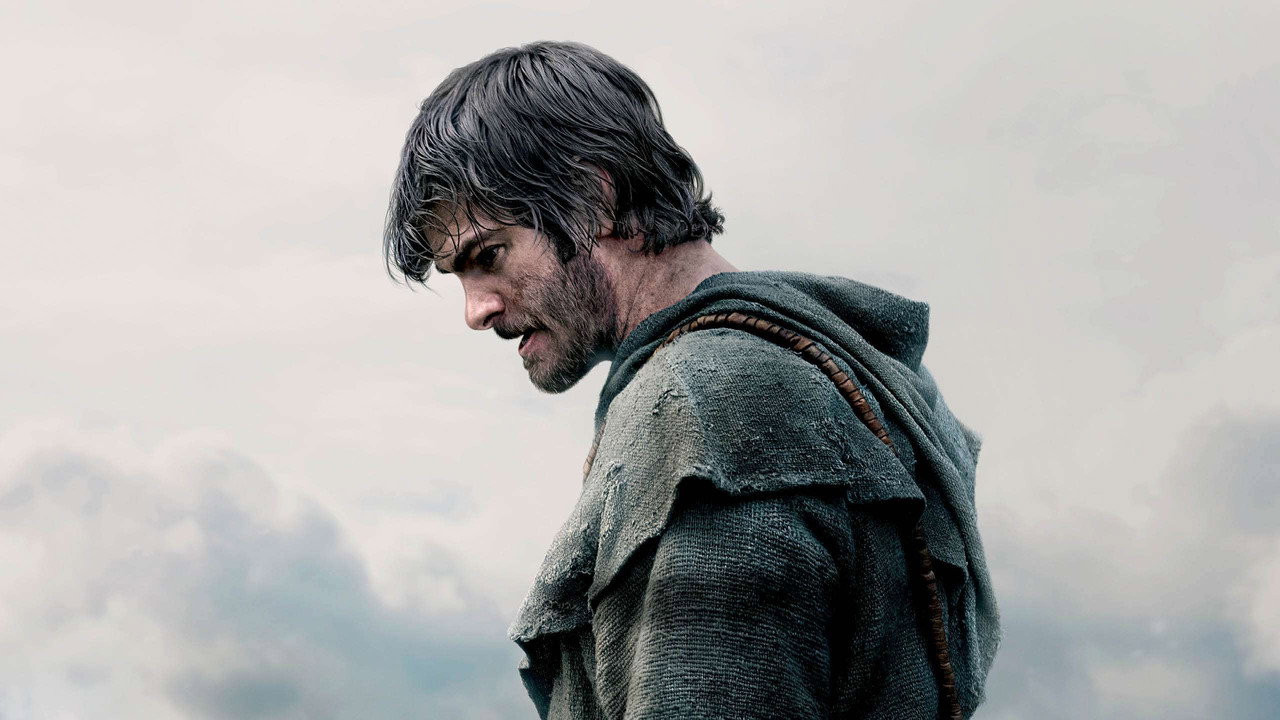
At the end of The King's Man, the Peasant ambushes the monarch but does not kill him; instead, he reveals his freedom in a territory outside the king's jurisdiction. The film closes with the king screaming in paranoia within his palace, trapped by fear in the face of the impotence of his power.
What happens at the end
Following the massacre, in which the king betrays the rebels and orders the execution of Wat Tyler and the killing of John Ball and most of the peasants, the Peasant and Alyce manage to escape with a few survivors. The promise of royal clemency is revealed as a trap to disarm the crowd before annihilating it. A year later, the king travels through a forest and is surrounded by a group of archers. The Peasant, who leads the ambush, reveals himself to the monarch.
Instead of executing him, the Peasant explains that killing him would solve nothing. He informs him that he and his group live beyond the king's jurisdiction, in a territory where royal laws do not reach. This freedom is the true revenge: the certainty that the monarch's power is fragile and that his existence is a constant reminder of royal impotence. The film ends with an image of the royal palace under a stormy, cloudy sky, while the sound of the king screaming wildly is heard, trapped in his paranoia and fear.
What it means
The decision not to kill the king dismantles the traditional heroic narrative. The Peasant does not seek to become the new king or seek revenge through blood, but to establish a zone of autonomy that central power cannot control. The king, a young man frightened by nightmares of demons, ends up becoming the demon of his own paranoia. His final scream in the palace symbolizes the madness of absolute power when faced with the reality of a society that has decided not to obey.
The film uses this ending to underscore the futility of organized revolutionary violence, but the efficacy of individual and silent resistance. The feudal system does not fall with a coup d'état, but erodes from the margins. The king is locked inside his own mind, tormented by the idea that there is a world outside his control, while the Peasant lives in freedom, on the fringes of official history. It is a critique of the idea that the death of the tyrant liberates the people; here, liberation is the ability to ignore the tyrant.
What is left open
The film does not specify the final fate of Alyce or the other survivors who escaped with the Peasant. It also does not clarify whether the group of archers is an established band or an ephemeral cell. The silence regarding the immediate future of the rebels leaves a sense of uncertainty about whether this isolated resistance can be sustained in the long term or if it will be absorbed by the system it is trying to evade.
🎬 Official Trailer
Abrir en YouTube
More endings explained
-
 Onslaught: ending explained
-
 Leviticus: ending explained
-
 The Rotten Apple: ending explained
-
 The Price of the Network: ending explained
-
 Clayface: ending explained
-
 Infirmary: ending explained