
Ending Explained: UNABOMBER
The Institutional Terror Experiment
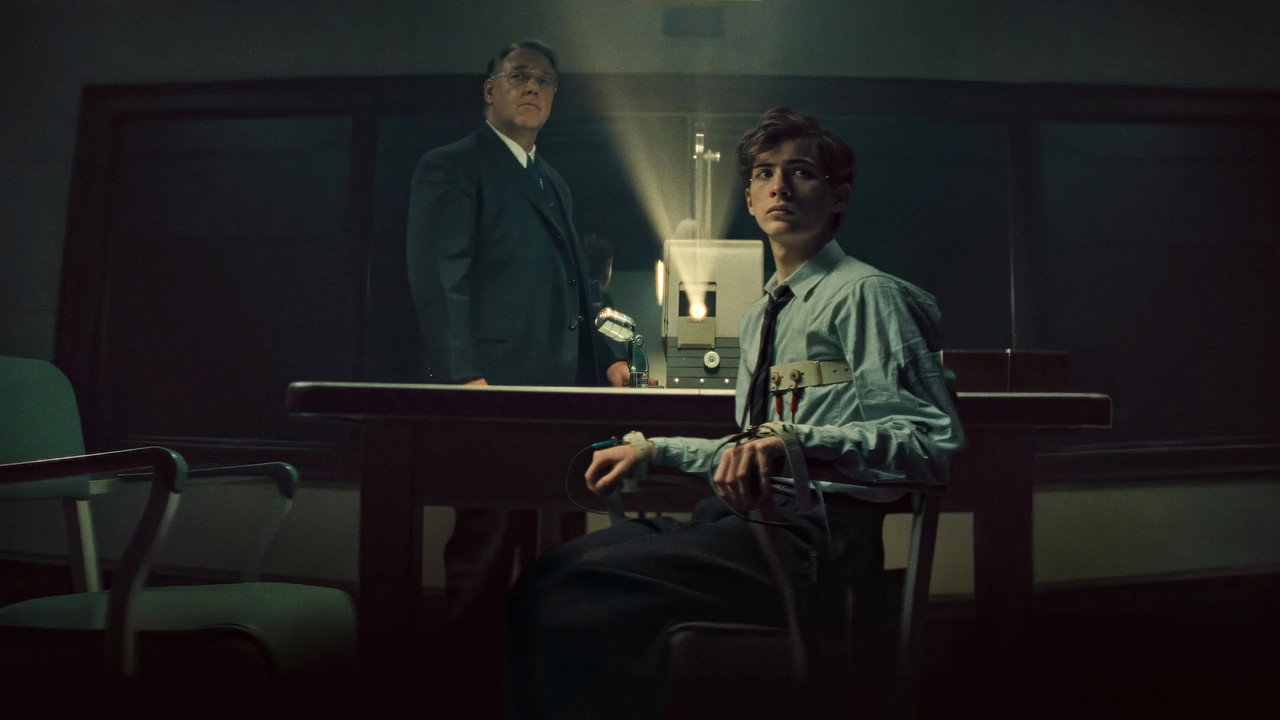
💡 What does the ending really mean?
At the end of UNABOMBER, the FBI raids Theodore Kaczynski's remote cabin in Montana and arrests him, bringing the hunt for the Unabomber to a close. The credits reveal that he was sentenced to life in prison and took his own life in 2023.
What happens at the end
The film structures its conclusion as a bureaucratic manhunt that culminates in the physical capture of the subject. After the manifesto is published, David, Ted's brother, and his wife Linda identify similarities between the terrorist text and Ted's old letters. This familial connection triggers the investigative machinery: Agent Joanne Miller compares the documents, and investigators locate Ted, who is living in isolation in a cabin in Montana.
The climax is not a violent confrontation or a shootout, but the FBI's breach of that remote refuge. Police raid the property and arrest Ted, thereby closing the Unabomber case. There are no on-screen scenes of execution or trial; the narrative stops at the moment of arrest, leaving the weight to the subsequent consequences.
The definitive closure arrives through the end titles, which act as a factual epilogue. They inform the viewer that Ted Kaczynski was sentenced to life in prison. The final note states that the protagonist took his own life in prison in 2023, offering a tragic and definitive end to the terrorist's figure.
What it means
Metz uses the ending to demystify the figure of the criminal genius. By reducing the capture to a standard police procedure and the outcome to a credit note, the film denies its protagonist any final redemption or psychological complexity. The suicide in prison is not presented as an act of resistance, but as the final point of a life marked by isolation and obsession.
The inclusion of the 2023 date of death anchors the story in the present, reminding us that the trauma of the Unabomber remains alive in collective memory. The film suggests that the true story is not that of a charismatic villain, but of a system that produces monsters and then locks them away. The ending is dry, clinical, and devoid of the drama the marketing promised, reflecting the coldness of the state machinery that caught him.
What is left open
The film does not explore Ted's deep motivations beyond his opposition to technology, leaving his psychology as a mystery resolved only by police action. The judicial process and life in prison are not shown, limiting the understanding of his final mental state.

🎬 Official Trailer
Abrir en YouTube
More endings explained
-
 Onslaught: ending explained
-
 Leviticus: ending explained
-
 Clayface: ending explained
-
 Whalefall: ending explained
-
 Beware Boiúna: ending explained
-
 Street Fighter: ending explained