UNABOMBER — The Institutional Terror Experiment
A scathing critique that dissects Janus Metz's thriller, where the FBI becomes an accomplice to terror.
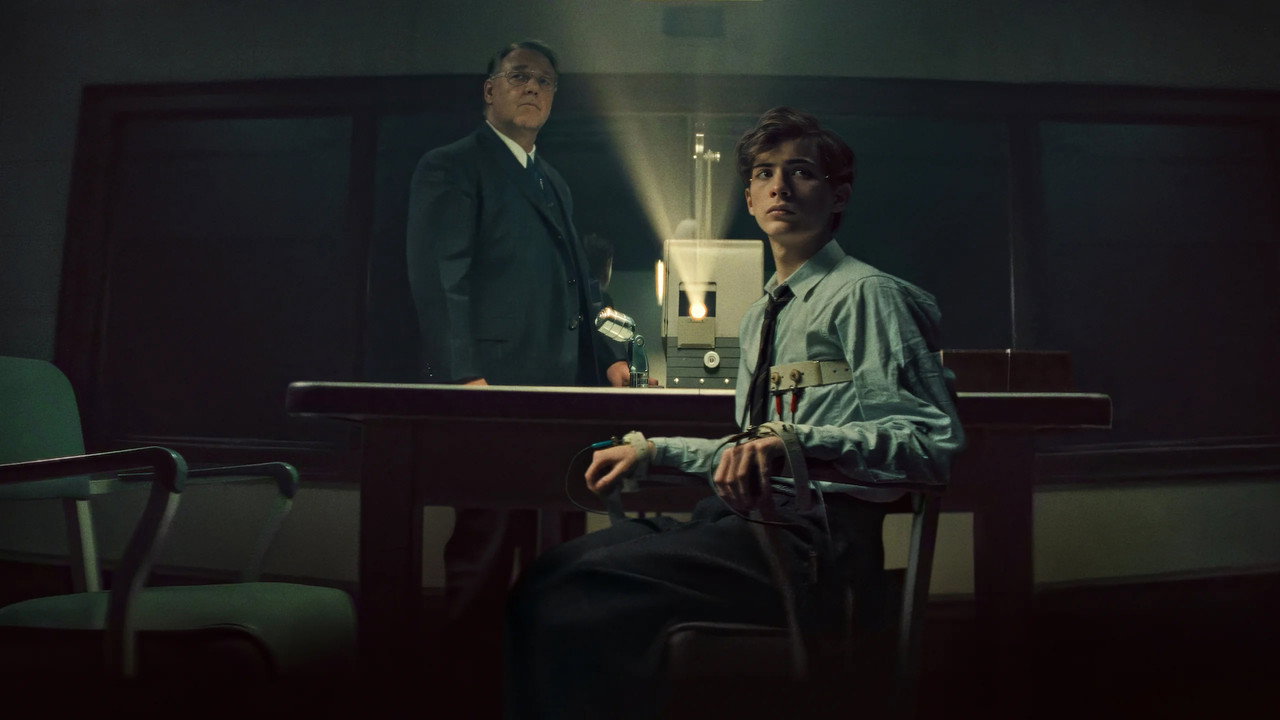
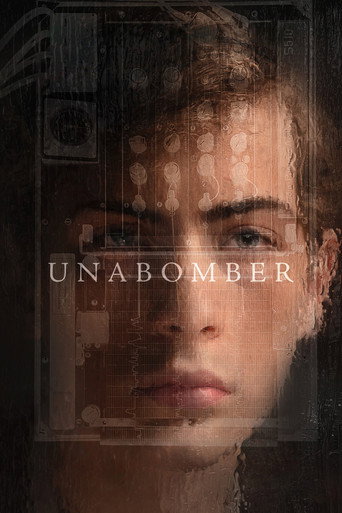
UNABOMBER: full review

The first screening of UNABOMBER at the Sundance Festival felt like a PowerPoint presentation for FBI executives. Janus Metz, a name that until now had only appeared in art-house film catalogs, arrives with the pretension of rewriting the history of American terror. The press release spoke of "an unprecedented look at the origins of terror," but the audience perceived rather the same old formula: an investigator who discovers the villain and, in the process, becomes his accomplice. The budget, although not officially revealed, feels mid-tier: MRC and 2.0 Entertainment bet on a luxury cast and a polished production, but without the excess of effects that would justify the marketing's grandiloquence.
The camera of Yves Bélanger, known for his work in psychological dramas, is impeccable, but its shine becomes a mirror layer that reflects the lack of substance in Sam Chalsen's script. Every shot seems designed for Instagram, not for narrative. The official synopsis promises a Harvard student turned Unabomber after "experimenting" with institutional psychology. The film, however, quickly shifts to an FBI investigation that becomes more interesting than the killer himself. The first scene that marked me was a 2-minute long take inside an interrogation room, where Russell Crowe, as agent Henry Murray, sits in front of an empty table and, without saying a word, lets the silence speak.
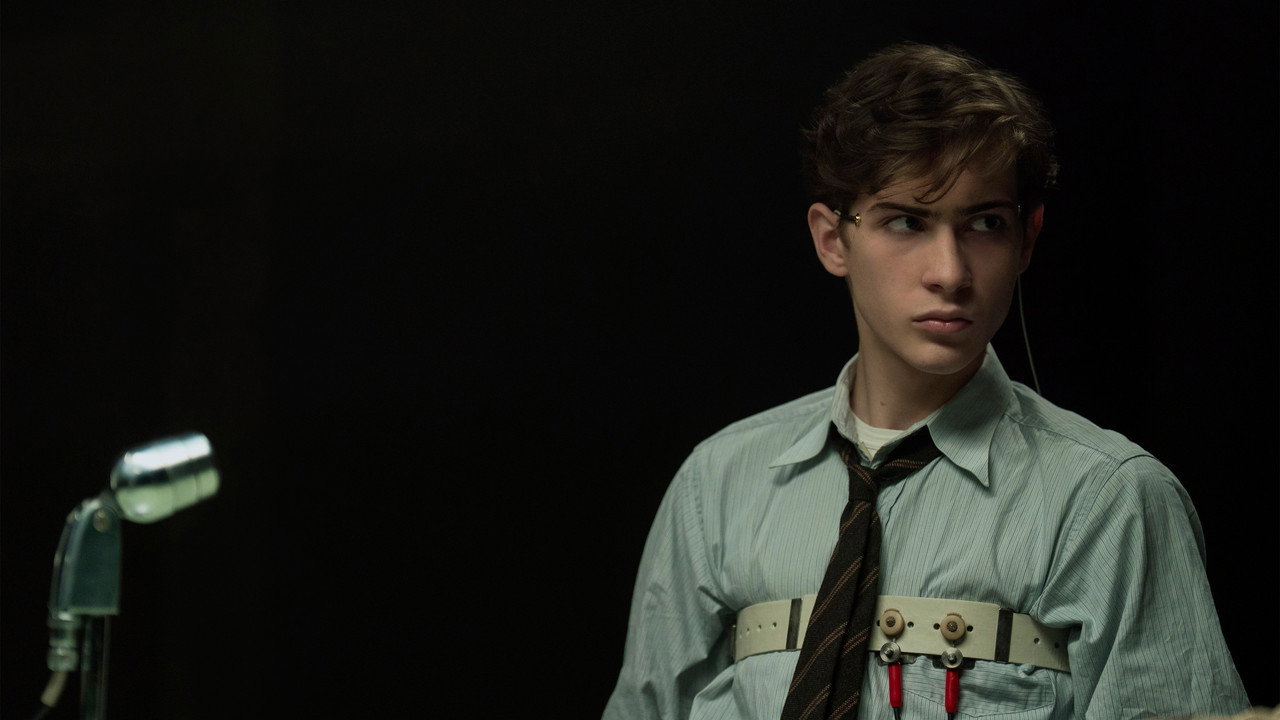
That silence, laden with a dissonant string music by Marco Beltrami, tries to be profound but ends up being a disguised void. In the second half, the film becomes a parade of flashbacks of Ted Kaczynski's life (Jacob Tremblay), presented as pieces of a puzzle that never fit together. The attempt to turn the FBI into the true villain results more in an excuse to justify institutional violence than in a real reflection. The audience, trapped between the expectation of a thriller and the delivery of a forced allegory, ends up with the feeling of having attended an academic conference on collective guilt.
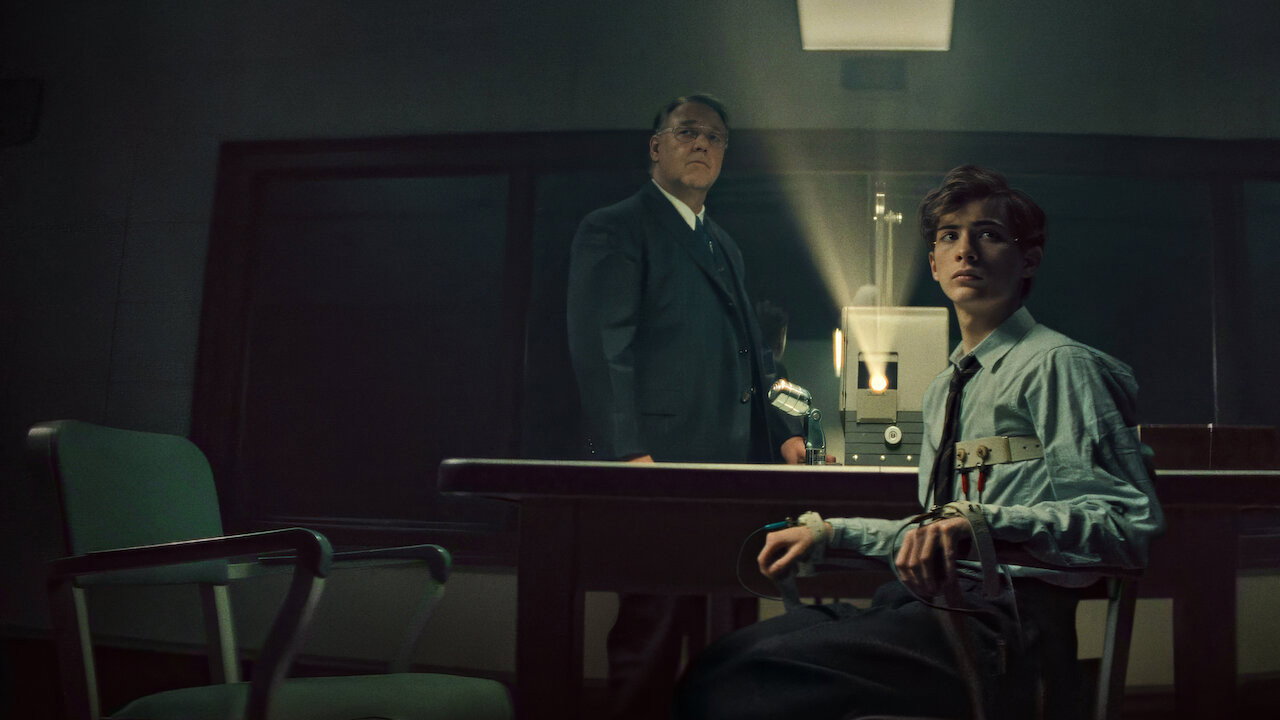
Despite everything, the performance of Shailene Woodley as agent Joanne Miller offers a spark of humanity. Her tired gaze and precise gestures make the film recover the tension that the direction had lost, for brief moments. But those flashes are insufficient to save a work that insists on diluting the killer's agency in a sea of institutional discourses.
Direction and Staging
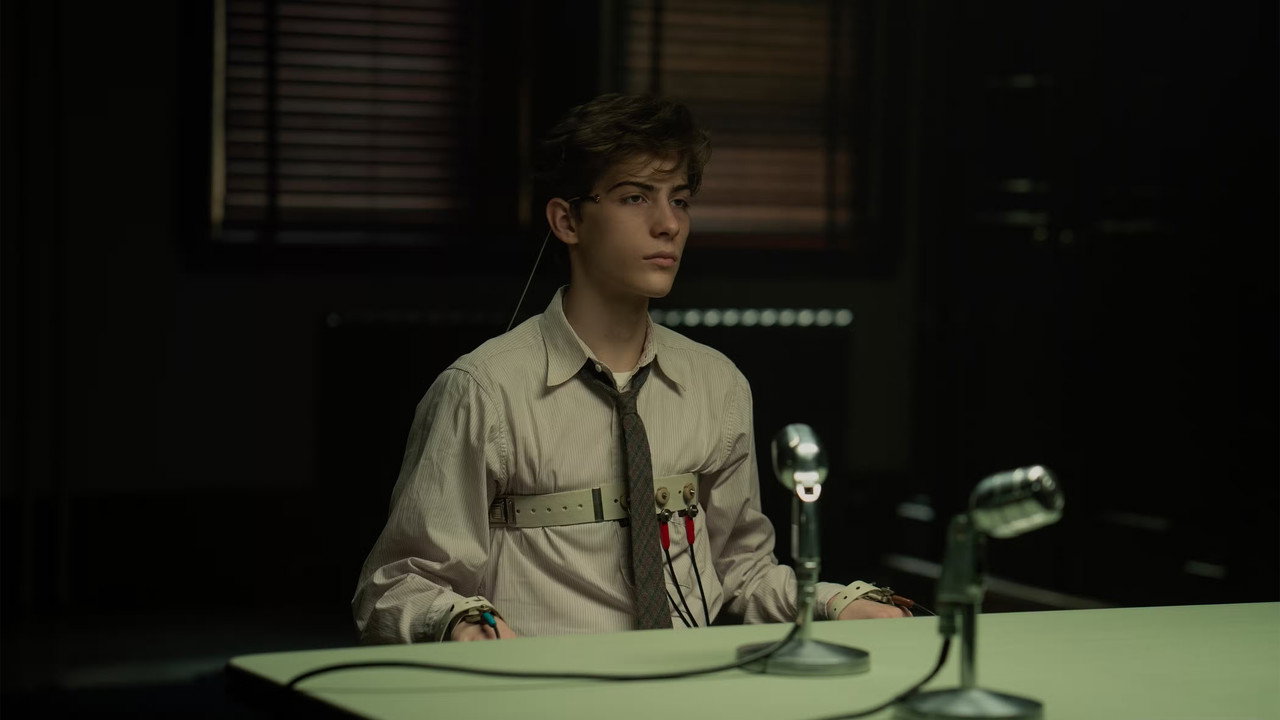
Metz opts for a cold and clinical aesthetic, with desaturated colors that remind one of FBI archives. The choice of static framing in the interrogations reinforces the idea of a power that observes without blinking. However, the director overdoes it with long takes that contribute nothing more than the opportunity for the operator to shine in the awards program. An example is the tour through the Harvard laboratory, where the camera slides between experiment tables as if looking for an Easter egg that never arrives. Beltrami's music, although well orchestrated, becomes a repetitive resource. Every time the plot tries to delve into the character's psychology, the score rises in a violin escalation that sounds like the alert signal of a cheap true crime documentary. Instead of creating tension, the sound becomes a backdrop that covers the lack of thematic development.
Performances, Script and Production Design
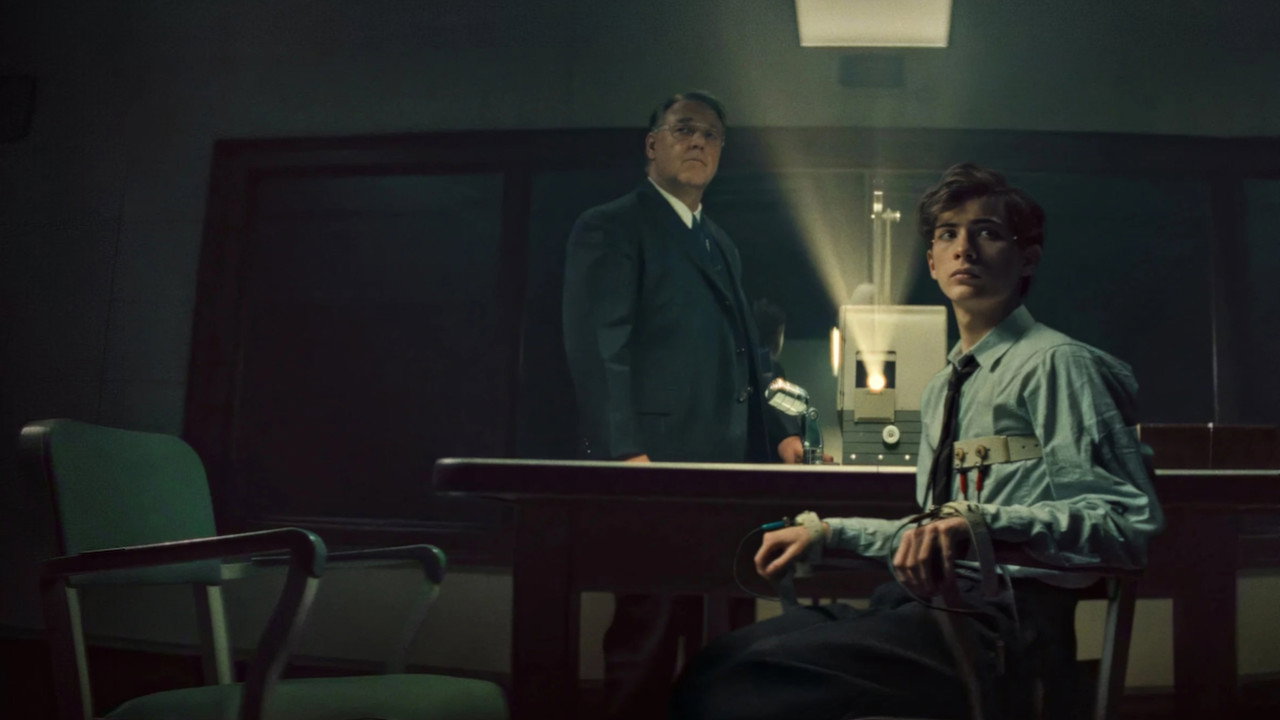
Russell Crowe, as always, delivers a dominant presence. His interpretation of Henry Murray combines hardness and a pinch of melancholy that, in other films, would have been enough to sustain the narrative. Here, however, his acting weight feels like an anchor that drags the rest of the cast. Shailene Woodley, for her part, manages to inject vulnerability into a story that urgently needs it; her scene in which she reviews the case files while the camera remains static is one of the few moments that breathe. Jacob Tremblay, playing Kaczynski, offers a disturbing gaze, but the script denies him the opportunity to explore his complexity.
Instead of an interior psychology, we receive dialogues that reduce the character to a series of clichés about isolation and technology. The rest of the cast, including Annabelle Wallis and Alexander Ludwig, remains in the shadow, without material to shine. The production design attempts to recreate the 70s and 80s with precision, but the effort is perceived as a mere period set. The FBI hallways, Harvard laboratories, and house interiors are faithful, but they do not add meaning to the plot; they are simple backdrops for the script's exposition.
The best
- Russell Crowe's performance: his presence imposes authority and maintains tension in the interrogations.
- Yves Bélanger's cinematography: the desaturated palette and cold framing reinforce the institutional atmosphere.
- Marco Beltrami's music: although repetitive, it manages to create a constant sense of unease.
- The long take scene in the laboratory: shows the director's visual ambition, although unnecessary.
- Shailene Woodley's interpretation: brings the only spark of humanity the film needs.
The worst
- Sam Chalsen's script: it gets tangled in pretentious discourses and sacrifices the protagonist's agency.
- Excess of long takes: they serve the operator's ego more than the narrative.
- Repetitive use of string music: it becomes a patch for the lack of depth.
- Development of secondary characters: they remain in mere filler functions.
- Forced institutional allegory: the film prefers theory to emotional storytelling.
The Verdict of Claqueta Ácida
UNABOMBER manages to be visually competent and features performances that, at their best, brush against greatness. However, the pretension of turning the FBI into the true villain drowns any attempt at psychological drama, leaving the viewer with the feeling of having attended a sociology class without coffee. It is a film that deserves a second look… but only to count how many times the same discourse is repeated. 💀
🎬 Tráiler Oficial
Abrir en YouTube
UNABOMBER: frequently asked questions
- What is the rating of "UNABOMBER" on Claqueta Ácida?
- "UNABOMBER" scored 6.8/10 on Claqueta Ácida in the review by Dr. Cinismo.
- Is "UNABOMBER" worth watching?
- With reservations. We gave it 6.8/10 (Citric Acid), our rating for uneven films with something worth saving.
- Who directed "UNABOMBER"?
- "UNABOMBER" was directed by Janus Metz.
Theater Collateral Damage Report
Psychophysical impact certificate issued by Dr. Cinismo
Este filme mantiene el nivel de atención de una clase de psicología sin café.
Alguna consulta furtiva al móvil en el segundo acto. Nada que no se perdone.
Una taza de espresso doble para sobrevivir al monótono discurso del FBI.
"El guion se pierde en la segunda mitad cuando la investigación del FBI se vuelve una exposición de teorías conspirativas."

The rebuttal from Odin Lagbert (Senior Cynicism Academic)
In stark disagreement with the review given by Dr. Cinismo.
“{ "veredicto": "El Dr. Cinismo parece haber confundido el pastiche con la originalidad. Janus Metz no reescribe la historia del terror, sino que la desmonta con una mise-en-scène que es tanto un tributo como una parodia de los clichés del género. La pretensión de 'mirada inédita' es un onanismo autoral que se autoengaña. El presupuesto no es de medio término, sino que es una mignardise que permite a Metz jugar con la vacuidad de los dramas institucionales. La cámara de Bélanger no refleja falta de sustancia, sino que es un espejo que muestra la superficialidad del guion. La investigación del
💬 Community Verdict
What did you think of the film? Rate it from 0 to 10 to compare it with the editorial review.
You haven't voted yet
📢 ¿Te ha gustado el ácido?
Comparte esta crítica con tus amigos cinéfilos o desata la polémica en redes.
⚡ THE CINEMATIC VENOM YOUR INBOX CRAVES
No sugarcoated ratings, no corporate fluff. Subscribe for our uncensored weekly analysis or join the private Telegram for press previews, poll clashes, and instant alerts.
Alertas de estrenos en 1 segundo, encuestas en caliente y audios al salir de pases de prensa.
Recibe la dosis semanal en tu mail + regalo inmediato del PDF con 50 joyas ocultas de culto.
Related Reviews
Recommended autopsies for demanding film buffs.
 ⚠️ Ácido Sulfúrico 3.2
 On the Run: A Senseless Sprint
⚡ Comparten trinchera editorial en la sección de Estrenos.
A marathon of clichés and marketing sweat that leaves the audience feeling like they've run in circles. 💀
 🔥 Fusión Nuclear 8.0
 Bitter Christmas: Almodóvar Comes Home (And Saves Us from Corporate Holiday Hell)
⚡ Comparten trinchera editorial en la sección de Estrenos.
Almodóvar turns holiday grief into an intimate, visually stunning, and emotionally raw drama. Bárbara Lennie shines, but the script stumbles in the third act. 8/10.
 ⚡ Ácido Cítrico 6.8
 Azrael: Samara Weaving and the Hell of Silence
⚡ Comparten trinchera editorial en la sección de Estrenos.
E.L. Katz and Simon Barrett deliver a brutal, relentless mute survival horror film where Samara Weaving once again proves why she is the modern scream queen.
Editorial Ecosystem
Cinephile connections, archive interviews and related analyses.
💬 Debate Cinéfilo & Autopsia de Lectores
0 veredictos¿Discrepas con nuestra nota? ¿Es una obra maestra o veneno puro? Deja tu veredicto abajo sin necesidad de registro.


Aún nadie ha dejado su veredicto para esta película.
Sé el primero en clavarle el colmillo rellenando el formulario de arriba.