The Appeared — Ghosts of the Dictatorship on an Aimless Road
Paco Cabezas merges Argentine historical memory with supernatural horror in a Patagonian road movie that drowns in its own generic jump-scares. 💀
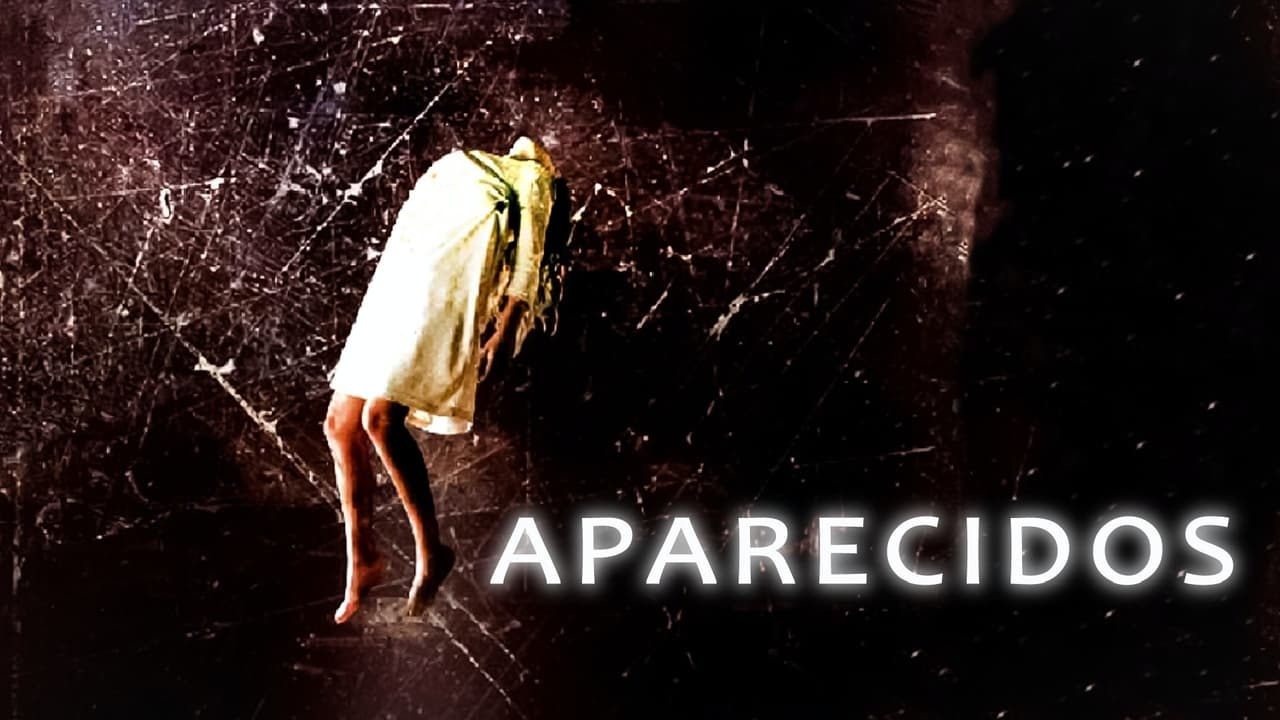
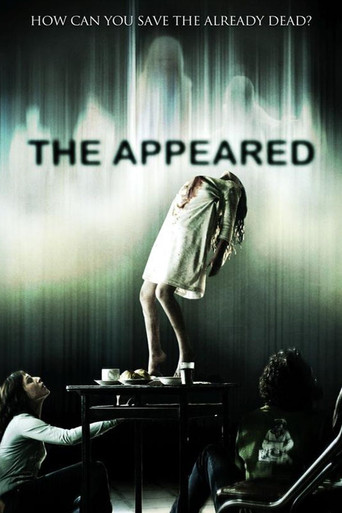
The Appeared: full review


The collision between genre cinema and real-world historical trauma is one of the most perilous tightropes in modern narrative fiction. When handled with surgical restraint—as in Guillermo del Toro's El espinazo del diablo or Christian Petzold's Phoenix—the supernatural functions as a poetic condenser of historical guilt, giving flesh and fangs to crimes that rational language cannot process. When handled carelessly, however, the dead risk being exhumed merely to serve as cheap carnival jump-scares. Aparecidos (The Appeared, 2008), the debut feature directed and written by Paco Cabezas, teeters precariously over that exact ethical chasm.
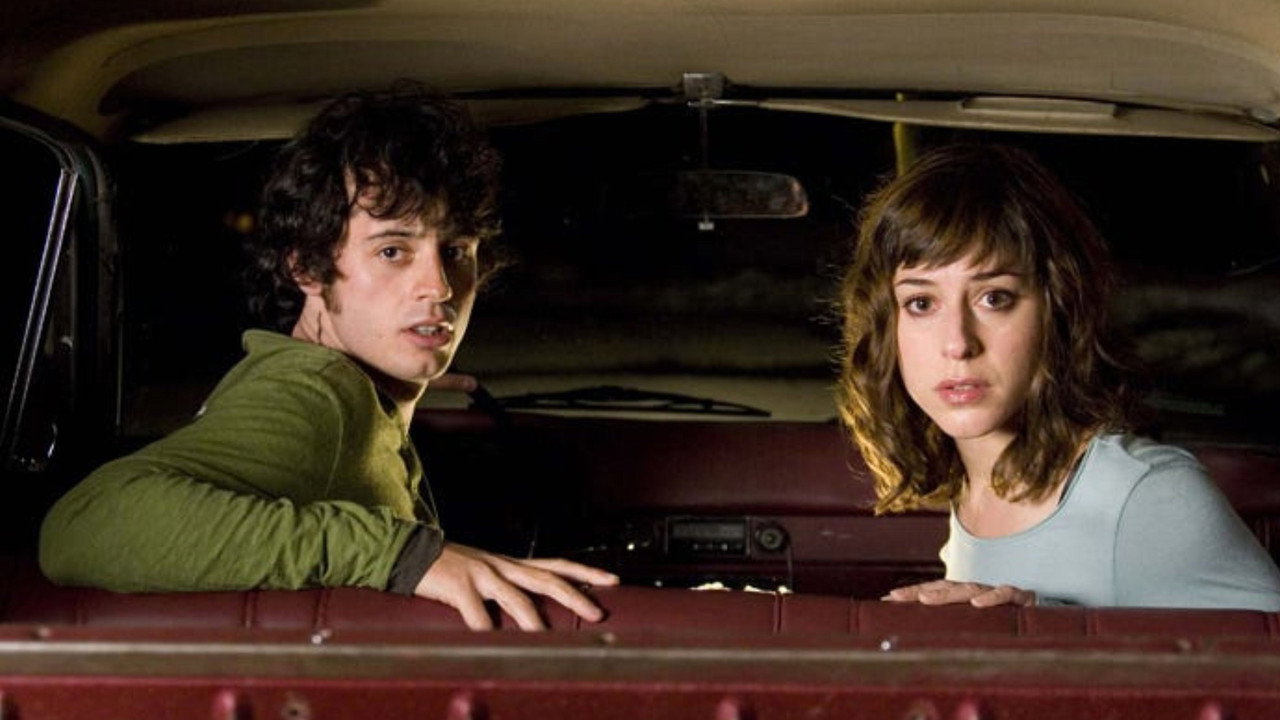
Produced as an ambitious tri-nation co-production between Spain, Argentina, and Sweden following the buzz surrounding Cabezas's hit short Carne de neón, the film sends two estranged Spanish siblings, Malena (Ruth Díaz) and Pablo (Javier Pereira), across the windswept expanse of Argentine Patagonia. Their ostensible mission is administrative: to disconnect their comatose father from life support in a Buenos Aires clinic and settle inheritance paperwork regarding a rural estate.
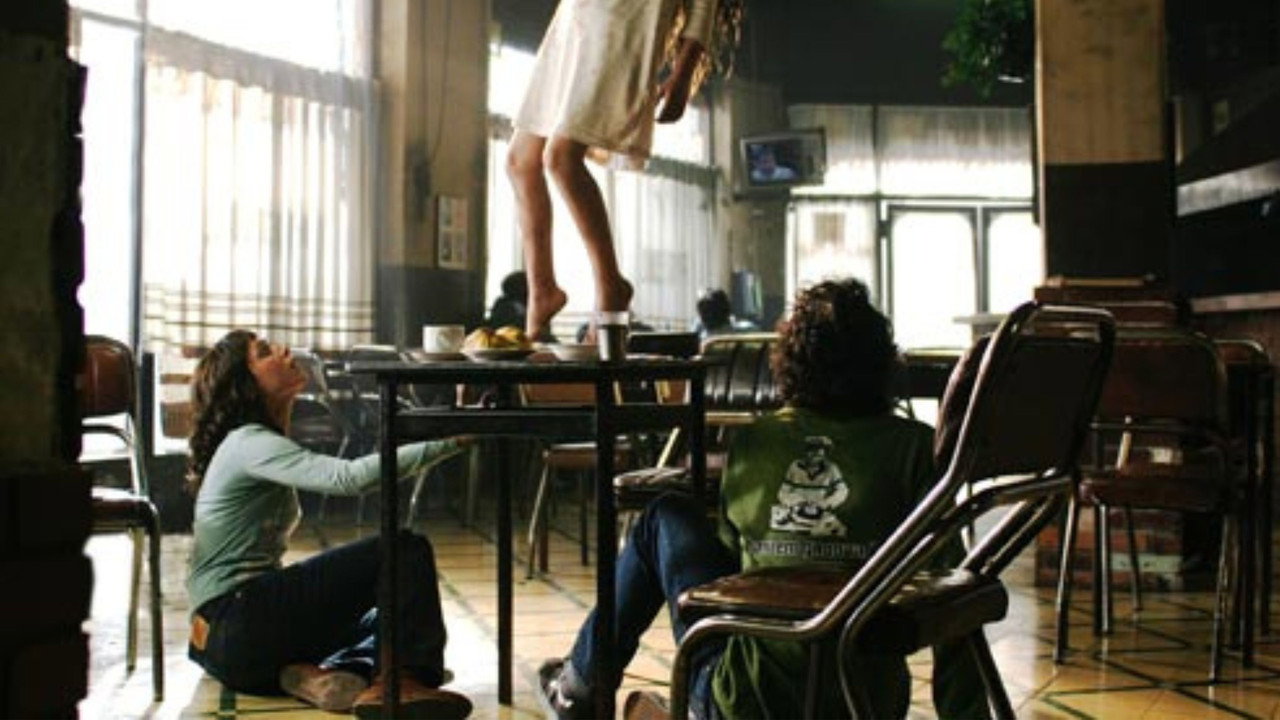
Inside their father's battered station wagon, however, they discover a hidden compartment containing an old leather-bound diary and a tape recorder detailing the systematic torture, medical experiments, and extermination of a family twenty years earlier during the Videla military dictatorship. As they drive deeper into the desolate southern interior, the horrors described in the diary begin manifesting in real-time before their eyes at deserted roadside motels, forcing them into a desperate, supernatural race to rewrite past atrocities.
Direction and Atmosphere: Patagonian Bleakness vs. J-Horror Tropes
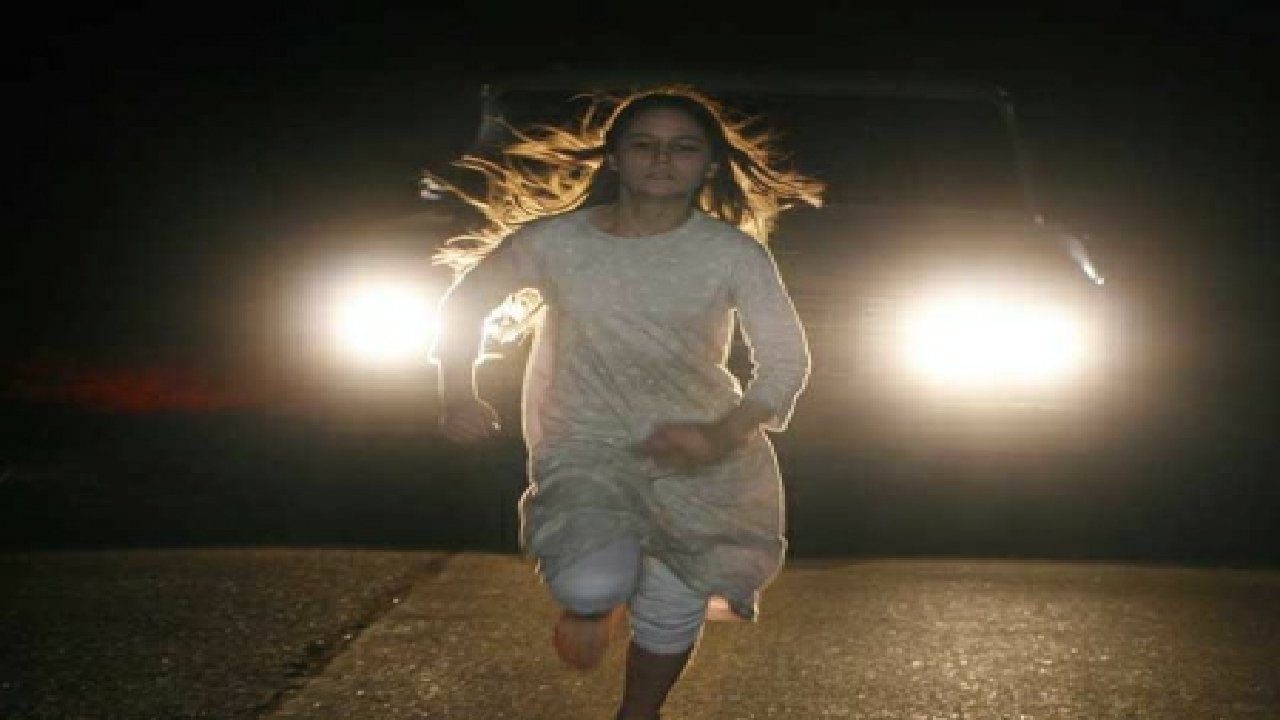
Cabezas demonstrates undeniable ambition in choosing the desolate geography of southern Argentina over the safe, claustrophobic interiors of Spanish studio horror. Collaborating with cinematographer Andreu Rebés (Habana Blues, Biutiful), the director turns the asphalt ribbon of Route 3 into a hypnotic, purgatorial labyrinth. The muted, sun-bleached palette of ochres, dusty grays, and storm-bruised horizons gives the early stretches of the film an unsettling existential weight.
The trouble begins when Cabezas loses confidence in the psychological power of the setting and begins stuffing the frame with the frantic, clichéd tropes of mid-2000s Asian and American horror cinema. Spectral figures with twitching, disjointed body movements, flickering fluorescent tubes, sudden sound-stingers, and distorted radio frequencies are trotted out with exhausting predictability.
Rather than letting the monstrous historical reality of the Argentine desaparecidos speak for itself, the direction reduces state terror to a standard haunted-house funhouse ride. The horror is no longer rooted in the banality of bureaucratic evil and torture; it is reduced to a ghoul leaping out from behind a moldy shower curtain.

Writing and Performances: Ruth Díaz Anchoring an Unsteady Ship
If Aparecidos retains any emotional grip, it belongs entirely to Ruth Díaz. Long before her awards-season recognition in Tarde para la ira, the Spanish actress proved herself an exceptional conduit for raw, unvarnished terror. Díaz plays Malena not as a screaming scream-queen, but as an exhausted, wounded woman whose psychological armor crumbles under the horrifying realization that her own lineage may be inextricably tied to crimes against humanity.
Javier Pereira, playing her younger, skeptical brother Pablo, faces a far more difficult task with a character whose sole narrative function for the first hour is to deny everything happening before his eyes. His perpetual disbelief ("This is impossible, Malena, let's turn back") quickly grates on the viewer's nerves, functioning as a crude brake on narrative momentum.
Cabezas's screenplay excels during the atmospheric buildup, but struggles mightily to manage its own supernatural logic. The temporal mechanics—how the past bleeds into the present, whether the siblings are witnesses, saviors, or damned participants—become hopelessly tangled in the third act. The dialogue often abandons naturalistic friction to deliver heavy-handed, expository monologues about memory, forgetting, and generational complicity that feel recited rather than felt.
Sound Design and Craft: The Cold Wind of Southern Memory
The acoustic landscape, crafted by composer Óscar Araujo, relies heavily on scraping string quartets, industrial metallic groans, and the omnipresent howling of Patagonian wind. While Araujo crafts genuine suspense when utilizing silence and ambient field recordings, the theatrical mix frequently succumbs to ear-splitting musical stingers designed to force a visceral jump rather than cultivating deep dread.
Production design deserves credit for the authenticity of its decaying, forgotten roadside locations. The dilapidated mid-century service stations, the flickering neon signs of ghost motels, and the peeling wallpaper of interrogation rooms feel grounded in real socioeconomic decay, providing a tactile texture that momentarily elevates the film above standard direct-to-video fare.
The best
- Ruth Díaz's raw intensity: Delivers a ferocious, emotionally devastating performance that remains the undeniable soul of the picture.
- Andreu Rebés's widescreen landscapes: Captures the majestic desolation of the Patagonian highway with painterly, melancholy light.
- Bold thematic ambition: Daring to address the dark legacy of the Argentine dictatorship through the lens of a supernatural genre thriller.
The worst
- Derivative scare tactics: Excessive reliance on mid-2000s J-horror spectral twitches and deafening jump-scare stingers.
- Muddled supernatural mechanics: The internal temporal rules governing the visions collapse into confusion during the climax.
- Heavy-handed dialogue: Expository speeches about historical memory that undercut the subtle visual dread.
- Unbalanced sibling dynamic: Javier Pereira trapped in a repetitive cycle of skepticism that frustrates pacing.
The Verdict of Claqueta Ácida
Aparecidos is an undeniably bold, uneven calling card that announced Paco Cabezas as a director with visual appetite, even while exposing his early weaknesses as a dramatist. By dragging Spanish genre cinema out of dusty gothic attics and planting it firmly on the endless highways of Argentine collective trauma, the film stakes out fascinating narrative territory. Yet its inability to resist the formulaic, noisy jump-scares of commercial horror ultimately trivializes the profound historical wounds it seeks to examine. Ruth Díaz's searing performance and Andreu Rebés's desolate photography ensure the journey is never dull, but the destination leaves an uncomfortable aftertaste: a ghost story that shouts loudly about memory, while settling for the easiest frights on the shelf. 💀
The Appeared: frequently asked questions
- What is the rating of "The Appeared" on Claqueta Ácida?
- "The Appeared" scored 4.5/10 on Claqueta Ácida in the review by Dr. Cinismo.
- Is "The Appeared" worth watching?
- No. We gave it 4.5/10 (Sulfuric Acid), our rating for films we don't recommend.
- Who directed "The Appeared"?
- "The Appeared" was directed by Paco Cabezas.
Theater Collateral Damage Report
Psychophysical impact certificate issued by Dr. Cinismo
2 bostezos pesados durante las paradas intermedias en moteles de carretera donde la investigación se estanca en círculos.
Consultas al móvil tan frecuentes que acabaron formando parte del visionado.
Un termo de mate amargo bien cebado para no desorientarse en medio de tanta niebla patagónica.
"El momento en que los horrores documentales de las desapariciones forzadas se trivializan mediante un 'jumpscare' de pasillo con espectro digital."

The rebuttal from Odin Lagbert (Senior Cynicism Academic)
In stark disagreement with the review given by Dr. Cinismo.
“Dr. Cinismo castiga con excesiva saña una ópera prima valiente: Paco Cabezas asumió el riesgo de filmar las heridas de la Patagonia cuando el cine español solo se atrevía con pasillos góticos de saldo.
💬 Community Verdict
What did you think of the film? Rate it from 0 to 10 to compare it with the editorial review.
You haven't voted yet
📢 ¿Te ha gustado el ácido?
Comparte esta crítica con tus amigos cinéfilos o desata la polémica en redes.
⚡ THE CINEMATIC VENOM YOUR INBOX CRAVES
No sugarcoated ratings, no corporate fluff. Subscribe for our uncensored weekly analysis or join the private Telegram for press previews, poll clashes, and instant alerts.
Alertas de estrenos en 1 segundo, encuestas en caliente y audios al salir de pases de prensa.
Recibe la dosis semanal en tu mail + regalo inmediato del PDF con 50 joyas ocultas de culto.
Related Reviews
Recommended autopsies for demanding film buffs.
 ⚠️ Ácido Sulfúrico 3.0
 Babybacks: The Low-Budget Knockout Nobody Asked For (And We All Deserved)
⚡ Hermana de saga: otro capítulo diseccionado con rigor forense.
Geno Marx serves up a platter of rotten ribs in 'Babybacks,' a gore-laden disaster with more fat than script. Art? Not even in your wildest nightmares. Fun? Only if you enjoy pain.
 ⚠️ Ácido Sulfúrico 4.0
 Bad Haircut: The Haircut Nobody Asked For and the Cinema Nobody Deserves
⚡ Hermana de saga: otro capítulo diseccionado con rigor forense.
Kyle Misak gifts us a 'hood thriller' with more dandruff than suspense and more clichés than hair in a brush. Dr. Cynicism dissects this disaster with a barber’s scalpel.
 ⚠️ Ácido Sulfúrico 4.0
 REC: The Scream that Fails to Impress
⚡ Hermana de saga: otro capítulo diseccionado con rigor forense.
A ruthless autopsy of the overvalued work of Paco Plaza and Jaume Balagueró. Is it a revolution in terror or just another passage in the cinematic horror genre that confuses screams with art? We dismantle the myth of the most famous quarantine in Spanish cinema.
Editorial Ecosystem
Cinephile connections, archive interviews and related analyses.
💬 Debate Cinéfilo & Autopsia de Lectores
0 veredictos¿Discrepas con nuestra nota? ¿Es una obra maestra o veneno puro? Deja tu veredicto abajo sin necesidad de registro.


Aún nadie ha dejado su veredicto para esta película.
Sé el primero en clavarle el colmillo rellenando el formulario de arriba.