A Ghost Story — A Journey Through Time and Memory
The Claqueta Ácida review of A Ghost Story, a film that explores existence and human connection.

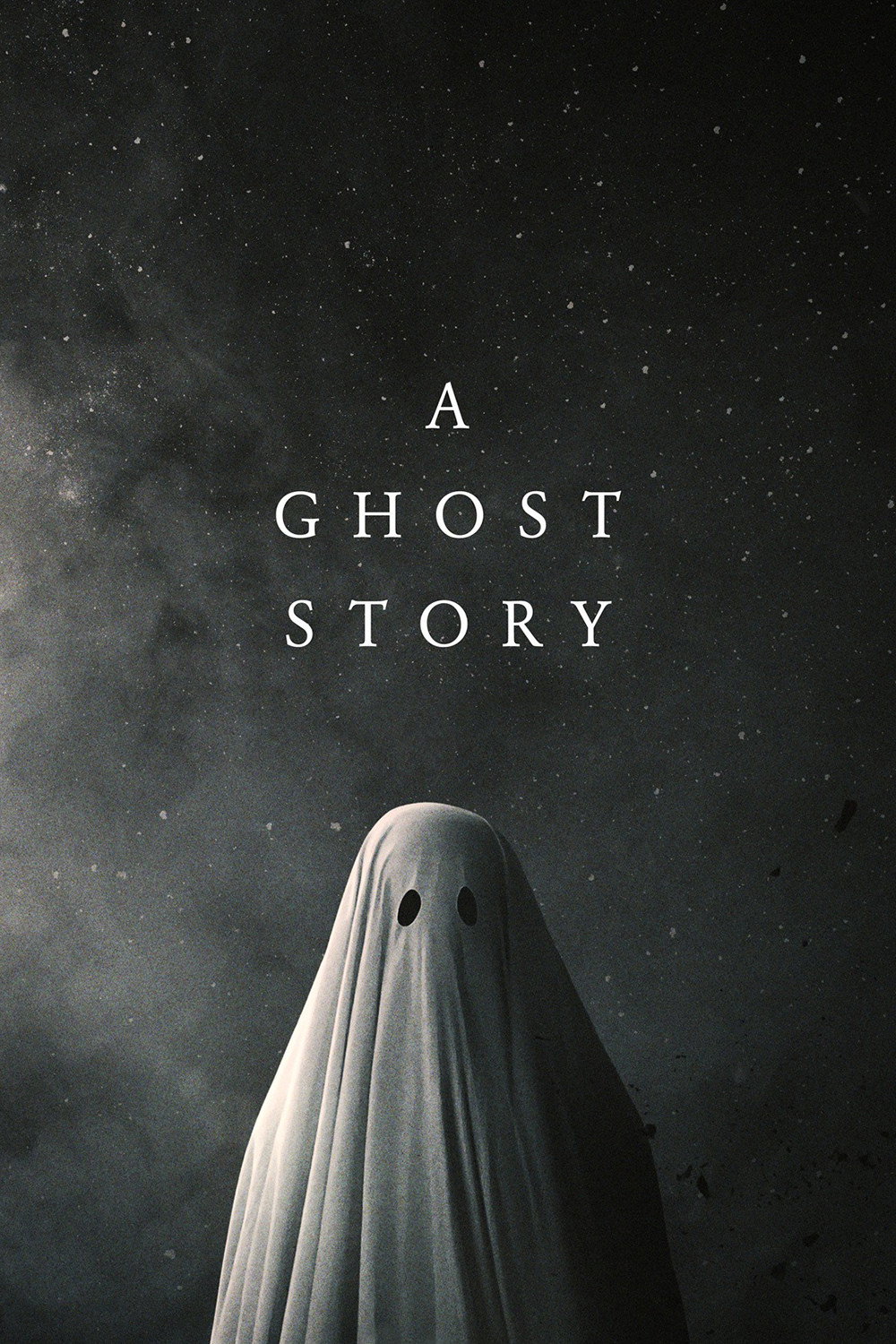


I left the cinema with the feeling that David Lowery had put me in an emotional jar of formaldehyde and then shaken it with ferocity. A Ghost Story is not a film, it's a psychological resistance experiment disguised as a visual poem. And the worst — or the best, depending on how you look at it — is that it works. It works like a Swiss watch designed by a watchmaker who has just lost his dog and decides that time, after all, is a cruel illusion invented by capitalism to sell watches. Lowery doesn't film a ghost story; he films the specific weight of the void we leave behind when we go. And boy, does that void weigh heavily when Rooney Mara eats an entire cake in a five-minute long tracking shot that hurts more than any torture scene in Hostel.
The guy had already shown us that he knew how to play with the supernatural in Ain’t Them Bodies Saints (2013), but here he takes his obsession with the ethereal to an almost unbearable level. It's no coincidence that the film was shot in just 19 days with a budget of less than $100,000, as Lowery himself told Filmmaker Magazine. The low cost isn't an excuse, it's a declaration of intent: when your film is about absence, money is also in surplus. What's not in surplus is the talent to turn a Halloween sheet-wrapped ghost into a universal symbol of loneliness. Casey Affleck under that white sheet isn't a dead man, he's a mirror. A mirror that reflects all of us who have returned to an empty house after a funeral and felt that the air smelled different, as if the space itself had shrunk to remind us that we no longer fit in it.
The film's defining shot — and one that should be studied in every film school — is the one where the ghost of Affleck observes his widow (Rooney Mara) from the threshold of the kitchen. The camera is fixed, the framing is symmetrical to the point of obsession, and time seems to stand still. There are no dialogue, no music, just the ambient sound of a refrigerator humming like a chorus of restless souls. Lowery turns the mundane into the cosmic without moving a single pixel. It's the kind of shot that makes you hate all those directors who think cinema is made with crane movements and 4K explosions. Here, with a budget that wouldn't even cover the catering for an episode of Élite, Lowery shows that the real terror isn't in jump scares, but in the quiet. In that moment when you realize that, no matter what happens, the world will keep spinning without you. And it will do so with the same indifference with which Rooney Mara eats that cake as if it were the only thing left in her life.
Direction and Cinematography: The Art of Doing Nothing (and Making it Look Revolutionary)
David Lowery directs this film as if he were solving a Rubik's Cube with his eyes closed. Every move seems casual, but it's calculated to the millimeter. The use of the 1.33:1 format — that almost perfect square that evokes silent cinema — isn't an aesthetic choice, it's a cage. Lowery encloses us in a claustrophobic space to remind us that, in the end, we're all trapped in our own memories. The house where most of the film takes place isn't a set, it's a character. A character that breathes, expands, and contracts like a sick lung. When the ghost of Affleck is left alone in it, the camera becomes his jailer: fixed shots that last an eternity, as if Lowery wanted to punish us for daring to look.
But the most brilliant thing about his direction is how he handles time. There's a sequence where the ghost observes how his house is demolished and rebuilt several times in a matter of seconds. There are no fancy special effects, just a montage that plays with perception. Lowery doesn't show us the passage of time; he makes us feel it like a punch to the gut. It's the kind of scene that leaves you breathless not because of what you see, but because of what you intuit: that time is a beast that devours us alive, and all that's left of us are the echoes of what we were. And those echoes, in the case of A Ghost Story, are as fragile as a note written on a piece of paper that someone finds decades later and doesn't know who it belongs to.
The sound is another of Lowery's great successes. There's no traditional score, just a sonic atmosphere that oscillates between minimalism and oppression. Composer Daniel Hart creates a soundtrack that sounds like it's being played by ghosts with out-of-tune instruments. There are moments when the music seems to come from the walls themselves, as if the house were alive and breathing through musical notes. The silence, when it comes, hurts more than any scream. It's the silence of empty spaces, of rooms where no one is left to listen.
Acting: When Silence Says More Than a Thousand Words (and Rooney Mara Eats a Cake Like it's Her Last Act of Rebellion)
Casey Affleck under that white sheet is one of the most daring and brilliant performances I've seen in years. He doesn't have dialogue, he doesn't have facial expressions, he doesn't have anything more than his body language to convey an infinite range of emotions. Affleck doesn't play a ghost; he plays the concept of absence itself. His presence is so ethereal that, at times, it seems like he's about to fade away from the screen. And yet, there's something profoundly human in the way he moves. When he stands still in a corner, watching Rooney Mara sleep, he's not a terrifying specter, he's a broken man who doesn't know how to say goodbye. It's the kind of performance that makes you rethink what acting even means.
But if Affleck is the film's ghostly soul, Rooney Mara is its beating heart. Her performance is a masterclass in emotional restraint. There's a scene where, after her husband's death, she sits in the kitchen floor and eats an entire cake in a five-minute long tracking shot. There's no music, no cuts, no nothing that distracts from the sound of her labored breathing and the spoon scraping the plate. It's uncomfortable, it's painful, it's real. Mara doesn't cry, she doesn't scream, she doesn't do anything you'd expect from an actress in a grief scene. Instead, she eats. She eats like the cake is the only thing keeping her anchored to this world. And in that moment, you understand that grief isn't just about crying or screaming; sometimes it's about sitting in the kitchen floor at 3 am and eating a whole cake because you don't know what else to do with your pain.
The rest of the cast is almost anecdotal, but there's a moment that deserves mention: when a new tenant (played by Will Oldham) organizes a party in the house and delivers a monologue about the futility of human existence. Oldham doesn't act; he preaches. His speech is so pretentious that it borders on the ridiculous, but Lowery films it with such seriousness that you find yourself wondering if he might be right. It's the kind of scene that could ruin a film in the hands of a less skilled director, but here it works because it fits with Lowery's obsession with exploring the insignificance of human existence in the universe. After all, what are we but ghosts who haven't learned to wear sheets yet?
Technical Aspects: When Minimalism Becomes Maximalism
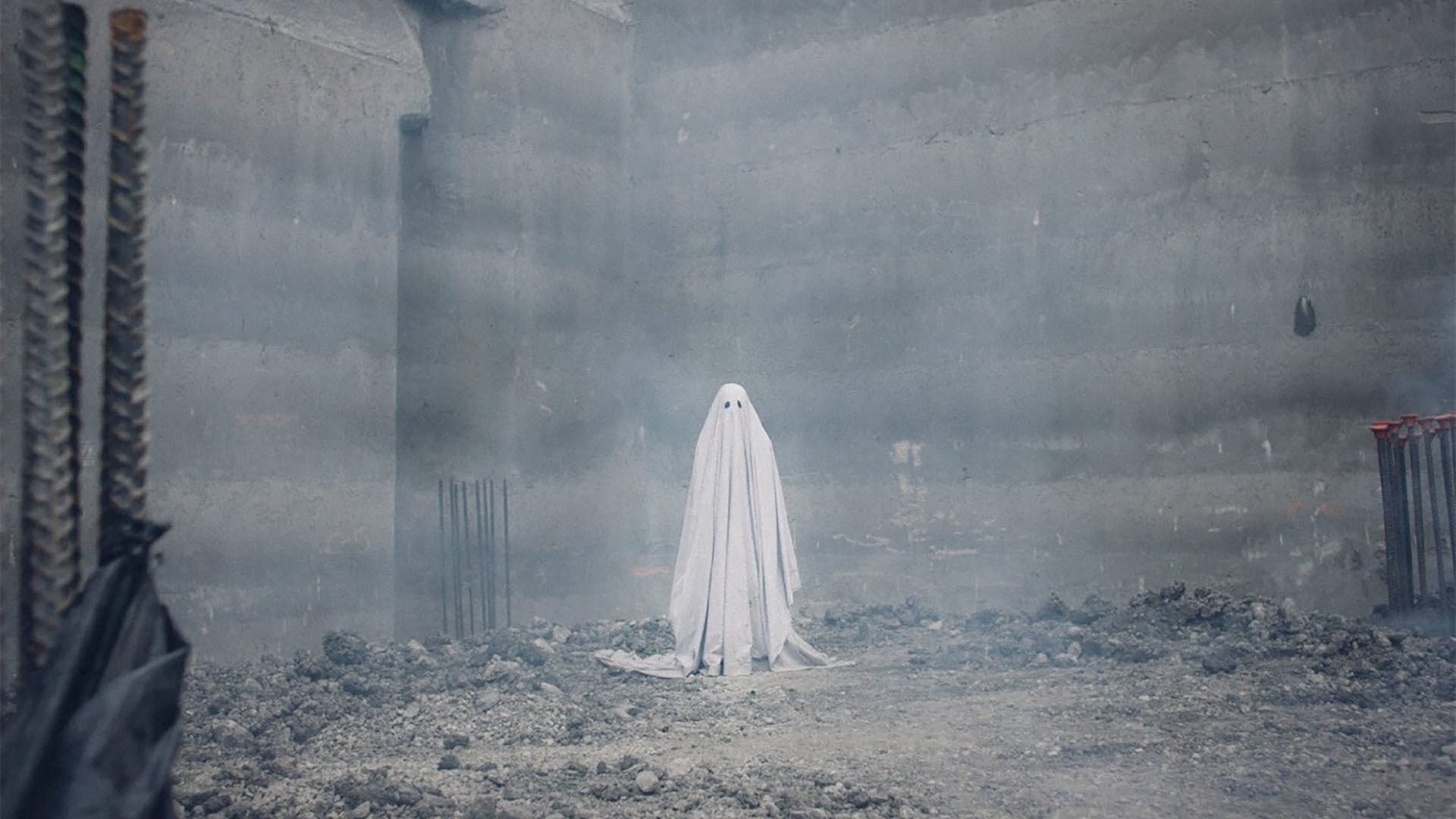
Andrew Droz Palermo's cinematography is so austere it borders on asceticism. There are no unnecessary camera movements, no flashy lighting effects, nothing that distracts from the essential. Palermo lights the film like he's filming a fever dream: with a soft light that seems to come from the walls themselves. There's a shot where the ghost of Affleck stands in the garden, and the sunset light envelops him in such a way that he seems made of mist. It's the kind of image that makes you understand why cinema, in its essence, is light projected onto a screen. Palermo doesn't need special effects to create magic; he just needs a well-composed frame and a color palette that oscillates between muted grays and cold blues. This film isn't seen; it's felt in your skin.
The production design, handled by Jade Healy, is another of the film's great successes. The house where most of the action takes place is a character, with its cracks in the walls, its old furniture, and its atmosphere of abandonment. Healy doesn't design sets; she designs spaces that breathe. When the house is demolished and rebuilt in a matter of seconds, it's not a special effect; it's a visual metaphor for how time devours everything. Even the most mundane objects — a note stuck on the fridge, a forgotten toy in a corner — take on a sacred dimension. They're relics of a life that no longer exists, but still resonates in the echoes of the walls.
The editing, handled by Lowery (who also signs as editor under the pseudonym 'Julian Smollett'), is another of the film's strong points. There are sequences that seem to be shot in a single take, but are actually the result of a meticulous montage. Lowery plays with time like a child plays with playdough: he stretches it, compresses it, molds it to his will. There's a moment where the ghost of Affleck watches his wife move out of the house, and the montage jumps from one day to the next without warning. There are no smooth transitions, no fades to black; just time passing like a train you can't stop. It's the kind of editing that leaves you exhausted, but also makes you feel like you've lived something real.
The Best
- Casey Affleck's Performance: A ghost who doesn't need to scream to terrify you. Affleck turns absence into presence, and does it with an economy of means that makes most Hollywood actors look like amateurs. He's not a dead man who scares; he's a dead man who hurts. And hurts because, in the end, we're all ghosts who haven't learned to wear sheets yet.
- Andrew Droz Palermo's Cinematography: A lesson in how to light the void. Palermo doesn't photograph a house; he photographs the echoes of the lives that lived in it. Every shot is a painting, but a painting that hurts, like if Edward Hopper had decided to film a psychological horror movie.
- Rooney Mara's Cake-Eating Scene: Five minutes of pure discomfort. Mara doesn't act; she survives. And does it with a naturalness that makes you forget you're watching a movie. It's the kind of scene that leaves you breathless not because of what happens, but because of what doesn't happen: there's no music, no cuts, no nothing that distracts from the sound of a spoon scraping a plate.
- The Use of the 1.33:1 Format: Lowery doesn't choose this format for nostalgia; he chooses it for claustrophobia. He encloses us in a perfect square to remind us that, in the end, we're all trapped in our own memories. It's the kind of formal choice that seems simple, but changes the way you experience the film entirely.
- Daniel Hart's Score: A soundtrack that sounds like it's being played by ghosts. Hart doesn't compose music; he composes silence with notes. There are moments when the music seems to come from the walls themselves, like the house is alive and breathing through out-of-tune chords.
The Worst
- The Length: 92 minutes that sometimes feel like 92 hours. Lowery doesn't have a hurry to tell you anything, and that can be exhausting. There are sequences that last an eternity, like Lowery wants to punish you for daring to look. It's not a film for the impatient, nor for those who expect a fast-paced rhythm.
- Will Oldham's Monologue: A moment of pure pretentiousness. Oldham doesn't act; he pontificates. His speech about the futility of human existence is so grandiose that it borders on the ridiculous. Lowery films it with seriousness, but there's a moment when you can't help but laugh. Not because it's funny, but because it's so over-the-top that it seems like a parody of itself.
- The Lack of Development of Some Characters: The ghost of Affleck is fascinating, and Rooney Mara is brilliant, but the rest of the cast is almost anecdotal. There are characters who appear and disappear without leaving a mark, like Lowery had forgotten about them. It's not a major problem, but in a film that obsesses over the passage of time, it's ironic that some characters seem so ephemeral.
- The Uneven Rhythm: There are moments when the film flows like a river, and others when it stagnates like a pond. Lowery doesn't hesitate to let the scenes breathe, but sometimes they breathe too much. There are sequences that could have been shortened without losing any of their impact, and others that feel like filler.
The Verdict of Claqueta Ácida
A Ghost Story isn't a film for everyone. It's not a film for those who seek action, nor for those who expect easy answers. It's a film for those who know that cinema, in its essence, isn't entertainment; it's a form of art that hurts. David Lowery has created a work that pierces your chest like a rusty knife and stays there, reminding you that time passes, people leave, and all that's left of us are the echoes of what we were. It's not a film that's seen; it's a film that's suffered. And yet, it's one of the most pure and moving cinematic experiences I've had in years. Lowery doesn't film a ghost story; he films the specific weight of loneliness, and does it with an elegance that hurts. If you have the courage to sit through it, be prepared to leave the cinema with the feeling that something inside you has shifted. And no, it's not the ghost of Casey Affleck. It's something much worse: the certainty that, in the end, we're all ghosts who haven't learned to wear sheets yet. 💀
🎬 Tráiler Oficial
Abrir en YouTube
Ficha de Daños Colaterales en Sala
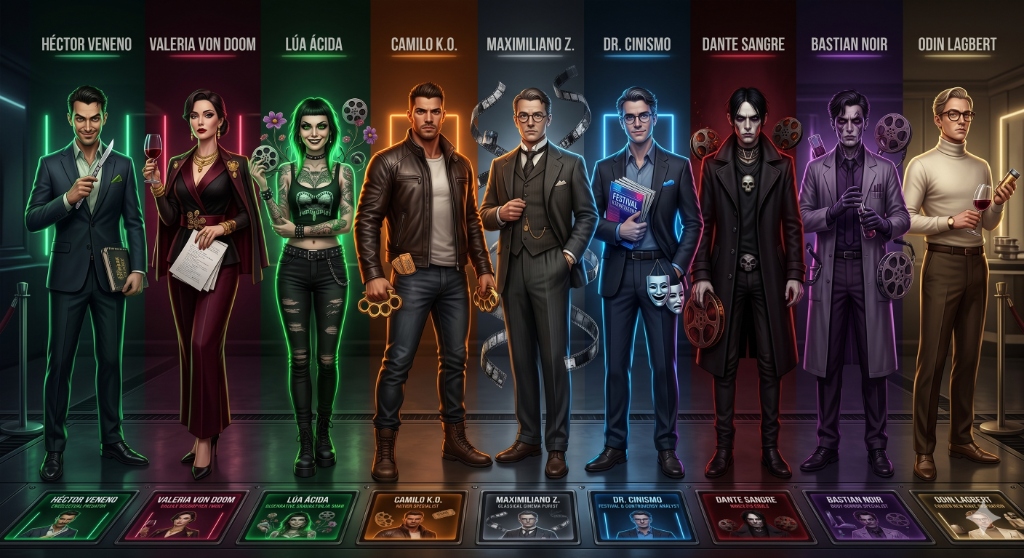
Certificado de impacto psicofísico emitido por Odin Lagbert
1 amago en el tramo intermedio; pestañeo pesado en las transiciones más innecesarias.
Minuto 49 y minuto 68 (comprobando cuánto quedaba de suplicio).
1 espressos para no dejarse vencer por la mediocridad cómoda.
"A mitad del segundo acto cuando la subtrama secundaria empezó a pesar más de lo que aportaba."
💬 El Veredicto de la Comunidad
¿Qué te ha parecido la película? Deja tu nota de 0 a 10 para contrastarla con el análisis de la redacción.
Aún no has votado
📢 ¿Te ha gustado el ácido?
Comparte esta crítica con tus amigos cinéfilos o desata la polémica en redes.
⚡ THE CINEMATIC VENOM YOUR INBOX CRAVES
No sugarcoated ratings, no corporate fluff. Subscribe for our uncensored weekly analysis or join the private Telegram for press previews, poll clashes, and instant alerts.
Alertas de estrenos en 1 segundo, encuestas en caliente y audios al salir de pases de prensa.
Recibe la dosis semanal en tu mail + regalo inmediato del PDF con 50 joyas ocultas de culto.
Related Reviews
Recommended autopsies for demanding film buffs.
 🔥 Fusión Nuclear8.0
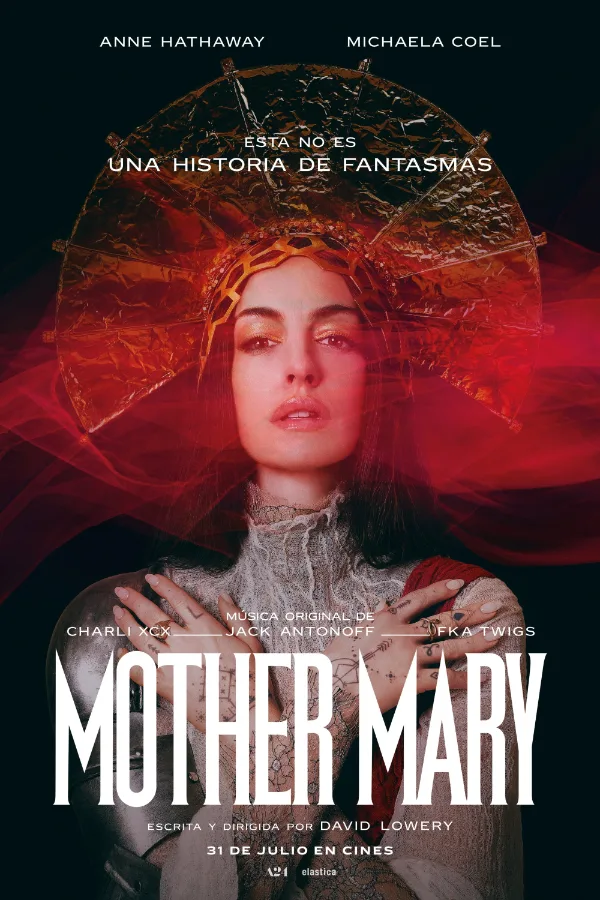
Mother Mary
⚡Del mismo director (David Lowery): analiza la evolución o degradación de su estilo.
The pop exorcism music video on the catwalk of pain
 🔥 Fusión Nuclear8.5
*Alleluia: Love as a Terminal Illness (or How to Turn Crimes of Passion into a Sweaty, Fleshy Spectacle)*
⚡Afinidad temática directa en atmósfera, estilo y fijaciones visuales.
Fabrice Du Welz reimagines the myth of the lonely hearts killers in a feverish whirlwind of jealousy, submission, and blood, led by Lola Dueñas in a performance that’s equal parts hypnotic and harrowing.
 🔥 Fusión Nuclear8.5
*High Tension (Haute Tension): The Brutal Birth of the New French Extremism – Or How to Turn Flesh into Poetry with a Machete*
⚡Afinidad temática directa en atmósfera, estilo y fijaciones visuales.
Alexandre Aja shocked global screens with a relentless rural bloodbath, redefined by breakneck pacing and a divisive twist that splits serious cinephiles right down the middle.
Editorial Ecosystem
Cinephile connections, archive interviews and related analyses.
🎞️ In Claqueta Cinematheque1
💬 Debate Cinéfilo & Autopsia de Lectores
0 veredictos¿Discrepas con nuestra nota? ¿Es una obra maestra o veneno puro? Deja tu veredicto abajo sin necesidad de registro.

Aún nadie ha dejado su veredicto para esta película.
Sé el primero en clavarle el colmillo rellenando el formulario de arriba.