Too Late for Wrath — A One-Way Ticket to Hell
The grim reality of redemption. Raúl Arévalo’s Too Late for Wrath—a merciless twist on survival and vengeance.


<<<<<<< HEAD
=======
>>>>>>> bac8b22c (fix: relocalizar metadatos y tuits alternativos atrapados dentro del frontmatter)
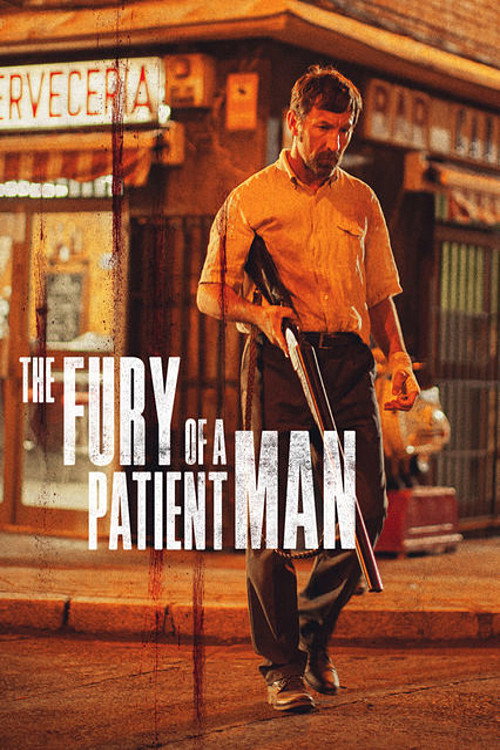
The darkness lurking in the underbelly of Spanish society isn’t just the setting of Too Late for Wrath—it’s the silent protagonist, the entity breathing through the cracks of every frame. Raúl Arévalo, in his directorial debut, doesn’t just capture this monster; he makes it flesh. It’s no coincidence this film arrived in 2016, smack in the middle of Spain’s wave of socially conscious cinema—films that tried, with varying degrees of success, to document the hangover of the economic crisis. But Too Late for Wrath doesn’t point fingers. It sinks its claws into the wound and twists until it screams. And scream it does, because unlike its peers, this film offers no easy morals, no neat redemption. Only meat, sweat, and blood. The same blood staining its characters’ hands—and, by the time you stagger out of the theater, yours too, as if you’ve just witnessed a settling of scores in real time, not celluloid.
Raúl Arévalo wasn’t a nobody when he stepped behind the camera. As an actor, he’d already proven himself a chameleon, vanishing into roles from the lovelorn Luis in The Other Side of the Bed to the morally bankrupt The Realm. But directing is a different beast—one where understanding your characters isn’t enough. You have to know how to film them, how to make the audience feel their breath hot on the back of their necks. And oh, does he deliver. Too Late for Wrath is a film of gazes, the kind that stab like knives, and Arévalo wields them with the precision of a surgeon. The close-up of Antonio de la Torre in that bar—his scar bisecting his eyebrow, his face a roadmap of disillusion—is all it takes to know you’re in for something different. This isn’t your run-of-the-mill thriller, nor is it a social drama with a capital D for Denunciation. It’s something far grittier, far more visceral: an urban western where justice isn’t meted out by a sheriff, but by a man with a gun and too many skeletons rattling in his closet.
The cast is, quite simply, devastating. Antonio de la Torre, as José—a freshly released ex-con—delivers one of those performances that leaves you speechless. It’s not just that he vanishes into the role (we’ve seen that before), but that every silence, every micro-expression, feels like a ticking time bomb. When José slumps onto the couch in his subsidized housing, staring into the camera like he already knows his life is beyond repair, you feel the weight of every one of his prison years pressing down on you. Beside him, Luis Tosar as Curro, the other vertex of this triangle of vengeance and failed redemption, crafts a character just as layered: a man who thinks he’s in control until the film gleefully reminds him he’s not. And then there’s Ruth Díaz as María, a role that could’ve easily slipped into the trope of the victimized woman if Díaz didn’t infuse it with such raw, aching humanity. Her scene in the car, sobbing to La Flaca by Jarabe de Palo, is the kind that burrows into your memory like a bad dream you can’t shake.
But if there’s one thing that lifts Too Late for Wrath above its genre peers, it’s the cinematography, courtesy of Arnau Valls Colomer. Every frame feels plucked from a fever dream, a color palette oscillating between the grimy grays of housing blocks and the earthy tones of rural Spain. There’s no beauty here—only truth. Valls Colomer uses light—or the lack of it—to amplify the claustrophobia dogging the characters. Interiors are shot with such shallow depth of field you can almost feel the walls closing in, while the exteriors, especially the final sequence in the countryside, have an almost dreamlike quality, as if reality itself is dissolving before your eyes. And then there’s the color: that blood-red seeping into key moments like an omen, or the cold blue of bar fluorescents turning every night scene into an Edward Hopper painting on steroids.
The screenplay, also penned by Arévalo, is another standout. There’s no filler, no superfluous scenes. Every line, every silence, serves a purpose. The narrative structure, toggling between past and present to slowly unravel the botched heist that set everything in motion, is flawless. But what’s most compelling is how Arévalo toys with audience expectations. Just when you think you’ve got the story figured out, the film yanks the rug out from under you, reminding you that nothing is what it seems. The moment José and Curro lock eyes in that bar, in a single-take sequence that could’ve been lifted from a Sergio Leone western, is a masterclass in how writing and direction can fuse to create something unforgettable. No music, just the clink of glasses and the creak of chairs. And yet, you know you’re witnessing the start of something irreversible.
Direction and Mise-en-scène: The Art of Making It Hurt
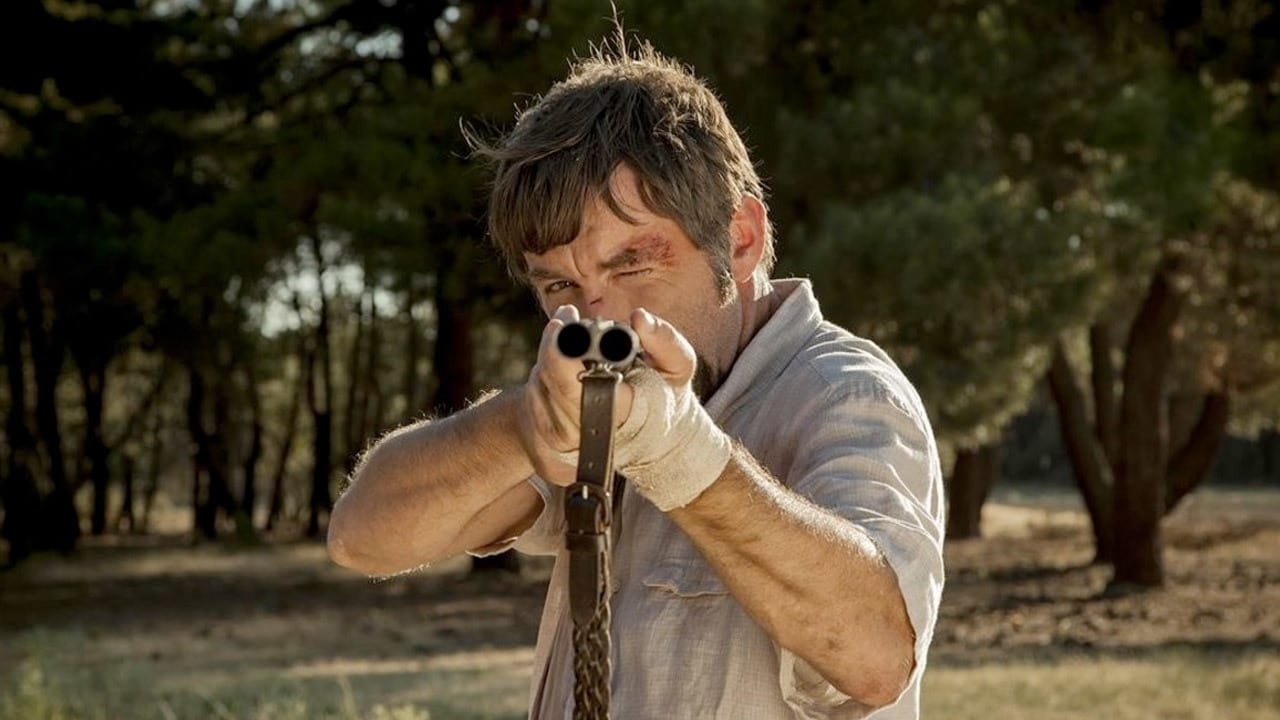
Raúl Arévalo doesn’t just tell a story—he dissects it. Every frame of Too Late for Wrath feels designed to unsettle, to remind you that cinema doesn’t always have to be pretty or comforting. There’s one scene in particular—the botched heist—that’s a masterclass in cinematic tension. The camera moves with the characters, stalking them like another accomplice. No unnecessary cuts, no music to soften the blow. Just the sound of gunshots, screams, and the silence that follows. It’s a sequence that leaves you breathless, not because of its spectacle, but because of its rawness. Arévalo doesn’t glorify violence; he shows it for what it is: messy, chaotic, and utterly absurd.
But where Arévalo truly flexes his directorial muscles is in his character work. There are no heroes or villains in Too Late for Wrath, only broken people trying to survive in a world that’s turned its back on them. José, Curro, and María aren’t archetypes; they’re human beings riddled with contradictions, moments of weakness, and flashes of strength. And that’s what makes the film work: it doesn’t judge. It doesn’t tell you what to feel, doesn’t hand you easy answers. It just lays out the reality and leaves you with the uncomfortable realization that, deep down, we all have a little José in us.
The editing, handled by Ángel Hernández Zoido, is another triumph. The way it toggles between past and present doesn’t just sustain suspense—it deepens the psychology of the characters. There’s a moment where José recalls his time in prison, and the editing becomes almost experimental, with overlapping shots and distorted sounds mirroring his fractured state of mind. It’s a sequence that could’ve come off as pretentious in lesser hands, but here it works because it serves the story, not the other way around.
Performances: When Silence Screams Louder Than Words
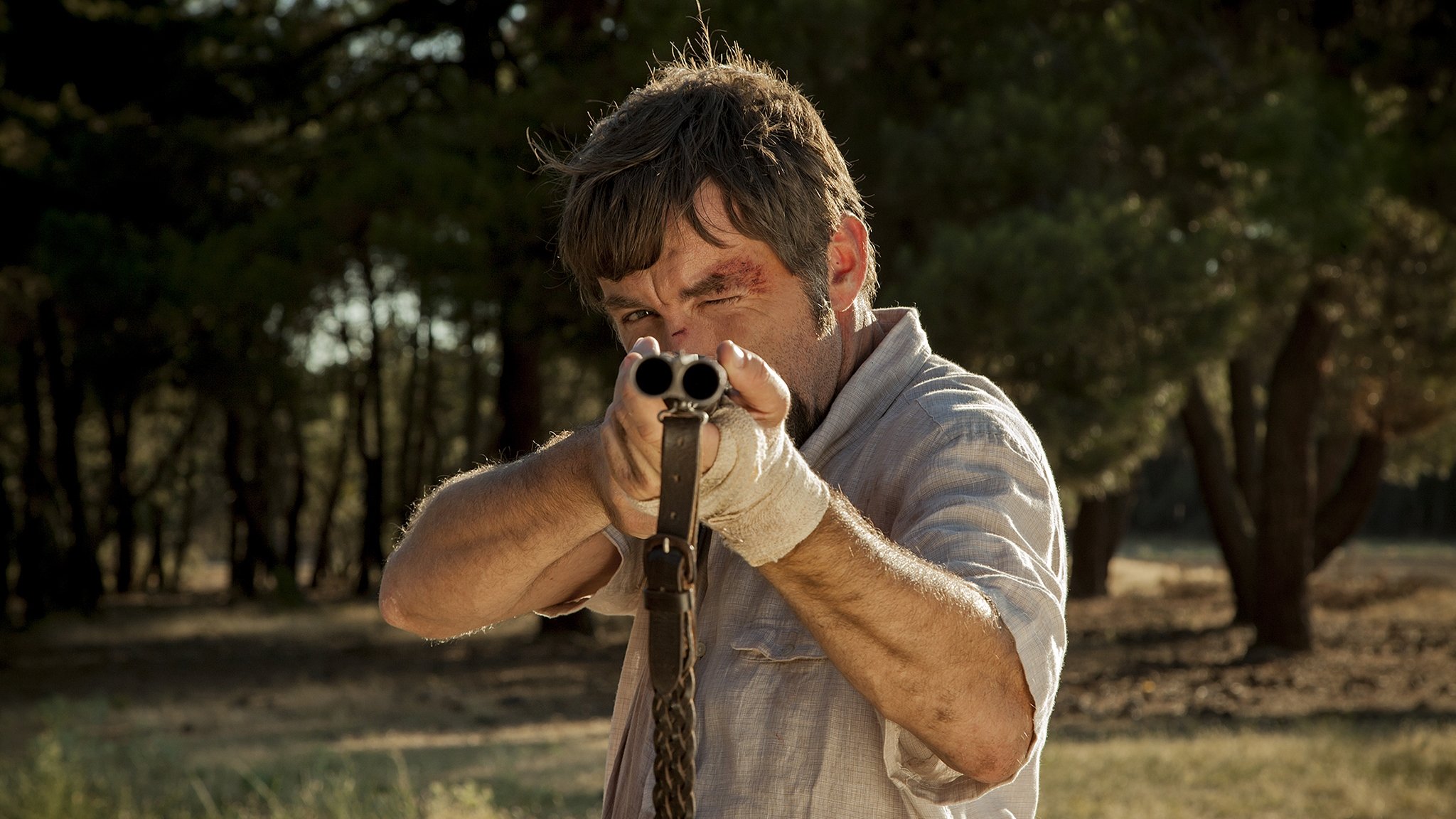
Antonio de la Torre had already proven himself as one of his generation’s most versatile actors in films like The Realm and Marshland, but his turn in Too Late for Wrath is nothing short of gut-wrenching. José is a character brimming with nuance—a man who’s spent eight years behind bars, emerging with the intention of starting over, only to find his past inescapable. De la Torre conveys all this complexity with the smallest gestures. His gaze, especially in moments of silence, speaks volumes. There’s a scene where José watches Curro from across a bar, and the way De la Torre channels a cocktail of hatred, fear, and resignation is nothing short of masterful.
Luis Tosar, meanwhile, crafts a Curro who’s the perfect foil to José. If José is the storm, Curro is the eye of the hurricane—a man who seems to have it all under control, but is just as lost as everyone else. Tosar makes the character both charismatic and repulsive, a balancing act that’s no small feat. His scene with Ruth Díaz in the car, where he confesses his fears, is so brutally intimate it almost feels like voyeurism.
And then there’s Ruth Díaz, who as María proves she’s an actress capable of conveying a world of emotion with very little. Her character is the most vulnerable of the trio, but also the strongest. Díaz ensures María isn’t a victim—she’s a survivor. Her final scene, where she faces José with a mix of terror and determination, is one of the film’s most intense moments.
Technical Breakdown: When Ugly Becomes Art
The cinematography by Arnau Valls Colomer is, without a doubt, one of Too Late for Wrath’s greatest achievements. It’s not pretty, nor does it try to be. It’s gritty, rough, and hyper-realistic, just like the lives of its characters. Valls Colomer employs a muted color palette dominated by grays and browns, perfectly mirroring the protagonists’ emotional states. Interiors are lit with harsh, direct light, leaving no room for shadows, while the exteriors have a near-documentary quality, as if we’re watching a report on Spain’s forgotten underbelly.
The score, composed by Lucio Godoy, is another element that amplifies the film’s oppressive atmosphere. There are no memorable themes or catchy melodies, and that’s precisely why it works. The soundtrack is understated but effective, with ambient sounds reinforcing the sense of realism. The use of silence, especially in tense scenes, is another of Godoy’s triumphs. Sometimes, what you don’t hear is more eloquent than what you do.
The production design, overseen by Pepe Domínguez del Olmo, is another highlight. The sets—from José’s subsidized apartment to Curro’s bar—are designed with such meticulous detail they feel lived-in. Nothing in Too Late for Wrath feels fake or forced. Everything, from the furniture to the characters’ clothes, contributes to a sense of authenticity that’s crucial to the film’s impact.
The best
- Raúl Arévalo’s direction: It’s not just that Arévalo knows what he wants to say—it’s how he says it. Every shot, every camera movement, is designed to maximize emotional impact. There’s not a single wasted moment in this film.
- Antonio de la Torre’s performance: José could’ve easily been a cliché—the hardened ex-con with no feelings—but De la Torre turns him into something far more complex. His gaze alone could freeze hell over.
- Raúl Arévalo’s screenplay: A story that weaves past and present with surgical precision, avoiding the clichés of revenge cinema. No villains, just broken people.
- Arnau Valls Colomer’s cinematography: A color palette that reflects the despair of its characters, with lighting that seems to rise from the bowels of the earth. Ugly, but necessary.
- Ángel Hernández Zoido’s editing: The way it toggles between past and present doesn’t just sustain suspense—it deepens the characters’ psychology. A work of goldsmithing.
The worst
- The lack of hope: This isn’t a film for those seeking a happy ending. It’s a one-way trip into the dark.
- The runtime: At 92 minutes, the film feels too short. It leaves you wanting more—but not in a good way.
- The pacing in the first half: While it picks up later, the first 30 minutes can feel sluggish. Requires patience.
- The underdevelopment of some side characters: Characters like María’s son could’ve had more weight. They’re left in limbo.
The Verdict of Claqueta Ácida
Too Late for Wrath isn’t an easy film. It’s not the kind of movie that leaves you feeling good about yourself. It’s the kind that grabs you by the throat and forces you to stare into the darkest corners of Spain—the parts we’d rather ignore. With flawless direction, performances that’ll leave you breathless, and a screenplay that never lets up, Raúl Arévalo has pulled off something rare in Spanish cinema: a masterpiece that’s uncomfortable, necessary, and brutally honest. It’s not a film for everyone, but if you’ve got the stomach for it, you’ll walk out of the theater feeling like you’ve witnessed something you won’t soon forget. Just don’t say we didn’t warn you. 💀
tweets_alternativos:
Ficha de Daños Colaterales en Sala
Certificado de impacto psicofísico emitido por Dante Sangre
Cero. La pantalla absorbió cada segundo de atención disponible.
Ni una sola mirada al móvil.
Ninguna: la adrenalina cinematográfica es suficiente.
"No aplica. La obra se sostiene sola."
💬 El Veredicto de la Comunidad
¿Qué te ha parecido la película? Deja tu nota de 0 a 10 para contrastarla con el análisis de la redacción.
Aún no has votado
📢 ¿Te ha gustado el ácido?
Comparte esta crítica con tus amigos cinéfilos o desata la polémica en redes.
⚡ THE CINEMATIC VENOM YOUR INBOX CRAVES
No sugarcoated ratings, no corporate fluff. Subscribe for our uncensored weekly analysis or join the private Telegram for press previews, poll clashes, and instant alerts.
Alertas de estrenos en 1 segundo, encuestas en caliente y audios al salir de pases de prensa.
Recibe la dosis semanal en tu mail + regalo inmediato del PDF con 50 joyas ocultas de culto.
Related Reviews
Recommended autopsies for demanding film buffs.
 🔥 Fusión Nuclear8.0
The End of Oak Street: David Robert Mitchell Reinvents Cosmic Horror Without Losing Its Human Core
⚡Afinidad temática directa en atmósfera, estilo y fijaciones visuales.
Anne Hathaway and Ewan McGregor lead this claustrophobic descent where the unknown isn’t a monster—it’s reality itself unraveling at the seams. Mitchell proves once again that the most terrifying horror is the kind that festers in the intimate.
 🔥 Fusión Nuclear9.0
The Odyssey: Nolan’s Epic Ego Trip
⚡Afinidad temática directa en atmósfera, estilo y fijaciones visuales.
Christopher Nolan’s *The Odyssey*: A cinematic masterpiece—or a bloated vanity project drowning in its own pretensions?
 🔥 Fusión Nuclear8.0
**Evil Dead Rise: A Family Disaster on Fire**
⚡Afinidad temática directa en atmósfera, estilo y fijaciones visuales.
A scathing review of the horror flick *Evil Dead Rise*—where family drama burns brighter than the demons.
Editorial Ecosystem
Cinephile connections, archive interviews and related analyses.
💬 Debate Cinéfilo & Autopsia de Lectores
0 veredictos¿Discrepas con nuestra nota? ¿Es una obra maestra o veneno puro? Deja tu veredicto abajo sin necesidad de registro.

Aún nadie ha dejado su veredicto para esta película.
Sé el primero en clavarle el colmillo rellenando el formulario de arriba.