Chinatown — The Noir That Knocks You Out Without Warning (And Leaves You Wondering What the Hell Just Happened)
Roman Polanski delivers a technical knockout to film noir: flawless script, Nicholson in a state of grace, and an ending that stings worse than a liver shot. Masterpiece or dirty fight?


Chinatown: full review


The Los Angeles sun in 1937 didn’t warm—it burned. And I’m not talking about the weather, but that relentless white light John A. Alonzo captured as if it were acid spilling over celluloid. Chinatown isn’t a movie; it’s a gut punch disguised as film noir. Roman Polanski, a guy who already knew a thing or two about evil (and not just from the reviews of Rosemary’s Baby), stepped into the ring with a script by Robert Towne that smelled like a Pulitzer before they even shot it. And damn, did he prove it. Because this isn’t your run-of-the-mill detective thriller—it’s an autopsy of the American Dream, with Jack Nicholson as the most cynical and sweaty coroner you could imagine.
The shoot was a brawl in the mud. Polanski, obsessed with realism, forced Nicholson to repeat scenes to the point of exhaustion. There’s an anecdote about the nose-slitting scene where Polanski himself—playing the knife-wielding thug—actually sliced Nicholson. It wasn’t an accident: the Pole wanted the pain to show on screen. And damn, did it show. But beyond the low blows, what truly hurts about Chinatown is its script. Towne wrote a labyrinth of razor-sharp dialogue, where every line hides a trap. The famous "Forget it, Jake. It’s Chinatown" isn’t just a line—it’s a diagnosis: there are places where justice doesn’t exist, only defeat.
Context is everything. 1974 was the year Nixon resigned over Watergate, and Chinatown reeks of that same rot. It’s no coincidence the villain is a water tycoon (John Huston, in a role that seems tailor-made for him: elegant, ruthless, with a shark’s smile). Water, that resource that should be public, becomes currency for the powerful. And Jake Gittes, the detective who just wanted to spy on a cheating husband, ends up drowning in his own naivety. Polanski, who had fled the U.S. by then, shot this as if he knew the system was rotten to the core. And damn, did he know.
But let’s talk about Nicholson. Because if there’s anything that saves Chinatown from being pure cynicism, it’s his performance. Jake Gittes isn’t your typical noir tough guy—he’s a vulnerable man who laughs at his own bad jokes to keep from crying. When Faye Dunaway pins him with that wounded-deer stare, you know he’s done for. And when the ending comes—that ending, the one that hits like a liver shot—you realize Polanski hasn’t told you a detective story. He’s told you yours: the story of someone who thought they could change things and ended up empty-handed.
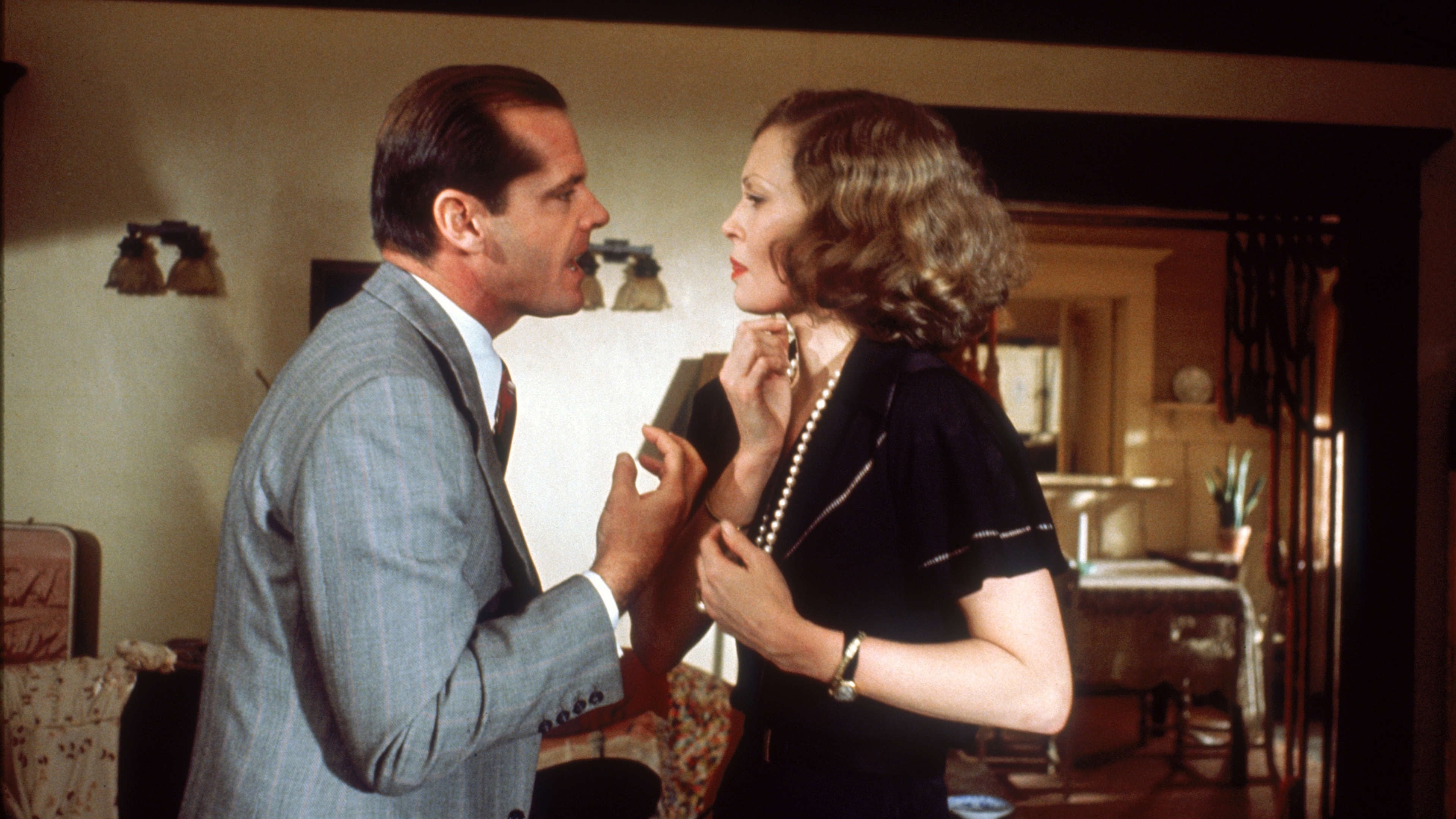
Direction: Polanski, the Master of the Low Blow
Roman Polanski doesn’t direct Chinatown—he strangles it with elegance. Every frame is a trap. Look at the yacht scene, where Noah Cross (Huston) offers Gittes a job while the sun glints off the water like liquid gold. Polanski doesn’t need dialogue to tell you this man is the devil. Or the long take in Evelyn Mulwray’s (Dunaway) apartment, where the camera prowls like a predator, foreshadowing disaster. And then there’s that ending. My God, that ending. Polanski shot it against Towne’s original script, which wanted a more hopeful conclusion. But the Pole knew hope had no place in Chinatown. So he left us with a gunshot, a scream, and the certainty that sometimes, all you can do is forget.
The editing is another triumph. Sam O’Steen (who worked with Polanski on Repulsion) cuts scenes like whiplashes. No respite, no mercy. When Gittes discovers Mulwray’s corpse in the bathtub, the close-up of her open eye—that eye that sees nothing—is a dagger straight to the viewer. And Jerry Goldsmith’s score, with that trumpet theme that sounds like a lament, is the sonic equivalent of a shot of cheap whiskey: it burns your throat and leaves you wanting more.
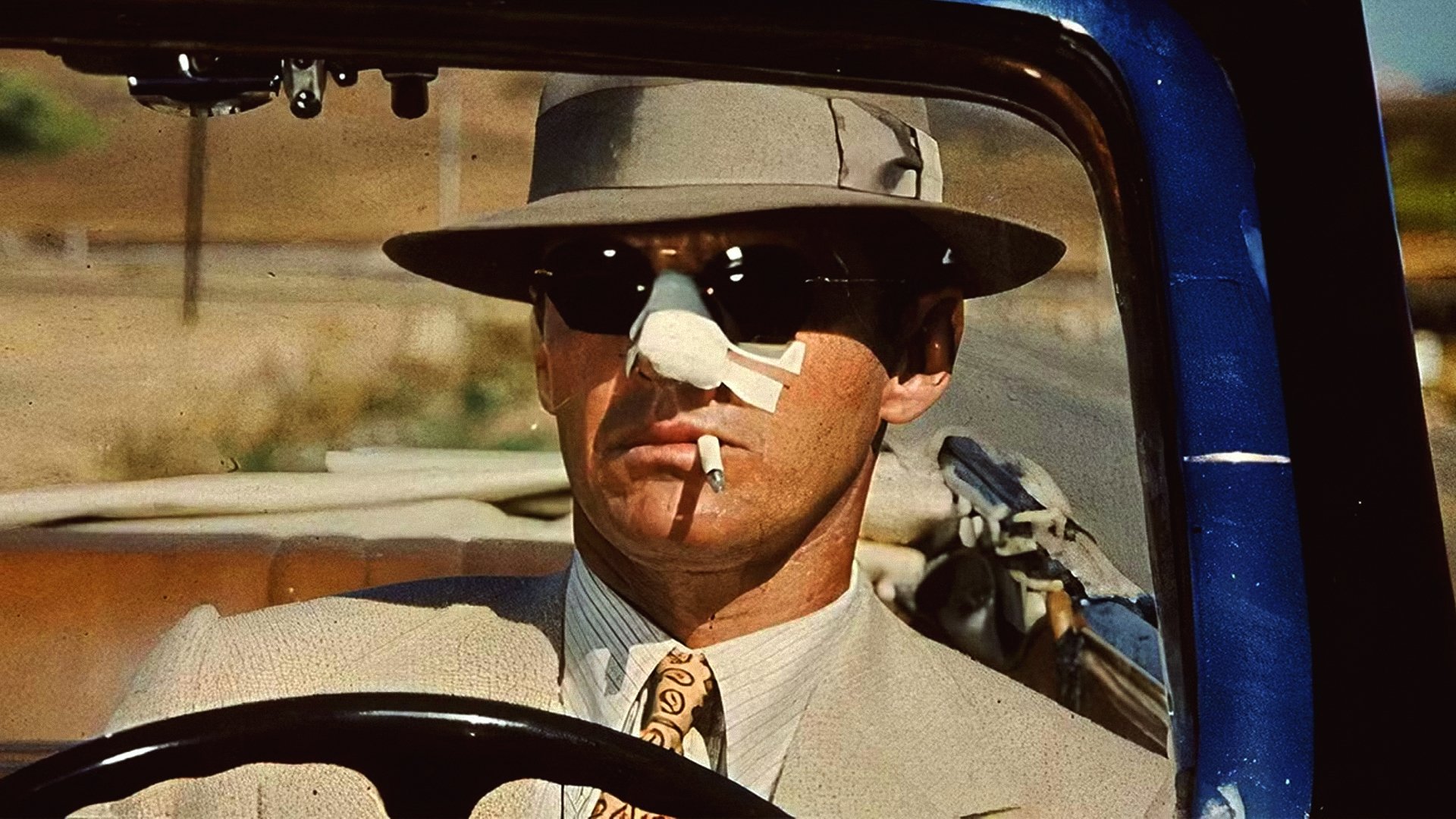
Performances: Nicholson and Dunaway, the Duo That Hurts
Jack Nicholson doesn’t play Jake Gittes—he lives him. Every gesture, every bead of sweat on his brow, every crooked smile when he realizes he’s been duped again. Nicholson isn’t an actor; he’s a boxer dodging blows in real time. And when the script demands he break—like in the scene where Dunaway confesses the truth about her daughter—he does it with a rawness that stings. It’s no coincidence he won the Oscar the following year for One Flew Over the Cuckoo’s Nest: Nicholson understood pain like few others.
But if Nicholson is the fist, Faye Dunaway is the knife. Evelyn Mulwray is one of cinema’s most complex characters: a woman trapped between her father’s power and her love for her daughter, lying not out of malice but survival. Dunaway doesn’t act—she bleeds on screen. When Polanski demands she scream "She’s my sister and my daughter!" in the climax, it’s not a performance: it’s a battle cry. And when the ending comes, and her character falls like a wounded bird, you realize Chinatown isn’t a movie about detectives. It’s a movie about women broken by men who think the world belongs to them.
John Huston, meanwhile, is the perfect villain: a man who offers you whiskey while stabbing you in the back. His Noah Cross is the embodiment of corrupt power, a man who doesn’t need to raise his voice for everyone around him to tremble. And Perry Lopez, as Lieutenant Escobar, is the perfect counterpoint: a cop who knows the system is rotten but prefers to look the other way. Because, in the end, that’s Chinatown: a place where everyone knows the truth but no one does a damn thing.
The best
- Robert Towne’s script: A labyrinth of razor-sharp dialogue. Every line hides a trap, and every scene ticks like a Swiss watch toward disaster. Towne won the Oscar, and for good reason: this isn’t a script—it’s a masterpiece.
- John A. Alonzo’s cinematography: The Los Angeles sun never hurt this much. Alonzo lights every scene like an Edward Hopper painting: full of elongated shadows and blinding white light. The final shot, with the car driving off into the night, is pure visual poetry.
- Jack Nicholson as Jake Gittes: Nicholson doesn’t act—he sweats, suffers, and bleeds on screen. His performance is a perfect balance of cynicism and vulnerability. When the ending comes, it’s not just Gittes who loses: it’s all of us.
- Faye Dunaway as Evelyn Mulwray: Dunaway doesn’t play a victim—she plays a survivor. Every glance is a dagger wrapped in silk, and that ending... fuck, that ending.
- Jerry Goldsmith’s score: A trumpet theme that sounds like a lament. Goldsmith composed the music in one night, and the result is so perfect it feels like it’s been haunting your head for decades.
The worst
- The pacing in the second act: There’s a moment, around the middle, where the film gets tangled a bit. It’s not a major flaw, but it’s a slight stumble in an otherwise flawless work.
- Some supporting characters: Burt Young (Curly) has a couple of memorable scenes, but other side characters—like Gittes’ lawyer—come and go without leaving a mark. Polanski uses them as filler, and it shows.
- The ending (for some): I know it’s blasphemy to say it, but some people hate that ending. It’s not that it’s bad—it’s brilliant—but it hurts so much that some prefer Towne’s original, sweeter version.
The Verdict of Claqueta Ácida
Chinatown isn’t a movie—it’s a technical knockout of film noir. Roman Polanski, Robert Towne, and Jack Nicholson teamed up to create something that stings, burns, and still hurts just as much decades later. There are no heroes here, only losers. No justice, only defeat. And that ending... fuck, that ending is the liver shot that leaves you sprawled on the canvas, wondering what the hell just happened. But that’s what makes cinema great: it brands you. And Chinatown brands you with fire. 💀
🎬 Tráiler Oficial
Abrir en YouTube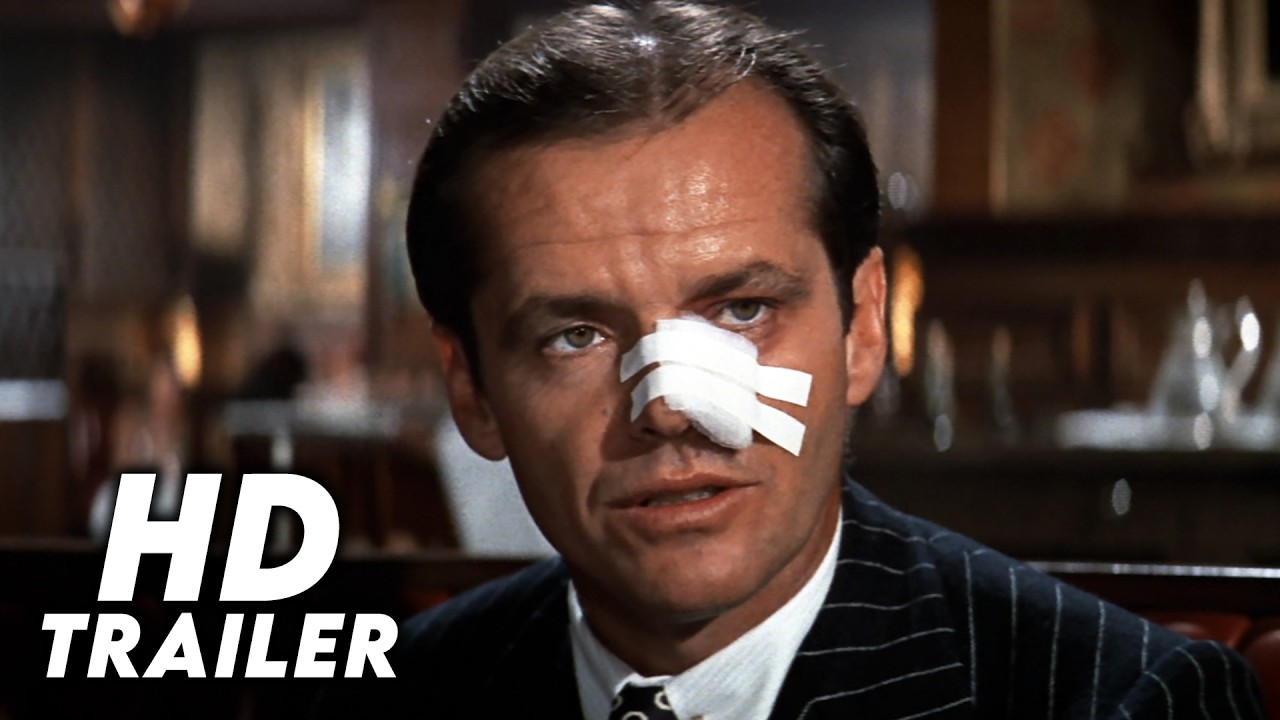
Chinatown: frequently asked questions
- What is the rating of "Chinatown" on Claqueta Ácida?
- "Chinatown" scored 9.3/10 on Claqueta Ácida in the review by Camilo K.O..
- Is "Chinatown" worth watching?
- Yes. We gave it 9.3/10 (Nuclear Fusion), our rating for must-see films.
- Who directed "Chinatown"?
- "Chinatown" was directed by Roman Polanski.
Theater Collateral Damage Report
Psychophysical impact certificate issued by Camilo K.O.
Cero bostezos. Pupilas dilatadas y tensión mandibular constante.
Ninguna comprobación del tiempo. Se agradece la rareza.
Ninguna. Guarda el café para la sesión siguiente.
"No hubo. La coherencia se mantuvo hasta el último fotograma."
💬 Community Verdict
What did you think of the film? Rate it from 0 to 10 to compare it with the editorial review.
You haven't voted yet
📢 ¿Te ha gustado el ácido?
Comparte esta crítica con tus amigos cinéfilos o desata la polémica en redes.
⚡ THE CINEMATIC VENOM YOUR INBOX CRAVES
No sugarcoated ratings, no corporate fluff. Subscribe for our uncensored weekly analysis or join the private Telegram for press previews, poll clashes, and instant alerts.
Alertas de estrenos en 1 segundo, encuestas en caliente y audios al salir de pases de prensa.
Recibe la dosis semanal en tu mail + regalo inmediato del PDF con 50 joyas ocultas de culto.
Related Reviews
Recommended autopsies for demanding film buffs.
 🔥 Fusión Nuclear 9.0
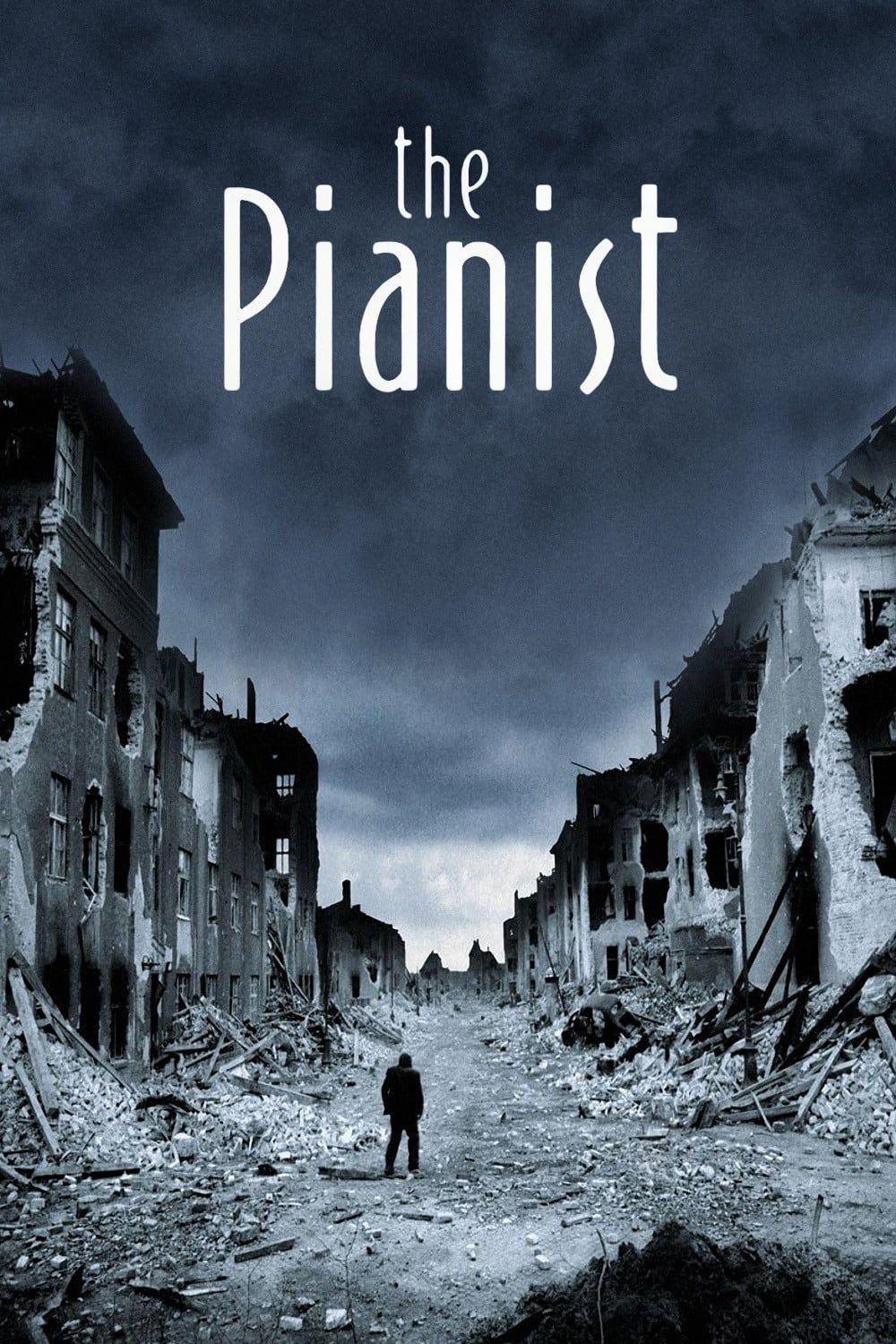
 The Pianist: Polanski and the Horror That Needs No Monsters
⚡ Del mismo director (Roman Polanski): analiza la evolución o degradación de su estilo.
Roman Polanski turns the Holocaust into art without redemption. Adrien Brody shatters our souls just by breathing. An uncomfortable masterpiece.
 🔥 Fusión Nuclear 9.3
 2001: A Space Odyssey — The Day Kubrick Left Us Speechless (and Oxygenless)
⚡ Afinidad temática directa en atmósfera, estilo y fijaciones visuales.
Kubrick turned science fiction into pure art: 149 minutes of eloquent silence, bone-wielding apes, and a psychopathic computer. Masterpiece or pretentious fraud? Here’s the verdict.
 🔥 Fusión Nuclear 8.5
 *A Clockwork Orange: The Sweet, Rusty Aftertaste of Violent Haute Couture*
⚡ Afinidad temática directa en atmósfera, estilo y fijaciones visuales.
A scathing review of Kubrick’s masterpiece, where ultraviolence meets 60s fashion in a twisted pas de deux.
Editorial Ecosystem
Cinephile connections, archive interviews and related analyses.
🎞️ In Claqueta Cinematheque 3
💬 Debate Cinéfilo & Autopsia de Lectores
0 veredictos¿Discrepas con nuestra nota? ¿Es una obra maestra o veneno puro? Deja tu veredicto abajo sin necesidad de registro.


Aún nadie ha dejado su veredicto para esta película.
Sé el primero en clavarle el colmillo rellenando el formulario de arriba.