The Pianist — Polanski and the Horror That Needs No Monsters
Roman Polanski turns the Holocaust into art without redemption. Adrien Brody shatters our souls just by breathing. An uncomfortable masterpiece.


The Pianist: full review


Some films aren’t watched—they’re endured. The Pianist is one of them. Roman Polanski, a man who survived the Kraków ghetto as a child, didn’t need to invent monsters to depict horror. He just had to remember. And remember he did. The film opens with a long take of Władysław Szpilman (Adrien Brody) playing a Chopin nocturne on Polish radio as German bombs rain down on Warsaw. The contrast is obscene, almost pornographic: the beauty of music against the cacophony of destruction. Polanski doesn’t warn us about what’s coming. He throws us headfirst into a hell that, paradoxically, he films with an elegance more painful than any explicit torture scene.
The shoot was a nightmare in itself. Polanski insisted on filming in the very locations where the events unfolded, including the actual Warsaw ghetto. Sets were built atop real ruins, and the crew worked with the eerie sense that the ghosts of the past were watching. Adrien Brody, meanwhile, plunged into a preparation bordering on self-destruction: he lost 28 pounds, learned to play the piano like a professional, and lived in isolation for months to grasp Szpilman’s loneliness. The result is a performance that doesn’t seem like acting. Brody doesn’t play a survivor—he is a survivor. Every gesture—his trembling hands, his vacant stare, that silence heavier than any dialogue—is laden with a truth that transcends cinema.
Ronald Harwood’s script, based on Szpilman’s own memoirs, is a masterclass in narrative economy. There are no unnecessary subplots or supporting characters stealing the spotlight. Everything revolves around one man’s survival, ironically saved by what he loves most: music. But Harwood avoids the trap of sentimentality. Szpilman isn’t a hero. He’s an ordinary man, with fears, selfishness, and moments of cowardice. When his family is deported to Treblinka, he stays behind not out of bravery, but sheer chance. And that chance condemns him to a solitude Polanski films with a rawness that takes your breath away. The scene where Szpilman, hidden in an attic, watches Nazis liquidate the ghetto from a window is one of the most terrifying moments in modern cinema. No blood, no screams, no special effects. Just silence. And that silence speaks louder than any speech.
Paweł Edelman’s cinematography is another triumph. Edelman, a frequent Polanski collaborator, uses a desaturated color palette to mirror the desolation of war. Grays and browns dominate the frame, as if Warsaw itself had become a corpse. Yet there are moments when light breaks through almost miraculously, like in the final scene, when Szpilman plays Chopin’s Grande Polonaise Brillante for a German officer (Thomas Kretschmann). The music, performed by Brody himself, is so perfect it hurts. This isn’t a redemption scene. It’s a slap in the face. Szpilman doesn’t play to save himself—he plays to remember who he was before the war turned him into an animal.

Direction and Mise-en-scène: Horror in Silence
Polanski doesn’t need special effects to terrify. His greatest skill is understanding that true horror lies not in what’s seen, but in what’s implied. The scene where Szpilman is discovered by a German officer in the ruins of a building is a perfect example. The officer (Thomas Kretschmann) doesn’t shout, doesn’t threaten, doesn’t raise his voice. He simply asks, "What are you doing here?" And in that moment, the viewer feels the same panic as the protagonist. No music, no dramatic close-ups. Just two men in a medium shot, and the certainty that one of them will die. Then the unexpected happens: the officer, a music lover, recognizes Szpilman and spares his life. Not out of kindness, but out of love for music. It’s a twist that could seem forced, but in Polanski’s hands, it becomes chillingly believable.
Hervé de Luze’s editing is another key element. The film moves at an unrelenting pace, yet never rushed. Every scene has its time, its rhythm. Polanski isn’t in a hurry to reach the end because he knows the real drama isn’t in Szpilman’s fate, but in the dehumanization he endures. The sequence where the starving, sick protagonist tries to steal a jar of pickles from an abandoned shop is a masterclass in conveying horror without explicitness. Brody doesn’t need to say anything. His gaze says it all.

Performances: The Weight of Truth
Adrien Brody didn’t win the Oscar by accident. His portrayal of Szpilman is one of those performances that transcends cinema to become something greater. Brody didn’t just lose weight for the role—he lost his identity. During filming, he isolated himself from the world, stopped speaking to friends, and immersed himself in Szpilman’s memoirs. The result is a performance that doesn’t seem performed. When Szpilman weeps silently in a corner of the ghetto, Brody isn’t acting—he’s reliving the pain of a real man.
But Brody isn’t alone. The supporting cast is equally brilliant. Thomas Kretschmann, as the German officer who saves Szpilman, conveys a moral ambiguity that’s terrifying. He’s neither hero nor villain. He’s a man who loves music and, for a moment, forgets he’s in the middle of a war. Maureen Lipman, as Szpilman’s mother, delivers a heartbreaking scene where she tries to comfort her son before being deported. No dialogue. Just an embrace. And that embrace hurts more than any speech.
The best
- Adrien Brody’s performance: It’s not an interpretation—it’s a possession. Brody vanishes into Szpilman and leaves us with a character too painful to watch.
- Paweł Edelman’s cinematography: Every frame looks like a painting of desolation. The grays and browns of ruined Warsaw are as eloquent as any dialogue.
- Ronald Harwood’s script: No sentimentality, no concessions. Harwood turns Szpilman’s memoirs into a universal story of survival.
- Roman Polanski’s direction: The master of suspense proves that true horror needs no monsters. Just the gaze of a man who’s lost everything.
Wojciech Kilar’s score: The music doesn’t accompany the film—it tears it apart. Chopin’s Grande Polonaise Brillante* in the final scene is one of cinema’s most emotional moments.
The worst
- Some transitional moments: There are scenes where the film seems lost in its own solemnity. Not a major flaw, but a slight bump in an otherwise near-perfect work.
- Underdeveloped secondary characters: Characters like Henryk Szpilman (Ed Stoppard) or Dorota (Emilia Fox) are somewhat sidelined. It would’ve been interesting to learn more about their stories.
- Pacing in the first half-hour: The film takes a while to get going. The opening minutes, though necessary, may feel slow to some viewers.
The Verdict of Claqueta Ácida
The Pianist isn’t a film about the Holocaust. It’s the Holocaust seen through the eyes of a man who refused to die. Roman Polanski, a survivor, turns his personal trauma into universal art. Adrien Brody gifts us a performance that aches to remember. The cinematography, the script, the music—everything in this film serves an uncomfortable truth: horror doesn’t always come with screams and blood. Sometimes, silence is enough. And that silence is what haunts us days after watching it. Masterpiece. 💀
🎬 Tráiler Oficial
Abrir en YouTube
The Pianist: frequently asked questions
- What is the rating of "The Pianist" on Claqueta Ácida?
- "The Pianist" scored 9/10 on Claqueta Ácida in the review by Dr. Cinismo.
- Is "The Pianist" worth watching?
- Yes. We gave it 9/10 (Nuclear Fusion), our rating for must-see films.
- Who directed "The Pianist"?
- "The Pianist" was directed by Roman Polanski.
Theater Collateral Damage Report
Psychophysical impact certificate issued by Dr. Cinismo
Cero bostezos. Pupilas dilatadas y tensión mandibular constante.
El móvil permaneció en el bolsillo donde debía estar.
Ninguna: la adrenalina cinematográfica es suficiente.
"Inexistente: pulso de hierro hasta los créditos finales."
💬 Community Verdict
What did you think of the film? Rate it from 0 to 10 to compare it with the editorial review.
You haven't voted yet
📢 ¿Te ha gustado el ácido?
Comparte esta crítica con tus amigos cinéfilos o desata la polémica en redes.
⚡ THE CINEMATIC VENOM YOUR INBOX CRAVES
No sugarcoated ratings, no corporate fluff. Subscribe for our uncensored weekly analysis or join the private Telegram for press previews, poll clashes, and instant alerts.
Alertas de estrenos en 1 segundo, encuestas en caliente y audios al salir de pases de prensa.
Recibe la dosis semanal en tu mail + regalo inmediato del PDF con 50 joyas ocultas de culto.
Related Reviews
Recommended autopsies for demanding film buffs.
 🔥 Fusión Nuclear 8.7
The Piano Teacher: Haneke Flays the Soul with Ivory Keys and Razor Blades
⚡ Hermana de saga: otro capítulo diseccionado con rigor forense.
Isabelle Huppert in a role that burns. Haneke turns the conservatory into an emotional slaughterhouse. Pain, silence, and a mother worse than hell itself.
 🔥 Fusión Nuclear 9.3
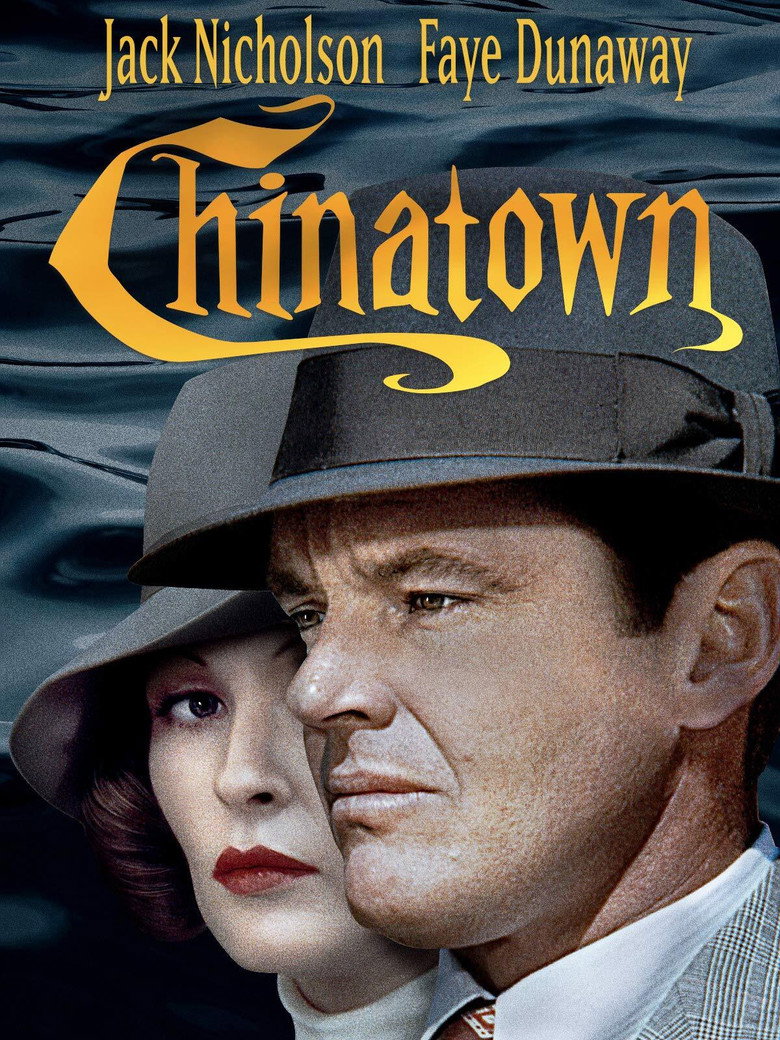
Chinatown: The Noir That Knocks You Out Without Warning (And Leaves You Wondering What the Hell Just Happened)
⚡ Del mismo director (Roman Polanski): analiza la evolución o degradación de su estilo.
Roman Polanski delivers a technical knockout to film noir: flawless script, Nicholson in a state of grace, and an ending that stings worse than a liver shot. Masterpiece or dirty fight?
 🔥 Fusión Nuclear 9.3
2001: A Space Odyssey — The Day Kubrick Left Us Speechless (and Oxygenless)
⚡ Afinidad temática directa en atmósfera, estilo y fijaciones visuales.
Kubrick turned science fiction into pure art: 149 minutes of eloquent silence, bone-wielding apes, and a psychopathic computer. Masterpiece or pretentious fraud? Here’s the verdict.
Editorial Ecosystem
Cinephile connections, archive interviews and related analyses.
🎞️ In Claqueta Cinematheque 3
💬 Debate Cinéfilo & Autopsia de Lectores
0 veredictos¿Discrepas con nuestra nota? ¿Es una obra maestra o veneno puro? Deja tu veredicto abajo sin necesidad de registro.


Aún nadie ha dejado su veredicto para esta película.
Sé el primero en clavarle el colmillo rellenando el formulario de arriba.