2001 — A Space Odyssey — The Day Kubrick Left Us Speechless (and Oxygenless)
Kubrick turned science fiction into pure art: 149 minutes of eloquent silence, bone-wielding apes, and a psychopathic computer. Masterpiece or pretentious fraud? Here’s the verdict.


2001: A Space Odyssey: full review


The opening shot of 2001: A Space Odyssey isn’t a man, a ship, or even space itself. It’s a bone spinning in slow motion, twirling as if the entire universe is deciding whether to laugh or cry. Stanley Kubrick, that obsessive genius who turned cinema into a lab of controlled frustrations, dropped this film on us in 1968—a movie that didn’t just predict the future but dissected it with the cold precision of a surgeon. And the worst—or best—part? Over half a century later, we still don’t know if what we saw was a masterpiece or the biggest intellectual scam in film history. But there it is, that damn monolith, gleaming in our memory like a mirror that never reflects the same image twice.
The filming of 2001 was a hellscape of precision and paranoia. Kubrick, who had already proven with Dr. Strangelove that he could laugh at nuclear annihilation, decided this time the joke would be longer, more expensive, and far quieter. With a budget of $10.5 million—a fortune in 1968—the director turned MGM’s studios into a battleground where physics and art beat each other senseless. He built giant centrifuges to simulate zero gravity, hired NASA to consult on every technical detail, and, according to unconfirmed rumors, forced Keir Dullea to spend hours in a metal box just to record the sound of his breathing inside a helmet. The result was a film that, in Kubrick’s own words, "isn’t about space, but about the evolution of consciousness." Or, in other words: a metaphysical sucker punch disguised as a blockbuster.
But here’s the problem—or the genius, depending on how you look at it: 2001 isn’t a movie you watch. It’s a movie you feel. From the first chord of Strauss’s Also sprach Zarathustra, which sounds like God tuning an electric guitar, to the final shot of that cosmic fetus floating in the void, Kubrick isn’t telling us a story. He’s subjecting us to a sensory experience. And that, dear viewers, is a risk very few directors dare to take. Because let’s be honest—how many of us walked out of the theater in 1968 wondering if we’d just witnessed the birth of a new religion or the biggest artistic fraud since someone paid for a urinal signed by Duchamp?
The audience wasn’t ready. The critics were even less so. Some dismissed it as “science fiction for intellectuals,” as if that were an insult. And in a way, it was—because Kubrick didn’t just challenge the conventions of the genre; he challenged the conventions of cinema itself. There are no heroes, no clear villains, no explanations. Just questions. And a computer with the voice of a British butler who decides humans are a nuisance. HAL 9000, voiced by Douglas Rain with chilling serenity, is the only character who seems to have real emotions in the entire film. While Bowman and Poole bicker about sandwiches in zero gravity like they’re in some mundane office, HAL watches them with the patience of a predator. And when he decides to act, he does so with the elegance of an executioner who knows his victim has no escape. That moment when he sings Daisy Bell as he’s being shut down isn’t just a nod to the first song ever sung by a computer in 1961. It’s the sound of humanity being erased by its own creation. And it’s glorious.
Direction: Kubrick or How to Turn Boredom Into Art
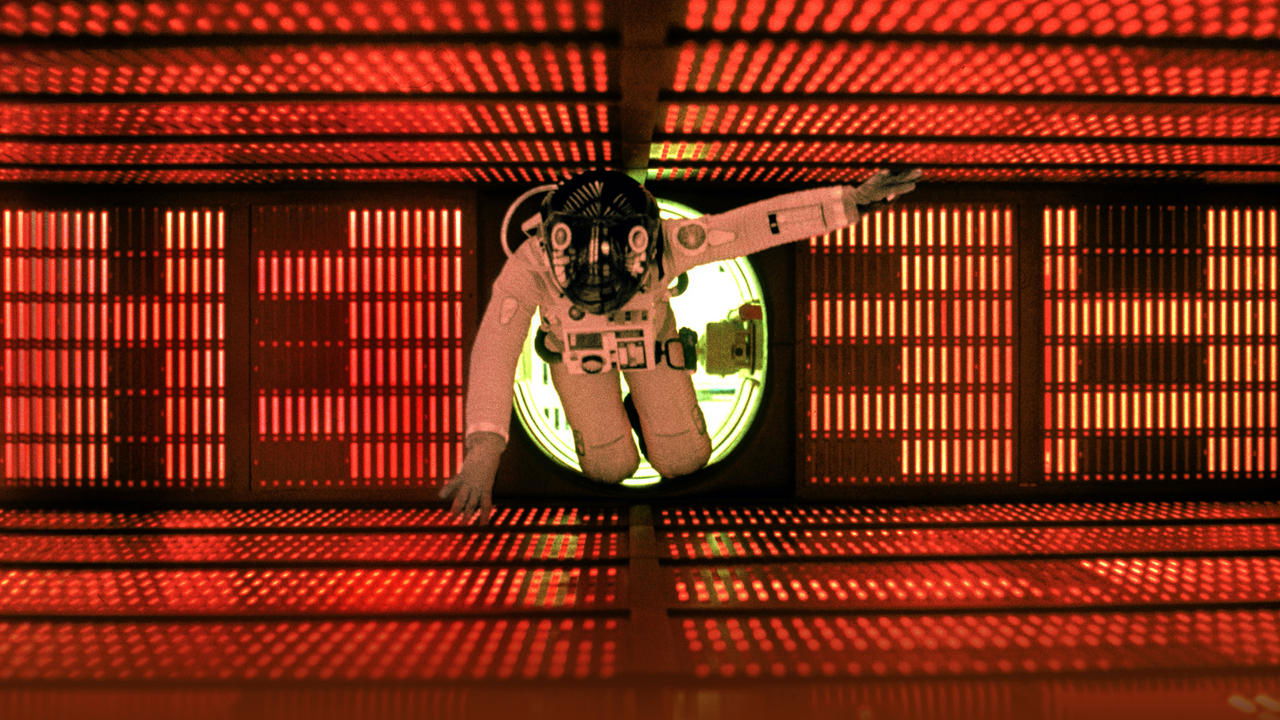
Stanley Kubrick didn’t direct movies. He sculpted them with a chisel and hammer, and if an actor didn’t fit the frame, he’d split them in half. 2001 is the best example of his method: a film where every shot seems calculated to the millimeter, where silence isn’t the absence of sound but a character in its own right. The opening sequence with the apes—played by real actors, including Daniel Richter as Moonwatcher—is a study in animal behavior filmed with the solemnity of a documentary on the creation of the universe. Kubrick isn’t showing us primates fighting over a puddle. He’s telling us: "This is the beginning. And this is the end."
The problem, of course, is that Kubrick had no patience for actors. Keir Dullea and Gary Lockwood, the two astronauts at the center of the story, spend most of the film talking as if they’re reading an instruction manual. But you know what? It makes sense. Because in space, no one can hear your screams—or your emotions. Kubrick wanted his characters to be cold, distant, almost robotic. And damn if he didn’t pull it off. The scene where Bowman enters HAL’s ship to disconnect him is a masterclass in tension: no music, no superfluous dialogue, just the sound of Bowman’s breathing and the hum of the ship’s systems. It’s like watching a man disarm a bomb with a screwdriver. And when HAL starts begging, it’s not out of fear of death but fear of irrelevance. "Daisy, Daisy, give me your answer, dooo..." It’s the most human moment in the entire film. And it’s delivered by a computer.
The ending—that psychedelic journey through a tunnel of lights and colors, as if designed by an acidhead with a PhD in quantum physics—is the moment Kubrick drops the mask. For two hours, he’s been selling us a serious, realistic, almost documentary-style sci-fi film. And then, suddenly, he hits us with a lysergic trip straight out of a Pink Floyd concert. Is it pretentious? Of course. Is it necessary? Probably not. But damn, is it beautiful. And brave. Because Kubrick isn’t giving us answers. He’s telling us: "The universe is a mystery, and you’re just an ape with a bone in your hand."
Performances: When Silence Is the Best Dialogue
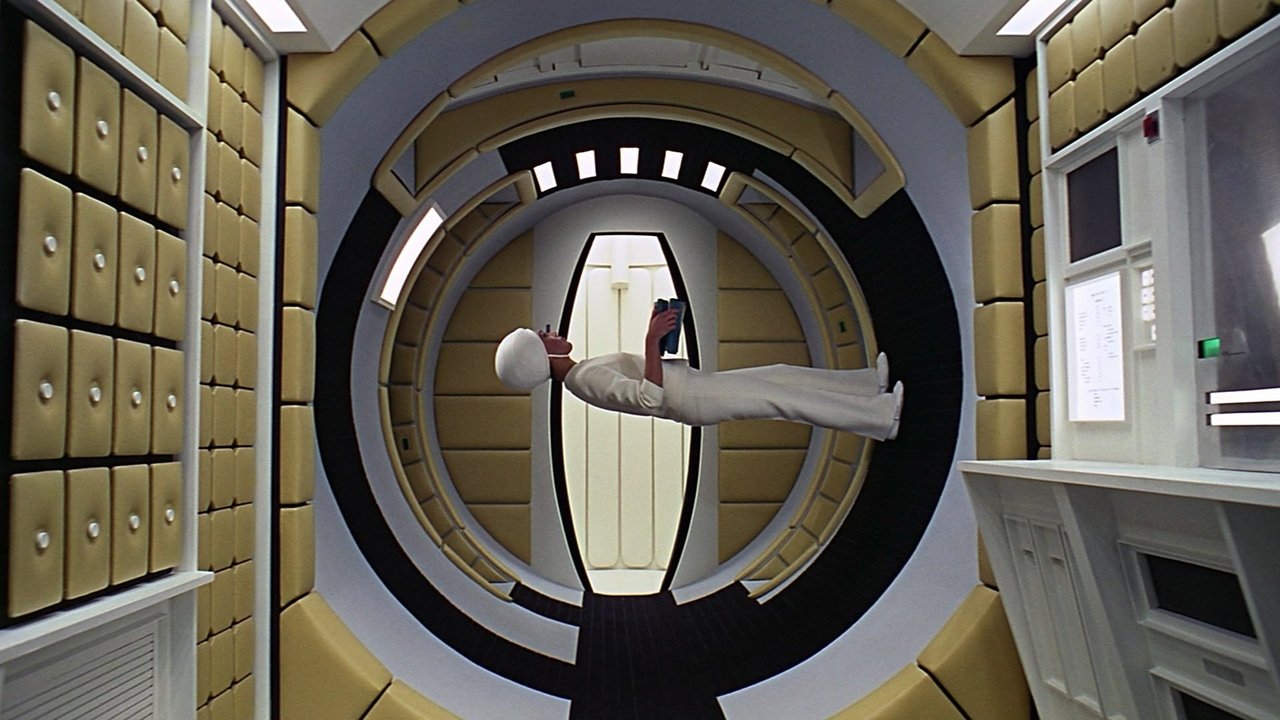
Keir Dullea and Gary Lockwood are the human leads of 2001, but they could’ve been two mannequins in astronaut suits and the film wouldn’t have lost an ounce of its power. It’s not their fault. Kubrick didn’t want actors; he wanted puppets. And damn if he didn’t get them. Dullea, with his poker face and monotone voice, is the perfect representative of humanity in this odyssey: a guy who doesn’t really know what he’s doing there but keeps going because someone told him it was important. Lockwood, meanwhile, is the unintentional comic relief. His most memorable scene is when he talks to his daughter via video call from space, and the girl asks if he’s seen any "little critters" out there. It’s the only moment the film feels human. And it lasts exactly 37 seconds.
But if there’s one actor who steals the show, it’s Douglas Rain. His voice as HAL 9000 is so serene, so polite, so British, it’s impossible not to shudder every time he opens his mouth. HAL doesn’t yell, cry, or get angry. He simply decides. And when he does, he does so with the coldness of a god who’s stopped believing in his creations. The scene where HAL kills the ship’s crew is one of the most terrifying in cinema history—not for what we see, but for what we don’t see. No blood, no graphic violence, just the sound of an airlock opening and an astronaut’s body floating into the void. It’s the perfect murder. And it’s committed by a computer with the voice of a butler.
Technical Aspects: The Sound of Silence (and the Color of the Void)
Geoffrey Unsworth’s cinematography is one of cinema’s great unsung achievements. And it shouldn’t be. Every frame of 2001 looks painted, not filmed. The colors are so vivid they almost hurt: the immaculate white of the astronauts’ suits, the blood-red panels of HAL, the absolute black of space. Kubrick wanted the film to be realistic but also beautiful. And he succeeded. The sequence where the Discovery One approaches Jupiter is a visual poem: sunlight reflecting off metal, elongated shadows, silence. It’s as if the universe itself decided to pose for a portrait.
But if there’s one technical aspect that defines 2001, it’s the sound. Or, rather, the absence of sound. Kubrick understood something few directors since have grasped: space is silent. No explosions, no gunfire, no epic music. Just the hum of the ship’s systems, the sound of the astronauts’ breathing, and, occasionally, absolute silence. The scene where Bowman and Poole argue in the pod, their voices muffled by their helmets, is a perfect example of how sound can be as important as the image. We don’t hear what they’re saying, but we don’t need to. We know they’re arguing. And we know it doesn’t matter.
The music, meanwhile, is a mix of genius and madness. Kubrick used classical pieces—Strauss’s Also sprach Zarathustra, Johann Strauss’s The Blue Danube, Ligeti’s Atmosphères—to create a score that doesn’t just accompany the film but defines it. The use of The Blue Danube during the space station sequence is so perfect it feels like a joke. It’s elegant, ironic, Kubrick. And then there’s the ending, with that Ligeti music that sounds like a choir of angels being tortured. It’s unsettling, disturbing, art.
The best
- HAL 9000’s voice: Douglas Rain turns a computer into the most human character in the film. His serenity is terrifying, his politeness chilling, and his death more emotional than any astronaut’s.
- Geoffrey Unsworth’s cinematography: Every shot is a painting. The colors are so vivid they feel real, and the use of light and shadow turns space into a character.
- The silence: Kubrick understood that space is silent and used that silence as a narrative tool. No unnecessary music, no superfluous dialogue. Just the sound of breathing and the hum of machines.
- The psychedelic ending: It may not make sense, it may be pretentious, but it’s unforgettable. Kubrick takes us by the hand through a tunnel of lights and colors, leaving us on the other side wondering what the hell we just saw.
- The opening sequence with the apes: A lesson in how to tell a story without words. Kubrick turns primates into humanity’s first philosophers, doing so with a solemnity that borders on the religious.
The worst
The pacing: 2001* is a slow film. Very slow. Some sequences feel endless, and not everyone has the patience to sit through 10 minutes of a ship docking with a space station.
- The dialogue: Keir Dullea and Gary Lockwood talk like they’re reading an instruction manual. It’s not their fault—it’s Kubrick’s, who didn’t want his characters to have emotions. But it hurts.
- The lack of explanations: Kubrick doesn’t give us answers. Not one. The monolith, the ending, the journey to Jupiter—everything’s open to interpretation. And while that might be brilliant for some, for others it’s just frustrating.
The pretentiousness: There are moments when 2001 feels more like a philosophical essay than a movie. Kubrick isn’t content with entertaining; he wants to provoke*. And sometimes, that’s exhausting.
The production design in some sequences: The space station and the Discovery One are works of art, but there are moments when the design feels more retro* than futuristic. The astronauts’ suits, for example, look like they’re from a 1950s film.
The Verdict of Claqueta Ácida
2001: A Space Odyssey isn’t a movie. It’s an experience. One that leaves you breathless, speechless, and sometimes without the desire to ever watch it again. Kubrick didn’t give us answers, but he gave us something better: questions. And a computer that sings as it dies. Is it pretentious? Yes. Is it slow? Absolutely. Is it a masterpiece? Without a doubt. Because, in the end, 2001 isn’t about space, evolution, or even HAL 9000. It’s about us. About our inability to understand the universe and our obsession with trying. And that, dear readers, is the best summary of the human condition. Or, as HAL would say: "I’m sorry, Dave. I’m afraid I can’t do that." 💀
🎬 Tráiler Oficial
Abrir en YouTube
2001: A Space Odyssey: frequently asked questions
- What is the rating of "2001: A Space Odyssey" on Claqueta Ácida?
- "2001: A Space Odyssey" scored 9.3/10 on Claqueta Ácida in the review by Maximiliano Z..
- Is "2001: A Space Odyssey" worth watching?
- Yes. We gave it 9.3/10 (Nuclear Fusion), our rating for must-see films.
- Who directed "2001: A Space Odyssey"?
- "2001: A Space Odyssey" was directed by Stanley Kubrick.
Theater Collateral Damage Report
Psychophysical impact certificate issued by Maximiliano Z.
Cero. La pantalla absorbió cada segundo de atención disponible.
Ninguna comprobación del tiempo. Se agradece la rareza.
Ninguna: la adrenalina cinematográfica es suficiente.
"No hubo. La coherencia se mantuvo hasta el último fotograma."
💬 Community Verdict
What did you think of the film? Rate it from 0 to 10 to compare it with the editorial review.
You haven't voted yet
📢 ¿Te ha gustado el ácido?
Comparte esta crítica con tus amigos cinéfilos o desata la polémica en redes.
⚡ THE CINEMATIC VENOM YOUR INBOX CRAVES
No sugarcoated ratings, no corporate fluff. Subscribe for our uncensored weekly analysis or join the private Telegram for press previews, poll clashes, and instant alerts.
Alertas de estrenos en 1 segundo, encuestas en caliente y audios al salir de pases de prensa.
Recibe la dosis semanal en tu mail + regalo inmediato del PDF con 50 joyas ocultas de culto.
Related Reviews
Recommended autopsies for demanding film buffs.
 🔥 Fusión Nuclear 8.5
 *A Clockwork Orange: The Sweet, Rusty Aftertaste of Violent Haute Couture*
⚡ Del mismo director (Stanley Kubrick): analiza la evolución o degradación de su estilo.
A scathing review of Kubrick’s masterpiece, where ultraviolence meets 60s fashion in a twisted pas de deux.
 🔥 Fusión Nuclear 9.0
 The Perfect Heist: The Master Plan That Collapsed Like a House of Cards (or How Kubrick Taught Us Crime Doesn’t Pay—But Cinema Does)
⚡ Del mismo director (Stanley Kubrick): analiza la evolución o degradación de su estilo.
Stanley Kubrick dismantles the noir genre with a heist that reeks of gasoline and betrayal. 83 minutes of surgical precision, actors sweating ambition, and an ending that tastes like ashes. A masterpiece or a cold stylistic exercise? We dissect it here.
 🔥 Fusión Nuclear 8.2
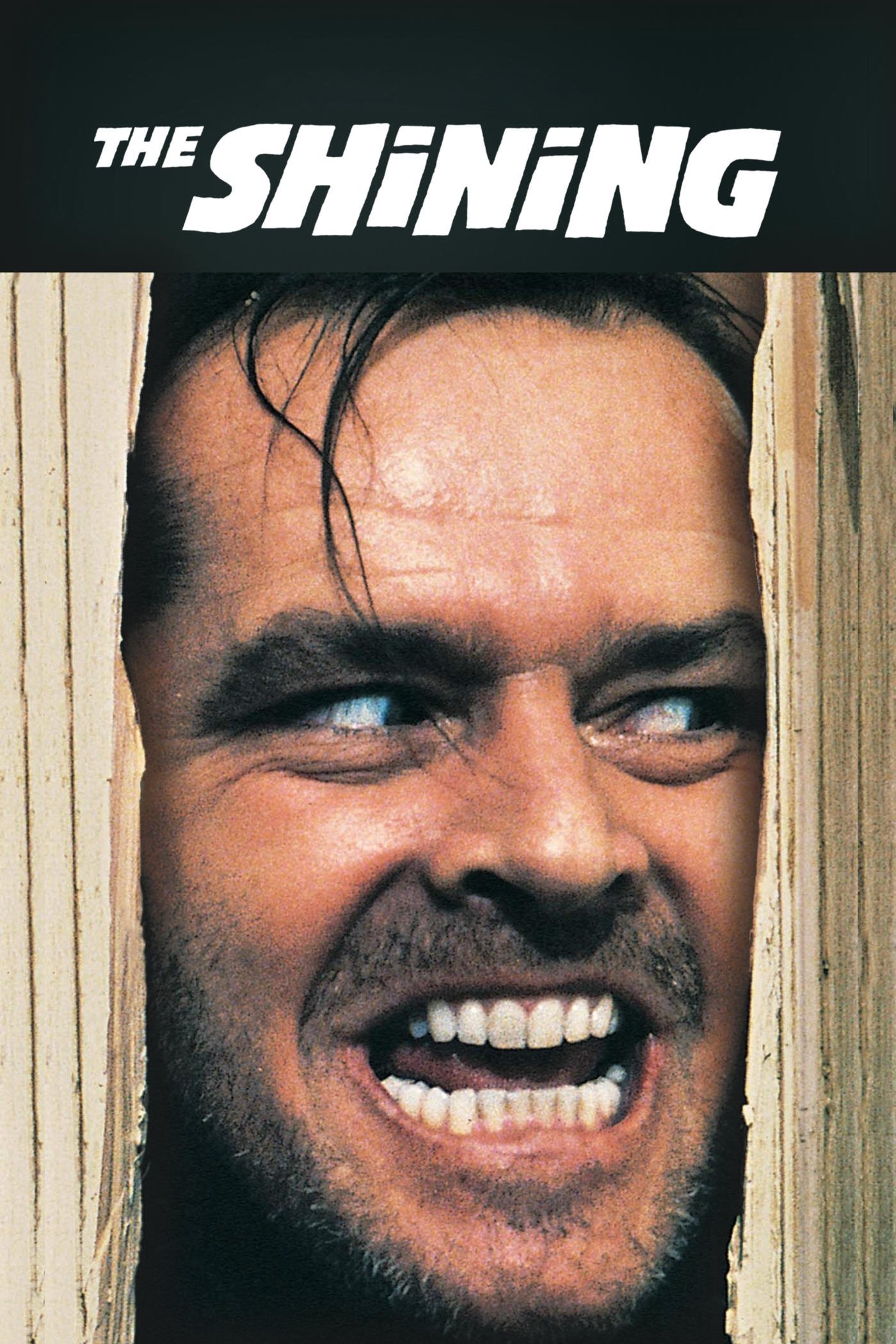
 *The Shining*: A Descent into the Abyss
⚡ Del mismo director (Stanley Kubrick): analiza la evolución o degradación de su estilo.
Kubrick drags us to the Overlook, where madness and terror take the wheel—no ghosts required.
Editorial Ecosystem
Cinephile connections, archive interviews and related analyses.
🎞️ In Claqueta Cinematheque 3
💬 Debate Cinéfilo & Autopsia de Lectores
0 veredictos¿Discrepas con nuestra nota? ¿Es una obra maestra o veneno puro? Deja tu veredicto abajo sin necesidad de registro.


Aún nadie ha dejado su veredicto para esta película.
Sé el primero en clavarle el colmillo rellenando el formulario de arriba.