

Crawlers — The Algorithm Bites First
Review of Crawlers by Ángel Gómez Hernández. An exercise in claustrophobic horror where the algorithm rules and cinema obeys.
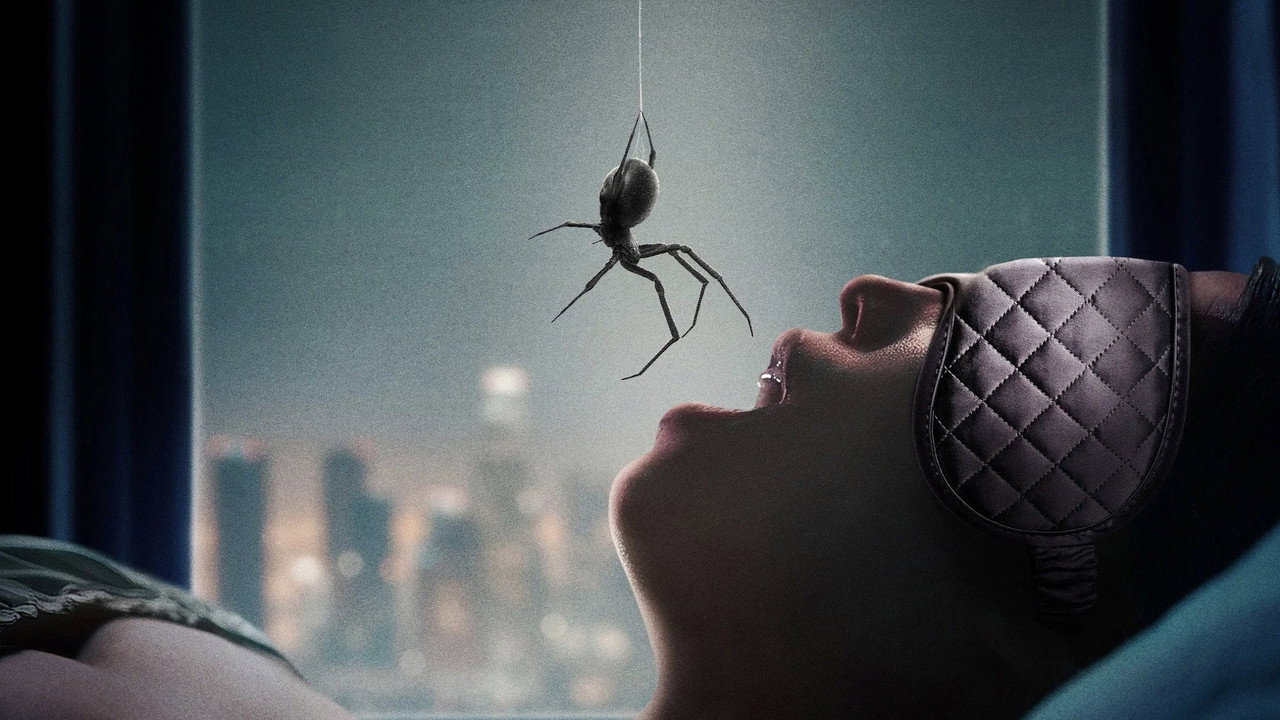
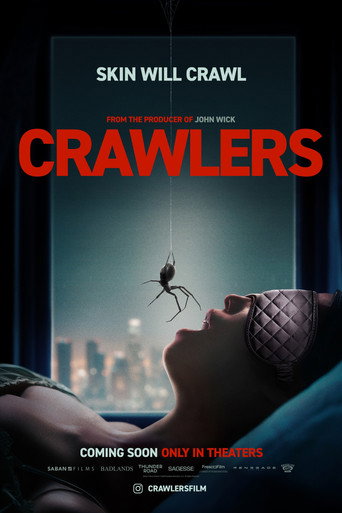
Crawlers: full review
There is something profoundly melancholic about watching a filmmaker cross the Atlantic only to end up answering to a platform's board of directors. After flirting with suburban folklore in 'The Boogeyman' and conventional studio horror in 'Voices', Ángel Gómez Hernández lands in this American apartment block with his lesson exceptionally well learned. There is no trace left of the raw, artisanal urgency of his early beginnings, but rather the blind obedience of someone who knows all too well that every single frame must fiercely compete against the viewer's constant temptation to switch tabs on their mobile phone. Contemporary genre cinema has completely forsaken the enveloping gloom to eagerly embrace digital stridency and immediate, disposable consumption.
The premise is as old as weather-beaten B-movie celluloid: a sudden death in a residential complex, an unexpected plague of venomous arachnids, and a strict quarantine that instantly turns the building's hallway into a claustrophobic mousetrap. Serena, played with genuine professional grit by Matilda Lutz, assumes the heavy managerial stripes and desperately guides a handful of survivors trapped tightly between walls that seem to shrink by direct executive production mandate. Jayson Rothwell pens a libretto where the dialogues function as mere utilitarian passageways between one cheap jump scare and the next, rigorously avoiding any fleeting hint of authentic human texture or meaningful dramatic pause. Nobody speaks like a real, breathing person because the merciless metric calculation of modern suspense demands rapid-fire catchphrases and thoroughly standardized reactions so as not to lose the fickle teenage audience.
The towering shadow of the genre's greatest historical titles weighs far too heavily on a proposal that stubbornly chooses to photocopy the most fatiguing tropes of classic containment cinema. There is not a single ounce of genuine risk in the narrative proposal, nor a single bold editing decision that dares to challenge the predictable expectations of an algorithm meticulously designed to retain tired retinas. Everything moves forward with the cold, mathematical precision of an industrial assembly line where the characters are entirely interchangeable parts destined solely for the digital slaughterhouse. The total lack of fresh air rapidly becomes the dominant, suffocating tônica of a feature that seems mortally afraid of its own shadow, preferring the lazy comfort of cheap effectism to the patient, meticulous construction of true atmosphere.
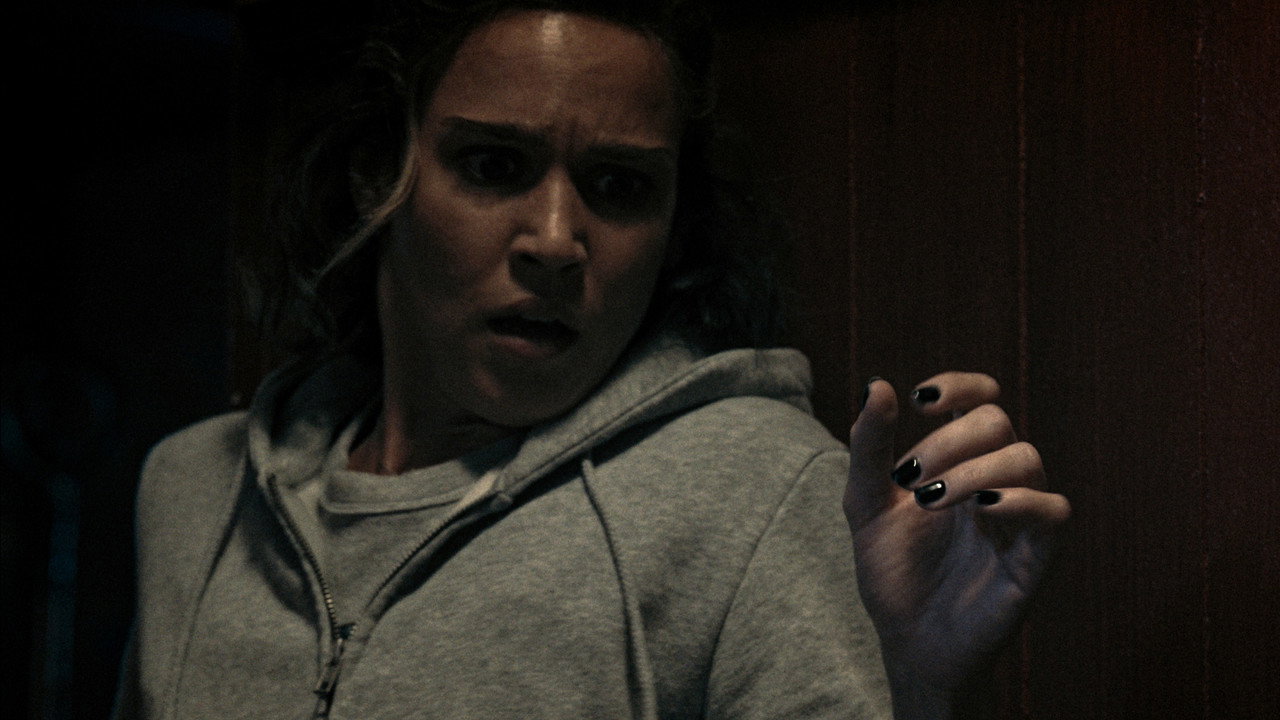
Architecture of containment and paper-mâché sets
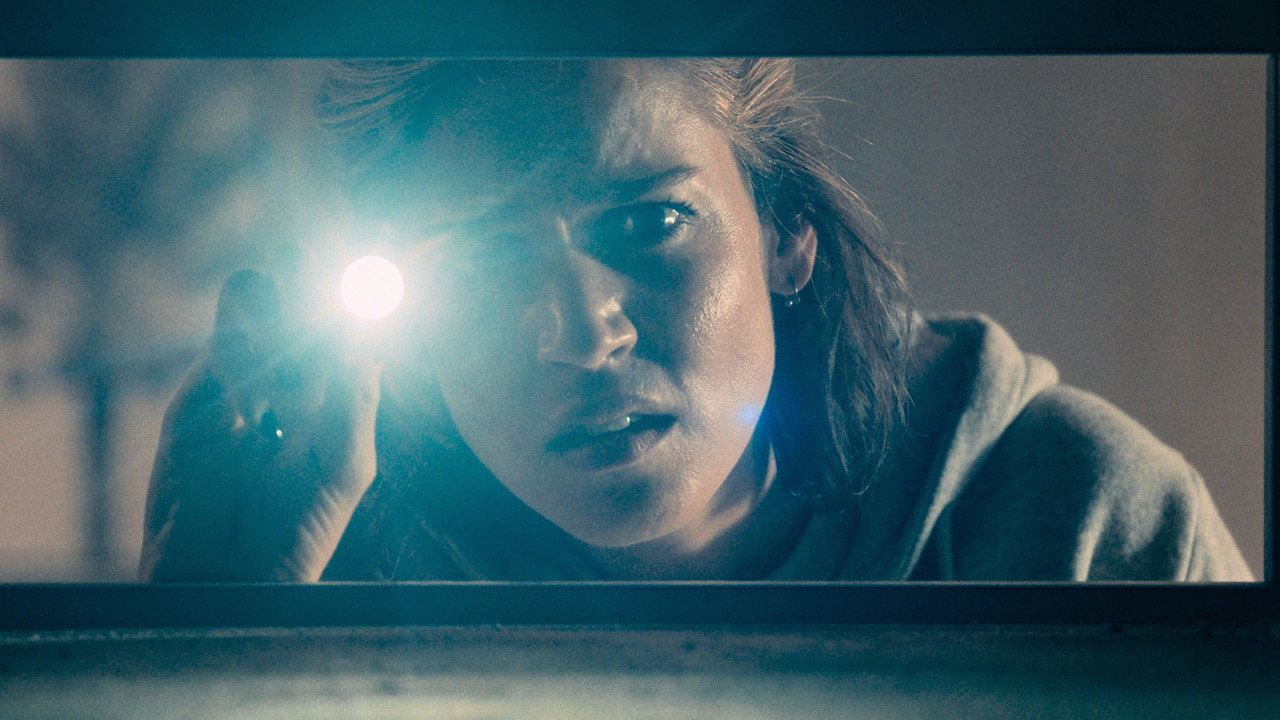
The elaborate production design confines the entire dramatic action to a monolithic building that oscillates perpetually between bleak industrial functionality and the most blatant, uninspired paper-mâché. Pablo Rosso's restless camera tries desperately to sniff out hidden corners within the suffocatingly narrow corridors, but the aggressively flat and uniform lighting utterly dissolves any truly expressionist shadow that might have somehow saved the day. Everything onscreen looks far too clean, far too artificially prepared so that the spectator can distinguish with clinical, surgical clarity exactly which digital spider leg is about to ruthlessly step on which entirely disposable secondary character. The staging decisions constantly prioritize the sterile geometric efficiency of the framing far above the genuinely suffocating atmosphere that the dramatic argument supposedly demands.
Added directly to this pervasive visual apathy is a deafening sound design that disastrously confuses sheer volume with true dramatic tension, repeatedly resorting to the agonizingly easy trick of the sudden, ear-splitting blast. Every single time mortal danger lurks around the corner, the musical score goes off like an unpredictable automatic spring, desperately begging the respectful audience to physically jump out of their seats. It is an absolute tragedy that the cinematography completely wastes the rich chromatic possibilities of urban claustrophobia, opting instead for a drab, desaturated color palette that unmistakably reeks of a sterile executive boardroom. The entire staging unforgivably forgets that true cinematic fear dwells deeply in what remains unseen, not in illuminating every single dark corner with the overwhelming lighting power of a modern hospital operating room.
Performances at the service of the metronome
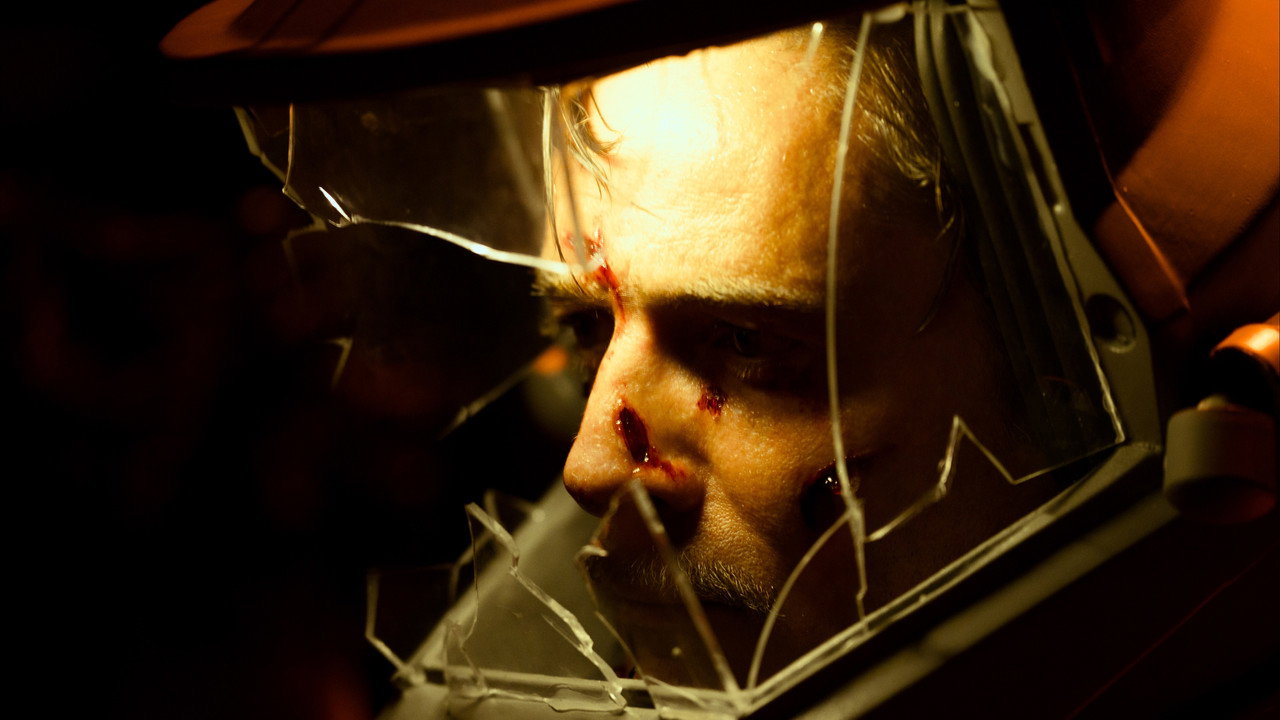
As for the unfortunate cast, the exercise quickly turns into an exhausting obstacle course against unrelenting autopilot. Matilda Lutz bravely delivers and then some as the long-suffering building administrator who courageously stands up to her own worst phobias, single-handedly sustaining the fragile emotional anchor of the feature with unwavering, admirable professionalism. Surrounding her, figures like Gary Anthony Stennette or Elena Sanz dutifully parade with the cold, bureaucratic correctness of someone who has merely come to collect their weekly paycheck and dutifully punch the clock on set. There is zero psychological depth embedded within their generic group dynamics, offering only rigidly choreographed reactions designed merely to fill the agonizing gaps between monster attacks.
The talented performers simply do whatever they possibly can with dramatic material written strictly on autopilot, where complex personal conflicts are lazily resolved with hollow punchlines straight out of a cheap self-help manual. One deeply misses that wild, unbridled interpretive anarchy that historically turns classic B-movie monster flicks into genuinely memorable, wonderfully unhinged cinematic experiences. Here, everything is meticulously measured, so heavily mediated by the crippling fear of offending the delicate sensibilities of the average viewer, that the actors seem to constantly walk on invisible eggshells. Even during the moments of heightened collective tension, the interpersonal dynamics remain so completely aseptic that it is fundamentally impossible to genuinely fear for the physical integrity of any of those involved.
The best
- Matilda Lutz: Brings a commanding physical presence and fierce dramatic commitment that valiantly keep the ship from completely sinking into the abyss.
- Internal pacing: The mercifully contained runtime prevents total, mind-numbing boredom from completely taking over the feature before the closing credits finally roll.
The worst
- Automated direction: A staging completely domesticated and neutered by the uniform visual standards mandated by modern streaming services.
- Digital effects: Generically generated computer creatures that entirely lack the tangible physicality fundamentally necessary to instill real, visceral panic.
The Verdict of Claqueta Ácida
This lifeless film definitively confirms that contemporary commissioned horror vastly prefers the cozy comfort of the algorithm to the daring aspersion of true artistic risk. It doesn't hurt, it doesn't offend anyone, but it crucially leaves absolutely no lasting scar on the cinematic memory of anyone unfortunate enough to endure it. A utterly forgettable fast-pass through completely plastic fear that vanishes from the mind even before the final credits finish rolling. 💀
🎬 Tráiler Oficial
Abrir en YouTube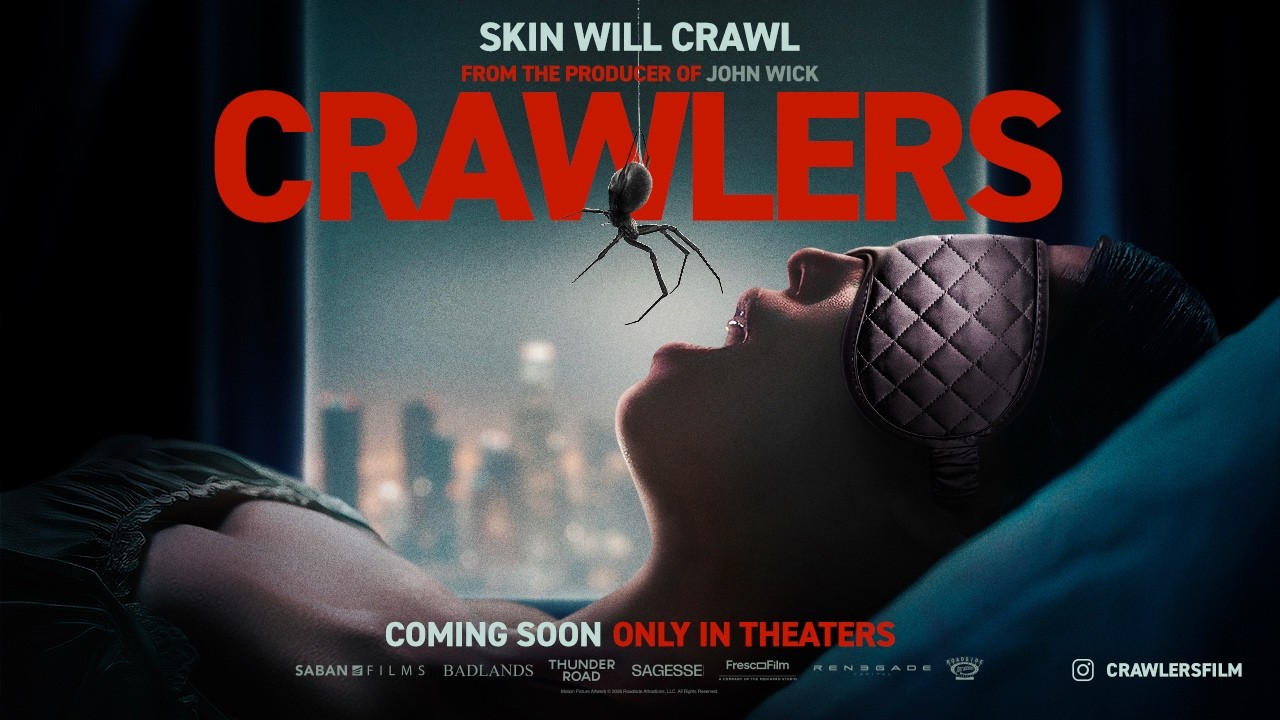
Ending Explained: Crawlers
Crawlers: frequently asked questions
- What is the rating of "Crawlers" on Claqueta Ácida?
- "Crawlers" scored 4.8/10 on Claqueta Ácida in the review by Maximiliano Z..
- Is "Crawlers" worth watching?
- No. We gave it 4.8/10 (Sulfuric Acid), our rating for films we don't recommend.
- Who directed "Crawlers"?
- "Crawlers" was directed by Ángel Gómez Hernández.
- How does "Crawlers" end?
- Spoilers in Crawlers ending explained .
Theater Collateral Damage Report
Psychophysical impact certificate issued by Maximiliano Z.
Un bostezo sincronizado con cada cambio de plano general del edificio en cuarentena.
Las ganas de mirar el reloj se acumulan cada vez que el edificio se queda a oscuras.
Doble espresso bien cargado para no desconectar antes de que baje la persiana metálica.
"El instante exacto en que la amenaza deja de ser un misterio vecinal para convertirse en un desfile digital de criaturas sin alma."
The rebuttal from Dr. Cinismo (Pretentiousness Radar)
In stark disagreement with the review given by Maximiliano Z..
“Ay, Maximiliano y sus nostalgias de bucle artencuesta. Se desgasta el alma llorando la pureza perdida de un director que simplemente ha decidido no aburrirnos con solemnidad de sobremesa. Qué drama que un bloque de pisos americano no huela a sotana rural ni a costumbrismo subvencionado. Mi nota es un sensato 7.3 porque esto no busca la beatificación en Cahiers du Cinéma, sino geometría pura del sobresalto. El libreto de Rothwell no esquiva la textura humana; la poda con bisturí de género. En este tipo de artificio para culturetas a la inversa, donde se premia el bostezo autoral, se desprecia la eficacia rítmica. Gómez Hernández ejecuta el mandato del algoritmo con una precisión quirúrgica admirable. Los diálogos funcionan como poleas, no como terapia de grupo. Matilda Lutz cumple sin lloriquear en la cartelera global. Menos letanías sobre la penumbra perdida y más respeto por el oficio de engrasar la maquinaria.
💬 Community Verdict
What did you think of the film? Rate it from 0 to 10 to compare it with the editorial review.
You haven't voted yet
📢 ¿Te ha gustado el ácido?
Comparte esta crítica con tus amigos cinéfilos o desata la polémica en redes.
⚡ THE CINEMATIC VENOM YOUR INBOX CRAVES
No sugarcoated ratings, no corporate fluff. Subscribe for our uncensored weekly analysis or join the private Telegram for press previews, poll clashes, and instant alerts.
Alertas de estrenos en 1 segundo, encuestas en caliente y audios al salir de pases de prensa.
Recibe la dosis semanal en tu mail + regalo inmediato del PDF con 50 joyas ocultas de culto.
Related Reviews
Recommended autopsies for demanding film buffs.
 ⚠️ Ácido Sulfúrico 3.2
On the Run: A Senseless Sprint
⚡ Ambas sentenciadas al vertedero con ⚠️ Ácido Sulfúrico.
A marathon of clichés and marketing sweat that leaves the audience feeling like they've run in circles. 💀
 ⚠️ Ácido Sulfúrico 4.5
Don't Move: When Horror Freezes Solid in the Undergrowth
⚡ Ambas sentenciadas al vertedero con ⚠️ Ácido Sulfúrico.
We dissect Maclain Nelson's Don't Move, where a prehistoric arachnid reduces creature-feature horror to an exercise in absolute static.
 ⚠️ Ácido Sulfúrico 3.2
The Mutiny: The Mutation of Cheap Machismo
⚡ Ambas sentenciadas al vertedero con ⚠️ Ácido Sulfúrico.
Jason Statham returns to the screen with a movie that reeks of sweat and cheap marketing. Acidic, unfiltered review.
Editorial Ecosystem
Cinephile connections, archive interviews and related analyses.
🎞️ In Claqueta Cinematheque 2


💬 Debate Cinéfilo & Autopsia de Lectores
0 veredictos¿Discrepas con nuestra nota? ¿Es una obra maestra o veneno puro? Deja tu veredicto abajo sin necesidad de registro.



Aún nadie ha dejado su veredicto para esta película.
Sé el primero en clavarle el colmillo rellenando el formulario de arriba.