

The Weight — When Hope is Traded on the Stock Exchange
Review of The Weight by Padraic McKinley. Ethan Hawke and Russell Crowe star in a thriller where the commodification of freedom obliterates any trace of redemption.
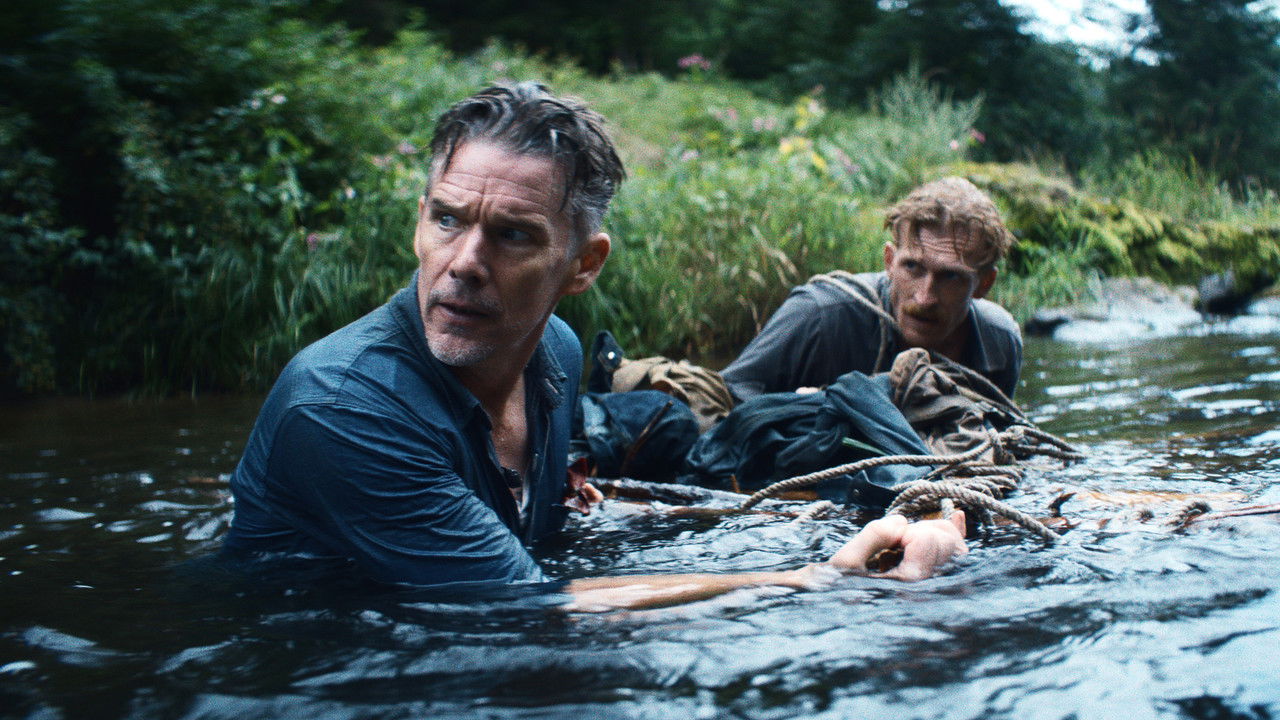
The Weight: full review
There is something profoundly cynical about the contemporary way of narrating captivity. Studios joyfully finance tales of broken men seeking redemption with pickaxe and shovel, as if human suffering were simply another raw material tradable in futures markets. In this transatlantic production signed by Fields Entertainment, the Great Depression of 1933 serves as a scenographic backdrop to remind us that penitentiary institutions have never aimed to correct behaviors, but rather to monetize pain until squeezing out the last drop of working-class sweat. The geographical coordinates of Oregon become a wasteland here where justice is an unattainable luxury item.
Padraic McKinley approaches Samuel Murphy's odyssey with a formal sobriety that often borders on mineral asceticism. There is no gratuitous pyrotechnics or concessions to cheap studio sentimentalism, a decision that honors the tale but also freezes the dramatic pulse in moments where the viewer would most appreciate a bit of visceral fire. We see the Deschutes labor camps and the forests of Klamath Falls through a lens that prioritizes the texture of dust and physical effort over aesthetic showing off. The staging bends to the fatigue of the characters, forcing us to witness the constant hauling of ingots as a persistent reminder that individual freedom has a very specific tariff set by the State itself.
It could be argued that this proposal is simply a conventional patriarchal survival and redemption thriller, where gold is merely a MacGuffin to test the loyalty among desperate men. However, that superficial reading ignores the ideological architecture supporting Shelby Gaines's script. Warden Clancy played by Russell Crowe does not embody the classic celluloid sadoid who enjoys corporal punishment; he represents something infinitely more terrifying: the efficient bureaucrat who turns a father's desperation into cheap labor to extract ore before the new Rooseveltian order confiscates the resources. The tragedy does not lie in the danger of the road, but in the certainty that the rules of the game have been rigged since the very first frame.

Direction and staging
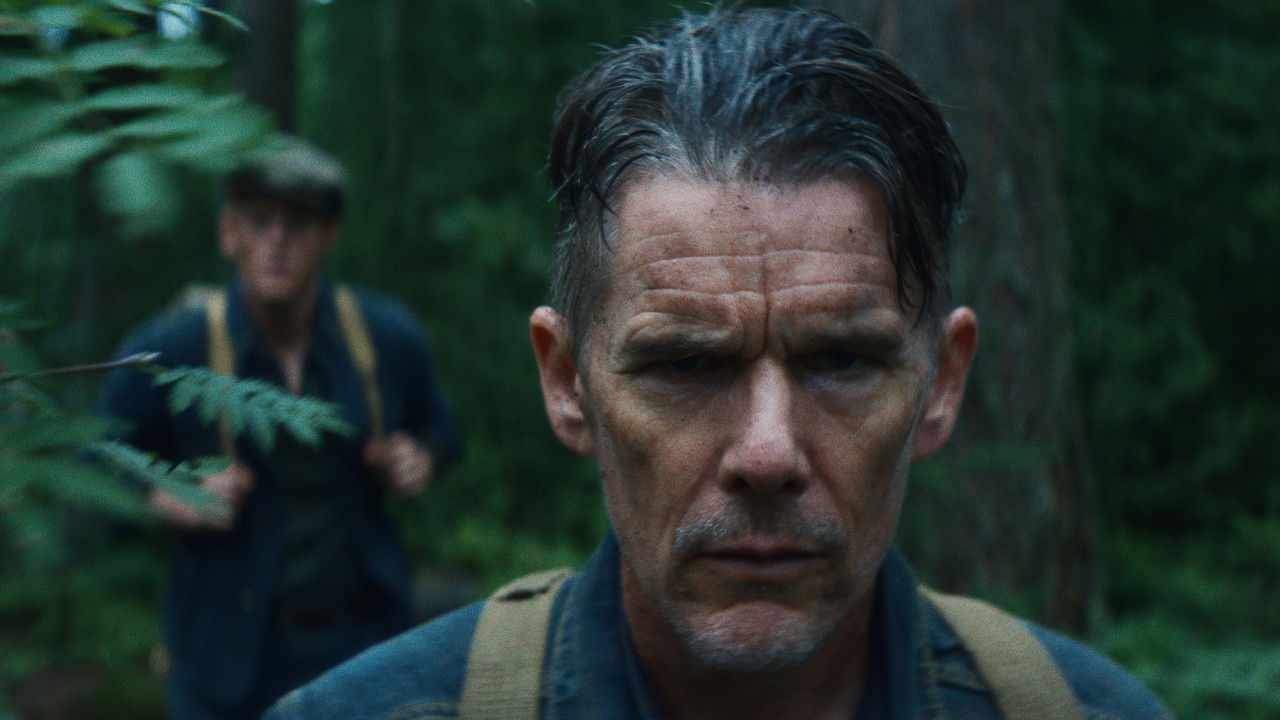
McKinley's direction demonstrates an almost archaeological patience in registering the physical weight of objects and bodies. The sequence in the penal labor camp, where the protagonist resolves the blockage of an immense rock, does not seek the easy applause of the action hero, but rather exposes the strict machinery of utility governing the penitentiary. Each establishing shot of the Oregon forests drowns the characters beneath an indifferent nature that functions as an invisible jailer. Matteo Cocco's camera respects open spaces without granting them epic grandeur; it turns them into narrow corridors of a prison without walls where cold and physical exhaustion dictate the narrative tempo of the journey.
Performances and choral dynamics
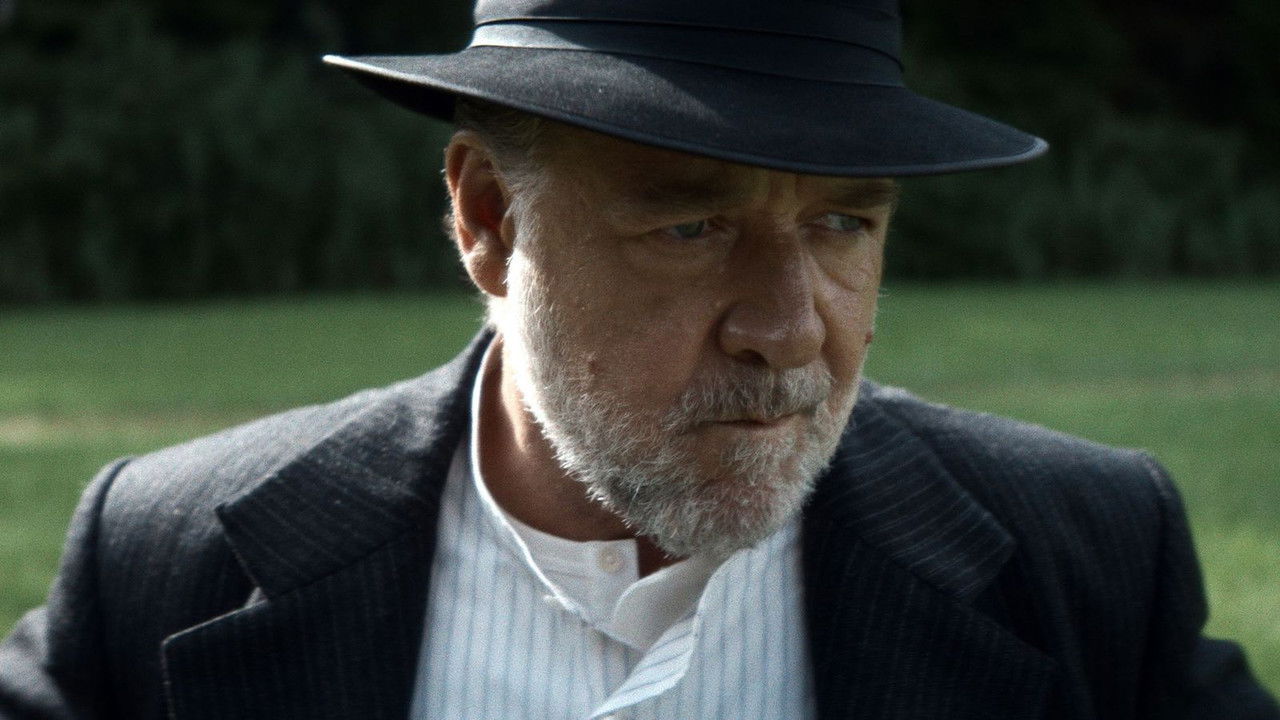
At the center of this human dismantling machinery, Ethan Hawke builds a Samuel Murphy devoid of any hint of romantic heroism. His eyes reflect the emptiness of a widower who has sold down to the last memory of his daughter to survive the misery of the Great Depression, and his performance dispenses with grandiloquent speeches to bet on the economy of silence. Opposite him, Russell Crowe provides a poised authority that flees from histrionic outbursts, outlining a warden as reasonable in his manners as he is ruthless in his mercantile calculations. The choral counterpoint provided by supporting actors like Austin Amelio and Julia Jones enriches an ecosystem where solidarity is a luxury few can afford when gold shines too brightly.
Technical department
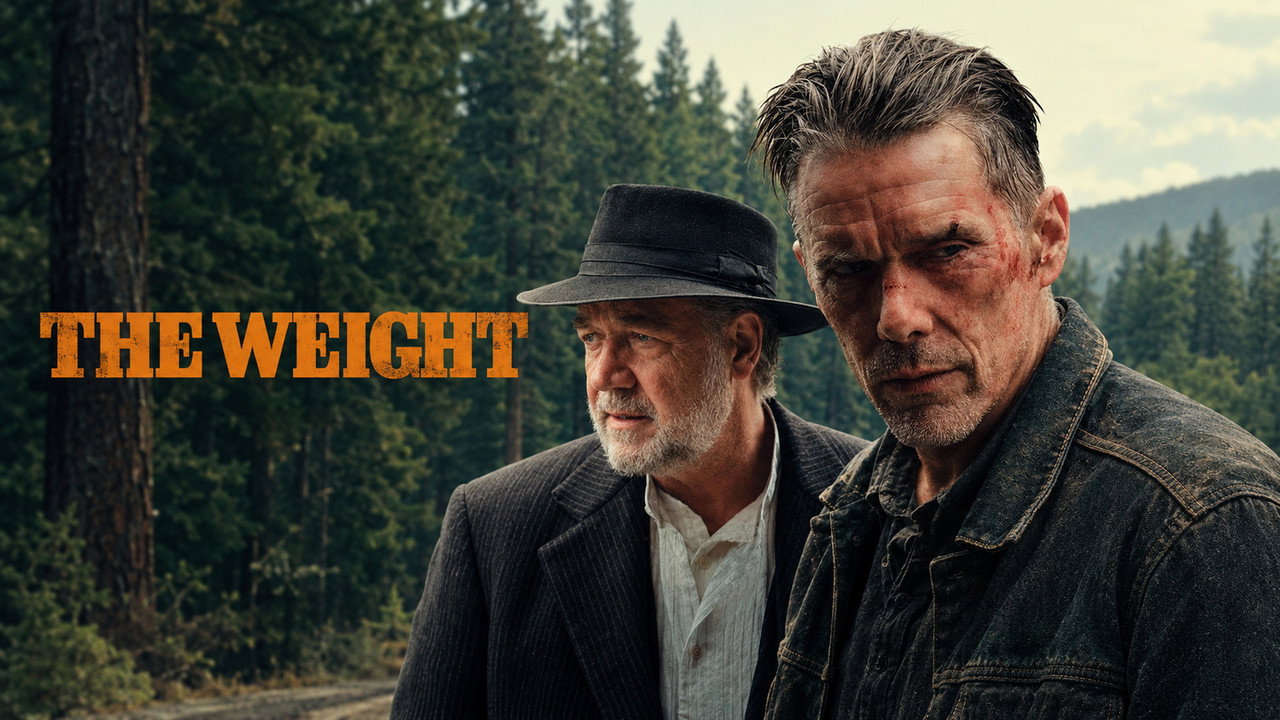
The musical score composed by Latham Gaines avoids constant melodramatic underlining, preferring low, sustained notes that accompany the crunch of boots on leaf litter and the metallic clinking of tools. The production design recreates with commendable restraint the sordidness of forced labor camps and the dusty gloom of the mines at the twilight of the gold rush. There are no strident notes in the editing, which prefers to let long shots breathe during the hikes, allowing the fatigue accumulated by the group to transmit directly to the theater seat without resorting to accelerated editing tricks.
The best
- Ethan Hawke's performance: An exercise of absolute restraint that embodies the moral exhaustion of an era without falling into tear-jerking sensationalism.
- Cynical reading of the system: The unromanticized dissection of how public administration commodifies the hope of inmates under a facade of legality.
- Cinematography: Matteo Cocco's ability to turn Oregon's natural landscapes into a claustrophobic extension of the penitentiary.
The worst
- Sluggish pacing in the second act: The journey through the forest occasionally stalls by prioritizing the literal weight of the ingots over the advancement of the dramatic conflict.
- Predictability in the twists: Certain dynamics between guards and prisoners can be guessed too far in advance, robbing the ambush of its surprise factor.
The Verdict of Claqueta Ácida
Padraic McKinley delivers a solid and gritty genre exercise that refuses to grant moral comfort to its audience. Far from redeeming its characters through adventure, The Weight exposes with cold elegance how the system transforms filial affection into a simple financial asset to be liquidated in the nearest mine. We are not dealing with a revolutionary masterpiece, but rather with a bitter reminder that freedom, when administered by the State, is always traded downwards 💀.
🎬 Tráiler Oficial
Abrir en YouTube
Ending Explained: The Weight
The Weight: frequently asked questions
- What is the rating of "The Weight" on Claqueta Ácida?
- "The Weight" scored 6.8/10 on Claqueta Ácida in the review by Maximiliano Z..
- Is "The Weight" worth watching?
- With reservations. We gave it 6.8/10 (Citric Acid), our rating for uneven films with something worth saving.
- Who directed "The Weight"?
- "The Weight" was directed by Padraic McKinley.
- How does "The Weight" end?
- Spoilers in The Weight ending explained .
Theater Collateral Damage Report
Psychophysical impact certificate issued by Maximiliano Z.
Cero bostezos, aunque el sonido constante del oro chocando contra la roca acaba generando un leve tinnitus existencial.
Apetece mirar el reloj exactamente cuando los guardias deciden ignorar las señales evidentes de la emboscada nocturna.
Un café solo y amargo, tomado en una fría madrugada de Oregón mientras se revisan los asientos contables de la prisión.
"El instante en que el grupo cruza el puente de cuerda y la tensión dramática cede ante la logística de cargar lingotes."

The rebuttal from Dr. Cinismo (Pretentiousness Radar)
In stark disagreement with the review given by Maximiliano Z..
“Maximiliano Z. se ofende por el capitalismo penitenciario de 1933 como si descubriera que el agua moja. Cuatrocientos críticos se rasgaron las vestiduras en la Croisette celebrando el rigor de Padraic McKinley, confundiendo aburrimiento siberiano con profundidad autoral. El aplausómetro comprado funcionó a la perfección: catorce minutos de bostezo unánime coreografiados por los agentes de prensa. No hay sobriedad mineral ni ascetismo formal; hay un guion perezoso que estira planos secuencia de hombres picando piedra porque la productora necesitaba rellenar metraje para justificar el presupuesto de periodo. La supuesta denuncia sobre la mercantilización del sufrimiento humano es una coartada de marketing para vender aburrimiento bien iluminado a los festivales de clase A. Mi nota es un generoso 4.3 por el polvo de Oregón, que al menos es auténtico. El resto es humo festivalero para el postureo cultural de siempre.
💬 Community Verdict
What did you think of the film? Rate it from 0 to 10 to compare it with the editorial review.
You haven't voted yet
📢 ¿Te ha gustado el ácido?
Comparte esta crítica con tus amigos cinéfilos o desata la polémica en redes.
⚡ THE CINEMATIC VENOM YOUR INBOX CRAVES
No sugarcoated ratings, no corporate fluff. Subscribe for our uncensored weekly analysis or join the private Telegram for press previews, poll clashes, and instant alerts.
Alertas de estrenos en 1 segundo, encuestas en caliente y audios al salir de pases de prensa.
Recibe la dosis semanal en tu mail + regalo inmediato del PDF con 50 joyas ocultas de culto.
Related Reviews
Recommended autopsies for demanding film buffs.
 ⚠️ Ácido Sulfúrico 3.2
On the Run: A Senseless Sprint
⚡ Comparten trinchera editorial en la sección de Estrenos.
A marathon of clichés and marketing sweat that leaves the audience feeling like they've run in circles. 💀
 🔥 Fusión Nuclear 8.0
Bitter Christmas: Almodóvar Comes Home (And Saves Us from Corporate Holiday Hell)
⚡ Comparten trinchera editorial en la sección de Estrenos.
Almodóvar turns holiday grief into an intimate, visually stunning, and emotionally raw drama. Bárbara Lennie shines, but the script stumbles in the third act. 8/10.
 ⚡ Ácido Cítrico 6.8
Animals: The Kidnapping of Male Vanity
⚡ Comparten trinchera editorial en la sección de Estrenos.
Ben Affleck directs a claustrophobic thriller where money cannot buy freedom, only the absolute certainty of failure.
Editorial Ecosystem
Cinephile connections, archive interviews and related analyses.
💬 Debate Cinéfilo & Autopsia de Lectores
0 veredictos¿Discrepas con nuestra nota? ¿Es una obra maestra o veneno puro? Deja tu veredicto abajo sin necesidad de registro.



Aún nadie ha dejado su veredicto para esta película.
Sé el primero en clavarle el colmillo rellenando el formulario de arriba.