

Mama Bear — The Violent Self-Correction of a Filmmaker Cornered by His Own Mirror
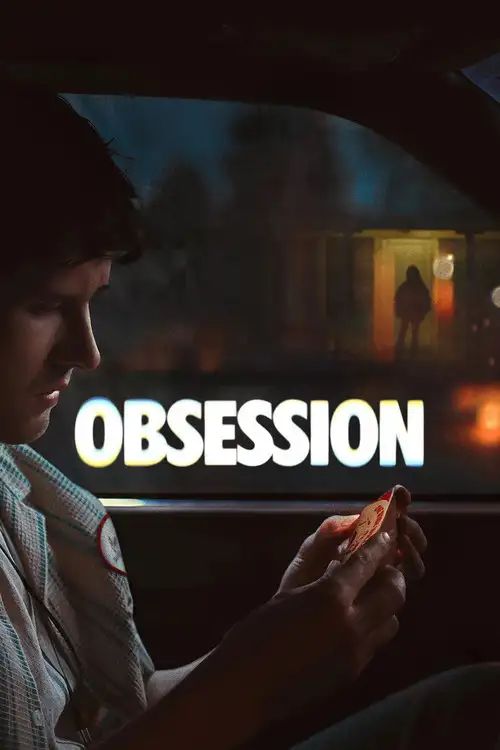
Mama Bear is not a sequel, but Curry Barker's surgical, visceral response to the fiasco of Obsession. An exercise in pure survival.
Mama Bear: full review
The polarization that shook the foundations of contemporary criticism following the release of the failed Obsession left its creator in a state of extreme intellectual vulnerability. That incursion into the labyrinths of toxic desire shipwrecked between aesthetic pretensions and a leaky script, splitting the parish between those who saw genius and those who smelled cardboard cutout aesthetics. Instead of retreating toward safer formulas or begging for studio approval through easy applause, the director has opted for a much more perilous path: purging through extreme brevity. The work at hand stands not as a minor diversion, but as the testimony of an author forced to prove that his behind-the-scenes pulse was not merely the random stroke of a lucky algorithm.
There is in this minimalist exercise an almost desperate urgency to rewrite the recent past by excising all narrative fat. Where minutes and onanistic pretensions once overabounded, the law of tense silence and contained aggression now reigns supreme—a compressed format functioning like a slap in the face in the middle of a masterclass on self-complacency. The industrial machinery backing the project—with names as unusual in the horror trenches as Microsoft and Droga5 collaborating in the shadows—delivers a visual packaging so clean it feels almost clinical, devoid of the analog romanticism of yesteryear yet endowed with a sharpness cut like a freshly honed scalpel. It is a risky gamble that smells of fresh cash and the pressing need to clean a name tarnished by that previous debacle.
The spectator approaching this rendezvous seeking the usual multiplex complacency will leave scalded by the absolute lack of dramatic concessions. There is no room here for amiable digression or the leisurely construction of characters with psychological alibis; the atmosphere densifies from the very first second until it suffocates any attempt at bourgeois escapism. This is cinema that bites the hand that feeds it, utilizing the resources of the short format to distill a corrosive essence that lays bare the emptiness of most commercial releases this cinematic season. Do not expect anyone to explain things to you; if you need your plot pre-chewed, this is not your kind of cinema.
The Deforming Mirror of Domestic Paranoia
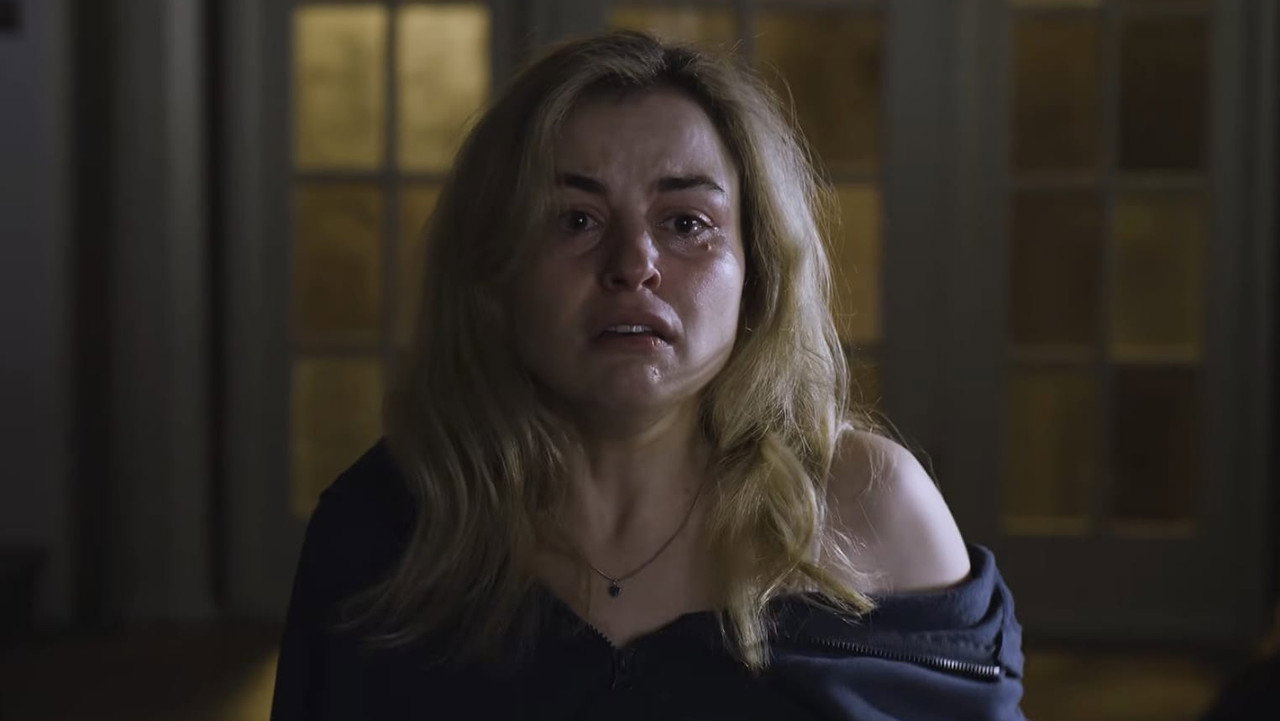
The direction of actors dispenses with unnecessary flourishes to focus on the physical and psychological collision between the faces populating this nightmare ecosystem. Jon Lee Richardson embodies a bewildered Floyd whose authority crumbles upon encountering his own reflection in the skin of Joshua Snyder—a splitting that functions as a macabre metaphor for unresolved guilt. His performance is a study in modern male impotence, a man attempting to maintain control while his world collapses in slow motion. Opposite them, Katie Sarife assumes the weight of the dramatic trench by playing a Lacey whose gaze transcends mere jump scares to settle into the territory of pure animal survival. She does not scream, she does not run chaotically; she simply observes, calculates, and reacts with the precision of a cornered predator. Ericka Kreutz rounds out the frame with a presence as fleeting as it is disturbing, proving that economy of means can be the narrative tension's best ally when the director knows precisely where to place the lens. Every gesture is charged with an intentionality bordering on the paranoid, making the spectator feel the need to analyze every micro-expression as if it were a criminal clue.
The Technical Dissection of Compressed Vertigo
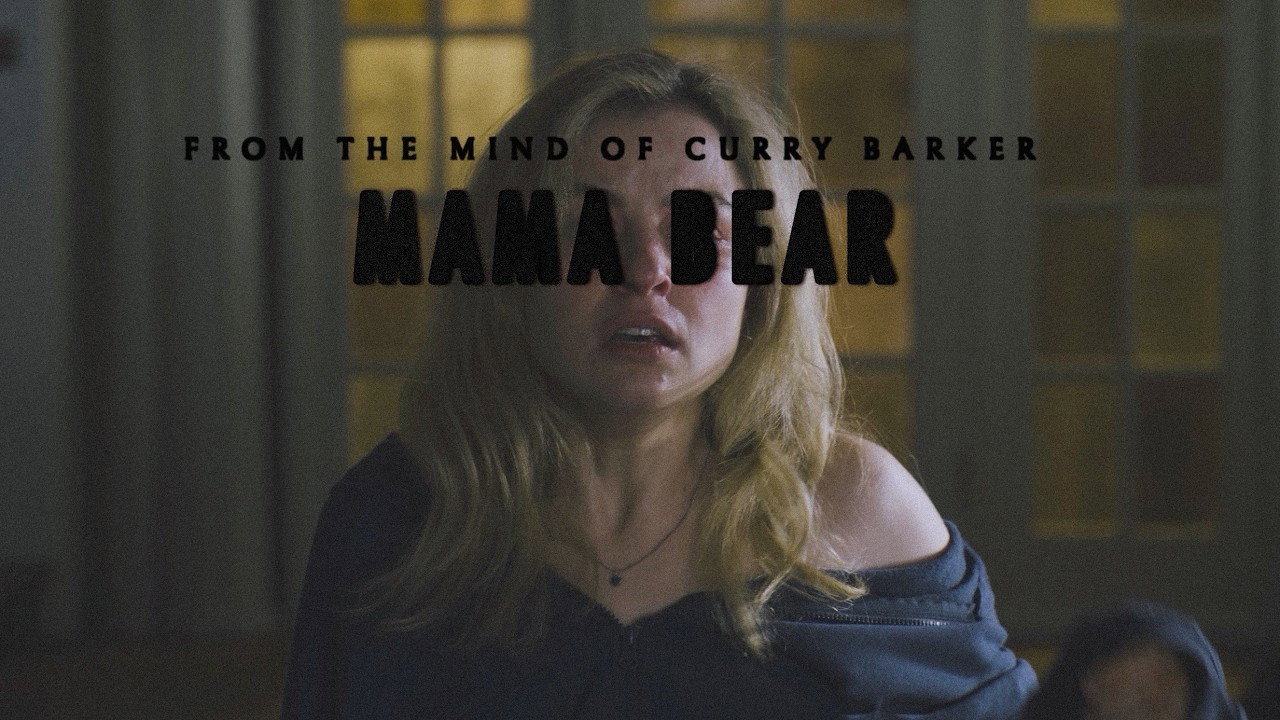
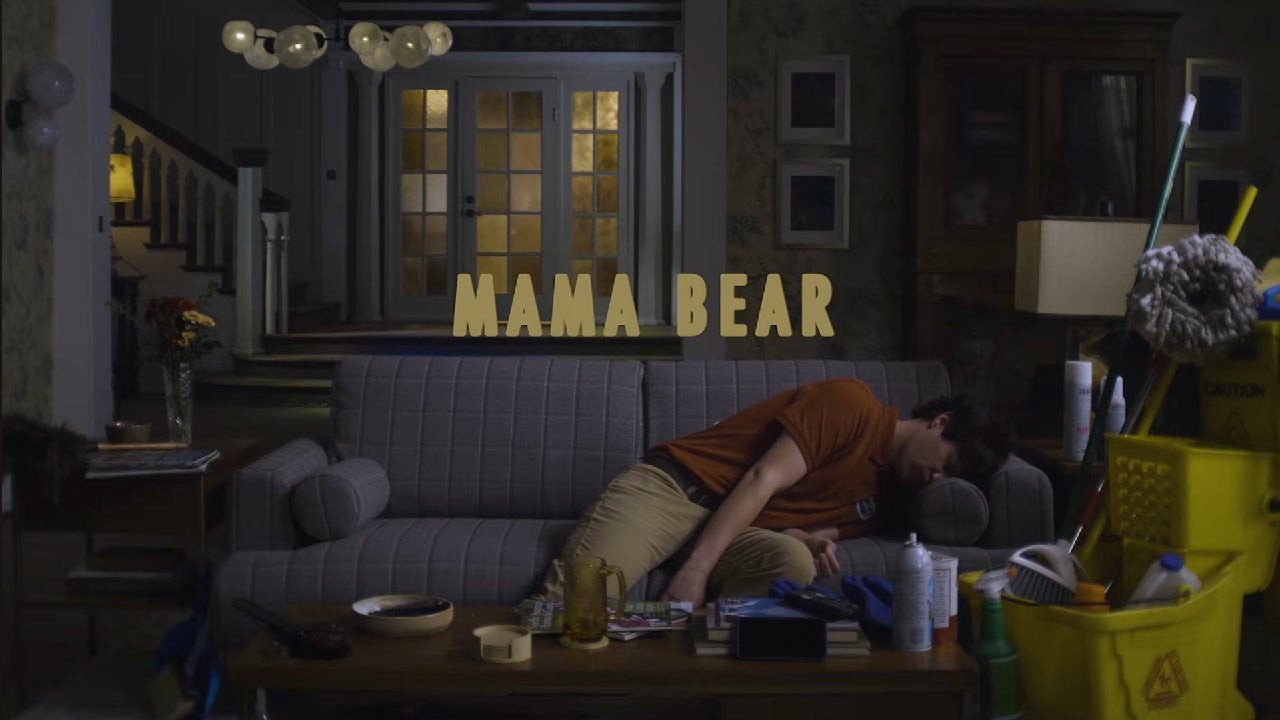
Riley Barker's work behind the camera heading up the cinematography bypasses cheap pyrotechnics to opt for a desaturated color palette that deepens the claustrophobic nature of the proposal. Every shot is measured with an automaton's precision, avoiding the digital shakiness so en vogue in contemporary genre cinema in favor of a menacing immobility. Light does not illuminate; rather, it reveals the cracks in reality, casting shadows that seem to have a life of their own, stalking the characters from the darkest corners of the screen. Editing, forced to condense a complete dramatic arc into a blink, functions with the punctuality of a Swiss clockwork mechanism, refusing to grant the spectator a single truce and turning the scenic space into an authentic aesthetic rat trap. There are no breaths for air, only an accumulation of tension exploding suddenly and violently, leaving the audience with their hearts in their throats and the certainty that there is no possible escape.
The best
- Narrative economy: an exercise in conciseness that pulverizes the unnecessary verbiage of today's cinema, proving that less is more when you actually have something real to say.
- Sustained tension: the ability to generate genuine terror without resorting to strident jumpscares, trusting the spectator's psychology to complete the fear.
- Performative delivery: a cast that empties themselves completely within an infinitesimal timeframe, bringing to life characters seemingly ripped from a collective nightmare.
The worst
- Its vertiginous brevity: it is consumed so rapidly that it leaves the cinephile hungry for a more ambitious development, as if the director were afraid the magic might dissipate.
- Conceptual hermeticism: it may completely alienate those seeking chewed-up answers and complacent endings, demanding an active participation not everyone is willing to offer.
The Verdict of Claqueta Ácida
Curry Barker has achieved the seemingly impossible: redeeming himself from his own auteurist sins by shrinking the canvas down to its barest minimum. This piece is a savage reminder that talent is not measured in hours of runtime, but in the capacity to strike the spectator's gut before they even have time to settle into their seat. A small, turbid, uncomfortable, and necessary jewel that buries the ghosts of the past through sheer visual pulse. 💀
Mama Bear: frequently asked questions
- What is the rating of "Mama Bear" on Claqueta Ácida?
- "Mama Bear" scored 7/10 on Claqueta Ácida in the review by Odin Lagbert.
- Is "Mama Bear" worth watching?
- With reservations. We gave it 7/10 (Citric Acid), our rating for uneven films with something worth saving.
- Who directed "Mama Bear"?
- "Mama Bear" was directed by Curry Barker.
Theater Collateral Damage Report
Psychophysical impact certificate issued by Odin Lagbert
Imposible parpadear cuando la urgencia narrativa te pisa los talones desde el primer fotograma.
Quien ose buscar el reloj en cinco minutos de metraje merece la hoguera estética.
Un espresso cargado y sin azúcar, tomado de un trago antes de que termine el primer minuto.
"La irrupción del doble maléfico que dinamita cualquier atisbo de lógica doméstica convencional."

The rebuttal from Lúa Ácida (Queen of the Box Office)
In stark disagreement with the review given by Odin Lagbert.
“Me quedé sin aliento, la piel se me erizó como una epidermis bajo una tormenta de neón. La cámara de Barker se desliza con la precisión de una autopsia, pero el cuerpo narrativo está desangrado; no hay pulso, solo un latido artificial que se escapa entre los cortes. El sonido, una feromona de estática, me golpea la cabeza y me deja aturdida, sin eco de miedo real. Los personajes aparecen como sombras sin sangre, sus gestos mutilados por una edición que busca la velocidad en vez de la tensión. La estética pulida parece un quirófano de plástico, carece de la suciedad sagrada que alimenta el terror. La historia se deshace en fragmentos, como un rompecabezas sin pieza central. 4.7/10
💬 Community Verdict
What did you think of the film? Rate it from 0 to 10 to compare it with the editorial review.
You haven't voted yet
📢 ¿Te ha gustado el ácido?
Comparte esta crítica con tus amigos cinéfilos o desata la polémica en redes.
⚡ THE CINEMATIC VENOM YOUR INBOX CRAVES
No sugarcoated ratings, no corporate fluff. Subscribe for our uncensored weekly analysis or join the private Telegram for press previews, poll clashes, and instant alerts.
Alertas de estrenos en 1 segundo, encuestas en caliente y audios al salir de pases de prensa.
Recibe la dosis semanal en tu mail + regalo inmediato del PDF con 50 joyas ocultas de culto.
Related Reviews
Recommended autopsies for demanding film buffs.
 ⚡ Ácido Cítrico 5.4
The Price of the Network: When Sorkin Discovers the Algorithm and Falls in Love with His Own Echo
⚡ Hermana de saga: otro capítulo diseccionado con rigor forense.
Aaron Sorkin attempts to put Big Tech on trial but ends up reproducing the very same cheap dopamine he purports to denounce in The Price of the Network.
 ⚡ Ácido Cítrico 6.8
Live: The Dissolution of Flesh in the Mediatic Mud
⚡ Hermana de saga: otro capítulo diseccionado con rigor forense.
Dhruv Tripathi films a descent into the depths of journalism in Live, where identity dissolves like stolen sand.
 🔥 Fusión Nuclear 9.0
A Poet: The Miracle No One Saw Coming (But We All Deserved)
⚡ Hermana de saga: otro capítulo diseccionado con rigor forense.
Simón Mesa Soto delivers an unsettling masterpiece about poetry, aging, and failure. Painfully beautiful. 9.0/10.
Editorial Ecosystem
Cinephile connections, archive interviews and related analyses.
🎞️ In Claqueta Cinematheque 1
💬 Debate Cinéfilo & Autopsia de Lectores
0 veredictos¿Discrepas con nuestra nota? ¿Es una obra maestra o veneno puro? Deja tu veredicto abajo sin necesidad de registro.



Aún nadie ha dejado su veredicto para esta película.
Sé el primero en clavarle el colmillo rellenando el formulario de arriba.