Bitter Christmas — Almodóvar Comes Home (And Saves Us from Corporate Holiday Hell)
Almodóvar turns holiday grief into an intimate, visually stunning, and emotionally raw drama. Bárbara Lennie shines, but the script stumbles in the third act. 8/10.

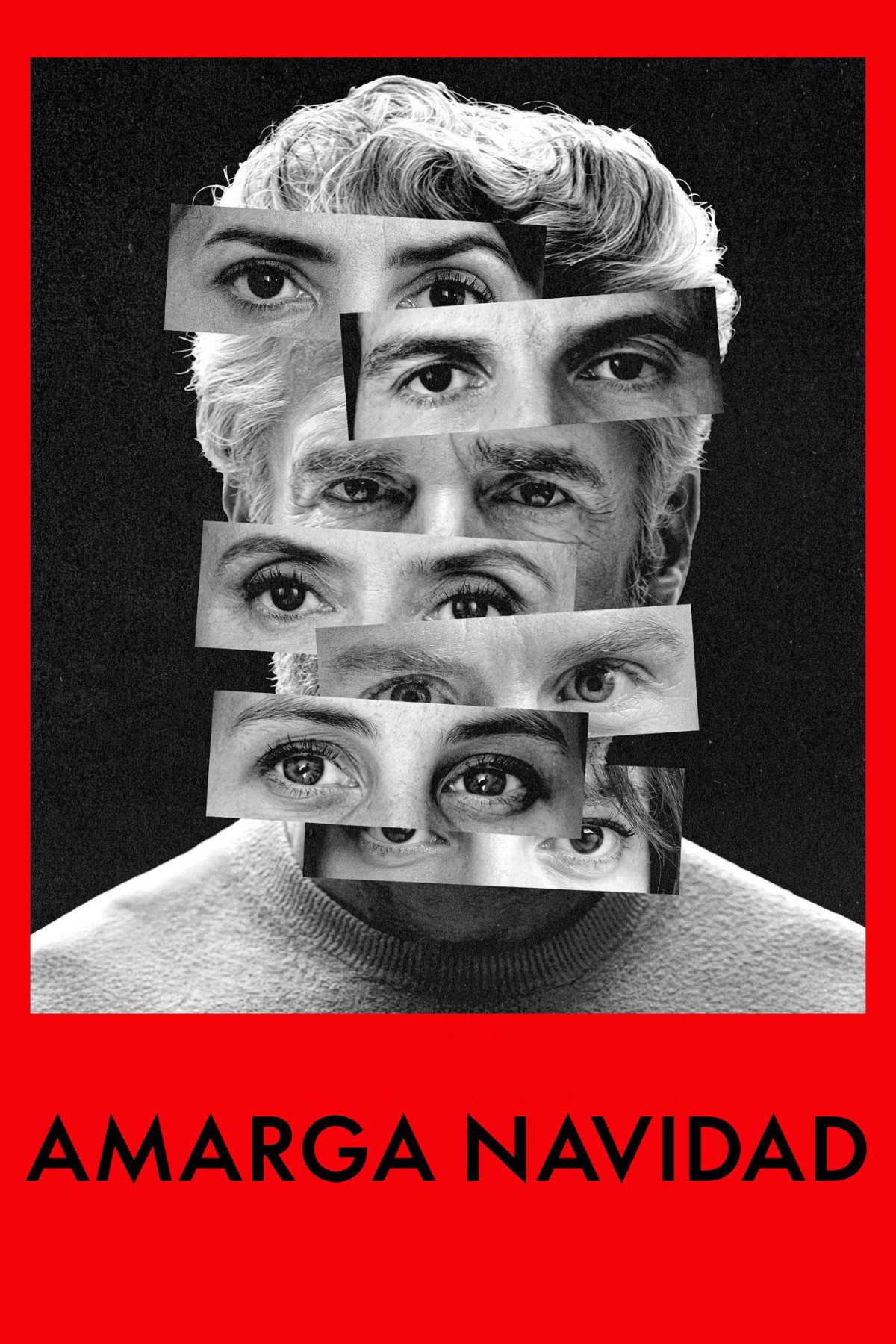

The opening shot of Bitter Christmas is a sucker punch disguised as a holiday postcard. An Advent wreath burns on the floor of a Madrid apartment while Bárbara Lennie, eyes swollen and voice shattered, whispers a "Merry Christmas" that sounds like a threat. Pedro Almodóvar, that old fox of melodrama, has decided that this year, Christmas won’t be about family reunions or saccharine carols—it’ll be about grief, spilled wine on marble tables, and women crying in airport bathrooms. And thank God for that, because after Pain and Glory and Parallel Mothers, he needed to prove he could still talk about pain without slipping into self-indulgence. Spoiler: he pulls it off, though not without a few stumbles along the way.
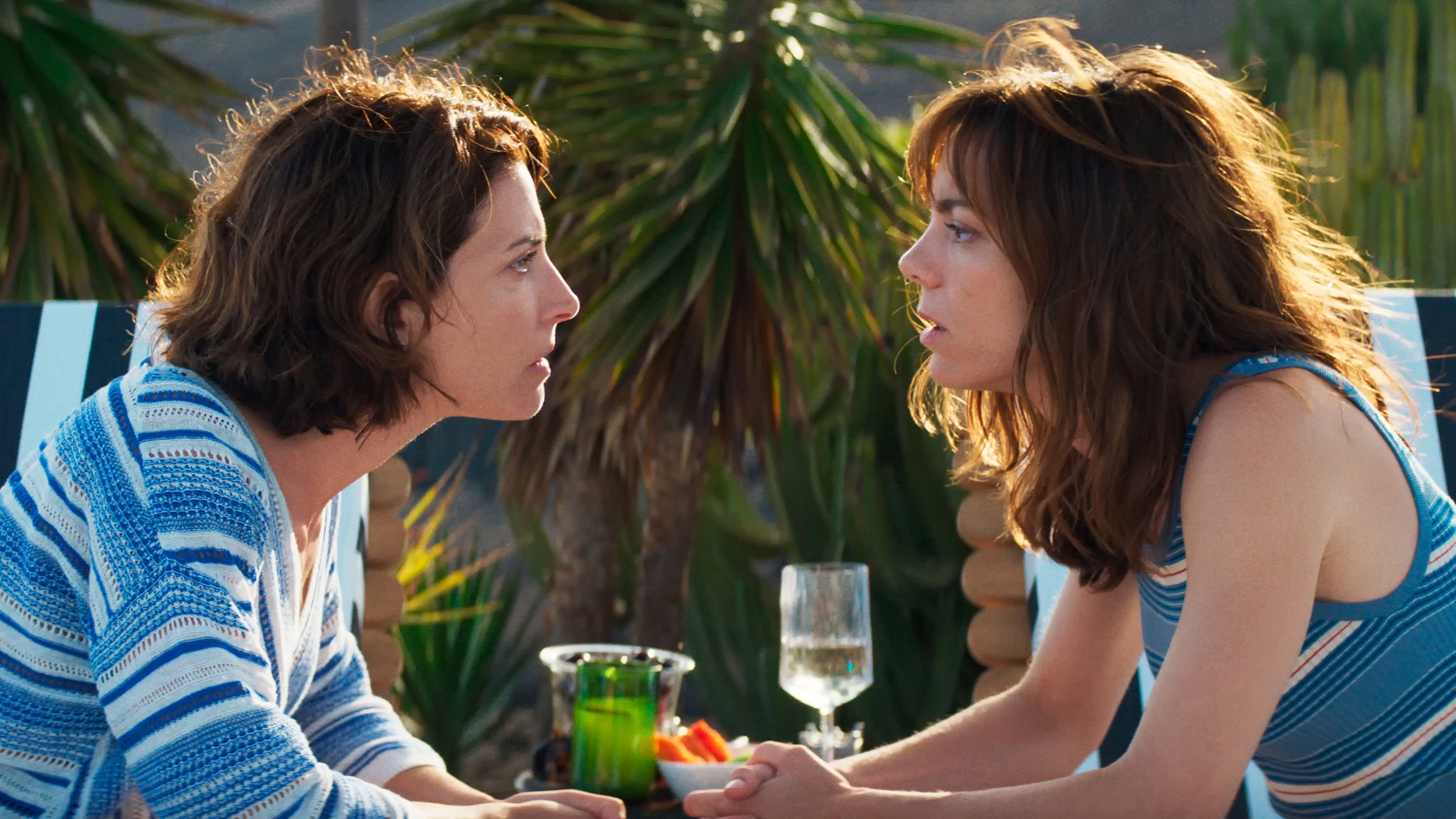
The filming of Bitter Christmas took place in Lanzarote, a setting Almodóvar chose not for tourist whimsy but for its merciless light and lunar landscapes. "I wanted a place where pain had no escape," he told El País. And escape it didn’t. Pau Esteve Birba, his go-to cinematographer since Pain and Glory, delivers one of his most restrained yet dazzling works here. The interiors of Elsa’s (Lennie) apartment are bathed in a palette of electric blues and muted reds, as if Edward Hopper had designed a Freixenet ad. But it’s the exteriors where the film breathes: those black-sand beaches under a leaden sky, those roadside bars where characters drink cheap wine and confess secrets no one wants to hear. Almodóvar, always a master of artifice, opts for naturalism here, and the result is as uncomfortable as it is hypnotic.
Elsa, the protagonist, is one of those Almodovarian women who survive on irony and anxiety pills. Lennie, who already proved in Magical Girl and The Realm that she can shift from fragility to ferocity in the blink of an eye, is simply sublime. There’s a moment where Elsa, drunk and barefoot, belts out a Raphael Christmas carol in a rundown karaoke bar while her friend Patricia (Victoria Luengo) watches with a mix of tenderness and horror. It’s a two-minute tracking shot that sums up everything the film wants to say: that pain isn’t cured, only disguised. And that Christmas, that festival of collective hypocrisy, is the perfect stage for the cracks in family—and in oneself—to become visible.
But not everything is gold in this Bitter Christmas. The script, written solely by Almodóvar, limps in the third act. After an impeccable buildup, where every line feels chiseled and every silence weighs like a tombstone, the film deflates with an ending that smells too much like "we’ve seen this before." The Christmas Eve family reunion, with forced hugs and crocodile tears, is pure Almodóvar in his most predictable form. And while Leonardo Sbaraglia nails his role as the absent father and Aitana Sánchez-Gijón steals scenes as the eccentric aunt we all have, there’s something in that final stretch that tastes like déjà vu. Too much All About My Mother? Too much Volver? Maybe. Or maybe Almodóvar, after forty years, can’t—or won’t—surprise us anymore.
Direction and staging: the Almodóvar you didn’t expect
Almodóvar has always been an actor’s director, but in Bitter Christmas, he takes that obsession to the extreme. Every shot seems designed to capture Lennie’s face in its most vulnerable state: sweaty, mascara running, lips painted a red that looks like blood. There’s a moment where Elsa, after a panic attack, stares at herself in the mirror and wipes off her lipstick with her fingers. It’s a tiny, almost insignificant gesture, but Almodóvar turns it into a symbol of a lifetime of masks falling away. The camera doesn’t judge—it just watches. And that, perhaps, is the film’s greatest virtue: its ability to look at pain without sugarcoating it, but also without wallowing in it.
The editing, by Teresa Font (a frequent collaborator), is another highlight. The film flows like a river, with seamless transitions between the present and flashbacks of Elsa’s childhood. But it’s in the silences where Bitter Christmas truly shines. There’s a scene where Elsa and her partner (Patrick Criado) argue in the kitchen while a Christmas carol plays on the radio. The camera lingers on their faces, uncut, for nearly three minutes. No extradiegetic music, just ambient sound and the characters’ racing heartbeats. It’s uncomfortable, it’s real, it’s pure cinema.
Performances: Lennie steals the show (and your heart)
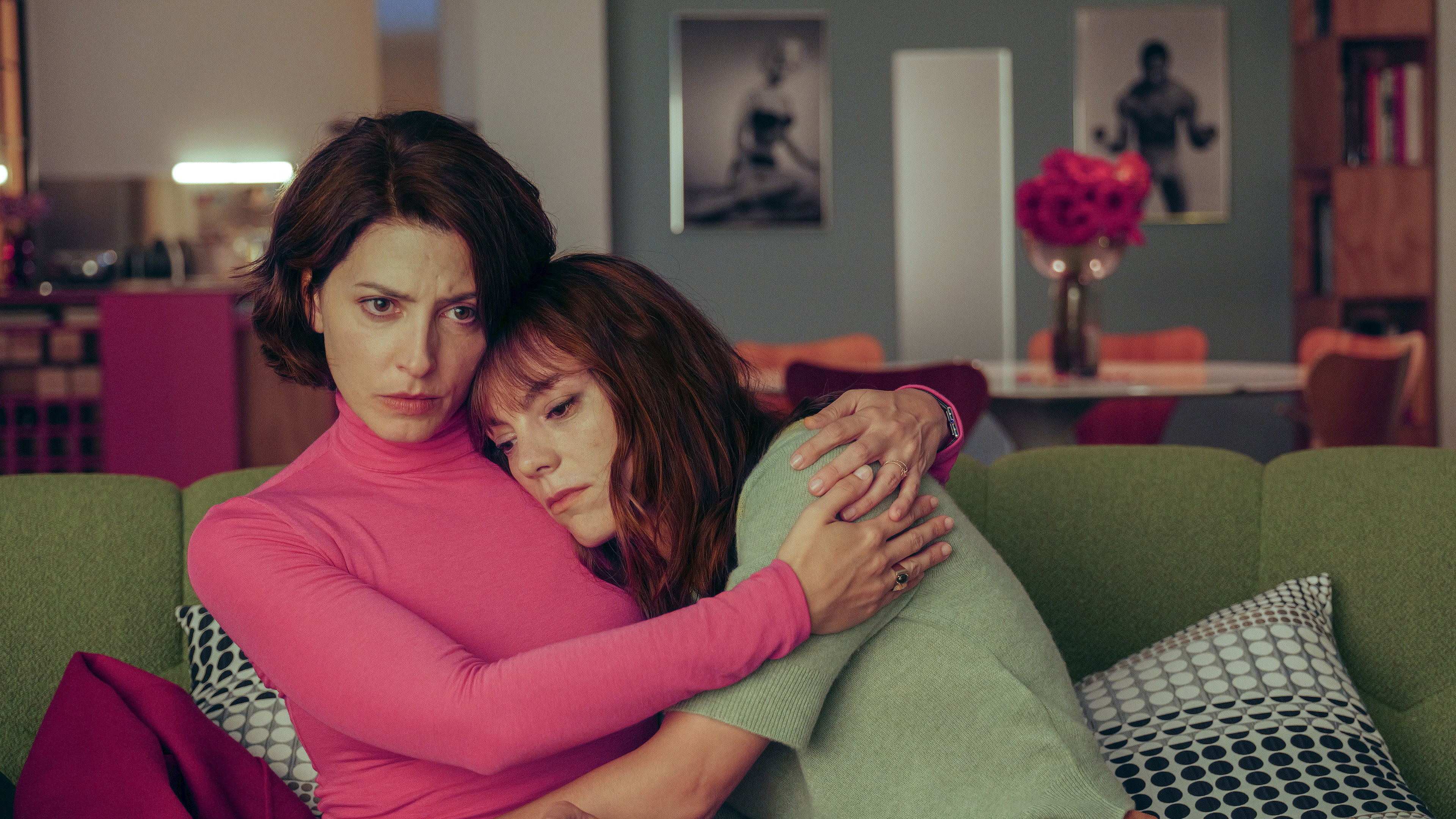
Bárbara Lennie is, without a doubt, the standout of Bitter Christmas. Her Elsa is a complex character, full of contradictions: strong yet fragile, cynical yet vulnerable, an adult with the heart of a child who never got over her mother’s death. Lennie dominates every scene with a naturalness that’s unsettling, especially in moments of crisis. There’s a shot where, after a fight with her father, she sits on the bathroom floor and cries with her mouth open, as if the pain is too big to contain. It’s an image that sticks with you, like a tattoo.
The rest of the cast delivers, though no one reaches Lennie’s level. Leonardo Sbaraglia is solid as the distant father, but his character is too archetypal: the man who runs from his emotions and only communicates through money. Aitana Sánchez-Gijón, on the other hand, devours the screen as Aunt Sole, a woman who lives in a fantasy world yet seems to be the only one who truly understands Elsa. Her final scene, where she sings an off-key Christmas carol through tears, is one of the film’s most moving moments.
Technical aspects: when color hurts
Pau Esteve Birba’s cinematography is simply dazzling. Every frame feels like a painting—not the pretty, perfect kind, but the ones that leave a bitter aftertaste. The interiors are dominated by cool tones—blues, grays, muted greens—while the exteriors explode in reds and oranges that burn the retina. There’s a moment where Elsa walks down a Lanzarote street at sunset, the sky dyed an almost unreal orange. The camera follows her in a lateral tracking shot as her shadow stretches across the ground. It’s a shot that encapsulates the entire film: beauty and pain, past and present, life going on despite everything.
The score, composed by Alberto Iglesias, is understated but effective. No grand orchestral themes here, just minimalist melodies that sneak into the most intimate moments. The Christmas carol in the karaoke scene—a butchered version of "Mi Burrito Sabanero"—is a stroke of genius: a joyful song turned sad and grotesque, like Christmas itself.
The best
Bárbara Lennie’s performance: An acting tour de force that hurts, unsettles, and leaves you breathless. Lennie doesn’t act—she lives*.
- Pau Esteve Birba’s cinematography: Every frame is a work of art—not the kind you hang in your living room, but the kind you keep in a drawer because it hits too close to home.
- Teresa Font’s editing: The film flows like a river, with seamless transitions and eloquent silences. The karaoke tracking shot is a masterclass in visual storytelling.
- Alberto Iglesias’ score: Minimalist melodies that pierce the chest like needles. The butchered carol is a genius touch.
The worst
- The predictable third act: After an impeccable buildup, the film deflates with an ending that reeks of "we’ve seen this before." Too much Almodóvar for his own good.
- Leonardo Sbaraglia’s character: An emotionally illiterate absent father. Fine, but too archetypal for a film that prides itself on psychological depth.
- Some forced dialogue: There are moments where the script sounds more like an Almodóvar monologue than a real conversation. The Christmas Eve family reunion is a prime example.
- Overbearing symbolism: Not everything needs to be a metaphor. The burning Advent wreath in the opening shot is powerful, but other moments feel weighed down by symbolism rather than emotion.
The Verdict of Claqueta Ácida
Bitter Christmas isn’t Almodóvar’s best film, but it’s one of his most honest. It’s a raw, visually stunning portrait of grief, family, and that Christmas we all carry inside—the one that smells like spilled alcohol, repressed tears, and carols that sound like mockery. Bárbara Lennie is sublime, Pau Esteve Birba’s cinematography is a marvel, and Teresa Font’s editing proves that silence, sometimes, speaks louder than words. That said, the script stumbles in the third act, and some lines reek of self-referential indulgence. But even with its flaws, Bitter Christmas sticks to you like nougat on your teeth or pain in your chest. And in these days of disposable cinema, that’s almost a miracle. 💀
tweets_alternativos:
- "@almodovar vuelve a lo íntimo con 'Amarga Navidad', y esta vez el dolor sabe a sal y a vino barato. Lennie y Sbaraglia elevan un guion que tropieza en el tercer acto. ¿Demasiado Almodóvar para el público navideño? 🎄🔪"
🎬 Tráiler Oficial
Abrir en YouTube
Ficha de Daños Colaterales en Sala
Certificado de impacto psicofísico emitido por Dr. Cinismo
Cero bostezos. Pupilas dilatadas y tensión mandibular constante.
El móvil permaneció en el bolsillo donde debía estar.
Ninguna. Esta obra no necesita muletas estimulantes.
"No aplica. La obra se sostiene sola."
💬 El Veredicto de la Comunidad
¿Qué te ha parecido la película? Deja tu nota de 0 a 10 para contrastarla con el análisis de la redacción.
Aún no has votado
📢 ¿Te ha gustado el ácido?
Comparte esta crítica con tus amigos cinéfilos o desata la polémica en redes.
⚡ THE CINEMATIC VENOM YOUR INBOX CRAVES
No sugarcoated ratings, no corporate fluff. Subscribe for our uncensored weekly analysis or join the private Telegram for press previews, poll clashes, and instant alerts.
Alertas de estrenos en 1 segundo, encuestas en caliente y audios al salir de pases de prensa.
Recibe la dosis semanal en tu mail + regalo inmediato del PDF con 50 joyas ocultas de culto.
Related Reviews
Recommended autopsies for demanding film buffs.
 🔥 Fusión Nuclear9.0
The Skin I Live In: Almodóvar’s Masterclass in Surgical Sadism
⚡Del mismo director (Pedro Almodóvar): analiza la evolución o degradación de su estilo.
Almodóvar drags us into a world where fascination and terror stitch themselves together like a second skin—literally.
 🔥 Fusión Nuclear8.0
The End of Oak Street: David Robert Mitchell Reinvents Cosmic Horror Without Losing Its Human Core
⚡Consagradas en el olimpo transgresor con 🔥 Fusión Nuclear.
Anne Hathaway and Ewan McGregor lead this claustrophobic descent where the unknown isn’t a monster—it’s reality itself unraveling at the seams. Mitchell proves once again that the most terrifying horror is the kind that festers in the intimate.
 🔥 Fusión Nuclear9.0
The Odyssey: Nolan’s Epic Ego Trip
⚡Consagradas en el olimpo transgresor con 🔥 Fusión Nuclear.
Christopher Nolan’s *The Odyssey*: A cinematic masterpiece—or a bloated vanity project drowning in its own pretensions?
Editorial Ecosystem
Cinephile connections, archive interviews and related analyses.
🎞️ In Claqueta Cinematheque1

💬 Debate Cinéfilo & Autopsia de Lectores
0 veredictos¿Discrepas con nuestra nota? ¿Es una obra maestra o veneno puro? Deja tu veredicto abajo sin necesidad de registro.


Aún nadie ha dejado su veredicto para esta película.
Sé el primero en clavarle el colmillo rellenando el formulario de arriba.