

Feed — The sensory shipwreck where the algorithm finds its grave
Feed defies consensus with a proposal that Letterboxd punishes with venom, proving that pure discomfort still has no place in the market.
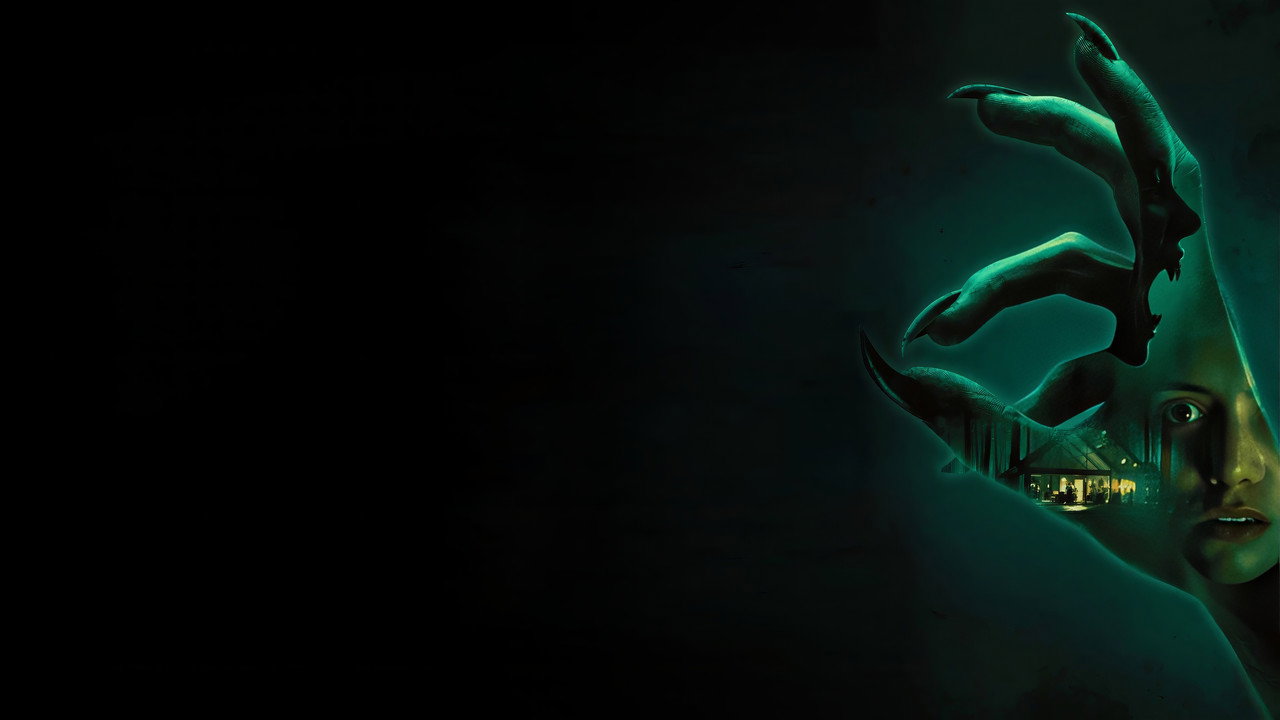

Feed: full review
The digital parish of Letterboxd has passed judgment with a 1.95 out of five average, confirming that the contemporary audience prefers pre-digested mush over any form of aesthetic disquiet. The creature perpetrated by Marco van Belle operates under premises so far removed from mainstream taste that its massive rejection does not diminish its nature, but rather validates it as a misfit artifact. We are not facing an industrial miscalculation, but a conscious refusal to pay homage to the conventional narrative and the comfort that the average viewer so loudly applauds. Anyone entering this theater looking for clear answers or clean resolutions will leave scorched, exactly as one would expect from a proposal that despises consensus. It is a film that does not apologize for existing, nor for being difficult, nor for being uncomfortable. It is an act of narrative vandalism that leaves scars on the retina and on one's patience.
The previous trajectory of its creator in short films and experimental terrain already predicted this penchant for subverting the patience of others through visual and conceptual dissonance. Here, there are no concessions to the gallery nor a trace of that false auteur modesty that seeks the complicit applause of the festival circuit. The film moves in fits and starts, denying itself the luxury of classical fluidity, opting for a formal asphyxiation where the viewer is left to their own devices in front of the screen. That hostility toward the audience is not an accidental defect, but the main engine of an experience that seeks to provoke rather than entertain. Van Belle does not want you to feel comfortable; he wants you to feel trapped, sweating cold in a seat that should be a refuge but becomes a glass cage.
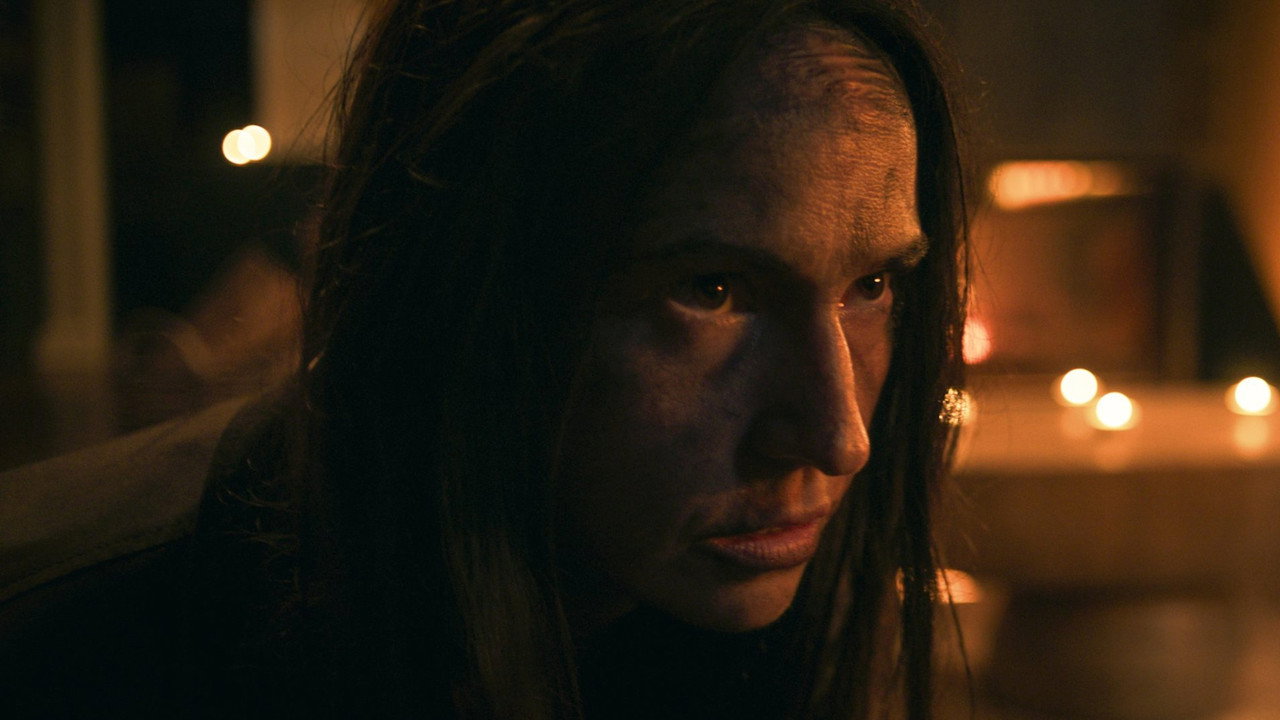
The physical labyrinth of Grace Collender and company
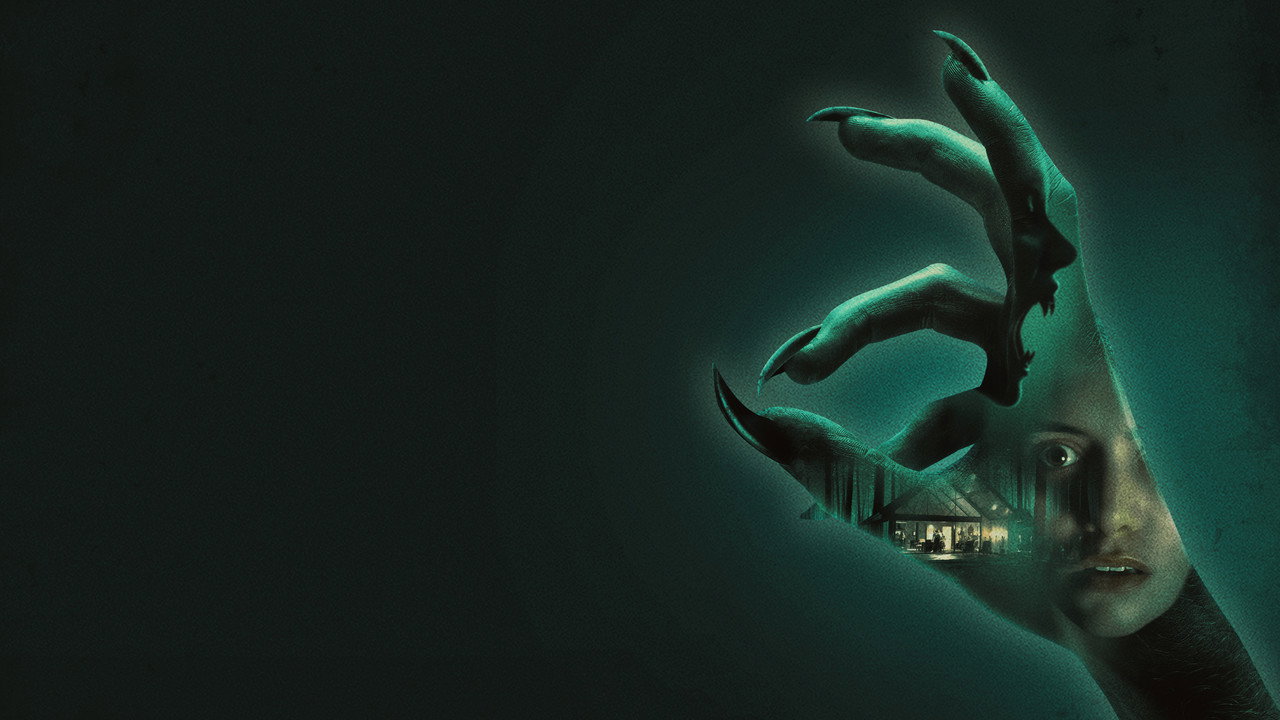
The cast led by Grace Collender in the skin of Orla Ryan assumes the risk of inhabiting a universe where subtlety shines by its absence and the tension can be cut with a knife. Collender does not act so much as she slowly crumbles, offering a visceral performance that recalls the best hours of British psychological horror, but without the safety net of the script. Her body becomes the only reliable map of a story that refuses to explain its rules. Alongside her, Rhys Mannion and Molly McCann circulate like lost souls through an environment that devours them, while Charlotte Bradley provides a hieratic veteran presence that brakes any attempt at easy melodrama. Bradley is the anchor, the cold rock against which the waves of madness of the younger ones crash, and her presence prevents the film from dissolving completely into chaos.
We are not looking at naturalistic performances destined for award gala glory, but at pieces of an opaque mechanism that cede their own equilibrium to the service of the general atmosphere. Each gesture and each look respond to an internal urgency that unsettles due to its rawness, reminding us that European genre cinema can still afford to be unpleasant. The dialogues are scarce and, when they appear, they sound like screams muffled by a pillow. There is no room for eloquence; there is only room for ragged breathing and the deafening silence that weighs more than any monologue. It is a work of containment, where the actor must hold back the explosion so that the viewer feels the pressure of the slow-cooker pot.
The architecture of formal contempt
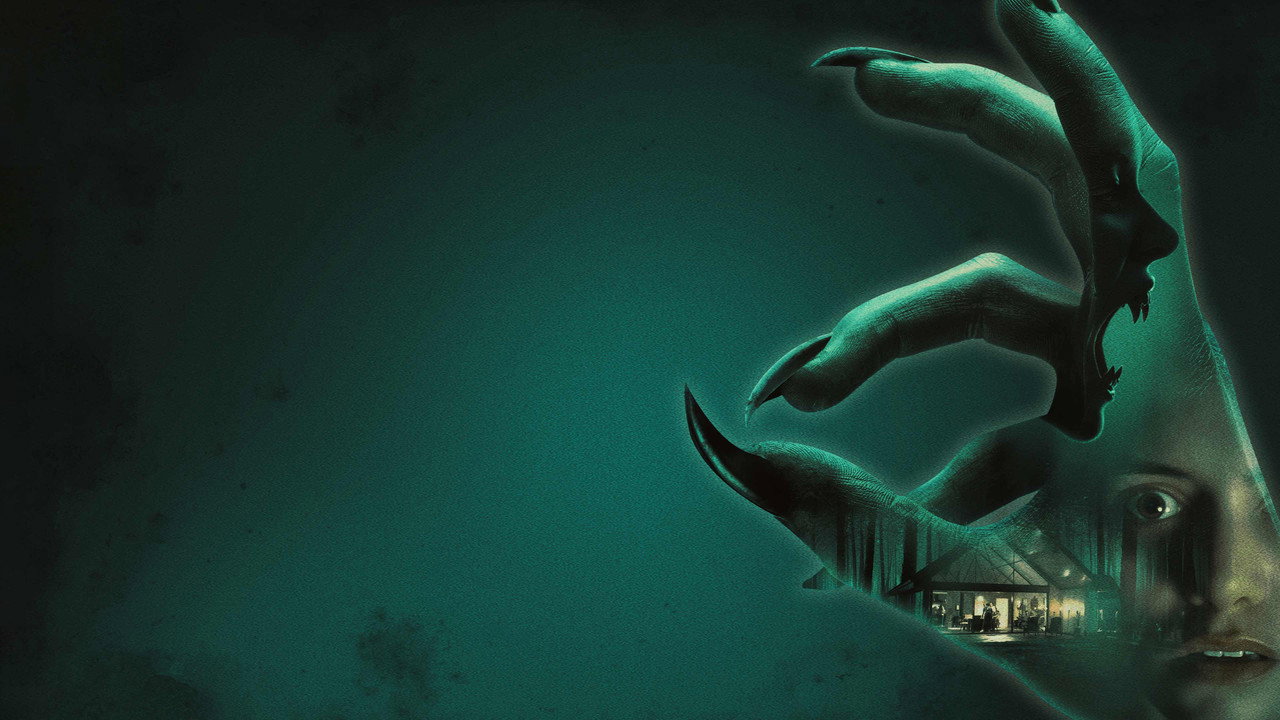
The direction of Marco van Belle rejects the functional shot to surrender to a staging where every spatial decision pursues absolute disorientation. The absence of an accredited cinematographer in the usual channels does not diminish a visual design that trusts its strength to texture and the geometric arrangement of bodies in space. Light does not illuminate; light accuses. There are shadows that seem to have a life of their own, crawling along the walls like mold stains representing the moral rot of the characters. The color is desaturated, almost clinical, as if reality had lost its emotional saturation and only the white bone of existence remained.
The script, signed by the director himself, discards the tripartite structure in favor of an accumulation of impressions that border on an abstract essay about isolation. It is in that renunciation of traditional dramatic progression that the work finds its true intellectual justification, even if it immediately expels those who only seek weekend distractions. The editing is irregular, sometimes too slow, sometimes abrupt, as if the editor were also losing their mind along with the characters. There are no clean cuts; there are transitions that hurt, that force the eye to constantly readjust, creating a visual fatigue that is an integral part of the experience. It is cinema that demands work from you, that forces you to build the meaning with your own hands, as if the narrative were a puzzle missing pieces and it is up to you to imagine them yourself.
The best
- Conceptual risk: A radical bet that prefers the abyss of failure over complacent mediocrity.
- Interpretative commitment: The absolute dedication of Grace Collender and the rest of the cast in the service of a hostile tone.
- Formal coherence: The resounding refusal to modulate its discourse to satisfy the platforms' algorithm.
The worst
- Radical hermeticism: A disconnection that is sometimes excessive, sabotaging the basic pact of attention with the viewer.
- Disconcerting ellipses: Editing decisions that border on arbitrariness and fatigue the narrative pulse.
- Commercial isolation: Its generalized misunderstanding condemns the work to a cinephile ghetto from which it will hardly emerge alive.
The Verdict of Claqueta Ácida
Feed is not a failed work due to ineptitude, but an exercise in aesthetic asphyxiation that punishes the lazy viewer with the same efficiency with which it disconcerts the benevolent critic. Its condemnation on review portals proves that the health of genre cinema is measured by its capacity to generate antibodies against consensus. A piece as irritating as it is fascinating for those of us who still understand the dark room as a combat territory and not as a spa 💀.
🎬 Tráiler Oficial
Abrir en YouTube
Feed: frequently asked questions
- What is the rating of "Feed" on Claqueta Ácida?
- "Feed" scored 6.8/10 on Claqueta Ácida in the review by Odin Lagbert.
- Is "Feed" worth watching?
- With reservations. We gave it 6.8/10 (Citric Acid), our rating for uneven films with something worth saving.
- Who directed "Feed"?
- "Feed" was directed by Marco van Belle.
Theater Collateral Damage Report
Psychophysical impact certificate issued by Odin Lagbert
Imposible bostezar cuando cada plano parece diseñado para sacarte de quicio con **violencia**.
Las ganas de mirar el reloj se transforman en una urgencia por entender qué demonios pretende el director.
How much second-hand embarrassment the film causes (10 = maximum). It is not the review score.
Doble espresso bien cargado, sin azúcar y con la mirada fija en la pantalla para no perder el hilo del naufragio.
"El instante exacto donde la narrativa convencional se rompe para dar paso a la abstracción más pura."
Another critic from the newsroom scores the same film. The main score is still the one at the top of the review.

The rebuttal from Lúa Ácida (Queen of the Box Office)
In stark disagreement with the review given by Odin Lagbert.
Me quedé sin aliento, la piel se me erizó como una epidermis expuesta a ácido. Cada plano de “Feed” golpea mi cráneo con la fuerza de una autopsía de luz, sin ritmo, sin pulso. La cámara se arrastra, como una serpiente ciega, y el sonido se vuelve feromona corrosiva que me arrastra al suelo. No hay una narrativa que guíe; solo una mutilación lírica de tiempo, un grotesco sagrado que desgarra la lógica. La edición corta como cuchillos, dejando huecos que succionan la sangre de la atención. Odin celebra la incomodidad como virtud, pero la incomodidad sin propósito es solo ruido, una pulsión de muerte sin sustancia. La película no subierte, se descompone, y mi cuerpo la rechaza con un grito ahogado. 4.3/10
📋 Ficha Técnica
| Año | 2026 |
| Duración | 82 min |
| País | United Kingdom, Ireland, Belgium |
| Guión | Marco van Belle |
| Fotografía | N/A |
| Productora | Ripple World Pictures, Big Safari, Creativity Capital |
| Dónde ver | |
| Letterboxd | Ver Ficha ↗ |
⭐ Estrella Emergente
Grace Collender
She anchors the plot's darkest moments with a physicality that unsettles and tests the viewer's patience.
💬 Community Verdict
What did you think of the film? Rate it from 0 to 10 to compare it with the editorial review.
You haven't voted yet
📢 ¿Te ha gustado el ácido?
Comparte esta crítica con tus amigos cinéfilos o desata la polémica en redes.
⚡ THE CINEMATIC VENOM YOUR INBOX CRAVES
Every Sunday: the week’s reviews, a recommended antidote and the editors’ verdict (in Spanish). No sugarcoated ratings, no corporate fluff. Or join the private Telegram for press previews, poll clashes, and instant alerts.
Alertas de estrenos en 1 segundo, encuestas en caliente y audios al salir de pases de prensa.
Get the weekly dose in your email, every Sunday.
By subscribing you agree that we use your email only to send you the newsletter. Unsubscribe at any time. Privacy policy
Related Reviews
Recommended autopsies for demanding film buffs.
 ⚠️ Ácido Sulfúrico 3.2
On the Run: A Senseless Sprint
⚡ Afinidad temática directa en atmósfera, estilo y fijaciones visuales.
A marathon of clichés and marketing sweat that leaves the audience feeling like they've run in circles. 💀
 ⚠️ Ácido Sulfúrico 3.8
Apocalypse Z: New World: The Repetition Virus in the Canary Shelter
⚡ Afinidad temática directa en atmósfera, estilo y fijaciones visuales.
Relentless critique of Apocalypse Z: New World, Carles Torrens' sequel that turns the end of the world into an exercise in inertia and generic recycling.
 ⚡ Ácido Cítrico 6.8
Azrael: Samara Weaving and the Hell of Silence
⚡ Afinidad temática directa en atmósfera, estilo y fijaciones visuales.
E.L. Katz and Simon Barrett deliver a brutal, relentless mute survival horror film where Samara Weaving once again proves why she is the modern scream queen.
Editorial Ecosystem
Cinephile connections, archive interviews and related analyses.
💬 Debate Cinéfilo & Autopsia de Lectores
¿Discrepas con nuestra nota? ¿Es una obra maestra o veneno puro? Deja tu veredicto abajo sin necesidad de registro.
📏 Normas: se critica la película, no a las personas. Los insultos y los ataques personales se pueden borrar.


