Hope — Na Hong-jin and the Terror of Absence
Na Hong-jin trades bureaucratic incompetence for cosmic isolation in a horror exercise as relentless as it is desolating.
Hope: full review
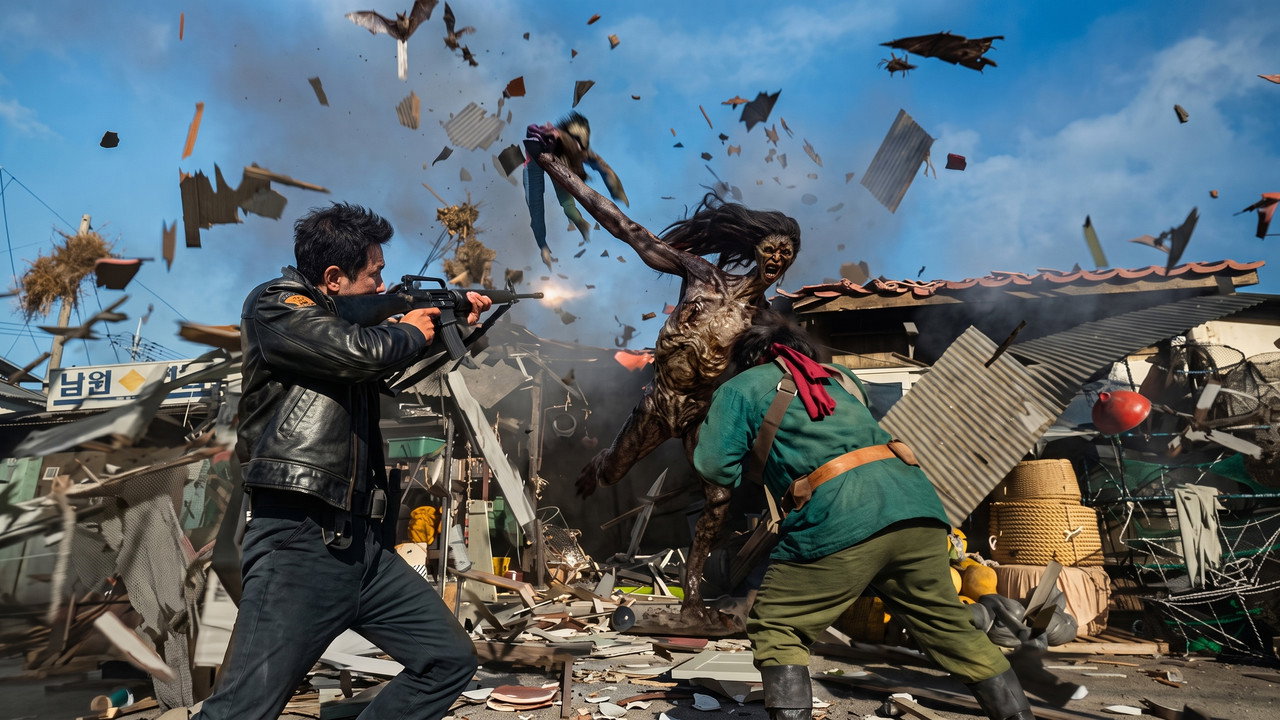
The contemporary spectator, accustomed to the comfort mechanisms of industrial cinema where the cavalry always arrives in the very last second, experiences a singular vertigo when facing the new proposal from an author who has never believed in easy redemption. Na Hong-jin returns after his acclaimed journey through rural horror to remind us that the true void does not lie in the intrinsic evil of man, but in the absolute indifference of the environment. In his previous contributions to the criminal thriller and supernatural terror, the suffering of the characters was always articulated around institutional incompetence, bureaucratic sludge, or systemic corruption that prevented any hint of salvation. That urban nightmare of endless chases and this new incursion into the open wilderness share an unmistakable DNA, but here the director's pulse shifts toward a strictly existential scale. Tragedy ceases to be a social gear and becomes a geological condemnation that crushes any humanist whim.
The premise unfolds with the surgical precision of an autopsy in a remote village inhabited mostly by the elderly, a perfect microcosm where modernity has barely left scars before retreating. When reinforcements are diverted to forest fires and the umbilical cord of communications is severed in one swift move, the protagonists are reduced to their most absolute insignificance. There is no longer a corrupt prosecutor to blame or a negligent police department whose omissions justify the catastrophe; there is only silence, ash, and an amorphous threat that overflows the limits of logical comprehension. The narrative structure deliberately dispenses with comic reliefs or complacent subplots, forcing both the characters and the observer in the theater seat to metabolize terror in its purest state, devoid of moral alibis.

The architecture of isolation and staging
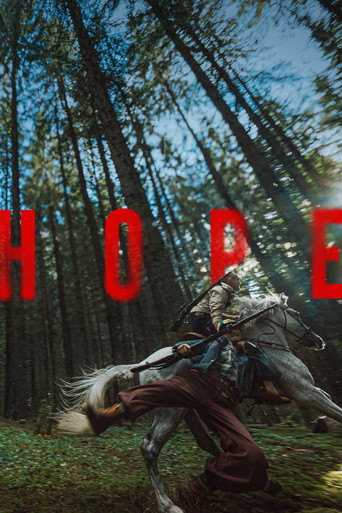
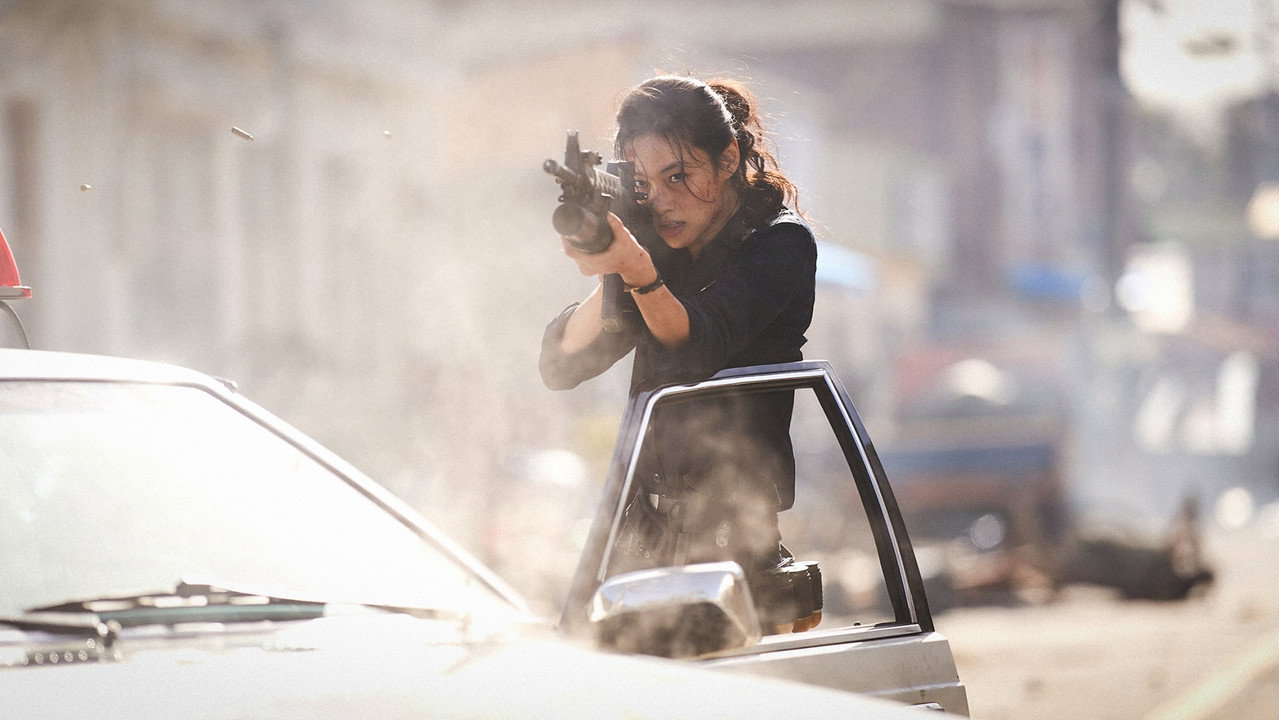
Na Hong-jin's talent for choreographing chaos finds in this rural canvas a fertile ground where staging prioritizes spatial suffocation over gratuitous sensationalism. Hong Kyung-pyo's camera does not seek the placid beauty of mountain landscapes, but transforms them into a vertical prison where every tree and every trail hides a potential trap. The actors' movements feel conditioned by a hostile terrain that breathes in unison with the beast, dissolving the traditional boundary between the set and the psychology of its inhabitants. The direction avoids unnecessary formal flourishes to concentrate on the progressive accumulation of unbearable tension, where each wide shot underlines the smallness of a resistance doomed to failure from the very first frame. The editing, meanwhile, operates with an almost insulting slowness during the calm stretches, stretching time until the spectator feels the weight of inaction. There are no fast cuts to relieve the pressure; on the contrary, the camera stays fixed while the threat approaches step by step, turning the waiting into a form of psychological torture more effective than any scream. It is a directorial decision that punishes the passive spectator and rewards the one who allows themselves to be submerged in the inertia of disaster, understanding that horror does not always scream; sometimes, it merely watches.
A cast out in the open
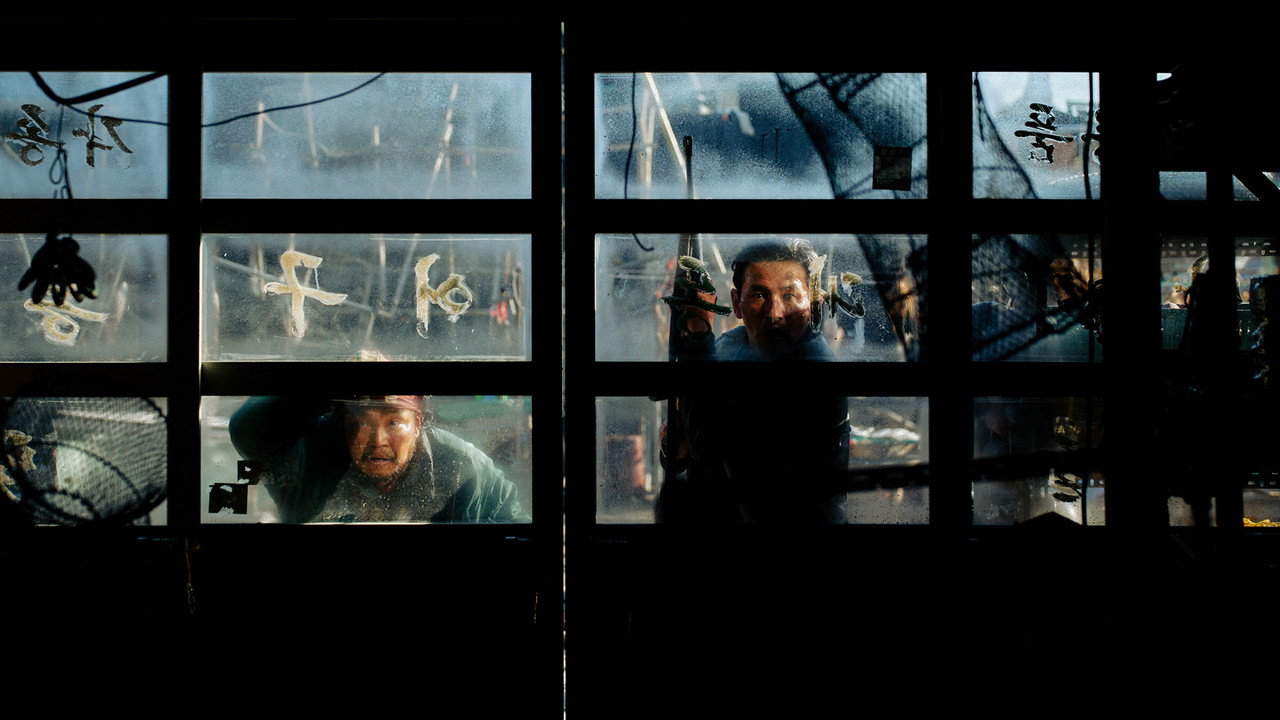
Hwang Jung-min embodies with heart-wrenching authority that local police chief forced to manage absolute collapse with no tools other than his own fragile decency. By his side, Hoyeon's presence injects an implacable physical urgency into the narrative, turning the young officer into the last retaining dike against barbarism. Far from the histrionic exhibitionism plaguing contemporary genre cinema, the lead cast's performances are sustained on restraint, on the visible fatigue of bodies that have gone too long without sleep and sense the futility of their effort. There are no grandiose speeches or heroic rhetoric; only gazes lost in the fog and accelerated breaths that betray a cervine fear before the unappealable. The chemistry between the two is neither romantic nor even classic camaraderie, but of shared survival, an alliance forged by desperation that breaks and repairs with the same ease with which the ground cracks beneath their feet. Sound design accompanies this acting nudity with a soundtrack that fades in favor of the wind and the creaking of wood, creating a sonic void that amplifies every whisper and every misstep. It is a technical choice that reinforces the sense of loneliness, where the absence of music is as deafening as any orchestral theme.
The best
- Directing actors: The ability to extract a flesh-and-bone physicality from the entire cast, making fear felt in the bones and not just on the skin.
- Suffocating atmosphere: The constant construction of a latent danger without resorting to cheap jump scares, relying on suggestion and negative space.
- Cinematography: The masterful use of topography to drown out any hope of escape, turning the landscape into another antagonist rather than a mere background.
The worst
- Demand for attention: Its radical refusal to offer narrative concessions can fatigue the lazy viewer seeking constant stimuli.
- Severe ellipses: Certain central stretches demand notable analytical effort not to lose the thread of the cosmic disaster, which may alienate those unaccustomed to ambiguity.
The Verdict of Claqueta Ácida
Na Hong-jin signs a monumental work that rejects the common places of monster cinema to deliver a study on the open wilderness and ontological solitude. Far from seeking general audiences' complacency, the film demands an intellectual and sensorial commitment that few creators dare to demand today. It is an experience that leaves marks, not for what it shows, but for what it refuses to explain. A masterclass in how the deepest terror is born when we understand that no one will come to save us from the abyss. 💀
🎬 Tráiler Oficial
Abrir en YouTube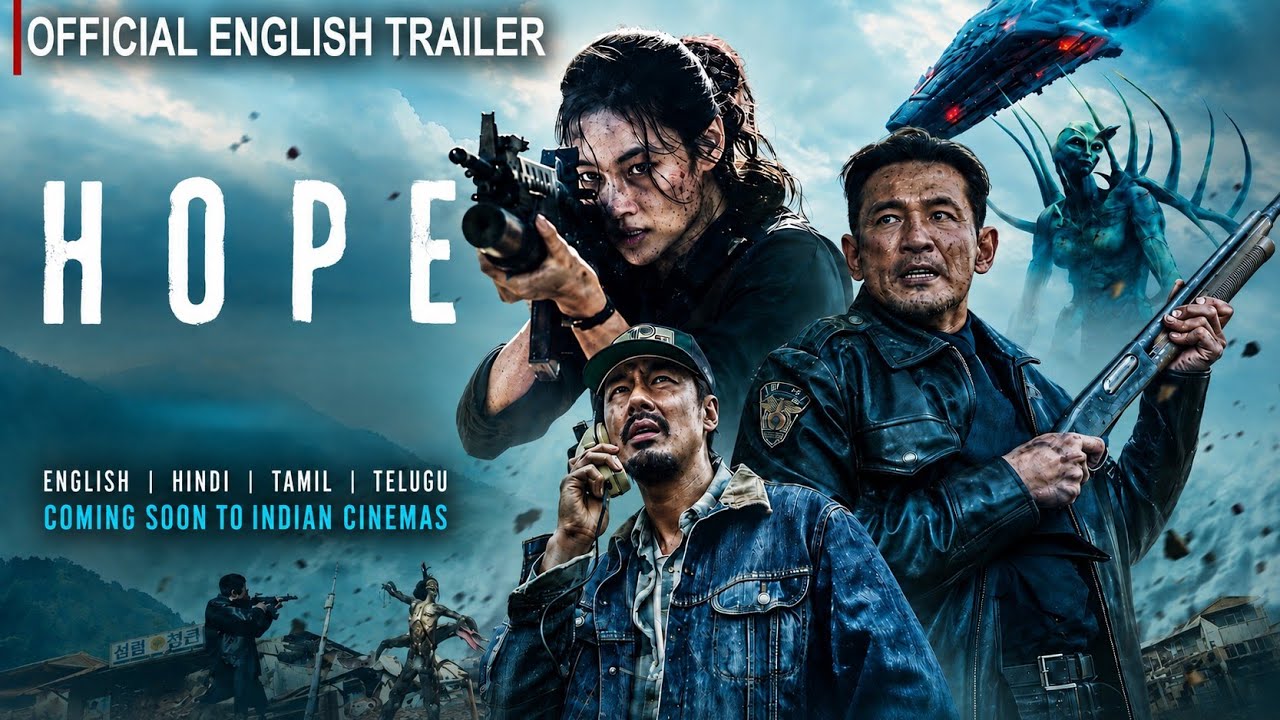
Hope: frequently asked questions
- What is the rating of "Hope" on Claqueta Ácida?
- "Hope" scored 8.2/10 on Claqueta Ácida in the review by Odin Lagbert.
- Is "Hope" worth watching?
- Yes. We gave it 8.2/10 (Nuclear Fusion), our rating for must-see films.
- Who directed "Hope"?
- "Hope" was directed by Na Hong-jin.
Theater Collateral Damage Report
Psychophysical impact certificate issued by Odin Lagbert
Imposible parpadear cuando la amenaza se cierne sobre los rincones más oscuros de la pantalla.
El tiempo se suspende en una condena perpetua de la que nadie sale indemne.
Doble espresso negro y sin azúcar, consumido a oscuras y con pestillo.
"El instante exacto en que la patrulla comprende que las comunicaciones están definitivamente cortadas."
The rebuttal from Dante Sangre (Blockbuster Scalpel)
In stark disagreement with the review given by Odin Lagbert.
“Hope: basura industrial, estafa total Yo vi Hope y sentí vómito. El ritmo arrastra como lodo. Los personajes son muñecos rotos sin historia. La atmósfera huele a plástico fundido. El director pretende profundidad, entrega lobotomía visual. Cada plano parece un corte de cadáver corporativo. No hay tensión, solo ruido blanco. La trama se vende como lavado de cara. Yo busco horror que retuerza, no este engendro. La ambientación rural es un cliché reciclado. El guion sufre de estafa narrativa. En resumen, Hope es un cadáver de promesas. Yo no acepto la pretensión de filosofía vacía. Cada escena grita falta de visión, como un anuncio de detergente barato. El sonido se arrastra, sin ritmo, como un latido moribundo. La película se queda en la sombra de sus propios fracasos.
💬 Community Verdict
What did you think of the film? Rate it from 0 to 10 to compare it with the editorial review.
You haven't voted yet
📢 ¿Te ha gustado el ácido?
Comparte esta crítica con tus amigos cinéfilos o desata la polémica en redes.
⚡ THE CINEMATIC VENOM YOUR INBOX CRAVES
No sugarcoated ratings, no corporate fluff. Subscribe for our uncensored weekly analysis or join the private Telegram for press previews, poll clashes, and instant alerts.
Alertas de estrenos en 1 segundo, encuestas en caliente y audios al salir de pases de prensa.
Recibe la dosis semanal en tu mail + regalo inmediato del PDF con 50 joyas ocultas de culto.
Related Reviews
Recommended autopsies for demanding film buffs.
 🔥 Fusión Nuclear 9.2
*The Chaser: Hunting the Devil Through Mud, Sweat, and Bureaucratic Incompetence*
⚡ Del mismo director (Na Hong-jin): analiza la evolución o degradación de su estilo.
Na Hong-jin bursts onto the international scene with a brutal, suffocating, and hyper-realistic crime thriller that redefines Korean noir.
 🔥 Fusión Nuclear 9.6
*The Wailing (The Stranger): Shamanism, Demon Plague, and the Existential Collapse of Rural Faith*
⚡ Del mismo director (Na Hong-jin): analiza la evolución o degradación de su estilo.
Na Hong-jin delivers one of the 21st century’s greatest horror masterpieces—a tale of shamans, demons, and rural conspiracy that dismantles reason itself.
 🔥 Fusión Nuclear 8.8
*The Yellow Sea: The Filthy Odyssey of the Siberian Wolf, Hatchet Blows, and Borderline Desperation*
⚡ Del mismo director (Na Hong-jin): analiza la evolución o degradación de su estilo.
Na Hong-jin doubles down on physical violence, human despair, and breakneck pacing in a tragic criminal epic with no redemption in sight.
Editorial Ecosystem
Cinephile connections, archive interviews and related analyses.
💬 Debate Cinéfilo & Autopsia de Lectores
0 veredictos¿Discrepas con nuestra nota? ¿Es una obra maestra o veneno puro? Deja tu veredicto abajo sin necesidad de registro.


Aún nadie ha dejado su veredicto para esta película.
Sé el primero en clavarle el colmillo rellenando el formulario de arriba.