

Insidious — The Nightmare That Woke Up Modern Horror
A scathing critique dissecting James Wan's horror, oscillating between effective scares and scripts that get lost in the darkness.
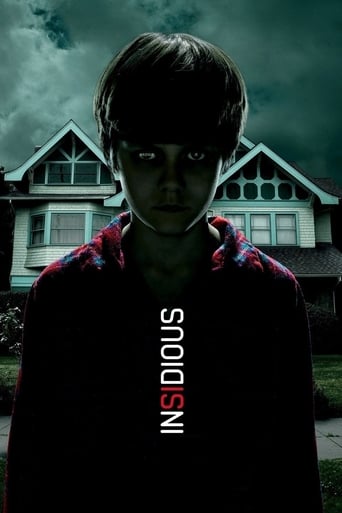
Insidious: full review

As an Amazon Associate, Claqueta Ácida earns from qualifying purchases.
The year 2011 marked a sort of renaissance for low-budget horror, and James Wan, fresh off the success of Saw, jumped into the pool without a floatie. With a budget hovering around $1.5 million, the film was shot largely in Los Angeles, utilizing real houses and a set that seemed plucked from a 70s haunted house catalog. Leigh Whannell's script, co-creator of Saw, already displayed his obsession with mental labyrinths: a family trapped between the world of the living and the dead, with the premise that the child is stuck in an eternal dream. The opening scene, with the long shot of the hallway lit by a dim light, already announced the atmosphere Wan wanted to imprint: a sense of emptiness that becomes oppressive.
In the cultural context, horror was tired of cheap jump-scares and sought to return to the psychological. Wan, influenced by Asian horror cinema and the aesthetic of The Others, decided to play with light and shadow, using David M. Brewer's cinematography to create contrasts reminiscent of The Shining. The Lambert house, with its yellowish walls and retro furniture, becomes a character in its own right, a trap that absorbs the characters' energy. The sound, composed by Joseph Bishara, is a mix of whispers and background noises that seem to beat in rhythm with the viewer's heart.
The reception was as polarized as the film itself.
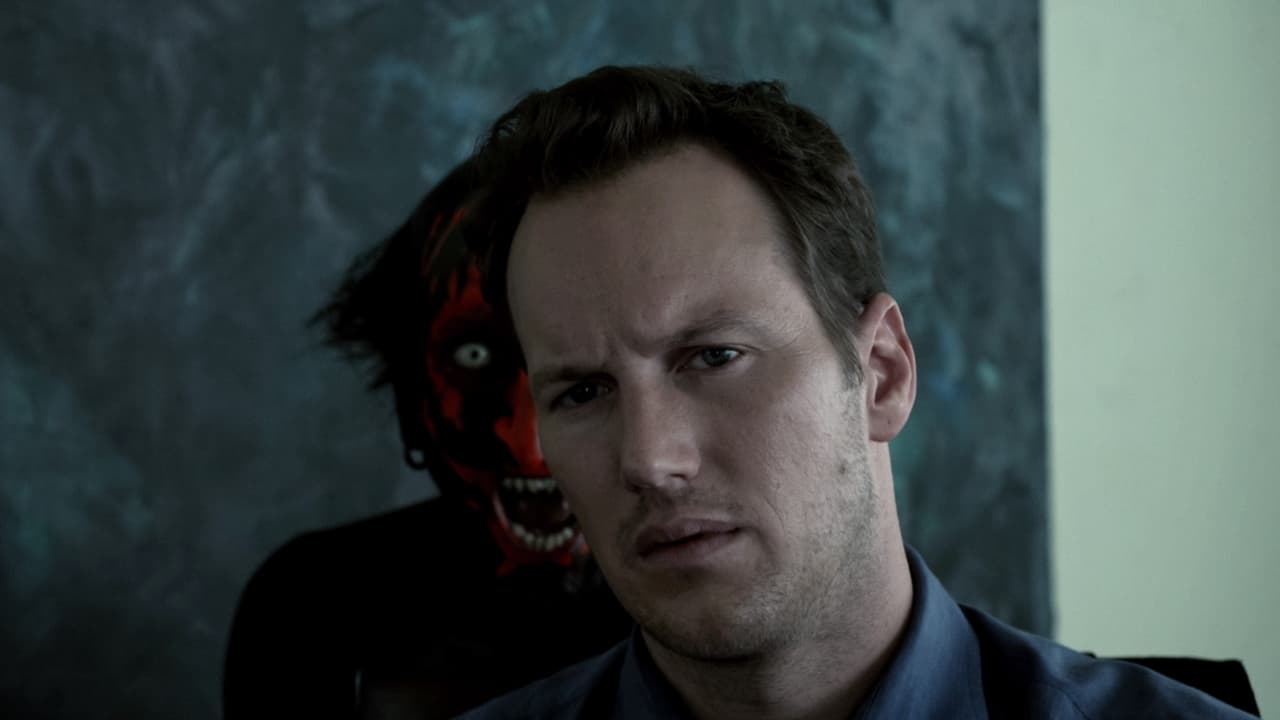
I left the theater with the sensation of having been dragged into a parallel dimension where time stops and fear becomes tangible. The moment when little Dalton (Ty Simpkins) freezes in his bed, while the camera slowly slides toward his pale face, is a blow of visual mastery. The silence that follows, broken only by the creak of the door, left me breathless. That scene summarizes Wan's ability to create tension without relying on exaggerated special effects.
Direction and Staging
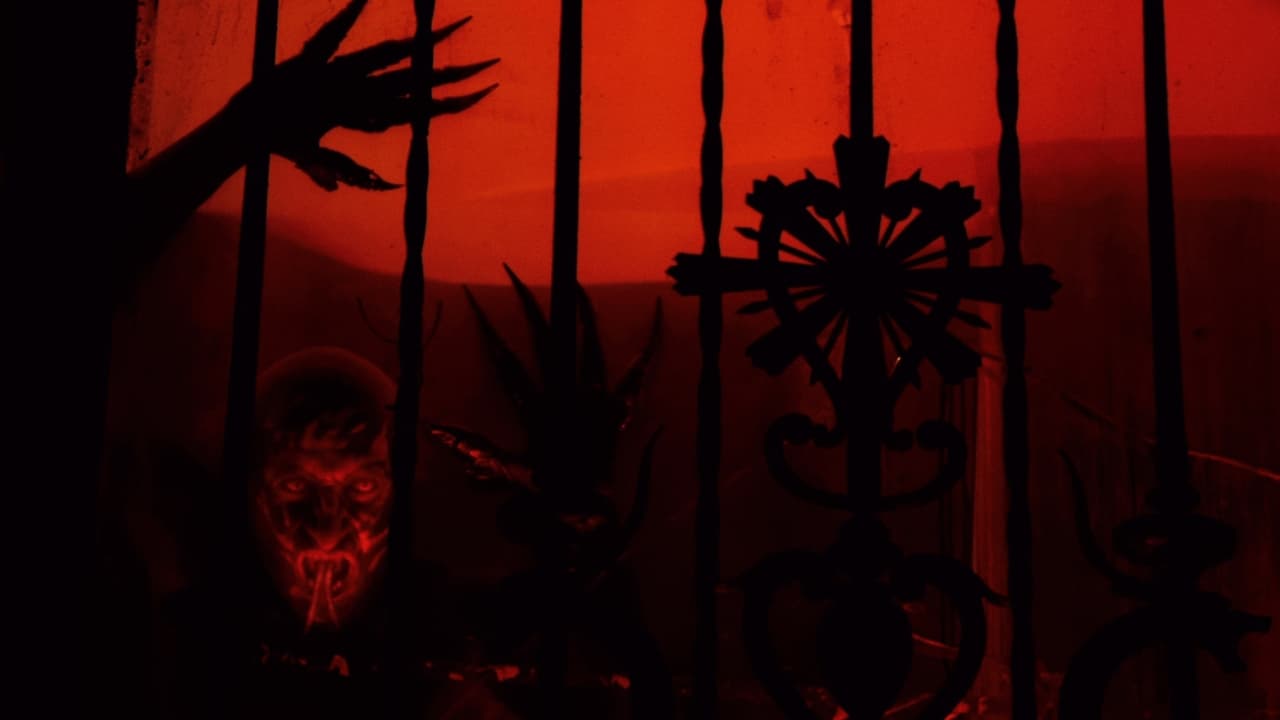
Wan demonstrates that horror direction does not need explosions of blood to scare. Every shot is designed so that the viewer feels the threat is always just around the corner. The use of the long take in the hallway scene, where the camera follows Josh (Patrick Wilson) as he runs toward the door, generates a sense of urgency that becomes almost claustrophobic. The staging of the "Red Door" is a color study: the red door contrasts with the grayish palette of the rest of the house, becoming a focal point that attracts the gaze and terror.
The performances are, for the most part, solid. Patrick Wilson carries the emotional weight of a father who refuses to accept loss, and his ragged scream in the basement scene is so authentic that the audience in the theater fell silent. Rose Byrne, as Renai, shows a vulnerability that contrasts with her husband's hardness, and her final collapse in Dalton's room is one of the best pieces of female acting in recent horror. Lin Shaye, as Elise Rainier, steals every minute she is on screen; her presence is so imposing that her gaze alone is enough for the viewer to feel that something terrible is about to happen.

Technical Aspects
David M. Brewer's cinematography is one of the film's hidden gems. The cold tones and low-contrast lighting create an atmosphere that seems plucked from a 70s film, but with the digital clarity of the modern era. The production design, handled by the teams at Alliance Films and Haunted Movies, manages to make every room look like a psychological trap: the crooked paintings, the broken toys, and Dalton's bed that looks like a macabre altar.
Joseph Bishara's soundtrack is another high point. The whispers accompanying "The Further" are so subtle that the audience sometimes doubts whether they are hearing them or if they are a product of their own imagination. The editing, although sometimes feeling rushed in the second half, maintains a pace that allows suspense to accumulate without losing the viewer's attention.
The best
- James Wan's Direction: A perfect balance between psychological terror and visual scares that revitalizes the genre.
- Lin Shaye's Performance: The medium Elise Rainier becomes the emotional and supernatural anchor of the film.
- Joseph Bishara's Sound Design: Whispers and ambient noises that turn every scene into an unsettling auditory experience.
- David M. Brewer's Cinematography: Light and shadow contrasts that create an oppressive and memorable atmosphere.
The worst
- Leigh Whannell's Script: Some logical inconsistencies, such as the ease with which the characters accept the supernatural.
- Pacing in the second half: The climax feels rushed and loses some of the accumulated suspense.
- Development of secondary characters: Tucker and Specs appear as mere accessories without depth.
The Verdict of Claqueta Ácida
Insidious achieves what many attempted and failed at: scaring without relying on excessive blood or gore. James Wan and Leigh Whannell deliver a piece of horror that, despite its narrative flaws, maintains tension until the last whisper. The film consolidates itself as a reference point for modern horror, worthy of being revisited again and again whenever you want to feel that darkness is stalking you from the other side of the dream. 💀
🎬 Tráiler Oficial
Abrir en YouTube
Insidious: frequently asked questions
- What is the rating of "Insidious" on Claqueta Ácida?
- "Insidious" scored 7.2/10 on Claqueta Ácida in the review by Silvia Mordaz.
- Is "Insidious" worth watching?
- With reservations. We gave it 7.2/10 (Citric Acid), our rating for uneven films with something worth saving.
- Who directed "Insidious"?
- "Insidious" was directed by James Wan.
Theater Collateral Damage Report
Psychophysical impact certificate issued by Silvia Mordaz
2 amagos en el tramo intermedio; pestañeo pesado en las transiciones más innecesarias.
Alguna consulta furtiva al móvil en el segundo acto. Nada que no se perdone.
1 espresso para no dejarse vencer por la mediocridad cómoda.
"A mitad del segundo acto cuando la subtrama secundaria empezó a pesar más de lo que aportaba."
💬 Community Verdict
What did you think of the film? Rate it from 0 to 10 to compare it with the editorial review.
You haven't voted yet
📢 ¿Te ha gustado el ácido?
Comparte esta crítica con tus amigos cinéfilos o desata la polémica en redes.
⚡ THE CINEMATIC VENOM YOUR INBOX CRAVES
No sugarcoated ratings, no corporate fluff. Subscribe for our uncensored weekly analysis or join the private Telegram for press previews, poll clashes, and instant alerts.
Alertas de estrenos en 1 segundo, encuestas en caliente y audios al salir de pases de prensa.
Recibe la dosis semanal en tu mail + regalo inmediato del PDF con 50 joyas ocultas de culto.
Related Reviews
Recommended autopsies for demanding film buffs.
 ⚡ Ácido Cítrico 5.5
Insidious: Chapter 3: The Dream That Became a Marketing Nightmare
⚡ Hermana de saga: otro capítulo diseccionado con rigor forense.
Leigh Whannell directs a sequel that tries to be more than just a Blumhouse product, but the result is a ghost thriller stuck halfway between art and the cash register.
 ⚡ Ácido Cítrico 6.8
Insidious: Beyond the Beyond – Acidic Review by Dr. Cynicism
⚡ Hermana de saga: otro capítulo diseccionado con rigor forense.
A mordacious review that dissects the new Insidious installment, caught between worn-out shadows and flashes of genuine terror.
⚠️ Ácido Sulfúrico 4.7 Insidious: Out of the Further – Dante Sangre's Acidic Review
⚡ Hermana de saga: otro capítulo diseccionado con rigor forense.
An unfiltered review that dismantles the latest Insidious installment as a low-budget horror scam with an even worse script.
Editorial Ecosystem
Cinephile connections, archive interviews and related analyses.
🎞️ In Claqueta Cinematheque 1

💬 Debate Cinéfilo & Autopsia de Lectores
0 veredictos¿Discrepas con nuestra nota? ¿Es una obra maestra o veneno puro? Deja tu veredicto abajo sin necesidad de registro.


Aún nadie ha dejado su veredicto para esta película.
Sé el primero en clavarle el colmillo rellenando el formulario de arriba.