

Insidious — The Red Door – Acidic Review by Maximiliano Z.
A review that dissects the fifth installment of Insidious with sarcasm, hard data, and a touch of respect for the Blumhouse formula.
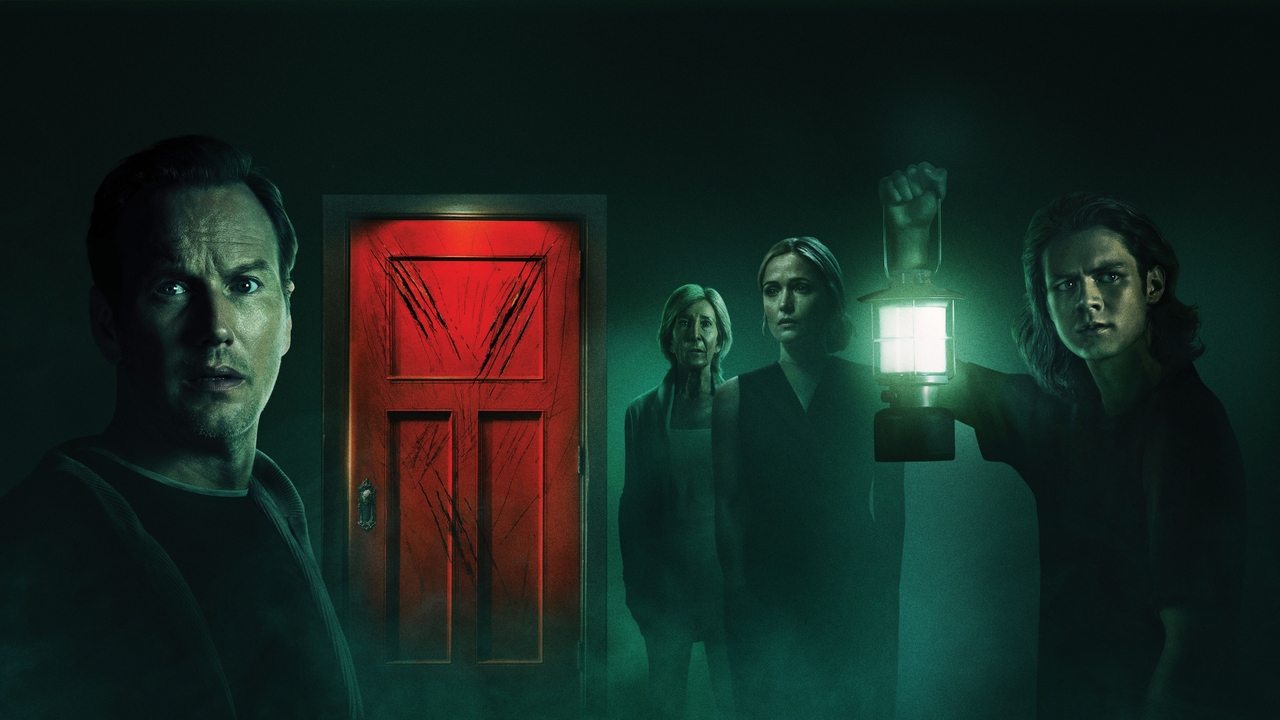
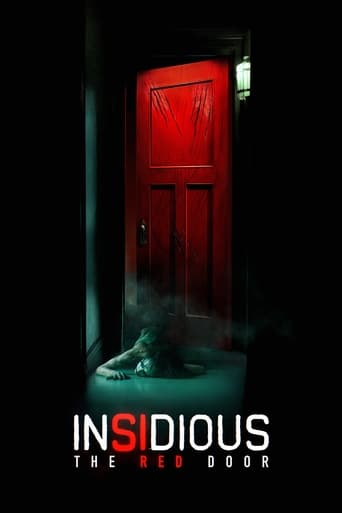
Insidious: The Red Door: full review


As an Amazon Associate, Claqueta Ácida earns from qualifying purchases.
The fifth installment of the Insidious saga arrives with the self‑appointed mission of finally tying up the familial knots that the inaugural film left dangling. Patrick Wilson, whose résumé has become synonymous with modern horror thanks to his turn as a tormented father in the original Insidious and a string of genre‑bending supporting roles, now slides into the director’s chair. After cutting his directorial teeth on The Conjuring (2013), Wilson attempts to stamp his own auteurial seal on a franchise that, by its fourth outing, was already showing the first signs of fatigue. The industrial backdrop is unmistakable: Blumhouse continues to double‑down on low‑budget sequels, treating them as cash‑cows that can be churned out with minimal overhead. In this case, The Red Door was allocated roughly sixteen million dollars—a modest sum by blockbuster standards, but a tight budget for a picture that relies heavily on practical effects, elaborate set pieces, and a visual language that demands a certain amount of polish. Principal photography was largely confined to sound stages in Atlanta, Georgia, where the production took advantage of the state’s generous tax‑incentive program.
My immediate reaction upon stumbling out of the darkened auditorium was a heady cocktail of nostalgia tinged with a palpable sense of weariness. The unmistakable creak of the red door in the climactic moments evoked a visceral memory of the first Insidious—that same guttural, almost animalistic squeal that once sent shivers down my spine. Yet the accompanying score, once again penned by Joseph Bishara, feels more like a faithful re‑hash than a fresh revelation; his signature scraped‑string motifs still crawl over the soundscape, but they no longer possess the capacity to startle.
When it comes to the helm, Wilson demonstrates a competent, if not particularly daring, hand during the film’s more suspense‑laden beats. The sequence in which Dalton (Ty Simpkins) forces open the red door in the dank basement is bathed in an eerie, blue‑tinged wash that subtly alludes to the Further without resorting to gaudy CGI extravagance. However, the overall staging suffers from a predictability that feels almost academic: rapid‑fire cuts that are meant to elicit jump‑scares come across as mechanical, as if the editor is trying to compensate for a script that refuses to move forward. Screenwriter Scott Teems, who previously earned a modest reputation for his work on genre‑adjacent projects, dishes out dialogue that occasionally flirts with poetic ambition, yet in practice collapses into the kind of 1990s‑era horror clichés that sound more like recycled motivational posters than genuine terror: "Demons don’t die, they just hide."
The performances constitute the most evenly weighted element of the picture. Patrick Wilson returns as Josh Lambert, the haunted patriarch, and despite the visible exhaustion etched into his features, he delivers a performance that feels earned and grounded. Sinclair Daniel, portraying the world‑weary detective Chris Winslow, injects a gritty, hard‑boiled toughness that provides a stark counterpoint to the boyish vulnerability embodied by Ty Simpkins’ Dalton, whose portrayal captures the anguished resignation of a teenager who has outgrown the bedtime stories of his youth. Hiam Abbass, in the role of Professor Armagan, brings an exotic, almost mythic presence that elevates the Further sequences with a ritualistic visual flair, reminding the audience that the film is still capable of conjuring moments of genuine, if fleeting, wonder.
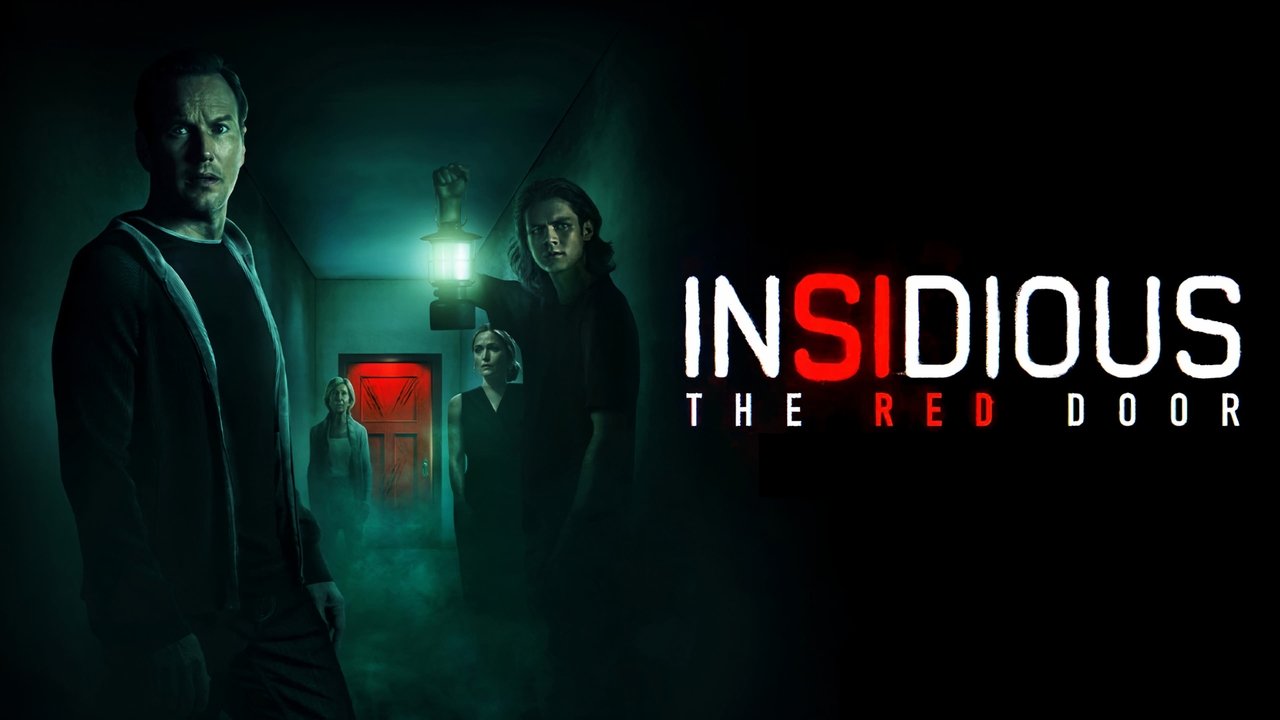
Direction and staging
Wilson opts for an aesthetic that fuses the cold, gray‑blue palette traditionally associated with the Further with sudden splashes of saturated red that flare each time the eponymous door swings open. Autumn Eakin’s cinematography largely embraces a static, almost voyeuristic camera during the film’s most tension‑laden moments, forcing the viewer to sit in uncomfortable silence and let the dread seep in through the lack of movement. The pièce de résistance is a meticulously choreographed 45‑second long take that snakes through a dimly lit hospital corridor: the flickering fluorescent lights pulse in time with a low, throbbing hum, while a distant, ragged breath grows louder and more insistent, ratcheting the tension to a near‑breaking point. Unfortunately, the visual language suffers from a paucity of inventive angles; after the first half, the relentless sameness of the framing dilutes the initial shock value, leaving the audience yearning for a fresh point of view.
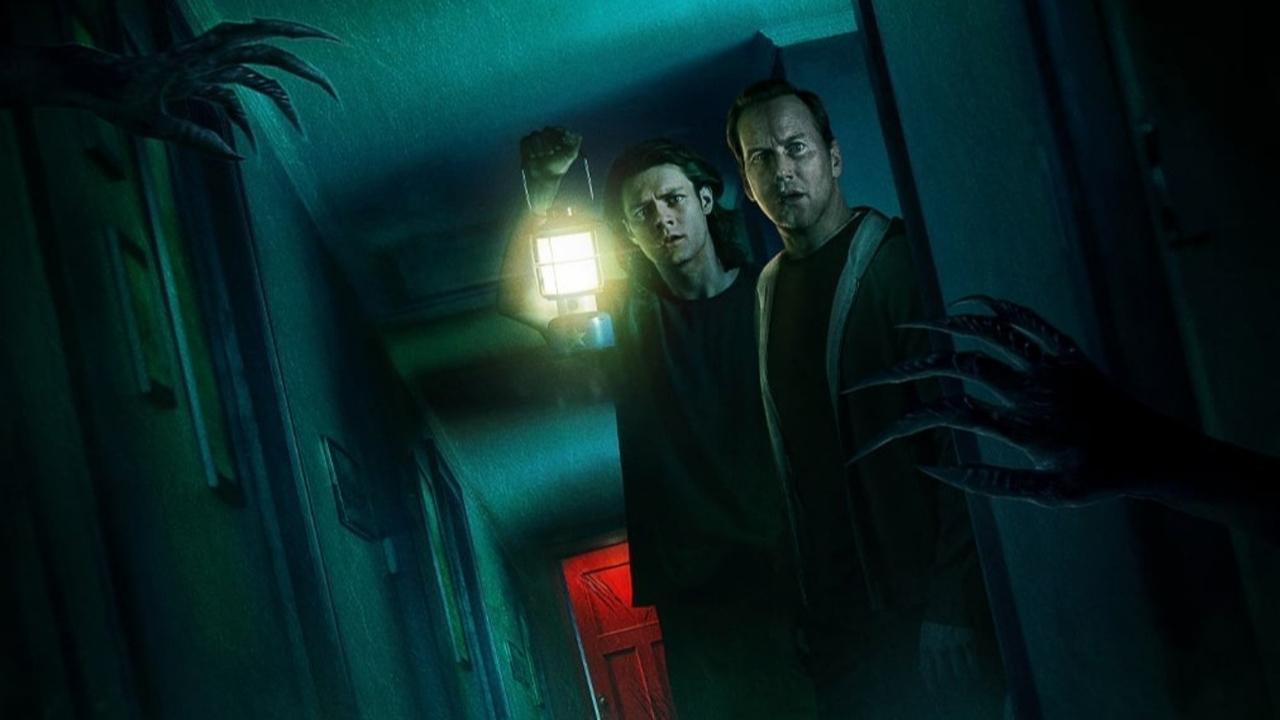
Script, editing, and sound
The screenplay, penned by Teems, attempts to weave together the esoteric mythology of the Further with a more conventional family‑redemption narrative. The conceit that the Lambert family’s “dark past” holds the key to finally sealing the red door is, on paper, an intriguing hook with the potential to explore generational trauma in a supernatural context. In execution, however, the story skims only the surface, never diving deep enough to make the emotional stakes feel truly consequential. The editing, overseen by a post‑production crew that has cut previous entries in the series, relies heavily on abrupt, jarring cuts that interrupt the natural flow of scenes, creating a staccato rhythm that feels more like a series of cheap jump‑scare set‑pieces than a cohesive narrative arc. Joseph Bishara’s score, while faithfully preserving his trademark dissonant chords, fails to introduce any new thematic material; instead, it feels like a repurposed soundtrack lifted straight from The Conjuring, offering little in the way of fresh auditory terror.
Production design and photography
The Further set is a clever patchwork of foam panels, LED strips, and practical lighting rigs, engineered to give the illusion of an infinite, nightmarish void without draining the modest budget. Autumn Eakin’s photography shines in the juxtaposition of natural, present‑day lighting against the artificial, otherworldly glow of the beyond, creating a visual tension that underscores the film’s thematic dichotomy between reality and the supernatural. The door itself is drenched in an intentionally oversaturated crimson, a color choice that, while striking, occasionally veers into the realm of visual overkill, as if the filmmakers were desperate to remind the audience that the door is the franchise’s “big selling point.”
The best
The atmosphere of The Further*: The recreation of the beyond maintains the original aesthetic and generates genuine chills.- Ty Simpkins' performance: His interpretation of Dalton combines vulnerability and determination, anchoring the emotional plot.
- Sound design: Bishara manages to make every creak of the red door a warning sign for the viewer.
The worst
- Predictable script: The dialogues and narrative twists feel recycled from previous installments.
- Forced editing: The abrupt cuts try to create scares that no longer surprise.
- Excess of red: The saturation of the color on the door distracts more than it adds meaning.
The Verdict of Claqueta Ácida
Insidious: The Red Door manages to pry open a narrow fissure in a franchise that has been inching toward irrelevance; it doesn’t shatter the series, but it does keep it buoyant enough to stay afloat. Patrick Wilson’s directorial forays reveal occasional flashes of genuine talent, and Ty Simpkins continues to serve as the beating heart of the Lambert lineage, anchoring the emotional core with a performance that feels both earnest and relatable. Yet the screenplay’s predictability and the editing’s heavy‑handedness linger in the shadows, re‑hashing tired formulas instead of forging new ground. In the final analysis, the film is a serviceable entry for die‑hard fans who crave another dip into the Further, but it fails to persuade anyone seeking innovation or a truly terrifying experience. 💀🎬 Tráiler Oficial
Abrir en YouTube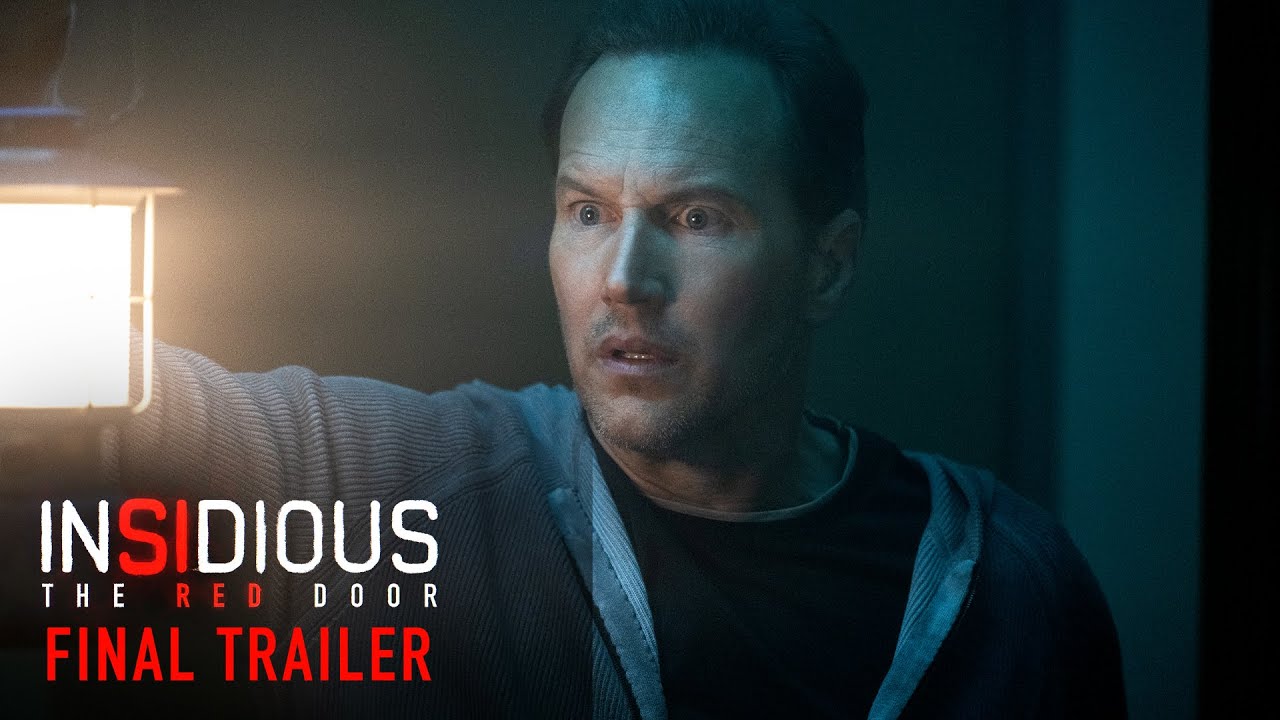
Insidious: The Red Door: frequently asked questions
- What is the rating of "Insidious: The Red Door" on Claqueta Ácida?
- "Insidious: The Red Door" scored 6.5/10 on Claqueta Ácida in the review by Maximiliano Z..
- Is "Insidious: The Red Door" worth watching?
- With reservations. We gave it 6.5/10 (Citric Acid), our rating for uneven films with something worth saving.
- Who directed "Insidious: The Red Door"?
- "Insidious: The Red Door" was directed by Patrick Wilson.
Theater Collateral Damage Report
Psychophysical impact certificate issued by Maximiliano Z.
1 amago en el tramo intermedio; pestañeo pesado en las transiciones más innecesarias.
Un par de miradas al reloj en el tramo intermedio, comprobando cuánto quedaba de suplicio.
1 espresso para no dejarse vencer por la mediocridad cómoda.
"A mitad del segundo acto cuando la subtrama secundaria empezó a pesar más de lo que aportaba."
💬 Community Verdict
What did you think of the film? Rate it from 0 to 10 to compare it with the editorial review.
You haven't voted yet
📢 ¿Te ha gustado el ácido?
Comparte esta crítica con tus amigos cinéfilos o desata la polémica en redes.
⚡ THE CINEMATIC VENOM YOUR INBOX CRAVES
No sugarcoated ratings, no corporate fluff. Subscribe for our uncensored weekly analysis or join the private Telegram for press previews, poll clashes, and instant alerts.
Alertas de estrenos en 1 segundo, encuestas en caliente y audios al salir de pases de prensa.
Recibe la dosis semanal en tu mail + regalo inmediato del PDF con 50 joyas ocultas de culto.
Related Reviews
Recommended autopsies for demanding film buffs.
 ⚡ Ácido Cítrico 7.2
Insidious: The Nightmare That Woke Up Modern Horror
⚡ Hermana de saga: otro capítulo diseccionado con rigor forense.
A scathing critique dissecting James Wan's horror, oscillating between effective scares and scripts that get lost in the darkness.
 ⚡ Ácido Cítrico 5.5
Insidious: Chapter 3: The Dream That Became a Marketing Nightmare
⚡ Hermana de saga: otro capítulo diseccionado con rigor forense.
Leigh Whannell directs a sequel that tries to be more than just a Blumhouse product, but the result is a ghost thriller stuck halfway between art and the cash register.
 ⚡ Ácido Cítrico 6.8
Insidious: Beyond the Beyond – Acidic Review by Dr. Cynicism
⚡ Hermana de saga: otro capítulo diseccionado con rigor forense.
A mordacious review that dissects the new Insidious installment, caught between worn-out shadows and flashes of genuine terror.
Editorial Ecosystem
Cinephile connections, archive interviews and related analyses.
💬 Debate Cinéfilo & Autopsia de Lectores
0 veredictos¿Discrepas con nuestra nota? ¿Es una obra maestra o veneno puro? Deja tu veredicto abajo sin necesidad de registro.


Aún nadie ha dejado su veredicto para esta película.
Sé el primero en clavarle el colmillo rellenando el formulario de arriba.