

The Cursed Guest — A Dream That Turns Into a Nightmare
A scathing critique that acknowledges the hits of Ruth Platt's unsettling work, but points out its lack of surprise and pacing.
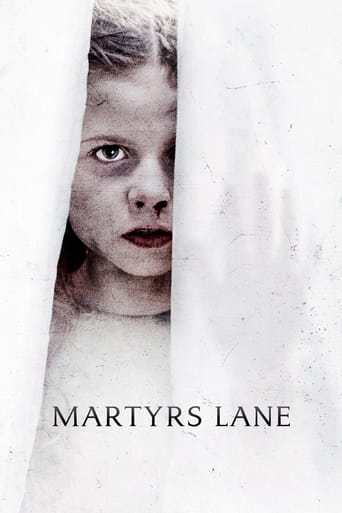
The Cursed Guest: full review
The night I sank into the velvet seat of the Odeon in London, the air reeked of stale popcorn and the hollow promise of a thriller that would make me tremble. Ruth Platt, the director who made a faint blip on the radar with The Black Forest (2020), returned to the screen with a story that seems plucked from a twisted, mildly anemic fairy tale. The project, co-produced by the BFI and three independent houses that probably operate out of a damp basement, was gestated in the midst of the pandemic, when funds were scarcer than a decent script in Hollywood and sets became glorified isolation wards. The modest budget translated into an aesthetic that, although clearly intentional, sometimes brushes up against the kind of cheapness that makes you check if you accidentally sat on a piece of gum.
The script, also penned by Platt, leans heavily on the figure of Leah, a ten-year-old girl played by Kiera Thompson, whose innocent gaze contrasts with the nightmares that relentlessly pursue her. The mother, Sarah (Denise Gough), seems trapped in a thick fog of her own thoughts, a psychological distance that the audience feels as a glaring crack in the narrative's foundation. The film inscribes itself in the grand British tradition of psychological horror, but sadly lacks the venomous bite of The Innocents or the icy elegance of The Others. Instead of delivering actual chills, it offers us a disjointed series of vignettes that desperately attempt to be disturbing, but often end up floundering right on the surface, like a dead fish in a shallow pond.
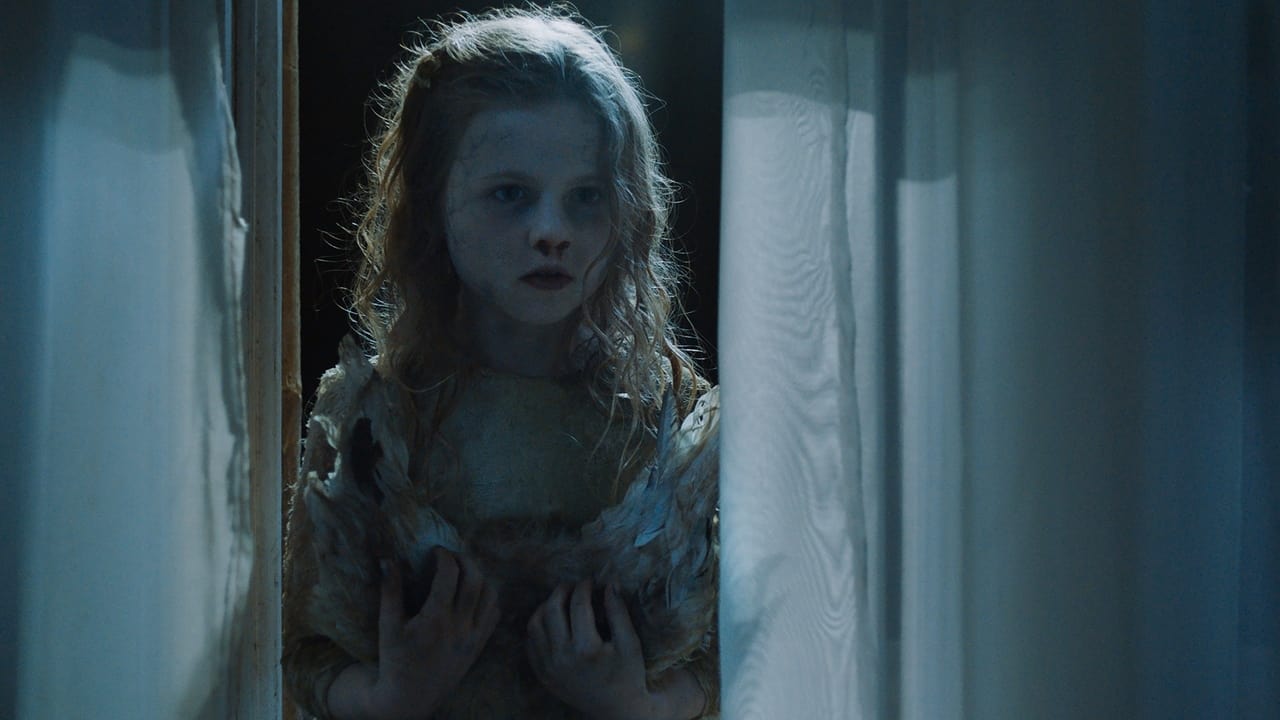
During the hallway scene, where Leah encounters the small nocturnal visitor, Győri Márk's camera slides slowly, like a lethargic snake observing its prey before deciding it's too much effort to attack. The dim lighting and washed-out colors create an atmosphere that, while momentarily effective, is shamelessly recycled in several subsequent moments without contributing a single new idea. Anne Müller's musical score, composed with synthesizers and minimal strings, accompanies the suspense with a delicacy that borders on the melancholic, but rarely manages to elevate the tension above a barely audible whisper.
Despite its numerous flaws, La huésped maldita manages, in certain fleeting moments, to immerse the viewer in a childhood nightmare that feels more tangible than any CGI special effects monster. The combination of overly contained direction, performances that occasionally shine through the gloom, and an aesthetic that warmly embraces the penumbra, make the film a strictly mid-level experience: it functions adequately, but it never truly surprises.
Direction and Staging
Ruth Platt opts for a narrative so slow it borders on the contemplative, or perhaps just the comatose. Each shot is meticulously designed to make the viewer feel the oppressive discomfort of the house, the claustrophobic narrow hallways, and the predictably dark corners. The scene in which Leah opens the door to her nocturnal visitor is a textbook study in tension: the camera remains stubbornly static, the sound of the creaking wood becomes the unexpected protagonist, and the flickering light of the lantern creates shadows that seem to dance a macabre waltz. However, the complete lack of variation in the visual rhythm ensures that the atmosphere becomes as monotonous as a dripping faucet after the first twenty minutes.
Performances and Script
Kiera Thompson single-handedly carries the emotional weight of the entire film on her small shoulders. Her interpretation of Leah combines wide-eyed vulnerability with an almost sinister curiosity that proves genuinely convincing. Denise Gough, as Sarah, offers a performance so subtle it's practically subterranean; her face becomes an impenetrable mask of distance that perfectly reflects maternal disconnection. Sienna Sayer and Steven Cree provide brief moments of support, but their characters rarely step out of the thankless role of background shadows. The script, although it makes a valiant attempt to delve into the complexities of childhood trauma, remains hopelessly stuck in clichés and dialogues that sometimes sound painfully forced, as when Sarah drops the groan-inducing line: "Not everything you see at night is real".Photography, Sound, and Editing
Győri Márk utilizes a relentlessly muted color palette, with sickly greens and grays that evoke the damp fog of the British marshes. The camera often remains glued to static frames, which effectively reinforces the sensation of claustrophobia, but also severely limits any visual dynamism. Anne Müller composes a soundtrack that leans heavily on drones and minimal strings; the ambient sound of the house constantly creaks and whispers, creating an extra layer of unease that is arguably the film's strongest asset. The editing is strictly linear, completely devoid of the abrupt cuts that could have intensified the horror; instead, the film slides along with smooth transitions that, while undeniably elegant, ultimately dilute any sense of urgency.The best
- Győri Márk's Photography: Creates an oppressively suffocating atmosphere with dim lighting and washed-out colors that completely envelop the viewer.
- Kiera Thompson's Performance: A young girl who conveys sheer terror and morbid curiosity with a naturalness that single-handedly anchors the film.
- Sound Design: The relentless creaks of the house and the constant whisper of the wind add a much-needed layer of constant unease.
The worst
- Narrative Pacing: The excessive, glacial slowness causes the tension to completely dissipate long before reaching the climax.
- Predictable Script: Tired dialogues and telegraphed twists that fall face-first into psychological horror clichés without offering a single new idea.
- Lack of Visual Impact: The effects and staging sorely lack the necessary strength to actually scare anyone over the age of ten.
The Verdict of Claqueta Ácida
La huésped maldita manages to be a mildly decent piece of horror, with a well-crafted atmosphere and a child performance that genuinely stands out from the muck. However, its dragged-out pacing, painfully predictable script, and complete lack of surprises leave it stranded in the barren zone of the merely acceptable, never quite reaching the heights of outstanding. In short, a film that functions adequately as background noise, but ultimately fails to leave an indelible mark on the genre. 💀🎬 Tráiler Oficial
Abrir en YouTube
The Cursed Guest: frequently asked questions
- What is the rating of "The Cursed Guest" on Claqueta Ácida?
- "The Cursed Guest" scored 6/10 on Claqueta Ácida in the review by Bastian Noir.
- Is "The Cursed Guest" worth watching?
- With reservations. We gave it 6/10 (Citric Acid), our rating for uneven films with something worth saving.
- Who directed "The Cursed Guest"?
- "The Cursed Guest" was directed by Ruth Platt.
Theater Collateral Damage Report
Psychophysical impact certificate issued by Bastian Noir
3 amagos en el tramo intermedio; pestañeo pesado en las transiciones más innecesarias.
Alguna consulta furtiva al móvil en el segundo acto. Nada que no se perdone.
2 espresso para no dejarse vencer por la mediocridad cómoda.
"A mitad del segundo acto cuando la subtrama secundaria empezó a pesar más de lo que aportaba."
💬 Community Verdict
What did you think of the film? Rate it from 0 to 10 to compare it with the editorial review.
You haven't voted yet
📢 ¿Te ha gustado el ácido?
Comparte esta crítica con tus amigos cinéfilos o desata la polémica en redes.
⚡ THE CINEMATIC VENOM YOUR INBOX CRAVES
No sugarcoated ratings, no corporate fluff. Subscribe for our uncensored weekly analysis or join the private Telegram for press previews, poll clashes, and instant alerts.
Alertas de estrenos en 1 segundo, encuestas en caliente y audios al salir de pases de prensa.
Recibe la dosis semanal en tu mail + regalo inmediato del PDF con 50 joyas ocultas de culto.
Related Reviews
Recommended autopsies for demanding film buffs.
 ⚡ Ácido Cítrico 6.6
28 Years Later: The Rage Virus Returns... Along with the Boredom
⚡ Comparten trinchera editorial en la sección de Perros Verdes.
Danny Boyle and Alex Garland attempt to resurrect post-apocalyptic terror with an iPhone 15 Pro Max. Spoiler: it doesn’t work.
 ⚡ Ácido Cítrico 7.1
28 Years Later: The Bone Temple: when cult cinema trips over its own shadow
⚡ Comparten trinchera editorial en la sección de Perros Verdes.
A sequel that smells rotten from the very first frame. Garland and DaCosta try to revive the genre, but the result is a technical knockout dressed up as a masterpiece.
 ⚡ Ácido Cítrico 5.8
A Serbian Film: The Snuff That Thought It Was Art (and Ended Up a High-School Nightmare)
⚡ Comparten trinchera editorial en la sección de Perros Verdes.
Srđan Spasojević serves up a depravity feast swinging between gratuitous shock and social commentary. Genius or pretentious trash? Claqueta Ácida dissects it with surgical precision.
Editorial Ecosystem
Cinephile connections, archive interviews and related analyses.
💬 Debate Cinéfilo & Autopsia de Lectores
0 veredictos¿Discrepas con nuestra nota? ¿Es una obra maestra o veneno puro? Deja tu veredicto abajo sin necesidad de registro.



Aún nadie ha dejado su veredicto para esta película.
Sé el primero en clavarle el colmillo rellenando el formulario de arriba.