The Nun — The Exorcism of the Predictable (or How to Sell Smoke in a Habit)
James Wan produces, Corin Hardy directs, and the demon Valak repeats ad nauseam. Soulless industrial horror that reeks of sanctity... but the kind that’s gone stale.

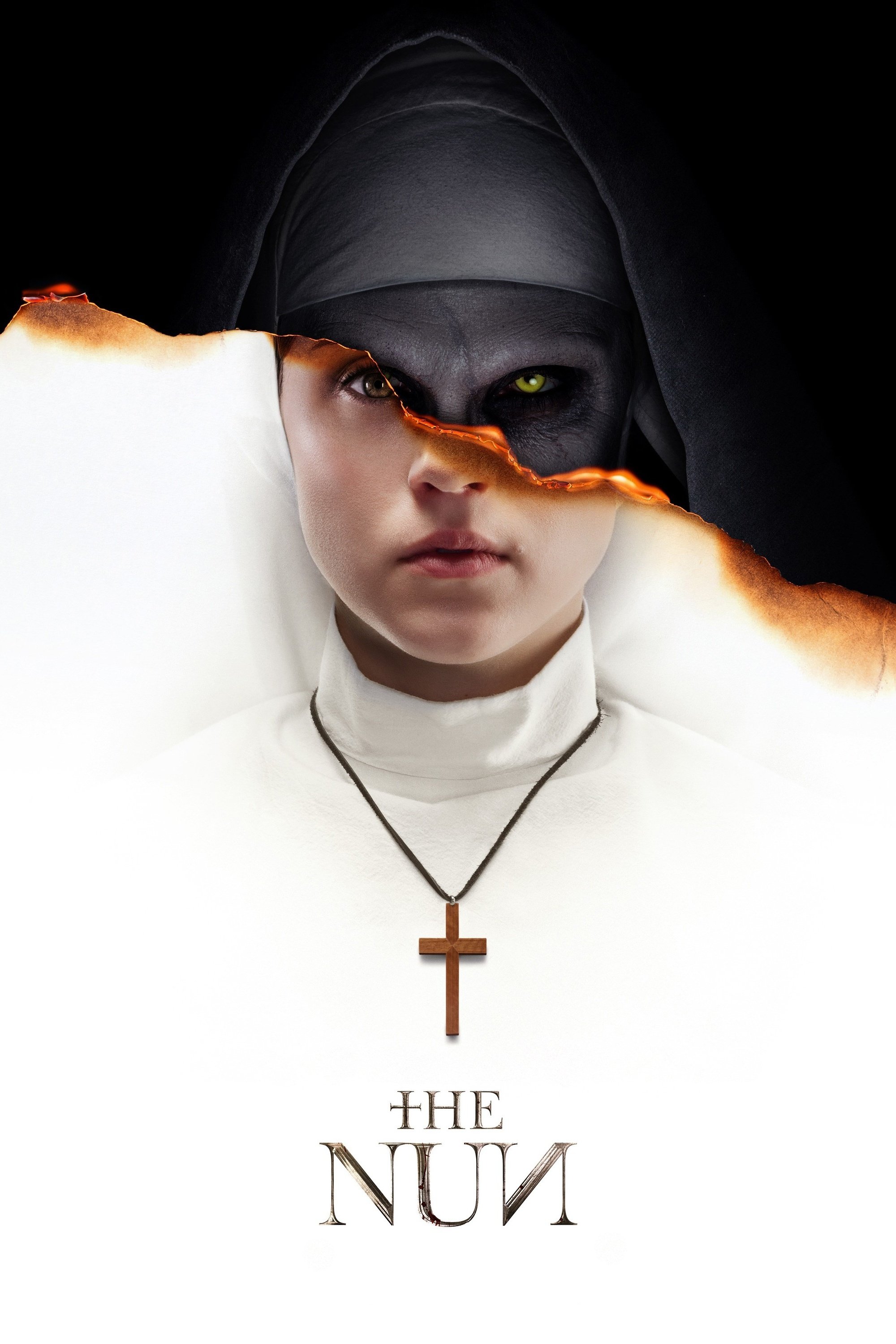

The stench of cheap incense and easy money hung thick in the air the moment James Wan decided to turn The Conjuring into an industrial horror franchise. The Nun is nothing more than the umpteenth spin-off of a universe already reeking of mothballs—a product meticulously engineered to milk the cash cow of prefab scares and meme-faced demons. Corin Hardy, a director whose greatest achievement to date was helming The Hallow (2015), a decent but forgettable horror flick, climbs aboard with the enthusiasm of a kid handed a broken toy. The result is exactly what you’d expect: a film that ticks all the boxes but never once delivers the genuine terror its premise promised. Romania, abandoned abbeys, and possessed nuns should spell nightmare. In Hardy’s hands, they spell déjà vu and a budget squandered on shoddy CGI.
The problem isn’t that The Nun is bad—it’s that it’s too predictable. From the very first frame, you know exactly what’s coming: characters will enter a dark place, something will twitch in the corner of the shot, there’ll be a fake scare followed by a real one, ad infinitum. Gary Dauberman, Wan’s go-to scribe, writes as if he’s checking off a horror cliché bingo card: the novice nun with a crisis of faith, the skeptical priest who comes around, the demon who only shows up when the plot demands it. No surprises, no real tension—just a stylistic exercise in regurgitating the formula. Even Valak’s design, the franchise’s star demon, loses all impact when stretched into a full-length feature. What was a chilling moment in The Conjuring 2 here dissolves into a carousel of gratuitous appearances that normalize its presence. Bonnie Aarons, the actress behind the makeup, does what she can with a character reduced to a puppet of cheap digital effects.
The cast, meanwhile, seems to be in a different movie altogether. Taissa Farmiga, who proved her chops in American Horror Story, here limits herself to looking terrified every time the script demands it. Demián Bichir, an actor who deserves meatier projects, wanders through the runtime like he’s in a dress rehearsal. And let’s not even talk about Jonas Bloquet, whose character—a Frenchman with a shady past—is so flat he doesn’t even manage to elicit sympathy. The only one having fun is Patrick Wilson, popping up in a cameo so forced it feels like it was ripped from an episode of Survivor. But even his usual charisma can’t salvage a script written with the grace of a drunkard’s text message.
Maxime Alexandre’s cinematography, which also worked on Annabelle and The Conjuring 2, tries to lend the film a gothic air but stumbles into the same old traps: darkness so oppressive it’s exhausting, neon lights that shatter any atmosphere, and an overuse of shaky cam that nauseates more than it terrifies. The production design, meanwhile, settles for recreating a generic abbey that could be anywhere in the world. No unique details, no visual identity—it’s like they took the sets from The Name of the Rose and ran them through an Instagram filter. Abel Korzeniowski’s score attempts to mimic The Conjuring’s style with those Gregorian choirs that sound like a Spotify copy-paste, but it’s as predictable as the rest of the film. Every note screams, “Here comes a scare!” as if the audience were too dense to figure it out on their own.
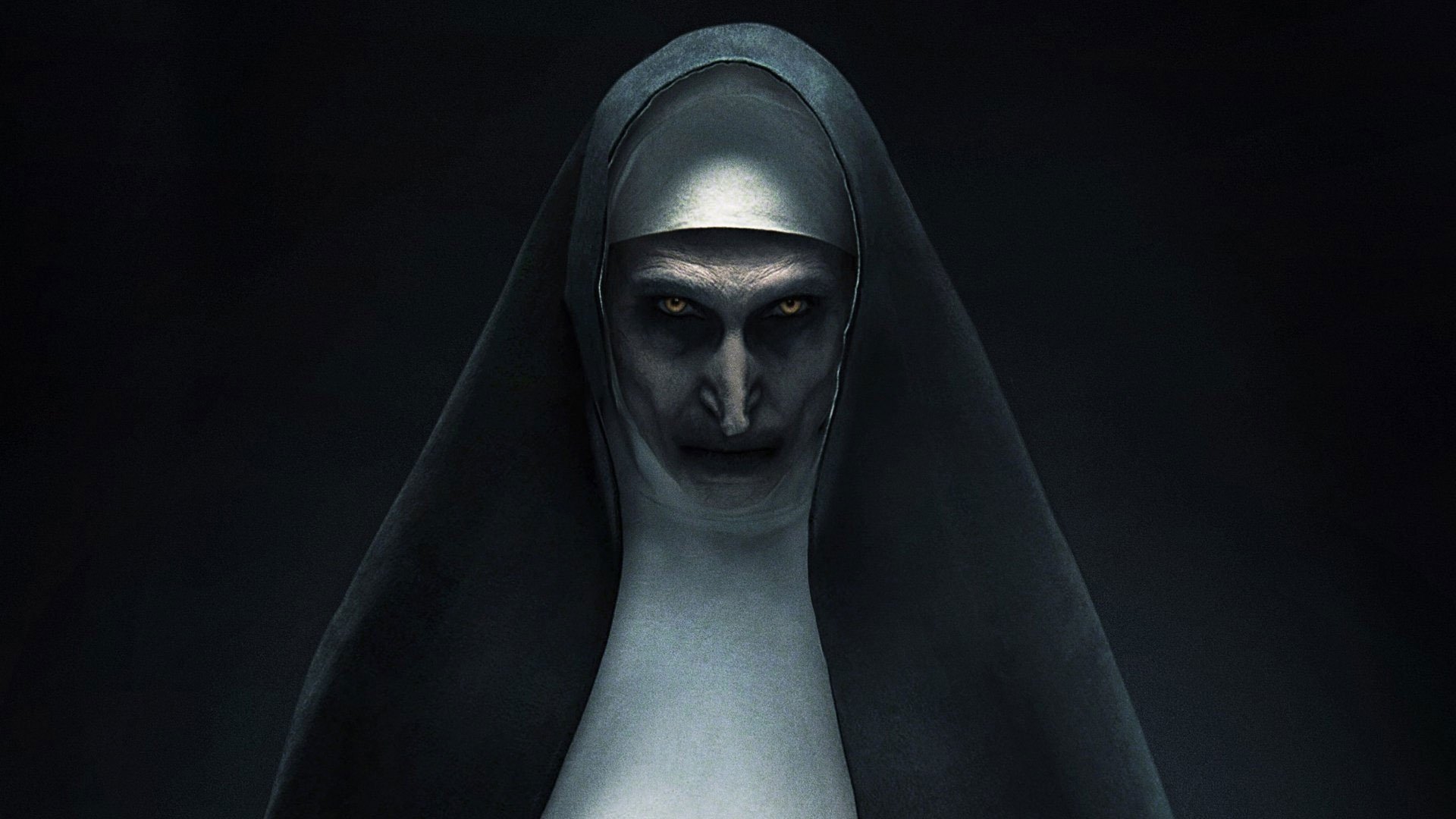
Direction and staging: The IKEA manual of industrial horror
Corin Hardy directs The Nun like he’s following a YouTube tutorial titled “How to Make a Horror Movie in 10 Steps.” Every shot, every camera movement, every scare is calculated to the millisecond to cater to the lowest common denominator. There’s no risk, no innovation—just the feeling of watching a film made by committee. Hardy seems more concerned with timing jump scares to perfection than building an atmosphere that actually frightens. And it shows. The long takes, when they exist, are clumsy and awkward, as if the director doesn’t quite know how to move the camera without it looking like he’s trying too hard. The editing, meanwhile, is so predictable you could map out the film’s rhythm with your eyes closed. Every scene ends exactly when the script demands, leaving no room for breathing or organic character development.
Hardy’s greatest sin, however, is his inability to create real tension. Instead of building a sense of impending danger, he settles for cheap scares every five minutes, as if horror were a video game where you rack up points. The scene where the demonic nun appears behind a closed door, for example, is so repetitive it becomes laughable. No mystery, no suspense—just the feeling that the director is ticking boxes on a form. Worst of all, Hardy seems to know it. There are moments where he tries to inject a personal touch, like that shot of Valak crawling across the ceiling like a giant spider, but even those attempts get lost in the overall mediocrity. In the end, The Nun is nothing more than a factory product, designed to sell tickets and little else.
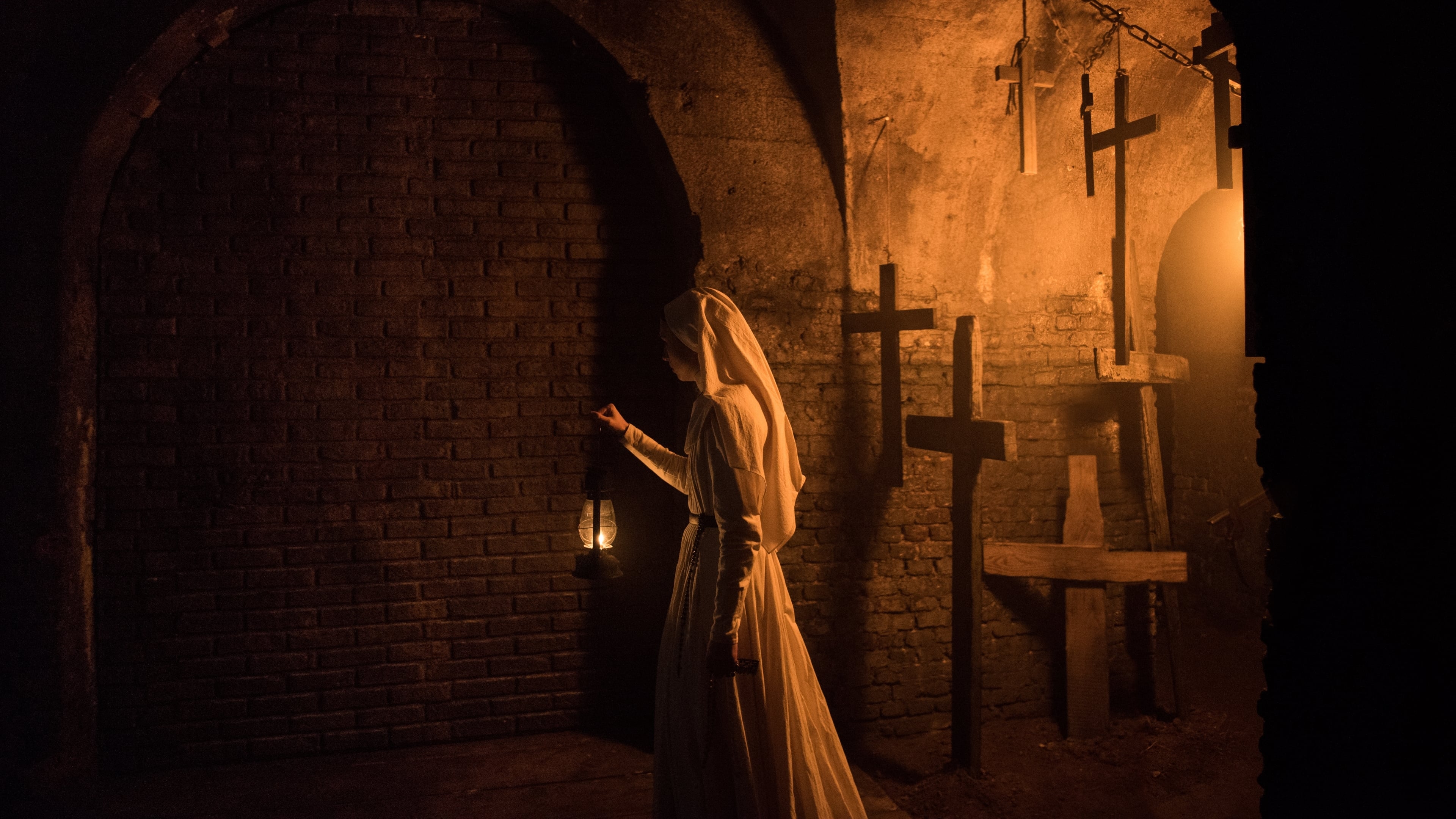
Performances and script: The dream cast... wasted
Taissa Farmiga and Demián Bichir are two actors with more than proven talent, but here they’re forced to work with a script that reads like it was written by someone who’s never spoken to a human being. The dialogue is flat, the characters’ motivations are nonexistent, and the relationships between them lack any chemistry. Farmiga, who already played a nun in American Horror Story: Asylum, tries to give her character depth, but the script won’t let her. Every time she attempts to convey emotion, the text betrays her with lines like “God has abandoned me” or “Evil is here,” which sound like bad jokes in a serious context. Bichir, for his part, does what he can with a character who oscillates between skepticism and faith without any logical transition. His performance is competent, but there’s nothing in his portrayal that stands out or makes the audience care about him.
The rest of the cast fares no better. Jonas Bloquet plays a Frenchman with a mysterious past that, in reality, has zero relevance to the plot. His character is so irrelevant you could cut him from the film without changing a thing. Ingrid Bisu, meanwhile, has a role so small she might as well be an extra with lines. And Bonnie Aarons, despite her efforts to breathe life into Valak, ends up a victim of a character design that prioritizes CGI over performance. The demon, who should be the film’s centerpiece, becomes a carnival attraction that appears and disappears without any internal logic. The script, penned by Gary Dauberman, is the main culprit behind this disaster. There are no story arcs, no character development—just a succession of scenes designed to lead to the next scare. Even the ending, which tries to be emotional, falls into the trap of predictability and rings false.
The best
- Bonnie Aarons as Valak: Despite the script reducing her to a carnival puppet, Aarons manages to convey terror with a simple tilt of the head or a flick of her fingers. Her physical presence is the only thing that saves the demon from becoming a joke.
- Maxime Alexandre’s cinematography in some scenes: There are moments, like the opening shot in the abbey or the nun’s suicide sequence, where the cinematography creates a gothic atmosphere reminiscent of horror classics. Too bad the rest of the film doesn’t rise to the occasion.
- The sound design in the jump scares: Though predictable, the scares are well-executed from a technical standpoint. The sound plays a key role in making the audience jump in their seats—even if it’s for the umpteenth time.
The worst
- Gary Dauberman’s script: A masterclass in creative laziness that settles for regurgitating the same horror clichés over and over. No originality, no character development—just a collection of scenes designed to sell tickets.
- Corin Hardy’s direction: Hardy directs like he’s following an instruction manual. No risk, no innovation—just the feeling of watching a film made by committee. The shots are clumsy, the scares are predictable, and tension is nowhere to be found.
The generic production design: The abbey could be anywhere in the world. No unique details, no visual identity. It’s like they took the sets from The Name of the Rose* and ran them through an Instagram filter.
- The wasted performances: Taissa Farmiga and Demián Bichir deserved better than this flat script and these soulless characters. Even Patrick Wilson seems out of place in his forced cameo.
- The predictable pacing: Every scene ends exactly when the script demands, leaving no room for breathing or organic character development. The editing is so mechanical you could map out the film’s rhythm with your eyes closed.
The Verdict of Claqueta Ácida
The Nun is the cinematic equivalent of a botched exorcism: lots of noise, lots of screaming, but in the end, nothing happens. James Wan and his team have turned horror into an industrial product, designed to sell tickets and little else. Corin Hardy directs like he’s following a YouTube tutorial, Gary Dauberman writes like he’s paid by the cliché, and the cast, despite their talent, seems lost in a script that gives them no chance. There are moments where the film tries to be something more, but they get lost in the general mediocrity. It’s not bad, but it’s so predictable it ends up being boring. In the end, The Nun is nothing more than a reminder that industrial horror has killed the genre. And Valak, the demon who once terrified us, now just elicits pity. 💀
tweets_alternativos:
- "Corin Hardy dirige como si le hubieran dado el manual de 'Cómo hacer un spin-off de El Conjuro en 10 pasos'. Paso 1: Pon a Valak. Paso 2: Repite. @corinhardy @NewLineCinema"
🎬 Tráiler Oficial
Abrir en YouTube
Ficha de Daños Colaterales en Sala
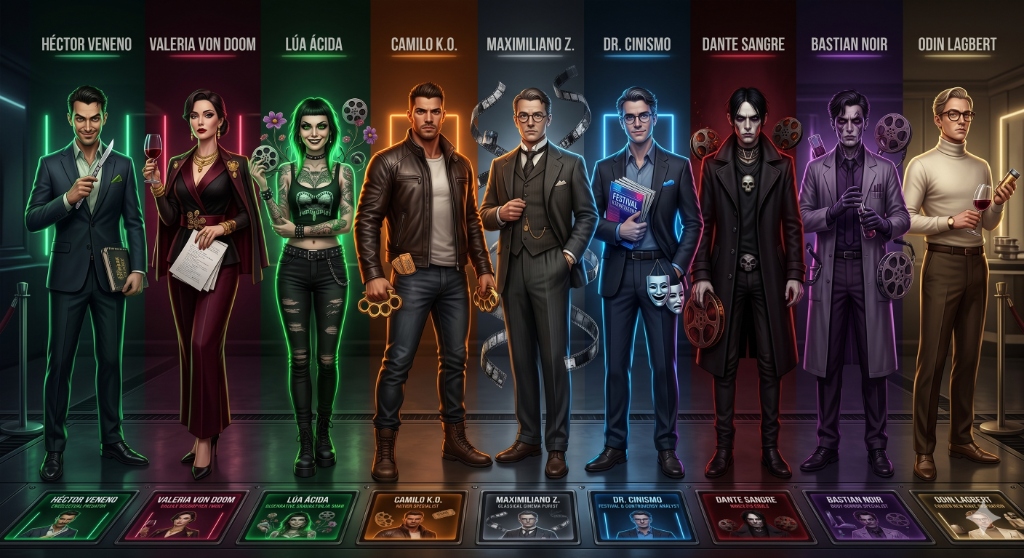
Certificado de impacto psicofísico emitido por Héctor Veneno
1 amago en el tramo intermedio; pestañeo pesado en las transiciones más innecesarias.
Minuto 47 y minuto 80 (comprobando cuánto quedaba de suplicio).
2 espresso para no dejarse vencer por la mediocridad cómoda.
"A mitad del segundo acto cuando la subtrama secundaria empezó a pesar más de lo que aportaba."
💬 El Veredicto de la Comunidad
¿Qué te ha parecido la película? Deja tu nota de 0 a 10 para contrastarla con el análisis de la redacción.
Aún no has votado
📢 ¿Te ha gustado el ácido?
Comparte esta crítica con tus amigos cinéfilos o desata la polémica en redes.
⚡ THE CINEMATIC VENOM YOUR INBOX CRAVES
No sugarcoated ratings, no corporate fluff. Subscribe for our uncensored weekly analysis or join the private Telegram for press previews, poll clashes, and instant alerts.
Alertas de estrenos en 1 segundo, encuestas en caliente y audios al salir de pases de prensa.
Recibe la dosis semanal en tu mail + regalo inmediato del PDF con 50 joyas ocultas de culto.
Related Reviews
Recommended autopsies for demanding film buffs.
 ⚡ Ácido Cítrico6.4
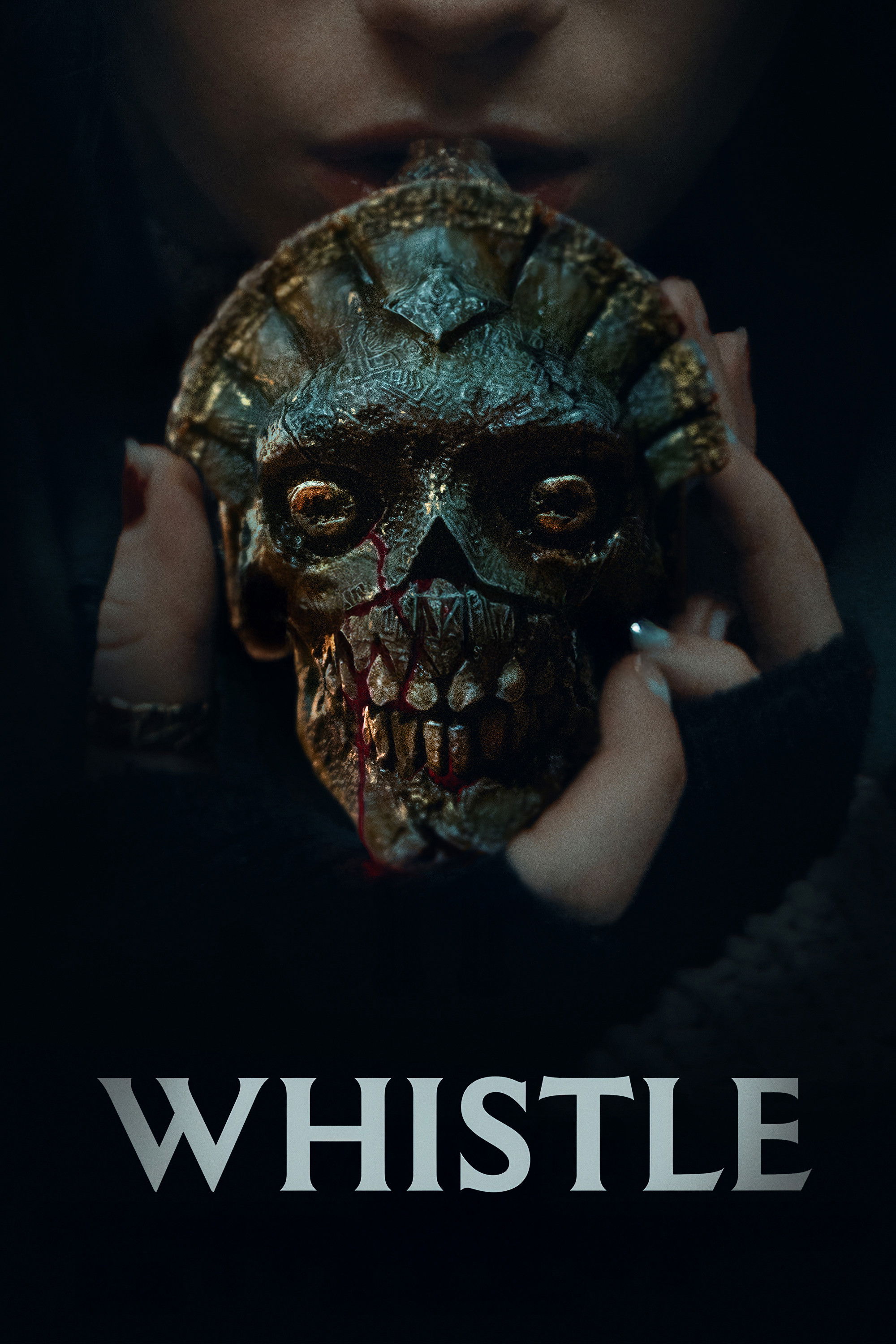
Whistle: The Deathly Hiss, A Scream of Terror
⚡Del mismo director (Corin Hardy): analiza la evolución o degradación de su estilo.
A scathing review of *Whistle: The Deathly Hiss*, the horror flick with a cursed whistle that’s about as fresh as a week-old corpse
 ⚡ Ácido Cítrico7.1
28 años después
⚡Afinidad temática directa en atmósfera, estilo y fijaciones visuales.
Una secuela que huele a podrido desde el primer fotograma. Garland y DaCosta intentan revivir el género, pero el resultado es un KO técnico disfrazado de obra maestra.
 ⚡ Ácido Cítrico5.8
**A Serbian Film: The Snuff That Thought It Was Art (and Ended Up a High-School Nightmare)**
⚡Afinidad temática directa en atmósfera, estilo y fijaciones visuales.
**Srđan Spasojević serves up a depravity feast swinging between gratuitous shock and social commentary. Genius or pretentious trash? Claqueta Ácida dissects it with surgical precision.**
Editorial Ecosystem
Cinephile connections, archive interviews and related analyses.
🎞️ In Claqueta Cinematheque1
💬 Debate Cinéfilo & Autopsia de Lectores
0 veredictos¿Discrepas con nuestra nota? ¿Es una obra maestra o veneno puro? Deja tu veredicto abajo sin necesidad de registro.

Aún nadie ha dejado su veredicto para esta película.
Sé el primero en clavarle el colmillo rellenando el formulario de arriba.