Noise — A deaf echo in the corridor of anxiety
An autopsy of a cheap thriller that only manages to irritate the viewer while they pay for their ticket.
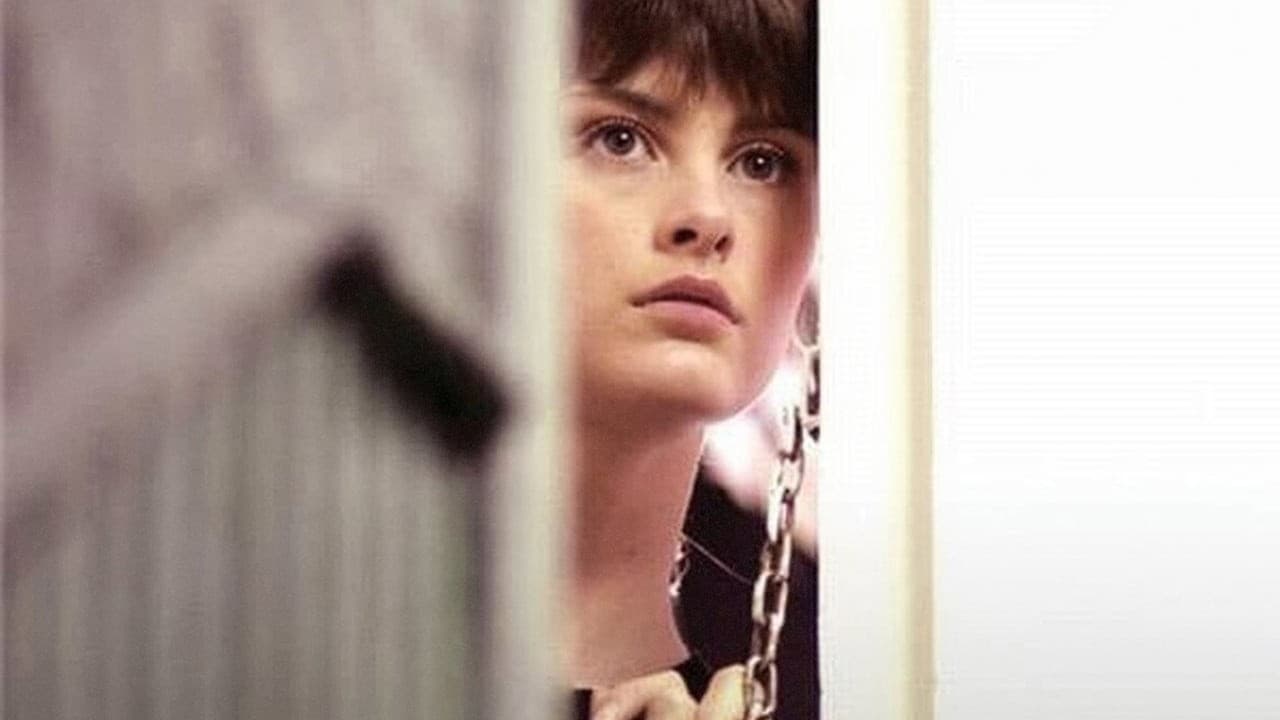

Noise: full review
The theater's air conditioning roared like a dialysis machine while the teenager in row 3 chewed popcorn with the delicacy of a bulldozer. I, with my back hunched from two hours on cheap velvet seating, wondered how a $1M budget film could pretend to be a psychological thriller. Tony Spiridakis, whose name is more associated with television projects than cinema, returns to the fray with Noise, a piece that reeks of set sweat and broken promises. The context of 2004, with the explosion of neighbor dramas on the big screen, meant that any attempt to explore urban claustrophobia was welcomed, but the reality of shooting in a Manhattan building, under the pressure of Rockville Pictures and aWounded Knee, left a mark of creative metastasis. It's not that independent cinema is dead, but that sometimes it drowns in its own bile, incapable of distinguishing between aesthetic misery and narrative misery.
In the first scene, Joyce Chandler (Trish Goff) opens her apartment door and the camera remains static, like an incision that cuts nothing. The shot of the door creaks, the neon light flickers, and neighbor Charlotte Bancroft (Ally Sheedy) appears with a smile that looks like a scar of a scar. The diagnosis is clear: brain death in the first act. Sheedy's performance, more a caricature than an interpretation, relies on a script by Lance Doty that repeats the same line of guilt every five seconds, like a flatlining heartbeat. It's an introduction that doesn't invite you in, but warns you that you're going to suffer, albeit in a boring way, like waiting in a dentist's waiting room that has no anesthesia.
The sound, or the lack thereof, is one of those decisions that screams "limited budget". The street noise filters through a sound mix that seems to have been recorded with a handheld recorder in a public bathroom. Every time Charlotte interrupts Joyce's sleep, the sound of the door creaks with the precision of a dental saw. It's a tragic irony: the movie talks about noise that cannot be borne, while the viewer suffers the empty silence of a narrative that doesn't know where to look.
Odín's review in our own magazine described it as "a thriller attempt that stays at the door of noise", and I couldn't agree more; Lúa, on the other hand, celebrated the "atmospheric intensity", but her enthusiasm seems to stem from an overdose of indie nostalgia.
Direction and staging
Spiridakis tries to create an oppressive atmosphere with tungsten lighting that looks like it was taken from a 70s operating room. The camera often remains motionless, as if the director had forgotten his own editing scissors. In the hallway scene, the light flickers and Charlotte's shadow is cast on the wall, creating an analog texture that, although interesting, feels forced. The pacing is an irregular heartbeat: long static takes followed by abrupt cuts reminiscent of a poorly done suture. There is no clear intention behind the immobility; it's not Tarkovsky's minimalism, it's the paralysis of someone who doesn't know what to do with the framing. The camera doesn't observe, it hides. And when it finally moves, it does so with the clumsiness of a tourist lost in a maze of broken mirrors.
Performances and script
Ally Sheedy, the only one who manages to stand out, does so by accident. Her raspy voice and vacant stare turn every monologue into a kind of verbal pathology. Julia Barnett as Def Girl and Ted Bardy as Phil appear as filler pieces, with no depth or narrative arc. Doty's script clings to urban life clichés: the alcoholic woman, the invasive neighbor, the detective who never arrives on time. Every line seems written with the precision of a rusty scalpel. Sheedy tries to give body to a character who is just a bag of nerves, but the text doesn't allow her to breathe. It's a duel to the death between the actress's talent and the mediocrity of the role, and the role wins by inertia.
Technical aspects
There is no credited director of photography; the lack of a photographic vision translates into a flat aesthetic, almost as if the movie had been filmed with a security camera. The sound, with no official composer, consists of background noises and a minimal soundtrack that seems to have been extracted from a royalty-free production library. The editing is clumsy: a cut from the bathroom scene to Joyce's apartment happens without continuity, leaving a coffee cup floating in the air, surgical evidence of the lack of control. The cinematography doesn't seek beauty, it seeks invisibility. And the sound, instead of immersing you, keeps you on the surface, floating in a sea of static that says nothing.
The best
- Ally Sheedy: A presence that, despite everything, manages to give the movie at least one emotional anchor point.
- Tungsten lighting: Analog texture reminiscent of body horror classics, albeit underutilized.
- Production design: Joyce's apartment, with its peeling walls, offers a convincing atmosphere of cellular degradation.
The worst
- Script: Recycled dialogue and a plot that disintegrates like purulent tissue.
- Direction: Lack of pacing and visual decisions that look like last-minute improvisations.
- Sound: Poor mix that turns every scene into an auditory autopsy.
The Verdict of Claqueta Ácida
Noise is a cinematic autopsy where the only thing bleeding is the viewer's patience. You pay €9.50 and receive a dose of undiagnosed noise, a production that seems to have been assembled in a low-budget emergency room. The only cure is to turn off the screen before rigor mortis sets in your brain. 💀
Noise: frequently asked questions
- What is the rating of "Noise" on Claqueta Ácida?
- "Noise" scored 4.2/10 on Claqueta Ácida in the review by Bastian Noir.
- Is "Noise" worth watching?
- No. We gave it 4.2/10 (Sulfuric Acid), our rating for films we don't recommend.
- Who directed "Noise"?
- "Noise" was directed by Tony Spiridakis.
Theater Collateral Damage Report
Psychophysical impact certificate issued by Bastian Noir
5 bostezos sonoros, 2 con quejido audible para toda la fila 4.
Se miró el reloj tantas veces que el cristal pidió una tregua.
2 espressos triples o un sedante hospitalario.
"En cuanto el director creyó que su ocurrencia merecía pantalla grande."
The rebuttal from Camilo K.O. (Adrenaline Demolisher)
In stark disagreement with the review given by Bastian Noir.
“Duelo editorial natural entre las visiones antagónicas de Bastian Noir y el consejo de redacción. "La escena de acción parece montada por una batidora averiada a trescientos giros por minuto."
💬 Community Verdict
What did you think of the film? Rate it from 0 to 10 to compare it with the editorial review.
You haven't voted yet
📢 ¿Te ha gustado el ácido?
Comparte esta crítica con tus amigos cinéfilos o desata la polémica en redes.
⚡ THE CINEMATIC VENOM YOUR INBOX CRAVES
No sugarcoated ratings, no corporate fluff. Subscribe for our uncensored weekly analysis or join the private Telegram for press previews, poll clashes, and instant alerts.
Alertas de estrenos en 1 segundo, encuestas en caliente y audios al salir de pases de prensa.
Recibe la dosis semanal en tu mail + regalo inmediato del PDF con 50 joyas ocultas de culto.
Related Reviews
Recommended autopsies for demanding film buffs.
 ⚠️ Ácido Sulfúrico 4.2
The Priest: Thanksgiving Massacre – When the Turkey’s a Cannibal and the Sermon Smells Like Blood
⚡ Afinidad temática directa en atmósfera, estilo y fijaciones visuales.
Steve Lawson serves up a low-budget terror feast with more salt than scares. Folk horror for microwave fans: fast, cheap, and leaves the same aftertaste.
 ⚠️ Ácido Sulfúrico 4.2
Good Boy: The Dog That Saved No One (Not Even Itself)
⚡ Afinidad temática directa en atmósfera, estilo y fijaciones visuales.
A supernatural canine stars in a film that barks up the wrong tree. *Claqueta Ácida* dissects this rural dud with the precision of a scalpel in a slaughterhouse.
 ⚠️ Ácido Sulfúrico 4.0
*Humane*: The Family Euthanasia That Leaves Us Deader Than the Weather
⚡ Afinidad temática directa en atmósfera, estilo y fijaciones visuales.
Caitlin Cronenberg serves up this nightmare dinner where emotional cannibalism outdoes the ecological kind. Euthanasia or scam? Claqueta Ácida dissects the corpse.
Editorial Ecosystem
Cinephile connections, archive interviews and related analyses.
💬 Debate Cinéfilo & Autopsia de Lectores
0 veredictos¿Discrepas con nuestra nota? ¿Es una obra maestra o veneno puro? Deja tu veredicto abajo sin necesidad de registro.


Aún nadie ha dejado su veredicto para esta película.
Sé el primero en clavarle el colmillo rellenando el formulario de arriba.