The Death of Robin Hood — Another Hero Who Should’ve Hung Up His Quiver?
Hugh Jackman dons the tunic one last time—or so the title claims. Redemption or just an autopsy of a myth that’s been rotting on the vine?

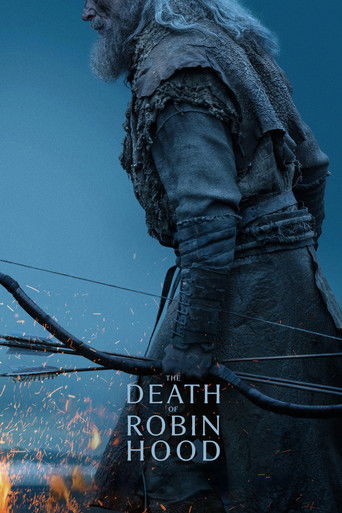
The Death of Robin Hood: full review


The problem with myths is they never know when to shut up. Robin Hood, that bargain-bin thief with a vigilante complex, has been dangling from cinema’s trees for centuries like a scarecrow no one dares take down. Now, in 2026, here comes The Death of Robin Hood—a title that sounds like an epitaph but reeks of one last desperate attempt to squeeze juice from a character who should’ve been in a nursing home with a sign that reads: No more arrows, please. Michael Sarnoski, the director who gave us Pig (2021), a film so bizarre it felt like a failed David Lynch experiment, hops onto the tired-heroes bandwagon with a script that promises redemption but smells more like an autopsy than a resurrection. Hugh Jackman, that man who appears carved from marble by a sculptor in a hurry, slips back into the tunic as if time hasn’t passed, as if he could still sprint through the forest without his knees creaking. Spoiler: he can’t. And that’s this film’s first problem—nobody seems to have noticed Robin Hood isn’t a hero anymore, just an old man with prostate issues and an unhealthy obsession with longbows.
The castle where the wounded Robin Hood arrives isn’t a place of healing—it’s a purgatory dressed in expensive tapestries and candles that reek of cheap incense. Jodie Comer, the only actor in the cast who seems to grasp this isn’t an action movie but a gothic drama with delusions of The Seventh Seal, plays the mysterious woman offering him one last shot at redemption. Her performance is the sole thing preventing this film from being a cringe-inducing nostalgia exercise. Because let’s be honest, what can an old, tired Robin Hood offer that we haven’t seen before? A monologue about guilt? A flashback to his glory days? A stolen kiss from Marian, who doesn’t even appear in this version because, real talk, who remembers her? Sarnoski tries to give the myth a dark twist but stumbles over the same clichés that have weighed this character down for decades: violence as purgation, redemption as currency, the forest as the setting for an eternal return that no longer excites anyone.
The Death of Robin Hood was shot in Romania, a country that’s become Hollywood’s low-budget backlot for any film needing a gothic castle or a forest straight out of a Brothers Grimm tale. Pat Scola, the cinematographer, does what he can with a budget that seems pinched to the penny: dark frames, dramatic backlighting, and a color palette swinging between sepia brown and moss green, as if the film were steeped in cold tea. The issue isn’t the cinematography itself—it’s competent—but that there’s nothing behind it. Every shot feels designed to hide the lack of ideas, as if Sarnoski and Scola decided visual darkness would compensate for narrative shallowness. And no, it doesn’t. Because no matter how well you light a corpse, it’s still a corpse.
The supporting cast is a parade of familiar faces with little to do. Bill Skarsgård, that actor seemingly doomed to play villains with anger issues, plays a Sheriff of Nottingham who’s more pitiful than frightening. Murray Bartlett, who proved in The White Lotus he could be hilarious and unsettling at once, here just strolls through the castle like he’s on a guided tour. And Noah Jupe, that child actor who looks plucked from a cereal commercial, plays a young squire who gazes at Robin Hood with an admiration that no longer holds water. It’s as if everyone knows they’re in a film that doesn’t dare be what it wants—neither a redemption drama, nor a gothic thriller, nor a meditation on the twilight of heroes. It’s a narrative Frankenstein, stitched together from scraps of better movies and capped with an ending that tries to be moving but lands as predictable.
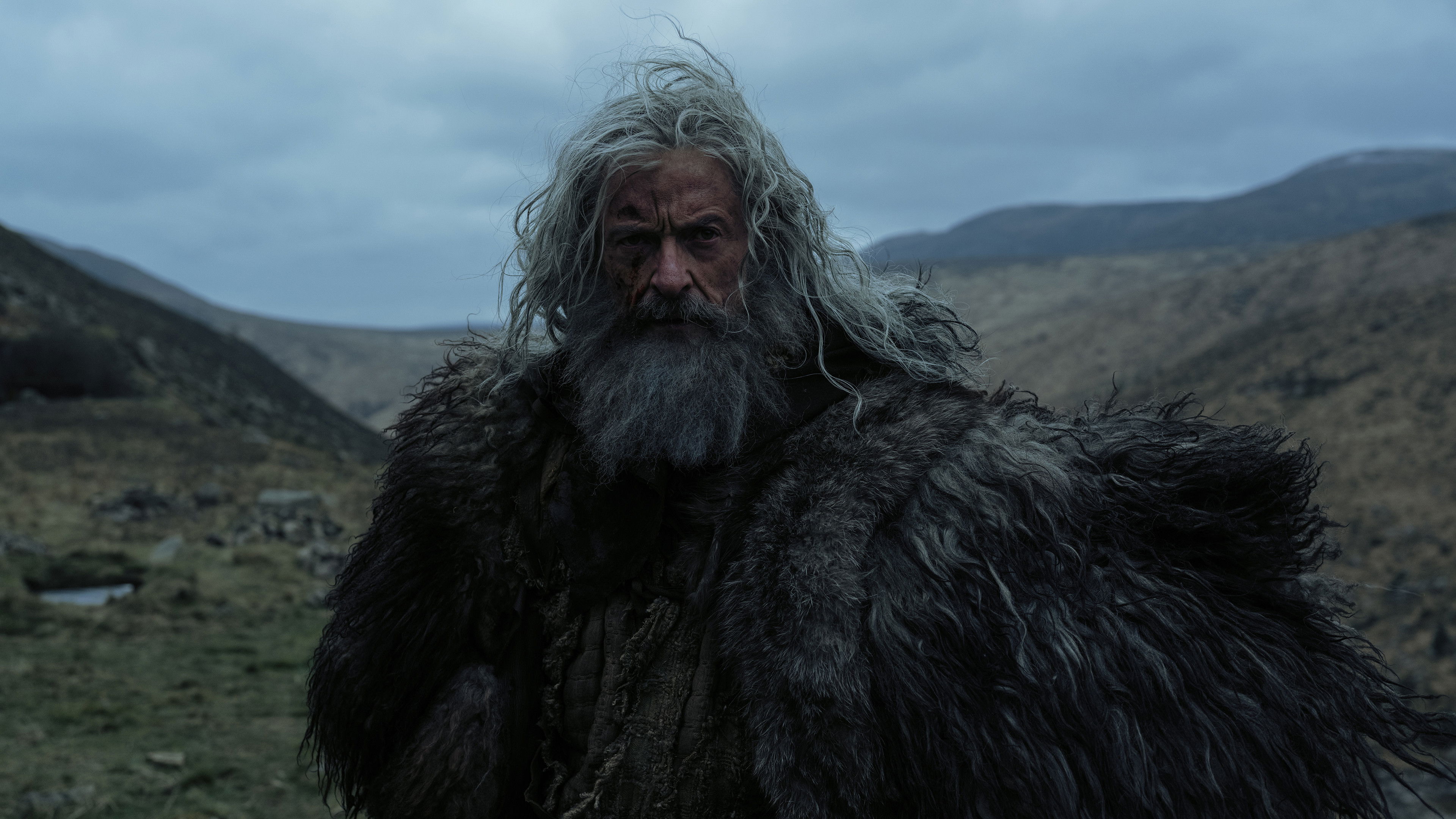
Direction and Mise-en-scène: Purgatory for the Weary Hero
Michael Sarnoski isn’t a bad director, but The Death of Robin Hood feels like the work of someone who’s watched too many movies about heroes in crisis. Every scene is laden with obvious symbolism: shadows stretching like accusing fingers, mirrors reflecting distorted versions of Robin Hood, birds cawing as if they know doom is coming. It’s as if Sarnoski read a film-school manual and decided to apply every rule by the book, not realizing that excess style drowns substance. There’s a moment where Robin Hood, wounded and weak, tries to shoot an arrow and fails. The camera lingers on his sweaty face, his trembling hands, the bow slipping from his fingers. It’s an effective shot, sure, but it’s also a moment we’ve seen a thousand times before—in better films and worse. The difference here is there’s nothing new to say.
The script, also by Sarnoski, tries to give depth to a character who, let’s be real, never had any. Robin Hood isn’t Hamlet, or even Macbeth. He’s a guy with a bow and a habit of robbing the rich, and no amount of monologues about guilt and redemption will change that. The problem isn’t that the script is bad—it’s too ambitious for what it is. It wants to be The Godfather but ends up feeling like an extended Vikings episode. There are dialogues that sound profound but are really just clichés dressed in cheap philosophy. "Violence isn’t justice," Jodie Comer tells Robin Hood at one point. "Then what is?" he replies. And that’s where the conversation ends, as if Sarnoski wanted to leave a question hanging but didn’t know how to answer it. Spoiler: he doesn’t.
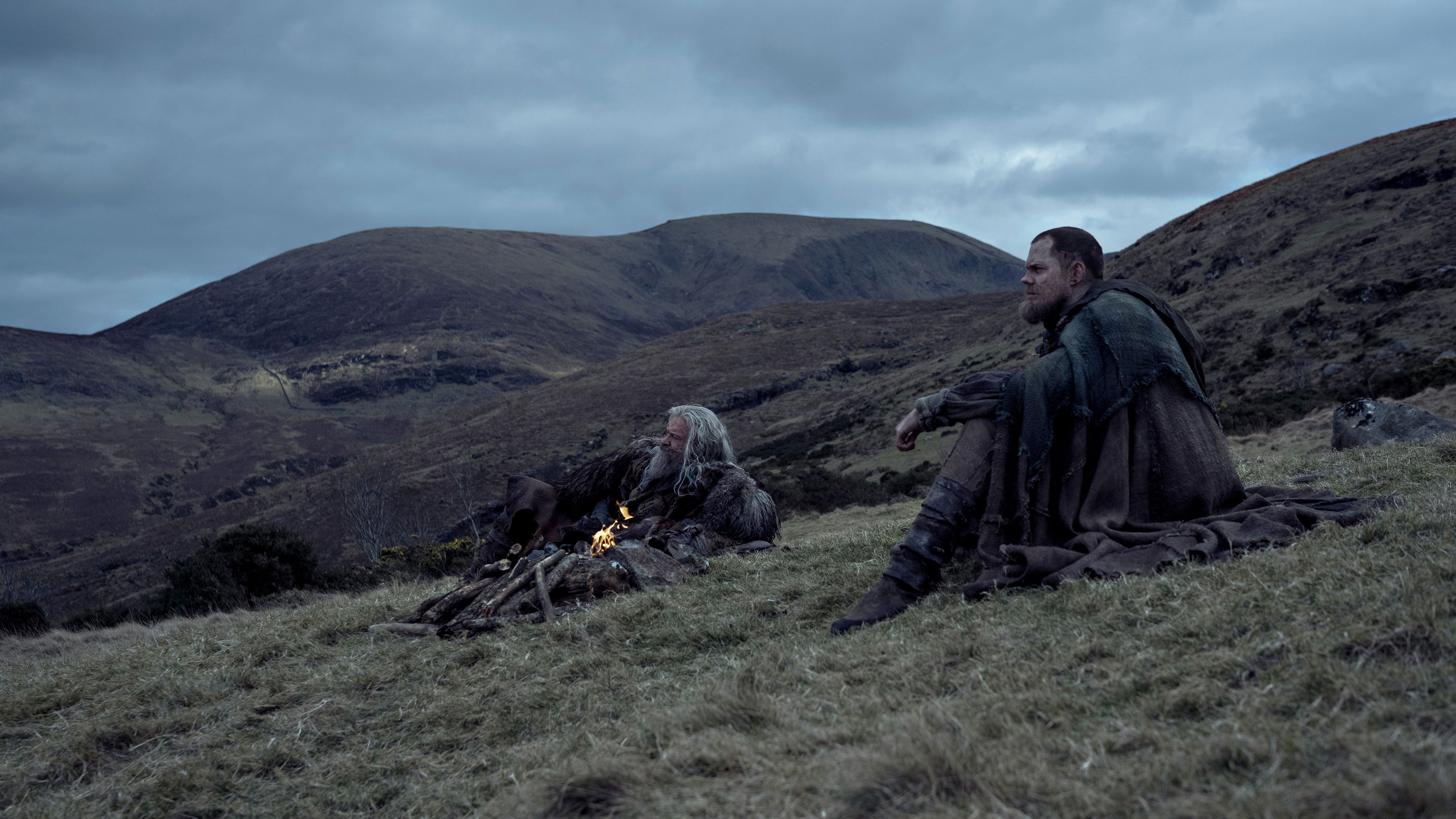
Performances: The Last Stand of a Lost Cast
Hugh Jackman is still Hugh Jackman. That is, an actor who seems incapable of aging, with a jawline that could cut diamonds and biceps that defy physics. But even he has his limits, and in The Death of Robin Hood, it shows—not physically, of course, because the man still looks like a Greek god carved from oak, but emotionally. His Robin Hood is a broken man, yes, but also a character who’s got nothing left to give. Jackman plays him with a solemnity that sometimes veers into the ridiculous, as if he’s in a high-school play rather than a Hollywood film. There are moments where he seems on the verge of tears but holds back at the last second, as if he knows a weepy Robin Hood isn’t what the audience signed up for. And he’s right—it isn’t.
Jodie Comer, on the other hand, is the only one who seems to be in a different movie. Her character—a mysterious woman who could be a witch, a saint, or just a nurse with a mean streak—has a magnetic presence. Every time she appears on screen, the film comes alive, like someone opened a window in a smoke-filled room. Comer doesn’t need to shout or flail to command attention: a look, a gesture, a pause in dialogue is enough. She’s an actor who understands that silence sometimes speaks louder than words, and in a film this noisy, her performance is an oasis of calm. The problem is the script doesn’t give her enough to work with. Her character is interesting, sure, but she’s also a deus ex machina on legs—appearing out of nowhere, offering Robin Hood redemption, then vanishing when no longer needed. It’s as if Sarnoski wrote her role at the last minute, like a patch to cover the plot’s holes.
The rest of the cast is, at best, functional. Bill Skarsgård does what he can with a Sheriff of Nottingham who’s more pathetic than terrifying. Murray Bartlett, who proved in The White Lotus he could be hilarious and unsettling, here just wanders the castle like he’s on a guided tour. And Noah Jupe, that child actor who looks plucked from a cereal ad, plays a young squire who gazes at Robin Hood with an admiration that’s no longer convincing. It’s as if everyone knows they’re in a film going nowhere but decides to plow ahead anyway, like actors in a play no one wants to see.
The best
Jodie Comer’s performance: No exaggeration—she saves the film from being an absolute disaster. Every scene she’s in is a reminder of what cinema can be when actors get* their characters.
- Pat Scola’s cinematography: Dark frames, dramatic backlighting, and a color palette swinging between sepia brown and moss green. It’s not revolutionary, but it’s competent and, in moments, even beautiful.
- Production design: The castle where much of the film takes place is stunning, with narrow hallways, spiral staircases, and rooms straight out of a gothic nightmare. It feels like someone took the setting seriously.
- The score: It’s not memorable, but it does its job. There are moments where the music elevates the scenes, especially in the film’s more dramatic beats.
The worst
- Michael Sarnoski’s script: It tries to be deep but ends up pretentious. Dialogues sound like cheap philosophy, and the plot feels stitched together from scraps of better films.
- The lack of originality: Robin Hood has died a thousand deaths on screen, and this version adds nothing new. It’s like watching a remake of a remake of a remake.
- Hugh Jackman out of his depth: Not his fault, but his Robin Hood is a character who’s got nothing left to offer. His performance is solemn to the point of exhaustion, like he’s in a high-school play.
- The uneven pacing: The film starts strong but loses steam halfway through. Some scenes drag unnecessarily, while others feel rushed.
- The predictable ending: I won’t spoil anything, but let’s just say it’s not exactly a surprise. It’s the kind of ending you see coming from the first act, yet the film insists on presenting it as a shocking twist.
The Verdict of Claqueta Ácida
The Death of Robin Hood isn’t a bad film, but it’s not a good one either. At best, it’s a stylistic exercise that never finds its voice. Michael Sarnoski tries to give the myth a dark twist but stumbles over the same clichés that have weighed this character down for decades. Hugh Jackman does what he can with a role that’s got nothing left to offer, and Jodie Comer saves the furniture with a performance that proves, yet again, she’s one of the best actors of her generation. The problem is even she can’t save a film that feels like it was made by someone who’s watched too many movies about heroes in crisis. In the end, The Death of Robin Hood is like its protagonist: a tired myth that doesn’t know when to quit. 💀
🎬 Tráiler Oficial
Abrir en YouTube
The Death of Robin Hood: frequently asked questions
- What is the rating of "The Death of Robin Hood" on Claqueta Ácida?
- "The Death of Robin Hood" scored 6.5/10 on Claqueta Ácida in the review by Dr. Cinismo.
- Is "The Death of Robin Hood" worth watching?
- With reservations. We gave it 6.5/10 (Citric Acid), our rating for uneven films with something worth saving.
- Who directed "The Death of Robin Hood"?
- "The Death of Robin Hood" was directed by Michael Sarnoski.
Theater Collateral Damage Report
Psychophysical impact certificate issued by Dr. Cinismo
2 amagos en el tramo intermedio; pestañeo pesado en las transiciones más innecesarias.
Alguna consulta furtiva al móvil en el segundo acto. Nada que no se perdone.
1 espresso para no dejarse vencer por la mediocridad cómoda.
"A mitad del segundo acto cuando la subtrama secundaria empezó a pesar más de lo que aportaba."
💬 Community Verdict
What did you think of the film? Rate it from 0 to 10 to compare it with the editorial review.
You haven't voted yet
📢 ¿Te ha gustado el ácido?
Comparte esta crítica con tus amigos cinéfilos o desata la polémica en redes.
⚡ THE CINEMATIC VENOM YOUR INBOX CRAVES
No sugarcoated ratings, no corporate fluff. Subscribe for our uncensored weekly analysis or join the private Telegram for press previews, poll clashes, and instant alerts.
Alertas de estrenos en 1 segundo, encuestas en caliente y audios al salir de pases de prensa.
Recibe la dosis semanal en tu mail + regalo inmediato del PDF con 50 joyas ocultas de culto.
Related Reviews
Recommended autopsies for demanding film buffs.
 ⚡ Ácido Cítrico 7.1
 28 Years Later: The Bone Temple: when cult cinema trips over its own shadow
⚡ Afinidad temática directa en atmósfera, estilo y fijaciones visuales.
A sequel that smells rotten from the very first frame. Garland and DaCosta try to revive the genre, but the result is a technical knockout dressed up as a masterpiece.
 ⚡ Ácido Cítrico 5.8
 A Serbian Film: The Snuff That Thought It Was Art (and Ended Up a High-School Nightmare)
⚡ Afinidad temática directa en atmósfera, estilo y fijaciones visuales.
Srđan Spasojević serves up a depravity feast swinging between gratuitous shock and social commentary. Genius or pretentious trash? Claqueta Ácida dissects it with surgical precision.
 ⚡ Ácido Cítrico 6.0
 Adolescence, Sex, and Death at Camp Miasma: The Slasher That Reeks of Teen Sweat and a Recycled Script
⚡ Afinidad temática directa en atmósfera, estilo y fijaciones visuales.
Jane Schoenbrun turns a summer camp into a dumpster fire of hormones and clichés. Art or autopsy of a dying subgenre?
Editorial Ecosystem
Cinephile connections, archive interviews and related analyses.
💬 Debate Cinéfilo & Autopsia de Lectores
0 veredictos¿Discrepas con nuestra nota? ¿Es una obra maestra o veneno puro? Deja tu veredicto abajo sin necesidad de registro.


Aún nadie ha dejado su veredicto para esta película.
Sé el primero en clavarle el colmillo rellenando el formulario de arriba.