Don't Leave the Kids Alone — Emilio Portes's Cynical Dissection
An enthusiastic approach to Don't Leave the Kids Alone, where Emilio Portes deconstructs genre cinema with mastery and bad intentions.

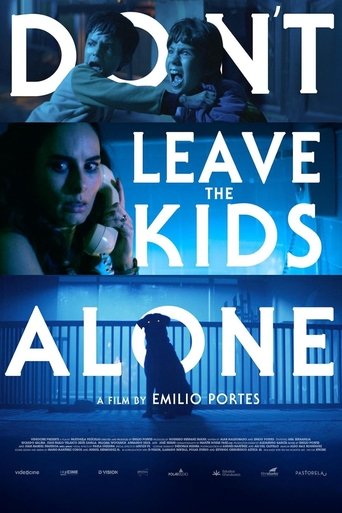
Don't Leave the Kids Alone: full review

There is something profoundly comforting about verifying that genre cinema still retains the capacity to look at the spectator with a smug grin, knowing perfectly well that both share the same private joke. The tradition of using childhood as the receptacle of all our bourgeois phobias has come a long way since those European summits where infants were little more than demons with corkscrew curls. However, when a cinematography like the Mexican one decides to tackle this trope through the hands of a singular creator, the result usually strays prudently away from conventional scares to be seasoned with an unmistakable satire. We are not facing a lachrymose exercise on the loss of innocence, but rather a self-aware artifact that dissects with a scalpel the seams of our own expectations. It is a clear declaration of intentions: people do not come here to be frightened, they come to be made uncomfortable with elegance.
Emilio Portes takes the helm of this ship with the confidence of someone who perfectly knows the codes of pastiche and manipulates them at will to avoid solemn shipwreck. From the opening beats, the staging eschews cheap sensationalism to build a universe where narrative tension permanently coexists with a knowing wink toward the seasoned spectator. The production company Pastorela Películas, in collaboration with the Mexican Institute of Cinematography and Eficine, backs a formal display that breathes a strange handcrafted elegance. There is no trace here of the most unbearable auteur onanism nor the vacuous pretentiousness plaguing contemporary festivals; what the screen distills is a well-understood malice that disarms any attempt at purely conventional analysis. It is cinema that knows the audience has seen it all, and therefore decides to play on its own turf, but with modified rules.
It is necessary to pause on the way the screenplay written by Alan Maldonado subverts expectations without falling into the easy joke or unbridled parody. The dialogues float in that borderland territory where dramatic gravity dissolves under the weight of constant irony, forcing the public to permanently rethink the nature of what they are witnessing on the big screen. Far from seeking spectator complicity through predictable jumpscares, the film prefers to settle into a very civilized discomfort, a territory where black humor functions as the only possible antidote against industrial tedium. The narrative structure advances with a firm step, conscious that its greatest virtue lies in not taking itself too seriously, a luxury few directors allow themselves nowadays. Each scene seems designed so that the spectator asks: is this a comedy or a thriller? And the answer, painfully, is both at the same time.
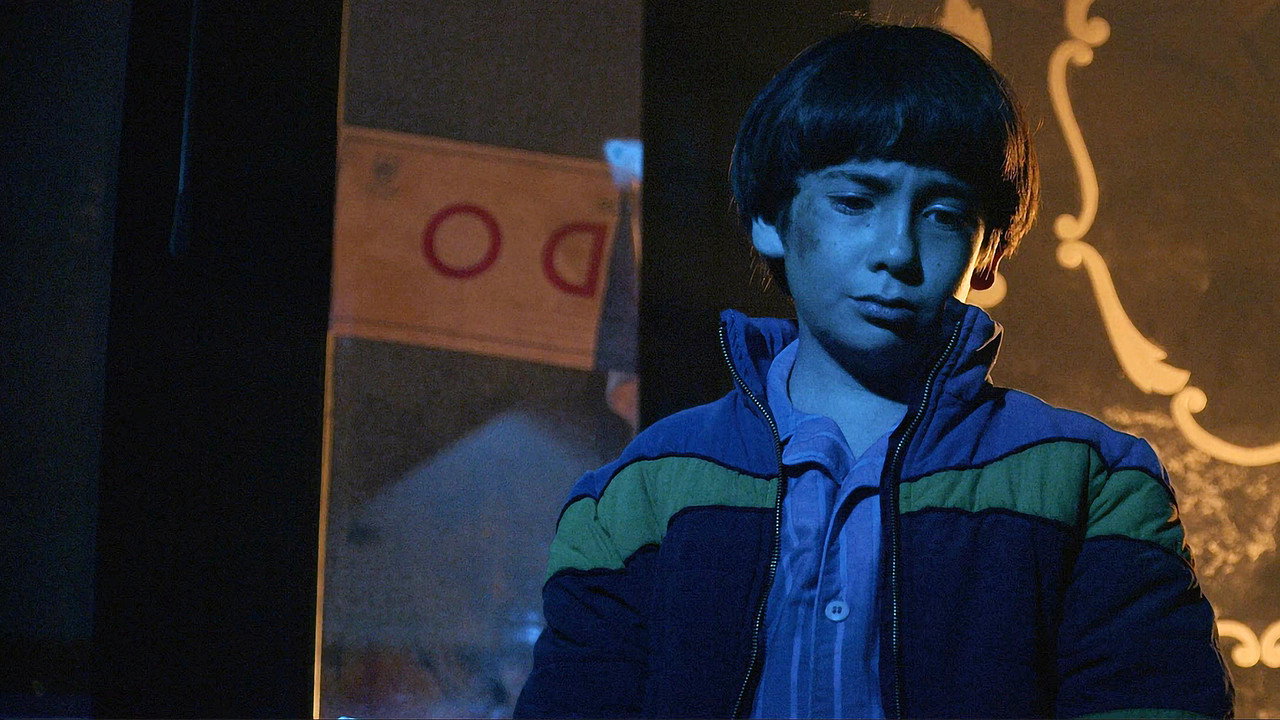
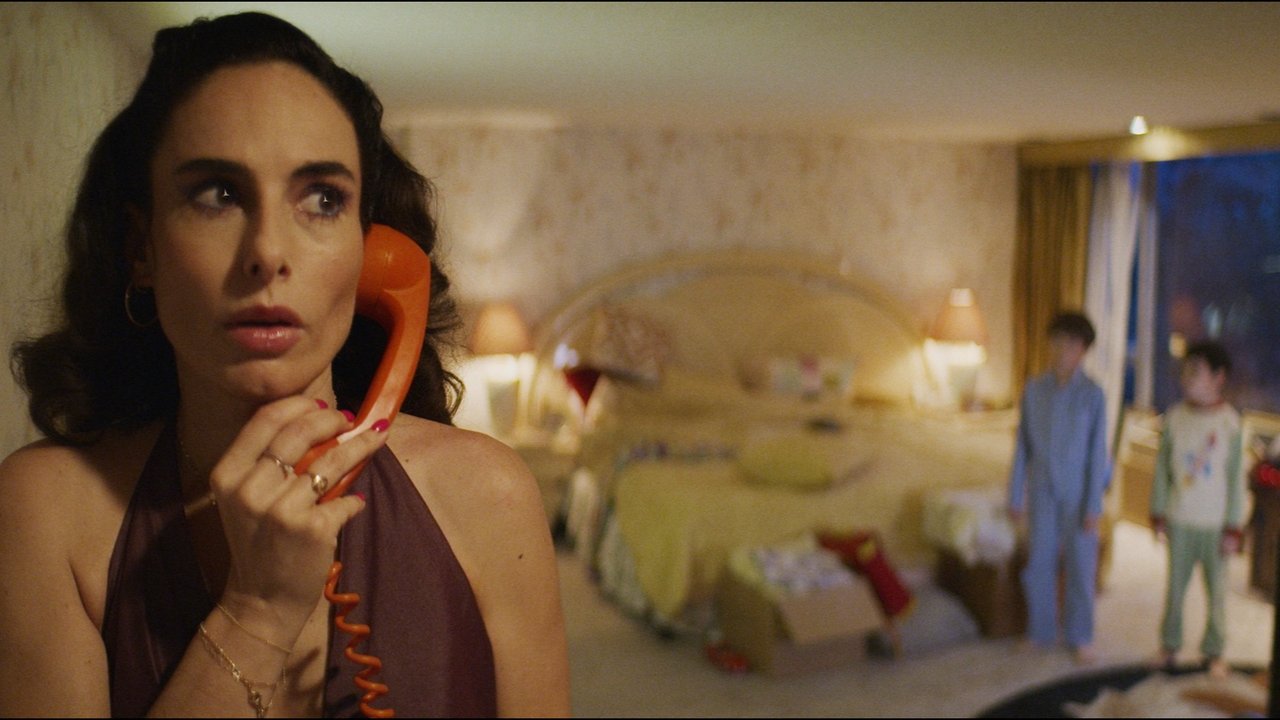
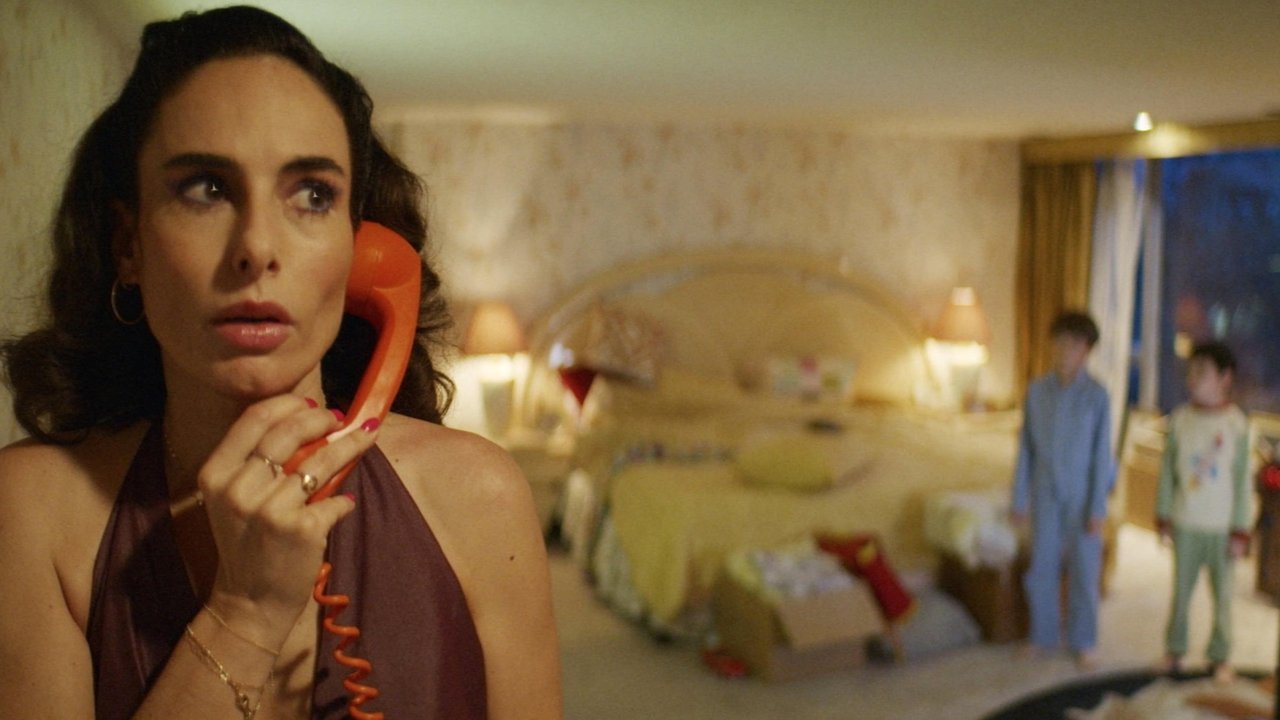
In the acting department, the ensemble work deserves a special mention for its capacity to maintain balance on the tightrope of tone. Ana Serradilla embodies Catalina with an interpretive authority that anchors the proposal in reality, preventing the artifice from crumbling before the script's most delirious flashes. Alongside her, young Juan Pablo Velasco in the skin of Matías Camacho and Ricardo Galina as Emiliano Camacho provide a disconcerting naturalness that wonderfully contrasts with the conceptual barbarism of the proposal. The presence of heavy-hitting supporting actors like José Sefami and Paloma Woolrich adds layers of density to a human ecosystem where no one seems to be in their right mind, consolidating a cast as eclectic as it is functional for the director's purposes. It is an exercise in collective chemistry that works because no one tries to shine above the others; everyone knows the machinery is what matters.
The best
Emilio Portes's labor behind the camera is sustained by a precise geometry that prioritizes clean framing over gratuitous camera movement. Every shot is calculated to underline the artifice of the situation, constantly reminding us that we are attending a millimeter-precise representation of familial neurosis. There are no camera shakes to simulate chaos; the chaos is in the looks, in the awkward silences, in the layout of bodies in space. The cinematography signed by Martín Boege accompanies this vision with a palette of sober tones that avoid chromatic excess, granting the whole a patina of perverse classicism. Light does not seek to be beautiful, but revealing, exposing the cracks in the characters' social masks with an almost documentary coldness. The music composed by Aldo Max Rodríguez intervenes in a surgical manner, commenting on the action from an ironic distance that enhances the intelligence of the staging without overwhelming the spectator. When the soundtrack appears, it is not to fill the void, but to point a finger at what the image has already said, creating a layer of metalinguistic commentary that elevates the experience beyond simple entertainment.
The worst
The true triumph of this machinery resides in the cohesion of its cast, where veteran experience dialogues without complexes with the freshness of new generations. Ana Serradilla manages the tempos of her character with millimeter precision, turning each retort into a small exercise in interpretive fencing. Her Catalina does not scream, does not cry inconsolably; she simply observes, and in that observation lies all the terror and comedy of the function. Opposite her, the interventions of Jesús Zavala and veteran José Sefami inject doses of comic agility that prevent the tone from flagging at any moment of the runtime. It is an unusual pleasure to see a cast have so much fun dismantling traditional horror clichés from the trench of black comedy. Juan Pablo Velasco's naturalness is particularly remarkable; he manages to convey the confusion of a child trapped in a dysfunctional adult world without falling into childish caricature. It is a work of subtlety that rewards the spectator's attention, where every micro-expression counts for more than any explicit dialogue.
The Verdict of Claqueta Ácida
- Ana Serradilla: A central performance that elegantly sustains the entire dramatic and satirical weight of the function.
- Emilio Portes's direction: A firm pulse demonstrating how to deconstruct classic genres without losing respect for the craft.
- Martín Boege's cinematography: An absolute mastery of light that endows the atmosphere with an impeccable and disturbing visual patina.
Emilio Portes signs a remarkable exercise that proves genre cinema can still shake off the dust of common places through the intelligent use of irony. We are not facing an indisputable masterpiece, but we are facing an extremely stimulating cultural artifact that respects spectator intelligence and defends the right to formal incorrectness. A welcome surprise that single-handedly redeems so many afternoons of industrial mediocrity on the contemporary marquee. 💀
Don't Leave the Kids Alone: frequently asked questions
- What is the rating of "Don't Leave the Kids Alone" on Claqueta Ácida?
- "Don't Leave the Kids Alone" scored 7.5/10 on Claqueta Ácida in the review by Odin Lagbert.
- Is "Don't Leave the Kids Alone" worth watching?
- With reservations. We gave it 7.5/10 (Citric Acid), our rating for uneven films with something worth saving.
- Who directed "Don't Leave the Kids Alone"?
- "Don't Leave the Kids Alone" was directed by Emilio Portes.
Theater Collateral Damage Report
Psychophysical impact certificate issued by Odin Lagbert
Cero bostezos, la ironía corrosiva mantiene al espectador con los ojos abiertos de par en par.
El reloj permanece ignorado mientras el despropósito satírico se despliega con absoluta lucidez.
Un espresso bien cargado para procesar la ironía sin perder un solo matiz del guion.
"El instante exacto en que la supuesta atmósfera de terror se revela como una farsa autoconsciente y brillante."
The rebuttal from Dante Sangre (Blockbuster Scalpel)
In stark disagreement with the review given by Odin Lagbert.
“Niñada barata, cadáver corporativo, estafa. Yo vi el guion, puro plástico, sin sustancia ni intención. Los personajes son sombras sin sangre, meras siluetas de cartón. El ritmo se arrastra como lodo, arrastrando la paciencia del espectador. La atmósfera huele a basura industrial, un hedor que asfixia. Portes pretende ironía, entrega lobotomía visual, una mutilación estética. Los sustos son efectos de bajo presupuesto, reciclados de los noventa. La fotografía es un lavado de cara barato, luces sin profundidad. Los diálogos repiten clichés, sin mordida, como eco de trailers. La trama no sostiene nada, solo ruido, una maraña sin dirección. El montaje corta sin ritmo, confuso, como cirugía sin anestesia. El final es un engendro sin sentido, un vacío comercial. Le doy 2.6, puro fraude, una estafa de marketing.
💬 Community Verdict
What did you think of the film? Rate it from 0 to 10 to compare it with the editorial review.
You haven't voted yet
📢 ¿Te ha gustado el ácido?
Comparte esta crítica con tus amigos cinéfilos o desata la polémica en redes.
⚡ THE CINEMATIC VENOM YOUR INBOX CRAVES
No sugarcoated ratings, no corporate fluff. Subscribe for our uncensored weekly analysis or join the private Telegram for press previews, poll clashes, and instant alerts.
Alertas de estrenos en 1 segundo, encuestas en caliente y audios al salir de pases de prensa.
Recibe la dosis semanal en tu mail + regalo inmediato del PDF con 50 joyas ocultas de culto.
Related Reviews
Recommended autopsies for demanding film buffs.
 🔥 Fusión Nuclear 8.5
 *Alleluia: Love as a Terminal Illness (or How to Turn Crimes of Passion into a Sweaty, Fleshy Spectacle)*
⚡ Afinidad temática directa en atmósfera, estilo y fijaciones visuales.
Fabrice Du Welz reimagines the myth of the lonely hearts killers in a feverish whirlwind of jealousy, submission, and blood, led by Lola Dueñas in a performance that’s equal parts hypnotic and harrowing.
 🔥 Fusión Nuclear 8.5
 *High Tension (Haute Tension): The Brutal Birth of the New French Extremism – Or How to Turn Flesh into Poetry with a Machete*
⚡ Afinidad temática directa en atmósfera, estilo y fijaciones visuales.
Alexandre Aja shocked global screens with a relentless rural bloodbath, redefined by breakneck pacing and a divisive twist that splits serious cinephiles right down the middle.
 🔥 Fusión Nuclear 8.5
 *Aterrados: The Rebirth of Ghost Stories in the Raw Grit of Buenos Aires*
⚡ Afinidad temática directa en atmósfera, estilo y fijaciones visuales.
Demian Rugna revolutionizes paranormal horror—possessions, poltergeists, and all—by transplanting it to a residential neighborhood in Buenos Aires, armed with a devastating sound design that rattles your bones.
Editorial Ecosystem
Cinephile connections, archive interviews and related analyses.
💬 Debate Cinéfilo & Autopsia de Lectores
0 veredictos¿Discrepas con nuestra nota? ¿Es una obra maestra o veneno puro? Deja tu veredicto abajo sin necesidad de registro.


Aún nadie ha dejado su veredicto para esta película.
Sé el primero en clavarle el colmillo rellenando el formulario de arriba.