The Wail — When Horror Drowns in Its Own Yawn
Pedro Martín Calero delivers an Argentine supernatural thriller that promises the moon and hands you an eternal sigh. Ester Expósito shines, but the script loses itself in its own labyrinth of tears.


The Wail: full review
Argentine horror cinema boasts a glorious tradition—from La ciénaga to Los paranoicos, even that beast called The Secret in Their Eyes. But The Wail, Pedro Martín Calero’s latest, arrives like a sigh sandwiched between such grandeur. It’s not that it’s bad, mind you. It’s that it’s boring with pretensions, like a philosophy professor explaining existential dread with a pastel-colored PowerPoint. And that, dear readers, is worse than a botched jump scare.
The film bills itself as a supernatural thriller linking three women across time and space via a wail no one else hears. Sounds intriguing, right? Brace yourself for two hours of poorly integrated flashbacks, dialogue that strives for profundity but lands like Starbucks mug slogans, and a mystery resolved with the grace of an elephant in a china shop. Martín Calero, whose prior work includes shorts and the odd documentary, seems obsessed with the notion that horror must be slow, atmospheric, and packed with awkward silences. The problem? Those silences don’t build tension—they make you itch to check your phone.
The cast, however, deserves applause. Ester Expósito, in her first serious role post-Élite tsunami, proves she can act beyond Instagram close-ups. Her Andrea is fragile yet determined, though the script gifts her lines like "Fear isn’t real, but pain is"—enough to make a Big Brother screenwriter weep. Mathilde Ollivier exudes magnetic presence, but her Marie suffers from the Mysterious Woman Syndrome, existing solely to drop cryptic hints. And Malena Villa, as Camila, is the sole performer to convey something resembling urgency, though the script abandons her mid-film like a dog at a gas station.
The real star of The Wail, though, is sound. Composer Olivier Arson seems to grasp that modern horror isn’t about screeching violins but ambient drones humming like an old fridge. The catch? When the script fails to scare, not even the eeriest sound design can save it. There’s a scene where Andrea first hears the wail: the camera inches toward her ear, the audio distorts, and you, in your seat, wonder if the projector’s busted. Spoiler: It’s not. It’s just the movie.
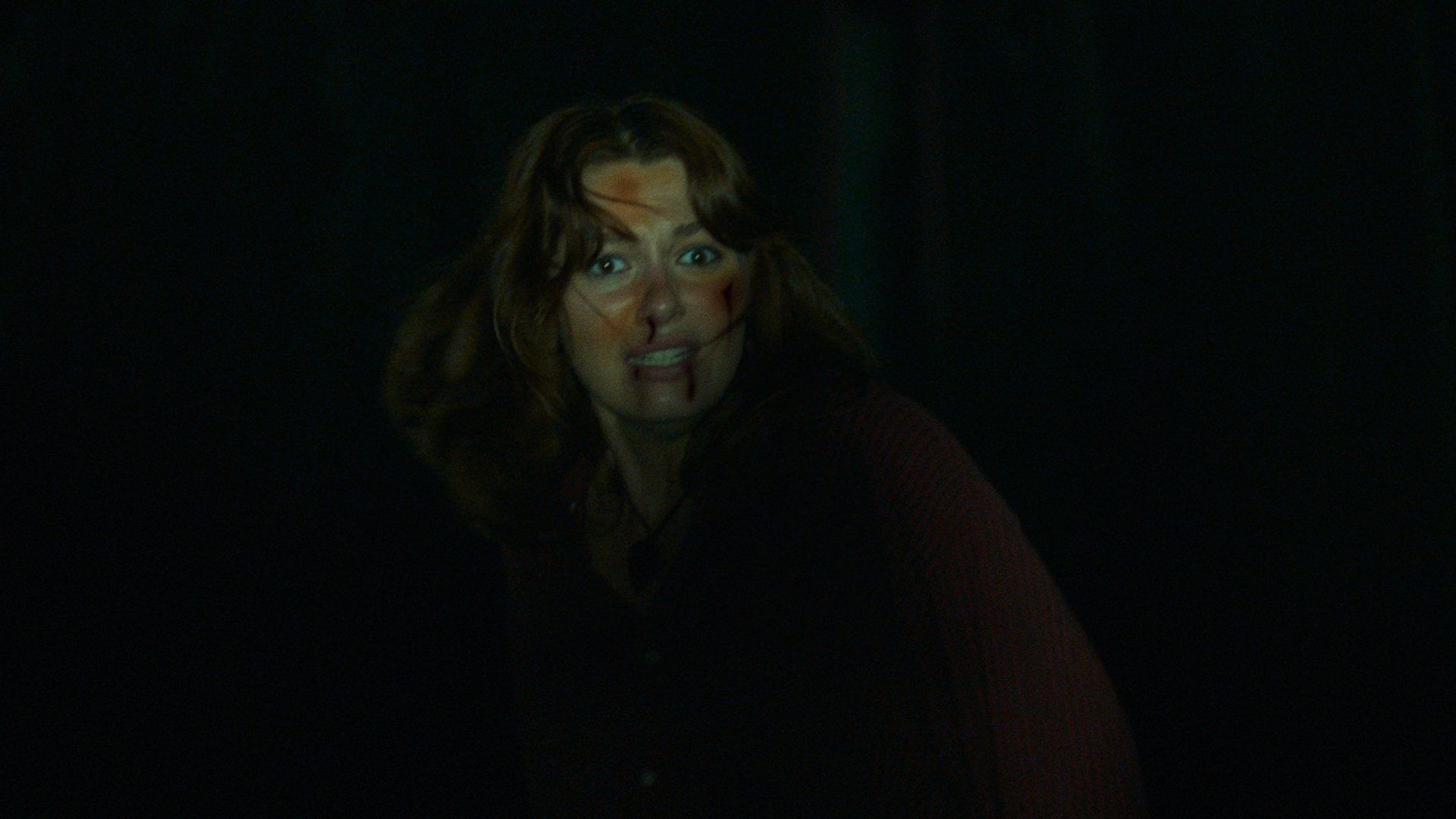
Direction and Mise-en-scène: The Art of Making the Supernatural Feel Like Bureaucracy
Pedro Martín Calero has an unhealthy obsession with long takes and symmetrical framing. Every scene looks designed for Instagram reels, minus the spark that makes something go viral. Constanza Sandoval’s cinematography is flawless—cool tones, dim lighting, elongated shadows that should unsettle but instead lull. There’s a moment where Andrea walks down a dark hallway, the camera trailing her in a lateral tracking shot that lasts an eternity. It should be hypnotic. It’s tedious.
The editing, meanwhile, is a disaster of temporal leaps that add nothing. The film toggles between Andrea’s present, Marie’s past, and Camila’s even older past, but the why is never clear. Is it a metaphor for transgenerational trauma? Or did Martín Calero watch Dark and think, "I want to do that, but with less budget"? The result is a flashback mess that breeds confusion—not the good kind that hooks you, but the kind that makes you glance at your watch every five minutes.
The performances, as mentioned, are the sole lifeboat. José Luis Ferrer, as the Man in Black (yes, that’s his character’s name, like we’re in a Supernatural episode), has an unsettling presence, but his role is so underdeveloped he might as well be an extra with extra lines. Sonia Almarcha, as Mercedes, has a couple of memorable scenes before vanishing so abruptly you wonder if she was cut in post. And Lía Lois, as Laura, has a moment where she sobs uncontrollably as the wail swells. It should be gutting. It’s ridiculous, because the script hasn’t done a damn thing to make you care.
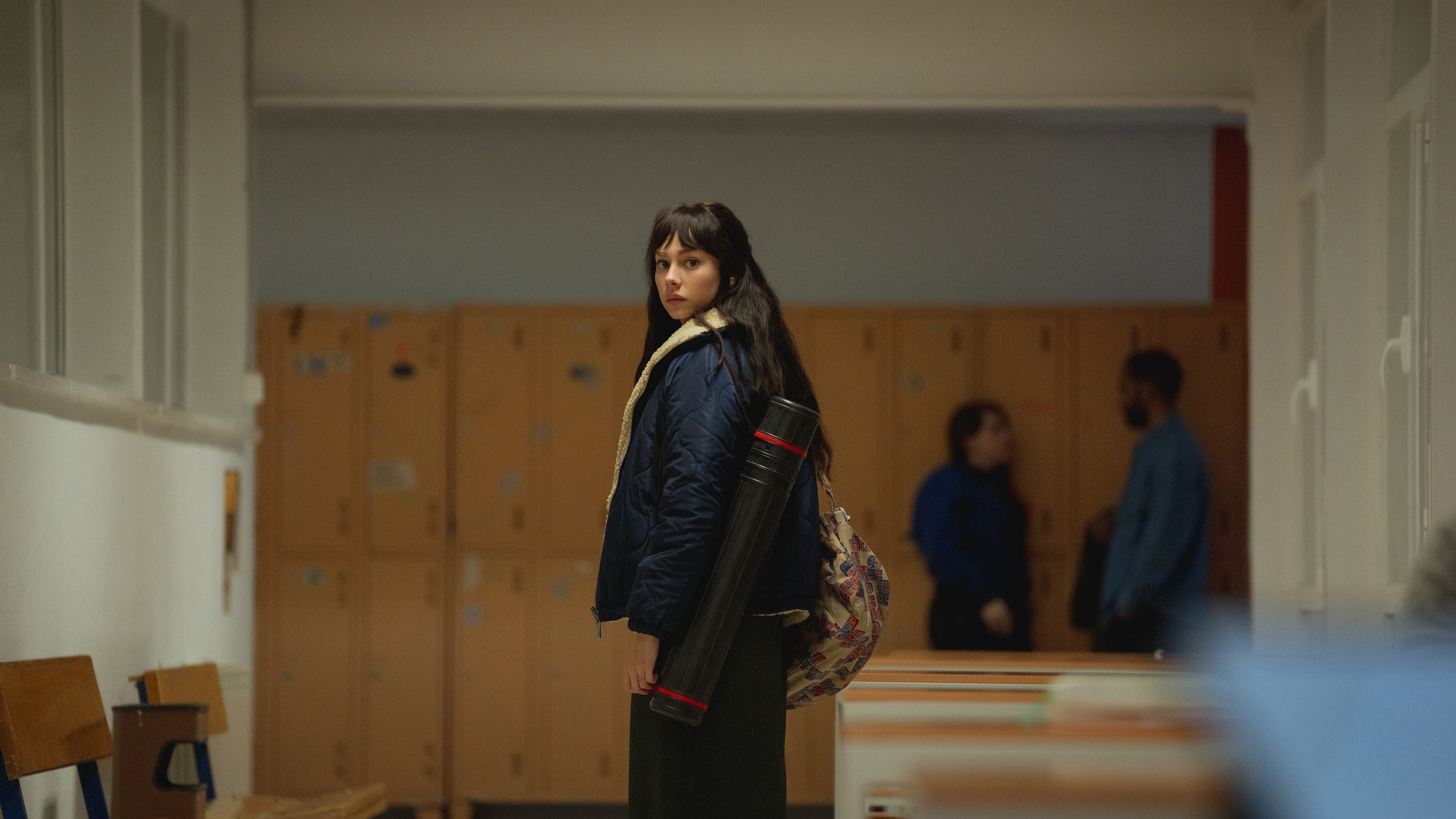
Screenplay: Deep Thoughts for People Who Haven’t Read Nietzsche
The Wail’s script is a festival of dialogue that aims for philosophical but lands like ghostly self-help platitudes. "Fear is the only truth," Andrea intones. "The wail is the sound of what cannot be named," Marie muses. Lines that sound great in a trailer but, in context, feel like they were spat out by a motivational quote generator for the afterlife. Martín Calero seems to believe supernatural horror needs intellectual heft to be taken seriously, forgetting that horror, first and foremost, must terrify.
The script’s biggest sin, though, is its structure. The film splits into three timelines that, in theory, should converge in a shocking climax. In practice, they collide in an ending as predictable as it is disappointing. There’s a mid-film twist that should floor you but is telegraphed from the first act. And there’s a moment where Andrea uncovers something horrific in a basement—any other film’s point of no return. Here? Just another step on a path to nowhere.
The production design, by the way, is another highlight. The settings are well-chosen: abandoned houses, psychiatric hospitals, deserted streets. But once again, the atmosphere fails to convey danger. It’s as if Martín Calero mistook melancholy for terror. Spoiler: They’re not the same.
The best
- Ester Expósito: The actress proves she can carry a film, even when the script hands her lines straight from a spirit-coaching manual. Her Andrea is fragile yet fierce, and she sells vulnerability in a way that makes you care—just a little.
- Cinematography by Constanza Sandoval: The shots are impeccable, with a cold color palette that amplifies isolation and despair. There’s a scene where Andrea walks down a hallway lit only by a flashlight that’s, technically, a masterpiece.
- Sound design: Olivier Arson’s score, while not scary, is hypnotic. The wail itself—the sound haunting the protagonists—is well-crafted and raises goosebumps in a few key moments.
- Malena Villa: Her Camila is the film’s most compelling character, though the script doesn’t give her the space she deserves. Villa conveys a mix of determination and desperation that makes you want to know more.
The worst
- The script: A parade of pretentious lines and unnecessary time jumps that add nothing to the plot. Martín Calero seems more interested in sounding profound than telling a story that scares.
- The pacing: The film crawls like a funeral in the rain. There are moments where the action grinds to a halt just so characters can drop another philosophical one-liner, as if the screenwriter feared the audience might get bored… of being bored.
The mystery: The Wail*’s big enigma resolves so predictably you’ll wonder if the clues were left intentionally obvious, like a beginner’s escape room.
- The supporting cast: José Luis Ferrer, Sonia Almarcha, and Lía Lois have intriguing moments, but their characters are so underdeveloped they might as well be extras with extra dialogue. Why include them if you’re not giving them anything to do?
The ending: After two hours of supernatural bureaucracy, the payoff is so anticlimactic you’ll want a refund. It’s not shocking, not satisfying, not anything*. It’s like Martín Calero lost interest in his own movie.
The Verdict of Claqueta Ácida
The Wail is one of those films that promises much and delivers little. Pedro Martín Calero has a knack for atmosphere and directing actors, but his script is a pretentious mess of intellectual posturing and temporal leaps that go nowhere. Ester Expósito saves the furniture, but even she can’t prevent the film from drowning in its own tedium. If you’re after supernatural horror with substance, rewatch Hereditary. If you’re after a nap with pretty visuals, this is your movie. 5.8/10, and that’s only because the cinematography deserves an extra point. 💀
🎬 Tráiler Oficial
Abrir en YouTube
The Wail: frequently asked questions
- What is the rating of "The Wail" on Claqueta Ácida?
- "The Wail" scored 5.8/10 on Claqueta Ácida in the review by Dr. Cinismo.
- Is "The Wail" worth watching?
- With reservations. We gave it 5.8/10 (Citric Acid), our rating for uneven films with something worth saving.
- Who directed "The Wail"?
- "The Wail" was directed by Pedro Martín Calero.
Theater Collateral Damage Report
Psychophysical impact certificate issued by Dr. Cinismo
2 amagos en el tramo intermedio; pestañeo pesado en las transiciones más innecesarias.
Un par de miradas al reloj en el tramo intermedio, comprobando cuánto quedaba de suplicio.
2 espressos para no dejarse vencer por la mediocridad cómoda.
"A mitad del segundo acto cuando la subtrama secundaria empezó a pesar más de lo que aportaba."
💬 Community Verdict
What did you think of the film? Rate it from 0 to 10 to compare it with the editorial review.
You haven't voted yet
📢 ¿Te ha gustado el ácido?
Comparte esta crítica con tus amigos cinéfilos o desata la polémica en redes.
⚡ THE CINEMATIC VENOM YOUR INBOX CRAVES
No sugarcoated ratings, no corporate fluff. Subscribe for our uncensored weekly analysis or join the private Telegram for press previews, poll clashes, and instant alerts.
Alertas de estrenos en 1 segundo, encuestas en caliente y audios al salir de pases de prensa.
Recibe la dosis semanal en tu mail + regalo inmediato del PDF con 50 joyas ocultas de culto.
Related Reviews
Recommended autopsies for demanding film buffs.
 ⚡ Ácido Cítrico 6.6
28 Years Later: The Rage Virus Returns... Along with the Boredom
⚡ Comparten trinchera editorial en la sección de Perros Verdes.
Danny Boyle and Alex Garland attempt to resurrect post-apocalyptic terror with an iPhone 15 Pro Max. Spoiler: it doesn’t work.
 ⚡ Ácido Cítrico 7.1
28 Years Later: The Bone Temple: when cult cinema trips over its own shadow
⚡ Comparten trinchera editorial en la sección de Perros Verdes.
A sequel that smells rotten from the very first frame. Garland and DaCosta try to revive the genre, but the result is a technical knockout dressed up as a masterpiece.
 ⚡ Ácido Cítrico 5.8
A Serbian Film: The Snuff That Thought It Was Art (and Ended Up a High-School Nightmare)
⚡ Comparten trinchera editorial en la sección de Perros Verdes.
Srđan Spasojević serves up a depravity feast swinging between gratuitous shock and social commentary. Genius or pretentious trash? Claqueta Ácida dissects it with surgical precision.
Editorial Ecosystem
Cinephile connections, archive interviews and related analyses.
💬 Debate Cinéfilo & Autopsia de Lectores
0 veredictos¿Discrepas con nuestra nota? ¿Es una obra maestra o veneno puro? Deja tu veredicto abajo sin necesidad de registro.

Aún nadie ha dejado su veredicto para esta película.
Sé el primero en clavarle el colmillo rellenando el formulario de arriba.