PUFA 2026 – Day 5 — Time Loops and the Hunger for Madness
The fifth day of PUFA 2026 was defined by mind-bending films, existential labyrinths, and the wildest black comedy, featuring titles like Yesterday Island, The Red Mask, IAI, and Buffet Libre.

This classic review is currently only available in Spanish. Our editorial AI is translating it shortly! 💀
body_en: |-
- /uploads/inline_pufa-2026-dia-5-loops-temporales-y-el-apetito-de-la-locura_1783587347967.webp
- /uploads/inline_pufa-2026-dia-5-loops-temporales-y-el-apetito-de-la-locura_1783587362320.webp
- /uploads/inline_pufa-2026-dia-5-loops-temporales-y-el-apetito-de-la-locura_1783587371810.webp
- /uploads/inline_pufa-2026-dia-5-loops-temporales-y-el-apetito-de-la-locura_1783587380585.webp
PUFA 2026»" data-acid-interlink="pufa-2026-cronica-completa-del-dia-1-entre-sangre-de-ketchup-mitologia-y-el-espiritu-de-chicho">PUFA 2026»" data-acid-interlink="pufa-2026-dia-3-delirios-analogicos-y-paranoias-de-la-mente">PUFA 2026»" data-acid-interlink="pufa-2026-fin-bad-haircut-gana-el-festival">PUFA 2026 – Day 5: From Absolute Disappointment to the Grand Feast of Suspense and Madness (or How to Survive a Film Marathon with 0% Mercy)
The fifth day of the third edition of Pucela Fantástica (PUFA) was, in clinical terms, a cinematic bipolar disorder. A day that began with the promise of a profound emotional journey and ended in a sugar, blood, and nervous laughter overdose. Four films, four approaches, four results as disparate as a fast-food menu: from the bland dish no one ordered to the feast of excess that leaves you with heartburn and craving more. At Claqueta Ácida, we’ve journeyed from existential boredom to collective euphoria, including that awkward moment when you wonder if the projectionist fell asleep. Spoiler: it wasn’t the projectionist.
finalExplicado: "El clímax de Yesterday Island revela que el protagonista lleva años atrapado en un bucle temporal autoimpuesto: la isla es una proyección mental de su culpa tras haber asesinado a su esposa, y la mujer que lo acompaña es un constructo de su conciencia que lo obliga a revivir eternamente el día del crimen. En el desenlace, él elige romper el ciclo matándose, solo para despertar de nuevo en la misma playa. Simbólicamente, el final significa la derrota absoluta de la mente ante la locura: el bucle no es una maldición externa, sino el apetito insaciable de la culpa que devora cualquier posibilidad de redención. El silencio final no libera, solo confirma que el hombre ya no distingue entre castigo y refugio."
⏳ 4:15 PM – Yesterday Island: The Psychological Thriller That Drowned in Its Own Sea of Ambition
We kicked off the afternoon at the FUNDOS Auditorium, that temple of culture where the air conditioning barely works and the audience attends with the hope that, at least, the vending machine coffee doesn’t taste like dishwater. There, under the banner of the Aquelarres section, Yesterday Island (91 min.) screened—a film that, on paper, promised to be a psychological thriller with touches of Shutter Island and The Lighthouse. In practice, it was a failed slow-cinema experiment that proved that sometimes, silence isn’t golden—it’s just awkward silence.
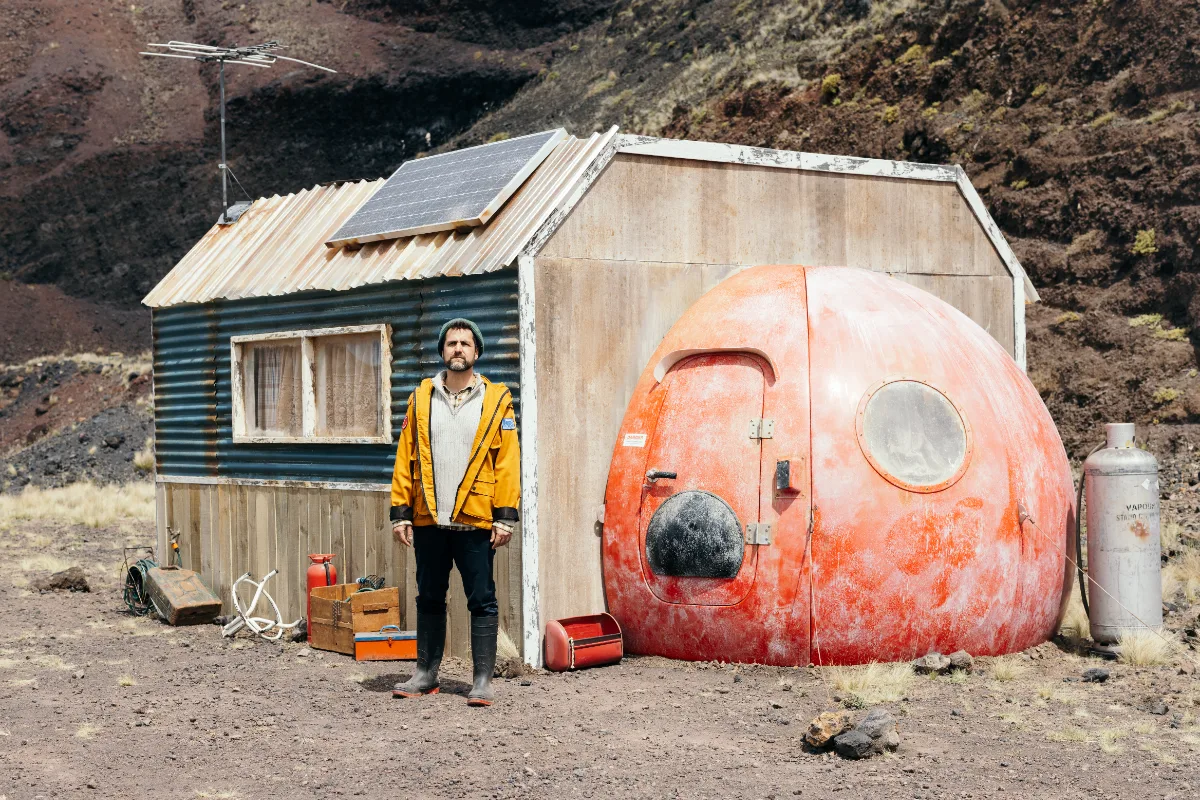
The premise is intriguing: a man wakes up on a deserted island with no memories, accompanied only by a woman who seems to know more than she lets on. So far, so good. The problem is that the film confuses atmosphere with lethargy. The long shots of misty landscapes, prolonged silences, and cryptic dialogues might work if there were a solid narrative behind them. But there isn’t. Yesterday Island gets lost in its own maze of cheap symbolism and predictable twists that hit with all the subtlety of an elephant in a china shop.
The director (or directors, because it seems like a committee of creatives with very different opinions was involved) tries to build a sense of emotional isolation, but all they achieve is isolating the audience from any interest in what’s happening on screen. The acting swings between inexpressive and over-the-top, as if the actors received contradictory instructions: "Be intense, but not too much; mysterious, but not so much that we don’t understand you." The result is a psychological drama without psychology, a thriller without tension, and a film that feels more like a stylistic exercise than a work with something to say.
Compared to other films in its genre, Yesterday Island is like if Memento and The Beach had an illegitimate child and abandoned it on a deserted island (ironically, like its protagonist). It’s not bad because it’s pretentious; it’s bad because it fails to deliver on any of its promises. It’s neither enigmatic, nor melancholic, nor even entertaining. At best, it’s an indie film experiment that got stuck halfway between art and boredom.
🎭 6:00 PM – The Red Mask: The Masterclass in Suspense That Reminded Us Why We Love Cinema
After the letdown of Yesterday Island, the Claqueta Ácida team arrived at the second screening of the day with the skepticism of someone who just bit into a lemon. But oh, what a surprise—The Red Mask (91 min.) didn’t just make up for it; it left us speechless and with our hearts in our throats. This film is proof that sometimes, genre cinema doesn’t need special effects or million-dollar budgets to be brilliant. It just needs intelligent direction, a tight script, and an oppressive atmosphere.
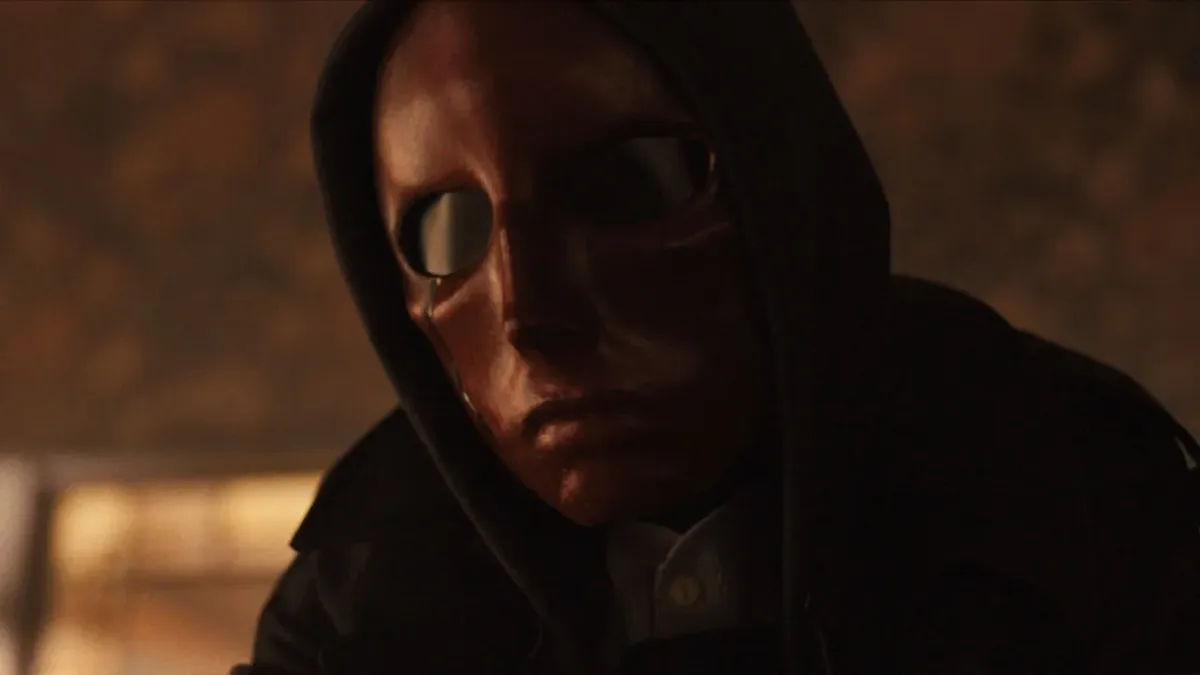
The Red Mask is a paranoia and suspense thriller that drinks from the classics of the genre: The Silence of the Lambs, Zodiac, and, above all, David Fincher’s Se7en. The plot follows a detective investigating a series of murders linked to a red mask that appears at every crime scene. What starts as a routine investigation turns into a nightmare of hidden identities, betrayals, and unexpected twists that keep the audience on the edge of their seats until the very last minute.
What stands out most about The Red Mask is its staging. The cinematography is dark, almost claustrophobic, with a color palette that oscillates between bloody reds and cold blues, creating a visual atmosphere that reinforces the constant sense of danger. The editing is flawless: the cuts are precise, the jump scares (when they happen) are well-dosed, and the silences are used as a weapon to build tension. The soundtrack, minimalist but effective, accompanies without stealing the spotlight—just as it should.
But where The Red Mask truly shines is in its script. The dialogue is sharp, the characters are well-constructed (especially the protagonist, an antihero with more shadows than light), and the plot twists are so well-integrated that when they arrive, you feel like you should’ve seen them coming—but you didn’t. It’s the kind of film that makes you feel smart for a moment, before reminding you that the screenwriter led you by the hand like a toddler.
Compared to other films in its genre, The Red Mask doesn’t reinvent the wheel, but it polishes it until it gleams. It’s not a cinematic masterpiece, but it’s an impeccable genre exercise, one that leaves you wanting more and makes you forget—at least for a while—that you just watched a film that looked like it was shot on a phone in a garage. If Yesterday Island was an ambitious failure, The Red Mask is a reminder that sometimes, less is more.
🎋 8:15 PM – IAI: The Japanese Poetry That Remained an Incomplete Haiku
After the high of The Red Mask, we moved to Broadway Cinemas to dive into IAI (90 min.), a Japanese production that, according to the festival program, promised "a poetic reflection on death and mourning." What we found was a film visually stunning but emotionally cold, like a perfectly tended Zen garden with no one to enjoy it.
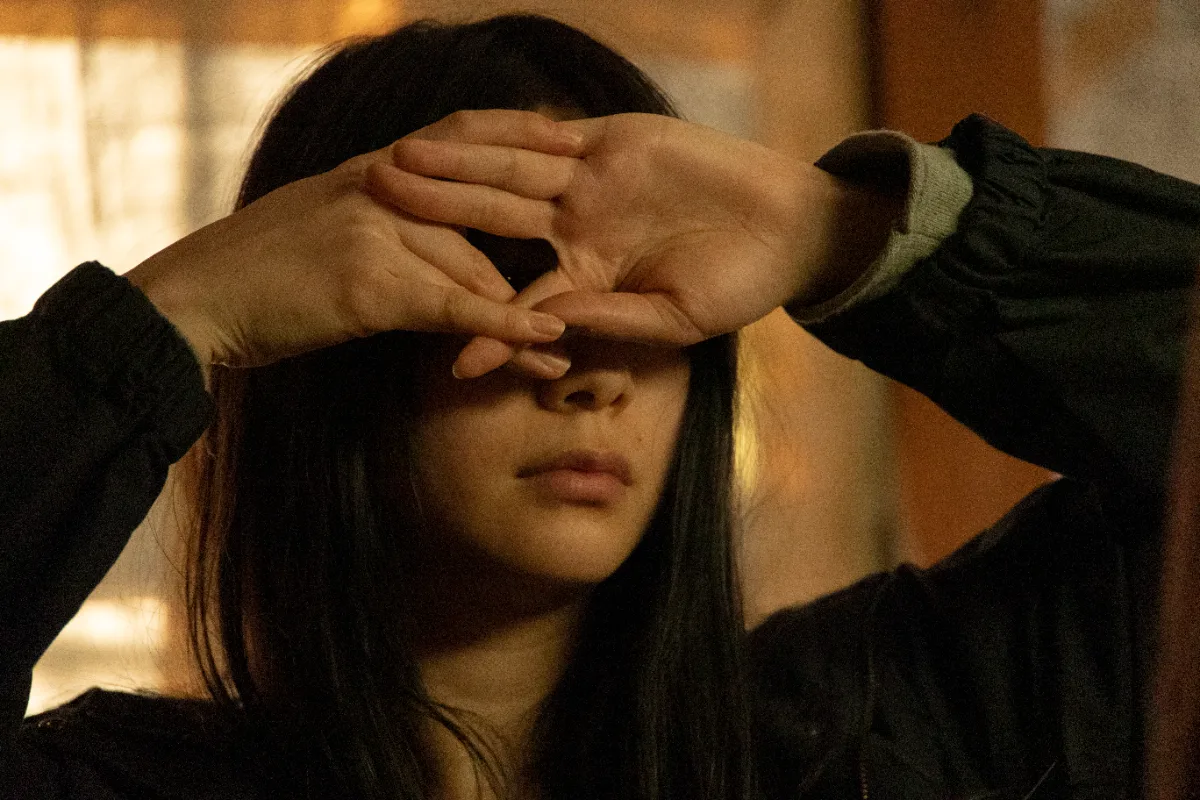
IAI is, above all, a visual experience. The cinematography is exquisite, with shots that look like moving paintings: mist entwining between trees, dim lights illuminating faces in shadow, compositions reminiscent of the cinema of Yasujirō Ozu or Naomi Kawase. The film avoids explicit horror to delve into psychological and supernatural terror, with an aesthetic that evokes Japanese folklore and kaidan ghosts. So far, so good. The problem is that behind all that beauty lies a narrative that moves at a snail’s pace and a script written like a riddle.
The plot follows a young woman who returns to her hometown after her grandmother’s death, only to discover that the ghosts of the past (both literal and metaphorical) still haunt her. The film explores themes like mourning, memory, and guilt, but it does so in such a cryptic way that, more than once, you wonder if you missed something or if the film simply has nothing to say. Dialogue is scarce and, when present, often so enigmatic it’s frustrating. The acting is restrained, almost hieratic, as if the performers were enacting a ritual rather than a scene.
In its attempt to be poetic and atmospheric, IAI falls into the trap of empty pretension. It’s not that the film is bad; it’s that it doesn’t connect. There are moments when it seems like it’s about to take off, to reveal something profound or exciting, but then it stays grounded, like a bird with broken wings. Compared to other Japanese films of its style, like Onibaba or Kwaidan, IAI is like a haiku that stops at the first verse: beautiful, but incomplete.
That said, it deserves one merit: it’s a film you watch. It’s not boring in the traditional sense (you don’t fall asleep, you don’t check the time every five minutes), but it’s not memorable either. It’s the kind of film that, when it ends, leaves you with a "What was that?" feeling, like when you try an exotic dish and don’t know if you liked it or not. A barely passing grade, but nothing more.
🍽️ 10:00 PM – Buffet Libre: The Feast of Madness That Left Us with Indigestion (and Craving More)
And then came Buffet Libre (120 min.), the film that closed the fifth day of PUFA 2026 with a cacophony of laughter, blood, and controlled chaos. If the previous three films were a lukewarm appetizer, a well-cooked main course, and a dessert that didn’t quite convince, Buffet Libre was the cinematic equivalent of a 3 AM junk food binge: excessive, unhealthy, but impossible to resist.
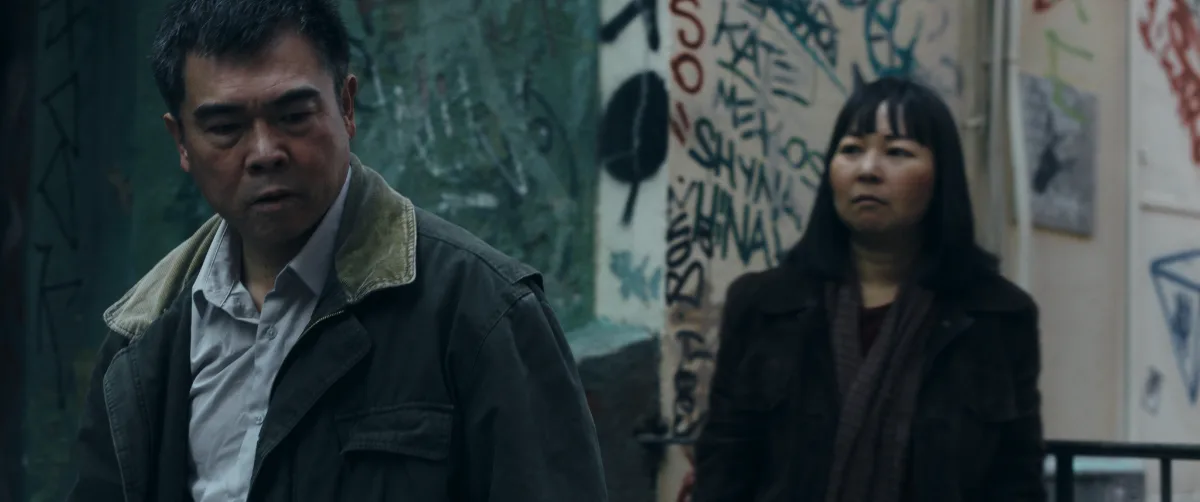
Buffet Libre is a black comedy horror that embraces the absurd with the same naturalness as a child hugging a drool-covered stuffed animal. The premise is as ridiculous as it is brilliant: in a high-end restaurant, diners discover that the menu includes more than Kobe beef and truffles. The meat is human, and the customers are the main course. What follows is a festival of violence, dark humor, and social critique that doesn’t let up for a second.
The film is wild, unmeasured, and politically incorrect, but in such an intelligent way that it’s impossible not to laugh (or at least crack a guilty smile). The script is a ferocious satire of capitalism, the obsession with gourmet food, and the hypocrisy of high society, but instead of lecturing, it chooses to exaggerate to the extreme. The characters are grotesque archetypes: the psychopathic chef, the snobby food critic, the insufferable influencer, the millionaire who thinks everything is for sale. All of them are cannon fodder (literally) in a macabre game where the only prize is survival.
The best thing about Buffet Libre is its pace. The film doesn’t give you a break: the jokes come at breakneck speed, the murders are creative and gory (but never gratuitous), and the plot twists are so absurd they force you to surrender and enjoy the show. The direction is dynamic, with snappy editing reminiscent of Quentin Tarantino or Robert Rodriguez, and the cinematography, though less polished than IAI, has a gritty, visceral style that fits perfectly with the film’s aesthetic.
But where Buffet Libre truly shines is in its tone. It’s not a film that takes itself seriously, and that’s its greatest virtue. At a time when horror and comedy often fall into self-satisfaction or cheap moralism, Buffet Libre doesn’t apologize for what it is: a feast of excess that spares no one. It’s as if Sweeney Todd and The Menu got drunk and decided to make a movie together, with results as hilarious as they are disturbing.
That said, it’s not a film for everyone. If you’re the type who gets offended by a cannibalism joke or bothered by a film without a deep message, Buffet Libre will hit you like a punch to the gut. But if you’re looking for pure, unfiltered fun, this is your film.
### The best
The Red Mask*: A textbook thriller that proves that sometimes, the classics are still the best. Pure tension, no tricks, no cheap effects. Buffet Libre*: The film that reminded us that cinema can also be a three-ring circus where the clown carries an axe.### The worst
Yesterday Island*: A psychological thriller without psychology, like a joke without a punchline: it doesn’t hook, it doesn’t move, it doesn’t even entertain. IAI*: A film so beautiful it hurts, but so empty it leaves you feeling like you’ve seen a painting instead of a story.### The Verdict of Claqueta Ácida (0/10 for Yesterday Island, but the rest deserve their place in the hell of cult cinema)
The fifth day of PUFA 2026 has been a rollercoaster ride without a seatbelt: from the abyss of Yesterday Island (a film that deserves a 0/10 for sheer disappointment) to the heights of The Red Mask and Buffet Libre, two films that, each in their own way, reminded us why we keep going to the movies. IAI got stuck in no man’s land, a poetic experiment that never found its voice, but at least it had the decency not to bore us to tears.
At the end of the day, what remains is the feeling that cinema, in all its forms, is still alive. Even when it’s bad (or especially when it is), it has the power to provoke, move, and, above all, make us talk about it. And that, dear readers, is all that matters. See you in the theaters, where the next disaster (or the next masterpiece) awaits.
PUFA 2026 – Día 5: De la decepción absoluta al gran festín del suspense y la locura (o cómo sobrevivir a un maratón de cine con un 0% de piedad)
La quinta jornada de la tercera edición de Pucela Fantástica (PUFA) ha sido, en términos clínicos, un trastorno bipolar cinematográfico. Un día que comenzó con la promesa de un viaje emocional profundo y terminó con una sobredosis de azúcar, sangre y risas nerviosas. Cuatro películas, cuatro enfoques, cuatro resultados tan dispares como un menú de comida rápida: desde el plato insípido que nadie pidió hasta el banquete de excesos que te deja con acidez estomacal y ganas de repetir. En Claqueta Ácida hemos transitado del aburrimiento existencial a la euforia colectiva, pasando por ese momento incómodo en el que te preguntas si el proyeccionista se ha quedado dormido. Spoiler: no era el proyeccionista.
⏳ 16:15 h – Yesterday Island: El thriller psicológico que se ahogó en su propio mar de ambición
Empezamos la tarde en el Auditorio FUNDOS, ese templo de la cultura donde el aire acondicionado funciona a medias y el público asiste con la esperanza de que, al menos, el café de la máquina no sepa a agua de fregar. Allí, bajo el cartel de la sección Aquelarres, se proyectó Yesterday Island (91 min.), una película que, sobre el papel, prometía ser un thriller psicológico con toques de Shutter Island y The Lighthouse. En la práctica, fue un experimento fallido de cine lento que demostró que, a veces, el silencio no es oro, sino simplemente silencio incómodo.
La premisa es sugerente: un hombre despierta en una isla desierta sin recuerdos, acompañado solo por una mujer que parece saber más de lo que dice. Hasta aquí, todo bien. El problema es que la película confunde atmósfera con letargo. Los planos largos de paisajes brumosos, los silencios prolongados y los diálogos crípticos podrían funcionar si, detrás de ellos, hubiera una narrativa sólida. Pero no la hay. Yesterday Island se pierde en su propio laberinto de simbolismos baratos y giros predecibles que llegan con la sutileza de un elefante en una cacharrería.
El director (o directores, porque aquí parece que hubo un comité de creativos con opiniones muy distintas) intenta construir una sensación de aislamiento emocional, pero lo único que logra es aislar al espectador de cualquier interés por lo que está pasando en pantalla. Las actuaciones oscilan entre lo inexpresivo y lo sobreactuado, como si los actores hubieran recibido instrucciones contradictorias: "Sed intensos, pero no demasiado; misteriosos, pero no tanto como para que no se os entienda". El resultado es un drama psicológico sin psicología, un thriller sin tensión y una película que parece más un ejercicio de estilo que una obra con algo que decir.
Comparada con otras películas de su género, Yesterday Island es como si Memento y The Beach hubieran tenido un hijo bastardo y lo hubieran abandonado en una isla desierta (irónicamente, como su protagonista). No es mala porque sea pretenciosa; es mala porque no cumple ninguna de sus promesas. Ni es enigmática, ni es melancólica, ni siquiera es entretenida. Es, en el mejor de los casos, un experimento de cine indie que se quedó a medio camino entre el arte y el aburrimiento.
🎭 18:00 h – The Red Mask: La clase magistral de suspense que nos recordó por qué amamos el cine
Tras el batacazo de Yesterday Island, el equipo de Claqueta Ácida llegó a la segunda proyección del día con el escepticismo de quien acaba de morder un limón. Pero, oh sorpresa, The Red Mask (91 min.) no solo nos resarció, sino que nos dejó con la boca abierta y el corazón en un puño. Esta película es la prueba de que, a veces, el cine de género no necesita efectos especiales ni presupuestos millonarios para ser brillante. Solo necesita una dirección inteligente, un guion ajustado y una atmósfera opresiva.
The Red Mask es un thriller de paranoia y suspense que bebe de las fuentes clásicas del género: El silencio de los corderos, Zodiac y, sobre todo, El juego del miedo de David Fincher. La trama sigue a un detective que investiga una serie de asesinatos vinculados a una máscara roja que aparece en todas las escenas del crimen. Lo que comienza como una investigación rutinaria se convierte en una pesadilla de identidades ocultas, traiciones y giros inesperados que mantienen al espectador en vilo hasta el último minuto.
Lo más destacable de The Red Mask es su puesta en escena. La fotografía es oscura, casi claustrofóbica, con una paleta de colores que oscila entre los rojos sangrientos y los azules fríos, creando una atmósfera visual que refuerza la sensación de peligro constante. El montaje es impecable: los cortes son precisos, los jump scares (cuando los hay) están bien dosificados, y los silencios se utilizan como arma para generar tensión. La banda sonora, minimalista pero efectiva, acompaña sin robar protagonismo, como debe ser.
Pero donde The Red Mask brilla de verdad es en su guion. Los diálogos son afilados, los personajes están bien construidos (especialmente el protagonista, un antihéroe con más sombras que luces) y los giros argumentales están tan bien integrados que, cuando llegan, sientes que deberías haberlos visto venir, pero no lo hiciste. Es ese tipo de película que te hace sentir inteligente por un momento, antes de recordarte que, en realidad, el guionista te ha llevado de la mano como a un niño pequeño.
En comparación con otras películas de su género, The Red Mask no reinventa la rueda, pero la pule hasta dejarla brillante. No es una obra maestra del cine, pero es un ejercicio de género impecable, de esos que te dejan con ganas de más y te hacen olvidar, al menos por un rato, que acabas de ver una película que parecía rodada con un móvil en un garaje. Si Yesterday Island fue un fracaso de ambición, The Red Mask es un recordatorio de que, a veces, menos es más.
🎋 20:15 h – IAI: La poesía japonesa que se quedó en un haiku incompleto
Tras el subidón de The Red Mask, nos trasladamos a los Cines Broadway para sumergirnos en IAI (90 min.), una producción japonesa que, según el programa del festival, prometía "una reflexión poética sobre la muerte y el duelo". Lo que nos encontramos fue una película visualmente deslumbrante, pero emocionalmente fría, como un jardín zen perfectamente cuidado en el que, sin embargo, no hay nadie para disfrutarlo.
IAI es, ante todo, una experiencia visual. La fotografía es exquisita, con planos que parecen pinturas en movimiento: niebla que se enreda entre los árboles, luces tenues que iluminan rostros en penumbra, composiciones que recuerdan al cine de Yasujirō Ozu o Naomi Kawase. La película huye del horror explícito para adentrarse en el terror psicológico y lo sobrenatural, con una estética que evoca el folclore japonés y los fantasmas del kaidan. Hasta aquí, todo bien. El problema es que, detrás de tanta belleza, hay una narrativa que avanza a paso de tortuga y un guion que parece escrito en clave de acertijo.
La trama sigue a una joven que regresa a su pueblo natal tras la muerte de su abuela, solo para descubrir que los fantasmas del pasado (literales y metafóricos) aún la persiguen. La película explora temas como el duelo, la memoria y la culpa, pero lo hace de una manera tan críptica que, en más de una ocasión, te preguntas si te has perdido algo o si, simplemente, la película no tiene nada que decir. Los diálogos son escasos y, cuando los hay, suelen ser enigmáticos hasta el punto de la frustración. Las actuaciones son contenidas, casi hieráticas, como si los actores estuvieran interpretando un ritual en lugar de una escena.
En su intento por ser poética y atmosférica, IAI cae en la trampa de la pretensión vacía. No es que la película sea mala; es que no conecta. Hay momentos en los que parece que va a despegar, que va a revelar algo profundo o emocionante, pero luego se queda en tierra, como un pájaro con las alas rotas. Comparada con otras películas japonesas de su estilo, como Onibaba o Kwaidan, IAI es como un haiku que se queda en el primer verso: bonito, pero incompleto.
Eso sí, hay que reconocerle un mérito: es una película que se ve. No es aburrida en el sentido tradicional (no te duermes, no miras el reloj cada cinco minutos), pero tampoco es memorable. Es el tipo de película que, al terminar, te deja con una sensación de "¿y esto qué era?", como cuando pruebas un plato exótico y no sabes si te ha gustado o no. Un aprobado justo, pero nada más.
🍽️ 22:00 h – Buffet Libre: El banquete de locura que nos dejó con indigestión (y ganas de repetir)
Y entonces llegó Buffet Libre (120 min.), la película que cerró la quinta jornada del PUFA 2026 con un estruendo de risas, sangre y caos controlado. Si las tres películas anteriores fueron un aperitivo tibio, un plato principal bien cocinado y un postre que no terminó de convencer, Buffet Libre fue el equivalente cinematográfico a un atracón de comida basura a las tres de la mañana: excesivo, poco saludable, pero imposible de resistir.
Buffet Libre es una comedia negra de terror que abraza el absurdo con la misma naturalidad con la que un niño abraza un peluche lleno de babas. La premisa es tan ridícula como genial: en un restaurante de lujo, los comensales descubren que el menú incluye algo más que carne de Kobe y trufas. La carne es humana, y los clientes son el plato principal. Lo que sigue es un festival de violencia, humor negro y crítica social que no da tregua ni un segundo.
La película es salvaje, desmedida y políticamente incorrecta, pero lo es de una manera tan inteligente que resulta imposible no reírse (o al menos esbozar una sonrisa culpable). El guion es una sátira feroz del capitalismo, la obsesión por la comida gourmet y la hipocresía de la alta sociedad, pero en lugar de sermonear, opta por exagerar hasta el extremo. Los personajes son arquetipos grotescos: el chef psicópata, la crítica gastronómica snob, el influencer insoportable, el millonario que cree que todo se puede comprar. Todos ellos son carne de cañón (literalmente) en un juego macabro donde el único premio es sobrevivir.
Lo mejor de Buffet Libre es su ritmo. La película no da un respiro: los chistes se suceden a velocidad de vértigo, los asesinatos son creativos y sangrientos (pero nunca gratuitos), y los giros argumentales son tan absurdos que te obligan a rendirte y disfrutar del espectáculo. La dirección es dinámica, con un montaje ágil que recuerda al cine de Quentin Tarantino o Robert Rodriguez, y la fotografía, aunque menos pulida que en IAI, tiene un estilo sucio y visceral que encaja perfectamente con la estética de la película.
Pero donde Buffet Libre brilla de verdad es en su tono. No es una película que se tome en serio a sí misma, y eso es su mayor virtud. En un momento en el que el cine de terror y comedia suele caer en la autocomplacencia o el moralismo barato, Buffet Libre no pide perdón por ser lo que es: un festín de excesos que no deja títere con cabeza. Es como si Sweeney Todd y The Menu se hubieran emborrachado y decidido hacer una película juntos, con resultados tan hilarantes como perturbadores.
Eso sí, no es una película para todos los públicos. Si eres de los que se escandalizan con un chiste sobre canibalismo o te molesta que una película no tenga un mensaje profundo, Buffet Libre te va a sentar como un puñetazo en el estómago. Pero si lo que buscas es diversión pura, sin filtros ni pretensiones, esta es tu película.
Lo mejor
The Red Mask*: Un thriller de manual que demuestra que, a veces, lo clásico sigue siendo lo mejor. Tensión en estado puro, sin trampas ni efectos baratos. Buffet Libre*: La película que nos recordó que el cine también puede ser un circo de tres pistas donde el payaso lleva un hacha.Lo peor
Yesterday Island*: Un thriller psicológico sin psicología, como un chiste sin gracia: ni engancha, ni emociona, ni siquiera entretiene. IAI*: Una película tan bonita que duele, pero tan vacía que te deja con la sensación de haber visto un cuadro en lugar de una historia.El Veredicto de Claqueta Ácida (0/10 para Yesterday Island, pero el resto merece su espacio en el infierno del cine de culto)
La quinta jornada del PUFA 2026 ha sido un viaje en montaña rusa sin cinturón de seguridad: desde el abismo de Yesterday Island (una película que merece un 0/10 por pura decepción) hasta las alturas de The Red Mask y Buffet Libre, dos películas que, cada una a su manera, nos recordaron por qué seguimos yendo al cine. IAI se quedó en tierra de nadie, un experimento poético que no supo encontrar su voz, pero al menos tuvo la decencia de no aburrirnos hasta las lágrimas.
Al final del día, lo que queda es la sensación de que el cine, en todas sus formas, sigue vivo. Incluso cuando es malo (o especialmente cuando lo es), tiene el poder de provocar, emocionar y, sobre todo, hacer que hablemos de él. Y eso, queridos lectores, es lo único que importa. Nos vemos en las salas, donde el próximo desastre (o la próxima obra maestra) nos espera.
Ending Explained: PUFA 2026 – Day 5
💬 El Veredicto de la Comunidad
¿Qué te ha parecido la película? Deja tu nota de 0 a 10 para contrastarla con el análisis de la redacción.
Aún no has votado
📢 ¿Te ha gustado el ácido?
Comparte esta crítica con tus amigos cinéfilos o desata la polémica en redes.
⚡ THE CINEMATIC VENOM YOUR INBOX CRAVES
No sugarcoated ratings, no corporate fluff. Subscribe for our uncensored weekly analysis or join the private Telegram for press previews, poll clashes, and instant alerts.
Alertas de estrenos en 1 segundo, encuestas en caliente y audios al salir de pases de prensa.
Recibe la dosis semanal en tu mail + regalo inmediato del PDF con 50 joyas ocultas de culto.
Related Reviews
Recommended autopsies for demanding film buffs.
 ⚠️ Ácido Sulfúrico0.0
**"PUFA 2026: Day 1 – Between Ketchup Blood, Mythology, and the Ghost of Chicho"**
⚡Hermana de saga: otro capítulo diseccionado con rigor forense.
The kickoff of the third edition of **PUFA** (*Pucela Fantástica*) at **Broadway Cinemas** proved that horror isn’t just on the screen. From the initial chaos in the lobby to the revelations and ironies of the speeches, the opening day was a rollercoaster of emotions, bottled guts, and pure Spanish fantasy cinema history.
 ⚠️ Ácido Sulfúrico0.0
**PUFA 2026: Day 2 – Nostalgia and "Outstanding" Discoveries (Or How Cinema Reminds Us Hell Is Paved with Good Intentions)**
⚡Hermana de saga: otro capítulo diseccionado con rigor forense.
The second day of PUFA 2026, Valladolid’s genre film festival, brought together unsettling classics like *Who Can Kill a Child?* and exciting newcomers like *Went Up the Hill*—though "exciting" might be a stretch.
 ⚠️ Ácido Sulfúrico0.0
**PUFA 2026: Day 3 – Analog Delirium and Mind Paranoia (or How Modern Cinema Insists on Reminding Us That Hell Is Other People—Especially If They’re Algorithms)**
⚡Hermana de saga: otro capítulo diseccionado con rigor forense.
The third day of the **Valladolid Fantastic Gateway (PUFA 2026)** was less a film marathon and more a *social experiment*—a rollercoaster where the festival, like a hoarder Frankenstein, stitched together scraps of marginal genius, digital autopsies, and Freudian nightmares to serve up a four-course tasting menu that, as a whole, tasted like *cheap whiskey and expired Xanax*. From the **FUNDOS Auditorium**—a cinema temple reeking of spilled beer and screenwriters’ shattered dreams—to the **Broadway Cinemas**, where the Official Selection tried (and failed) to convince us that psychological horror is still a noble genre, July 6th was a masterclass in how contemporary cinema can be *simultaneously mesmerizing and nauseating*. And no, that’s not a compliment.
Editorial Ecosystem
Cinephile connections, archive interviews and related analyses.
✍️ Essays & Articles1

🎞️ In Claqueta Cinematheque3
💬 Debate Cinéfilo & Autopsia de Lectores
0 veredictos¿Discrepas con nuestra nota? ¿Es una obra maestra o veneno puro? Deja tu veredicto abajo sin necesidad de registro.

Aún nadie ha dejado su veredicto para esta película.
Sé el primero en clavarle el colmillo rellenando el formulario de arriba.