Euphoria — The Teen Drama HBO Sold Us as Art (And We Almost Bought It)
Sam Levinson turns teenage suffering into a neon-and-glitter spectacle—but is this cinema or an advanced tutorial on how to ruin your life with style?

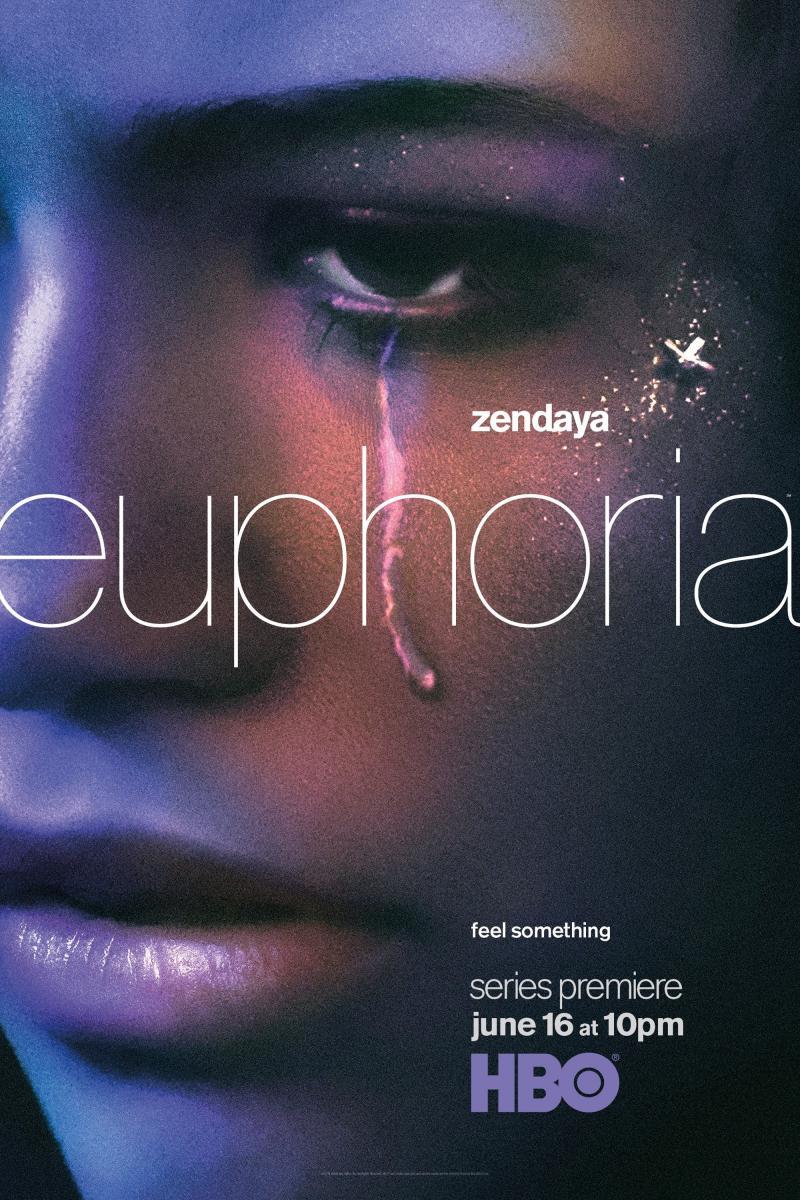


Euphoria: The Teen Drama That Turned Suffering Into a Runway Look (And Why That’s a Bigger Problem Than Rue’s Addiction)
Celluloid melts like cheap candle wax at a frat party the moment Euphoria bursts onto the screen, spewing glitter and designer tears as if teenage anguish were just another fashion accessory, courtesy of Gucci and the TikTok algorithm. Sam Levinson, the prodigal son of Barry Levinson—yes, that Barry Levinson, the man behind Rain Man, now seemingly obsessed with proving genetics aren’t always fair, even when it comes to talent—climbs aboard the teen drama bandwagon with all the subtlety of an elephant in a china shop made of broken porcelain. It’s no coincidence this series was born in the age of Instagram and TikTok, where self-destruction isn’t suffered in silence but filtered, edited, cropped to fit a Reel, and posted to Stories with a “vintage” filter to make it seem more authentic. Euphoria isn’t a series; it’s a mood board of Gen Z despair, a catalog of traumas wrapped in neon and served on a silver platter dusted with cheap cocaine. Welcome to 21st-century adolescence, where pain doesn’t hurt if you light it up with enough ring light and a dramatic close-up of tears mixed with bubblegum-pink glitter.
finalExplicado: "En el clímax final de la primera temporada, Rue Bennett, completamente drogada y en plena recaída, camina descalza bajo luces de neón mientras su narración en off se quiebra. La secuencia culmina con ella cayendo en un colapso físico y emocional frente a su madre y hermana, en una casa que parece un decorado de Instagram destruido. No hay redención ni catarsis, solo una imagen congelada de su cuerpo inerte bajo luces frías. Simbólicamente, Levinson convierte el sufrimiento en un videoclip estetizado: el dolor adolescente es mercancía visual, un espectáculo vacío de glitter y lentejuelas que brilla intensamente pero no significa nada. El desenlace confirma que la serie no denuncia la autodestrucción, la celebra como estética vendible. Es el triunfo del vacío: sufrimiento como contenido premium."
Opportunism as a Cinematic Genre: HBO and the Millennial Pain Business
The project reeks of opportunism from the first frame, like an influencer sniffing out an existential crisis from a mile away. HBO, that factory of rotten dreams that’s given us gems like The Sopranos and premium trash like The Idol, saw in Gen Z’s existential void a market niche as juicy as a Kobe beef steak at outlet prices. Euphoria doesn’t emerge from an original artistic need but from a stylized reinterpretation of a 2012 Israeli series (Euphoria by Ron Leshem) and an unstoppable algorithm: “Teenagers + drugs + explicit sex + recycled Tumblr aesthetics = guaranteed success.” Levinson, who’d already flirted with teen drama in Assassination Nation—a film as subtle as a hammer to the skull and as deep as a Shrek meme—found in this format the perfect excuse to wallow in his obsession with young bodies, self-destruction, and that grunge-chic runway aesthetic that smells like mothballs and festival afterparties.
The series is a collage of visual references stolen left and right, like a Pinterest mood board made by someone who’s watched too much cinema but hasn’t lived enough. From Larry Clark’s cinéma vérité in Kids—where sex and drugs were shown with a rawness that at least tried to be honest—to the visual baroque of Spring Breakers—where Harmony Korine turned decadence into pop spectacle—passing through the sickly glamour of The Neon Demon—where Nicolas Winding Refn reduced beauty to a neon-and-blood nightmare. But this isn’t homage; it’s shameless appropriation, as if Levinson had raided his idols’ closets, tossed everything into a blender, and then sprayed it with glitter to mask the stench of unoriginality.
The cultural context in which Euphoria emerges is as toxic as the glue fumes its characters huff. We live in an era where mental health isn’t swept under the rug but flaunted on social media like a war trophy, a badge of honor proving you’ve survived the battle of being young in a world that hates you. The series arrives at the exact moment when anxiety, depression, and eating disorders have become trending topics, and HBO, as cunning as a vulture circling a corpse, decides to capitalize on that pain. But there’s something deeply cynical about turning a generation’s real suffering into a consumer product—especially when that product is so stylized it ends up looking like a Gucci lookbook directed by David Lynch in his kitsch phase.
Euphoria doesn’t question the system; it glamorizes it. It doesn’t critique the hypersexualization of teenagers; it amplifies it. It doesn’t denounce social pressure; it turns it into a spectacle of lights, cameras, and fake tears. It’s the audiovisual equivalent of those influencers who film themselves crying in marble bathrooms only to sell you a mindfulness course for $99.99. The series isn’t a critique of image culture; it’s its ultimate expression. It’s not a denunciation of the commodification of pain; it’s its flagship product.
The Direction: When Style Devours Substance (And the Substance Was Garbage Anyway)
Sam Levinson directs Euphoria as if he’s competing in a contest for the most pretentious shot of the year—and the truth is, he’s got all the tickets to win. Every episode is a visual orgy where slow motion is used with the same restraint as an alcoholic in a wine cellar: no moderation, no purpose, just the pleasure of watching images dissolve in an ecstasy of sweaty skin, digital glitches, and tears that shine brighter than an Atlanta rapper’s diamonds. The cinematography, led primarily by Marcell Rév—along with contributions from Adam Newport-Berra and Drew Daniels—is technically flawless: close-ups of tears mixed with glitter, travellings through high school hallways lit like abandoned nightclubs, extreme close-ups of black-painted nails digging into a one-night stand’s skin. Everything is calculated to the millimeter so that every frame looks like a Vogue cover directed by a teenager with an iPhone and a VHS filter.
But here’s the problem: Euphoria confuses style with substance. Levinson seems to believe a one-take shot of Rue vomiting in a bathroom—lit with the precision of a perfume ad—can replace a script that, in reality, has nothing interesting to say. The series is obsessed with aesthetics to the point that characters move like marionettes on an underground club stage, lit by strobe lights flashing to the rhythm of their existential crises. It’s as if Levinson had watched Enter the Void and Requiem for a Dream and decided the best way to portray adolescence was to mash up both styles, add some glitter, and call it “art.”
The direction’s greatest sin isn’t that it’s visually dazzling—it is—but that this obsession with form ultimately drowns any hint of depth. The characters aren’t people; they’re mannequins on a trauma runway, moving to a choreography of suffering designed to be Instagrammable. Levinson seems more interested in filming Sydney Sweeney topless than exploring why her character, Cassie, obsesses over a man who treats her like trash. The series is packed with scenes that could be viral gifs—the parking lot fight with glitter flying, Jules’ striptease at the train station, Maddy’s dance in a sequined dress to a 2000s remix—but few that truly move or surprise. Euphoria isn’t cinema; it’s content. It’s not a series; it’s a mood board in motion.
And then there’s the music. Labrinth, the soundtrack’s composer, seems to have received direct orders from Levinson: “Make it sound like we’re inside a drugged-up teenager’s head at a rave.” The tracks are catchy, sure, but also so invasive they end up drowning any emotional nuance. The music doesn’t accompany the scene; it dominates it, as if Levinson fears the viewer will get bored if they’re not blasted with an electronic beat every two seconds. The result is a sensory experience so exhausting that the excess of stimuli ultimately anesthetizes the viewer. Euphoria isn’t a series; it’s an MTV-Tarkovsky mashup, an audiovisual Frankenstein that mistakes noise for emotion.
The Performances: When Method Acting Meets the Instagram Influencer
Zendaya is, without a doubt, the cast’s shining star, but even she seems trapped in Euphoria’s trap: her Rue is an addict with more charisma than credibility. The actress does what she can with a character written as a collage of clichés—the broken but brilliant girl, the rebel with a cause, the victim with a heart of gold—but Levinson seems more interested in filming her tears than exploring the reasons behind her addiction. Zendaya shines when the camera zooms in on her face, capturing every microexpression with surgical precision, but outside those close-ups, Rue is little more than a manic pixie dream girl archetype with withdrawal symptoms. Her chemistry with Hunter Schafer (Jules) is the only thing saving the series from utter ridiculousness, but even that relationship is so overloaded with symbolism and slow motion it ends up feeling like a Tumblr fanfic brought to life.
The rest of the cast fares no better. Sydney Sweeney nails Cassie’s role—the girl who obsesses over a man who treats her like a toy—but her character is so predictable she seems plucked from a 90s afterschool special. Jacob Elordi plays Nate Jacobs as if he’s in a contest for who can give the most intense stare in the world, but his character is so one-dimensional—the typical bad boy with anger issues and daddy trauma—he ends up being little more than a walking meme. Alexa Demie (Maddy) and Maude Apatow (Lexi) have brilliant moments, but their characters are so constrained they sometimes feel like satirical sketches stretched to infinity.
And then there’s the overacting. In an attempt to convey the emotional intensity of adolescence, the cast seems to have been instructed to exaggerate every gesture, every tear, every scream. The conflict scenes are so histrionic they feel like parodies of themselves, as if the actors are competing to see who can cry the loudest or scream with the most despair. The result is a series that oscillates between brilliance and ridiculousness, where the most emotional moments end up being the most cringe. Euphoria doesn’t capture the essence of adolescence; it caricatures it, exaggerates it, and turns it into a spectacle of emotions as fake as Maddy’s acrylic nails.
But the real problem isn’t the overacting; it’s the lack of humanity in the characters. Levinson doesn’t explore his protagonists’ psychology; he reduces them to Instagram hashtags: #AddictWithAHeart, #TransGirlWithDaddyIssues, #PsychoWithAbs. The characters of Euphoria aren’t people; they’re walking aesthetics, mood boards with legs. They lack nuance, contradictions, or the real messiness that makes characters in, say, Skins or My So-Called Life feel authentic. In Euphoria, even the rawest suffering seems designed by a Vogue stylist.
The Script: When Drama Becomes Melodrama (And Melodrama Becomes Parody)
The Euphoria script is like a fast-food buffet: it looks abundant, but everything tastes the same. Sam Levinson assumes the writing with almost messianic solo authority, crafting dialogue that oscillates between poetic and pretentious, as if he’s competing with himself to see who can cram the most metaphors about loneliness and existential emptiness into a single monologue. The characters speak as if they’re in an off-Broadway play but act like they’re on an MTV reality show. The series is packed with grandiloquent lines—“Love is a drug, and I’m an addict”—but few that sound authentic. It’s as if Levinson has confused depth with verbosity, as if he believes a five-minute monologue about pain can replace coherent character development.
The script’s biggest problem is its lack of nuance. Euphoria’s characters are so extreme in their emotions they end up being caricatures. Rue is an addict who never seems truly messed up, just artistically messed up. Nate is a psychopath who never seems truly dangerous, just a bad boy with an unresolved daddy issue. Jules is a trans girl whose identity seems reduced to her relationships with men and her visual style. The series doesn’t explore its characters’ complexity; it reduces them to their traumas, as if suffering is the only thing that defines them. The result is a narrative that oscillates between moving and ridiculous, where the most dramatic moments end up being the most over-the-top.
And then there are the flashbacks. Euphoria uses flashbacks like an emotional deus ex machina, as if Levinson doesn’t trust the viewer to understand his characters without a childhood scene to explain everything. Every time a character has a crisis, the series cuts to a flashback of their childhood, as if childhood trauma is the only reason someone might feel sad or lost. It’s such a tired device it ends up undermining the narrative, as if Levinson is saying, “Don’t worry, viewers, everything has a Freudian explanation.” The problem isn’t that flashbacks exist; it’s that they’re used as crutches for a script that, in reality, doesn’t know how to develop its characters without resorting to clichés.
But the script’s real sin is its hypocrisy. Euphoria wants to be a critique of the society that destroys teenagers, but deep down, it’s just another product of that same society. The series doesn’t denounce the hypersexualization of youth; it celebrates it. It doesn’t critique image culture; it exacerbates it. It doesn’t question pain capitalism; it sells it. It’s as if Levinson had read an Atlantic article about millennial anxiety and decided to turn it into a teen drama with more glitter than ideas.
The Representation: When Diversity Becomes a Fashion Accessory
One of Euphoria’s most problematic aspects is its treatment of diversity. Sam Levinson, a white upper-middle-class man, takes it upon himself to speak for a diverse generation, as if having watched Skins and Degrassi makes him some kind of anthropologist of teenage pain. The series is packed with LGBTQ+ characters, racial minorities, and young people with addiction issues, but they all seem to come from the same mold: they’re beautiful, broken, and, above all, photogenic.
Jules (Hunter Schafer), a trans girl, is perhaps the most glaring example. Her character could have been an opportunity to explore the complexity of gender identity, but instead, she’s reduced to her wardrobe and her problems with men. Jules isn’t a person; she’s an aesthetic, a mood board of what a cisgender man thinks a trans girl is. Her relationship with Rue is the closest the series gets to authenticity, but even that is so overloaded with symbolism it ends up feeling like a Tumblr fanfic.
The same goes for the characters of color. Maddy (Alexa Demie) could have been an interesting exploration of the intersection between race, gender, and class, but instead, she’s reduced to her toxic relationship with Nate and her obsession with beauty. Kat (Barbie Ferreira) is a plus-size girl whose arc revolves around her insecurities and sexual awakening, but her character is so underdeveloped she feels like an afterthought. The series includes diversity like it’s ticking boxes on a checklist, but it never truly delves into the experiences of these characters beyond their aesthetic or their trauma. They’re not people; they’re diversity props, there to make the series seem progressive while reinforcing the same old stereotypes.
The Best
- Zendaya’s performance: Even trapped in a script that treats her character like a manic pixie dream girl with withdrawal symptoms, she delivers moments of raw vulnerability that make Rue feel almost human.
- The cinematography: Marcell Rév and company turn every frame into a visual feast, even if it’s all style and no substance. The close-ups of tears mixed with glitter are, at least, aesthetically satisfying.
- Hunter Schafer and Zendaya’s chemistry: Their relationship is the only thing that feels remotely authentic in a sea of aesthetic suffering. If only the rest of the series had half their sincerity.
- The soundtrack: Labrinth’s compositions are infectious, even if they’re used like sonic Xanax to keep the viewer from noticing the script’s flaws.
The Worst
- The script: A pretentious, cliché-ridden mess that confuses verbosity with depth and flashbacks with character development. Sam Levinson writes like he’s being paid by the metaphor.
- The overacting: The cast seems to have been instructed to turn every emotional moment into a melodramatic spectacle. The result is a series that oscillates between brilliant and cringe.
- The hypocrisy: Euphoria wants to critique the system but ends up being its most glamorous product. It’s not a denunciation of pain capitalism; it’s its premium version.
- The representation: Diversity is treated like a fashion accessory. Jules isn’t a character; she’s a mood board of what a cisgender man thinks a trans girl should look like.
- The slow motion: Used with all the restraint of a cocaine binge. After the third episode, you’ll want to scream, “ENOUGH WITH THE SLOW MOTION!”
🎬 Tráiler Oficial
Abrir en YouTube
Ending Explained: Euphoria
Ficha de Daños Colaterales en Sala
Certificado de impacto psicofísico emitido por Dr. Cinismo
1 amago en el tramo intermedio; pestañeo pesado en las transiciones más innecesarias.
Minuto 53 y minuto 90 (comprobando cuánto quedaba de suplicio).
2 espressos para no dejarse vencer por la mediocridad cómoda.
"A mitad del segundo acto cuando la subtrama secundaria empezó a pesar más de lo que aportaba."
💬 El Veredicto de la Comunidad
¿Qué te ha parecido la película? Deja tu nota de 0 a 10 para contrastarla con el análisis de la redacción.
Aún no has votado
📢 ¿Te ha gustado el ácido?
Comparte esta crítica con tus amigos cinéfilos o desata la polémica en redes.
⚡ THE CINEMATIC VENOM YOUR INBOX CRAVES
No sugarcoated ratings, no corporate fluff. Subscribe for our uncensored weekly analysis or join the private Telegram for press previews, poll clashes, and instant alerts.
Alertas de estrenos en 1 segundo, encuestas en caliente y audios al salir de pases de prensa.
Recibe la dosis semanal en tu mail + regalo inmediato del PDF con 50 joyas ocultas de culto.
Related Reviews
Recommended autopsies for demanding film buffs.
 ⚠️ Ácido Sulfúrico3.6
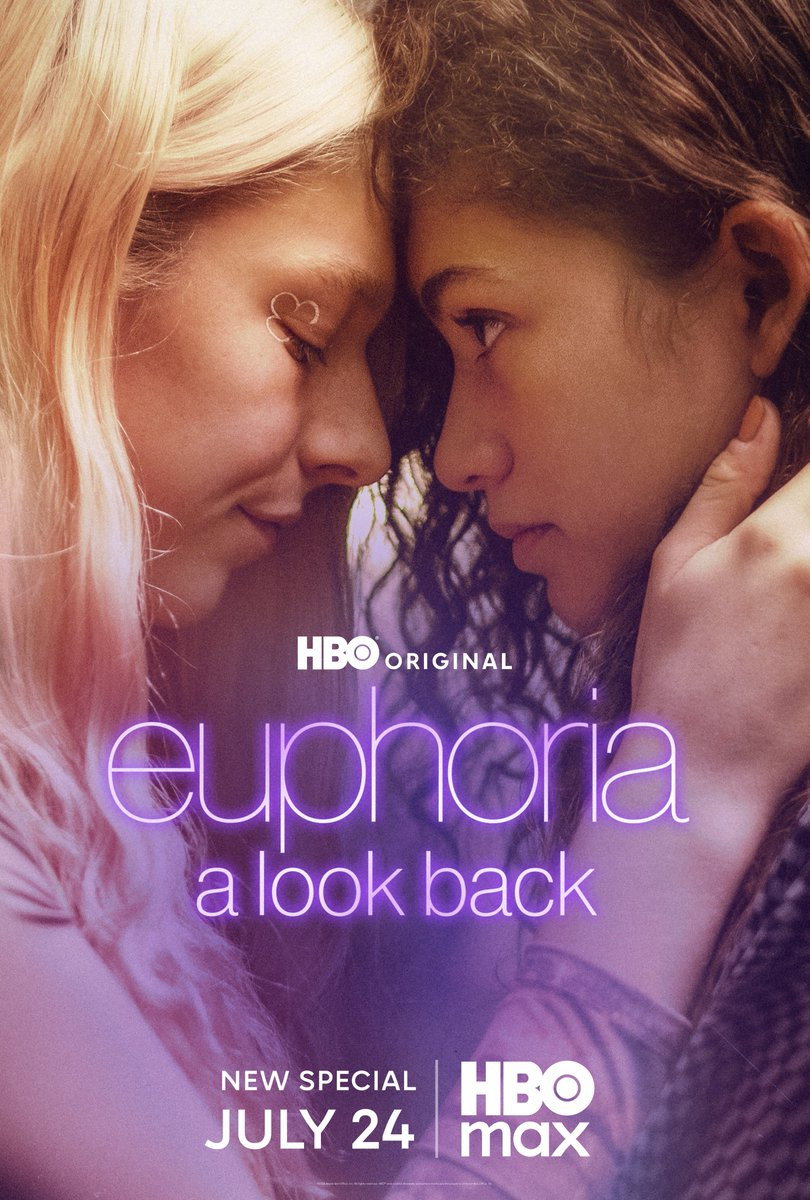
Euphoria: Looking Back – The Making-Of That Proves a Show About Self-Destructive Teens Needed a Lethal Dose of Self-Awareness (And Got None)
⚡Hermana de saga: otro capítulo diseccionado con rigor forense.
HBO drops 2026’s most unbearable footage: a hollow special where Sam Levinson drowns in his own media circus, and fans realize art imitates life… incompetently.
 ⚠️ Ácido Sulfúrico3.0
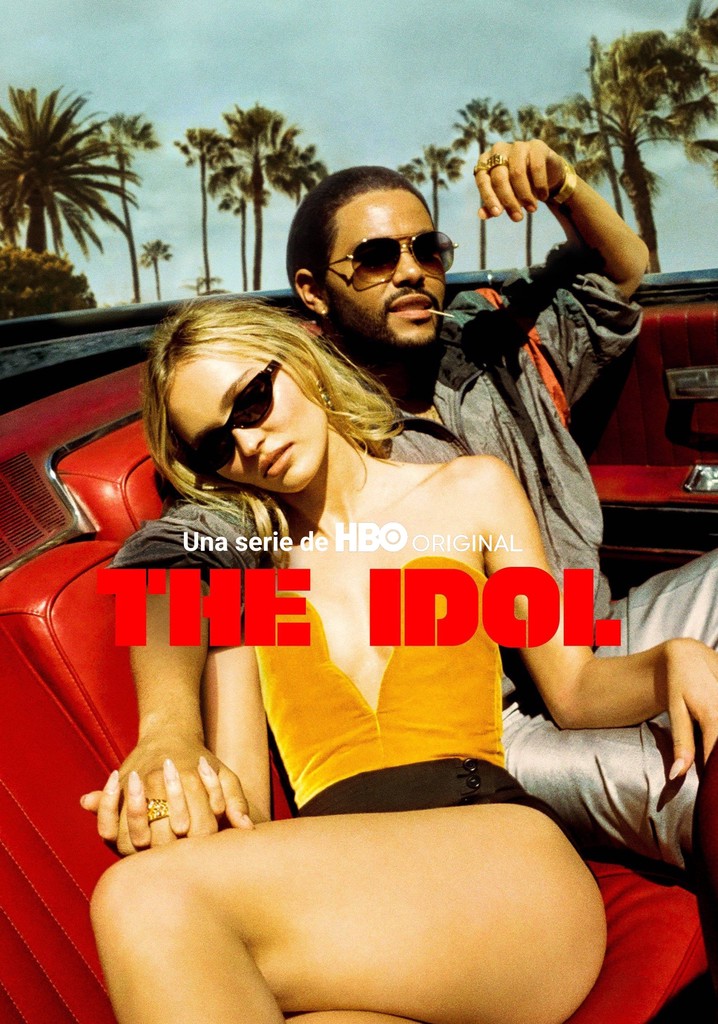
The Idol: A Parade of Scandal and Excess
⚡Del mismo director (Sam Levinson): analiza la evolución o degradación de su estilo.
Acidic analysis of the Amazon series and its meteoric collapse following the controversy on set.
 🔥 Fusión Nuclear9.0
*Six Feet Under: When Family Drama Smells Like a Decadent Corpse*
⚡Afinidad temática directa en atmósfera, estilo y fijaciones visuales.
HBO served us a feast of family dysfunction, pitch-black sarcasm, and metaphorical corpses. Alan Ball dug a grave so deep we still haven’t climbed out.
Editorial Ecosystem
Cinephile connections, archive interviews and related analyses.
🎞️ In Claqueta Cinematheque2
💬 Debate Cinéfilo & Autopsia de Lectores
0 veredictos¿Discrepas con nuestra nota? ¿Es una obra maestra o veneno puro? Deja tu veredicto abajo sin necesidad de registro.

Aún nadie ha dejado su veredicto para esta película.
Sé el primero en clavarle el colmillo rellenando el formulario de arriba.