Shutter Island — The Island That Never Was (And the Script That Wasn’t Either)
Scorsese and DiCaprio play Hitchcock dress-up, but end up in an asylum of clichés and mothball-scented twists. Masterpiece or pretentious style exercise?


Shutter Island: full review


The stench of mothballs and cheap cigars hit me the second I stepped into that cinema back in February 2010. Shutter Island arrived with the weight of being "the new Scorsese," the guy who’d turned DiCaprio into his muse after De Niro retired to cameo in superhero flicks. But this time, no mobsters or sharp suits—just an asylum, a soap-opera storm, and a script that smelled more like House than Psycho. The promise was tantalizing: a gothic-tinged psychological thriller based on Dennis Lehane’s novel, the same guy behind Mystic River. What we got was a style exercise so pretentious even Scorsese seemed bored in the final cut.
The problem isn’t that Shutter Island is bad. The problem is that it’s too Scorsese. Every shot, every camera movement, every note of the score (which sounds like Max Richter and Bernard Herrmann had a bastard child in an asylum) screams, "Look how artistic I am!" But Laeta Kalogridis’s script is so transparent you could read the ending in the reflection of DiCaprio’s glasses. Teddy Daniels, our protagonist, arrives on the island with a past trauma, a partner who looks like he wandered off a Columbo set, and a conspiracy theory that—oh, surprise—turns out to be true. Or not. Or maybe. Or perhaps the real mystery is why no one told Scorsese that 138 minutes of flashbacks of a woman burning her children is, in fact, cruel and unusual punishment.
And then there’s DiCaprio. Good God, DiCaprio. The man sweats so much you could fill an Olympic pool with his method-acting tears. Every scene is a masterclass in overacting: he stares at the camera with the eyes of a slaughtered lamb, screams like his fingernails are being ripped out, and—at one particularly memorable moment—crawls across the floor like a marine in Platoon but with less dignity. It’s not his fault, of course. The script demands he be a walking sack of trauma, and he obeys with the devotion of a monk on a silent retreat. But when your lead actor looks more like a patient than a detective, something’s off. And no, it’s not the twist. The twist is so obvious even the popcorn guy saw it coming.
The shoot, by the way, was a gothic hellscape in itself. Scorsese insisted on filming in real Massachusetts locations, including an abandoned psychiatric hospital that, rumor has it, was haunted. The actors later said the set smelled of mold and despair, and DiCaprio refused to leave his trailer without a therapy session with his method coach. Ruffalo, on the other hand, took it in stride: "If Leo wants to cry in a corner, that’s his business. I’m getting coffee." The anecdote says it all: in Shutter Island, even the supporting cast seems saner than the protagonist.
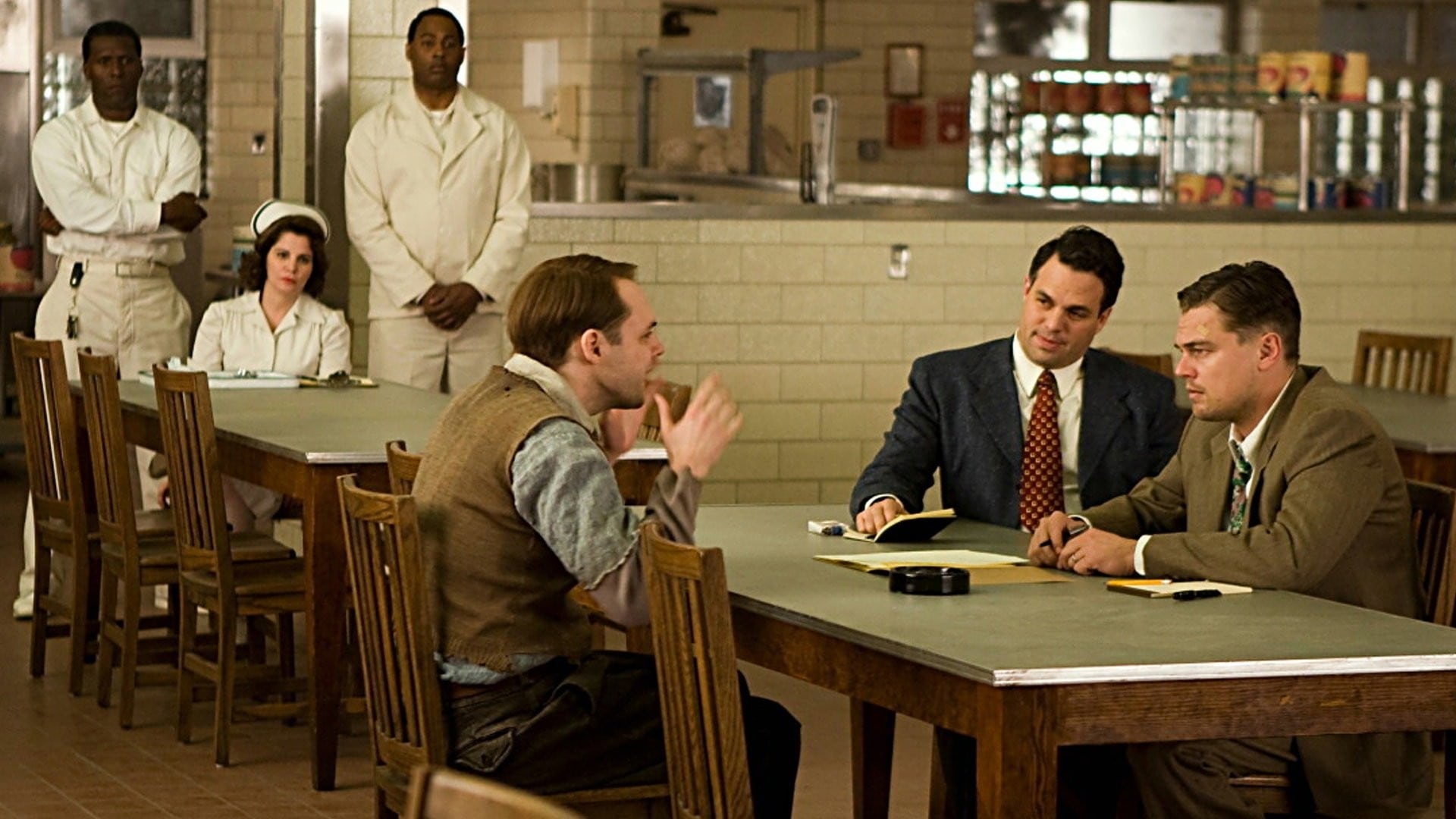
Direction: Scorsese on Autopilot
Martin Scorsese directs Shutter Island like he’s getting paid by the minute. Every frame is a statement of intent: the camera moves with the solemnity of a funeral, the flashbacks hit like whiplashes, and the score (a mix of classical music and industrial sounds) sounds like someone stuffed an organ into a washing machine. But all that technical virtuosity clashes with a script that stumbles forward like Kalogridis wrote the scenes on bar napkins and shuffled them at random.
There are brilliant moments, of course. The cave scene, with DiCaprio lit by a lantern while talking to a woman who might be a ghost (or not), is pure Scorsese atmosphere. But then comes the flashback of the wife burning the children, and you realize the director is more interested in pretty images than a coherent story. It’s as if The Shining and Cape Fear had a bastard child, and that child grew up obsessed with Memento’s plot twists.
And then there’s the ending. Oh, the ending. Scorsese insists it’s ambiguous, but it’s so predictable even Dr. Cawley (Ben Kingsley, playing a psychiatrist with the patience of a saint) looks bored. "What if it was all a lie?" DiCaprio whispers in the final scene, as if it’s the first time anyone in cinema history had that thought. Spoiler: it’s not. Not even the first time Scorsese tried it. Remember The Departed, where the ending was also a bad joke dressed up as genius?

Performances: DiCaprio Sweats, Ruffalo Smirks, Kingsley Snoozes
Leonardo DiCaprio in Shutter Island is like a rabid dog: he barks, drools, and bites everything in sight, but you’re never sure if he’s a genius or just sick. His Teddy Daniels is a trauma sack so overloaded it looks like it might explode at any moment. And yet, there’s something fascinating about his desperation. He’s not a bad actor, but here he seems trapped in a loop of suffering he can’t (or won’t) escape. Every scream, every tear, every slaughtered-lamb stare is calculated to remind you that, yes, this man deserves an Oscar. Even if it’s out of pity.
Mark Ruffalo, on the other hand, is the only one who seems to be in a different movie. His Chuck Aule is a normal guy, with a sly grin and a sense of humor that shines in the darkness. He’s the only character who feels human, and that’s why his presence is as refreshing as a glass of water in hell. When Ruffalo’s on screen, the movie breathes. When he’s not, you realize you’re watching a DiCaprio monologue.
Ben Kingsley, for his part, does what he can with a character who’s little more than a sinister psychiatrist archetype. His Dr. Cawley is cold, calculating, and occasionally almost comical in his seriousness. But even he seems aware he’s in a movie that doesn’t know where it’s going. In one scene, he looks at the camera like he’s saying, "Do we really have to keep doing this?" And the answer, unfortunately, is yes.
Technical Aspects: The Cinematography Saves the Disaster (But Not Quite)
Robert Richardson, the cinematographer, deserves a monument. Shutter Island is a visually stunning film, with a color palette that oscillates between stormy lead gray and sickly green asylum halls. Every shot is composed with surgical precision, and there are moments when the imagery is so powerful you almost forget the script is a sieve. Almost.
The problem is Richardson can’t save what’s unsalvageable. The score, for example, is a mishmash of industrial sounds, classical music, and awkward silences that sounds like someone mixed The Dark Side of the Moon with a typewriter. And the editing, though competent, can’t hide the script’s holes. Some scenes drag on to exhaustion (like the interrogation of Jackie Earle Haley, which feels like a Law & Order episode with extra screaming), while others fly by so fast you’re left wondering if you missed something important. In the end, Shutter Island feels more like a marathon than a movie.
The production design, on the other hand, is flawless. Ashecliffe Asylum is a character in itself, with its labyrinthine hallways, dark cells, and oppressive atmosphere. But even here there’s a problem: it’s all so pretty it feels fake. Like Scorsese wanted to create a horror-movie set but went over budget. In the end, Shutter Island looks more like a gothic theme park than a psychological thriller.
The best
- Robert Richardson’s cinematography: A visual spectacle that almost justifies the 138 minutes of suffering. Every shot is a nightmare postcard, with a color palette that swings between leaden gray and sickly green. If you closed your eyes and just listened, you’d miss half the experience. But you can’t close your eyes (because DiCaprio’s staring right at you), so Richardson saves your skin.
- Mark Ruffalo as Chuck Aule: The only character who feels human in this circus of madness. Ruffalo gives his role a sense of humor and warmth that contrasts with DiCaprio’s overacting. When he’s on screen, the movie breathes. When he’s not, you realize you’re watching a three-hour monologue.
- The gothic atmosphere: Scorsese creates a sense of oppression and mystery that hooks you from the first frame. Ashecliffe Asylum is a character in itself, with its labyrinthine hallways and air of decay. If you like psychological horror, this is nightmare fuel.
- The production design: The sets, costumes, and ambiance are impeccable. Every detail is meticulously crafted, from the guards’ uniforms to the patients’ personal effects. It’s like Scorsese wanted to recreate a 1950s asylum, but with a Hollywood blockbuster budget.
The worst
- Laeta Kalogridis’s script: A sieve full of plot holes, predictable twists, and dialogue that sounds like it was written by a Netflix algorithm. The ending is so obvious even the popcorn guy saw it coming. And the flashbacks of the wife burning the children are so repetitive they feel like divine punishment.
- Leonardo DiCaprio’s overacting: Teddy Daniels is a trauma sack so overloaded it looks like it might explode at any moment. DiCaprio screams, cries, and crawls across the floor like he’s in a suffering contest. It’s not his fault, of course. The script demands he be a walking cliché, and he obeys like a monk.
- The score: A mix of industrial sounds, classical music, and awkward silences that sounds like someone stuffed an organ into a washing machine. There are moments when the music is so intrusive it feels like you’re watching a trailer, not the actual movie.
The pacing: 138 minutes of flashbacks, screams, and plot twists that go nowhere. Some scenes drag on to exhaustion (like the interrogation of Jackie Earle Haley), while others fly by so fast you’re left wondering if you missed something important. In the end, Shutter Island* feels more like a marathon than a movie.
- The ending: Scorsese insists it’s ambiguous, but it’s so predictable even Dr. Cawley looks bored. "What if it was all a lie?" DiCaprio whispers in the final scene, as if it’s the first time anyone in cinema history had that thought. Spoiler: it’s not.
The Verdict of Claqueta Ácida
Shutter Island is like a wedding cake: beautiful on the outside, but stuffed with cheap filling. Scorsese insists it’s a psychological thriller masterpiece, but it ends up being a pretentious style exercise with a mothball-scented script. DiCaprio sweats, Ruffalo smirks, and Kingsley snoozes, while Richardson’s camera does all the heavy lifting. It’s not a bad movie, but it’s a movie that could’ve been good if someone had told Scorsese that less is more. In the end, you’re left with the feeling you’ve seen something important, but you’re not sure why. And that, dear readers, is the worst crime a filmmaker can commit. 💀
🎬 Tráiler Oficial
Abrir en YouTube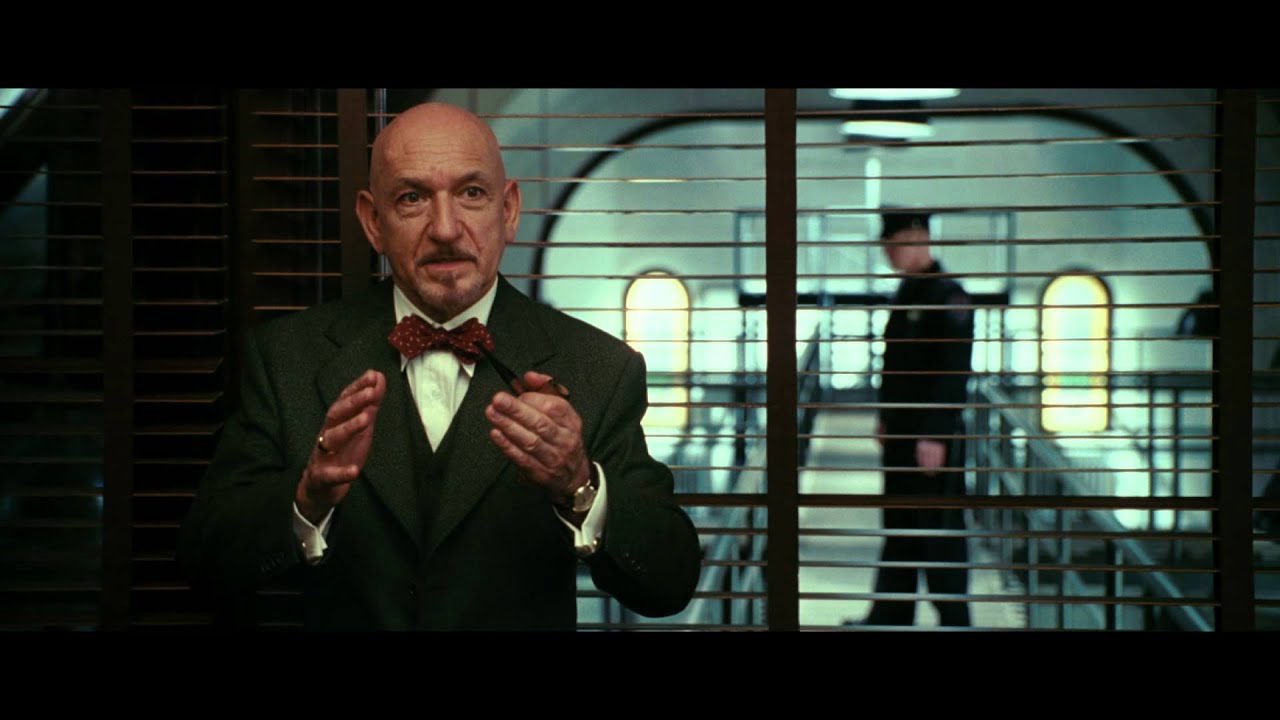
Shutter Island: frequently asked questions
- What is the rating of "Shutter Island" on Claqueta Ácida?
- "Shutter Island" scored 7.2/10 on Claqueta Ácida in the review by Silvia Mordaz.
- Is "Shutter Island" worth watching?
- With reservations. We gave it 7.2/10 (Citric Acid), our rating for uneven films with something worth saving.
- Who directed "Shutter Island"?
- "Shutter Island" was directed by Martin Scorsese.
Theater Collateral Damage Report
Psychophysical impact certificate issued by Silvia Mordaz
3 amagos en el tramo intermedio; pestañeo pesado en las transiciones más innecesarias.
El reloj aparece en escena justo cuando la subtrama secundaria pide paciencia.
2 espresso para no dejarse vencer por la mediocridad cómoda.
"A mitad del segundo acto cuando la subtrama secundaria empezó a pesar más de lo que aportaba."
💬 Community Verdict
What did you think of the film? Rate it from 0 to 10 to compare it with the editorial review.
You haven't voted yet
📢 ¿Te ha gustado el ácido?
Comparte esta crítica con tus amigos cinéfilos o desata la polémica en redes.
⚡ THE CINEMATIC VENOM YOUR INBOX CRAVES
No sugarcoated ratings, no corporate fluff. Subscribe for our uncensored weekly analysis or join the private Telegram for press previews, poll clashes, and instant alerts.
Alertas de estrenos en 1 segundo, encuestas en caliente y audios al salir de pases de prensa.
Recibe la dosis semanal en tu mail + regalo inmediato del PDF con 50 joyas ocultas de culto.
Related Reviews
Recommended autopsies for demanding film buffs.
 ⚡ Ácido Cítrico 7.3
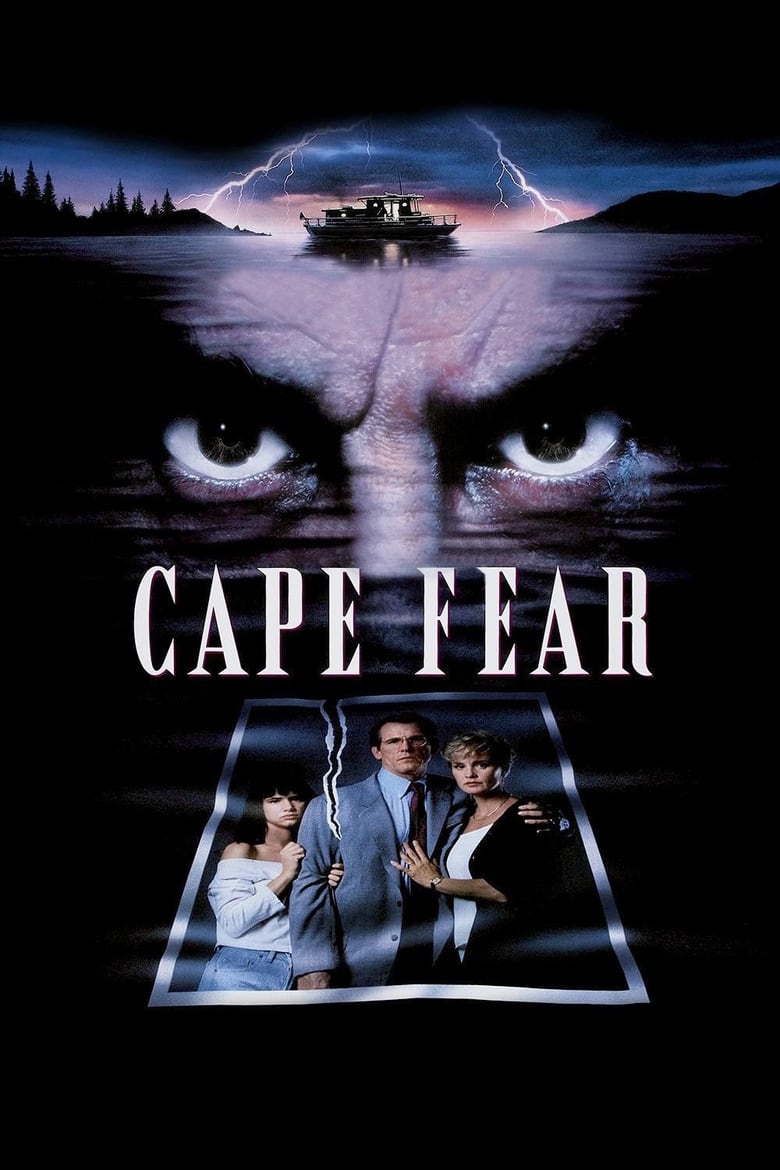
 Cape Fear: Scorsese Pumps Pure Terror Into Your Veins (and Soul)
⚡ Del mismo director (Martin Scorsese): analiza la evolución o degradación de su estilo.
De Niro as a textbook psychopath, Scorsese at his dirtiest, and a script that leaves you gasping for air. Psychological terror in its rawest form.
 ⚡ Ácido Cítrico 7.2
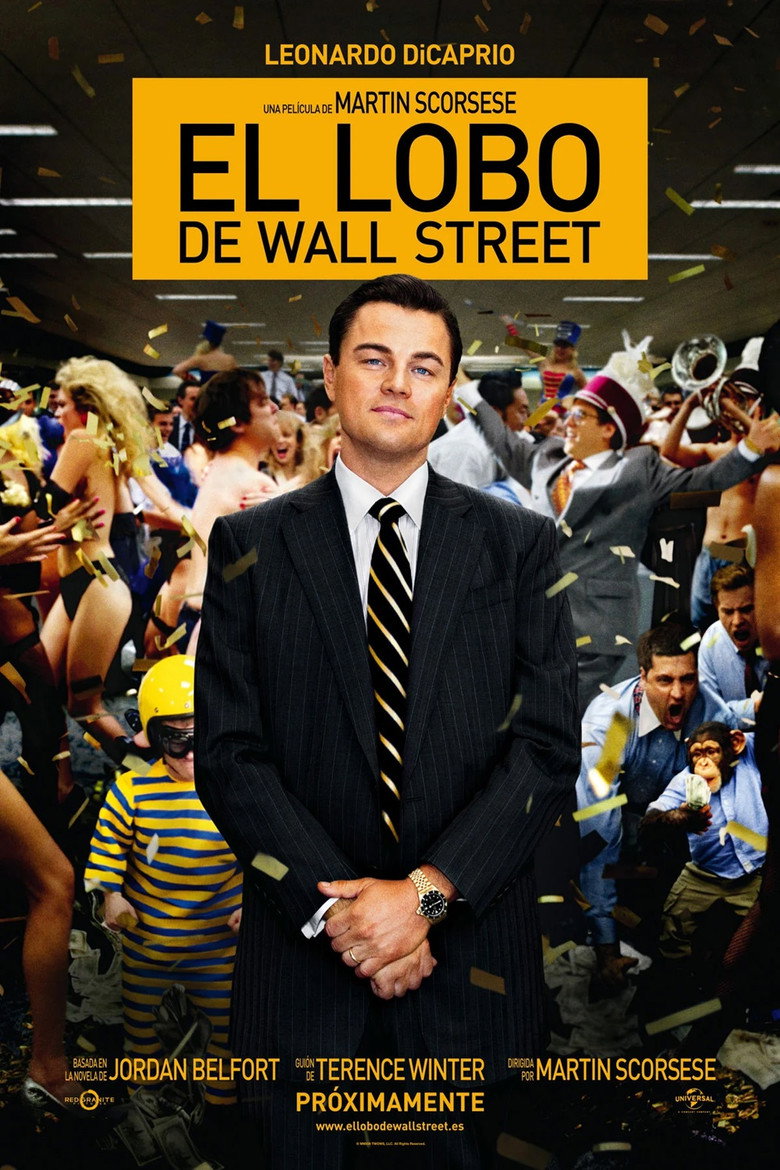
 The Wolf of Wall Street: Scorsese Drowns in His Own Champagne
⚡ Del mismo director (Martin Scorsese): analiza la evolución o degradación de su estilo.
Scorsese films a three-hour orgy where capitalism celebrates itself. DiCaprio shines, but the script reeks of self-satisfaction. Critique or apology?
 🔥 Fusión Nuclear 9.2
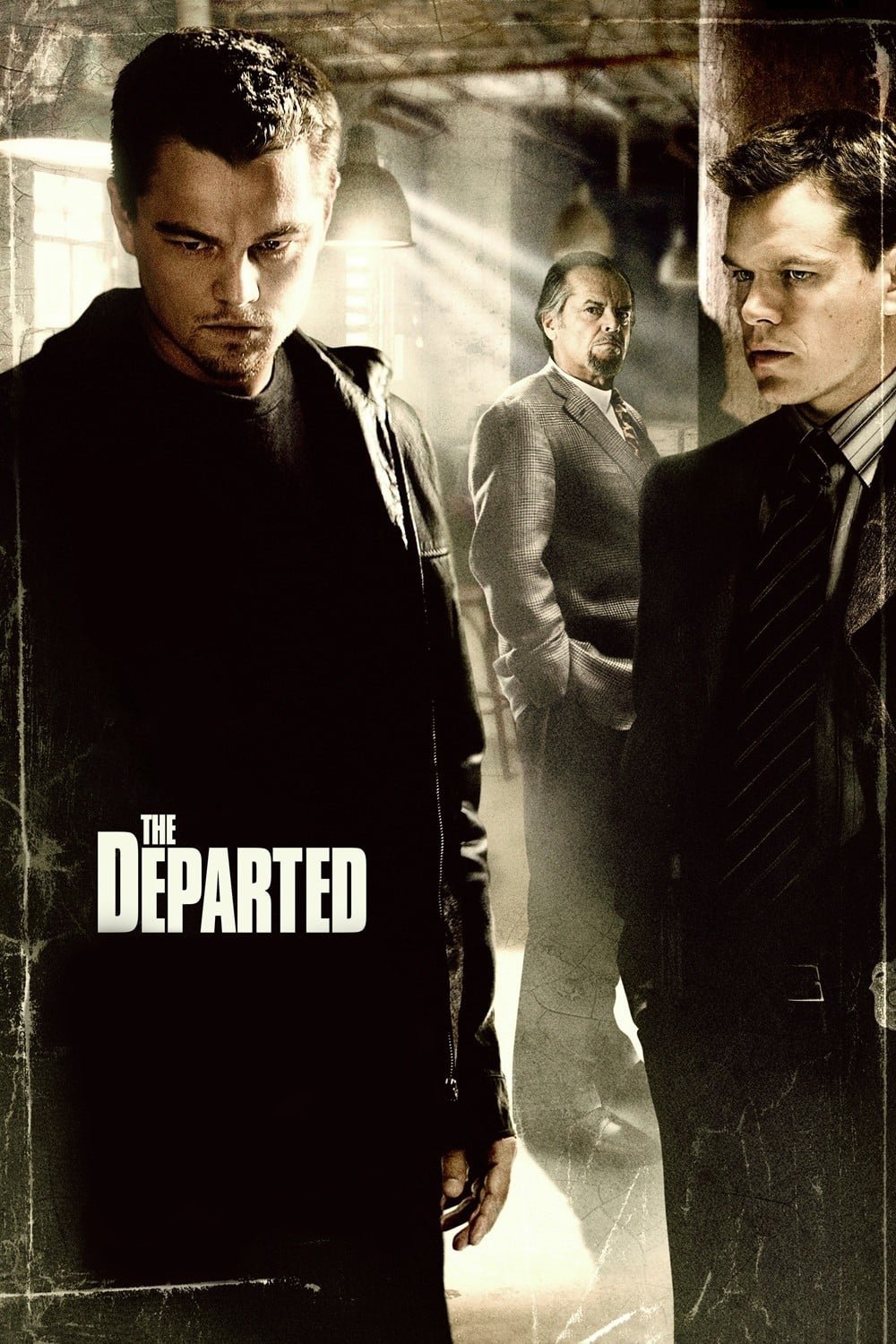
 The Departed: Scorsese Plays Chess with Rats and We All Lose
⚡ Del mismo director (Martin Scorsese): analiza la evolución o degradación de su estilo.
Scorsese delivers a rat-infested thriller where Boston reeks of cheap whiskey and betrayal. Nicholson steals the show, DiCaprio sweats ink, and Damon grins like a psychopath. A masterpiece with an expiration date: never.
Editorial Ecosystem
Cinephile connections, archive interviews and related analyses.
🎞️ In Claqueta Cinematheque 3
💬 Debate Cinéfilo & Autopsia de Lectores
0 veredictos¿Discrepas con nuestra nota? ¿Es una obra maestra o veneno puro? Deja tu veredicto abajo sin necesidad de registro.


Aún nadie ha dejado su veredicto para esta película.
Sé el primero en clavarle el colmillo rellenando el formulario de arriba.