Toy Story 5 — The Fall of the Plastic Gods or How Pixar Learned to Stop Worrying and Love the Algorithm
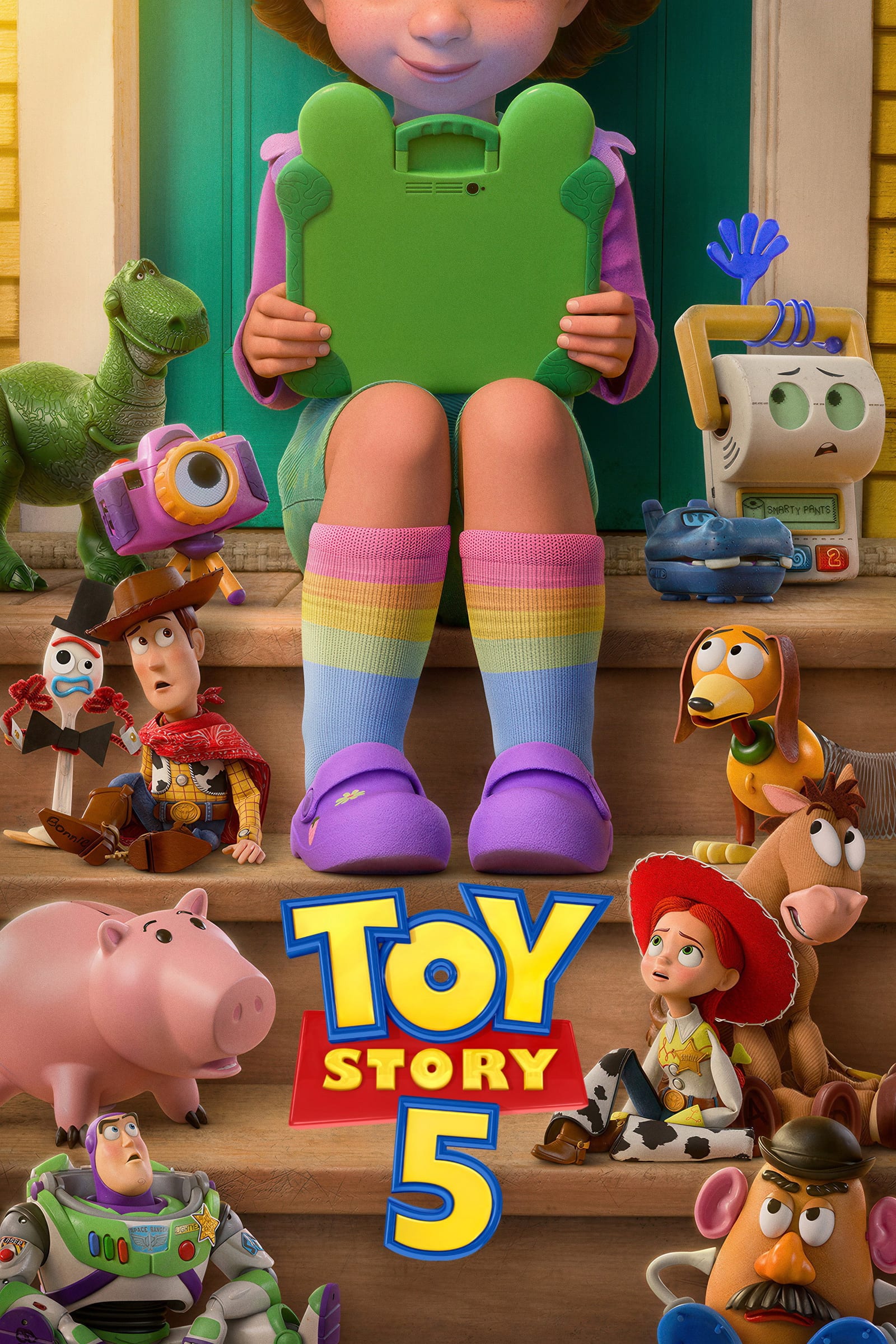
Pixar sacrifices its soul on the altar of the algorithm with this fifth installment: Woody and Buzz become carnival attractions in a theme park called 'Nostalgia™'.

'''''''''''''''tweets_alternativos:'''''''''''''''
Celluloid has become a funhouse mirror reflecting what Pixar once was—a studio that dared us to believe animated films could be art, not just a licensed toy catalog. Toy Story 5 arrives in 2026 as a belated act of contrition, a desperate attempt to resurrect the magic of a franchise that flatlined somewhere between the third and fourth installments, right around the time Disney executives discovered nostalgia is a renewable resource, like oil or the audience’s dwindling patience. Andrew Stanton, the man who plunged us into the emotional depths of a clownfish in Finding Nemo, now navigates the murky waters of a script written by a committee of focus groups and executives who confuse “emotion” with “cross-promotional opportunities.” The result reeks of reheated plastic, like those ‘90s toys left in the sun—smelling of disappointment and cheap melanin.
The official synopsis teases a “new threat to playtime: technology,” which sounds about as thrilling as an IKEA instruction manual. But let’s not kid ourselves: the real menace here isn’t technology—it’s the lack of ideas. Pixar has fallen into the trap of mistaking “more” for “better,” as if layers of CGI and cameos from tertiary characters could compensate for a script that sounds like a remix of dialogue from previous entries. It’s as if someone tossed the screenplays of Toy Story 2 and 3 into a blender with a handful of 2024 memes and served the slurry in a Disney-branded plastic cup. Woody and Buzz are no longer characters; they’re trademarks in search of a purpose, like washed-up Hollywood actors who only appear in sequels because their contracts still have profit-participation clauses.
The industrial context of this fifth installment is as depressing as a Monday morning in an ad agency creative’s cubicle. Disney, in its infinite corporate wisdom, has decreed that Toy Story isn’t a saga—it’s an expanded universe, as if we’re talking about Star Wars and not a group of toys that come to life when no one’s looking. The franchise has become a steroid-pumped cash cow, a marketing Frankenstein where each new entry isn’t a film but a transmedia event designed to flog plushies, video games, and theme park experiences. Andrew Stanton, once a bold storyteller, now resembles a conductor forced to perform a symphony composed by a TikTok-trained machine learning algorithm. The question isn’t whether Toy Story 5 will be bad—it’s whether anyone at Pixar still has the guts to tell the suits that sometimes, less is more. Spoiler: they don’t.
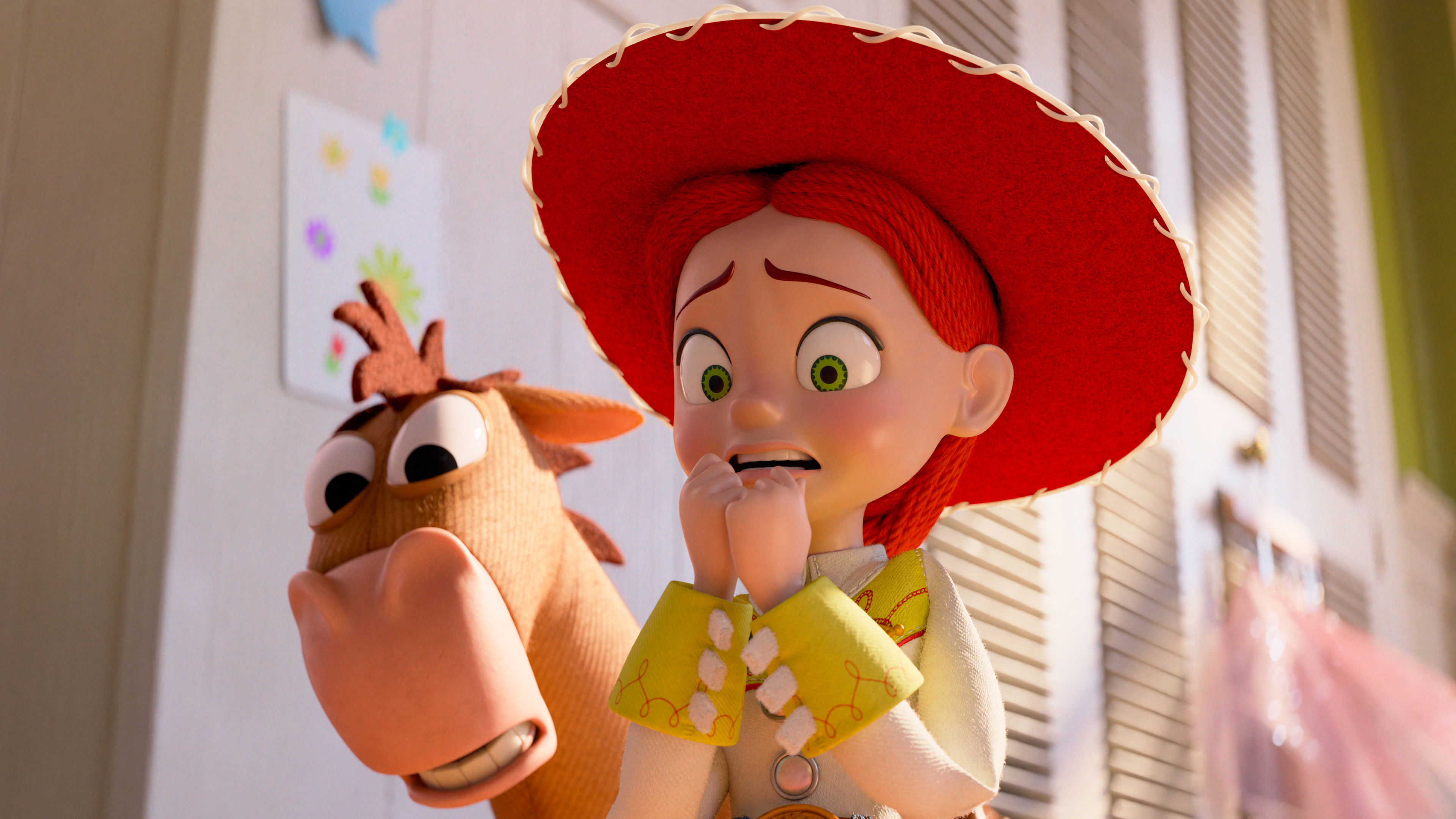
The film’s premise—that technology threatens playtime—is so ironic it borders on metafiction. It’s as if Toy Story 5 is a distorted mirror of its own creation: a movie made by machines for humans who’ve forgotten how to play without a smartphone in hand. Pixar has devolved from a revolutionary studio into a streaming-optimized content factory, where creativity is measured in engagement and characters no longer have souls—just hashtags. In this landscape, Woody and Buzz aren’t heroes; they’re plastic influencers, doomed to repeat the same jokes and gestures until the algorithm deems them unprofitable. Technology isn’t the threat, folks—it’s the perfect excuse to justify mediocrity.
The Direction: Stanton on Autopilot
Andrew Stanton directs this fifth installment like a man serving time in a corporate script prison. His visual style, once bold and nuanced—recall the long takes in WALL-E or the color palette of Finding Nemo—here collapses into a collage of callbacks to earlier films, as if the director decided the best way to honor Toy Story’s legacy was to turn it into an interactive museum of itself. The framing is safe, predictable, like Stanton has internalized that risk is a luxury Disney can no longer afford. Not a single shot surprises, challenges, or even attempts anything new. It’s like watching a Michelin-starred chef slumming it with a fast-food menu: technically flawless, but utterly devoid of passion.
The film’s pacing is so erratic it feels engineered by someone who confuses “dynamism” with “cuts every two seconds.” The action sequences, which should be the main course, are a constant déjà vu: warehouse chases, falls from impossible heights, and visual gags we’ve seen in Toy Story 2 and 3, now with a glossier CGI sheen and even less soul. Stanton seems to have forgotten that cinema isn’t just movement—it’s also pause, silence, breath. Here, every scene is so saturated with dialogue and forced jokes that the viewer ends up exhausted, like they’ve just run a marathon of mediocre stand-up. And the worst part? You know it’s not the director’s fault—it’s the system that’s turned him into just another cog in the machine.
The cinematography by Matt Aspbury is, technically, impeccable. The colors pop, the details are meticulous, and every texture looks plucked from an IKEA catalog. But that’s the problem: Toy Story 5 looks like an IKEA catalog. The lighting is so perfect it borders on sterile, as if someone decided emotion was a manufacturing defect to be corrected in post. There are no shadows, no chiaroscuro, no magic that made Pixar films feel alive. Instead, we get a world of shiny plastic, so polished it hurts—like those pristine toys no one dares unbox for fear of ruining their artificial perfection.
The Performances: Voices in Search of a Character
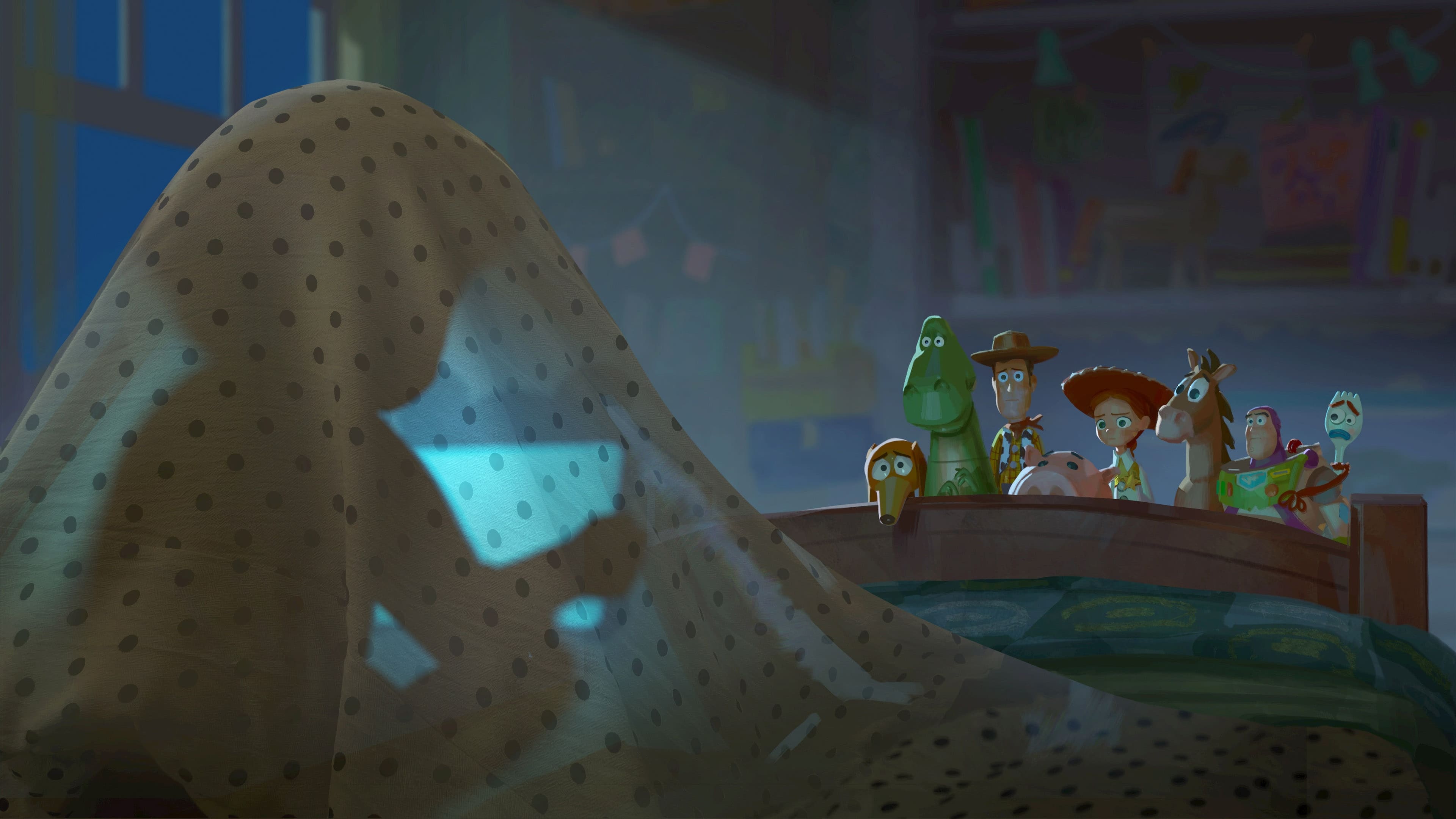
The voice cast of Toy Story 5 is a painful reminder that even the most talented actors can fall victim to a mediocre script. Tom Hanks and Tim Allen reprise their roles as Woody and Buzz with the devotion of a community theater actor who’s been playing the same part in The House of Bernarda Alba for twenty years. Hanks, in particular, sounds like he’s reading his lines with the enthusiasm of a dad feigning interest in his kid’s science fair project. There are moments when his voice carries a palpable sadness, as if he knows Woody isn’t a character anymore—he’s a product doomed to repeat himself ad infinitum. Allen, meanwhile, seems to have decided the best approach is to treat the project like an extended Home Improvement sketch, stretched to the point of exhaustion. His Buzz Lightyear is less a character and more a meme with legs, a collection of vocal tics that were once funny but now reek of self-parody.
Joan Cusack remains the voice of reason in this chaos, but even she’s trapped in a script that gives her no room to shine. Her Jessie, once a complex and nuanced character, is reduced to a generic sidekick—a female Buzz without his charisma. Greta Lee and Craig Robinson do their best with characters seemingly plucked from a marketing brainstorm: Lee plays a fashion doll with a “mysterious past” (spoiler: it’s not mysterious), and Robinson voices a hip-hop toy that sounds like it was designed in a corporate diversity lab. But the real breakout of this installment is Conan O’Brien, whose character—a late-night toy named Chuckles—is the closest thing to an original idea here. O’Brien, with his nasal delivery and impeccable comic timing, manages to sneak in a few jokes that don’t feel recycled, though even he seems aware he’s swimming against the current of a script that prefers safety over risk.
The problem isn’t the actors—it’s the material they’ve been handed. Toy Story 5 is a committee-written film, where every line of dialogue feels designed to offend no one and, in the process, ends up moving no one. The characters no longer have real conflicts; they have script problems solved by plastic deus ex machinas. Woody isn’t the charismatic leader of the early films—he’s an influencer in an existential crisis. Buzz isn’t the naive astronaut—he’s a meme with feet. And the new characters, like Lee’s doll or Robinson’s toy, are so generic they could be swapped with those from any other Pixar franchise without anyone noticing.
The Technical Department: When Perfection Becomes Boredom
The production design of Toy Story 5 is so meticulous it borders on obsessive. Every object, texture, and reflection in the characters’ plastic eyes is calculated to the millimeter, as if the art team decided the only way to honor the franchise’s legacy was to turn it into a documentary about toy manufacturing. The sets are vast, detailed, and, above all, safe: endless warehouses, hyper-realistic kids’ rooms, and urban landscapes that look like they were ripped from an Unreal Engine render. There isn’t a single corner that isn’t saturated with easter eggs and callbacks to previous films, as if Pixar decided the best way to hold the audience’s attention was to turn the movie into a scavenger hunt instead of a coherent narrative.
The editing is another weak point. The film feels like it was cut by someone who confuses “pacing” with “speed,” as if the editor believed the only way to keep viewers engaged was to bombard them with visual stimuli every two seconds. Transitions between scenes are jarring, the visual gags feel forced, and the action sequences—supposed to be the main attraction—end up as a collage of camera movements and cuts that fail to convey emotion or tension. It’s like watching an extended trailer: you know something is happening, but you can’t connect with it because the editing doesn’t give you time to breathe.
The score by Michael Giacchino, once a key ingredient in Pixar’s magic, here sounds like a remix of his own themes. Giacchino recycles melodies from previous films with almost religious devotion, as if he’s decided the best way to honor Toy Story’s legacy is to turn it into a nostalgia concerto. The new themes are functional but generic, like the composer has concluded that the only thing that matters is not deviating from the established sound. There isn’t a single note that surprises, moves, or even attempts anything new. It’s elevator music for a film that, at its core, is an emotional elevator: it takes you from one floor to another, but you never feel like you’ve arrived anywhere interesting.
The best
Conan O’Brien’s voice: The sole ray of light in this plastic tunnel. His character, Chuckles, is the closest thing to an original idea this film has, and O’Brien plays him with a comic timing that harks back to the golden days of Late Night*.
- The production design: Technically flawless, as always. The sets are detailed, the objects are meticulously crafted, and every texture looks plucked from a luxury toy catalog. It’s beautiful to look at, though as cold as plastic.
- Some nostalgic cameos: There are moments when the film manages to evoke, if only for a second, the magic of the early installments. Brief flashes, but enough to remind you why you once loved these characters.
The worst
The script: A Frankenstein’s monster of recycled dialogue, forced jokes, and artificial conflicts. It feels written by an algorithm trained on the likes* of previous films, devoid of originality or risk.
The lack of risk in direction: Andrew Stanton directs like he’s checking off a to-do list. Not a single shot surprises, not a single sequence challenges the viewer. It’s autopilot* cinema.
- The new characters: Generic, forgettable, and designed to sell merchandise. Greta Lee’s doll and Craig Robinson’s toy could belong to any other Pixar franchise.
- The pacing: The film feels cut by someone who thinks “dynamism” means “cuts every two seconds.” No room for emotion—just a barrage of visual stimuli.
- The score: Michael Giacchino recycles his own themes with near-religious devotion. Not a single new note that moves or surprises.
The Verdict of Claqueta Ácida
Toy Story 5 isn’t a bad movie—it’s an irrelevant one, and that’s worse. It’s the cinematic equivalent of a ‘90s series reboot no one asked for, but Disney produced because the numbers justified it. Pixar has lost its magic, and what remains is a polished, shiny, and profoundly boring product—like a brand-new toy that never gets opened. Woody and Buzz are no longer characters; they’re trademarks doomed to repeat themselves until the algorithm decides they’re no longer profitable. Technology isn’t the threat here, folks—it’s the perfect excuse to justify mediocrity. Toy Story 5 is what happens when cinema becomes a product and audiences become consumers. Welcome to the age of content, where nostalgia is a renewable resource and the soul is an unnecessary luxury. 💀
🎬 Tráiler Oficial
Abrir en YouTube
Ficha de Daños Colaterales en Sala
Certificado de impacto psicofísico emitido por Odin Lagbert
3 amagos en el tramo intermedio; pestañeo pesado en las transiciones más innecesarias.
Minuto 39 y minuto 76 (comprobando cuánto quedaba de suplicio).
1 espressos para no dejarse vencer por la mediocridad cómoda.
"A mitad del segundo acto cuando la subtrama secundaria empezó a pesar más de lo que aportaba."
💬 El Veredicto de la Comunidad
¿Qué te ha parecido la película? Deja tu nota de 0 a 10 para contrastarla con el análisis de la redacción.
Aún no has votado
📢 ¿Te ha gustado el ácido?
Comparte esta crítica con tus amigos cinéfilos o desata la polémica en redes.
⚡ THE CINEMATIC VENOM YOUR INBOX CRAVES
No sugarcoated ratings, no corporate fluff. Subscribe for our uncensored weekly analysis or join the private Telegram for press previews, poll clashes, and instant alerts.
Alertas de estrenos en 1 segundo, encuestas en caliente y audios al salir de pases de prensa.
Recibe la dosis semanal en tu mail + regalo inmediato del PDF con 50 joyas ocultas de culto.
Related Reviews
Recommended autopsies for demanding film buffs.
 ⚠️ Ácido Sulfúrico3.2
On the Run: A Senseless Sprint
⚡Afinidad temática directa en atmósfera, estilo y fijaciones visuales.
A marathon of clichés and marketing sweat that leaves the audience feeling like they've run in circles. 💀
 ⚡ Ácido Cítrico6.8
Azrael: Samara Weaving and the Hell of Silence
⚡Afinidad temática directa en atmósfera, estilo y fijaciones visuales.
E.L. Katz and Simon Barrett deliver a brutal, relentless mute survival horror film where Samara Weaving once again proves why she is the modern scream queen.
 ⚡ Ácido Cítrico6.9
Beetlejuice Beetlejuice: Tim Burton Shits the Bed Again—With Style
⚡Afinidad temática directa en atmósfera, estilo y fijaciones visuales.
Tim Burton resurrects his most iconic creature, but the script is a Frankenstein’s monster of stale jokes and half-digested nostalgia. Keaton still rules, but this reeks of easy money.
Editorial Ecosystem
Cinephile connections, archive interviews and related analyses.
💬 Debate Cinéfilo & Autopsia de Lectores
0 veredictos¿Discrepas con nuestra nota? ¿Es una obra maestra o veneno puro? Deja tu veredicto abajo sin necesidad de registro.

Aún nadie ha dejado su veredicto para esta película.
Sé el primero en clavarle el colmillo rellenando el formulario de arriba.