The Lobster — Marriage as the Concentration Camp of Loneliness
Yorgos Lanthimos turns love into a bureaucratic nightmare. Colin Farrell and Rachel Weisz shine in this dystopian satire that stings, amuses, and suffocates in equal measure.

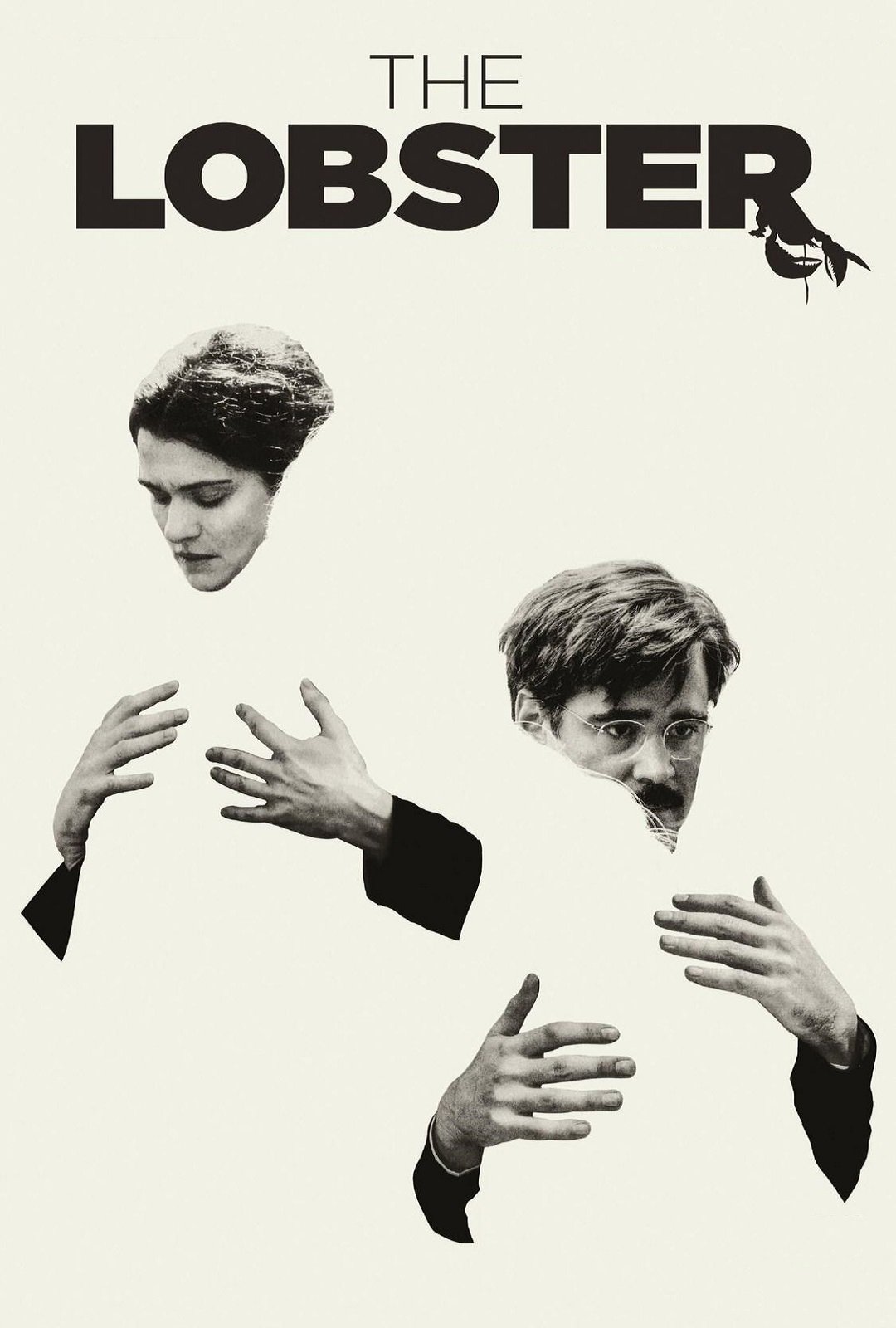


Celluloid burns with the scent of a once-luxurious hotel gone to seed and canned despair. Yorgos Lanthimos, that surgeon of discomfort who previously gifted us gems like Dogtooth (2009)—where the perfect family was an isolation experiment worthy of a National Geographic documentary on cults—returns with The Lobster, a dystopia that reeks of bargain-bin supermarket cologne and dried tears on synthetic pillowcases. It was 2015, and the world had yet to realize that romantic love was about to be dissected with the precision of a scalpel and served on a silver platter with a side of existential absurdity. Lanthimos, alongside his fetish screenwriter Efthymis Filippou, doesn’t settle for mocking social conventions: he shreds them, seasons them with Greek irony, and slow-roasts them until the viewer feels like one of the hotel’s singles, counting down the days to avoid becoming some random critter. The question isn’t if you’ll fall in love, but when you’ll realize the system has already turned you into an emotional crustacean without your noticing it at all.
The project was born at a time when European cinema still dared to be weird without apologizing. With a modest budget (barely 4 million euros, a pittance by Hollywood standards), The Lobster was conceived between Greece and France, two countries that, ironically, have watched romanticism rot amid economic crises and increasingly hollow political rhetoric. Lanthimos, who had already demonstrated his mastery at turning the mundane into the terrifying, found in Colin Farrell the perfect protagonist: a man whose beaten-dog face seems carved by the same gods who designed IKEA furniture. Farrell, fresh off True Detective and his stint as the action hero no one asked for but everyone suffered through, sheds every trace of vanity here to deliver a performance that’s essentially a walking metaphor for modern loneliness. Beside him, Rachel Weisz shines as nearsightedness personified, a woman who prefers literal blindness to emotional clarity, and whose chemistry with Farrell is as uncomfortable as it is necessary: two lost souls meeting in a forest of symbols, clinging to each other as if they were the last humans on a planet of lobsters.
But if there’s one character who steals the film—and not just because her smile could freeze over hell—it’s Olivia Colman. The hotel’s director, a woman whose sadism masquerades as professional kindness, is the perfect reminder that hell isn’t other people; it’s the HR manuals governing their lives. Colman, with her unique ability to make evil seem adorable, turns every scene into an exercise in passive-aggressive tension. Her character is the embodiment of that inner voice whispering, «If you don’t get married, you’ll end up alone, and the lonely get devoured by their own pets.» And the worst part? In The Lobster’s world, it’s not an exaggeration—it’s the rules.
The film unfolds in a luxury hotel straight out of a 1970s catalog, where singles are herded like cattle to a slaughterhouse with shag carpeting. The rules are clear: you have 45 days to find a partner, or you’ll be transformed into the animal of your choosing. The choice of crustacean isn’t accidental. The lobster, that delicacy the rich devour with lemon and butter, is here the perfect symbol of resistance: it lives for centuries, reproduces endlessly, and when captured, fights to the bitter end. Isn’t that what we all do? Choose between the gilded cage of marriage or the wild freedom of being devoured by loneliness. Lanthimos doesn’t judge, but he doesn’t forgive either: his camera, cold and calculating like a nature documentary, forces us to laugh at our own misery while twisting our guts with every frame.
Direction: The Icy Touch of Elegant Cruelty
Lanthimos directs with the precision of a Swiss watchmaker and the empathy of an entomologist. Every shot is a prison: the hotel’s hallways are long and sterile, as if Kubrick and Wes Anderson had designed a spa for lost souls. The cinematography by Thymios Bakatakis is a pastel-colored nightmare under fluorescent lights, where beige and mint-green tones seem designed to lull the characters’—and the audience’s—will to sleep. The editing is relentless, cutting like a scalpel: no smooth transitions, just abrupt jumps mimicking the rhythm of a heart about to give out. And then there’s the sound—uncomfortable silences broken by canned laughter, elevator music, and the crunch of potato chips being chewed too close to your ear. Lanthimos doesn’t want you to feel comfortable; he wants you to feel watched, judged, and, above all, alone.The Greek director has a knack for turning the absurd into the mundane. In The Lobster, characters speak as if reciting an instruction manual, their flat intonation making even love declarations sound like a shopping list. The dance scenes are so awkward they seem choreographed by a social-phobic AI. And when violence erupts—because, of course, it does—it does so with the coldness of a scientific experiment. No blood, no screams, just the sound of a gunshot to the back of the head and a body dropping like a sack of potatoes. This is the cinema of indifference: a world where pain is so normalized it doesn’t even deserve a close-up.
Performances: The Art of Suffering in Style
If anything saves The Lobster from becoming a pretentious exercise in nihilism, it’s the performances. Colin Farrell, in a role that seems written for him (or his evil twin), embodies David with a mix of resignation and desperation that’s hypnotic. His performance is like a manual on surviving modern love: a tense smile, hunched shoulders, and a gaze lost somewhere between the floor and the abyss. Beside him, Rachel Weisz shines as the woman who prefers blindness to reality, a choice that, in Lanthimos’ universe, is almost an act of rebellion. Their chemistry is as cold as it is necessary: two people who need each other to avoid drowning but never quite touch.But the real spectacle lies in the supporting cast. Olivia Colman steals every scene with her psychopath-with-a-hospitality-diploma smile, while Léa Seydoux—in a role plucked from a fever dream—plays the leader of the rebellious singles with a chill that makes Hannibal Lecter look like a puppy. Even the minor actors, like Ariane Labed (the mute maid who seems lifted from a Balthus painting), add layers of meaning with just a gesture or a glance. In The Lobster, no one acts—they all survive, and that’s what makes the cast so fascinating.
Technical Breakdown: The Horror of Flawless Design
The screenplay by Lanthimos and Filippou is a masterpiece of social satire disguised as black comedy. Every line of dialogue sounds like it’s lifted from a self-help manual written by a sociopath: «Love is a choice, like picking an ice cream flavor,» a character says, and you know that in this world, that line isn’t a metaphor—it’s a threat. The narrative structure is impeccable: the first half, set in the hotel, is a bureaucratic nightmare; the second, in the forest with the rebellious singles, is an anarchic dystopia. Both parts balance like two plates of a scale that never quite tips.Bakatakis’ cinematography deserves its own chapter. The shots are so symmetrical they seem designed by an architect with OCD, and the colors—those sickly greens, those sterile beiges—are chosen to make the viewer feel trapped in a luxury psychiatric hospital. The score, composed by Johnnie Burn, is a mix of elevator music and ambient sounds recorded in hell: the crunch of dry leaves, the hum of fluorescent lights, the beat of a heart about to burst. And the editing, razor-sharp, reinforces the feeling that time is running out, that every second counts, that loneliness isn’t an option—it’s a sentence.
The best
- Yorgos Lanthimos’ direction: An exercise in elegant cruelty, where every shot is a stab disguised as a postcard.
- The performances: Colin Farrell and Rachel Weisz turn suffering into art, while Olivia Colman proves evil can be adorable.
- The screenplay: A satire so sharp it hurts to laugh, written with the precision of a surgeon and the humor of an executioner.
- The cinematography: Thymios Bakatakis paints a world of pastel colors that reek of despair and cheap cologne.
- The score: Johnnie Burn turns silence into a character, as uncomfortable as it is necessary.
The worst
- The pacing in the second half: The forest of rebellious singles loses some of the hotel’s tension, like the film ran out of batteries.
- Some overly literal dialogue: There are moments when the script feels like an academic essay disguised as conversation, breaking the spell.
- Underdeveloped secondary characters: Some brilliant actors, like Michael Smiley, are wasted in mere cameos.
- The symbolism occasionally too on-the-nose: The lobster as a metaphor for resistance is powerful, but there are moments when it feels like a cheap philosophy PowerPoint.
- The resolution: Without spoilers, let’s just say the ending is so open it feels like a bad joke, as if Lanthimos ran out of ideas and decided to leave it all up to the audience.
The Verdict of Claqueta Ácida
The Lobster is that film that leaves you feeling flayed alive, but with style. Yorgos Lanthimos doesn’t offer answers, just a foggy mirror where you see your own loneliness disguised as black comedy. It’s uncomfortable, brilliant, infuriating, and, above all, necessary: a reminder that love, in its purest form, is a prison no one wants to escape. The next time someone tells you «love conquers all», show them The Lobster and watch their smile freeze. Ours did too. 💀🎬 Tráiler Oficial
Abrir en YouTube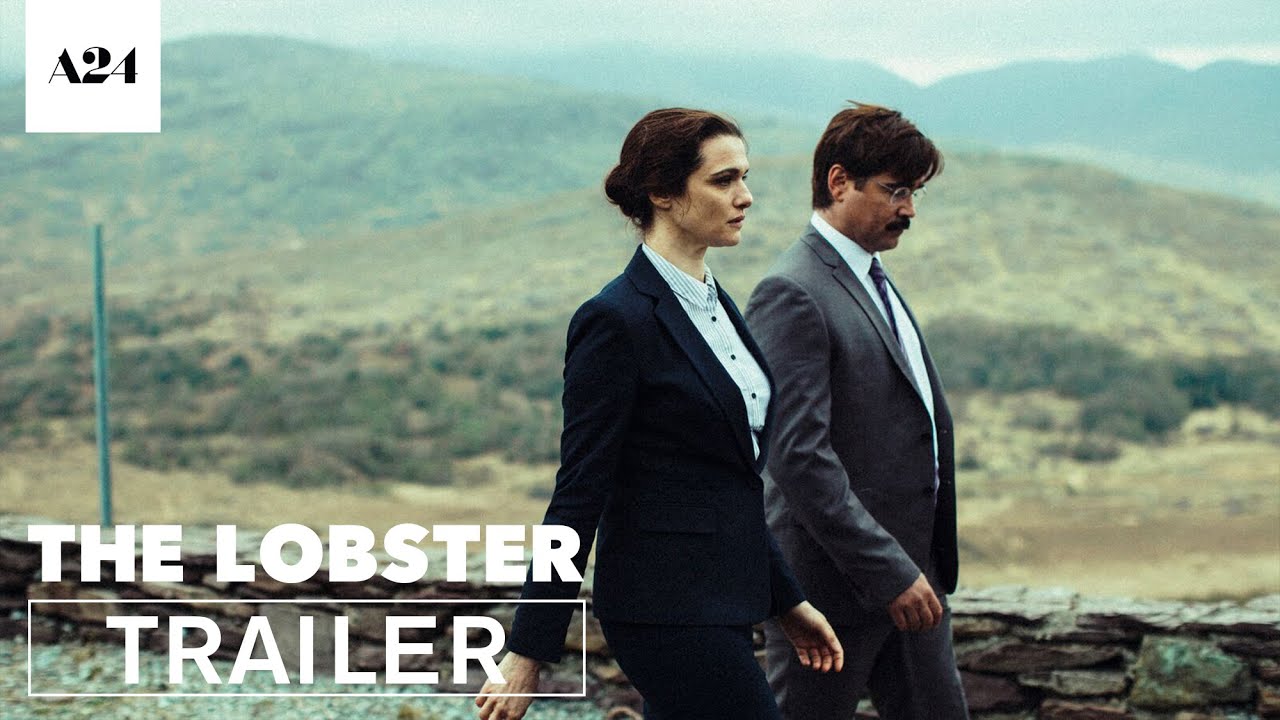
Ending Explained: The Lobster
Ficha de Daños Colaterales en Sala
Certificado de impacto psicofísico emitido por Lúa Ácida
Cero bostezos. Pupilas dilatadas y tensión mandibular constante.
Ninguna comprobación del tiempo. Se agradece la rareza.
Ninguna: la adrenalina cinematográfica es suficiente.
"No aplica. La obra se sostiene sola."
💬 El Veredicto de la Comunidad
¿Qué te ha parecido la película? Deja tu nota de 0 a 10 para contrastarla con el análisis de la redacción.
Aún no has votado
📢 ¿Te ha gustado el ácido?
Comparte esta crítica con tus amigos cinéfilos o desata la polémica en redes.
⚡ THE CINEMATIC VENOM YOUR INBOX CRAVES
No sugarcoated ratings, no corporate fluff. Subscribe for our uncensored weekly analysis or join the private Telegram for press previews, poll clashes, and instant alerts.
Alertas de estrenos en 1 segundo, encuestas en caliente y audios al salir de pases de prensa.
Recibe la dosis semanal en tu mail + regalo inmediato del PDF con 50 joyas ocultas de culto.
Related Reviews
Recommended autopsies for demanding film buffs.
 🔥 Fusión Nuclear8.5
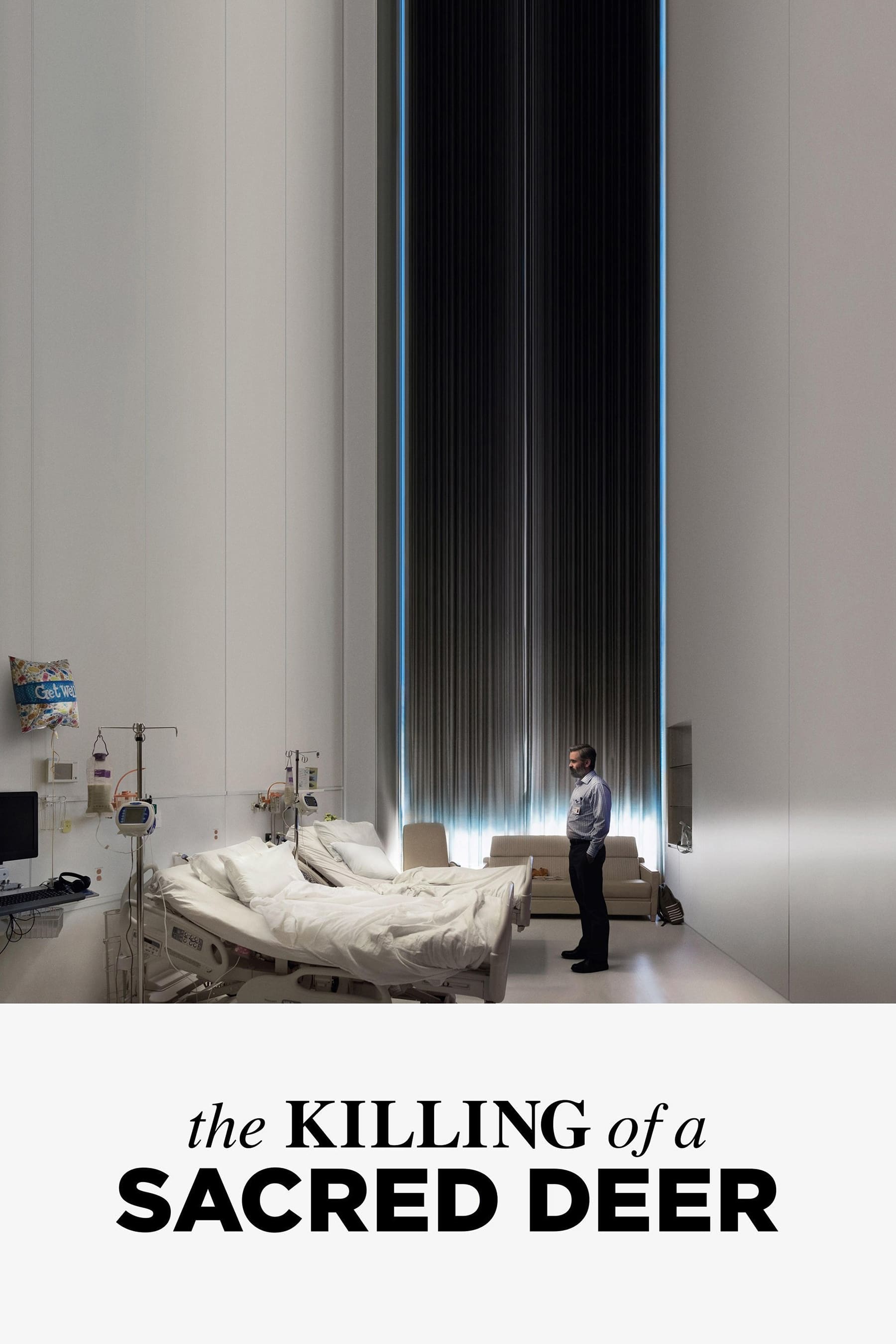
The Killing of a Sacred Deer: Yorgos Lanthimos’ Gothic Ritual of Slow-Motion Dread
⚡Del mismo director (Yorgos Lánthimos): analiza la evolución o degradación de su estilo.
Lanthimos turns trauma into grand guignol opera with Farrell, Kidman, and a Barry Keoghan who stares into your soul like a rusted scalpel. Chamber cinema hurtling toward horror at a glacial pace.
 🔥 Fusión Nuclear9.0
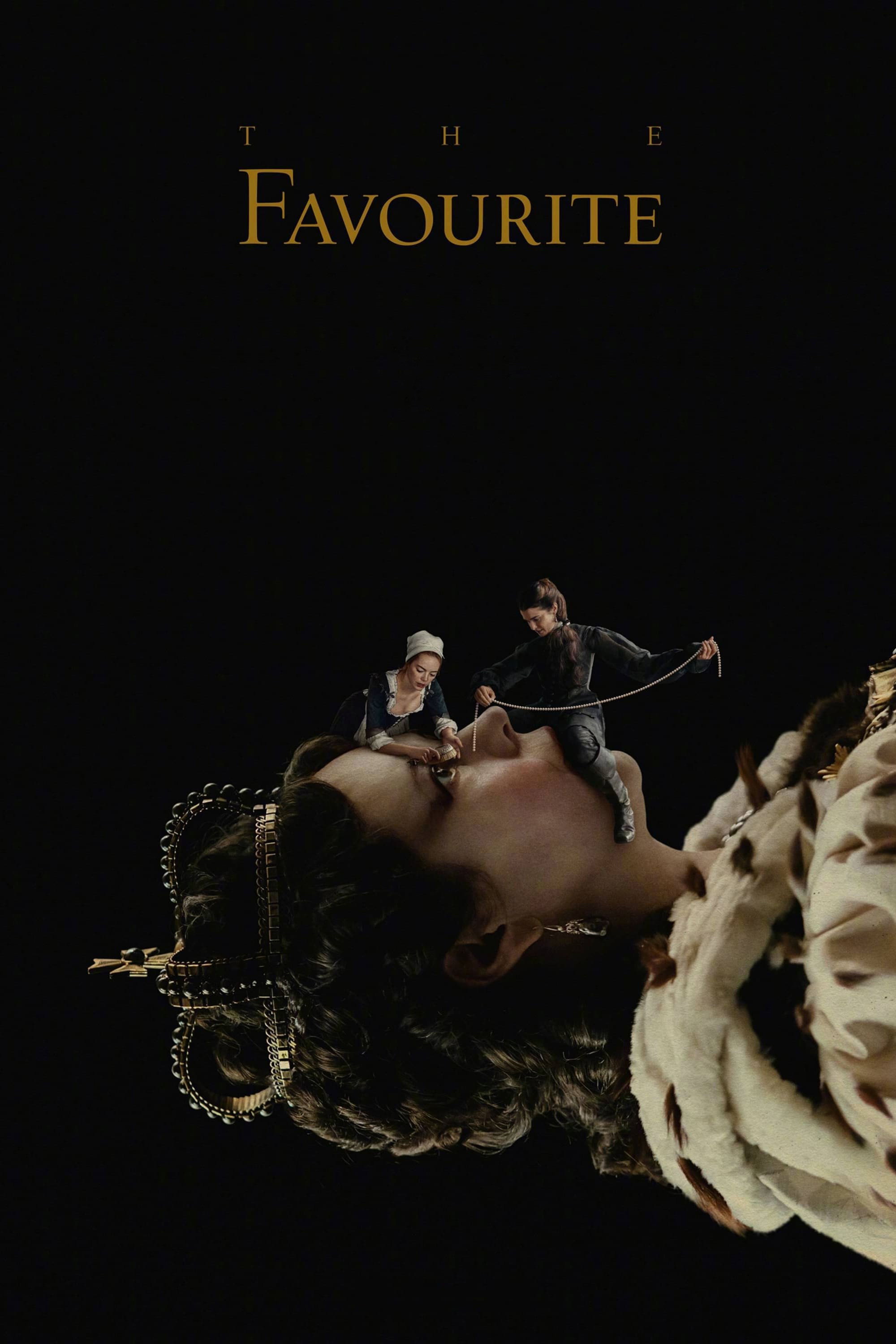
The Favourite: The Game of Thrones That Never Was (And That’s Why It’s a Masterpiece)
⚡Del mismo director (Yorgos Lánthimos): analiza la evolución o degradación de su estilo.
Yorgos Lanthimos turns Queen Anne’s palace into a luxury insane asylum. Emma Stone, Olivia Colman, and Rachel Weisz dance a minuet with daggers. 9.0/10. 💀
 ⚡ Ácido Cítrico7.5
**Bugonia: The Cosmic Snatch**
⚡Del mismo director (Yorgos Lánthimos): analiza la evolución o degradación de su estilo.
Two young men convinced an executive is an alien kidnap her. Will they save Earth—or just their own delusions?
Editorial Ecosystem
Cinephile connections, archive interviews and related analyses.
🎞️ In Claqueta Cinematheque3

💬 Debate Cinéfilo & Autopsia de Lectores
0 veredictos¿Discrepas con nuestra nota? ¿Es una obra maestra o veneno puro? Deja tu veredicto abajo sin necesidad de registro.


Aún nadie ha dejado su veredicto para esta película.
Sé el primero en clavarle el colmillo rellenando el formulario de arriba.