Michael — The Lavish, Extremely Sanitized Golden Altar to the King of Pop
A review of Antoine Fuqua’s ambitious musical biopic about Michael Jackson. A dazzling technical and choreographic spectacle that stumbles when it comes to addressing the real shadows behind the myth.

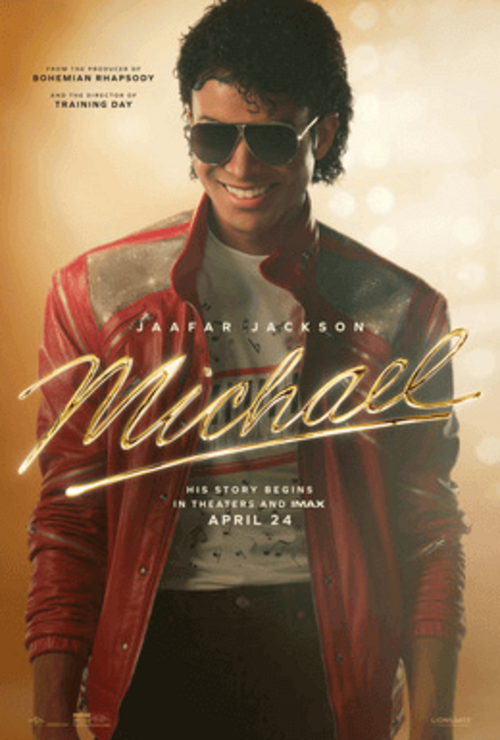


Michael: The Biopic That Turns a King Into a Plastic Saint with Gold-Plated Choreography
Making a movie about Michael Jackson’s life isn’t just a risky bet—it’s like trying to rebuild the Titanic with toothpicks and glue, knowing full well that purists will crucify you for leaving out the iceberg. Michael (2025), directed by Antoine Fuqua and blessed by the Jackson family as if it were the new gospel of pop, bills itself as "the definitive biopic"—a concept as pretentious as an Oscar for "Best Picture" that no one remembers the day after. And yet, here it is: a spectacle of lights, sweat, and sugar-coated tears that dances over the grave of human complexity with the grace of a roller-skating elephant.
Choreography as Religion: When Movement Saves the Saint
If anything saves Michael from drowning in its own sentimental syrup, it’s ironically what its subject did best: pure spectacle. Fuqua, a director who usually navigates urban thrillers (Training Day) and revisionist westerns (The Magnificent Seven), proves here that his real talent lies in being a choreographer of the masses with an unlimited budget. The musical sequences are, without exaggeration, monuments to controlled excess: every frame of Beat It (recreated with surgical precision that would make Scorsese weep in The Last Waltz) or the iconic moonwalk at Motown’s 25th anniversary are fragments of pure cinema, where Dion Beebe’s camera—veteran cinematographer who dazzled us in Chicago and Memoirs of a Geisha—becomes another dancer, spinning, zooming in and out with the same obsession for detail that Jackson poured into his steps.
The problem is that, in Fuqua’s cinema, form always threatens to devour substance. The concert scenes are so flawless that you almost forget you’re watching a movie about a man, not a hologram. It’s as if Michael were Bohemian Rhapsody but with a bigger budget and less shame: a parade of iconic moments stitched together-la-cueva-de-los-espejos-rotos" class="text-amber-400 font-black hover:text-amber-300 transition underline decoration-amber-500/40 hover:decoration-amber-300" title="[6.5/10 ⚡ Ácido Cítrico] Lee nuestra autopsia de «Together»" data-acid-interlink="together-la-cueva-de-los-espejos-rotos">together with gold thread and stuffed with emotional cotton candy. The recreation of Thriller (1983), for example, isn’t just faithful down to the last zombie—it’s a statement of intent: here, we don’t question, we worship. And boy, do they do it well. If the goal was to have audiences leaving the theater humming Billie Jean with nostalgia in their eyes, mission accomplished. But if they were trying to understand Michael Jackson, then they’ve failed with the elegance of a clown at a funeral.
Jaafar Jackson: The Nephew Who Saved the King (or at Least His Shadow)
At the center of this circus of lights and shadows is Jaafar Jackson, Michael’s nephew, who, against all odds, not only looks like his uncle but portrays him with a mix of fragility and magnetism that borders on the supernatural. This isn’t a cheap imitation—it’s a controlled possession, as if the King of Pop’s spirit had decided to reincarnate in his own bloodline to stop Hollywood from turning him into a joke. Jaafar doesn’t just replicate the moves, the voice, or that nervous laugh we all recognize instantly—he captures something more elusive: the loneliness of genius.
His performance shines brightest in the childhood scenes, where young Michael (played by a mini-Jaafar who looks like he was cloned in a lab) endures the physical and emotional abuse of his father, Joseph Jackson. Here, Colman Domingo—an actor who deserves his own statue on the "Memorable Villain" Walk of Fame—steals the show with a ferocity that makes the rest of the cast look like extras. Domingo doesn’t play Joseph—he embodies him like a biblical demon, a man who sees his children as products and his wife as furniture. His presence is so oppressive that you suddenly understand why Michael spent his adult life trying to build Neverland: because he’d already lived through hell at home.
The contrast between adult Michael (Jaafar) and his father is one of the few moments where the film dares to scratch the surface of tragedy. But even here, Fuqua and screenwriter John Logan (yes, the same guy who wrote Gladiator and Skyfall, because apparently Hollywood thinks biopics are written with the same formula as sword-and-neoprene-suit movies) pull up short. Joseph is a monster, sure, but a convenient one—a monster that justifies the trauma without delving into how that trauma shaped a man who, decades later, would be accused of recreating similar dynamics with children.
The Elephant in the Room (or How to Sweep the Scandals Under Neverland’s Rug)
And here we arrive at Michael’s original sin: its moral cowardice. The film addresses the sexual abuse allegations against Jackson with all the subtlety of a sledgehammer wielded by a team of lawyers. Instead of exploring ambiguity, contradiction, or—God forbid—the possibility that the King of Pop was a human being with both light and shadow (as Leaving Neverland did with far more rawness and less budget), Michael opts for the narrative of the misunderstood martyr.
Adult Michael is portrayed as a big kid trapped in a grown man’s body, a pure soul hounded by a tabloid press and greedy families who see him as an ATM with legs. The scenes that touch on the subject are so uncomfortable they feel lifted from a Law & Order episode directed by Walt Disney: there are tears, there’s violin music, there are reproachful glances at the camera, but not a single uncomfortable question. Why did Michael surround himself with children? Why did he sleep in the same bed as them? Why did his obsession with childhood border on the pathological? The movie prefers to answer with awkward silence and a quick cut to a dance number.
It’s telling that, in a two-and-a-half-hour film, the 1993 and 2005 allegations take up less screen time than the recreation of the Smooth Criminal music video. And when they are addressed, it’s with the tone of a cheap soap opera: Michael is the victim, the media are the villains, and the audience is reduced to a Greek chorus sighing and shaking their heads in disapproval. No nuance, no doubts, no humanity. Just the official version, blessed by the family and polished until it shines like its protagonist’s white glove.
The Biopic as Product: When Art Surrenders to Branding
Michael isn’t just a movie—it’s a luxury product with the Jackson brand’s seal of approval. And like any good product, it’s designed to not offend, not question, and, above all, not make you think too hard. It’s the cinematic equivalent of a greatest hits album: everything you love, nothing that makes you reflect.
John Logan’s script follows the classic authorized biopic structure: traumatic childhood → meteoric rise → tragic fall → posthumous redemption. It’s the same formula we’ve seen in Ray, Walk the Line, and Rocketman, but with more money and less risk. The film doesn’t take a single chance: not in the narrative, not in the tone, not even in the song choices (because, of course, there’s not a single note that isn’t public domain). It’s as if the creators followed a manual titled "How to Make a Biopic Without Getting Sued by the Family."
Even the soundtrack, composed by a team that includes Quincy Jones (original producer of Thriller) and an army of session musicians, sounds too polished, too perfect. The versions of Jackson’s songs in the film aren’t recreations—they’re sterile tributes, like someone wiped down the originals with a damp cloth to remove any trace of sweat, imperfection, or life.
The Third Act: When Melodrama Becomes a Soap Opera
Michael’s greatest sin, however, arrives in its third act, when the film abandons any pretense of seriousness and dives headfirst into the most saccharine melodrama. Jackson’s physical decline, his addiction to painkillers, his financial troubles, and his growing isolation are presented with a tone so mawkish it borders on parody. The scenes of Michael looking at old photos while a sad ballad plays are so predictable you can almost hear the screenwriter saying, "Cue the emotional music—this’ll make the usher cry."
And then there’s the death. Because, of course, the movie couldn’t end without recreating Jackson’s passing in 2009. The sequence is so manipulative and over-the-top it feels lifted from an episode of Grey’s Anatomy: flickering lights, doctors running, monitors beeping, and Jaafar Jackson staring into the void with a perfectly placed tear on his cheek. No dignity, no subtlety—just cheap pathos. It’s as if Fuqua forgot that sometimes, silence speaks louder than a soundtrack of weepy violins.
The Best
- Jaafar Jackson, or how to steal a myth’s soul without anyone noticing: It’s not just that he looks like Michael—he portrays him with a mix of vulnerability and charisma that makes even the most ridiculous scenes feel believable. If he doesn’t win the Oscar for Best Actor this year, it’s because the Academy is afraid Jackson will rise from the grave to claim it.
The Worst
- Moral cowardice, or how to turn a man into a plastic saint: The film dodges every uncomfortable topic with the grace of an ostrich burying its head in the sand. The abuse allegations, the obsession with childhood, the relationships with children… Everything gets swept under Neverland’s rug with a "he was like that, they just didn’t understand him."
The Verdict of Claqueta Ácida (7/10)
Michael is a dazzling spectacle for the senses and an insult to the intellect, a biopic that dances like an angel but thinks like a corporate lawyer. Antoine Fuqua and his team have created a flawlessly oiled nostalgia machine, a tribute that worships the idol without questioning the man, and that prefers the neon glow of the spotlight to the darkness of human shadows. Jaafar Jackson saves the project from being a total disaster, the musical sequences are monuments to well-executed excess, and Colman Domingo steals the show every time he appears. But in the end, Michael is what it always was: a product, designed to move fans, avoid lawsuits, and leave the myth untouched. If you were looking for an honest portrait of one of the 20th century’s most complex artists, keep searching. If you wanted to see Thriller on the big screen with a family drama on the side, here’s your golden ticket. Just don’t forget to check your brain at the door.🎬 Tráiler Oficial
Abrir en YouTube
Ending Explained: Michael
Ficha de Daños Colaterales en Sala
Certificado de impacto psicofísico emitido por Silvia Mordaz
3 amagos en el tramo intermedio; pestañeo pesado en las transiciones más innecesarias.
Minuto 48 y minuto 88 (comprobando cuánto quedaba de suplicio).
2 espresso para no dejarse vencer por la mediocridad cómoda.
"A mitad del segundo acto cuando la subtrama secundaria empezó a pesar más de lo que aportaba."
💬 El Veredicto de la Comunidad
¿Qué te ha parecido la película? Deja tu nota de 0 a 10 para contrastarla con el análisis de la redacción.
Aún no has votado
📢 ¿Te ha gustado el ácido?
Comparte esta crítica con tus amigos cinéfilos o desata la polémica en redes.
⚡ THE CINEMATIC VENOM YOUR INBOX CRAVES
No sugarcoated ratings, no corporate fluff. Subscribe for our uncensored weekly analysis or join the private Telegram for press previews, poll clashes, and instant alerts.
Alertas de estrenos en 1 segundo, encuestas en caliente y audios al salir de pases de prensa.
Recibe la dosis semanal en tu mail + regalo inmediato del PDF con 50 joyas ocultas de culto.
Related Reviews
Recommended autopsies for demanding film buffs.
 ⚡ Ácido Cítrico7.5
A Ghost Story: A Journey Through Time and Memory
⚡Comparten trinchera editorial en la sección de Críticas.
The Claqueta Ácida review of A Ghost Story, a film that explores existence and human connection.
 ⚡ Ácido Cítrico7.2
Acid in the Veins: Fede Álvarez Revives the Tactile Panic of Alien
⚡Comparten trinchera editorial en la sección de Críticas.
Industrial claustrophobia and pure physical terror. A merciless critique of Ian Holm's CGI and the cheap nostalgia that stains the franchise's return.
 🔥 Fusión Nuclear8.0
*Backrooms: The Maze of Madness – A Descent into Overhyped Nothingness*
⚡Comparten trinchera editorial en la sección de Críticas.
*A scathing takedown of the horror series everyone’s raving about—spoiler: it’s not that deep.*
Editorial Ecosystem
Cinephile connections, archive interviews and related analyses.
💬 Debate Cinéfilo & Autopsia de Lectores
0 veredictos¿Discrepas con nuestra nota? ¿Es una obra maestra o veneno puro? Deja tu veredicto abajo sin necesidad de registro.

Aún nadie ha dejado su veredicto para esta película.
Sé el primero en clavarle el colmillo rellenando el formulario de arriba.