The Passenger — A Thriller That Runs Out of Gas at the Rest Stop
Raúl Cerezo turns a promising concept into 91 minutes of tension that deflates faster than a used airbag. Canned scares or just plain narrative laziness?



'''''''''''''''tweets_alternativos:'''''''''''''''
- "Raúl Cerezo tenía un concepto de terror claustrofóbico y lo convirtió en un episodio alargado de «Aquí no hay quien viva». @raulcerezo, ¿te quedaste sin gasolina en la mitad del guión? #LaPasajera"
- "Cecilia Suárez y Ramiro Blas merecían un vehículo mejor que esta furgoneta de segunda mano. @ceciliasuarez @ramiroblas, os debo una caña. O dos. #CineDeGénero"
- "Ignacio Aguilar ilumina «La pasajera» como si fuera un parking de Mercadona a las 3 AM. ¿Falta de presupuesto o falta de ideas? @ignacioaguilarfoto, elige. #Fotografía"
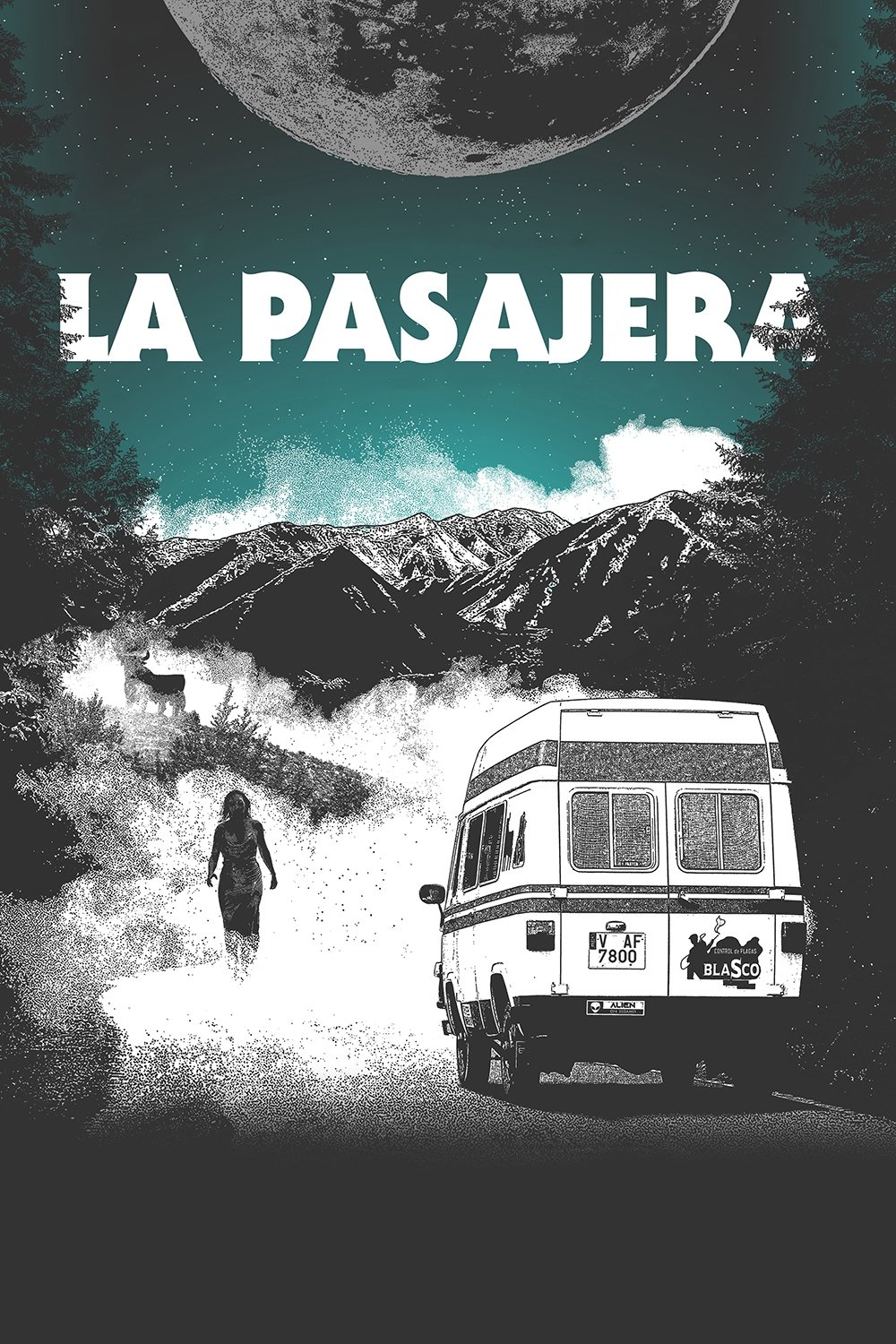
The premise is so simple it hurts: a van, six people, a wound that can’t touch the seat. If this doesn’t scream Ten Little Indians on a budget, you clearly haven’t watched enough late-night TV. Cerezo, who until now had dabbled in indie horror (Cold Skin) and psychological thrillers (The Club of the Misunderstood), seems to have confused «economy of means» with «narrative laziness». The result is a film that moves like a car with a dead battery: jerky, but going nowhere. The official synopsis promises a tension-filled journey, but what it delivers is a commuter train ride with delays and no air conditioning.
The cast, for their part, does what they can with a script that looks like it was scribbled on a bar napkin. Cecilia Suárez, an actress who usually shines even in supporting roles, here is reduced to making worried faces while repeating lines like «We can’t stop» or «Someone has to do something». Ramiro Blas, on the other hand, manages to convey something akin to desperation, though his character is so flat he seems cut out from another movie. The rest of the ensemble—Paula Gallego, Cristina Alcázar, Vasileios Papatheocharis, and Carmen Ibeas—move as if they’re in a dress rehearsal without a director: everyone knows their lines, but nobody seems to understand why they’re there. It’s like watching six actors at a casting call for an insurance ad, but with more fake blood.
And then there’s the space. The van, that uninvited character that should be the heart of the film, ends up being its biggest problem. Ignacio Aguilar, the cinematographer, lights the interior like a TV set: everything too bright, too visible, with no shadows to hide secrets or corners where fear can grow. It’s as if someone decided claustrophobic terror wasn’t enough and added a 1000-watt spotlight to ensure we don’t miss a single detail. The editing, meanwhile, is so predictable you could guess the next cut before it happens. Every time the camera zooms in on a character to show their reaction, you know there’ll be a cheap scare in three seconds. Spoiler: they always nail it.
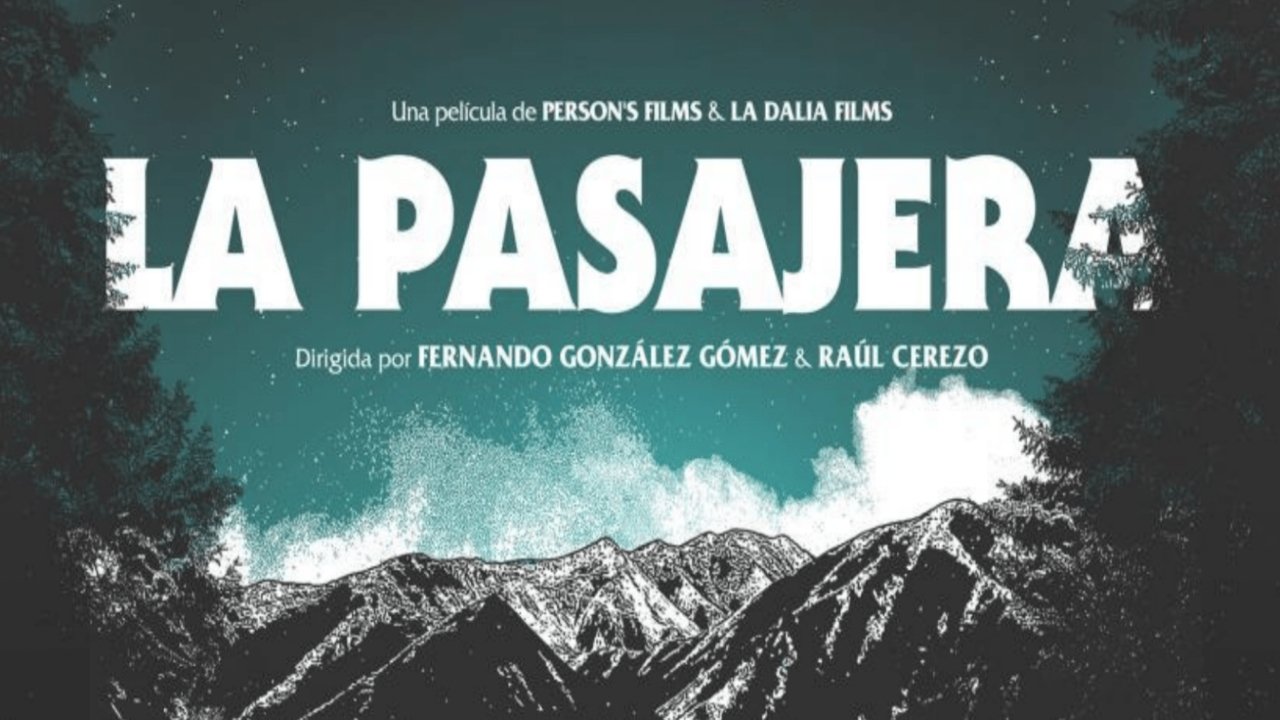
Direction and staging: the art of saying nothing with many shots
Raúl Cerezo directs The Passenger as if he’s solving a Rubik’s Cube blindfolded: he knows there’s a solution, but he’s not quite sure how to get there. The film starts with a promising scene—an accident on a back road, a wounded woman, a group of strangers forced to share space—but as soon as they get in the van, the magic fades. What should be an exercise in controlled tension becomes a succession of redundant dialogues and exaggerated reactions. Cerezo seems obsessed with reminding us we’re in a confined space—overhead shots, suffocating close-ups, shots from the trunk—but he forgets the most important thing: fear doesn’t come from the framing, but from what happens within it.
There’s a moment when the camera lingers on the side mirror, showing the landscape receding as the characters argue. It’s a beautiful shot, almost poetic, but it’s also a cruel reminder that outside that van, there’s a whole world these characters could escape to if the script hadn’t doomed them to repeat the same mistakes over and over. Cerezo tries to compensate for the lack of development with plot twists that arrive late and without force, as if someone had added pages to the script at the last minute. The problem isn’t that the twists are predictable—Spanish horror has been recycling the same tricks for decades—but that there’s nothing behind them. No characters, no atmosphere, nothing that makes those twists matter.
Sound is another major oversight. The soundtrack, composed of a synthesizer that sounds like it was rescued from an X-Files episode, tries to create tension but ends up being as annoying as a mosquito in a closed room. The dialogue, meanwhile, sometimes sounds like the actors are reading it for the first time, especially in group scenes. There’s a moment when two characters argue about what to do with the wound, and the conversation is so forced it feels like a Muchachada Nui sketch. It’s not that the actors are bad—though some seem more lost than a tourist on the Tokyo subway—it’s that the script gives them nothing to work with.
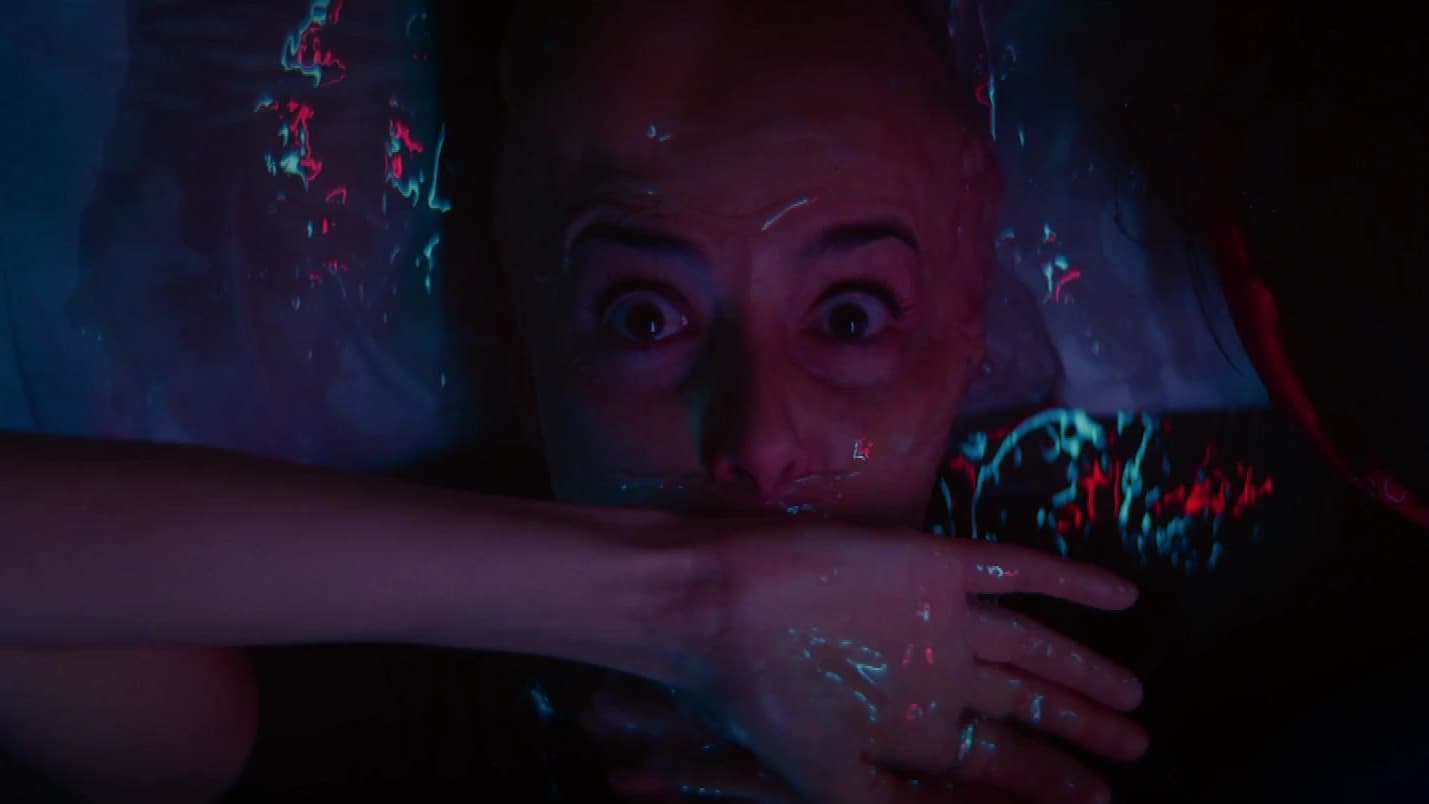
Performances: six people in search of a character
If there’s anything that saves The Passenger from total oblivion, it’s the performances. Not because they’re brilliant—they’re not—but because at least they try to give some humanity to characters the script left emptier than a beer can at an afterparty. Ramiro Blas is, by far, the most convincing. His character, a surly and reserved guy, could have been the typical cliché of «the mysterious man with a dark past», but Blas manages to add nuances with looks and silences. When he says lines like «It’s not a good idea» or «Someone’s going to get hurt», it doesn’t sound like a scripted line, but something a real human might say under stress. He’s the only one who seems to understand he’s in a horror movie, not a talent show.
Cecilia Suárez, for her part, does what she can with a character that swings between maternal concern and unmotivated hysteria. There’s a moment when her character sobs uncontrollably, and Suárez plays it with an intensity that almost makes you forget the scene makes no sense. Almost. The rest of the cast moves in a spectrum that ranges from forgettable (Paula Gallego and Cristina Alcázar) to irritating (Vasileios Papatheocharis, whose character seems lifted from an episode of Physics or Chemistry). Carmen Ibeas, as the driver, fares the worst: her character is so inconsistent that one moment she’s screaming as if the world is ending, and the next she acts as if nothing happened. It’s as if the screenwriter decided her character should be «the strong one in the group» but then forgot to give her a personality.
The biggest problem with the performances is that there’s no chemistry between the characters. In a claustrophobic horror film, the interaction between the protagonists is key: they either hate each other, fear each other, or desperately need each other. Here, instead, they seem like six strangers stuck in a broken elevator. There’s no sexual tension, no resentment, nothing that makes their interactions interesting. When two characters argue, it doesn’t matter who wins, because in the end, they all say the same thing: «We have to get out of here.» Spoiler: they don’t.
The best
- Ramiro Blas: The only one who seems to grasp he’s in a horror movie, not a car insurance ad. His kicked-puppy stare and uncomfortable silences are the closest thing to a real performance you’ll find in this film.
- The initial premise: A van, a wound, and six people trying not to touch each other. It’s a concept so simple it hurts, but also potent enough to have spawned something memorable. Too bad the script prefers to go in circles.
- Some shots by Ignacio Aguilar: There are moments when the cinematography manages to convey the claustrophobia of the space, especially in the close-ups of sweaty faces. It’s a shame it all deflates with lighting as flat as the script.
The worst
The script by Luis Sánchez-Polack: A masterclass in narrative laziness that repeats the same dialogues, the same twists, and the same mistakes over and over. If terror were measured in written pages, The Passenger* would be a masterpiece. Unfortunately, it’s not.
The lack of real tension: Cerezo confuses «tight shots» with «tension», but fear isn’t built with framing—it’s built with characters and situations that matter. Here, the scares are as predictable as the ending of a Cuéntame* episode.
- The characters: Six people in a van and none of them have a defined personality. They’re like carnival dolls: you can move them around, but you’ll never know what they’re thinking or feeling. Or worse: you won’t care.
The soundtrack: A synthesizer that sounds like it was rescued from an X-Files* episode and tries to create tension but ends up being as annoying as a mosquito in a closed room.
The Verdict of Claqueta Ácida
The Passenger is the kind of film that makes you wonder what would’ve happened if Raúl Cerezo had spent as much time developing characters as he did planning overhead shots. It has all the ingredients of a good claustrophobic thriller—a confined space, a group of strangers, an invisible threat—but it’s missing the most important thing: something to say. It’s not bad, but it’s not good either. At best, it’s a film that fulfills its purpose without exciting, surprising, or, above all, scaring. If Spanish horror cinema were a set menu, The Passenger would be the lentil dish: nutritious, but nobody orders it twice. 💀
🎬 Tráiler Oficial
Abrir en YouTube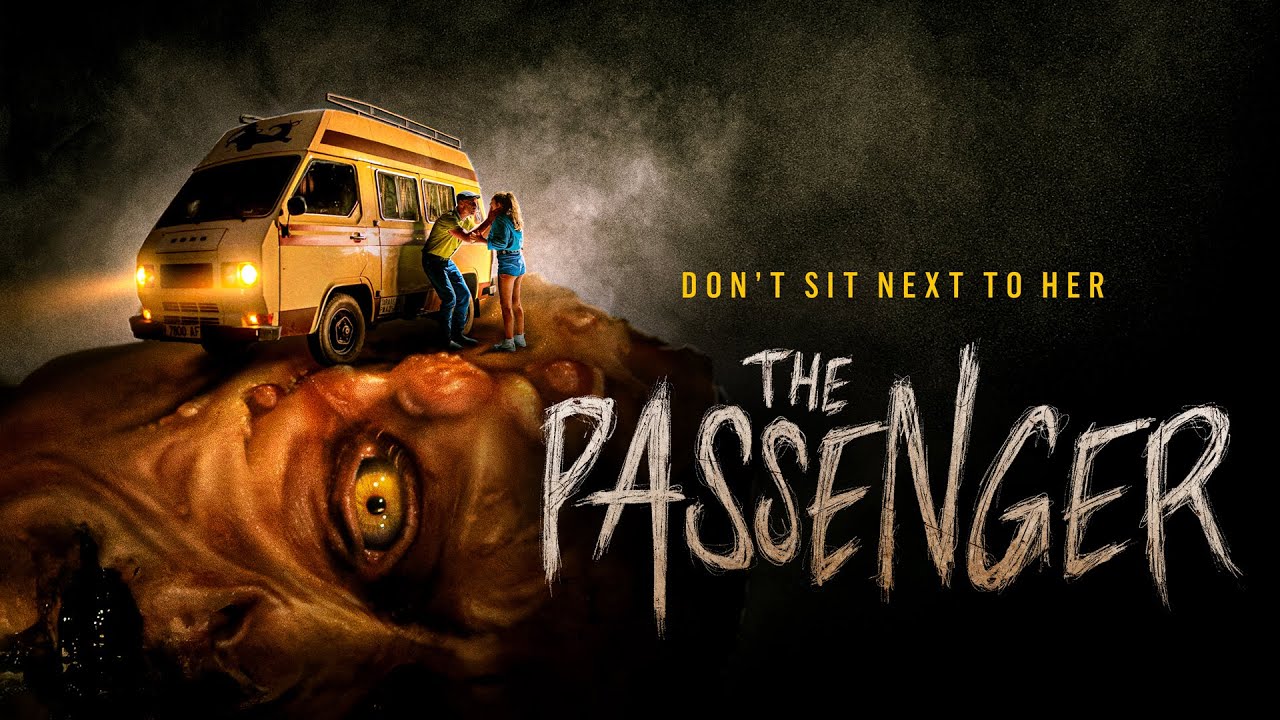
Ficha de Daños Colaterales en Sala
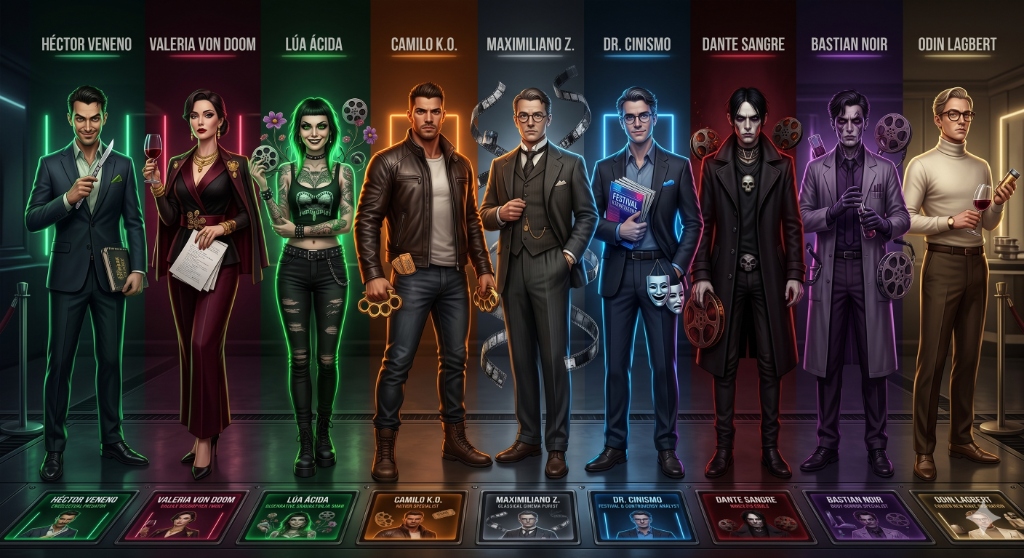
Certificado de impacto psicofísico emitido por Valeria Von Doom
3 amagos en el tramo intermedio; pestañeo pesado en las transiciones más innecesarias.
Minuto 50 y minuto 82 (comprobando cuánto quedaba de suplicio).
1 espresso para no dejarse vencer por la mediocridad cómoda.
"A mitad del segundo acto cuando la subtrama secundaria empezó a pesar más de lo que aportaba."
💬 El Veredicto de la Comunidad
¿Qué te ha parecido la película? Deja tu nota de 0 a 10 para contrastarla con el análisis de la redacción.
Aún no has votado
📢 ¿Te ha gustado el ácido?
Comparte esta crítica con tus amigos cinéfilos o desata la polémica en redes.
⚡ THE CINEMATIC VENOM YOUR INBOX CRAVES
No sugarcoated ratings, no corporate fluff. Subscribe for our uncensored weekly analysis or join the private Telegram for press previews, poll clashes, and instant alerts.
Alertas de estrenos en 1 segundo, encuestas en caliente y audios al salir de pases de prensa.
Recibe la dosis semanal en tu mail + regalo inmediato del PDF con 50 joyas ocultas de culto.
Related Reviews
Recommended autopsies for demanding film buffs.
 🔥 Fusión Nuclear8.0
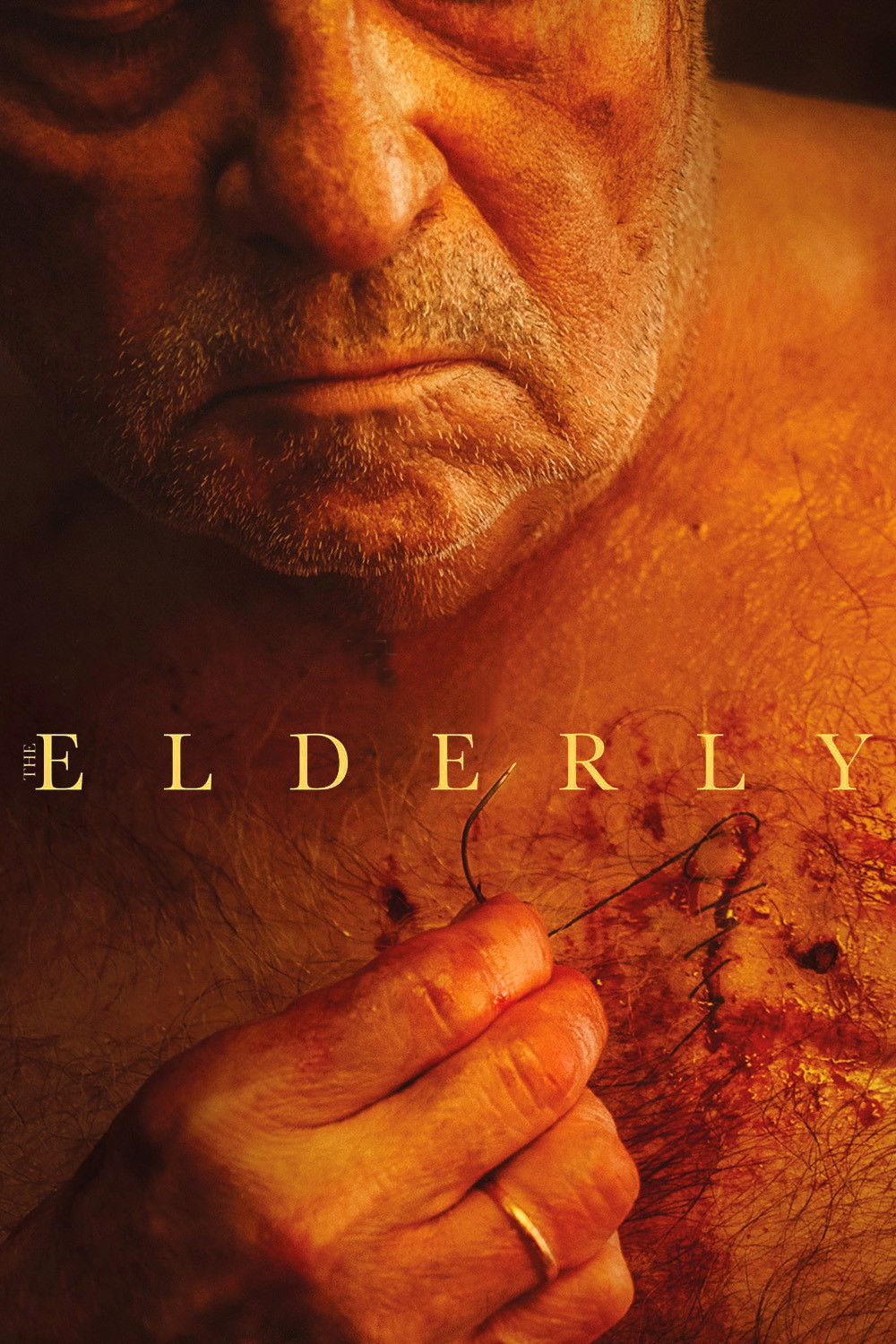
Oldies: The Summer Grandpa Became a Ghost (And Nobody Noticed)
⚡Del mismo director (Raúl Cerezo): analiza la evolución o degradación de su estilo.
Raúl Cerezo delivers a Spanish Gothic thriller that reeks of mothballs and sweat. Psychological terror or nursing home nightmare? Let’s dissect it.
 ⚡ Ácido Cítrico6.6
28 Years Later: The Rage Virus Returns... Along with the Boredom
⚡Comparten trinchera editorial en la sección de Perros Verdes.
Danny Boyle and Alex Garland attempt to resurrect post-apocalyptic terror with an iPhone 15 Pro Max. Spoiler: it doesn’t work.
 ⚡ Ácido Cítrico7.1
28 años después
⚡Comparten trinchera editorial en la sección de Perros Verdes.
Una secuela que huele a podrido desde el primer fotograma. Garland y DaCosta intentan revivir el género, pero el resultado es un KO técnico disfrazado de obra maestra.
Editorial Ecosystem
Cinephile connections, archive interviews and related analyses.
🎞️ In Claqueta Cinematheque1
💬 Debate Cinéfilo & Autopsia de Lectores
0 veredictos¿Discrepas con nuestra nota? ¿Es una obra maestra o veneno puro? Deja tu veredicto abajo sin necesidad de registro.

Aún nadie ha dejado su veredicto para esta película.
Sé el primero en clavarle el colmillo rellenando el formulario de arriba.