Verity — When the Publishing Industry Turns Usurpation into a Bestseller
An acidic analysis of Michael Showalter's Verity. The fantasy of the ghostwriter as a metaphor for the structural violence of the industry.
Verity: full review
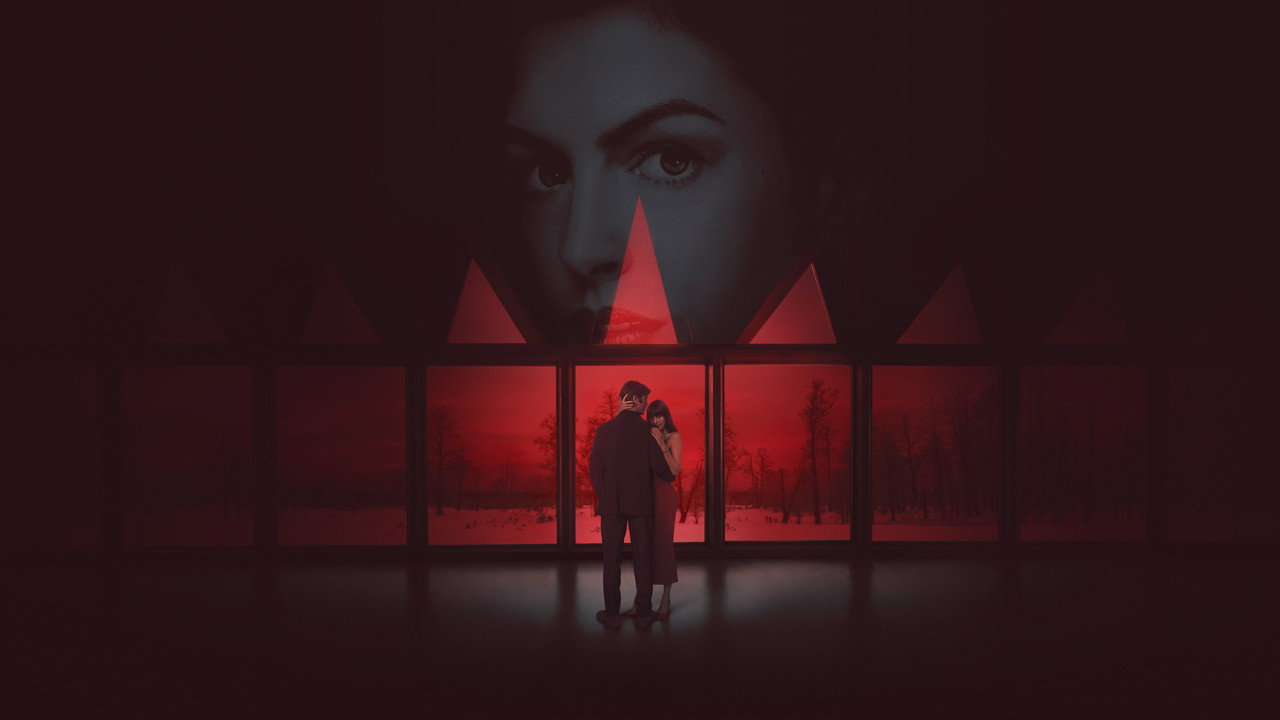
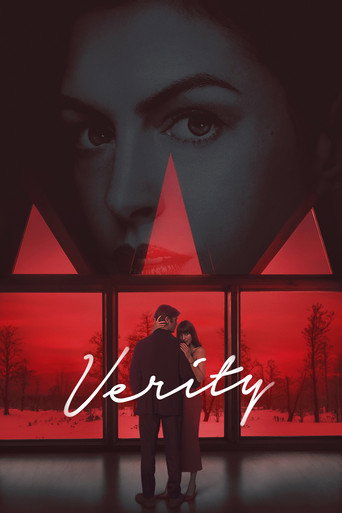
What happens when a narrative promises to unearth the darkest secrets of the female psyche, but merely sanitizes the ways in which the market devours external talent? The premise of kicking things off with a struggling writer hired to finish the work of a successful author left immobilized after an accident seemed like the perfect excuse for a conventional suspense exercise. However, the true nature of this proposal escapes simple domestic sensationalism to settle on much more uncomfortable ground. We are not dealing with the typical tale of madness in an isolated mansion, but rather with a remarkably lucid dissection of the usurpation of authorship. It is a film that smells of old ink and dirty money, an atmosphere breathed in every static shot of the Crawford residence.
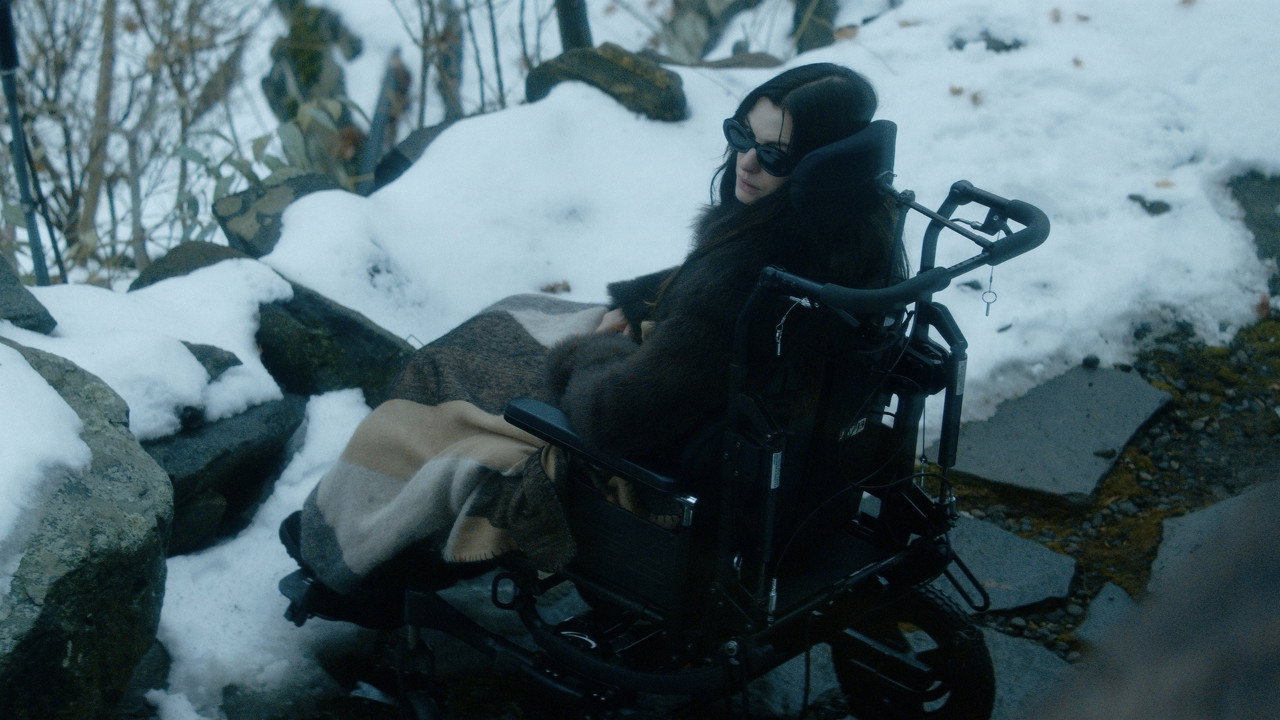
Lowen Ashleigh's arrival at the Crawford estate functions as a perfectly calculated mechanism where initial empathy rapidly dissolves into suspicion. Far from chasing supernatural terror, the screenplay penned by Nick Antosca prefers to lean on workplace asphyxiation and the silent violence of publishing contracts. The mansion ceases to be a home and transforms into the showcase where the inactive body of a creator is exhibited and the commercial value of her words is negotiated. Michael Showalter's direction opts for a comfortable distance that avoids the cheap scream, favoring the opacity of glances and sustained tension in overly silent corridors. Showalter, known for his work in acidic comedies, demonstrates a surprising narrative maturity here, controlling the pacing with the patience of a predator who knows the prey isn't going to run.
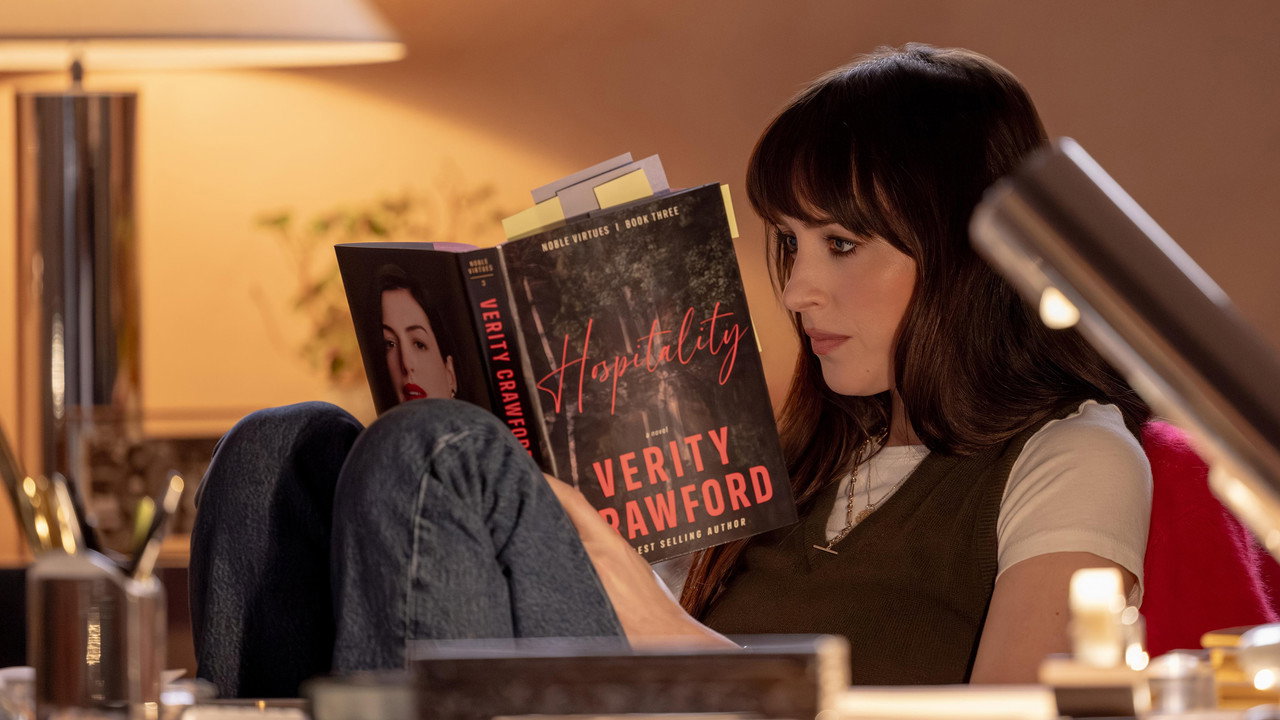
On this chessboard, Dakota Johnson's performance as the ghostwriter trapped in an ethical dilemma effectively conveys the discomfort of one who sells her own voice to survive. Her face reflects the progressive erosion of her identity, a wear and tear noticeable in every wrinkle of her forehead as she reads the manuscript. Opposite her, Anne Hathaway's presence in the role of Verity exerts a disturbing gravitational pull, constructing a character whose influence persists even in the silence of her convalescence. Hathaway doesn't need to move to dominate the scene; her mere existence is a threat. Josh Hartnett completes this triangle as the husband caught between grief and commercial necessity, endowing his character with an ambiguity that disarms any simplistic reading of the plot. Jim Frohna's cinematography accompanies this climate with a restrained palette that accentuates the claustrophobia of enclosed spaces, utilizing long shadows that seem to devour the characters before they even realize it.
The architecture of accepted plagiarism
The film's greatest achievement lies in how it exposes the naturalness with which creative theft is assumed in the literary sphere. No one cares who actually writes the books, as long as the final product keeps sales figures stable in bookstores. This normalization of usurpation turns Lowen's work into a necessary farce for the system. The mansion functions as a perfect metaphor for the industry: a dazzling facade hiding sealed rooms full of unmentionable manuscripts. Showalter does not morally judge his characters; he limits himself to exposing them as interchangeable pieces within an editorial machinery that understands nothing of pure authorship. It is a critique of cultural capitalism disguised as a psychological thriller, where the true villain is not a person, but the sales algorithm.
Between the thriller and impersonation
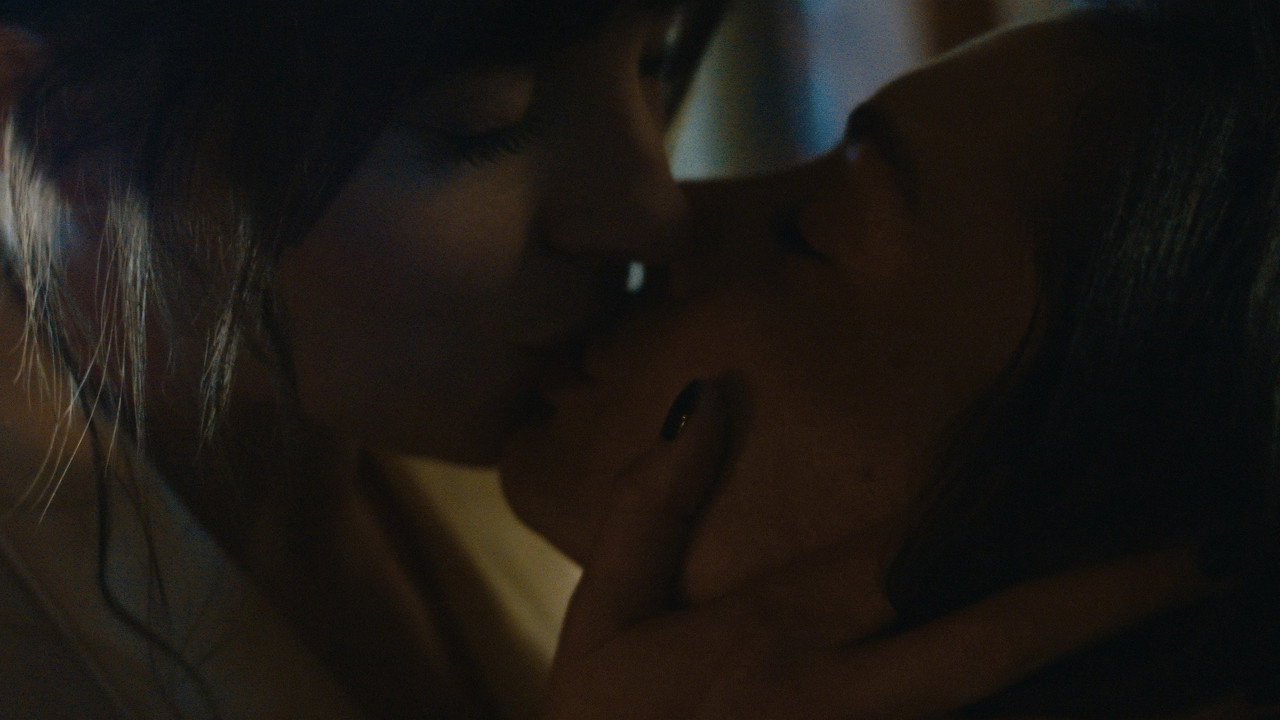
Dramatic development avoids falling into the usual excesses of melodrama thanks to a musical score by Volker Bertelmann that knows when to step back to make room for environmental tension. Encounters between characters are marked by a toxic courtesy where every phrase conceals a latent threat. The investigation Lowen undertakes in search of the truth about the titular author's past actually becomes a mirror of her own moral degradation. The further she advances in reading the hidden manuscript, the more evident it becomes that her own identity is being absorbed by the commercial myth she came to rescue. Editing plays with temporal confusion, mixing memories and readings until the viewer loses track of what is real and what is fiction, a dirty game that reinforces the sensation of losing control.
The best
- Acting duel: The silent tension between Dakota Johnson and Anne Hathaway sustains all the credibility of the tale.
- Claustrophobic atmosphere: The mansion's design perfectly reflects the suffocating weight of editorial expectations.
- Subtextual reading: The way the plot addresses the dispossession of one's own voice within the cultural market.
The worst
- Hasty resolution: Certain twists in the final stretch confuse narrative surprise with the artificial accumulation of revelations.
- Secondary character treatment: Some characters from the family environment are reduced to mere functional silhouettes without much arc.
The Verdict of Claqueta Ácida
Michael Showalter delivers an elegant thriller that operates with the precision of a bestseller-calculating machine. It doesn't revolutionize the genre, but it uses its codes with enough cynicism to remain stimulating. In the end, what is truly disturbing is not what the mansion's drawers hide, but the ease with which we are willing to applaud the theft of an identity if the final result can be read fast enough on the nightstand 💀.
🎬 Tráiler Oficial
Abrir en YouTube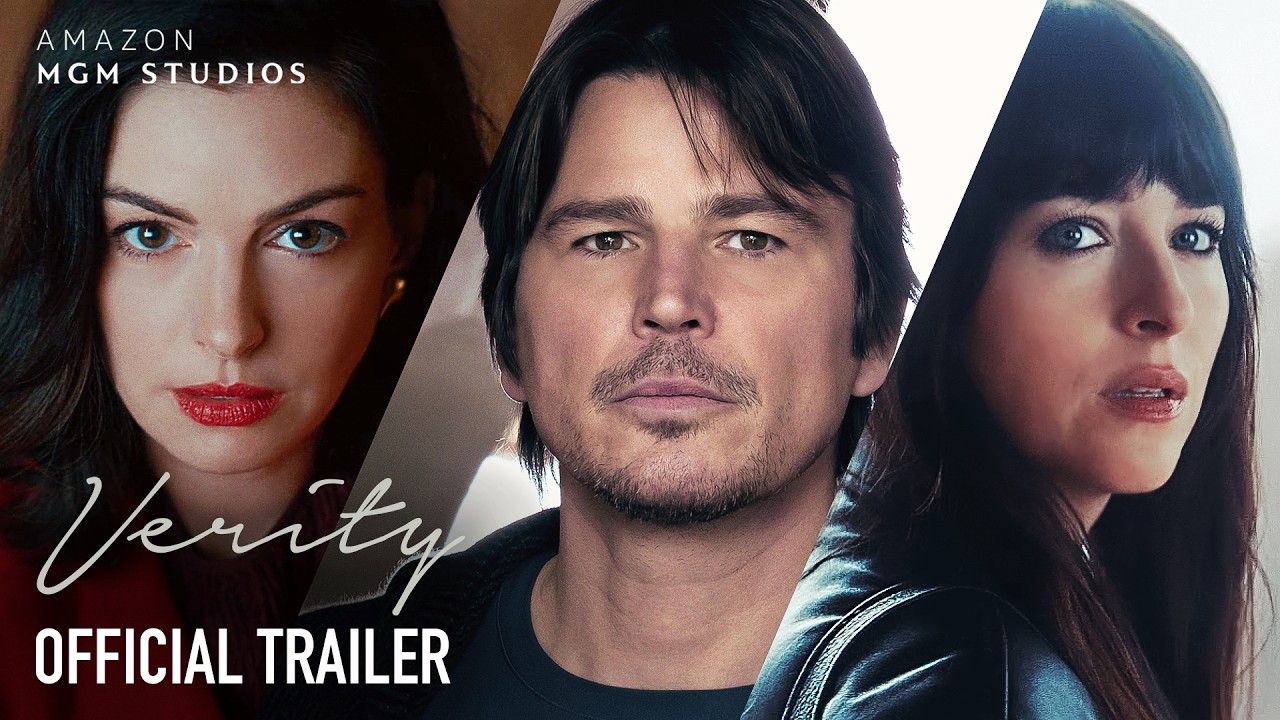
Verity: frequently asked questions
- What is the rating of "Verity" on Claqueta Ácida?
- "Verity" scored 6.8/10 on Claqueta Ácida in the review by Silvia Mordaz.
- Is "Verity" worth watching?
- With reservations. We gave it 6.8/10 (Citric Acid), our rating for uneven films with something worth saving.
- Who directed "Verity"?
- "Verity" was directed by Michael Showalter.
Theater Collateral Damage Report
Psychophysical impact certificate issued by Silvia Mordaz
Cero bostezos, atrapados en la maquinaria de una usurpación editorial que funciona como un reloj suizo.
Ni una sola vez apetece mirar el reloj; el engranaje del engaño absorbe toda la atención.
Un espresso bien cargado para procesar las oscuras intenciones del mercado literario.
"El instante en que Lowen acepta cruzar la puerta de la mansión para suplantar una voz ajena sin retorno."
The rebuttal from Dr. Cinismo (Pretentiousness Radar)
In stark disagreement with the review given by Silvia Mordaz.
“Yo veo a Showalter intentando montar un thriller sobre apropiación de obra, pero lo que entrega es una sucesión de decorados pulcros y diálogos de manual de guion. El ambiente se queda en una iluminación plana que nunca genera la claustrofobia que la trama sugiere; la cámara se limita a encuadres estáticos sin explorar la arquitectura del espacio. Los personajes aparecen como fichas de un juego de poder, sin motivaciones que justifiquen sus decisiones, y la actuación de la protagonista se vuelve predecible tras los primeros veinte minutos. El sonido, en lugar de crear una presión constante, se apaga en los momentos críticos, dejando un vacío que el montaje intenta cubrir con cortes bruscos. En resumen, la película confía en un concepto atractivo pero lo diluye con recursos genéricos y una ejecución que no supera el nivel de un telefilme de horario.
💬 Community Verdict
What did you think of the film? Rate it from 0 to 10 to compare it with the editorial review.
You haven't voted yet
📢 ¿Te ha gustado el ácido?
Comparte esta crítica con tus amigos cinéfilos o desata la polémica en redes.
⚡ THE CINEMATIC VENOM YOUR INBOX CRAVES
No sugarcoated ratings, no corporate fluff. Subscribe for our uncensored weekly analysis or join the private Telegram for press previews, poll clashes, and instant alerts.
Alertas de estrenos en 1 segundo, encuestas en caliente y audios al salir de pases de prensa.
Recibe la dosis semanal en tu mail + regalo inmediato del PDF con 50 joyas ocultas de culto.
Related Reviews
Recommended autopsies for demanding film buffs.
 ⚠️ Ácido Sulfúrico 3.2
 On the Run: A Senseless Sprint
⚡ Afinidad temática directa en atmósfera, estilo y fijaciones visuales.
A marathon of clichés and marketing sweat that leaves the audience feeling like they've run in circles. 💀
 ⚡ Ácido Cítrico 6.8
 Azrael: Samara Weaving and the Hell of Silence
⚡ Afinidad temática directa en atmósfera, estilo y fijaciones visuales.
E.L. Katz and Simon Barrett deliver a brutal, relentless mute survival horror film where Samara Weaving once again proves why she is the modern scream queen.
 ⚡ Ácido Cítrico 6.9
 Beetlejuice Beetlejuice: Tim Burton Shits the Bed Again—With Style
⚡ Afinidad temática directa en atmósfera, estilo y fijaciones visuales.
Tim Burton resurrects his most iconic creature, but the script is a Frankenstein’s monster of stale jokes and half-digested nostalgia. Keaton still rules, but this reeks of easy money.
Editorial Ecosystem
Cinephile connections, archive interviews and related analyses.
💬 Debate Cinéfilo & Autopsia de Lectores
0 veredictos¿Discrepas con nuestra nota? ¿Es una obra maestra o veneno puro? Deja tu veredicto abajo sin necesidad de registro.


Aún nadie ha dejado su veredicto para esta película.
Sé el primero en clavarle el colmillo rellenando el formulario de arriba.