
Ending Explained: The Monster of St. Pauli
Fatih Akin and Pathological Empathy in the German Basement

💡 What does the ending really mean?
At the end of The Golden Glove, Fritz’s apartment catches fire while he is pursuing a woman, and firefighters discover the dismembered bodies. The police arrive at the scene, identify him as the perpetrator, and arrest him, putting an end to his killing spree.
What happens at the end
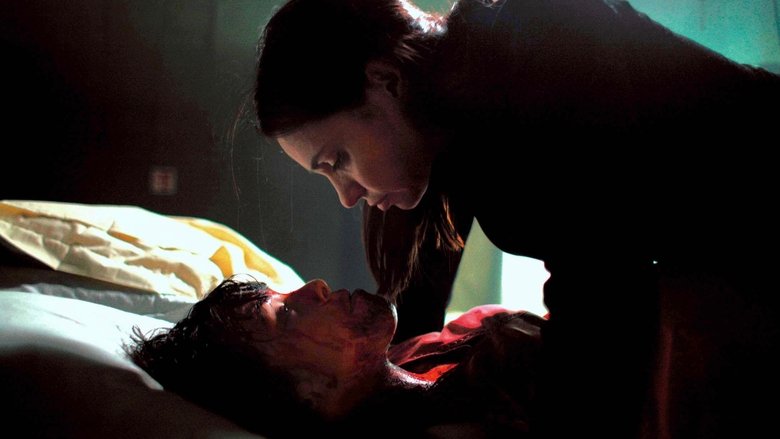
Fritz Honka, an alcoholic and marginalized night watchman, spends most of his time at the bar "The Golden Glove," where he associates with prostitutes and other vulnerable women. As the story progresses, his violence escalates: he murders, dismembers, and hides the remains of his victims in a crawl space in his apartment wall. Despite attempts to quit drinking and find steady employment, he relapses and continues to commit crimes.
Obsessed with Petra Schulz, a student he briefly saw at the bar, Fritz follows her through the streets. While he is pursuing her, his apartment catches fire; the firefighters who respond to the blaze discover the dismembered bodies. The police arrive at the scene, identify Fritz as the perpetrator, and arrest him. Petra survives and has no direct involvement in the murders; the climax focuses on the capture of the killer and the end of his wave of violence.
What it means
The Golden Glove is a critique of 1970s Germany, a society that attempted to hide its structural problems behind a facade of normalcy. The film shows how violence and degradation can flourish on the margins of urban life, in places as mundane as a dive bar. Director Fatih Akin uses the true story of Fritz Honka to explore the alienation, loneliness, and moral decay of an era marked by social exclusion. The work denounces the way society allows people like Honka to slip through the cracks of the system and commit atrocities without being detected.
What is left open
The film does not offer a definitive explanation as to why Fritz Honka became a serial killer. Although aspects of his childhood and his chaotic life are hinted at, the deep psychology motivating his actions remains unexplored. The plot focuses more on depicting the violence and degradation than on unraveling the underlying causes, leaving the viewer with the discomfort of not receiving simple answers regarding the origin of Honka's monstrosity.
As an Amazon Associate, Claqueta Ácida earns from qualifying purchases.
🎬 Official Trailer
Abrir en YouTube
More endings explained
-
 Inside: ending explained
-
 The Appeared: ending explained
-
 Primetime: ending explained
-
 The Sadness: ending explained
-
 Talk to Me: ending explained
-
 Inside: ending explained