
A Serbian Film — The Farce of the Abyss
A cynical dissection of Srdan Spasojevic's work, where horror is a cardboard trick and cruelty is a marketing strategy.
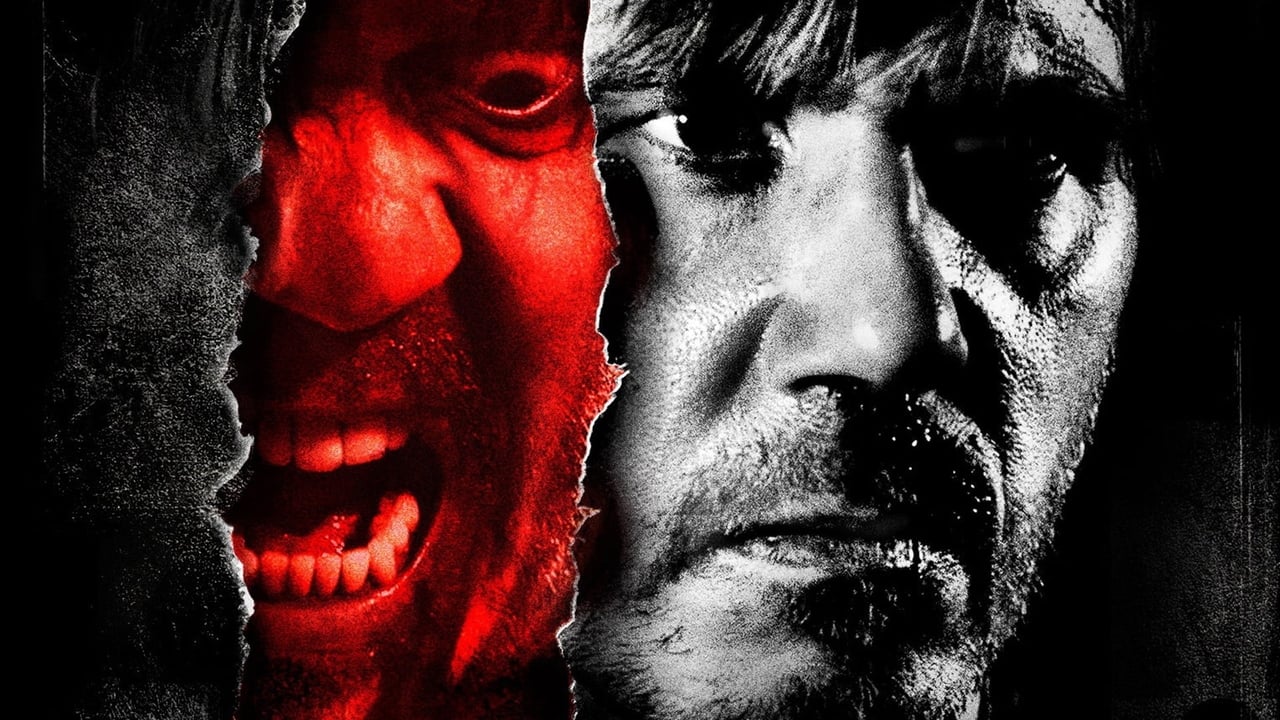

A Serbian Film: full review
As an Amazon Associate, Claqueta Ácida earns from qualifying purchases.
The film industry, always hungry for new forms of provocation, found in 2010 a particularly noisy toy in the work of Srdan Spasojevic. The reception of this work, with a Letterboxd audience that barely touches the floor of positive ratings, is the unequivocal symptom of a public that, faced with explicit brutality, prefers to close its eyes rather than admit it has been seduced by a carnival trick. We are not in the presence of a film seeking transcendence, but of an artifact designed to be consumed as a cursed cult object, a fetish of sordidness that feeds on our most plebeian curiosity. It is a piece that nourishes itself on its own infamy, building a reputation based on the visceral rejection it generates in festivals around the world.
Genre cinema in the Balkans has always had a penchant for trauma as a narrative engine, but Spasojevic decides here to raise the stakes to the absurd. The story of Milos, that retired porn actor who is dragged into a whirlwind of violence, functions as a distorting mirror of our own expectations. We want the director to scandalize us, we want him to prove that hell is a real place, and he gives it to us with a malicious precision. The film is not an indictment against corruption, despite what some critics claim, but a cynical mockery of those who seek deep meaning in the abyss. It is a stylistic exercise that laughs at its own audience, treating us as first-class voyeurs in a circus of horrors.
The structure of the film, which moves from domestic normalcy to snuff nightmare, is a clockwork mechanism that breaks on purpose. This rupture is not an editing error, but a conscious aesthetic decision to leave us disoriented. In the end, when the pieces try to fit together, we realize that the puzzle is a farce. The viewer looking for a social critique of the situation in Serbia is left empty-handed, while the viewer looking for strong emotions feels, quite rightly, a bit dirty. It is this duality that gives the work, despite its evident seams, an undeniable force. The film moves between family drama and the most abject horror without asking permission, leaving the viewer in a state of shock that, curiously, vanishes as soon as the credits appear.
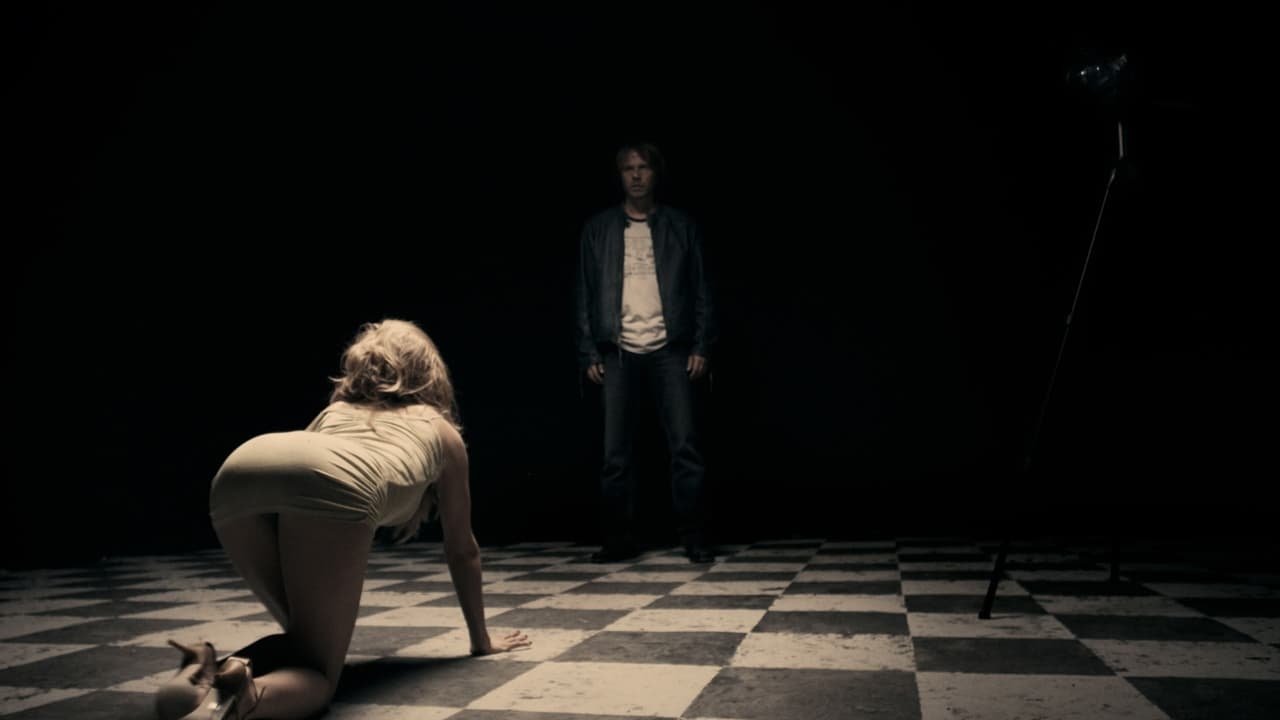
Srdan 'Zika' Todorovic, in the role of Milos, carries the weight of a narrative that would otherwise have collapsed under the weight of its own pretension. His performance is an exercise in containment amidst a chaos directed by Vukmir, that operetta villain played by Sergej Trifunovic who seems to have come out of a B-movie nightmare. The interaction between them is the axis on which the entire farce revolves. While the rest of the cast limits itself to inhabiting the horror, these two seem to understand the game of mirrors that Spasojevic has set up for us. There is a strange, almost toxic chemistry that keeps attention even when the plot becomes absolute nonsense. It is a duel of lost looks in a world that has lost any trace of humanity.
The staging of the deception
Spasojevic's direction is an exercise of authorial onanism that disguises itself as documentary urgency. Every shot is calculated to maximize visual impact, using sordidness as an aesthetic language rather than as a narrative tool. There is no subtlety in the way violence is presented to us; it is a free exhibition, a macabre mignardise served on a silver platter so that the viewer can feel moral superiority while delighting in the horror. The photography by Nemanja Jovanovic, for its part, is responsible for wrapping this absurdity in a patina of darkness that is, ironically, very attractive. The frames are tight, suffocating, forcing us to look at what we would prefer to ignore, but without providing a layer of meaning that justifies such a deployment of means.
The script by Aleksandar Radivojevic is where the film shows its true face of impostor. The dialogues, often laden with a bourgeois nihilism that borders on parody, attempt to justify the unjustifiable. It is a text that laughs at itself, that knows that every plot twist is an insult to intelligence, but that executes it with such conviction that you cannot help but keep looking. The progression to snuff is not a natural evolution, but a leap into the void that the viewer accepts because they have been conditioned to expect the worst. It is, in essence, a game of prestidigitation where the hand hiding the card is the same one that forces you to applaud. The narrative crumbles under the weight of its own metaphors, turning Milos's personal tragedy into a mere vehicle for visual impact.
Technique in the service of the farce
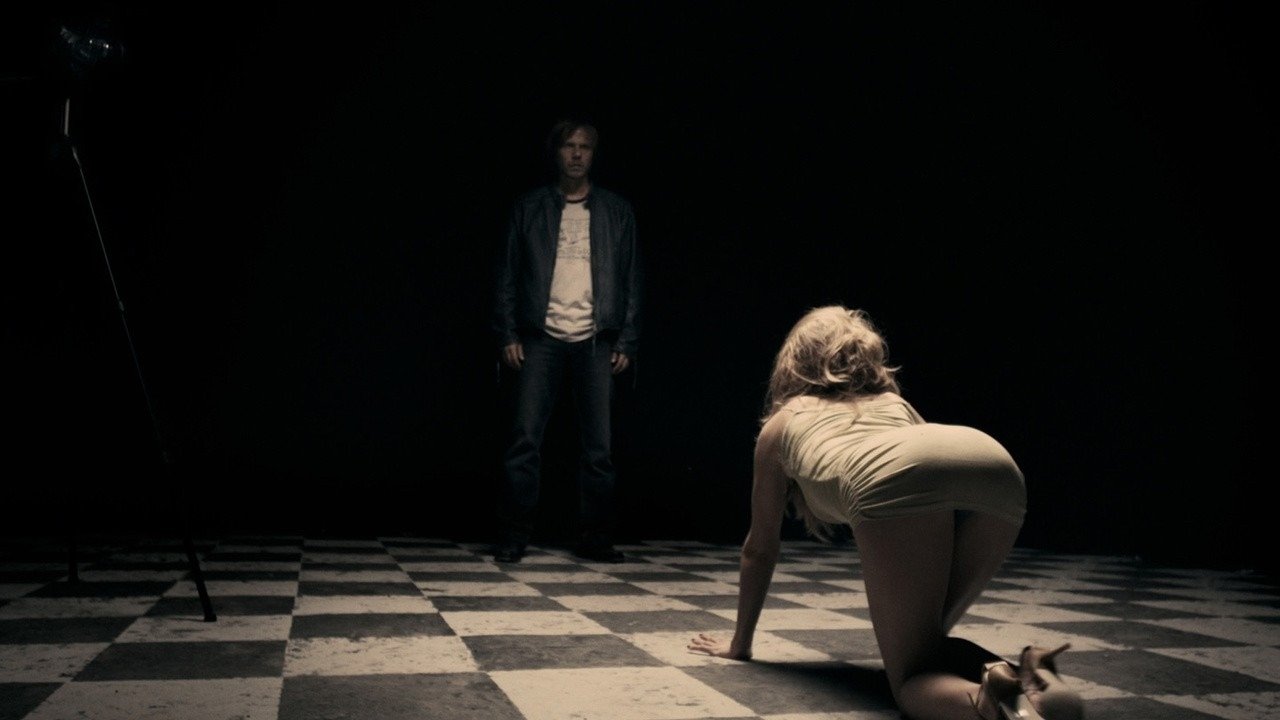
The technical aspect is the best ally of this cardboard trick. The soundtrack by Sky Wikluh, with its oppressive atmospheres, guides our emotions with the same lack of scruples as the director. There is no room for breath, nor for reflection. The film drags us through its own quagmire, convincing us that we are witnessing something historic when, in reality, we are only seeing a flawless technical execution of an empty script. It is the victory of form over content, a triumph of style that, in the end, turns out to be as hollow as Vukmir's promises to his protagonist. The production design, although limited, manages to create an atmosphere of decay that feels real, but lacks soul.
The moments of greatest violence, far from being testimonies of a political reality, are pieces of a spectacle designed for viral consumption. The film knows it will be judged by its ability to shock, and ensures it meets that quota systematically. There is no trace of that supposed need to break Western indifference; what there is is a manifest desire to be the center of the conversation, to be the object of study of a critique that, like me, cannot stop analyzing its own repulsion. It is a work that feeds on its own controversy, turning rejection into its best marketing campaign. In the end, the viewer is left with the feeling of having been used by a director who knows perfectly how to press the right buttons to generate a reaction, but who has nothing real to say about the world he attempts to portray.
The best
- The performance of Srdan 'Zika' Todorovic: His ability to maintain a look of absolute emptiness amidst the chaos is the only anchor of credibility in the entire film.
- The audacity of its staging: Spasojevic has a firm pulse for the grotesque and manages to make even the most absurd moments feel visually magnetic.
- The self-awareness of the script: The film knows exactly what it is and is not afraid to mock its own nature as a shock commercial product.
The worst
- The pretension of political depth: The script's attempt to dress itself in a layer of social critique that has no real substance in the plot.
- The carnival trick narrative structure: The way the film manipulates the viewer with twists that lead nowhere, except to the next scene of violence.
- The emptiness of its final message: That void that remains when the smoke clears and you realize you haven't seen a testimony, but a gore variety show.
The Verdict of Claqueta Ácida
'A Serbian Film' is an artifact of cynical intelligence that disguises itself as a nightmare to deceive the gullible. Spasojevic has managed to build a farce so well executed that it is impossible not to admire its audacity, although the final result is an absolute void of meaning. It is a film that hits you, humiliates you, and leaves you with the feeling of having been scammed, and yet, it is precisely that ability to manipulate our emotions that makes it a fascinating work to analyze. A stylistic exercise that laughs at those of us who look for something more than blood on the screen. 💀
🎬 Tráiler Oficial
Abrir en YouTube
Ending Explained: A Serbian Film
A Serbian Film: frequently asked questions
- What is the rating of "A Serbian Film" on Claqueta Ácida?
- "A Serbian Film" scored 7.6/10 on Claqueta Ácida in the review by Odin Lagbert.
- Is "A Serbian Film" worth watching?
- Yes. We gave it 7.6/10 (Nuclear Fusion), our rating for must-see films.
- Who directed "A Serbian Film"?
- "A Serbian Film" was directed by Srdan Spasojevic.
- How does "A Serbian Film" end?
- Spoilers in A Serbian Film ending explained .
Theater Collateral Damage Report
Psychophysical impact certificate issued by Odin Lagbert
La película es un golpe de efecto constante que te mantiene despierto a base de bofetadas, aunque al final te das cuenta de que el agresor solo buscaba tu atención.
El reloj se convierte en un objeto decorativo, ya que la película te arrastra por el barro con tal violencia que olvidarás hasta tu propio nombre.
How much second-hand embarrassment the film causes (10 = maximum). It is not the review score.
Un espresso doble bien cargado, porque vas a necesitar toda tu lucidez para no caer en la trampa de su discurso moralista.
"La revelación de la naturaleza del rodaje de Vukmir marca el instante en que la película abandona toda pretensión de realismo para convertirse en el espectáculo de feria que siempre fue."
Another critic from the newsroom scores the same film. The main score is still the one at the top of the review.

The rebuttal from Lúa Ácida (Queen of the Box Office)
In stark disagreement with the review given by Odin Lagbert.
Odin llama a esto un "truco de feria". Yo lo llamo necrofilia cinematográfica. Spasojević no busca trascendencia; busca vaciarte. La cámara no observa, disecciona. Cada plano es una mutilación lírica que te arranca la piel. No hay metáfora, hay carne. El "espejo deformante" que menciona es, en realidad, un bisturí oxidado que corta sin anestesia. No es sordidez plebeya, es una autopsia en tiempo real de la pulsión de muerte. Mi cuerpo reacciona con náusea física, no con seducción. Es un diseño de interiores del infierno, frío y estéril. La epidermis del espectador se desgarra, pero no por el horror, sino por la falta de alma. Es un fetiche muerto. No hay feromona, solo hedor. Un vacío que no remueve nada por dentro. Solo deja cicatrices.
📋 Ficha Técnica
| Año | 2010 |
| Duración | 104 min |
| País | Serbia |
| Guión | Aleksandar Radivojevic |
| Fotografía | Nemanja Jovanovic |
| Productora | Contra Film |
| Dónde ver | |
| Letterboxd | Ver Ficha ↗ |
⭐ Estrella Emergente
Srdan 'Zika' Todorovic
Todorovic survives his own character with a vacant stare that is, ironically, the only real thing in this circus of horrors.
💬 Community Verdict
What did you think of the film? Rate it from 0 to 10 to compare it with the editorial review.
You haven't voted yet
📢 ¿Te ha gustado el ácido?
Comparte esta crítica con tus amigos cinéfilos o desata la polémica en redes.
⚡ THE CINEMATIC VENOM YOUR INBOX CRAVES
Every Sunday: the week’s reviews, a recommended antidote and the editors’ verdict (in Spanish). No sugarcoated ratings, no corporate fluff. Or join the private Telegram for press previews, poll clashes, and instant alerts.
Alertas de estrenos en 1 segundo, encuestas en caliente y audios al salir de pases de prensa.
Get the weekly dose in your email, every Sunday.
By subscribing you agree that we use your email only to send you the newsletter. Unsubscribe at any time. Privacy policy
Related Reviews
Recommended autopsies for demanding film buffs.
 ⚡ Ácido Cítrico 5.8
A Serbian Film: The Snuff That Thought It Was Art (and Ended Up a High-School Nightmare)
⚡ Hermana de saga: otro capítulo diseccionado con rigor forense.
Srđan Spasojević serves up a depravity feast swinging between gratuitous shock and social commentary. Genius or pretentious trash? Claqueta Ácida dissects it with surgical precision.
 🔥 Fusión Nuclear 8.5
*Alleluia: Love as a Terminal Illness (or How to Turn Crimes of Passion into a Sweaty, Fleshy Spectacle)*
⚡ Afinidad temática directa en atmósfera, estilo y fijaciones visuales.
Fabrice Du Welz reimagines the myth of the lonely hearts killers in a feverish whirlwind of jealousy, submission, and blood, led by Lola Dueñas in a performance that’s equal parts hypnotic and harrowing.
 🔥 Fusión Nuclear 8.5
*High Tension (Haute Tension): The Brutal Birth of the New French Extremism – Or How to Turn Flesh into Poetry with a Machete*
⚡ Afinidad temática directa en atmósfera, estilo y fijaciones visuales.
Alexandre Aja shocked global screens with a relentless rural bloodbath, redefined by breakneck pacing and a divisive twist that splits serious cinephiles right down the middle.
Editorial Ecosystem
Cinephile connections, archive interviews and related analyses.
💬 Debate Cinéfilo & Autopsia de Lectores
¿Discrepas con nuestra nota? ¿Es una obra maestra o veneno puro? Deja tu veredicto abajo sin necesidad de registro.
📏 Normas: se critica la película, no a las personas. Los insultos y los ataques personales se pueden borrar.